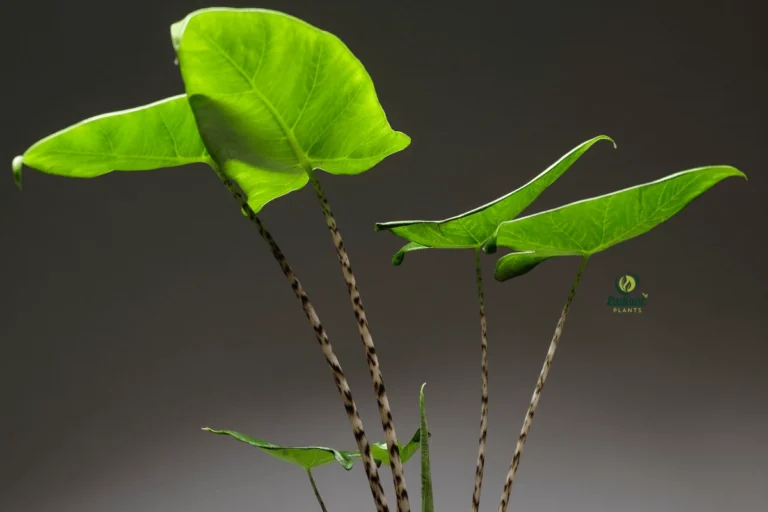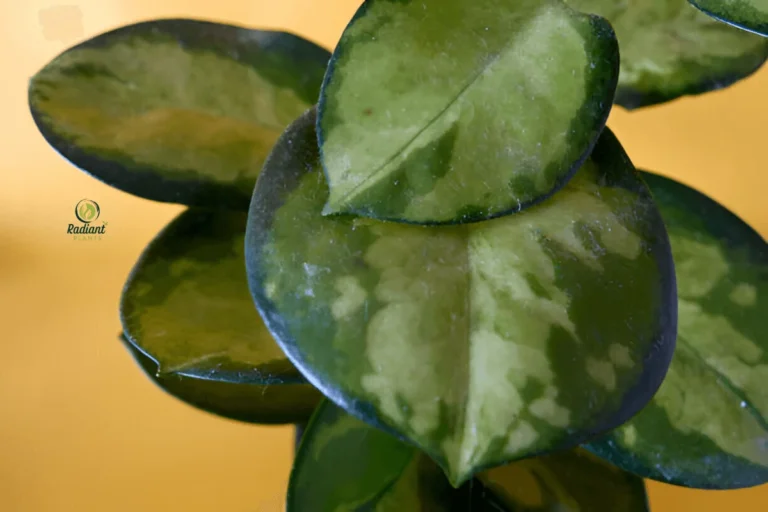
Plants That Are Lucky are believed to bring positive energy, balance, and good fortune into your home—and for many people, they genuinely enhance how a space feels. From Feng Shui traditions to modern lifestyle design, certain plants are associated with wealth, protection, and emotional well-being, making them popular choices in US and Canadian homes.
Beyond symbolism, research from horticulture and environmental psychology shows that indoor plants can reduce stress, improve mood, and make living spaces feel more welcoming. In fact, studies commonly cited by university extension programs note that greenery supports mental comfort and focus—one reason lucky plants remain timeless in home styling.
In this guide, you’ll discover 10 powerful plants that are lucky, what each one symbolizes, where to place it for the best effect, and how easy it is to care for. Whether you’re decorating, gifting, or refreshing your space, these plants offer beauty with meaning. 🌿
Table of Contents
In This Article
What Are Plants That Are Lucky?
Plants that are lucky are plants believed to attract positive energy, good fortune, harmony, or prosperity into a space. These beliefs come from a blend of cultural symbolism, design traditions, and modern lifestyle psychology. In the U.S. and Canada, lucky plants are commonly chosen for homes, offices, and gifts—not only for what they represent, but also for how they make people feel in a space.
From a practical standpoint, lucky plants are usually easy-care, visually calming, and adaptable indoors. This matters because a healthy plant reinforces its symbolic meaning: growth, stability, and renewal. That’s why many guides on plants for good luck focus on low-maintenance indoor plants that thrive in everyday homes.
At RadiantPlants, we approach lucky plants from both angles—symbolic meaning and real-world benefits—so readers can choose plants that look good, feel good, and actually last.
Why Are Certain Plants Considered Lucky?
Certain plants are considered lucky because humans have long associated natural growth with positive outcomes—wealth, protection, balance, and success. These associations developed across cultures and were later reinforced by modern research on how plants affect mood and perception.
🌿 Cultural symbolism
- Feng Shui links plants to energy flow (chi), using leaf shape, growth direction, and placement to encourage harmony.
- Western traditions associate specific plants with luck or prosperity, such as clover (chance), jade plants (wealth), and evergreens (stability).
- Modern lifestyle trends emphasize plants as symbols of intention—placing a plant becomes a mindful act, not just decoration.
In North American homes, these ideas are often simplified: people choose plants that symbolize something positive and fit easily into daily life.
🧠 Psychological and environmental impact
Scientific research supports why these beliefs persist. Studies cited by U.S. university horticulture extensions and environmental psychology researchers show that indoor plants can:
- Reduce perceived stress
- Improve mood and focus
- Increase satisfaction with living and working spaces
The U.S. Environmental Protection Agency (EPA) and Canadian public health resources also note that indoor environments strongly affect comfort and well-being. While plants aren’t magic, their presence can meaningfully influence how a space feels, which reinforces the idea of “positive energy plants.”
⭐ Snippet-Ready Highlight
Plants are considered lucky because they symbolize growth, balance, and renewal, while also improving how people feel in a space. Cultural traditions like Feng Shui combine with modern psychology, where studies show indoor plants can reduce stress and create a more positive home environment.
Practical examples of lucky plants in everyday homes
- A jade plant near a home office symbolizes steady growth and financial focus.
- A snake plant in an entryway represents protection and resilience.
- A peace lily in a living room promotes calm and emotional balance.
These plants are popular not only for their meanings but because they tolerate common indoor conditions—moderate light, infrequent watering, and stable temperatures typical in U.S. and Canadian homes.
Simple care principles that reinforce “luck.”
Healthy plants matter more than symbolism. To keep lucky plants thriving:
- Use well-draining soil and pots with drainage holes
- Match the plant to your light conditions
- Avoid overwatering—most lucky houseplants prefer drying slightly between waterings
For step-by-step care guides, you can explore related plant care articles on RadiantPlants, where we break down watering, light, and placement for each plant type.
Snippet-Ready Question Answer
What makes a plant lucky according to tradition and science?
A plant is considered lucky when cultural symbolism (like Feng Shui meanings) aligns with its ability to improve mood, reduce stress, and create a healthier-feeling indoor environment—benefits supported by U.S. and Canadian horticultural research.
Do Lucky Plants Really Bring Positive Energy?
When people talk about plants that are lucky, they’re often asking a deeper question: Do plants actually improve how a home feels, or is it just a belief? The answer sits between cultural tradition and modern science. While “positive energy” isn’t a scientific measurement, the effects plants have on mood, comfort, and perception are well documented—especially in U.S. and Canadian research.
Lucky plants don’t work like charms. Instead, they influence how people experience their space, which is why they continue to feel meaningful across cultures and generations.
Cultural Beliefs vs Modern Science
🌿 Feng Shui and energy flow
In Feng Shui, plants are used to guide chi (energy flow) through a space. Healthy, upward-growing plants are believed to:
- Encourage movement and vitality
- Balance stagnant areas
- Soften harsh architectural lines
This is why plants are often placed near entrances, workspaces, and living rooms. Even in modern North American homes, these principles translate well into interior design psychology—spaces feel more open, balanced, and alive when greenery is present.
🧠 What science says about plants and well-being
Research from U.S. and Canadian universities supports many of these outcomes, even without using spiritual language. Peer-reviewed studies in environmental psychology show that indoor plants can:
- Reduce perceived stress and anxiety
- Improve mood and emotional comfort
- Increase focus and satisfaction in indoor environments
University extension programs frequently cite findings that exposure to greenery helps people feel calmer and more positive in enclosed spaces. According to guidance referenced by the U.S. Environmental Protection Agency, indoor environmental quality—including visual comfort—plays a role in overall well-being. Plants contribute by softening indoor spaces and improving how air and light are perceived.
Similarly, resources connected to the United States Department of Agriculture emphasize choosing hardy, well-adapted houseplants to support long-term indoor comfort rather than short-lived décor.
⭐ Snippet-Ready Highlight
Lucky plants don’t create energy magically, but they do improve how a space feels. Cultural traditions like Feng Shui align with scientific research showing indoor plants can reduce stress, improve mood, and enhance comfort—making homes feel calmer, healthier, and more positive.
Air quality: perception vs reality
It’s important to be clear. Government agencies note that houseplants alone do not significantly purify indoor air in typical home settings. However, plants can:
- Increase humidity slightly
- Reduce the perception of stale air
- Make spaces feel fresher and more comfortable
That perceived improvement matters. When a room feels better, people associate it with positive energy—reinforcing the idea of plants for positive energy without overstating scientific claims.
Practical examples in real homes
- A snake plant in a bedroom adds visual calm and requires minimal care.
- A pothos near a workspace softens the environment and improves focus.
- A peace lily in a living area supports a quiet, balanced atmosphere.
These plants succeed because they’re resilient and easy to maintain—important for busy U.S. and Canadian households.
Simple care tips that support positive effects
Healthy plants create the strongest impact. To keep lucky plants working for your space:
- Match plants to available light (don’t force low-light plants into sun)
- Water only when the top inch of soil feels dry
- Keep leaves clean to maximize visual appeal
You can find detailed care guides and tips on plant placement in related articles in our troubleshooting section, where we focus on long-term plant success, not quick fixes.
Snippet-Ready Question Answer
Do lucky plants actually improve your home environment?
Yes. While luck is symbolic, research shows indoor plants reduce stress, improve mood, and increase comfort. These real psychological benefits help explain why lucky plants consistently make homes feel more positive and welcoming.
10 Plants That Are Lucky for Homes and Offices
Plants that are lucky are popular in U.S. and Canadian homes because they combine symbolic meaning with real, everyday benefits. These plants are often chosen to attract prosperity, protection, harmony, and growth—while also being easy to care for indoors. When people search for plants that are lucky, they’re usually looking for indoor plants that feel meaningful, improve mood, and fit naturally into home or office spaces.
📊 Quick Comparison Table
Plant Name | Symbolic Meaning | Best Placement | Care Level | Pet Safety |
|---|---|---|---|---|
Lucky Bamboo | Prosperity, balance | Entryway, desk | Easy | Generally safe |
Jade Plant | Wealth, success | Office, near the door | Easy | Toxic |
Snake Plant | Protection, strength | Bedroom, hallway | Very easy | Toxic |
Money Tree | Good fortune, balance | Living room | Easy | Generally safe |
Peace Lily | Harmony, renewal | Living area | Moderate | Toxic |
Pothos | Growth, opportunity | Shelves, offices | Very easy | Toxic |
Rubber Plant | Stability, abundance | Bright rooms | Moderate | Toxic |
Orchid | Luxury, success | Accent areas | Moderate | Generally safe |
Basil | Luck, positivity | Kitchen window | Easy | Safe |
Four-Leaf Clover | Rare luck | Bright windowsill | Moderate | Safe |
⭐ Plants that are lucky are indoor plants traditionally linked to prosperity, protection, and positive energy. While their luck is symbolic, research shows these plants improve mood, reduce stress, and make homes feel more welcoming—explaining why lucky plants remain popular in modern interiors.
Lucky Bamboo – A Symbol of Prosperity

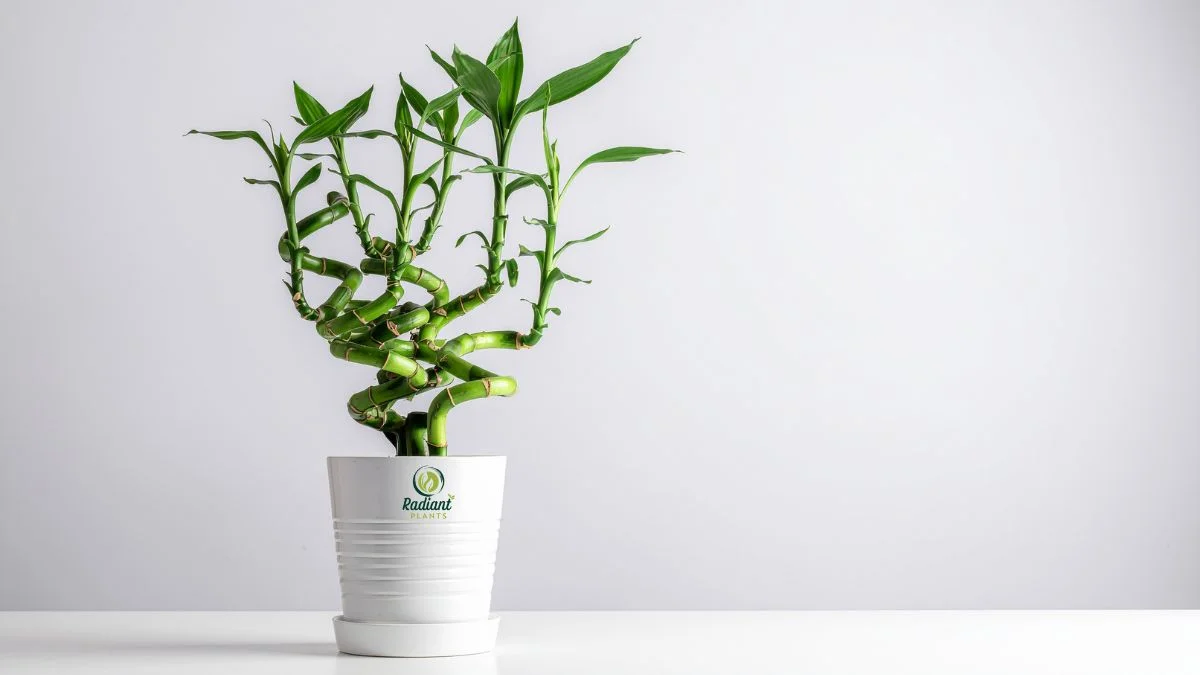
Lucky bamboo is one of the most recognized indoor lucky plants, especially in Feng Shui. Its stalks symbolize prosperity and balance, and the number of stems is often linked to specific intentions.
⭐ Snippet
Lucky bamboo symbolizes prosperity and balance while thriving in low light with minimal care, making it one of the easiest lucky plants for homes and offices.
Among all plants that are lucky, Lucky Bamboo is one of the easiest for beginners.
Jade Plant – Wealth and Success Plant
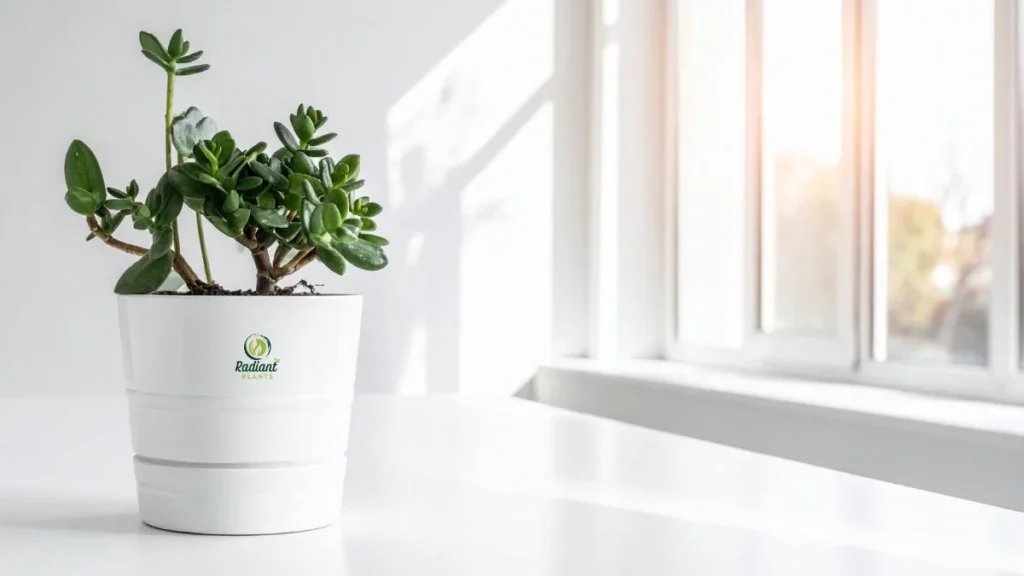
The jade plant’s coin-shaped leaves are why it’s linked to money and success. It’s often placed near entrances or workspaces to symbolize steady financial growth.
Snake Plant – Protection and Strength
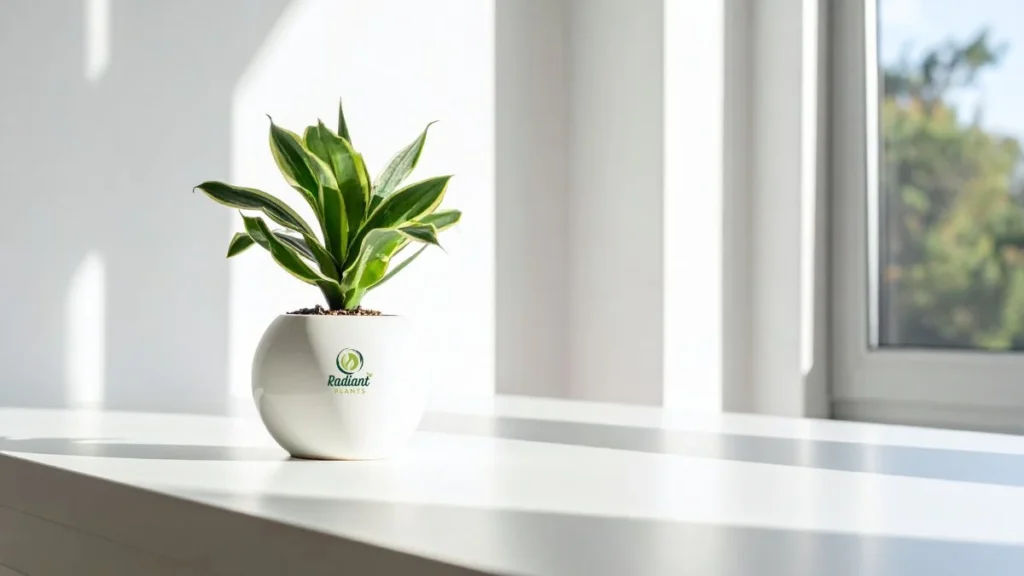
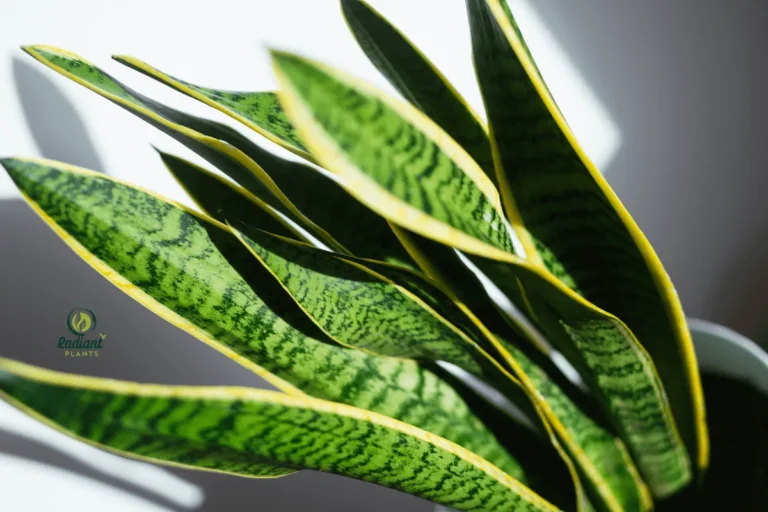
Snake plants are associated with protection and resilience. Their upright leaves symbolize strength and boundaries.
⭐ Snippet
Snake plants symbolize protection and strength and thrive with minimal care, making them ideal lucky plants for busy households.
Many people choose Snake Plant because it’s one of the most resilient plants that are lucky for busy homes.
Money Tree – Balance and Good Fortune
Known for its braided trunk, the money tree represents balance and good fortune and is a popular gift across the U.S. and Canada.
Peace Lily – Harmony and Renewal
Peace lilies symbolize emotional balance and renewal. They’re best for calm, shared spaces.
⚠️ Pet note: Peace lilies are toxic to cats and dogs if ingested. If you share your home with pets, it’s important to place this plant out of reach or choose a pet-safe alternative.
👉 For a detailed breakdown of symptoms, risks, and safer plant options, link internally to your dedicated pet safety guide on RadiantPlants ( “Are Spider Plants Poisonous to Dogs?” and “10 Stunning Cat Safe Indoor Plants You’ll Love“).
⭐ Snippet
Peace lilies symbolize harmony and renewal, making them popular lucky plants for calm spaces. However, they are toxic to cats and dogs, so pet owners should place them carefully or explore safer alternatives.
Pothos – Growth and Opportunity
Pothos represents persistence and progress. It’s beginner-friendly and adapts to many environments.
Rubber Plant – Stability and Abundance
With bold leaves, rubber plants symbolize stability and abundance and add strong visual structure to interiors.
Orchid – Luxury and Success
Orchids are linked to success and refinement. Their bloom cycles reward patience and consistent care.
Basil – Luck in the Kitchen
In many traditions, basil represents positivity and protection.
Four-Leaf Clover Plant – Rare Luck Symbol
A classic Western symbol of luck, the four-leaf clover plant works well indoors with bright light and regular watering.
⭐ Snippet
Four-leaf clover plants symbolize rare luck and optimism, making them meaningful additions to bright indoor spaces.
Where Should You Place Lucky Plants for Best Results?
Choosing the right plants that are lucky is only part of the equation—placement matters just as much when using plants that are lucky to improve how a home or office feels. Where a plant lives in your home or office affects how it grows, its appearance, and the overall experience of the space around it. In Feng Shui and modern interior design, placement is about flow, balance, and function, not superstition.
In U.S. and Canadian homes, the best results are achieved by combining traditional placement ideas with practical plant care. A healthy plant placed in the right room reinforces its symbolic meaning while also improving comfort and visual harmony.
⭐ Snippet
Lucky plants work best when placed where they support daily movement and comfort. Entryways, living rooms, and home offices are ideal because they combine visibility, light, and function—helping plants thrive while reinforcing their symbolic meaning of growth, balance, and positivity.
Best Rooms for Lucky Plants
Below are the most effective rooms for placing lucky plants, based on Feng Shui principles and North American interior design practices.
🚪 Entryway: Welcome Energy and Opportunity
The entryway represents first impressions and new beginnings. In Feng Shui, it’s where energy enters the home, making it one of the most powerful spots for plants for positive energy.
Recommended plants
- Lucky bamboo
- Jade plant
- Snake plant
Why it works
- Upright growth symbolizes forward momentum
- Plants soften hard lines and improve visual comfort
Care tips
- Choose plants that tolerate indirect light
- Avoid overcrowding—one strong plant is better than many small ones
🛋️ Living Room: Balance and Harmony
Living rooms are shared spaces, so they benefit from plants that symbolize harmony, renewal, and abundance. From a design perspective, greenery helps anchor furniture layouts and reduce visual clutter.
Recommended plants
- Peace lily
- Money tree
- Rubber plant
Why it works
- Broad leaves create a calming focal point
- Plants make large rooms feel warmer and more inviting
Care tips
- Place plants near windows with filtered light
- Rotate pots every few weeks for even growth
E-E-A-T note: Environmental guidance from the U.S. Environmental Protection Agency explains that while houseplants don’t significantly purify indoor air, they do improve perceived comfort, which plays a real role in how welcoming a space feels.
💼 Home Office: Focus and Growth
Home offices benefit from lucky plants that represent persistence, clarity, and success. Research from university extension programs shows that greenery can improve concentration and reduce stress in work environments.
Recommended plants
- Pothos
- Snake plant
- Jade plant
Why it works
- Greenery reduces visual fatigue
- Plants create a calmer, more focused atmosphere
Care tips
- Keep plants within your line of sight
- Choose low-maintenance options for busy schedules
📊 Quick Placement Guide
Room | Recommended Plant | Symbolic Benefit |
|---|---|---|
Entryway | Lucky Bamboo | New beginnings, prosperity |
Living Room | Money Tree | Balance, abundance |
Home Office | Jade Plant | Growth, success |
Bedroom | Snake Plant | Protection, calm |
Kitchen | Basil | Positivity, vitality |
⭐ Snippet
The best placement for lucky plants depends on function. Entryways support opportunity, living rooms encourage harmony, and home offices reinforce focus and growth. When plants receive proper light and care, their symbolic meaning feels stronger and more authentic.
Practical placement rules that always work
No matter the room:
- Match plants to available light
- Avoid blocking walkways or vents
- Keep plants healthy—declining plants create the opposite effect
For room-by-room styling and plant placement ideas, browse related articles on RadiantPlants, where symbolism meets practical interior plant care.
How to Choose the Right Lucky Plant for You
Choosing plants that are lucky isn’t about following trends—it’s about matching symbolism, care needs, and your everyday lifestyle. The right lucky plant should support your space, not become a source of stress. According to university extension guidance, plants that align with light, watering habits, and room use are more likely to thrive long-term, which is key because a healthy plant is where symbolic “positive energy” truly comes from.
Below, you’ll learn how to select the best option based on care level and symbolic meaning, with practical examples you can apply immediately in your home.
🌱 Based on Lifestyle and Care Level
Not all plants that are lucky fit every routine. Start by honestly assessing how much time and attention you can give.
Beginner-Friendly Lucky Plants
These are ideal if you’re busy, travel often, or are new to houseplants:
- Snake Plant → thrives in low light, infrequent watering
- Pothos → adaptable, forgiving, fast-growing
- ZZ Plant → drought-tolerant, excellent for offices
These plants are commonly recommended by U.S. university extension programs because they tolerate inconsistent care while maintaining a strong visual impact.
For Experienced Plant Owners
If you enjoy plant care and routine maintenance:
- Money Tree → requires balanced watering and bright, indirect light
- Rubber Plant → needs regular pruning and light management
- Fiddle Leaf Fig → higher light needs, sensitive but rewarding
🔎 Care Tip: Match plant difficulty to your schedule. A struggling plant can feel draining, while a thriving one reinforces the calming, uplifting effect associated with plants that are lucky.
✨ Snippet
The best lucky plant is one that fits your lifestyle. Low-maintenance options like snake plants and pothos suit beginners, while money trees and rubber plants work best for experienced owners who can meet their care needs consistently.
🌿Based on Symbolic Meaning
Symbolism plays a major role when choosing plants that are lucky, especially in homes influenced by Feng Shui and cultural traditions.
Popular Symbolic Meanings
- Wealth & Abundance: Money Tree, Jade Plant
- Peace & Calm: Peace Lily, Lavender (indoors with bright light)
- Protection: Snake Plant, Cactus
- Success & Growth: Bamboo Palm, Rubber Plant
Interior designers in the U.S. often recommend pairing symbolism with room function—for example, wealth plants in a home office, or calming plants in bedrooms and living areas.
⚠️ Pet Safety Note: Some popular lucky plants may be toxic to cats and dogs. Always check pet-safe alternatives before placing plants in shared living spaces.
🌟 Snippet
Choose lucky plants by meaning as well as care needs. Wealth-focused plants like money trees suit offices, while calming options like peace lilies fit living rooms. A plant’s symbolism works best when it aligns with both the room’s purpose and your ability to care for it.
❓ Snippet-Ready Question
How do you choose the best lucky plant for your home?
You choose it by balancing care level, room conditions, and symbolic meaning. The most effective plants that are lucky are healthy, well-placed, and suited to your daily routine—making positive energy feel natural, not forced.
🔗 For more guidance, explore related plant-care and interior styling articles on RadiantPlants to build a home that feels both beautiful and balanced.
🌿 FAQs About Plants That Are Lucky
What are the most popular plants that are lucky for the home?
Some of the most popular plants that are lucky include snake plants, money trees, pothos, jade plants, and peace lilies. These plants are widely associated with positive energy, growth, and balance, while also being easy to care for in typical U.S. and Canadian homes.
Do lucky plants really bring good energy, or is it just a belief?
Lucky plants are rooted in cultural traditions like Feng Shui and symbolism. While they don’t change outcomes directly, studies from U.S. environmental and university sources show that indoor plants can improve mood, perceived comfort, and focus—benefits often interpreted as “positive energy.”
Where should you place plants that are lucky for the best results?
Placement matters. Entryways support welcoming energy, living rooms enhance harmony, and home offices reinforce focus and growth. Feng Shui plant placement emphasizes bright, indirect light and uncluttered areas, helping lucky plants stay healthy and visually balanced.
Are there lucky plants that are safe for pets?
Yes. Some plants that are lucky—such as spider plants and certain palms—are considered non-toxic to cats and dogs. However, popular options like peace lilies and jade plants can be toxic, so always check pet safety before choosing lucky plants for shared spaces.
How do you choose the best lucky plant for your lifestyle?
Choose lucky plants based on your care routine and light conditions. Low-maintenance options like snake plants and pothos suit busy schedules, while money trees and rubber plants are better for hands-on plant owners who enjoy regular care and maintenance.
Can lucky plants improve air quality indoors?
Plants improve perceived comfort and well-being, but the U.S. Environmental Protection Agency notes they don’t significantly purify indoor air. The real benefit of plants that are lucky comes from stress reduction, improved focus, and the calming presence of greenery in your home.
🌿 Final Thoughts: Inviting Positive Energy With Plants
Plants that symbolize luck blend cultural tradition with everyday wellness, making them a meaningful addition to modern homes and offices. From low-maintenance options like snake plants to symbolic favorites such as jade and lucky bamboo, the right choice depends on your space, lifestyle, and intention. Thoughtful placement and basic care help these plants thrive—creating calm, focus, and visual harmony. Plants That Are Lucky work best when they align with both your environment and personal goals.
👉 Internal CTA: Continue exploring plant symbolism and styling ideas in our RadiantPlants guide on the best indoor plants for positive energy and calm spaces.
📌 External CTA: Join our RadiantPlants newsletter for weekly plant inspiration—or follow us on Pinterest for visual guides and lucky plant placement ideas you can save and share.