

In Brief
- Choose lucky plants like money tree, jade, or snake plant
- Place plants near the entry, office, or bright living spaces
- Match the plant to your light and care level
- Use lucky bamboo or pothos for low-maintenance options
- Avoid dead plants and poor placement
- Start with one easy plant and build from there
💡Plants That Are Lucky are indoor plants believed to attract wealth, harmony, or positive energy based on cultural symbolism and proper placement.
Choosing plants that are lucky isn’t just about symbolism—it’s about picking the right plant for your space and using it correctly. Many people bring home “lucky” plants that slowly decline because of poor placement or care. This guide shows you which plants actually work indoors, why they’re considered lucky, and how to choose one that fits your home so it thrives and delivers real impact.
In This Article
What Makes a Plant “Lucky”?
Plants that are lucky are indoor plants culturally believed to attract wealth, positive energy, protection, or harmony. The idea comes mainly from Feng Shui, where plants are used to balance energy (chi) and improve the flow of life in a space.
At a basic level, a “lucky plant” isn’t about magic—it’s about symbolism + placement + how the plant affects your environment.
🌿 The 3 Core Reasons Plants Are Considered Lucky
1. Symbolism (What the Plant Represents)
Many plants are linked to prosperity because of how they look or grow:
- Round leaves → symbolize coins (wealth)
- Upright growth → represents expansion and success
- Fast growth → associated with abundance
For example, the Jade Plant is often called the “money plant” because its thick, coin-shaped leaves resemble wealth.
👉 What actually works: Choosing a plant with strong symbolic meaning can make your space feel intentional and motivating.
👉 What often fails: Picking a plant just because it’s “lucky” but ignoring whether it fits your home conditions.
2. Placement (Where You Put It Matters More Than the Plant)
In Feng Shui, the same plant can feel “lucky” or “ineffective” depending on placement.
- Entryway → invites energy into the home
- Office or desk → linked to wealth and focus
- Living room → supports balance and harmony
👉 Beginner mistake: Putting a “lucky” plant in a dark corner where it slowly dies.
That does the opposite of what you want.
At Radiant Plants, we’ve found that a healthy plant in the right spot has far more impact than a “perfect” plant in the wrong place.
3. Psychological Effect (The Science Side)
Even outside cultural beliefs, indoor plants improve how a space feels:
- Reduce stress
- Improve mood
- Make environments feel alive and cared for
This is supported by research showing that indoor plants can positively affect mental well-being.
👉 This is the hidden layer competitors miss:
“Luck” often comes from how your environment influences your behavior, focus, and energy.
🌱 Why People Associate Plants With Prosperity
Across cultures, plants represent:
- Growth → progress in life or finances
- Renewal → fresh starts (especially in spring)
- Care → attention and consistency
That’s why plants like Lucky Bamboo and Money Tree are popular gifts for new homes, jobs, or businesses.
In real homes, the pattern is simple:
- People who keep plants healthy tend to maintain their spaces better
- Cleaner, greener spaces feel more productive and calm
- That indirectly supports better habits and decisions
🌿 Expert Tip (Often Overlooked)
Don’t chase “luck”—focus on plant health + placement + consistency.
If your plant is:
- thriving
- clean
- placed with intention
…it will naturally contribute to a better environment.
⚠️ What Most People Get Wrong
- Choosing plants based only on meaning, not conditions
- Ignoring light and watering needs
- Letting plants decline (dead plants are often seen as negative energy)
If you’re unsure how to keep plants alive, start with easy indoor plants for beginners and build from there.
🧠 Simple Definition (Snippet-Ready)
Lucky plants are indoor plants believed to attract positive energy, wealth, or harmony based on symbolism, placement, and their effect on your living environment.
15 Plants That Are Lucky for Your Home
Plants that are lucky indoors include popular choices like the Money Tree, Lucky Bamboo, and Snake Plant—all associated with wealth, protection, and positive energy. The key isn’t just the plant itself, but choosing one that fits your space and keeping it healthy.
Below are 15 lucky indoor plants, with real-world placement tips and care guidance so you can actually succeed—not just decorate.
🌿 Money Tree (Pachira aquatica)
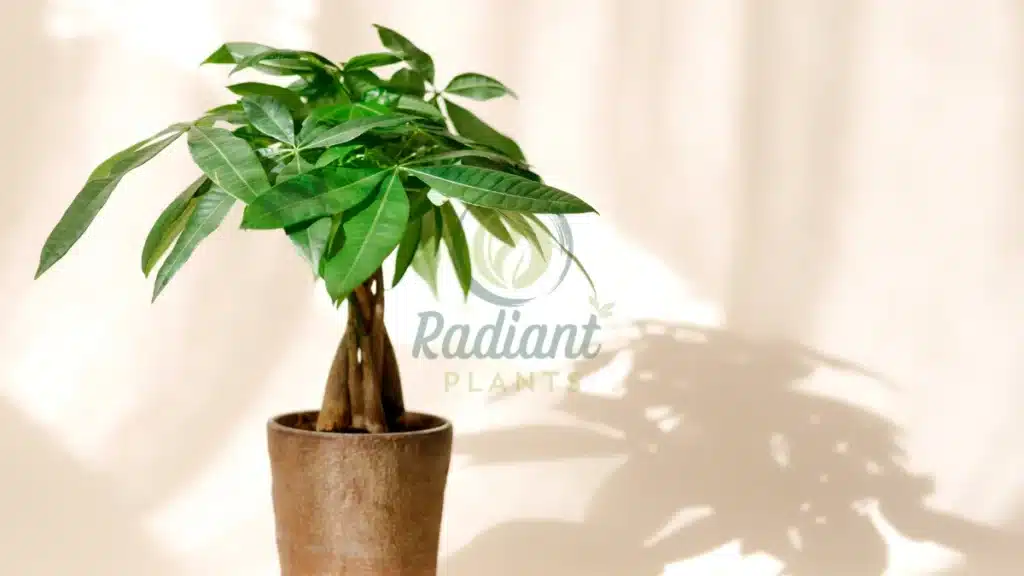
- Why it’s lucky: Symbol of wealth and financial growth
- Best placement: Near entryway or office desk
- Light: Bright, indirect light
- Care level: Beginner-friendly
👉 Common mistake: placing it in low light—it slowly weakens.
👉 Works great in: living rooms with natural light.
🎋 Lucky Bamboo (Dracaena sanderiana)
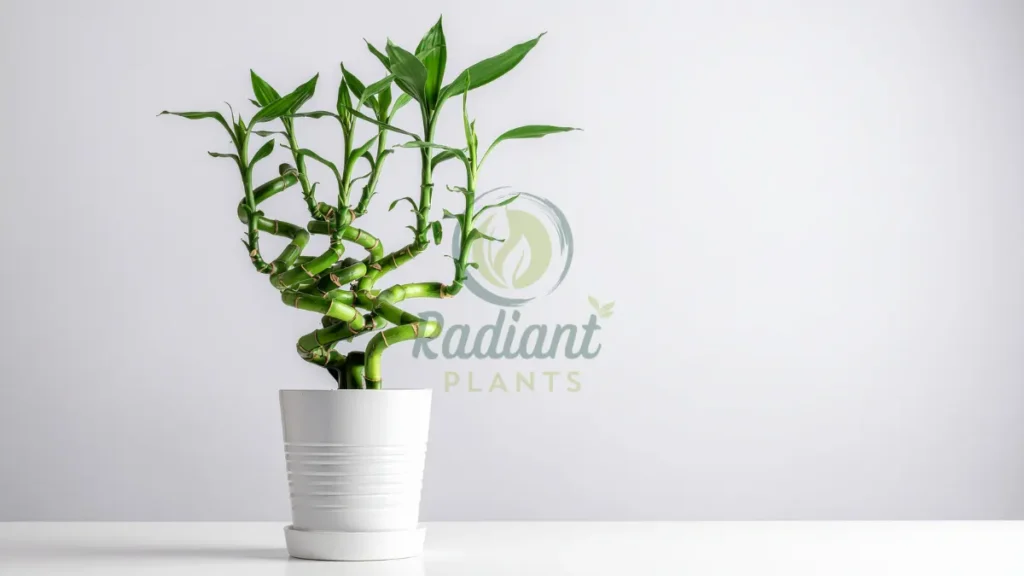
- Why it’s lucky: Classic feng shui plant; the number of stalks has meaning
- Best placement: Desk, shelf, or entry
- Light: Low to moderate light
- Care level: Very easy
👉 At Radiant Plants, we’ve found this is the safest “first lucky plant.”
👉 Avoid direct sun—it burns quickly.
🌱 Jade Plant (Crassula ovata)
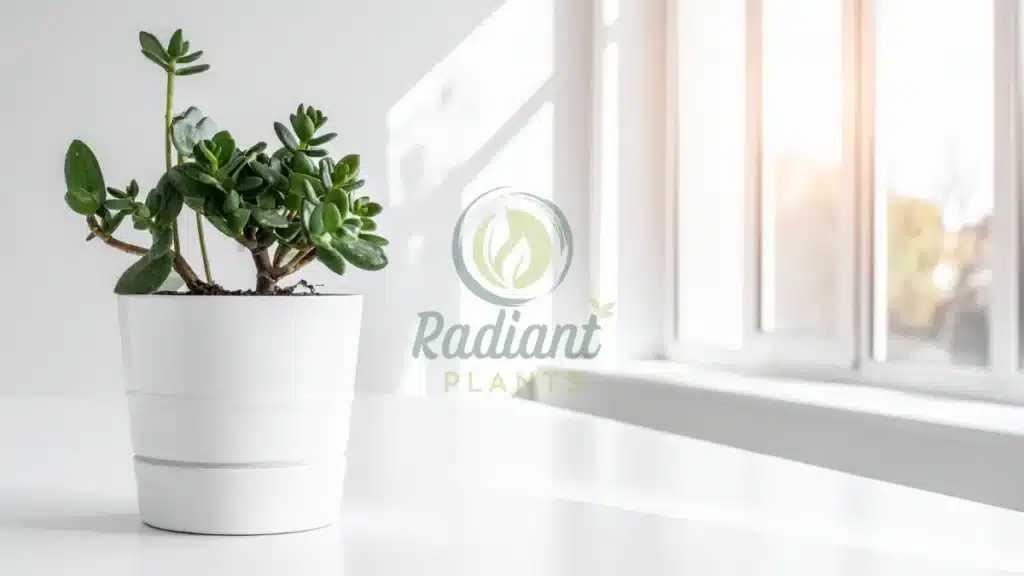
- Why it’s lucky: Coin-shaped leaves symbolize money
- Best placement: Near the entrance or workspace
- Light: Bright light
- Care level: Beginner
👉 Needs sunlight—don’t treat it like a low-light plant.
👉 Great for small apartments with sunny windows.
🪴 Snake Plant (Dracaena trifasciata)
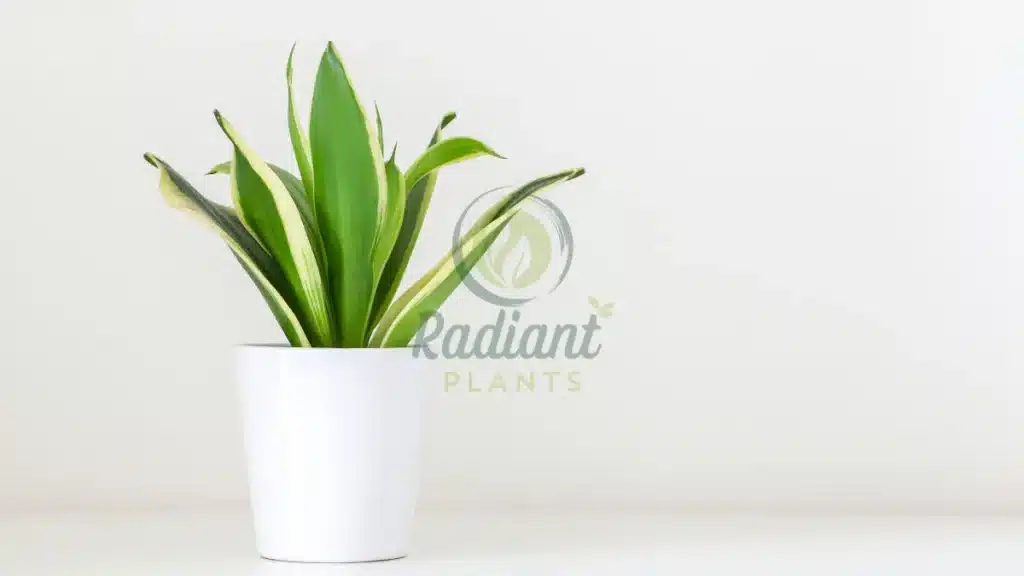
- Why it’s lucky: Associated with protection and air purification
- Best placement: Entryway or bedroom corner
- Light: Low to bright light
- Care level: Very easy
👉 Survives neglect—perfect for busy lifestyles.
👉 Beginner mistake: overwatering (this kills more snake plants than anything).
🌼 Peace Lily (Spathiphyllum)
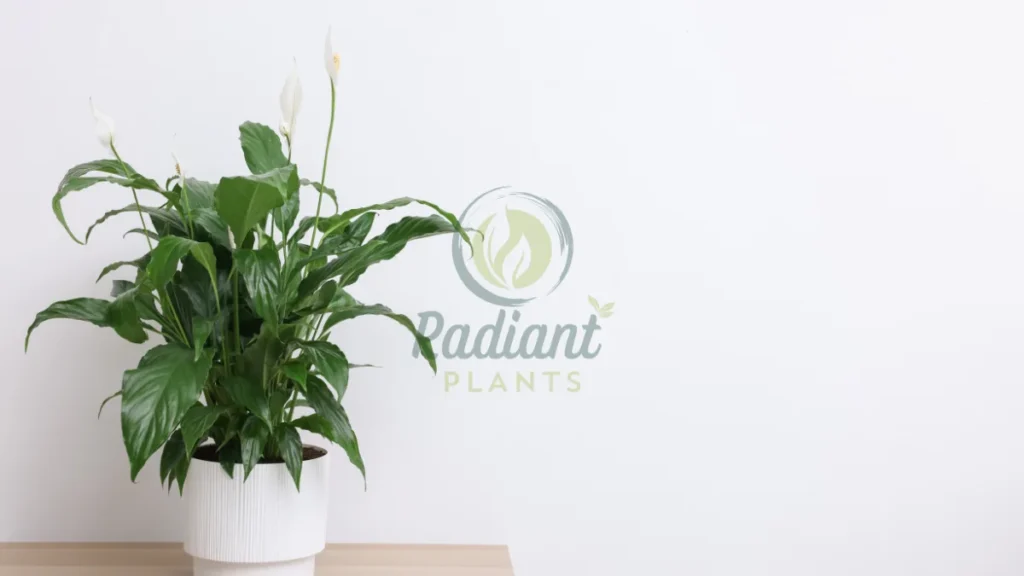
- Why it’s lucky: It represents peace, harmony, and purification
- Best placement: Living room or shaded corner
- Light: Low to medium light
- Care level: Beginner
👉 Leaves droop when thirsty—an easy signal for beginners.
👉 Ideal for calming spaces.
🌿 Pothos / Money Plant (Epipremnum aureum)
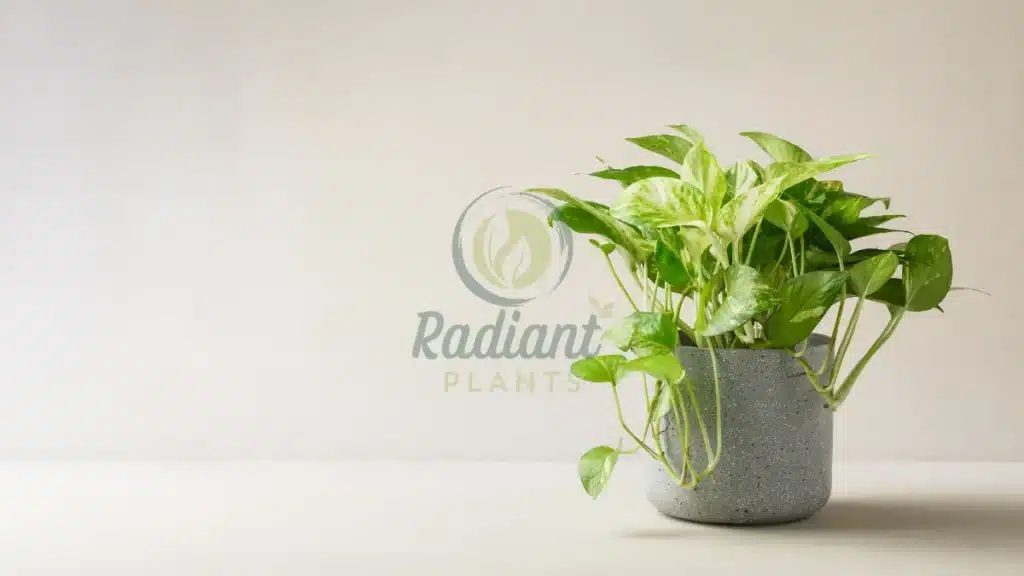
- Why it’s lucky: Linked to prosperity and growth
- Best placement: Shelves or hanging near windows
- Light: Low to bright indirect light
- Care level: Very easy
👉 One of the most forgiving plants.
👉 Works well in offices and dorms.
🪙 Chinese Money Plant (Pilea peperomioides)
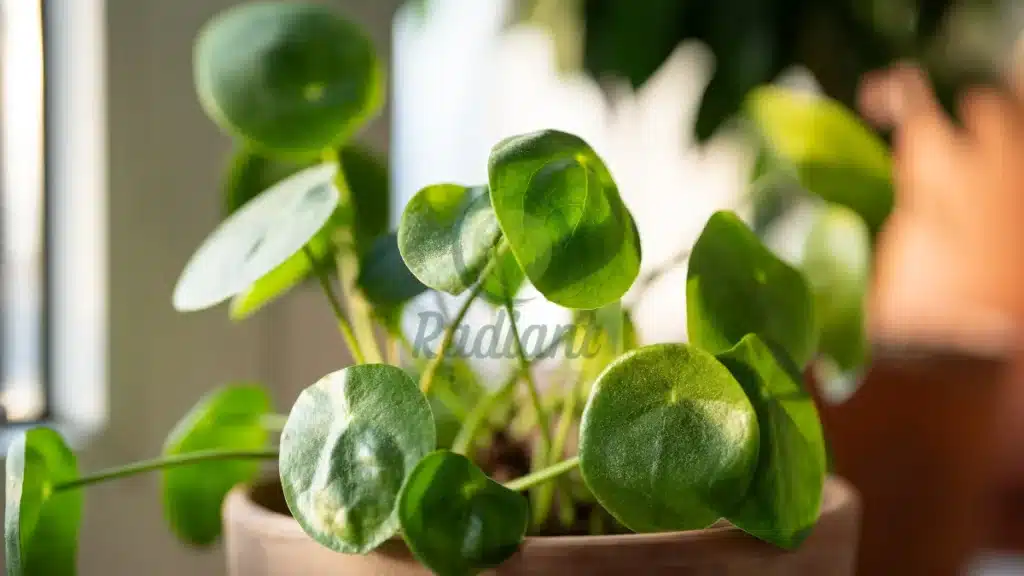
- Why it’s lucky: Round leaves symbolize coins and wealth
- Best placement: Bright desk or shelf
- Light: Bright indirect light
- Care level: Beginner
👉 Needs rotation for even growth—often overlooked.
👉 Popular as a gift plant.
🌳 Rubber Plant (Ficus elastica)
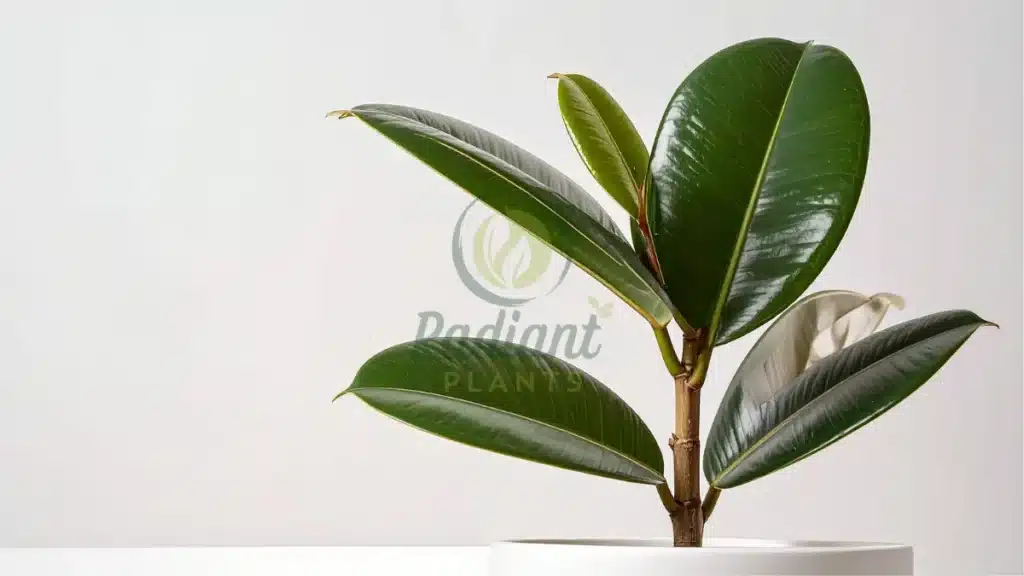
- Why it’s lucky: Associated with abundance and strength
- Best placement: Living room corner
- Light: Bright indirect light
- Care level: Intermediate
👉 Needs space—don’t overcrowd it.
👉 Leaves should be wiped clean regularly.
🌸 Orchids (Phalaenopsis spp.)
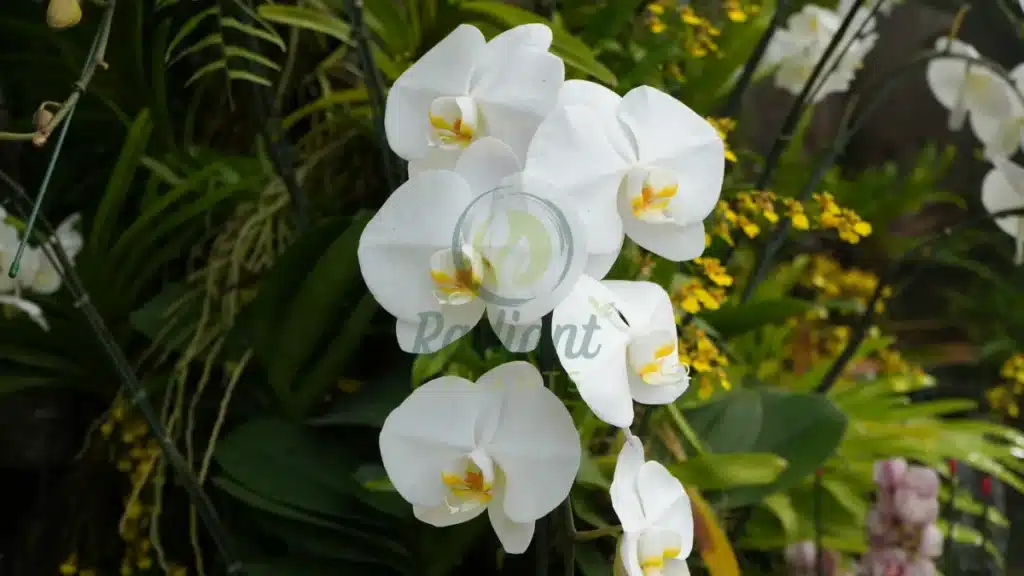
- Why it’s lucky: Symbol of luxury, fertility, and elegance
- Best placement: Bright room (not direct sun)
- Light: Bright indirect light
- Care level: Intermediate
👉 Biggest mistake: overwatering roots.
👉 Best for decorative, intentional spaces.
🌿 Aloe Vera (Aloe vera)
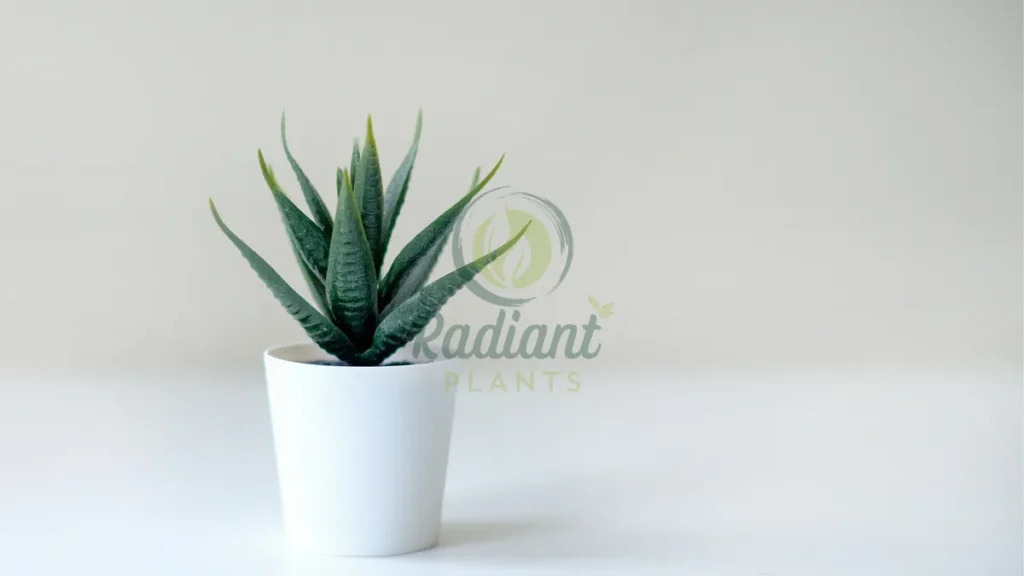
- Why it’s lucky: Linked to protection and healing
- Best placement: Sunny windowsill
- Light: Bright direct light
- Care level: Beginner
👉 Needs very little water—perfect for forgetful owners.
👉 Often used in kitchens or bathrooms.
🌱 Basil (Ocimum basilicum)
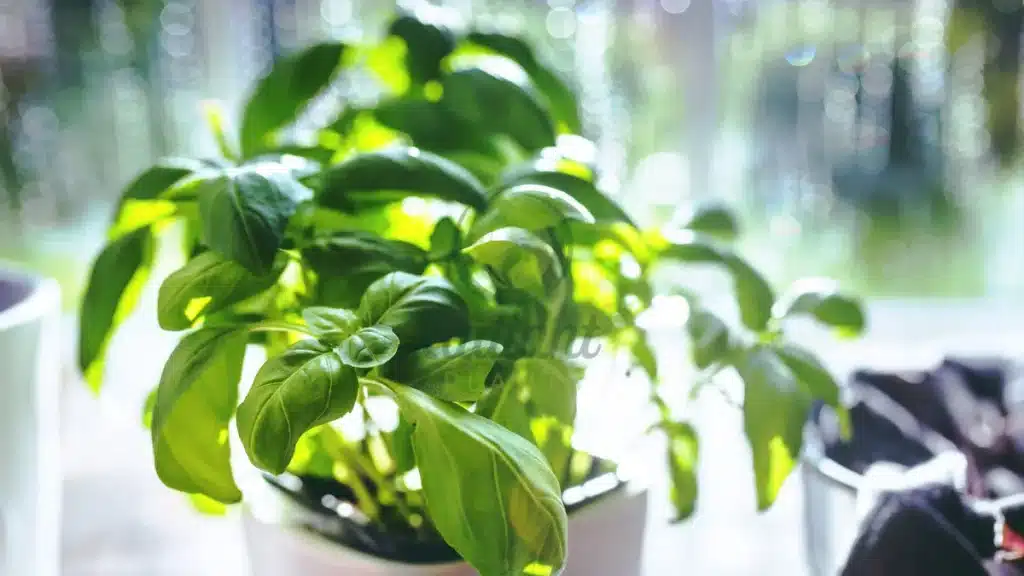
- Why it’s lucky: Associated with prosperity and positive energy
- Best placement: Kitchen or sunny window
- Light: Bright light
- Care level: Beginner
👉 Bonus: edible and aromatic.
👉 Seasonal note: thrives best in spring and summer.
🌿 Lavender (Lavandula spp.)
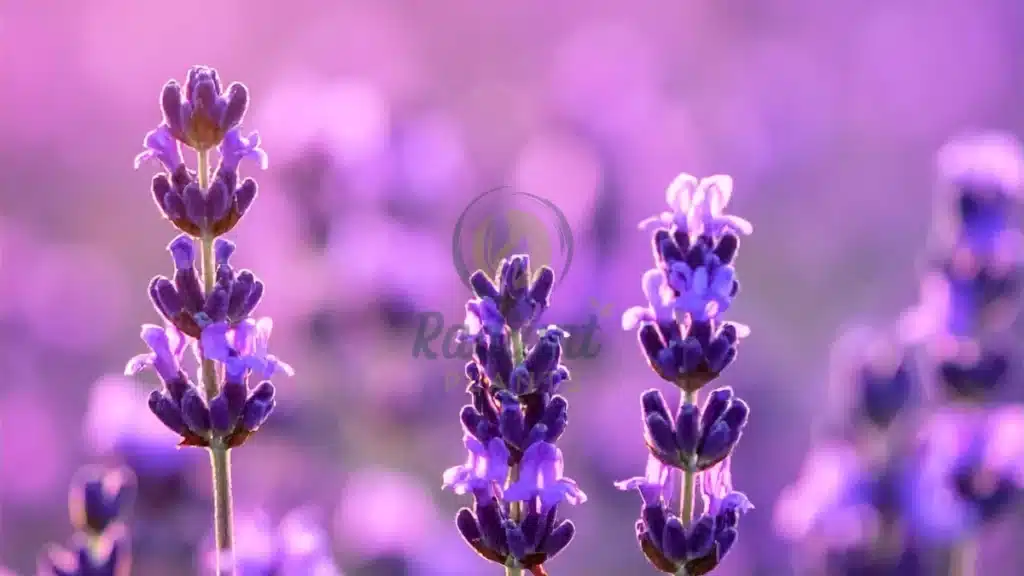
- Why it’s lucky: Promotes calm, peace, and relaxation
- Best placement: Bedroom or balcony
- Light: Full sun
- Care level: Intermediate
👉 Needs airflow—often fails indoors without it.
👉 Works best near windows.
🌵 ZZ Plant (Zamioculcas zamiifolia)
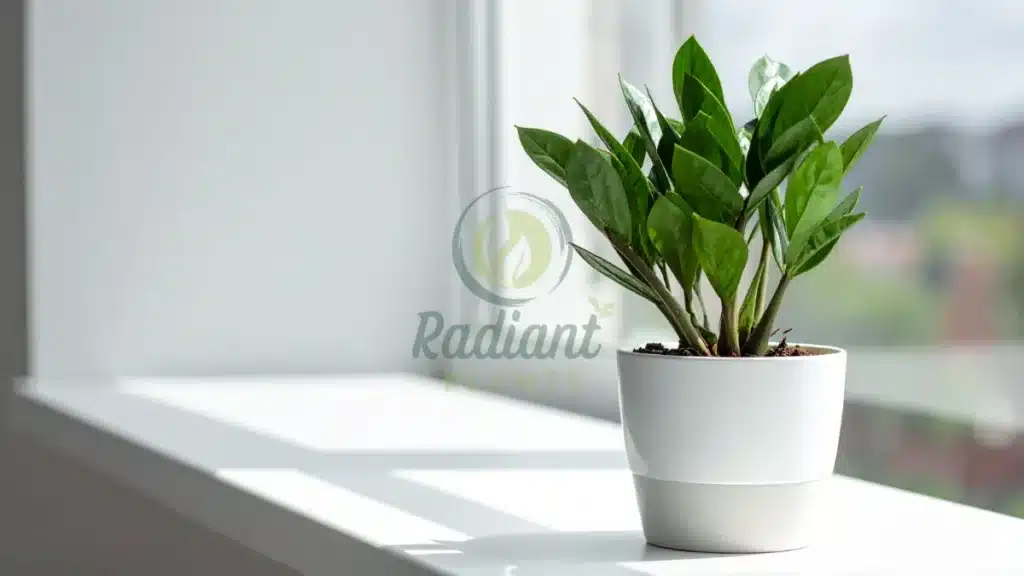
- Why it’s lucky: Symbol of steady growth and resilience
- Best placement: Office or low-light room
- Light: Low to bright indirect light
- Care level: Very easy
👉 One of the toughest indoor plants.
👉 Overwatering is the only real risk.
🌴 Areca Palm (Dypsis lutescens)
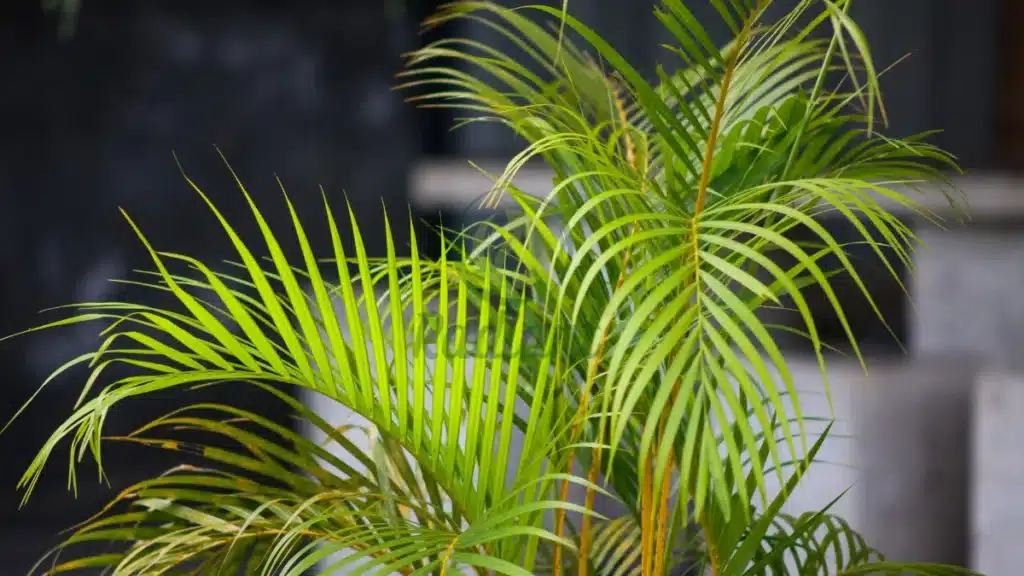
- Why it’s lucky: It represents peace, freshness, and vitality
- Best placement: Living room or bright corner
- Light: Bright indirect light
- Care level: Beginner
👉 Adds a tropical, uplifting feel.
👉 Needs consistent watering—not too dry.
🌿 Philodendron (Philodendron spp.)
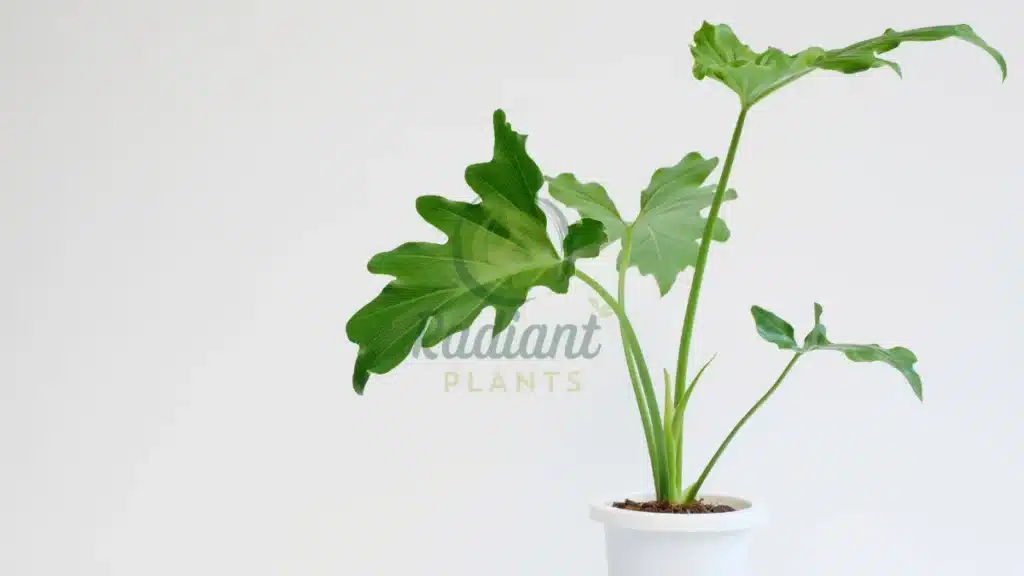
- Why it’s lucky: Associated with growth and positive transformation
- Best placement: Shelves or hanging areas
- Light: Low to medium light
- Care level: Beginner
👉 Extremely adaptable—great starter plant.
👉 Works well in almost any room.
🧠 Practical Insight Most Pages Miss
At Radiant Plants, we’ve seen this pattern repeatedly:
👉 The “luckiest” plant is the one that:
- fits your light
- matches your routine
- stays healthy long-term
A thriving plant in the right spot will always outperform a “symbolically perfect” plant that struggles.
If you’re unsure which one fits your home, start with easy indoor plants for beginners and build from there.
Where to Place Lucky Plants for Maximum Effect
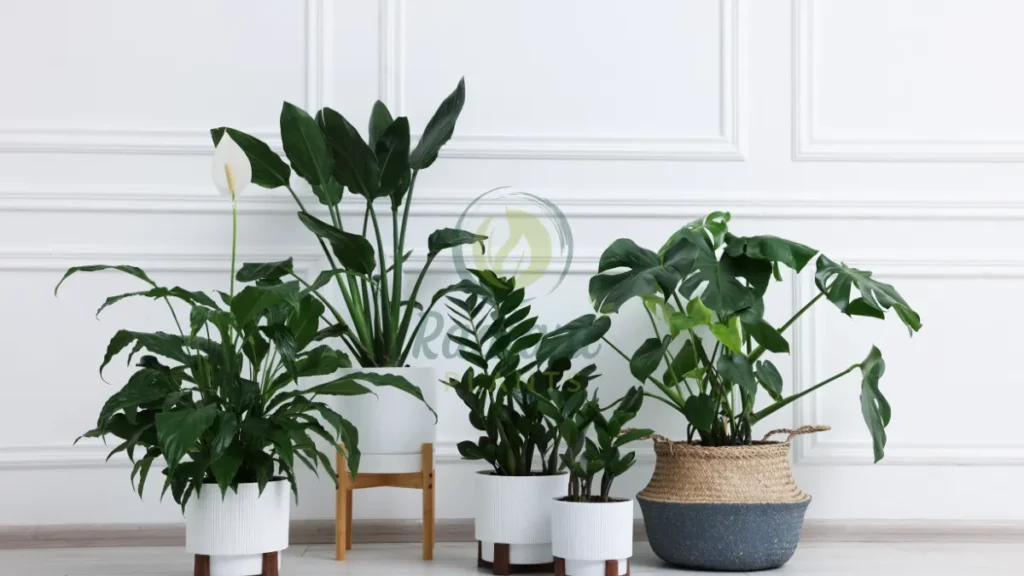
To get the most from plants that are lucky, placement matters as much as the plant itself. The right spot supports both the plant’s health and the intended benefit—whether that’s energy flow, focus, or calm. In practice, a well-placed, thriving plant will always feel more “effective” than one struggling in the wrong conditions.
Below is a room-by-room placement guide you can actually use at home.
🚪 Entryway (Energy Flow & First Impressions)
Goal: Welcome positive energy into your home
Best plants:
- Money Tree
- Lucky Bamboo
- Snake Plant
Why it works: In Feng Shui, the entrance is where energy enters your space. A healthy plant here sets the tone.
What actually works:
- Place plants near the door, but not blocking the path
- Choose upright or structured plants (they guide energy upward)
Common mistakes:
- Dark entryways with no natural light → plants slowly decline
- Overcrowding small spaces with large plants
👉 Real scenario: In small apartments, a compact lucky bamboo on a console table works better than a large floor plant.
🛋️ Living Room (Balance & Harmony)
Goal: Create a calm, welcoming environment
Best plants:
- Peace Lily
- Rubber Plant
- Areca Palm
Why it works: The living room is where people gather—plants here influence mood and comfort.
What actually works:
- Use medium to large plants in corners to soften the space
- Keep leaves clean (dust reduces light absorption)
Common mistakes:
- Placing plants too far from windows
- Ignoring airflow (especially for larger plants)
👉 At Radiant Plants, we’ve found living rooms benefit most from 1–2 larger plants, not many small ones.
💻 Office / Desk (Wealth & Focus)
Goal: Support productivity and financial energy
Best plants:
- Jade Plant
- Chinese Money Plant
- Pothos
Why it works: Plants near workspaces can improve focus and reduce stress.
What actually works:
- Keep plants at eye level or slightly off to the side
- Choose compact plants that don’t clutter your desk
Common mistakes:
- Overwatering small desk plants
- Placing them directly in harsh sunlight (window glare)
👉 Micro-experience: A pothos trailing from a shelf above your desk adds greenery without taking up space.
🛏️ Bedroom (Calm — But Be Selective)
Goal: Promote relaxation without overcrowding
Best plants:
- Snake Plant
- Lavender
Why it works: Some plants are associated with calm and better air quality.
What actually works:
- Keep it minimal—1 small plant is enough
- Choose low-maintenance, low-light plants
Common mistakes:
- Too many plants → cluttered, heavy feeling
- High-maintenance plants → stress instead of calm
👉 Real scenario: A single snake plant in a corner is often better than multiple plants competing for light.
✅ Quick Placement Checklist (Use This Before You Decide)
- Does this spot get enough light for the plant?
- Is the plant easy to access for watering and care?
- Does the size match the space (not too crowded)?
- Is the plant placed intentionally (not randomly)?
- Will it stay healthy long-term in this location?
🧠 Expert Insight (Most Competitors Miss This)
At Radiant Plants, we’ve seen that placement failure is the #1 reason “lucky plants” don’t work.
Not because of energy—but because:
- The plant struggles
- leaves turn yellow or drop
- The space feels neglected
👉 A thriving plant in the right location naturally improves:
- mood
- focus
- how your home feels
⚠️ What to Avoid in Any Room
- Dead or dying plants
- Completely dark corners
- Blocking walkways or doors
- Ignoring seasonal light changes (winter = less light)
👉 Seasonal tip: In winter, move plants closer to windows to maintain health.
If you’re unsure whether your space has the right conditions, check your understanding indoor plant light needs before choosing placement.
How to Choose the Right Lucky Plant (Simple System)
The best plants that are lucky for your home are the ones that fit your space, your routine, and your goal—not just their symbolic meaning. If a plant struggles in your environment, it won’t feel “lucky” at all. The simplest way to choose correctly is to use a practical filter, not guesswork.
🌿 The LUCKY PLANT SYSTEM
Use this 5-step system to quickly match the right plant to your situation.
📍 L — Location (Where will it live?)
Start here, not with the plant.
- Entryway → energy flow
- Living room → balance
- Desk → focus and productivity
- Bedroom → calm (minimal plants)
👉 What actually works:
Look at the light first, not the decor.
👉 Beginner mistake:
Buying a plant, then trying to “find a place” for it later.
Example:
A dark hallway → choose Snake Plant
A bright window → go for Jade Plant
🎯 U — Use (What do you want from it?)
Be specific about your intention:
- Wealth → Money Tree or jade plant
- Protection → snake plant
- Calm → lavender or peace lily
- General positivity → pothos or lucky bamboo
👉 Insight most people miss:
Your intention helps narrow choices, but should never override conditions.
🌤️ C — Conditions (Can your home support it?)
This is where most failures happen.
Check:
- Light level (low/medium/bright)
- Temperature stability
- Humidity (especially in winter)
👉 At Radiant Plants, we’ve found light mismatch is the #1 reason plants fail.
👉 How to diagnose:
- Shadows strong and clear → bright light
- Soft shadows → medium light
- No shadows → low light
👉 Seasonal tip:
In winter, light drops significantly—move plants closer to windows.
🌱 K — Keepability (Can you keep it alive?)
Be honest about your habits.
- Forgetful → ZZ Plant or snake plant
- Busy → pothos
- Experienced → orchids
👉 What actually works:
Choose a plant that survives your routine—not the other way around.
👉 Common mistake:
Picking a “beautiful” plant that needs constant care.
🧠 Y — Your Lifestyle (How do you live?)
This is the final filter.
Ask:
- Do you travel often?
- Do you want low effort or decorative impact?
- Do you have pets?
👉 Example scenarios:
- Small apartment + low light → ZZ plant or snake plant
- Bright home office → jade plant or Chinese money plant
- Minimalist setup → single statement plant like a rubber plant
⚡ Quick Diagnosis Box (Use This Fast)
If you’re unsure, start here:
- Low light + busy lifestyle → snake plant or ZZ plant
- Bright light + want “wealth vibe” → jade plant or money tree
- Desk plant + low maintenance → lucky bamboo or pothos
- Calm bedroom → snake plant or lavender (if enough light)
✅ Simple Checklist Before You Choose
- Does this plant match my light conditions?
- Can I realistically maintain it weekly?
- Does the size fit my space?
- Am I choosing based on reality—not just meaning?
- Will it still work in winter conditions?
🧠 Expert Insight (What Competitors Miss)
Most people choose plants based on symbolism first.
That’s backwards.
At Radiant Plants, we’ve seen that success comes from:
👉 Conditions → Care → Placement → Meaning
Not the other way around.
A thriving plant naturally:
- looks better
- feels better in the space
- reinforces the “positive energy” people are looking for
If you’re still unsure, start with easy indoor plants for beginners and build confidence before trying more demanding options.
Best Lucky Plants for Beginners (Low Maintenance Picks)
If you’re new to plants, the best plants that are lucky are the ones that tolerate mistakes, adapt to indoor conditions, and don’t need constant attention. Start with forgiving plants like the Snake Plant, ZZ Plant, or Pothos—they’re hard to kill and still carry positive symbolism.
The goal here isn’t perfection—it’s keeping your plant alive long enough to build confidence.
🌿 Top Beginner-Friendly Lucky Plants
🪴 Snake Plant (Dracaena trifasciata)
- Why it’s easy: Handles low light and missed watering
- Light: Low to bright
- Water: Every 2–3 weeks (only when the soil is dry)
- Benefit: Protection, resilience
👉 Diagnosis tip:
If leaves turn mushy → overwatering
If leaves wrinkle → underwatering
🌱 ZZ Plant (Zamioculcas zamiifolia)
- Why it’s easy: Extremely drought-tolerant
- Light: Low to medium
- Water: Every 2–4 weeks
- Benefit: Stability, steady growth
👉 Real scenario: Perfect for offices or people who travel often.
🌿 Pothos (Epipremnum aureum)
- Why it’s easy: Grows in almost any indoor condition
- Light: Low to bright indirect
- Water: Weekly or when the topsoil dries
- Benefit: Prosperity, positive energy
👉 What works: Let it trail from shelves—low effort, high visual impact.
🎋 Lucky Bamboo (Dracaena sanderiana)
- Why it’s easy: Can grow in water
- Light: Low to moderate
- Water: Keep roots submerged (change water weekly)
- Benefit: Wealth, harmony
👉 Beginner mistake: Using tap water with chlorine can damage roots over time.
🌿 Jade Plant (Crassula ovata)
- Why it’s easy: Stores water in leaves (succulent)
- Light: Bright light
- Water: Every 2–3 weeks
- Benefit: Wealth, success
👉 Important: Needs sunlight—don’t treat it like a low-light plant.
🌿 Aloe Vera (Aloe vera)
- Why it’s easy: Thrives on neglect
- Light: Bright, direct light
- Water: Every 2–3 weeks
- Benefit: Protection, healing
👉 Works great in kitchens or sunny windows.
📊 Quick Comparison Table
Plant | Light | Water | Difficulty | Benefit |
|---|---|---|---|---|
Snake Plant | Low–Bright | Low | Very Easy | Protection |
ZZ Plant | Low–Medium | Very Low | Very Easy | Stability |
Pothos | Low–Bright | Medium | Easy | Prosperity |
Lucky Bamboo | Low–Medium | Water-based | Very Easy | Wealth |
Jade Plant | Bright | Low | Easy | Money |
Aloe Vera | Bright | Low | Easy | Healing |
🧠 Expert Insight (What Actually Works)
At Radiant Plants, we’ve found beginners don’t fail because plants are “hard”—they fail because of wrong expectations.
The real pattern:
- People overwater easy plants
- Or place them in the wrong light
👉 The solution:
Choose plants that forgive mistakes, not plants that look impressive.
⚠️ Common Beginner Mistakes (Avoid These)
- Watering on a schedule instead of checking the soil
- Treating all plants the same
- Ignoring seasonal changes (plants need less water in winter)
- Picking high-maintenance plants too early
👉 Simple rule:
If the soil is still moist, don’t water.
🌱 Micro-Experience (Real Home Setup)
- Small apartment + low light → Snake plant in a corner = success
- Busy lifestyle → ZZ plant in office = zero stress
- Bright kitchen → Aloe vera = practical + decorative
If you want a full breakdown of easy options, explore easy indoor plants for beginners to build your plant confidence step by step.
What Can Cancel Out the “Luck” of Your Plants
Yes—plants that are lucky can feel “unlucky” if they’re unhealthy, poorly placed, or neglected. In practice, most problems come down to plant stress, not symbolism. If a plant is struggling, it affects how your space looks and feels—and that’s what people interpret as negative energy.
⚠️ Warning: A Struggling Plant Does More Harm Than Good
- Yellowing, drooping, or dead plants signal neglect
- Poor placement leads to slow decline
- Dirty, dusty leaves reduce light absorption and overall health
👉 In feng shui terms, this is often described as “blocked energy”.
👉 In real life, it simply means the plant isn’t thriving.
🌿 1. Dead or Dying Plants
The biggest mistake—by far.
- Brown, crispy leaves → underwatering or dry air
- Yellow, soft leaves → overwatering
- No new growth → poor light or stress
👉 How to tell the difference:
- Overwatering: soil stays wet, smells musty
- Underwatering: soil is bone dry, pulling from the pot edges
👉 What actually works:
- Remove dead plants quickly
- Revive early-stage decline if possible
👉 Micro-experience:
A dying plant in the entryway creates a worse impression than no plant at all.
🌫️ 2. Dirty or Dusty Leaves
This one is overlooked—but important.
- Dust blocks sunlight absorption
- Reduces photosynthesis efficiency
👉 Signs:
- Leaves look dull instead of glossy
- Visible dust layer
👉 Fix:
- Wipe leaves gently every few weeks
- Especially important for plants like the Rubber Plant
👉 What most people miss:
Clean plants look healthier instantly—even before growth improves.
📍 3. Wrong Placement
Even “lucky” plants fail in the wrong spot.
Common placement issues:
- Low-light plant in bright direct sun → leaf burn
- Sun-loving plant in dark corner → slow decline
👉 How to diagnose:
- Pale, stretched growth → not enough light
- Burnt or crispy edges → too much direct sun
👉 Real example:
- Jade Plant needs bright light—without it, it becomes weak and leggy
- Snake Plant tolerates low light, but still grows better with some brightness
👉 If unsure, review understanding indoor plant light needs before placing anything.
🌿 4. Overcrowding Your Space
More plants ≠ , more luck.
- Too many plants → poor airflow
- Increased humidity → risk of pests or mold
- Space feels cluttered instead of calm
👉 What actually works:
- 1–2 well-placed plants per area
👉 Micro-scenario:
A single Areca Palm in a corner often looks better than five small scattered plants.
💧 5. Ignoring Basic Care Needs
Most plant issues come down to inconsistent care.
Key mistakes:
- Watering on a schedule instead of checking the soil
- Ignoring seasonal changes
- Using the wrong pot (no drainage)
👉 Seasonal reality:
- Winter → plants need less water
- Summer → more frequent watering
👉 At Radiant Plants, we’ve found:
Overwatering is the #1 beginner mistake—not underwatering.
🧠 Expert Insight (What Competitors Miss)
“Bad luck” from plants is usually just:
👉 Visible plant stress + poor environment
When a plant is:
- thriving
- clean
- properly placed
…it naturally improves how your home feels.
❓ Quick Answer (Snippet Opportunity)
Are dead plants bad luck?
Dead or dying plants are often considered bad luck because they signal neglect and disrupt the positive energy of a space—but practically, they just indicate poor plant health.
✅ Quick Fix Checklist
- Remove or revive dying plants immediately
- Clean leaves regularly
- Match the plant to the correct light conditions
- Avoid overcrowding rooms
- Adjust watering based on the season
If you keep your plants healthy and well-placed, they’ll consistently enhance your space—no matter which “lucky” plant you choose.
Do Lucky Plants Really Work? (Belief vs Reality)
Plants that are lucky don’t “create” wealth or protection in a literal sense—but they can absolutely influence how your home feels and how you behave in it. The idea is rooted in cultural belief systems, while the real impact often comes from psychology, environment, and consistency.
🌏 Cultural Perspective (Where the Idea Comes From)
In traditions like Feng Shui, plants are used to guide energy (chi) and improve harmony in a space.
- Certain shapes → symbolize money or growth
- Certain placements → influence energy flow
- Healthy plants → represent life and abundance
👉 This isn’t random—it’s a structured system built over centuries.
🧠 Scientific & Psychological Perspective
From a modern standpoint, the “effect” of lucky plants is more practical:
- Plants can improve mood and reduce stress
- Green spaces support focus and mental clarity
- Well-maintained environments encourage better habits
👉 What this means in real life:
A cleaner, greener space can lead to better decisions, more focus, and a stronger sense of control.
🌿 Why It Still Works (Even Without “Belief”)
Here’s the part most articles miss:
👉 Lucky plants work because they change your environment—and your behavior.
At Radiant Plants, we’ve seen this pattern:
- People who care for plants tend to maintain their homes better
- Organized, cared-for spaces feel calmer and more productive
- That creates a positive feedback loop
🏡 Real Home Scenario
Two identical homes:
- One has healthy, well-placed plants
- The other has no plants or neglected ones
The first space usually feels:
- More welcoming
- More intentional
- More “put together.”
👉 That’s the real effect people interpret as “positive energy.”
⚠️ What Often Fails
- Expecting plants to “fix” problems without effort
- Choosing plants that don’t match your conditions
- Letting plants decline (which creates the opposite effect)
👉 A struggling plant won’t improve your space—it will do the opposite.
🧠 Expert Tip
Don’t focus on whether plants are “lucky.”
Focus on:
- keeping them healthy
- placing them intentionally
- choosing ones that fit your lifestyle
That’s what actually creates the result people are looking for.
🌱 The Balanced Truth
- Cultural belief → gives meaning and intention
- Science → explains the real benefits
- Practice → determines whether it works
When all three align, plants can genuinely improve your space—and indirectly, your daily life.
If you want to get the most from your plants, focus on placement and care first, then meaning.
FAQs About Lucky Indoor Plants
What are the best plants that are lucky for beginners?
Start with low-maintenance options like snake plant, ZZ plant, pothos, or lucky bamboo. These tolerate low light and irregular watering, making them ideal if you’re new. The key is choosing a plant that fits your environment so it stays healthy—because a thriving plant is what actually improves your space.
Where should I place lucky plants in my home?
Place lucky plants where they get the right light and serve a purpose. Entryways are great for welcoming energy, living rooms for balance, and desks for focus. Avoid dark corners unless you choose low-light plants. Good placement supports plant health, which matters more than symbolic meaning alone.
Are lucky plants safe to keep in the bedroom?
Yes, but keep it simple. Choose one low-maintenance plant like a snake plant or lavender, and make sure it gets enough light. Avoid overcrowding the space. The goal is to create a calm environment, not add stress with plants that require frequent attention or struggle to survive.
Do lucky plants really bring money or good fortune?
Not directly. Lucky plants don’t create wealth, but they can improve your environment and mindset. A well-maintained plant makes your space feel organized and intentional, which can support better habits and focus. That’s the real reason people associate them with positive outcomes.
Choosing the right plants that are lucky comes down to three things: matching the plant to your space, placing it correctly, and keeping it healthy over time. You don’t need many—just one or two that truly fit your light, routine, and goals. Start simple, focus on easy plants, and build from there. Once you get the basics right, you’ll see how much a well-placed, thriving plant can improve your space.