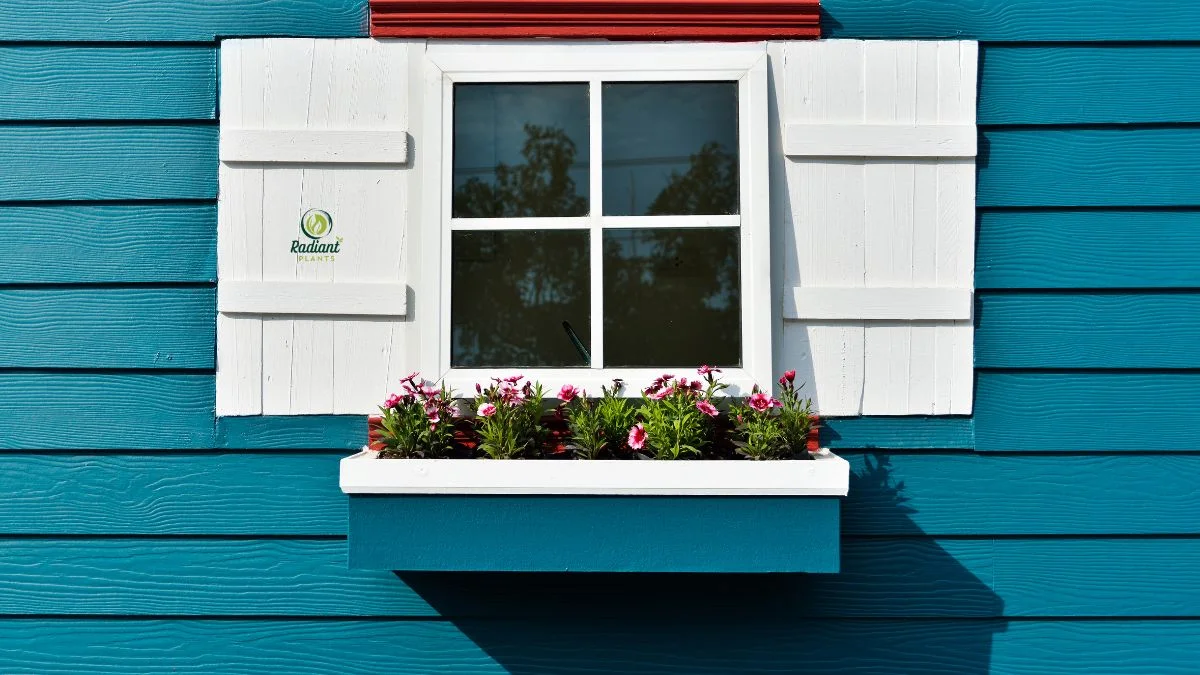
Planter boxes for windows are a simple way to add greenery, color, and structure to your space—whether you live in an apartment, townhouse, or compact home. This guide is for beginners and design-minded homeowners who want practical results without complicated DIY projects. You’ll learn how window planter boxes work, where they’re best used (indoors or outdoors), and how to choose the right size, material, and plants for your light conditions. We’ll also cover setup basics, drainage, safety, and common mistakes to avoid, so you can get polished results without trial and error. If you’re looking for a clear, no-fluff roadmap to using Planter Boxes for Windows effectively, you’re in the right place.
Table of Contents
In This Article
What Are Planter Boxes for Windows?
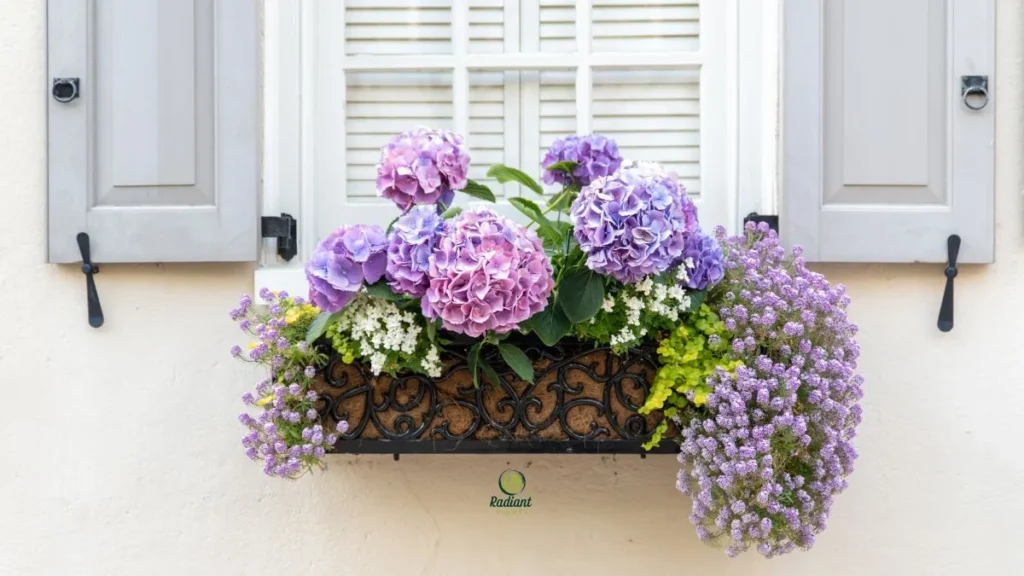
Planter boxes for windows are containers designed to sit on a windowsill, mount beneath a window, or attach to railings, allowing you to grow plants where space is limited. They’re commonly used for flowers, herbs, and compact ornamental plants, both indoors and outdoors, and are especially popular in apartments, townhomes, and urban houses.
Unlike standard pots, window planter boxes are built with length, balance, and drainage in mind. When sized and installed correctly, they support healthy root systems, manage water properly, and create an instant visual upgrade—without taking up floor space.
⭐ Snippet Highlight (Quick Answer)
Planter boxes for windows are used to grow plants on or near windows, indoors or outdoors, when space is limited. They provide proper soil depth, drainage, and support for flowers or herbs while improving curb appeal or interior style with minimal effort.
Are Window Planter Boxes for Indoor or Outdoor Use?
Window planter boxes can be used both indoors and outdoors, but the best choice depends on location, exposure, and material.
Indoor window planter boxes
- Sit directly on a windowsill or shelf
- Ideal for herbs, succulents, or small foliage plants
- Must include drip trays or sealed bases to protect surfaces
- Common in kitchens, bathrooms, and bright living spaces
Outdoor window planter boxes
- Mounted below exterior windows or attached to railings
- Designed to handle rain, wind, and temperature changes
- Typically includes drainage holes to prevent root rot
- Popular for seasonal flowers and trailing plants
Basic container gardening guidelines from U.S. university extension programs emphasize that soil volume and drainage matter more in confined spaces like window boxes. Plants need enough root room to access oxygen and nutrients, especially when exposed to heat or direct sun.
Practical tip:
If you’re renting, look for non-drill mounting systems or interior window sill planters. They offer flexibility without permanent installation—an approach we also recommend in our small-space plant styling guides on RadiantPlants.
⭐ Snippet Highlight (Indoor vs Outdoor)
Window planter boxes work indoors and outdoors. Indoor versions suit herbs and compact plants, while outdoor boxes support flowers and trailing plants. The key difference is drainage, weather resistance, and mounting style.
How Planter Boxes Improve Curb Appeal and Indoor Styling
From a design standpoint, planter boxes for windows act as visual anchors. They draw the eye, soften architectural lines, and add color exactly where people naturally look—at eye level.
Outdoors, window boxes:
- Increase curb appeal without landscaping work
- Highlight windows and façade symmetry
- Allow seasonal color changes (spring blooms, summer greenery, fall tones)
Indoors, window sill planters:
- Add greenery without cluttering floors
- Make use of natural light zones
- Complement modern, minimalist, or cozy décor styles
Environmental and horticulture agencies in North America consistently note that plants near natural light perform better and require less artificial support. Placing planters at windows aligns with these best practices while enhancing aesthetics.
Care step example:
- Choose plants based on light direction (south-facing = brighter, north-facing = lower light)
- Refresh soil yearly to maintain nutrients in small containers
- Check drainage monthly to avoid water buildup
For more inspiration, you can internally link this section to related RadiantPlants articles such as:
⭐ Snippet Highlight (Design Benefit)
Planter boxes improve curb appeal and indoor styling by adding greenery at eye level. They highlight windows, save space, and create seasonal interest while following container gardening best practices for light and plant health.
Types of Planter Boxes for Windows (Choose the Right Style)
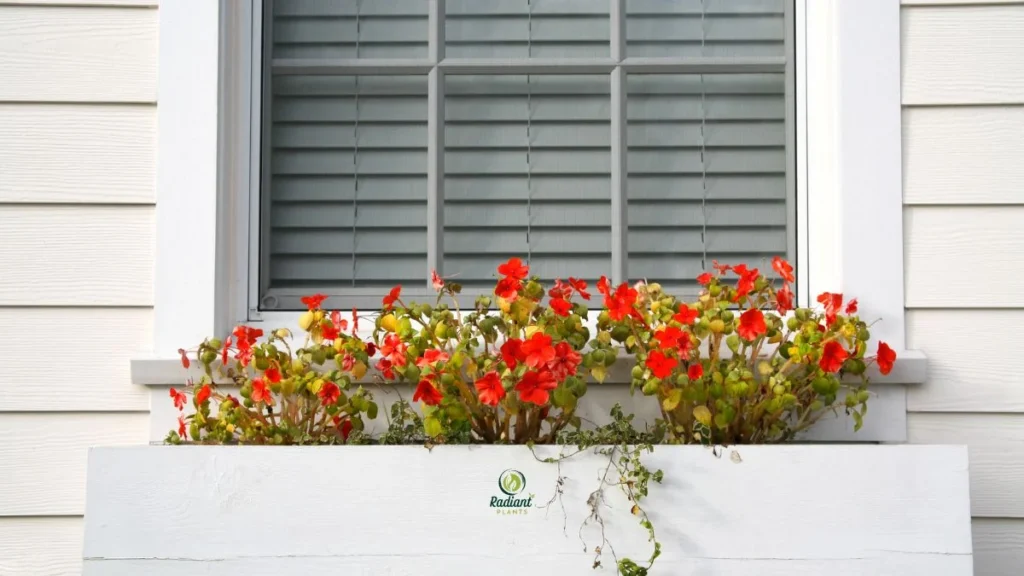
Choosing the right planter boxes for windows starts with understanding where they’ll live and what conditions they’ll face. Indoor planters prioritize cleanliness and light efficiency, while outdoor boxes must handle weather, weight, and drainage. Hanging and mounted styles add another layer of choice based on safety and aesthetics.
⭐ Snippet Highlight (Quick Choice)
Planter boxes for windows come in indoor, outdoor, and hanging styles. Indoor boxes suit herbs and small plants, outdoor boxes handle flowers and weather, and hanging styles save space when mounting isn’t possible. Proper drainage, weight management, and light exposure are key factors for choosing the right window planter box.
Indoor Window Planter Boxes (Windowsills & Kitchens)
Indoor window planter boxes are designed to sit securely on windowsills or shelves, making them ideal for kitchens, bathrooms, and bright living areas. They’re most often used for herbs, succulents, and small foliage plants that benefit from consistent indoor temperatures.
Key features to look for:
- Shallow to medium depth to fit standard sills
- Sealed bases or drip trays to protect surfaces
- Lightweight materials like plastic, resin, or glazed ceramic
According to container gardening guidance commonly shared by U.S. university extension programs, indoor planters perform best when soil depth matches the plant’s root system and excess water is controlled. Overwatering is the most common indoor issue.
Care steps (practical example):
- Use a fast-draining potting mix
- Water lightly, then empty the drip trays after 10–15 minutes
- Rotate planters weekly for even growth
Indoor window planters pair well with guides like Best Herbs for Sunny Windows and Interior Greenery for Small Spaces on RadiantPlants, helping readers choose plants that thrive indoors.
⭐ Snippet Highlight (Indoor Use)
Indoor planter boxes for windows work best on sunny windowsills or shelves. Lightweight containers with drip trays protect surfaces, while soil depth should match plant roots. Rotate and water plants carefully to ensure healthy growth in kitchens, living rooms, or bathrooms.
Outdoor Window Boxes (Mounted & Railing Styles)
Outdoor window boxes are built for exposure. They’re mounted below exterior windows or attached to railings, making them a favorite for seasonal flowers and trailing plants.
Common outdoor styles include:
- Mounted boxes secured to brackets under windows
- Railing planters that hook or clamp onto balcony rails
Safety matters here. Extension-style best practices in the U.S. and Canada emphasize accounting for soil weight plus water saturation, which can significantly increase load after rain. Frost resistance is also critical in colder regions.
Climate considerations:
- Hot zones: choose UV-resistant materials
- Rainy areas: prioritize drainage holes
- Cold climates: avoid porous materials that crack with freeze–thaw cycles
Care steps:
- Check brackets and fasteners each season
- Refresh soil annually
- Remove excess water after heavy rain
For more guidance, link this section internally to Outdoor Container Gardening Tips on RadiantPlants.
⭐ Snippet Highlight (Outdoor Use)
Outdoor planter boxes for windows are designed to withstand sun, rain, and temperature changes. Mounted or railing-attached boxes require proper drainage and secure installation. Choose climate-appropriate materials and refresh soil annually for flowers, trailing plants, or seasonal displays in US and Canadian zones.
Hanging vs Mounted Window Planters
When mounting isn’t practical, hanging window planters offer a flexible alternative. They suspend from hooks, rods, or brackets and work well for trailing plants or lightweight displays.
Hanging planters are best when:
- Drilling into walls isn’t allowed
- You want an adjustable height
- Weight needs to stay minimal
Mounted planters, on the other hand, provide greater stability and soil volume, making them better for larger plants and outdoor use.
Safety note:
General home safety guidance recommends confirming anchor strength and keeping total weight well within limits—especially near windows and walkways.
⭐ Snippet Highlight (Hanging vs Mounted)
Hanging planter boxes for windows save space and allow flexible placement without drilling, while mounted boxes offer stability and greater soil capacity for larger plants. Choose the style that fits your space, weight limits, and desired plant display.
📊 Comparison Table – Indoor vs Outdoor Window Planter Boxes
Feature | Indoor Window Planters | Outdoor Window Boxes |
|---|---|---|
Placement | Windowsills, shelves | Exterior walls, railings |
Materials | Plastic, ceramic, resin | Wood, metal, fiberglass |
Drainage | Optional + drip tray | Required drainage holes |
Ideal Plants | Herbs, succulents | Flowers, trailing plants |
Pros | Clean, flexible | High visual impact |
Cons | Limited size | Weight & weather exposure |
⭐Snippet-ready answer:
Which type of planter box is best for windows?
The best type depends on location. Indoor planters suit herbs and compact plants, outdoor boxes work for flowers and curb appeal, and hanging styles are ideal when mounting isn’t possible.
Best Materials for Planter Boxes for Windows
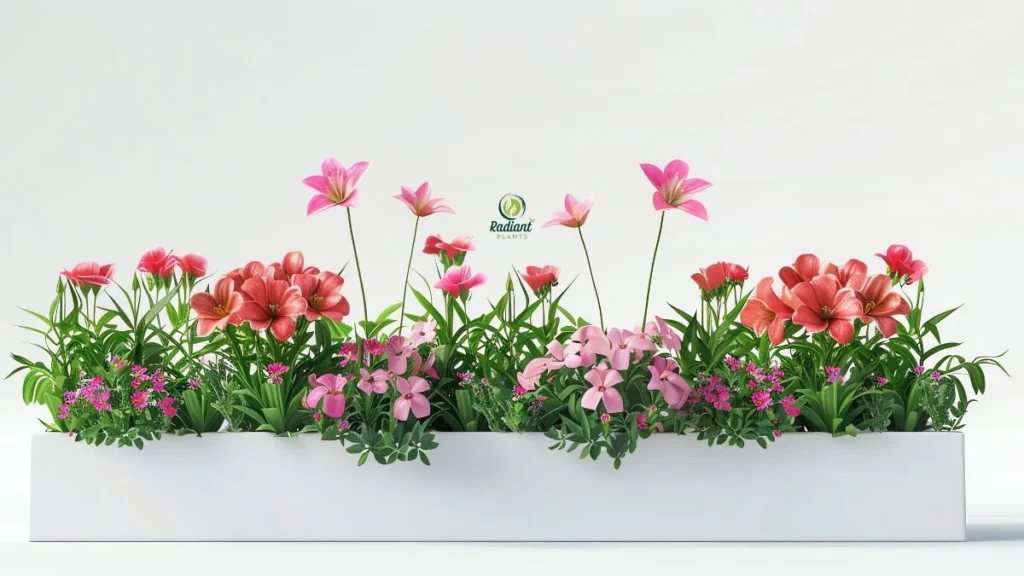
The material you choose plays a major role in how planter boxes for windows perform over time. Weight, durability, drainage behavior, and climate exposure all affect plant health and safety. In U.S. and Canadian climates—where heat, rain, and freeze–thaw cycles vary widely—matching the material to the setting is essential.
⭐ Snippet Highlight (Material Choice)
The best materials for planter boxes for windows balance weight, durability, and drainage. Wood offers a natural look but needs maintenance, metal provides modern durability with heat considerations, and plastic or resin planters are lightweight and weather-resistant for easy care in most climates.
Wood Planter Boxes (Natural Look, Maintenance Tips)
Wooden window planter boxes are popular for their warm, classic appearance. Cedar, redwood, and treated pine are commonly used because they resist decay better than untreated wood.
Pros:
- Natural, timeless style
- Good insulation for roots
- Easy to customize or DIY
Cons:
- Vulnerable to moisture retention and rot if unsealed
- Heavier than plastic or resin
- Requires seasonal upkeep
University extension container-gardening guidance often notes that constant moisture accelerates wood decay. To reduce risk, line the interior with plastic, ensure drainage holes remain open, and elevate the box slightly to prevent water pooling.
Care steps:
- Seal or stain annually with plant-safe products
- Check for soft spots each season
- Replace liners every 1–2 years
Wood planters work best for covered outdoor windows or indoor decorative use. For styling inspiration, link this section to Decorating Window Sills with Plants on RadiantPlants.
⭐ Snippet Highlight (Wood)
Wooden planter boxes for windows provide a natural look and good root insulation, but they need sealing and drainage to prevent rot. They’re best for covered outdoor areas or indoor displays with regular maintenance.
Metal Planter Boxes (Modern Style & Durability)
Metal window boxes—often made from steel, aluminum, or galvanized iron—deliver a clean, modern look and long-lasting structure.
Pros:
- Extremely durable
- Sleek, contemporary design
- Resistant to cracking and pests
Cons:
- High heat conductivity in full sun
- Can dry soil faster
- Heavier when fully planted
Home improvement and extension resources caution that metal heats quickly in direct sunlight, which can stress roots. Lining metal boxes with coconut coir or insulating fabric helps protect plants.
Care steps:
- Avoid dark colors in hot regions
- Water more frequently in summer
- Ensure rust-resistant coatings remain intact
Metal planters shine in modern homes and urban settings, especially when paired with drought-tolerant plants. You can internally link this to Calandiva Plants on RadiantPlants.
⭐ Snippet Highlight (Metal)
Metal planter boxes for windows offer durability and modern style, but they heat up quickly in sun. Insulation liners and proper watering help protect roots, making them ideal for contemporary homes with controlled exposure.
Plastic & Resin Planters (Lightweight & Budget-Friendly)
Plastic window planters and resin or fiberglass options are among the most practical choices for beginners and renters.
Pros:
- Lightweight and easy to mount
- UV-resistant and weather-friendly
- Affordable and low maintenance
Cons:
- Less insulation than wood
- It can look less natural if poorly designed
According to general material performance standards referenced in North American home improvement guides, UV-stabilized plastics maintain structure and color longer, even with full sun exposure.
Care steps:
- Choose thicker, UV-rated plastic
- Ensure drainage holes are clear
- Replace soil yearly for nutrient balance
These planters are ideal for apartments, balconies, and rental homes. Link this section to Crochet Plant Hanger Ideas You’ll Love on RadiantPlants.
⭐ Snippet Highlight (Plastic/Resin)
Plastic and resin planter boxes for windows are lightweight, affordable, and weather-resistant. UV-stable options hold up well in sun and rain, making them perfect for renters, apartments, and easy-care window gardens.
📊 Material Comparison Table – Planter Boxes for Windows
Material | Weight | Durability | Drainage | Best Use Case |
|---|---|---|---|---|
Wood | Medium–Heavy | Moderate | Good with liner | Covered outdoor or indoor décor |
Metal | Heavy | High | Excellent | Modern exteriors |
Plastic/Resin | Light | Moderate–High | Good | Apartments, rentals |
Fiberglass | Light–Medium | Very High | Excellent | Premium outdoor use |
Snippet-ready answer:
What is the best material for window planter boxes?
The best material depends on location and climate. Wood offers beauty with upkeep, metal delivers durability with heat management, and plastic or resin provides lightweight, low-maintenance performance for most homes.
How to Choose the Right Size Planter Box for Your Window
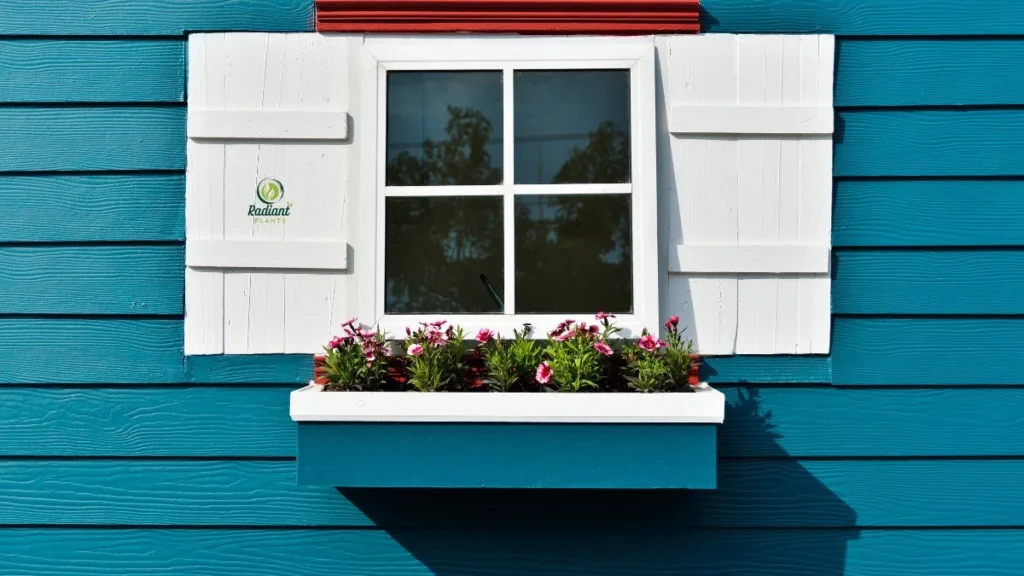
Choosing the correct size is one of the most important steps when selecting planter boxes for windows. A planter that’s too small restricts roots and dries out quickly, while one that’s too large can become dangerously heavy when filled with wet soil. Size affects plant health, watering frequency, and safety, especially for mounted outdoor boxes.
⭐ Snippet Highlight (Sizing Overview)
The right size planter boxes for windows provide enough root space without adding unsafe weight. Planter length should match window width, depth should support roots, and soil volume must account for water saturation. Proper sizing improves plant health and reduces safety risks.
Ideal Length, Width, and Depth Explained
A good window box size guide follows simple proportions that work for most homes.
Length
- Choose a planter that’s the same width or slightly narrower than the window
- Avoid extending beyond the trim, which can look unbalanced and stress mounts
Width
- Typical window planter width ranges from 6 to 10 inches
- Narrow boxes dry faster; wider boxes retain moisture longer
Depth
- Depth is critical for roots and moisture control
- Minimum depth guidelines are often recommended by extension-based container gardening advice:
- Herbs & shallow-root plants: 6–8 inches
- Flowers & compact ornamentals: 8–10 inches
- Mixed or trailing plants: 10–12 inches
While exact numbers vary, U.S. university extension resources consistently emphasize that insufficient depth leads to root binding and uneven watering.
Practical example:
If you’re planting basil and trailing petunias together, a box 8 inches deep and 24–30 inches long gives enough soil volume for balanced growth.
⭐ Snippet Highlight (Dimensions)
Planter boxes for windows should match the window’s width and provide enough depth for roots. Most plants thrive in boxes 6–12 inches deep, depending on plant type, with widths that balance moisture retention and airflow.
How Weight and Soil Volume Affect Safety
Size directly affects weight, which is a major safety concern for mounted or railing-attached planter boxes for windows.
Why weight matters:
- Dry potting soil becomes much heavier when saturated with water
- Large planters can exceed safe load limits if overfilled
Basic building safety guidance and extension recommendations advise accounting for:
- Weight of soil
- Weight of water after rain or watering
- Weight of plants at full growth
Safety tips:
- Use lightweight potting mixes (avoid garden soil)
- Choose fiberglass or plastic for large boxes
- Install brackets rated well above the expected weight
- Recheck mounts at the start of each season
Real-world example:
A 36-inch window box filled with wet soil can weigh 40–60 pounds or more, depending on depth and material. This is why lighter materials and proper hardware are essential.
For renters or apartments, consider interior window planters or lighter hanging options—topics covered in related safety guides on RadiantPlants.
⭐ Snippet Highlight (Safety)
Weight is a key factor when sizing planter boxes for windows. Wet soil is significantly heavier than dry soil, so choose lightweight materials, proper brackets, and safe soil depth to prevent stress on windows or walls.
📊 Window Size → Recommended Planter Size Chart
Window Width | Recommended Planter Length | Recommended Depth | Best Plant Types |
|---|---|---|---|
18–24 in | 18–24 in | 6–8 in | Herbs, succulents |
24–36 in | 24–30 in | 8–10 in | Flowers, foliage |
36–48 in | 30–42 in | 10–12 in | Mixed, trailing plants |
48+ in | 42–48 in | 10–12 in | Full seasonal displays |
Snippet-ready answer:
What size planter box should I choose for my window?
Choose a planter box that matches your window width and offers 6–12 inches of depth, depending on plant type. Always factor in soil weight and water saturation to ensure safety and healthy growth.
Easy Setup & Installation (Beginner-Friendly)
Installing planter boxes for windows doesn’t require advanced DIY skills, but it does require careful planning. Proper installation protects your plants, your home, and anyone below. Secure mounting, correct hardware, and weight awareness are the foundations of safe setup—especially in apartments or multi-story homes.
⭐ Snippet Highlight (Installation Overview)
Installing planter boxes for windows safely means choosing the right mounting method, using rated hardware, and accounting for soil weight when wet. Secure brackets, proper spacing, and regular checks help prevent falls while keeping plants stable and healthy.
Step-by-Step Installation Guide
Follow these beginner-friendly steps to install planter boxes for windows securely.
Step 1: Measure and mark
- Measure window width and planter length
- Mark bracket locations evenly under the window
- Keep planters centered for balance
Step 2: Choose the mounting method
- Bracket-mounted: Best for most exterior walls
- Railing-mounted: Ideal for balconies
- No-drill sill planters: Best for indoor use
Step 3: Install brackets or supports
- Use corrosion-resistant screws
- Attach brackets to studs or solid framing when possible
- Follow the manufacturer’s weight ratings
Step 4: Place and test the planter
- Set the empty planter on supports first
- Press down gently to confirm stability
- Add soil and plants gradually
Extension-style home safety guidance consistently stresses testing stability before fully loading planters with wet soil.
⭐ Snippet Highlight (Step-by-Step)
To install planter boxes for windows, measure carefully, secure brackets into solid surfaces, and test stability before adding soil. Even weight distribution and proper hardware prevent shifting and reduce fall risks.
Tools and Hardware You’ll Need
Using the correct tools ensures long-term safety and easier installation.
Basic tools:
- Drill and drill bits
- Level
- Measuring tape
- Screwdriver
Recommended hardware:
- Heavy-duty mounting brackets
- Corrosion-resistant screws
- Wall anchors (if studs aren’t accessible)
- Railing clamps for balcony setups
Pro tip:
Choose brackets rated at least 2× the expected planter weight. This margin aligns with common building safety best practices used in residential installations.
⭐ Snippet Highlight (Tools)
Installing planter boxes for windows requires basic tools like a drill, level, and measuring tape, plus weight-rated brackets and corrosion-resistant hardware to ensure long-term safety.
Safety Tips for Apartments and Rentals
Apartment dwellers can enjoy planter boxes for windows with renter-friendly solutions that avoid permanent damage.
Safe options include:
- Clamp-on railing planters
- Interior sill planters with drip trays
- Tension-rod hanging planters
Key safety practices:
- Avoid drilling into window frames
- Keep the total weight minimal
- Check local building or HOA guidelines
General home safety recommendations emphasize fall prevention, especially above walkways or shared spaces.
Care step:
Inspect mounts monthly and after heavy rain or wind to ensure nothing has loosened.
⭐ Snippet Highlight (Renters)
Renters can install planter boxes for windows safely using clamp-on, no-drill, or interior options. Keeping weight low and inspecting mounts regularly helps prevent damage and ensures safe, flexible plant displays.
Snippet-ready answer:
How do you securely install planter boxes for windows?
Secure installation requires rated brackets or clamps, even weight distribution, and stability testing before adding wet soil. Choose mounting methods suited to your wall or railing, and inspect hardware regularly for safety.
Drainage & Watering Tips for Healthy Window Plants
Healthy plants in planter boxes for windows depend on two fundamentals: proper drainage and smart watering. Because window boxes hold limited soil, small mistakes—like trapped water or inconsistent moisture—can quickly stress roots. Extension-style container gardening guidance across the U.S. and Canada consistently highlights drainage and watering balance as the top predictors of success.
⭐ Snippet Highlight (Drainage & Watering)
Healthy planter boxes for windows rely on good drainage and consistent watering. Drainage prevents soggy soil and root damage, while proper watering keeps roots oxygenated. Matching drainage and watering habits to plant type, light, and climate leads to stronger growth and fewer problems.
Do Planter Boxes for Windows Need Drainage Holes?
In most cases, yes—planter boxes for windows need drainage holes. Drainage allows excess water to escape, preventing soil from becoming waterlogged and roots from suffocating.
Why drainage matters:
- Roots need oxygen to function properly
- Standing water blocks air pockets in soil
- Prolonged saturation increases the risk of root rot
University extension container-gardening guidance commonly explains that roots deprived of oxygen cannot absorb nutrients efficiently, even when water is abundant. This is why overwatering often causes more damage than underwatering.
When drainage holes are essential:
- Outdoor window boxes exposed to rain
- Deep planters with large soil volume
- Warm climates where watering is frequent
When drainage holes may be optional:
- Indoor planters with controlled watering
- Decorative boxes using removable inner pots
Practical drainage solutions:
- Add 1–3 drainage holes evenly spaced
- Use a drip tray for indoor planters
- Elevate boxes slightly so holes don’t clog
For readers new to container care, you can link this section to Common Watering Mistakes to Avoid on RadiantPlants.
⭐ Snippet Highlight (Drainage Holes)
Most planter boxes for windows need drainage holes to prevent water buildup and root damage. Drainage improves oxygen flow in soil and reduces the risk of rot, especially outdoors or in heavily watered planters.
How Often Should You Water Window Planters?
There’s no one-size-fits-all schedule for watering planter boxes for windows. Frequency depends on plant type, planter size, material, and light exposure.
General watering guidelines:
- Water when the top 1–2 inches of soil feel dry
- Smaller or shallower boxes dry out faster
- Metal and dark-colored planters heat up and need more frequent watering
Typical watering ranges:
- Indoor planters: every 3–7 days
- Outdoor window boxes in summer: every 1–3 days
- Self-watering window planters: refill reservoirs as needed
Signs of overwatering:
- Yellowing leaves
- Mushy stems
- Persistent damp soil
Signs of underwatering:
- Wilting
- Dry, pulling-away soil
- Crispy leaf edges
Care step example:
During hot summer weeks, check outdoor window boxes every morning. Water early in the day so excess moisture evaporates before evening, reducing disease risk.
⭐ Snippet Highlight (Watering Frequency)
Water planter boxes for windows when the top soil feels dry. Outdoor boxes often need watering every 1–3 days in summer, while indoor planters need less. Consistent moisture—not soggy soil—keeps roots healthy.
Snippet-ready answer:
Do window planter boxes need drainage holes?
Yes, most window planter boxes need drainage holes to release excess water and protect roots. Proper drainage improves oxygen flow in soil and prevents overwatering-related problems, especially in outdoor or frequently watered planters.
Best Plants for Planter Boxes for Windows
Choosing the right plants is what turns planter boxes for windows from simple containers into eye-catching, healthy displays. The best plants depend on light exposure, seasonal temperatures, and growth habit. U.S. and Canadian extension services consistently emphasize matching plants to light first—before aesthetics—to reduce stress and maintenance issues.
⭐ Snippet Highlight (Plant Selection)
The best plants for planter boxes for windows are those matched to your light exposure and climate. Sun-loving flowers thrive in bright windows, while leafy plants excel in shade. Choosing plants based on light, season, and growth habit ensures fuller growth and fewer care problems.
Best Plants for Sunny Windows
Sunny windows—typically south- or west-facing—receive 6+ hours of direct light, making them ideal for flowering plants and herbs that need strong sun.
Best plant options for sunny window boxes:
- Petunias – long-lasting blooms, heat-tolerant
- Geraniums – sturdy, colorful, drought-resistant
- Marigolds – compact, pest-resistant
- Lavender – fragrant, prefers dry soil
- Basil, thyme, and rosemary – excellent herbs for culinary use
According to university extension container-gardening guidance, flowering plants in full sun need more frequent watering due to faster evaporation, especially in shallow window boxes.
Care tips for sunny planters:
- Water early morning to reduce moisture loss
- Deadhead flowers weekly to promote blooms
- Use lighter-colored boxes to reduce heat buildup
Seasonal note:
In USDA Zones 9–11 and warmer Canadian microclimates, sun exposure may require partial afternoon shade during peak summer heat.
⭐ Snippet Highlight (Sunny Windows)
Sunny windows are perfect for flowering plants and herbs in planter boxes for windows. Petunias, geraniums, and basil thrive with 6+ hours of light when watered consistently and protected from extreme heat.
Best Plants for Shady or North-Facing Windows
North-facing or shaded windows receive indirect or filtered light, which suits foliage plants and shade-tolerant bloomers.
Best plants for shady window boxes:
- Begonias – reliable blooms in low light
- Impatiens – bright color without direct sun
- Ferns – lush texture, moisture-loving
- Hosta (compact varieties) – ornamental leaves
- Coleus – colorful foliage over flowers
Extension-based horticulture guidance notes that shade plants grow more slowly and require less frequent watering, reducing the risk of root rot.
Care tips for shade planters:
- Avoid waterlogged soil
- Use a well-draining potting mix
- Rotate planters monthly for even growth
For indoor readers, link this section to Low-Light Plants That Actually Thrive on RadiantPlants.
⭐ Snippet Highlight (Shady Windows)
Shady windows are ideal for foliage plants and low-light bloomers in planter boxes for windows. Begonias, ferns, and impatiens grow best with indirect light and evenly moist soil.
Herbs vs Flowers vs Trailing Plants
Different plant categories serve different goals—function, color, or visual flow.
Herbs
- Practical and edible
- Prefer sun and excellent drainage
- Examples: basil, chives, parsley
Flowers
- Add instant curb appeal
- Seasonal planting required
- Examples: petunias, pansies, calibrachoa
Trailing plants
- Create a cascading, designer look
- Excellent for mounted or railing boxes
- Examples: ivy, sweet potato vine, creeping jenny
Design tip:
Combine one upright plant, one filler, and one trailing plant for a balanced, professional look—often called the “thriller, filler, spiller” method in container gardening.
⭐ Snippet Highlight (Plant Types)
Herbs, flowers, and trailing plants each serve different purposes in planter boxes for windows. Herbs offer function, flowers add color, and trailing plants soften edges. Mixing all three creates depth and visual balance.
📊 Table Insert #4: Light Exposure → Best Plant Choices
Light Exposure | Best Plant Choices | Notes |
|---|---|---|
Full Sun (6+ hrs) | Petunias, Geraniums, Basil | Frequent watering |
Partial Sun | Calibrachoa, Coleus, Parsley | Balanced growth |
Shade / Indirect | Begonias, Ferns, Impatiens | Avoid overwatering |
Snippet-ready answer:
What are the best plants for planter boxes for windows?
The best plants depend on light exposure. Sunny windows suit flowering plants and herbs, while shady windows favor foliage plants. Matching plants to light and climate leads to healthier growth and better results.
Stylish Design Ideas for Stunning Results
Well-designed planter boxes for windows do more than hold plants—they elevate curb appeal, frame your windows, and visually connect your home to nature. According to design guidance often shared by U.S. university extension landscape programs, successful window box styling relies on balance, contrast, repetition, and scale. When these principles are applied thoughtfully, even simple plant choices look intentional and high-end.
⭐ Snippet Highlight (Design Overview)
Stylish planter boxes for windows combine smart plant choices with proven design principles like balance and contrast. Matching colors, plant height, and texture to your home’s exterior creates a polished look. Thoughtful styling turns window boxes into a standout design feature, not just an accessory.
Color Combinations That Pop
Color is the fastest way to make window planters stand out—especially from the street. The key is choosing 2–3 main colors and repeating them consistently across windows.
High-impact color combinations:
- Classic contrast: white flowers + deep green foliage
- Warm & welcoming: reds, oranges, and yellows
- Modern neutral: silvery foliage + soft lavender or blush
- Bold contemporary: purple foliage + lime green accents
For homes with light siding, darker plants add definition. On darker exteriors, lighter blooms help the planter boxes stand out visually.
Practical tips:
- Use foliage as your base color—it lasts longer than flowers
- Repeat the same color palette across all windows for cohesion
- Avoid mixing too many bloom colors, which can look cluttered
Interior-facing windows benefit from softer tones that don’t overpower indoor spaces. You can link this section internally to How to Choose 5 Perfect Red Plants for Your Interior on RadiantPlants.
⭐ Snippet Highlight (Color Styling)
Color makes planter boxes for windows instantly eye-catching. Limit palettes to two or three tones, anchor designs with foliage, and use contrast to complement your home’s exterior for a clean, professional look.
Minimal vs Lush Planting Styles
Choosing between minimal and lush styles depends on your home’s architecture, maintenance preference, and available light.
Minimal planting style
- Fewer plants with clean spacing
- Works well for modern or urban homes
- Uses structured plants like grasses or boxwood
Lush planting style
- Full, overflowing look
- Ideal for cottages and traditional homes
- Combines fillers and trailing plants
Extension-based container design guidance often recommends the “thriller, filler, spiller” method:
- Thriller: tall focal plant
- Filler: medium plants for fullness
- Spiller: trailing plants for movement
Maintenance note:
Lush window boxes require more watering and trimming, while minimal designs are easier to maintain long-term.
⭐ Snippet Highlight (Planting Style)
Minimal window box designs feel modern and low-maintenance, while lush styles create a full, classic look. Choose the style that matches your home’s architecture and upkeep preference for the best visual balance.
Seasonal Styling (Spring, Summer, Fall)
Seasonal styling keeps planter boxes for windows fresh and relevant throughout the year, especially in U.S. and Canadian climates with clear seasonal shifts.
Spring
- Pansies, violas, early bulbs
- Soft pastels and fresh greens
Summer
- Petunias, geraniums, calibrachoa
- Bright colors and trailing growth
Fall
- Ornamental kale, mums, grasses
- Warm tones like burgundy, gold, and rust
Care steps by season:
- Refresh the soil each season to prevent nutrient depletion
- Remove spent plants promptly
- Adjust watering as temperatures drop
University extension services often recommend seasonal replanting for containers to reduce pest buildup and ensure strong root development.
⭐ Snippet Highlight (Seasonal Styling)
Styling planter boxes for windows by season keeps displays vibrant year-round. Spring pastels, summer blooms, and fall textures ensure your window boxes always feel intentional and well-maintained.
✅ Design Takeaway
Stylish window boxes aren’t about expensive plants—they’re about smart design choices. By using color intentionally, choosing the right planting density, and refreshing designs seasonally, your planter boxes can enhance both interior views and curb appeal.
Recommended Planter Boxes for Windows (Product Picks)
Choosing the right planter boxes for windows isn’t about hype—it’s about fit, durability, drainage, and how the planter performs in real homes. Based on container gardening standards from U.S. and Canadian extension services, the best window planter boxes share three traits: proper drainage, weather-appropriate materials, and secure mounting compatibility.
The product types below reflect what consistently works well for renters, homeowners, and beginner gardeners across different climates.
⭐ Snippet Highlight (Product Overview)
The best planter boxes for windows balance durability, drainage, and ease of installation. Whether you choose a premium model, a budget-friendly option, or a self-watering design, performance matters more than price. The right planter supports healthy roots and safe mounting in real-world conditions.
Best Overall Window Planter Box
The best all-around window planter box is typically rectangular, medium-depth, and made from weather-resistant composite or resin. These planters perform well in both U.S. and Canadian climates, handling rain, sun, and temperature swings without cracking or warping.
Why this style works best:
- Moderate depth (6–8 inches) supports strong root systems
- Pre-drilled drainage holes prevent waterlogging
- Lightweight enough for safe mounting when filled
- Neutral design fits most home styles
Real-world use insight:
Gardeners often prefer composite or resin over wood because it reduces maintenance while still offering a clean, classic look.
Pros
- Low maintenance
- Long lifespan
- Suitable for herbs, flowers, and trailing plants
Cons
- Higher upfront cost than basic plastic
⭐ Snippet Highlight (Best Overall)
A medium-depth composite window planter offers the best balance of durability, drainage, and ease of use. It supports healthy plants while staying lightweight enough for safe window mounting.
Best Budget Option
Budget-friendly planter boxes for windows are usually made from basic plastic or thin resin. When chosen carefully, they can still deliver solid results—especially for renters or seasonal planting.
What to look for in a budget planter:
- Built-in or drillable drainage holes
- UV-resistant plastic to prevent fading
- Reinforced lip or base for mounting brackets
Best use cases:
- Apartments and rentals
- Short-term or seasonal displays
- Lightweight herb gardens
Care tip:
Budget planters dry out faster. Extension-based container guidance recommends checking moisture more frequently, especially during summer heat.
Pros
- Affordable and widely available
- Very lightweight
- Easy to replace
Cons
- Shorter lifespan
- Less insulation for roots
⭐ Snippet Highlight (Budget Pick)
Budget window planter boxes work well for renters and seasonal use. Choose sturdy plastic with drainage holes, and expect to water more often due to faster soil drying.
Best Self-Watering Planter for Windows
Self-watering planter boxes for windows include a built-in reservoir that delivers moisture gradually to plant roots. These are especially helpful for busy households or hot, dry regions.
How self-watering planters help:
- Reduce watering frequency
- Prevent extreme soil drying
- Support consistent root hydration
Ideal for:
- Herbs and leafy greens
- South- or west-facing windows
- Gardeners who travel or forget to water
Important note:
University extension container guides emphasize that self-watering planters still need overflow drainage to prevent root rot—especially outdoors.
Pros
- More consistent moisture
- Lower maintenance
- Great for beginners
Cons
- Higher cost
- Heavier when filled
⭐ Snippet Highlight (Self-Watering)
Self-watering window planter boxes help maintain steady moisture and reduce daily upkeep. They’re ideal for sunny windows or busy schedules, as long as the planter includes proper overflow drainage.
🛒 Disclosure & Trust Note
Product recommendations are based on general performance standards, user experiences, and container gardening best practices, not brand sponsorships. Always verify weight limits, mounting hardware compatibility, and drainage before installing planter boxes for windows.
Common Mistakes to Avoid with Window Planter Boxes
Even high-quality planter boxes for windows can fail if a few fundamentals are overlooked. University extension container-gardening guidance across the U.S. and Canada consistently highlights three problem areas: excess weight, poor drainage, and plant–light mismatch. Fixing these early prevents safety issues, root problems, and disappointing growth.
⭐ Snippet Highlight (Quick Answer)
Common mistakes with planter boxes for windows include overloading the window with excess weight, choosing containers without proper drainage, and planting species that don’t match available light. Avoiding these errors improves safety, plant health, and long-term visual results.
Overloading the Window
One of the most frequent—and risky—mistakes is overloading window planter boxes with heavy soil, water, or oversized plants. Wet potting mix can weigh 30–50% more after watering, which increases stress on brackets and fasteners.
Why this happens
- Deep boxes filled edge-to-edge with soil
- Saturated soil after rain or heavy watering
- Dense materials (ceramic, stone) are used outdoors
Best practices
- Choose lightweight materials (resin, fiberglass)
- Use a moisture-retentive but airy potting mix (with perlite)
- Leave a 1–2 inch gap at the top to reduce spillover weight
- Verify bracket ratings and anchor into studs or masonry
Practical example:
If you’re growing herbs on a second-floor window, a shallow 6–7-inch planter with lighter soil is safer than a deep wooden box.
⭐ Snippet Highlight (Weight Safety)
Overloading window planter boxes is a common safety mistake. Heavy soil, water saturation, and dense materials increase fall risk. Lightweight planters and proper mounting reduce strain and improve long-term stability.
Poor Drainage Choices
Drainage problems are the fastest way to kill plants in window boxes. Extension-based container guidelines emphasize that roots need oxygen—standing water suffocates them and invites rot.
Common drainage errors
- No drainage holes at all
- Decorative liners blocking existing holes
- Gravel layers that trap water instead of draining
Correct drainage setup
- At least 2–3 drainage holes per planter
- Use a mesh or coffee filter (not gravel) to keep soil in
- Elevate outdoor planters slightly to allow runoff
- Empty saucers after watering (indoors)
Self-watering caution:
Self-watering planters still need overflow drainage to prevent constant saturation.
For a deeper walkthrough, link internally to Root Rot Treatment on RadiantPlants.
⭐ Snippet Highlight (Drainage)
Poor drainage is a top cause of window planter failure. Planter boxes for windows must allow excess water to escape so roots can breathe. Drainage holes matter more than planter size or style.
Wrong Plants for Light Conditions
Choosing plants that don’t match your window’s light exposure leads to weak growth, poor flowering, and frequent replacement. This mistake is especially common with north-facing or shaded windows.
Typical mismatches
- Sun-loving flowers in low light
- Shade plants exposed to intense afternoon sun
- Trailing plants scorched by reflected heat
How to avoid it
- Observe direct sun hours (not just brightness)
- Match plants to exposure:
- Full sun (6+ hrs): petunias, geraniums, herbs
- Part shade: begonias, impatiens
- Bright indirect: pothos, ferns
Seasonal adjustment tip:
A south-facing window in summer may act like full sun, while the same window in fall behaves like part shade.
For plant pairing help, link to Best Plants for Planter Boxes for Windows on RadiantPlants.
⭐ Snippet Highlight (Plant Choice)
Plant–light mismatch is a common window planter mistake. Always choose plants based on actual sun exposure, not appearance alone. Correct matches grow stronger and require less maintenance.
✅ Mistake-Prevention Checklist
- ✔ Confirm weight limits before installation
- ✔ Ensure free-flowing drainage every time
- ✔ Match plants to real light conditions
- ✔ Adjust seasonally for sun angle changes
Avoiding these mistakes keeps planter boxes for windows safe, healthy, and visually impressive—without extra cost or effort.
FAQ Snippets: Planter Boxes for Windows
What are planter boxes for windows used for?
Planter boxes for windows are used to grow flowers, herbs, or decorative plants in limited space. They enhance curb appeal, bring greenery closer to living areas, and allow gardening even in apartments or small homes without yards.
Do planter boxes for windows need drainage holes?
Yes, planter boxes for windows need drainage holes to prevent water buildup and root rot. Proper drainage allows excess water to escape and keeps roots oxygenated. Even self-watering planters require overflow drainage for healthy plant growth.
What size planter box should I choose for my window?
Choose a planter box slightly shorter than your window width, with a depth of 6–8 inches for most plants. This size supports healthy roots without adding excessive weight, making it safer for mounting on windowsills or brackets.
Which plants grow best in window planter boxes?
The best plants for window planter boxes depend on light exposure. Sunny windows suit petunias, geraniums, and herbs, while shaded windows work better with begonias, impatiens, or ferns. Always match plants to actual sunlight hours.
Are planter boxes for windows safe for apartments?
Planter boxes for windows are safe for apartments when lightweight containers and secure mounting systems are used. Renters should choose non-drill brackets or railing mounts and avoid overloading boxes with heavy soil or water-saturated plants.
How often should you water window planter boxes?
Window planter boxes usually need watering every 1–3 days in warm weather and less often in cooler seasons. Soil should stay slightly moist but never soggy. Self-watering planters reduce frequency but still require regular monitoring.
What is the best material for window planter boxes?
The best materials for window planter boxes are resin, fiberglass, or treated wood. These materials strike a balance between durability, weight, and weather resistance, making them suitable for both indoor and outdoor use in U.S. and Canadian climates.
Can planter boxes damage windows or siding?
Planter boxes can damage windows or siding if they are poorly mounted or if water drains directly onto the surfaces. Using proper brackets, spacing boxes slightly away from walls, and ensuring controlled drainage helps prevent moisture damage and staining.
Planter boxes for windows offer an easy, space-smart way to add greenery, color, and character to your home. By choosing the right size, material, and plants—and paying attention to drainage, weight, and light—you can avoid common mistakes and enjoy healthy, attractive results year-round. Whether your goal is curb appeal or indoor styling, thoughtful setup makes all the difference. If you’re ready to take the next step, explore our related guides on plant selection and window styling to get the most out of your planter boxes for windows.