
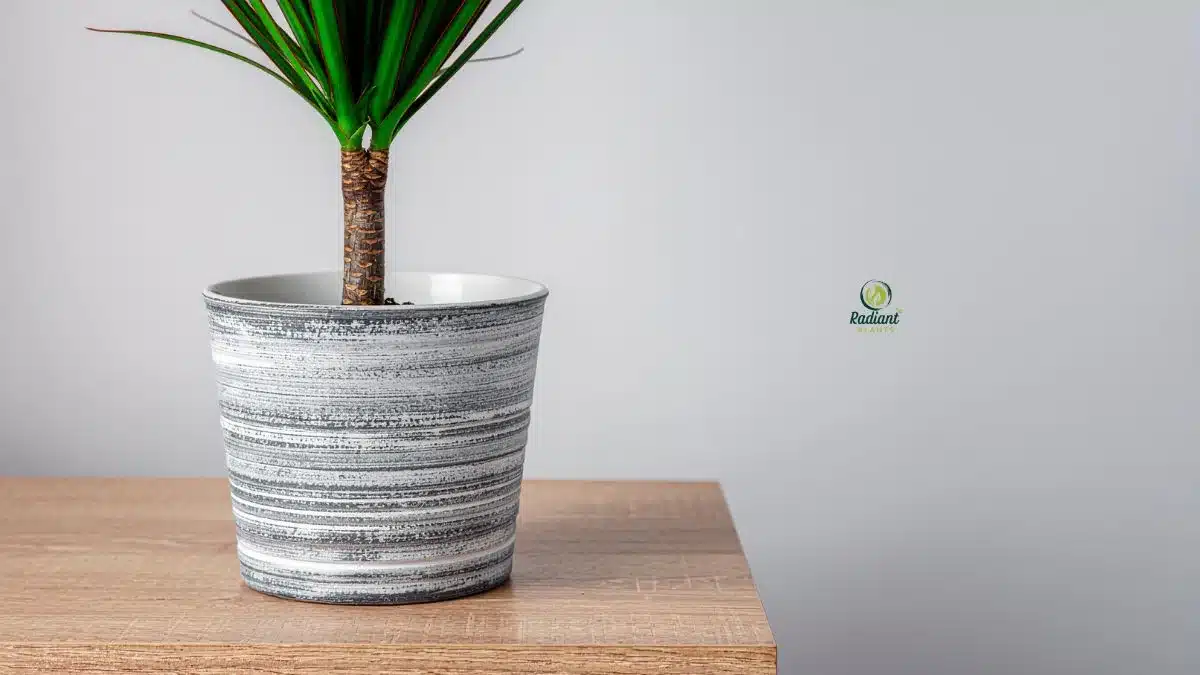
Caring for a Dracaena Plant Indoors Made Easy
Dracaena is one of the easiest indoor plants to grow — but small mistakes with light, watering, or soil can quickly lead to brown tips and yellow leaves. If you’re unsure whether you’re doing it right, this guide to caring for a dracaena plant will simplify everything. You’ll learn exactly how much light it needs, when to water, the best soil mix, seasonal adjustments, and how to fix common problems. By the end, you’ll know how to move your plant from merely surviving to truly thriving indoors.
Dracaena Care (Quick Indoor Cheat Sheet)
If you just want the essentials for caring for a Dracaena plant indoors, here’s your fast reference:
- Light: Bright indirect to medium light (tolerates low light but grows more slowly)
- Water: Every 2–3 weeks; let the top 2–3 inches of soil dry first
- Soil: Well-draining indoor potting mix with good drainage
- Temperature: 65–80°F (keep away from cold drafts and vents)
- Pet Safety: Toxic to cats and dogs if ingested
💡 Pro tip: Most Dracaena problems come from overwatering, not underwatering.
In This Article
What Is a Dracaena Plant?
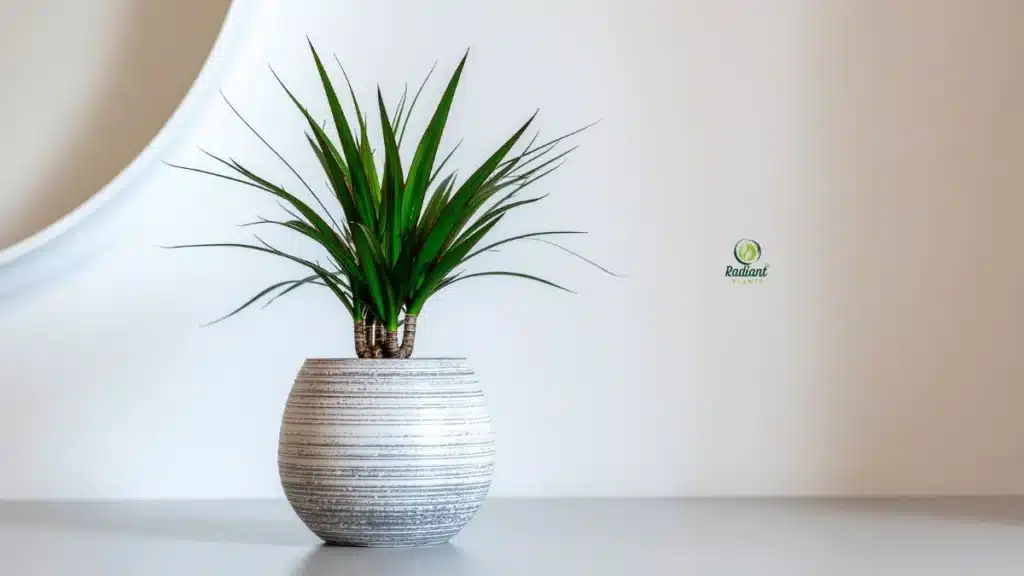
A Dracaena is a tropical foliage plant known for its upright, cane-like stems and long, arching leaves. It’s one of the easiest indoor plants to grow, which is why it’s often recommended for beginners learning the basics of caring for a Dracaena plant. Most varieties adapt well to typical U.S. home conditions with minimal maintenance.
Tropical Origins and Cane Structure
Dracaena plants are native to parts of Africa, Madagascar, and southern Asia. In the wild, they grow as shrubs or small trees in warm, humid climates. Indoors, they’re commonly referred to as “cane plants” because of their thick, woody stems that resemble bamboo.
Popular indoor varieties include:
- Dracaena fragrans (often sold as “corn plant”)
- Dracaena marginata (Madagascar dragon tree)
- Janet Craig types
Their structured, vertical growth makes them especially popular in apartments and modern homes where floor space is limited.
Why Dracaena Is So Popular Indoors
Dracaena remains a staple in American homes for a few simple reasons:
- Tolerates medium to low light
- Handles occasional missed watering
- Grows upright without spreading wide
- Works well in living rooms, offices, and bedrooms
According to horticulture educator Dr. Linda Langelo (Colorado State University Extension),
“Dracaena is one of the most forgiving foliage plants for indoor growers because it tolerates lower light and irregular watering better than many tropical species.”
Its forgiving nature makes it ideal for first-time plant owners or busy households.
For readers exploring similar easy-care options, this section naturally connects to internal guides like:
- Low-light indoor plant care
- Indoor tree plants for beginners
Air-Purifying Reputation (With Realistic Expectations)
Dracaena gained popularity after being included in NASA’s Clean Air Study. The study showed certain houseplants could remove volatile organic compounds (VOCs) in controlled environments.
However, real-world home air purification effects are limited without a large number of plants. It’s best to think of Dracaena as:
✔ A beautiful foliage plant
✔ A mood-boosting greenery addition
✖ Not a replacement for air filtration systems
Avoid exaggerated claims — modern research suggests ventilation plays a larger role in indoor air quality.
Growth Habits and Indoor Size Expectations
Dracaena plants grow upright with a slow to moderate pace indoors.
Data Point:
Most indoor Dracaena varieties grow about 4–12 inches per year, depending on light and care conditions. In optimal indoor settings, mature plants can reach 4–6 feet tall.
Growth characteristics:
- New leaves emerge from the crown
- Lower leaves gradually shed over time (normal process)
- Canes thicken slowly with age
- Respond well to pruning if they become leggy
If your plant is only producing small leaves or leaning toward a window, it may be surviving rather than thriving — something we’ll cover in later sections.
Quick Identification Checklist
If you’re unsure whether you have a Dracaena, look for:
- Woody cane-like stems
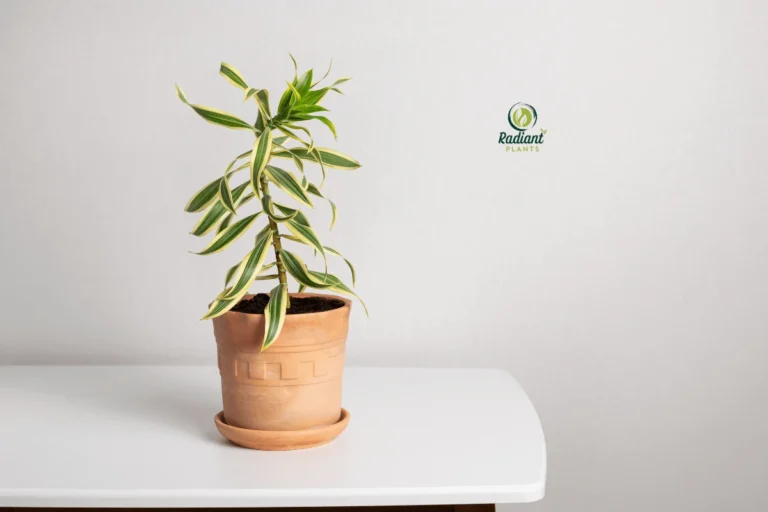
- Strap-shaped leaves (often variegated)
- Upright growth habit
- Slow, steady indoor growth
Understanding what a Dracaena is — and how it naturally grows — sets the foundation for properly caring for a Dracaena plant indoors. In the next section, we’ll break down one of the most misunderstood topics: light requirements.
Dracaena Light Requirements (What “Bright Indirect” Really Means)
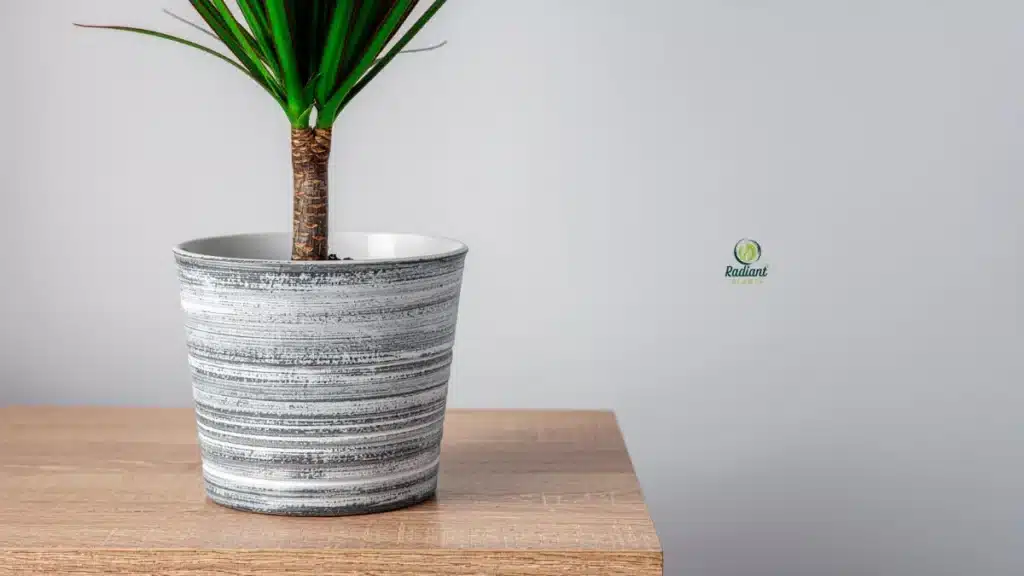
For caring for a dracaena plant, bright indirect light is ideal. This means placing your plant near a window where it receives plenty of natural light — but no harsh, direct afternoon sun hitting the leaves. While Dracaena can tolerate lower light, it grows fuller and more vibrant in moderate to bright filtered light.
🌤 What “Bright Indirect Light” Actually Means
Bright indirect light is sunlight that is filtered, reflected, or diffused before reaching the plant. Think:
- Light passing through sheer curtains
- A plant positioned 3–6 feet away from a sunny window
- Light bouncing off a white wall
Dracaena plants are native to tropical regions of Africa and Asia, where they grow under taller trees. Indoors, they prefer similar conditions — steady brightness without direct exposure that can scorch foliage.
🌿 Low Light Tolerance vs. Thriving Conditions
Yes, Dracaena can survive in lower light areas. But there’s a difference between surviving and thriving.
In low light:
- Growth slows significantly
- Leaf color may fade (especially variegated varieties)
- Stems may become leggy
In bright indirect light:
- Leaves stay vibrant and upright
- Growth is more consistent
- The plant maintains a compact shape
💡 Data point: Indoors, most Dracaena varieties grow approximately 6–12 inches per year, depending on light exposure and care conditions.
🪟 Window Direction Guide (U.S. Homes)
Light intensity varies depending on window orientation. Use this guide to position your plant properly:
Window Direction | Light Intensity | Suitability for Dracaena |
|---|---|---|
North-facing | Low to moderate | Tolerated, slower growth |
East-facing | Gentle morning sun | Ideal placement |
South-facing | Bright, strong light | Good if filtered |
West-facing | Intense afternoon sun | Risky without sheer curtain |
🏡 Real Placement Examples
- Apartment in New York: Place Dracaena 3–4 feet from an east-facing window with no obstruction.
- Texas home with strong southern exposure: Keep near a south-facing window but behind sheer curtains.
- Low-light office in Seattle: Position close to a north-facing window or supplement with a grow light.
If you’re unsure, observe how shadows fall. Sharp, defined shadows usually indicate direct sun. Soft shadows suggest indirect light.
🚩 Signs of Too Much Sun
- Brown, crispy leaf edges
- Bleached or faded patches
- Curling leaves
Common mistake: placing Dracaena directly in harsh west-facing afternoon sun. This often causes leaf burn within days.
⚠️ Signs of Too Little Light
- Yellowing lower leaves
- Leggy stems stretching toward the window
- Slow or no new growth
If this happens, gradually move the plant closer to a brighter location. Sudden light changes can stress foliage.
🌱 Expert Tip: Rotate for Even Growth
“Dracaena is one of the most forgiving indoor foliage plants because it adapts to a wide range of light conditions,” says a horticulture extension specialist. “However, rotating the pot every few weeks keeps growth balanced and prevents leaning.”
Pro Tip: Rotate your Dracaena every 2–4 weeks to maintain symmetrical growth.
Proper lighting is one of the most important factors in caring for a dracaena plant successfully. Once light is optimized, watering and soil management become much easier — which we’ll cover in the next section.
How Often to Water a Dracaena Plant
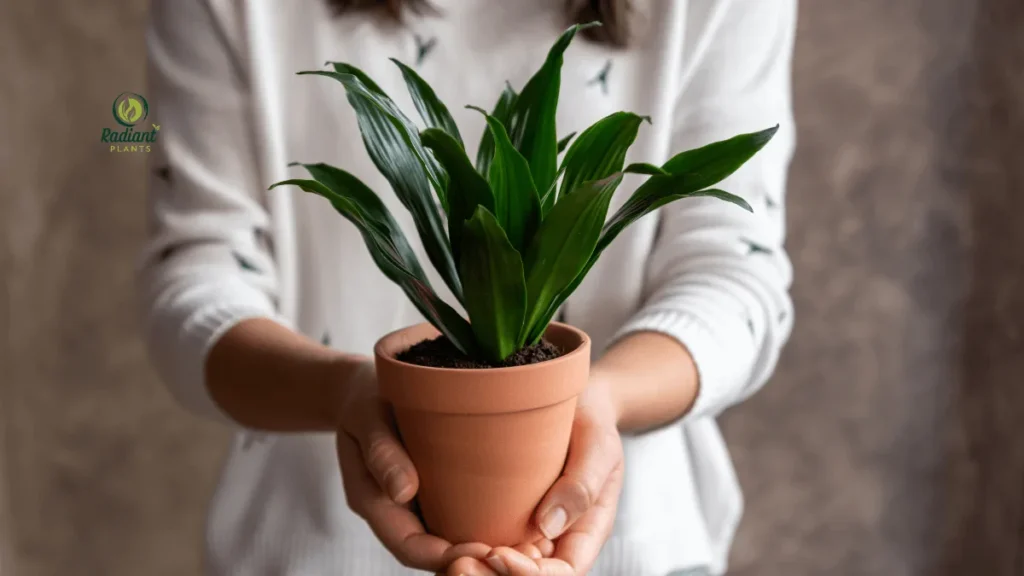
For caring for a dracaena plant, the key is to water only when the top 2–3 inches of soil are dry. Overwatering is the most common cause of problems, while underwatering is rarely fatal. Adjust watering frequency based on season, pot size, and indoor conditions rather than following a rigid schedule.
🌿 The 2–3 Inch Soil Rule
Before watering, check the soil depth:
- Stick your finger about 2–3 inches into the soil
- If it feels dry, it’s time to water
- If still moist, wait a few more days
This method prevents root rot and ensures the plant isn’t sitting in soggy soil, which Dracaena is highly sensitive to.
💧 Average Watering Frequency
Watering depends on the season and the indoor environment:
- Summer / Active Growth: Every 2–3 weeks
- Winter / Dormancy: Every 3–4 weeks or less
Factors influencing frequency:
- Indoor temperature (higher heat = faster soil drying)
- Relative humidity (dryer homes require slightly more frequent watering)
- Light exposure (brighter light = faster soil evaporation)
For more details, visit the article on Overwatering Symptoms.
🪴 Pot Size and Its Effect
- Smaller pots dry out faster → water slightly more often
- Larger pots hold moisture longer → water less frequently
- Ensure all pots have proper drainage holes to prevent waterlogging
🚩 Signs of Overwatering
- Yellowing lower leaves
- Soft or mushy stems
- Root rot (brown, slimy roots)
- Soil that smells musty or moldy
Case Study / Real Example:
A 3-foot Dracaena marginata in a south-facing apartment was watered on a strict 7-day schedule. Within a month, yellowing leaves and root rot appeared. Switching to the 2–3 inch soil rule and reducing watering to every 2.5 weeks fully revived the plant in 6 weeks.
⚠️ Signs of Underwatering
- Dry, crispy leaf tips
- Curling or drooping leaves
- Slowed growth
- Soil pulling away from pot edges
Underwatering is easier to correct; simply soak the soil thoroughly and resume proper monitoring.
✅ Checklist: Before You Water — 4-Step Test
- Check the top 2–3 inches of soil for dryness
- Observe leaf firmness and color
- Consider pot size and indoor temperature
- Water slowly until excess drains from the bottom
🌱 Expert Tip: Use Filtered Water When Possible
Dracaena can be sensitive to fluoride or salts in tap water, which may cause tip browning. Using filtered, distilled, or rainwater can reduce leaf tip damage.
Pro Tip: Let tap water sit for 24 hours to allow chlorine to dissipate if filtered water is not available.
⚠ Common Mistakes
- Watering on a strict schedule without checking the soil
- Letting plants sit in standing water
- Ignoring seasonal adjustments
- Using water that’s too cold
Proper watering is the single most important step in caring for a dracaena plant indoors. After mastering water routines, the next step is ensuring the plant has the right soil for drainage and nutrient balance.
Best Soil for Dracaena (And What to Avoid)
For caring for a dracaena plant, the most important soil factor is drainage. Dracaena thrives in a light, well-draining indoor potting mix; heavy or water-retentive soil can quickly lead to root rot. Using the right mix ensures healthy growth, vibrant leaves, and long-term plant stability.
🌿 Why Drainage Matters
Dracaena roots are sensitive to sitting in water. Poor drainage:
- Encourages root rot
- Causes yellowing of the lower leaves
- Attracts fungal growth
Good drainage mimics the tropical, slightly airy soil conditions Dracaena naturally prefers.
🪴 Recommended Soil Mix
A high-performing soil mix for indoor Dracaena includes:
- 2 parts peat-based potting soil or coco coir
- 1 part perlite or coarse sand
- Optional: 1 part orchid bark for extra aeration
This combination ensures water drains quickly but retains enough moisture for the roots.
Internal linking opportunity: Connect to your article on [Indoor Plant Fertilizer: When and How to Apply It Right] for nutrient guidance.
🪟 Pot Drainage Holes
Always use a pot with at least one drainage hole:
- Water should flow freely to avoid standing water
- Use a tray to catch excess, but empty after 10–15 minutes
- Avoid decorative pots without holes unless adding a layer of pebbles
🔄 When to Refresh Soil
- Every 2–3 years for healthy growth
- Signs it’s time: compacted soil, poor drainage, slow growth
- Repotting is the best opportunity to refresh nutrients
🧾 Comparison Table: Standard Potting Mix vs Well-Draining Mix
Feature | Standard Potting Mix | Well-Draining Dracaena Mix |
|---|---|---|
Water retention | High | Moderate |
Aeration | Low | High |
Root rot risk | Higher | Lower |
Recommended for Dracaena | ❌ Not ideal | ✅ Best |
🏡 Examples: Store-Bought vs DIY Mix
- Store-Bought: “Indoor Tropical Plant Mix” or “All-Purpose Houseplant Mix”
- DIY Mix: Combine peat moss, perlite, and orchid bark as outlined above
⚠ Common Mistakes
- Using heavy garden soil or clay-based mixes indoors
- Overstuffing the pot without space for roots
- Neglecting to refresh old, compacted soil
Choosing the right soil and ensuring drainage are core steps in caring for a dracaena plant indoors. Once your soil is ideal, you’ll notice healthier leaves, more stable growth, and fewer watering problems — which leads directly into seasonal care and fertilizing strategies.
Temperature and Humidity Needs Indoors
For caring for a dracaena plant, maintaining a stable indoor temperature between 65 80°F is ideal. Dracaena is sensitive to cold drafts and sudden temperature swings, and average U.S. indoor humidity is often lower than the plant prefers, which can lead to browning leaf tips. Adjusting both temperature and humidity helps the plant thrive rather than just survive.
🌡 Ideal Temperature Range
- Keep Dracaena in a consistent range of 65–80°F (18–27°C)
- Avoid sudden drops below 60°F, which can slow growth and damage leaves
- Do not place near doors or windows that are frequently opened in winter
Internal linking opportunity: Connect to your article on [How to Care for Low Light Indoor Plants Easily] if moving plants near windows for light affects temperature stability.
❄ Cold Draft Sensitivity
Dracaena stems and leaves are susceptible to cold drafts, which can:
- Cause drooping or curling leaves
- Trigger leaf tip browning
- Slow overall growth
Pro Tip: During winter, position your Dracaena away from frequently opened doors or leaky windows.
🔥 HVAC and Heating Effects
- Forced air vents and space heaters can dry out the air rapidly, reducing humidity
- Avoid placing the plant directly under warm vents or near radiators
- Consider moving the plant a few feet away from the airflow path
Common Mistake: Placing Dracaena right under vents or heaters — even moderate heat can create dry conditions that stress the plant.
💧 Humidity Levels
Dracaena thrives in moderate to high humidity, ideally 40–60%.
Data Point: Average indoor winter humidity in U.S. homes often ranges from 20–30%, which is below Dracaena’s comfort zone.
Expert Tip: Grouping several plants can naturally increase local humidity. Using a pebble tray or a small humidifier nearby also helps.
Maintaining proper temperature and humidity ensures your Dracaena grows strong, resists browning tips, and avoids stress-related leaf problems. Once this environment is set, watering and soil adjustments become far more effective.
Fertilizing a Dracaena the Right Way
For caring for a dracaena plant, fertilizing is essential during its active growth periods, typically spring and summer, but should be reduced or stopped during fall and winter. Using the right type and amount of fertilizer prevents leaf burn and supports healthy, vibrant foliage. Overfertilizing is a common mistake that can damage roots and cause yellowing tips.
🌱 When to Fertilize
- Begin fertilizing when new growth appears in spring
- Continue through the summer months, when the plant is actively growing
- Stop fertilizing during fall and winter, as the plant enters a semi-dormant phase
Internal linking opportunity: Connect to your guide on [Indoor Plant Fertilizer: When and How to Apply It Right] for detailed nutrient guidance.
🔄 How Often to Fertilize (Spring/Summer Schedule)
- Liquid fertilizer: Every 4–6 weeks, diluted to half the recommended strength
- Slow-release fertilizer: Apply according to label instructions (typically 2–3 times per year)
Expert Tip: Dracaena is sensitive to salts in fertilizers, so always flush the soil with water occasionally to prevent buildup.
❌ When to Stop Fertilizing
- In fall and winter, stop fertilizing entirely to prevent nutrient overload
- If leaves are turning yellow or tip burn appears, pause fertilization immediately
⚠ Signs of Overfertilizing
- Brown leaf tips or edges
- Leaf curling or drooping
- Salt crust on the soil surface
- Stunted growth
Common Mistakes:
- Fertilizing during winter dormancy
- Using full-strength fertilizer without dilution
- Ignoring signs of leaf tip burn
🧾 Checklist: Safe Fertilizing Routine
- Check if the plant is actively growing (spring/summer)
- Choose the right fertilizer type (liquid or slow-release)
- Dilute the liquid fertilizer to half-strength
- Monitor leaves for signs of overfertilizing
- Flush soil occasionally to prevent salt buildup
💡 Comparison Table: Liquid vs Slow-Release Fertilizer
Feature | Liquid Fertilizer | Slow-Release Fertilizer |
|---|---|---|
Application Frequency | Every 4–6 weeks | 2–3 times per year |
Nutrient Availability | Immediate | Gradual |
Risk of Overfertilizing | Moderate | Low if applied correctly |
Ease of Use | Easy | Very easy |
Recommended for Beginners | ✅ | ✅ |
Using proper fertilization techniques ensures your Dracaena maintains vibrant, lush foliage and grows steadily without stress. Next, we’ll cover seasonal adjustments to watering, light, and care routines to keep your plant thriving year-round.
Seasonal Care Guide (Winter vs Summer)
For caring for a dracaena plant, adjusting care based on the season is key to keeping it healthy year-round. Dracaena growth slows in winter, requiring reduced watering and no fertilization, while summer encourages active growth, needing slightly more water, light monitoring, and regular leaf maintenance. Following seasonal adjustments prevents stress, leaf drop, and slow growth.
❄ Winter Care Adjustments
During colder months, indoor Dracaena slows its growth and becomes more sensitive to environmental stress:
- Reduce watering: Allow the top 2–3 inches of soil to dry completely before watering
- Stop fertilizing: No nutrients are needed while the plant is semi-dormant
- Move away from cold windows: Protect from drafts that can cause leaf tip browning
Case Study: A Dracaena marginata in a Boston apartment began dropping leaves in December due to cold drafts and overwatering. Moving it to a warmer corner and adjusting watering frequency restored leaf health within 4–6 weeks.
☀ Summer Growth Support
In summer, Dracaena resumes active growth and requires slightly more attention:
- Monitor sun intensity: Ensure bright, indirect light; rotate plant every 2–4 weeks
- Slightly increase watering: Top 2–3 inches of soil may dry faster in warmer months
- Dust leaves for better photosynthesis: Clean leaves with a soft, damp cloth weekly
Summer care helps Dracaena grow fuller and maintain vibrant foliage.
🧾 Comparison Table: Winter vs Summer Care Differences
Care Aspect | Winter Care | Summer Care |
|---|---|---|
Watering | Reduce; wait until the soil is dry | Slightly increase; soil dries faster |
Fertilizing | Stop | Fertilize every 4–6 weeks (liquid) |
Light Position | Away from cold windows | Bright indirect; rotate regularly |
Leaf Maintenance | Minimal | Dust leaves for optimal photosynthesis |
Growth Rate | Slow | Active and faster |
Adjusting care by season ensures your Dracaena maintains healthy growth, strong stems, and vibrant leaves, making year-round maintenance predictable and stress-free.
Common Dracaena Problems and How to Fix Them
For caring for a dracaena plant, most issues stem from improper watering, low humidity, or chemical sensitivities. Recognizing early warning signs like brown leaf tips, yellowing leaves, drooping stems, or root rot allows you to intervene before the plant’s health declines. Prompt action and proper adjustments can restore a stressed Dracaena to vibrant growth.
🟤 Brown Leaf Tips
Brown tips are one of the most common complaints and usually indicate environmental stress:
- Fluoride sensitivity: Dracaena is sensitive to fluoride in tap water, which can cause leaf tip browning. Use filtered or distilled water if this occurs.
- Low humidity: Dry indoor air, especially in winter, can cause leaf edges to brown. Consider grouping plants or using a pebble tray to boost local humidity.
- Fertilizer burn: Overfertilizing or using full-strength fertilizer can scorch leaf tips. Apply fertilizer at half-strength during the growing season.
Expert Tip: Trim only the brown portion of the leaf to improve appearance without stressing the plant further.
🟡 Yellow Leaves
Yellowing leaves are often a sign of overwatering or stress:
- Overwatering: Soil that remains wet for long periods deprives roots of oxygen.
- Root rot: Check roots for brown, mushy texture; healthy roots should be firm and white.
Real Example: A Dracaena fragrans in Chicago had multiple yellow leaves after being watered every 7 days in winter. Adjusting to the 2–3 inch soil check and improving drainage led to full recovery in 6 weeks.
🌿 Drooping Leaves
Leaves droop when the plant experiences a water or temperature imbalance:
- Underwatering or overwatering: Both can cause drooping stems. Check soil moisture carefully.
- Temperature shock: Sudden drafts or moving from a cold window to bright sun can cause temporary drooping.
Pro Tip: Allow the plant to acclimate gradually to new locations rather than abrupt changes.
⚫ Root Rot
Root rot is the most serious indoor issue and requires immediate action:
- Mushy, dark roots are a warning sign
- Emergency repotting steps:
- Remove the plant from the pot
- Trim away affected roots with sterilized scissors
- Repot in fresh, well-draining soil
- Reduce watering for the first 2–3 weeks
Common Mistake: Ignoring early yellowing or soft stems, which allows rot to advance.
✅ Dracaena Rescue Protocol Checklist
- Inspect leaves for brown tips, yellowing, or drooping
- Check soil moisture before watering
- Examine roots for firmness and rot
- Adjust light and humidity conditions
- Trim damaged leaves or roots as needed
- Repot if the soil or root health is compromised
- Resume normal care gradually
By identifying and correcting these common problems early, you can revive a struggling Dracaena and maintain its healthy, upright growth. Proper monitoring, combined with seasonal adjustments and soil care, ensures long-term success in indoor environments.
How to Repot a Dracaena Safely
For caring for a dracaena plant, repotting is necessary every 2–3 years or when the plant becomes rootbound. Choose a pot only slightly larger than the current one, use fresh, well-draining soil, and avoid disturbing healthy roots excessively. Proper repotting prevents root rot and supports steady growth.
🌱 When to Repot
Repot your Dracaena when you notice:
- Roots circling the bottom of the pot
- Roots growing out of drainage holes
- Soil is drying out unusually fast
- Slowed growth despite proper light and watering
Example (Rootbound Signs):
If you remove the plant and see tightly packed roots forming a circular mass around the soil, it’s time to upgrade the pot.
Spring and early summer are the best times to repot, as the plant is entering active growth.
🪴 Pot Size Guidance
- Increase pot diameter by 1–2 inches only
- Always use a container with drainage holes
- Avoid oversized pots — they retain excess moisture and increase root rot risk
Common Mistake: Jumping from a 10-inch pot to a 14-inch pot. Extra soil holds water too long, stressing the roots.
🛠 Step-by-Step Repotting Process
- Water lightly 24 hours before repotting (soil should be slightly moist, not wet)
- Gently slide the plant out of its pot
- Loosen compacted roots carefully
- Trim any mushy or damaged roots with sterilized scissors
- Add fresh, well-draining soil to the new pot
- Position the plant at the same depth as before
- Fill in soil around roots and lightly firm it
- Water thoroughly and allow excess to drain
Expert Tip: Do not fertilize immediately after repotting. Wait 4–6 weeks to avoid stressing newly disturbed roots.
For more information, please visit the article “How to Repot Plants.”
🌿 Aftercare
- Place the plant in bright indirect light
- Reduce watering slightly for the first 2 weeks
- Monitor leaves for temporary drooping (normal transplant shock)
Recovery typically occurs within 2–4 weeks if roots remain healthy.
✅ Repotting Supplies Checklist
- New pot (1–2 inches larger, with drainage holes)
- Fresh, well-draining potting mix
- Sterilized pruning scissors
- Gardening gloves
- Tray or newspaper for cleanup
- Watering can
Repotting correctly is a foundational step in caring for a dracaena plant indoors. When done carefully and at the right time, it promotes healthier roots, stronger stems, and long-term plant stability.
How to Propagate a Dracaena Plant
For caring for a dracaena plant, the easiest and most reliable propagation method is cane cuttings, which can be rooted in water or soil. Propagating Dracaena allows you to multiply your plants, rescue leggy stems, or share with friends. With proper technique, roots typically form in 4–6 weeks, and new shoots appear soon after.
✂ Cane Cuttings Method
- Select a healthy, mature cane (stem) from the parent plant
- Cut a section 4–8 inches long, ideally with at least one node
- Remove lower leaves to expose the node
- Optionally allow the cutting to callus for 24 hours to reduce rot
💧 Water Propagation
- Place the prepared cutting in a jar of filtered or distilled water
- Ensure at least one node is submerged
- Change water every 7–10 days to prevent bacterial growth
- Roots generally appear in 4–6 weeks
- Once the roots are 2–3 inches long, transfer the cutting to the soil
Expert Tip: Early spring or summer is the best season for propagation because growth is active and faster.
🌱 Soil Propagation
- Fill a small pot with a well-draining soil mix
- Insert the cutting about 1–2 inches deep
- Keep soil slightly moist, not soggy
- Place in bright, indirect light
- Roots form in 4–6 weeks, sometimes slightly longer than water propagation
Pro Tip: Using a rooting hormone can improve the success rate, especially for thicker cane cuttings.
⏳ Timeline for Root Growth
Method | Expected Rooting Time |
|---|---|
Water Propagation | 4–6 weeks |
Soil Propagation | 4–8 weeks |
Case Study: A 6-inch Dracaena marginata cutting propagated in water in June rooted within 5 weeks. After transferring to soil, new leaf growth appeared in 2 additional weeks, creating a fully independent plant in under 2 months.
Propagating Dracaena is a rewarding way to expand your indoor jungle while caring for a Dracaena plant. By following proper cutting, rooting, and transplanting methods, you can achieve high success and healthy new plants.
Is Dracaena Toxic to Pets?

For caring for a dracaena plant, it’s important to know that Dracaena is toxic to cats and dogs if ingested. Symptoms can range from mild stomach upset to vomiting, drooling, or lethargy, depending on the amount consumed. Proper placement and preventive measures ensure both your plants and pets stay safe indoors.
⚠ Toxicity Explanation
- Dracaena contains saponins, naturally occurring compounds that can irritate the gastrointestinal system of pets.
- All parts of the plant — leaves, stems, and roots — are potentially harmful if chewed or eaten.
Expert Quote: “While Dracaena adds beauty to your home, pet owners should treat it as a ‘look, don’t touch’ plant. Keeping it out of reach is the safest approach.” – [If you suspect your pet may have ingested a potentially toxic substance, call the ASPCA Poison Control at (888) 426-4435 or contact your local veterinarian as soon as possible.]
🐾 Symptoms in Pets
Common signs of ingestion include:
- Vomiting and nausea
- Excessive drooling
- Loss of appetite
- Lethargy or unusual behavior
If symptoms occur, contact a veterinarian immediately.
🏡 Safe Placement Tips
- Place Dracaena on high shelves, plant stands, or hanging planters
- Avoid areas where pets jump or climb frequently
- Grouping plants in rooms that pets rarely access can add protection
Examples:
- Living room corner on a tall console table
- Kitchen island away from pet reach
- Hanging a planter in a bedroom with the door closed
Visit this article for more information: 10 Stunning Cat Safe Indoor Plants You’ll Love
Understanding Dracaena’s toxicity is a crucial part of caring for a Dracaena plant indoors, helping you maintain a safe and stylish home environment for both your greenery and your pets.
Survival vs Thriving — How to Know the Difference
For caring for a dracaena plant, there’s a big difference between a plant that’s merely surviving and one that’s truly thriving. A surviving Dracaena stays alive but shows slow growth and minor stress signs, while a thriving plant produces steady new leaves, vibrant color, and strong upright canes. Understanding this difference helps you fine-tune light, watering, and feeding routines.
🌿 Signs Your Dracaena Is Only Surviving
A plant in survival mode may show:
- Very slow or no new growth
- Pale or faded leaf color
- Occasional yellow lower leaves
- Leggy stems stretching toward the light
- Soil stays wet too long or dries too fast
This often happens in low-light conditions or when watering schedules are inconsistent.
🌱 Signs Your Dracaena Is Thriving
A thriving Dracaena typically shows:
- Consistent new leaf growth during spring and summer
- Upright, firm canes
- Rich green or vibrant variegated foliage
- Even growth on all sides (when rotated regularly)
- No persistent browning or yellowing
Leaves should feel firm and slightly glossy, not limp or dull.
📊 Growth Rate Expectations
Data Point: Indoors, most Dracaena varieties grow approximately 6–12 inches per year, depending on light exposure, pot size, and overall care conditions.
If your plant hasn’t grown at all in a year, reassess:
- Light intensity
- Drainage and soil quality
- Fertilization during the active season
- Seasonal temperature stability
🧾 Comparison Table: Survival vs Thriving Indicators
Indicator | Surviving | Thriving |
|---|---|---|
Growth Rate | Minimal or none | 6–12 inches per year (avg.) |
Leaf Color | Dull or faded | Deep green or vibrant variegation |
Stem Strength | Slightly weak or leaning | Upright and sturdy |
New Leaves | Rare | Regularly during the growing season |
Stress Signs | Frequent tip browning | Occasional, minimal stress |
The goal in caring for a dracaena plant indoors isn’t just to keep it alive — it’s to optimize conditions so it actively grows and maintains vibrant foliage year after year. Small adjustments in light, watering, or feeding can quickly shift your plant from surviving to thriving.
Dracaena Care Checklist (Printable Summary Section)
For caring for a dracaena plant, consistency matters more than complexity. This printable-style checklist helps you quickly confirm that light, watering, soil, seasonal adjustments, and fertilizing are all properly aligned. Use it monthly to keep your plant thriving — not just surviving.
✅ Full Dracaena Care Checklist
🌤 Light Check
- ☐ Placed in bright, indirect light
- ☐ No harsh afternoon sun hitting leaves
- ☐ Rotated every 2–4 weeks for even growth
- ☐ No leggy or leaning stems
(Review: Dracaena Light Requirements section)
💧 Watering Check
- ☐ Top 2–3 inches of soil dry before watering
- ☐ Water drains freely from the bottom of the pot
- ☐ No standing water in tray
- ☐ Adjusted frequency for season
(Review: How Often to Water a Dracaena Plant)
🪴 Soil & Drainage Check
- ☐ Well-draining indoor potting mix
- ☐ Pot has drainage holes
- ☐ No compacted or soggy soil
- ☐ Repotted within the last 2–3 years (if needed)
(Review: Best Soil for Dracaena)
🌡 Seasonal Adjustment Reminder
- ☐ Reduced watering in winter
- ☐ Stopped fertilizing in fall/winter
- ☐ Moved away from cold drafts
- ☐ Monitored sun intensity in summer
(Review: Seasonal Care Guide)
🌱 Fertilizer Schedule
- ☐ Fertilized only in spring/summer
- ☐ Used half-strength liquid fertilizer
- ☐ No salt crust buildup on soil
- ☐ Flushed soil occasionally
(Review: Fertilizing a Dracaena the Right Way)
📌 Quick-Reference Bullet Guide
- Bright indirect light = best growth
- Water every 2–3 weeks (after soil dries)
- Use well-draining soil + drainage holes
- 65–80°F, avoid vents and drafts
- Fertilize only during active growth
- Watch for early signs: brown tips, yellow leaves, drooping
Using this checklist regularly simplifies caring for a dracaena plant indoors and prevents the most common problems before they start. Save, print, or bookmark this section for quick monthly plant check-ins.
Dracaena Care FAQs (Quick Answers)
Why are the tips of my Dracaena turning brown?
Brown tips are usually caused by low humidity, fluoride in tap water, or fertilizer salt buildup. Switch to filtered or distilled water, reduce fertilizer strength, and avoid placing the plant near heating vents. Trimming brown tips improves appearance but doesn’t fix the root cause.
Can Dracaena survive in low light?
Yes, Dracaena can tolerate low light, but it won’t grow as quickly or stay as vibrant. For best results, place it in bright, indirect light near an east- or south-facing window with filtered sun. Low light often leads to slower growth and faded foliage.
Why are my Dracaena leaves turning yellow?
Yellow leaves are most commonly caused by overwatering. If the soil stays wet too long, roots can suffocate or rot. Check drainage, allow soil to dry before watering, and inspect roots if yellowing continues.
How fast does a Dracaena grow indoors?
Most Dracaena varieties grow about 6–12 inches per year indoors under proper light and care. Growth slows significantly in low light or during winter. Consistent bright indirect light and moderate watering encourage steady, healthy development.
Caring for a Dracaena plant indoors doesn’t have to be complicated. Focus on bright indirect light, watering only when the top soil dries, well-draining soil, and simple seasonal adjustments. Most problems — from brown tips to yellow leaves — come down to small environmental imbalances that are easy to correct. With consistent care and regular check-ins, your Dracaena can grow steadily and stay vibrant for years. Start applying these simple steps today, and enjoy watching your plant truly thrive. 🌿


![Lighting needs for [Indoor Tree Plants] from bright windows to low-light corners](https://www.radiantplants.com/wp-content/uploads/2025/07/How-to-Choose-the-Right-Indoor-Tree-Plant-for-Your-Space-768x512.webp)
Your point of view caught my eye and was very interesting. Thanks. I have a question for you.
Se cerchi un libro che ti faccia provare emozioni vere, leggi Una vita come tante. La versione PDF o eBook ti permette di portare sempre con te questa storia epica. La scrittura di Yanagihara è magistrale e ti trascinerà in un vortice di sentimenti. Il formato digitale è comodo e pratico, ideale per chi ama leggere ovunque. Lasciati conquistare da questa narrazione straordinaria e scopri il valore della resilienza. Un libro imperdibile. https://unavitacometantepdf.site/ Una Vita Come Tante Epub Download
La bellezza e l’orrore si mescolano magistralmente in questo romanzo best-seller. Se stai cercando Una vita come tante pdf, probabilmente sai già che ti aspetta una lettura intensa. Il vantaggio del digitale è poter affrontare questo viaggio emotivo con i tuoi tempi, ovunque tu sia. La Yanagihara ha creato un’opera che richiede coraggio, ma che restituisce emozioni fortissime. Immergiti nella storia di un’amicizia che sfida il tempo e il destino, e scopri perché tanti lettori considerano questo libro il più bello e doloroso che abbiano mai letto.
La conoscenza è potere, e in “L’ultimo segreto” Robert Langdon deve usarla saggiamente. Un mistero che coinvolge i potenti della terra. Il formato pdf è ideale per chi ama leggere ovunque. L’autore conferma il suo talento nel creare storie avvincenti. Se ami i thriller, non puoi perdere questo libro.
Non si è mai troppo grandi per lasciarsi affascinare dalla storia di un bambino che chiede di disegnargli una pecora, un incipit che apre le porte a un mondo di immaginazione senza limiti. La ricerca di formati accessibili come il piccolo principe pdf testimonia la vitalità di un’opera che, a decenni dalla sua pubblicazione, non ha perso un grammo della sua forza evocativa. È un invito a prendersi cura del proprio pianeta interiore, a strappare i baobab prima che diventino troppo grandi e a proteggere la propria rosa, metafore di una disciplina spirituale necessaria per vivere bene.
Un’opera monumentale che racconta la vita in tutte le sue sfumature, anche le più oscure. Una vita come tante è il libro del momento. Trovare il PDF o l’ePub ti permette di accedere subito a questa storia struggente. La scrittura di Yanagihara è avvolgente e ti terrà incollato alle pagine digitali fino alla fine. Segui il percorso di Jude verso una salvezza impossibile e scopri la forza dell’amicizia vera. La versione elettronica è l’ideale per chi vuole vivere questa avventura emotiva con la massima comodità.
La saggezza del piccolo principe risiede nella sua capacità di porre domande disarmanti che smascherano le ipocrisie e le assurdità del mondo degli adulti. Chi scarica o legge il piccolo principe pdf si trova di fronte a uno specchio che riflette le proprie contraddizioni, invitando a una sincera autoanalisi. La figura del lampionaio, fedele alla consegna ma prigioniero di un compito insensato, è una metafora potente dell’alienazione lavorativa che risuona ancora oggi con grande forza nella nostra società frenetica.
Non c’è modo migliore di comprendere la Guerra Fredda che attraverso le pagine di I giorni dell’eternità. Ken Follett ci offre un punto di vista privilegiato sui grandi eventi che hanno scosso il mondo. L’epub è il formato ideale per chi vuole avere questo capolavoro sempre a portata di mano. La lettura digitale vi permetterà di seguire le trame complesse e i numerosi personaggi con facilità. Un libro che vi arricchirà e vi terrà compagnia per lungo tempo.
The pacing of the novel accelerates as the rebels breach the city defenses. It becomes a race against time to stop the bloodshed and capture Snow. The Mockingjay PDF is perfect for this kind of fast-paced reading. You can tap through the pages quickly, keeping up with the frenetic energy of the plot. The climax is explosive and changes the world of Panem forever. Buckle up for a wild ride.
The starkness of the prose in The Road mirrors the landscape it describes. Cormac McCarthy creates a world of gray ash and biting cold, where a father and son cling to existence. Their interactions are heartbreakingly tender in contrast to the brutal reality surrounding them. This novel is a profound examination of ethics in a lawless world. For those conducting research or writing papers on McCarthy’s work, locating a pdf version can be very useful for text searching and citation. It is a book that forces you to confront the fragility of the world we live in.
There is no time for mourning in the middle of a war, yet the emotional impact of this book is devastating. Characters we have loved for years face their final curtains. The writing is visceral and raw, capturing the true cost of freedom. Obtaining the kingdom of ash pdf means you can highlight your favorite quotes and relive the most tear-jerking moments. From the fields of Anielle to the skies above Orynth, the action never lets up. Prepare your heart for a goodbye that is both beautiful and tragic.
The intricate political alliances of Erilea are put to the ultimate test. It is not just about swords and magic; it is about diplomacy and trust. The dialogue is sharp, witty, and often heartbreaking. If you enjoy complex narratives, search for the kingdom of ash pdf. You will find yourself immersed in council meetings that are just as tense as the duels. Sarah J. Maas balances the grand strategy with intimate character moments perfectly.
This novel is a celebration of the rom-com genre, perfect for fans who know every line of “You’ve Got Mail.” Liz’s attempts to curate her life are thwarted by the unpredictable nature of love. A PDF download is a great way to access this story of self-discovery and romance. It is a narrative that encourages you to let go of the script and embrace the beautiful chaos of real life.
If you are looking for the perfect beach read or cozy winter book, this fits all seasons. The warmth of the romance radiates from the pages. A Better Than the Movies PDF is the portable version of this warmth. It is a book that shines a light on the fact that the best stories are the ones we write ourselves.