
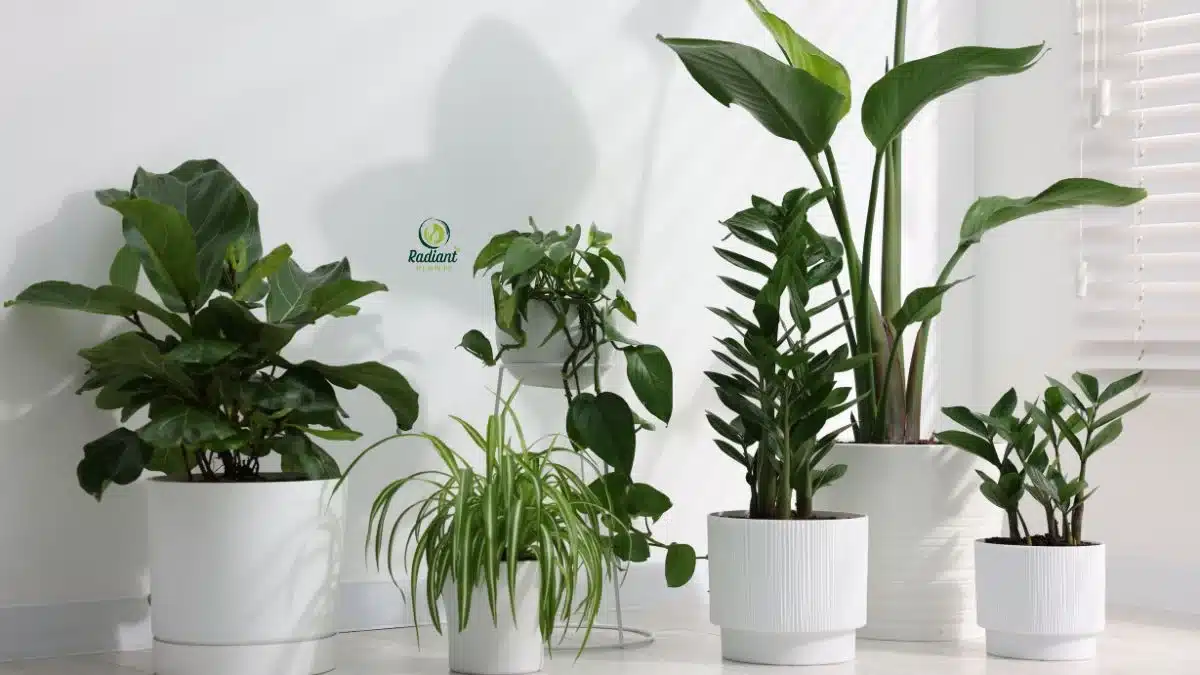
Low light indoor plants are one of the best ways to add greenery to apartments, offices, and dim rooms without needing constant sunlight. Hardy plants like Snake Plant, ZZ Plant, Pothos, and Philodendron adapt well to lower light conditions and usually require less maintenance than sun-loving houseplants. The key is understanding how low light changes watering, growth, and overall plant care. In this guide, you’ll learn which plants survive best in low light, how to avoid common beginner mistakes, and how to keep indoor plants healthy long term, even in darker spaces.
In This Article
What Counts as Low Light Indoors?
Low light for indoor plants usually means a space that gets limited natural sunlight during the day, such as a room with a north-facing window, an area several feet away from a bright window, or a dim apartment corner. Low light does not mean complete darkness. Most low light indoor plants still need some indirect light or supplemental artificial light to stay healthy over time.
⚠️ Low light does NOT mean no light.
Even the toughest indoor plants need some form of light to produce energy and survive long term.
One of the biggest beginner mistakes is assuming a room that feels bright to humans is also bright enough for plants. Our eyes adjust easily to low lighting, but indoor plants respond very differently. A living room that looks well-lit at night may still be too dark for healthy plant growth during the day.
Low Light vs Bright Indirect Light
Many people confuse low light with bright indirect light, but they are not the same thing.
Bright indirect light usually means:
- near an east- or south-facing window
- filtered sunlight through curtains
- bright natural light without direct sun hitting leaves
Low light means:
- farther away from the windows
- weaker daylight exposure
- dimmer indoor conditions overall
For example, a Snake Plant sitting 8 feet away from a window receives much less usable light than a Peace Lily placed directly beside sheer curtains.
Here’s a simple comparison:
Light Condition | Typical Location | Plant Growth Speed |
|---|---|---|
Bright Indirect Light | Near a sunny window | Faster growth |
Moderate Light | A few feet from the window | Steady growth |
Low Light | Dim corners or north-facing rooms | Slower growth |
Low light indoor plants can tolerate these dimmer conditions, but most will grow more slowly and need less water than plants in brighter rooms.
Rooms That Usually Have Low Light
Certain indoor spaces naturally provide lower light levels throughout the day.
Common examples include:
- north-facing rooms
- apartments with limited windows
- offices with fluorescent lighting
- hallways
- bathrooms with small windows
- rooms far from natural sunlight
Large furniture, nearby buildings, and heavy curtains can also reduce indoor light significantly.
A common real-world example is an apartment living room that only gets soft morning light for an hour or two. While that may still work for hardy plants like ZZ Plant or Pothos, more demanding tropical plants may struggle there long-term.
If you’re unsure whether your room qualifies as low light, notice how often you need to turn on lamps during the daytime. If artificial lighting is necessary for most of the day, your plants are probably receiving limited natural light too.
Signs Your Room Is Too Dark for Plants
Even the best indoor plants for low light have limits.
If a room is too dark, plants often show stress signals like:
- long stretched stems (leggy growth)
- smaller new leaves
- pale foliage
- leaning toward windows
- slow or stopped growth
- wet soil that stays damp for too long
Overwatering becomes especially dangerous in dark rooms because the soil dries much more slowly. This is one reason many low light indoor plants die from root rot instead of lack of light itself.
If you notice constantly wet soil or yellow leaves, it may help to reduce watering frequency and move the plant closer to indirect light. Articles like “Overwatering Symptoms” and “Root Rot Treatment” can help diagnose these issues early.
Can Plants Survive in Rooms Without Windows?
Some indoor plants in low light can tolerate windowless rooms temporarily, but very few can survive there permanently without supplemental lighting.
Hardy plants like:
- Snake Plant
- ZZ Plant
- Cast Iron Plant
can adapt better than most, especially in offices or hallways with fluorescent lighting.
However, completely dark rooms usually require grow lights for long-term plant health. Without enough light, plants slowly weaken because they cannot produce enough energy through photosynthesis.
If your room has little to no natural light, adding a small LED grow light is often more effective than trying to force a plant to “adjust” to darkness. Resources like “Best Grow Lights for Indoor Plants” and “UV Light for Plants” can help you choose the right setup for darker spaces.
In most homes, the goal is not finding plants that love darkness. It’s choosing indoor plants that tolerate lower light levels better than others, while still giving them the brightest spot available.
Best Low Light Indoor Plants for Beginners
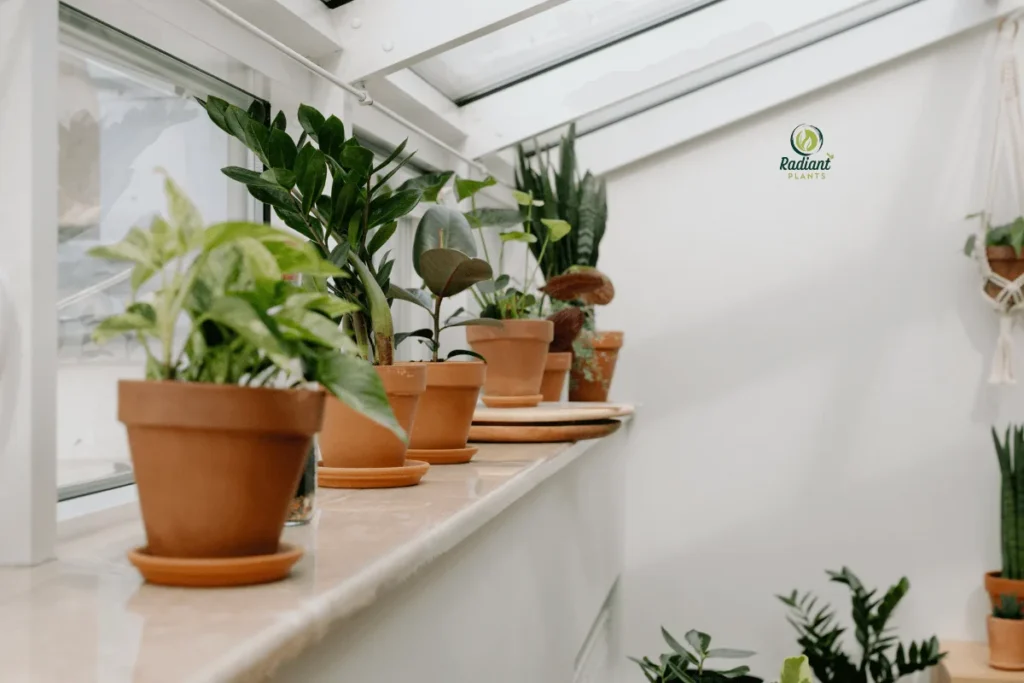
The best low light indoor plants for beginners are hardy houseplants that tolerate limited sunlight, recover well from occasional neglect, and do not require complicated care routines. Snake Plant, ZZ Plant, Pothos, Philodendron, and Chinese Evergreen are some of the easiest options because they adapt well to apartments, offices, and dim indoor rooms.
If you are new to houseplants, focus on plants that:
- tolerate inconsistent watering
- grow slowly in low light without collapsing
- handle average indoor humidity
- do not require direct sunlight
One important thing beginners often misunderstand is that “low light tolerant” does not mean “thrives in darkness.” Even the toughest indoor plants in low light conditions can still benefit from brighter indirect light whenever possible.
Here’s a quick comparison before diving into each plant:
Plant | Low Light Tolerance | Care Difficulty | Growth Speed | Beginner Friendly |
|---|---|---|---|---|
Snake Plant | Excellent | Very Easy | Slow | ⭐⭐⭐⭐⭐ |
ZZ Plant | Excellent | Very Easy | Slow | ⭐⭐⭐⭐⭐ |
Pothos | Very Good | Easy | Fast | ⭐⭐⭐⭐⭐ |
Philodendron | Very Good | Easy | Moderate | ⭐⭐⭐⭐ |
Peace Lily | Moderate | Moderate | Moderate | ⭐⭐⭐ |
Chinese Evergreen | Excellent | Easy | Slow | ⭐⭐⭐⭐⭐ |
Spider Plant | Moderate | Easy | Fast | ⭐⭐⭐⭐ |
Dracaena | Very Good | Easy | Slow | ⭐⭐⭐⭐ |
Snake Plant
Why It Works in Low Light
Snake Plant is one of the toughest indoor plants for low light because it tolerates dim rooms better than most houseplants. Its thick leaves store moisture, making it forgiving for beginners who occasionally forget to water.
It is often considered one of the hardest indoor plants to kill.
Watering Needs
Allow the soil to dry almost completely before watering. In low-light rooms, this may only mean watering every 2–4 weeks, depending on humidity and season.
Common Mistakes
The biggest mistake is overwatering. Wet soil combined with low light can quickly lead to root rot.
Best Placement Indoors
- bedrooms
- offices
- apartment corners
- shelves near north-facing windows
Pet note: Snake Plants are mildly toxic to cats and dogs if chewed.
ZZ Plant
Why It Works in Low Light
ZZ Plant is famous for surviving in spaces where many other plants struggle. It handles fluorescent office lighting, dry indoor air, and inconsistent care surprisingly well.
Its waxy leaves help reduce moisture loss, making it ideal for beginners.
Watering Needs
Water only when the soil feels dry several inches down. ZZ Plants prefer underwatering over overwatering.
Common Mistakes
Many beginners water too often because the plant grows slowly in low light. Slow growth does not always mean the plant is unhealthy.
Best Placement Indoors
- offices
- hallways
- low-light apartments
- rooms with indirect light
Pet note: Toxic if ingested by pets.
Pothos
Why It Works in Low Light
Pothos adapts well to indoor plants in low light environments and grows faster than many beginner houseplants. Its trailing vines also make it popular for shelves and hanging planters.
Golden Pothos is usually the easiest variety for beginners.
Watering Needs
Water when the top inch or two of soil feels dry.
Common Mistakes
Keeping Pothos in extremely dark corners can cause smaller leaves and leggy stems over time.
Best Placement Indoors
- bookshelves
- hanging baskets
- apartments
- office desks
Pet note: Toxic to cats and dogs.
Philodendron
Why It Works in Low Light
Many Philodendron varieties tolerate lower light conditions while still maintaining attractive foliage. Heartleaf Philodendron is especially beginner-friendly.
Its flexible care needs make it a popular choice for indoor gardeners.
Watering Needs
Allow the top layer of soil to dry slightly between waterings.
Common Mistakes
Overwatering and placing it in completely dark rooms are the most common issues.
Best Placement Indoors
- bedroom shelves
- hanging planters
- apartments with filtered light
Pet note: Toxic to pets if ingested.
Peace Lily
Why It Works in Low Light
Peace Lily is one of the few flowering low light indoor plants that adapts reasonably well to dim indoor spaces.
It also gives visible signals when thirsty, which many beginners appreciate.
Watering Needs
Keep the soil lightly moist but not soggy.
Common Mistakes
Too much water in low light often causes yellow leaves and drooping.
Best Placement Indoors
- bathrooms
- Bedroom
- rooms with soft filtered light
Pet note: Toxic to cats and dogs.
Peace Lilies generally perform better in moderate, low light rather than very dark corners.
Chinese Evergreen
Why It Works in Low Light
Chinese Evergreen is one of the most adaptable indoor plants low light homes can support. It tolerates inconsistent lighting and average indoor humidity very well.
Wide varieties also have attractive, patterned foliage.
Watering Needs
Water once the top layer of soil begins drying out.
Common Mistakes
Cold drafts and constantly wet soil are the most common problems.
Best Placement Indoors
- offices
- Living rooms
- Apartments
- North-facing rooms
Pet note: Mildly toxic to pets.
For many beginners, this is one of the safest low-maintenance starting plants.
Spider Plant
Why It Works in Low Light
Spider Plants tolerate lower light better than many people expect, though they usually grow faster in brighter indirect light.
They are also known for producing baby plantlets easily.
Watering Needs
Water when the top inch of soil feels dry.
Common Mistakes
Brown leaf tips often appear from inconsistent watering or mineral-heavy tap water.
Best Placement Indoors
- hanging baskets
- Shelves
- Bright low-light rooms
Pet note: Generally considered non-toxic to cats and dogs.
Spider Plants are a good option for pet owners who still want easy indoor greenery.
Dracaena
Why It Works in Low Light
Dracaena adapts well to indoor environments with limited sunlight and grows slowly enough to remain manageable indoors for years.
Its upright shape also works well in modern apartment décor.
Watering Needs
Allow part of the soil to dry between waterings.
Common Mistakes
Too much direct sun can scorch leaves, while overwatering in low light can damage roots.
Best Placement Indoors
- corners with filtered light
- living rooms
- office spaces
- apartment interiors
Pet note: Toxic to pets if ingested.
For beginners who want a taller statement plant without intense maintenance, Dracaena is often one of the best indoor plants for low light conditions.
Why Low-Light Indoor Plants Still Die
Low light indoor plants usually die from improper care conditions rather than low light alone. The most common causes are overwatering, poor drainage, weak winter lighting, and placing plants in spaces that are darker than they can realistically tolerate. In many homes, the problem is not that the plant receives too little light — it is that low light changes how the plant uses water and energy.
One of the biggest beginner mistakes is treating low-light plants exactly like plants growing in brighter rooms. When light levels drop, plants grow more slowly and use less water. That means soil stays wet longer, roots receive less oxygen, and fungal problems become much more likely.
⚠️ Beginner Warning
Most low-light indoor plants die from too much water, not too little sunlight.
If your plant has yellow leaves, mushy stems, or constantly damp soil, the issue is often related to watering and drainage rather than the plant species itself.
Here’s a quick diagnosis table before diving deeper:
Symptom | Most Likely Cause |
|---|---|
Yellow leaves | Overwatering |
Mushy roots or stems | Root rot |
Long stretched stems | Insufficient light |
Slow or no growth | Weak light or winter dormancy |
Soil stays wet for weeks | Poor drainage or low evaporation |
Overwatering in Low Light
Overwatering is the number one reason low-light indoor plants struggle indoors.
In brighter rooms, sunlight helps soil dry faster and supports active plant growth. In dim rooms, evaporation slows dramatically. That means a watering schedule that works near a sunny window may become dangerous in a darker corner.
This is especially common in:
- apartments during winter
- offices with little airflow
- rooms far from windows
Many beginners water low-light plants on a fixed weekly schedule without checking the soil first. Unfortunately, wet soil combined with limited light creates ideal conditions for root damage.
Common signs of overwatering include:
- yellow leaves
- drooping despite wet soil
- soft stems
- fungus gnats
- sour-smelling soil
A better approach is to check the soil with your finger before watering. If the top few inches still feel damp, wait longer.
Root Rot Problems
Root rot is one of the most destructive problems affecting indoor plants in low light conditions.
When soil stays constantly wet, roots stop receiving enough oxygen. Fungal organisms begin breaking down the roots, eventually causing the plant to collapse.
Early root rot symptoms often look deceptively similar to dehydration:
- yellowing leaves
- drooping foliage
- weak growth
This confuses beginners because they often respond by watering even more.
One of the clearest warning signs is mushy, dark roots with a bad smell when the plant is removed from its pot.
Plants especially vulnerable to root rot in low light include:
- Peace Lily
- Pothos
- Philodendron
- Dracaena
Hardier plants like Snake Plant and ZZ Plant tolerate occasional neglect much better because they store water naturally.
Plants That Secretly Need More Light
Some plants marketed as “low light plants” only tolerate dim conditions temporarily. They survive, but they often stop thriving.
This is an important distinction that many competitors fail to explain.
A plant may continue living in a dark room while showing signs like:
- smaller leaves
- pale foliage
- long stretched stems
- sparse growth
- leaning toward windows
This is called leggy growth and usually means the plant is searching for more light.
For example:
- Pothos can survive moderate low light, but grows fuller in brighter indirect light.
- Spider Plants tolerate dim rooms but produce more baby plants with stronger lighting.
- Peace Lilies flower less in darker spaces.
Low light indoor plants generally perform best when placed near indirect light instead of deep inside dark corners.
If a room receives almost no daylight, adding a small grow light often improves plant health dramatically.
Poor Drainage and Wet Soil
Even the best indoor plants for low light can struggle if excess water has nowhere to go.
Decorative pots without drainage holes are one of the biggest hidden problems in indoor plant care. Water collects at the bottom of the pot, keeping roots wet for days or even weeks.
Low-light conditions make this worse because evaporation already happens slowly.
Signs of poor drainage include:
- constantly damp soil
- mold on the soil surface
- blackened roots
- foul odors
- leaves turning yellow from the bottom up
To improve drainage:
- Use pots with drainage holes
- empty saucers after watering
- Choose airy potting mixes
- Avoid oversized containers
Large pots hold more moisture than small root systems can use, especially in dim apartments or cool indoor rooms.
Weak Winter Light
Many people notice their low-light indoor plants decline during fall and winter, even when they cared for them successfully all summer.
Winter light is weaker because:
- Daylight hours are shorter
- The sun sits lower in the sky
- Indoor heating dries the air
- Windows receive less direct exposure
A room that feels bright in July may function as a true low-light space in January.
During winter, plants often:
- grow more slowly
- Use less water
- produce fewer leaves
This seasonal slowdown is normal, but beginners often continue watering at summer levels, leading to overwatering problems.
Helpful winter adjustments include:
- watering less often
- moving plants closer to windows
- rotating plants regularly
- Supplementing with grow lights if needed
For many indoor plants, low light winter conditions are harder than summer dimness because the overall energy available to the plant drops significantly.
Understanding seasonal changes is one of the biggest differences between constantly replacing plants and keeping them healthy long term.
Best Low Light Plants for Different Rooms
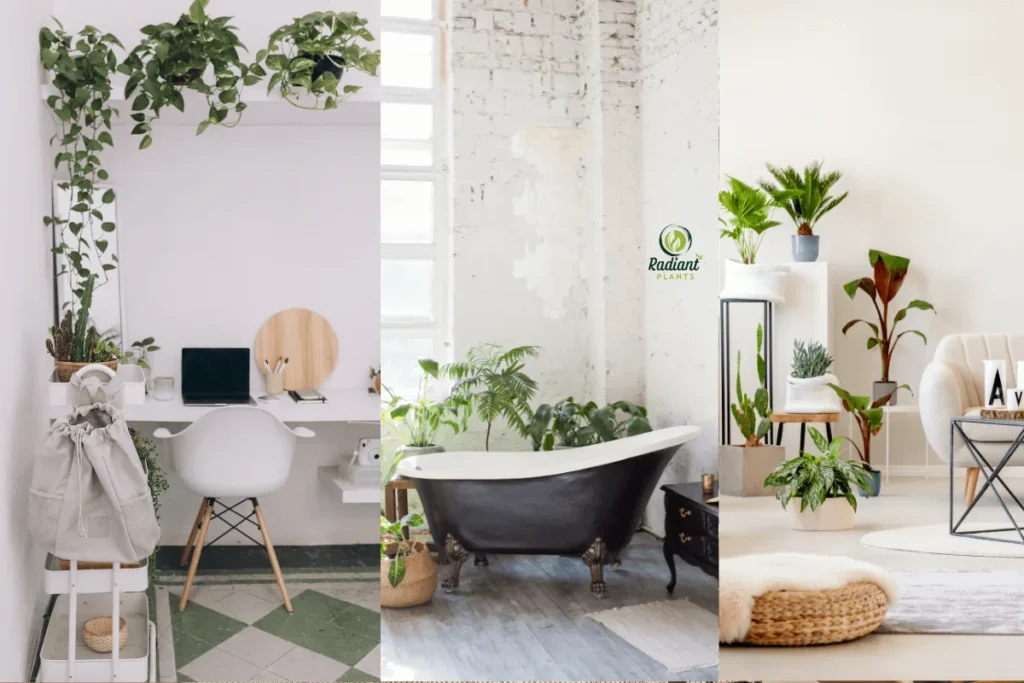
The best low light indoor plants depend on the type of room, available space, humidity levels, and how much maintenance you realistically want to handle. A plant that survives well in a humid bathroom may struggle in a dry office, while a large plant perfect for a living room corner may overwhelm a small apartment shelf.
Instead of choosing plants only by appearance, it helps to match them to the environment they will actually live in.
Here’s a quick room-based guide:
Room Type | Best Low-Light Plants | Why They Work |
|---|---|---|
Bedroom | Snake Plant, Pothos | Low maintenance and compact |
Office | ZZ Plant, Chinese Evergreen | Tolerate artificial lighting |
Bathroom | Peace Lily, Philodendron | Enjoy extra humidity |
Apartment | Pothos, Dracaena | Adapt well to limited light |
Dark Corners | Dracaena, Cast Iron Plant | Taller structure and shade tolerance |
One of the biggest beginner mistakes is placing a plant based only on décor instead of environmental conditions. Even the best indoor plants for low light still respond differently depending on airflow, humidity, and available daylight.
Best Plants for Bedrooms
Bedrooms are often quieter, cooler, and lower light than living rooms, especially if curtains stay closed most of the day.
The best low light indoor plants for bedrooms are usually:
- compact
- low maintenance
- tolerant of inconsistent watering
Snake Plant is one of the most reliable choices because it handles dim corners and dry indoor air well. Pothos is another strong option if you want trailing greenery on shelves or dressers.
Philodendron also works well in bedrooms with soft, indirect light because it stays adaptable without requiring constant care.
For small bedrooms:
- Choose compact pots
- Avoid oversized floor plants
- Place plants near indirect light whenever possible
A common mistake is placing plants deep inside dark corners behind furniture, where airflow and light are extremely limited.
Internal linking opportunities:
- Shelf Plants That Thrive Indoors
- Indoor Hanging Plants
Best Plants for Offices
Office spaces often create unique challenges for indoor plants low light conditions:
- fluorescent lighting
- dry air
- limited airflow
- Inconsistent weekend care
ZZ Plant is one of the best office plants because it tolerates neglect and artificial lighting better than many tropical plants. Chinese Evergreen also performs well because it adapts easily to indoor temperature fluctuations.
For desks or smaller workspaces:
- Choose slow-growing plants
- avoid plants needing high humidity
- Use containers with drainage holes
Snake Plant is another strong office option because it handles low-maintenance routines very well.
If your office has no windows at all, a small LED grow light may help plants stay healthier long term.
A common beginner mistake is watering office plants too often simply because the environment feels dry. Air conditioning may dry the air, but soil can remain wet for long periods under low light.
Best Plants for Bathrooms
Bathrooms can actually work surprisingly well for some low light indoor plants because humidity levels are often higher after showers.
The best bathroom plants usually tolerate:
- lower airflow
- humidity fluctuations
- filtered or indirect light
Peace Lily thrives in humid environments and often performs better in bathrooms than in dry living rooms. Philodendron is another strong option because it naturally grows in humid tropical environments.
Bathrooms with:
- frosted windows
- small windows
- north-facing windows
It often provides enough indirect light for humidity-loving plants to survive comfortably.
However, completely windowless bathrooms are still challenging. In those cases, rotating plants occasionally into brighter spaces or using grow lights can help prevent decline.
One mistake many people make is assuming humidity replaces light. Humidity helps foliage stay healthy, but plants still need enough light for photosynthesis.
Best Plants for Apartments
Apartments often have:
- limited window access
- nearby buildings blocking sunlight
- smaller living spaces
That makes plant selection especially important.
The best low light indoor plants for apartments are usually:
- adaptable
- compact
- forgiving
- visually versatile
Pothos works especially well in apartments because it grows beautifully on shelves, in hanging planters, or on bookcases without direct sunlight.
Dracaena is a good option for adding vertical greenery without taking up too much floor space. Snake Plant also works well because it tolerates dry indoor air and inconsistent care schedules.
For tiny apartments:
- Hanging plants maximize vertical space
- Shelves improve light access
- Rotating plants occasionally helps even growth
Many apartment owners accidentally place plants too far from windows because they prioritize room layout over light exposure. Even moving a plant a few feet closer to indirect light can improve growth noticeably.
Best Large Plants for Dark Corners
Large plants help soften empty indoor corners, but not every tall plant handles low light well.
Some of the best larger indoor plants for low light include:
- Dracaena
- Cast Iron Plant
- larger Snake Plant varieties
- certain Philodendron types
These plants adapt better to:
- filtered indoor light
- apartment corners
- low-maintenance setups
Dracaena is especially popular because its upright shape creates a strong visual impact without needing intense sunlight.
When styling dark corners:
- Avoid placing plants too far from any natural light source
- Rotate plants occasionally
- clean leaves regularly to improve light absorption
One common mistake is using large decorative pots without drainage. Bigger containers hold moisture longer, which becomes risky in low-light spaces.
If a corner receives almost no daylight, adding a nearby floor lamp with a grow bulb can help maintain healthier growth.
Choosing the right low light plant for your specific room is often more important than choosing the “trendiest” plant. Matching the plant to real indoor conditions leads to healthier growth, easier care, and far fewer beginner frustrations.
How to Keep Low Light Indoor Plants Healthy
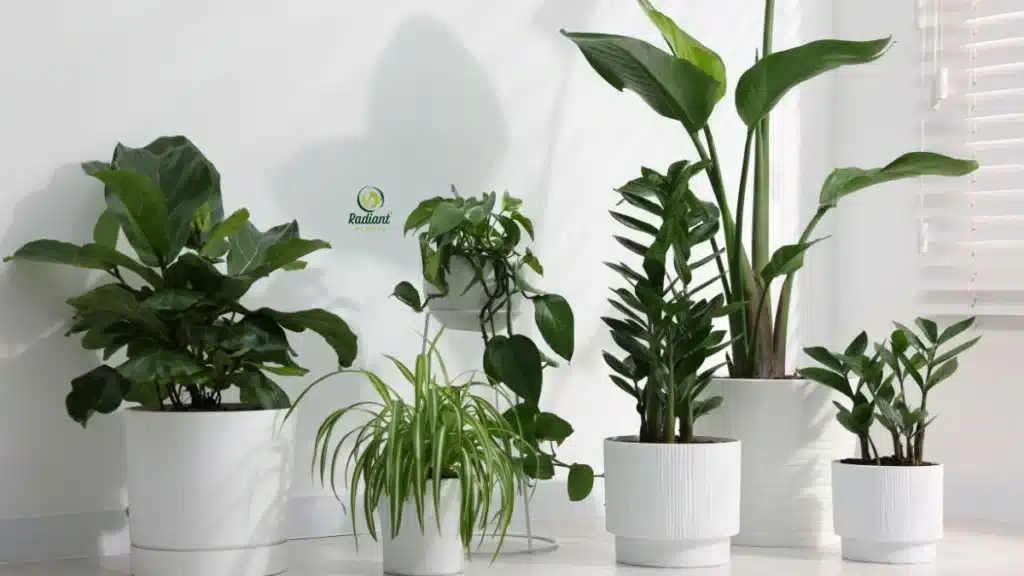
Low light indoor plants stay healthiest when their care routine matches their slower growth habits. In dim rooms, plants use water more slowly, grow at a reduced pace, and become more sensitive to excess moisture. The key to long-term success is not constant attention — it’s consistent, balanced care.
Many beginners accidentally kill indoor plants in low light by treating them like sun-loving plants. In reality, low-light plants usually need:
- less frequent watering
- well-draining soil
- occasional leaf cleaning
- seasonal care adjustments
- lighter feeding schedules
A simple maintenance routine often works better than over-managing the plant.
Quick Care Rule
In lower light, plants usually grow slower, dry slower, and need less frequent care.
Here’s a basic low-light plant maintenance checklist:
Care Task | Recommended Frequency |
|---|---|
Check soil moisture | Weekly |
Watering | Only when the soil partially dries |
Clean leaves | Every few weeks |
Rotate plant | Monthly |
Fertilize | Lightly during active growth |
Watering Low-Light Plants Correctly
Watering is the most important part of keeping low light indoor plants alive long-term.
Because light drives growth and evaporation, plants in dim rooms usually dry out much more slowly than plants near sunny windows. A watering schedule that works in summer may become excessive during winter or in darker rooms.
Instead of watering on a fixed schedule:
- Check the soil first
- water only when the top layer feels dry
- Reduce watering during colder months
Some plants like Snake Plant and ZZ Plant prefer drying out more completely between waterings, while Peace Lily and Philodendron enjoy slightly more moisture.
A common beginner mistake is watering based on leaf appearance alone. Drooping can sometimes indicate root stress from too much water instead of thirst.
Signs you may be watering too often include:
- yellow leaves
- soft stems
- fungus gnats
- Soil stays wet for days
If you struggle with overwatering, using pots with drainage holes and airy potting mixes makes a major difference.
Featured snippet opportunity:
Most low-light plants should only be watered when the top inch or two of soil feels dry because low-light conditions slow evaporation and root activity.
Best Soil for Low-Light Plants
The best soil for low light indoor plants drains well while still holding moderate moisture.
In darker indoor spaces, heavy compacted soil becomes risky because it traps excess water around roots for too long.
A good indoor mix usually contains:
- potting soil
- perlite
- bark
- Coco coir or peat moss
This combination improves airflow around roots and helps prevent root rot.
Plants like Dracaena, Philodendron, and Pothos benefit from lighter soil mixes that avoid staying soggy after watering.
One mistake many beginners make is reusing dense outdoor garden soil indoors. Outdoor soil often compacts inside containers and reduces oxygen around roots.
Pot size also matters. Oversized containers hold more moisture than small root systems can use, especially in low-light apartments.
Cleaning Leaves for Better Light Absorption
Dust buildup is one of the most overlooked indoor plant problems.
Even a thin layer of dust can reduce the amount of light reaching plant leaves. In bright rooms, this may not matter much, but in low-light spaces every bit of available light becomes more important.
Plants with broad foliage often collect the most dust, including:
- Peace Lily
- Philodendron
- Dracaena
- Chinese Evergreen
Cleaning leaves every few weeks helps plants absorb light more efficiently and improves airflow around foliage.
A simple microfiber cloth or damp towel usually works well. Avoid heavy leaf shine sprays, which can block natural leaf function.
This small habit makes a surprisingly noticeable difference in darker indoor environments where plants already receive limited light.
Rotating Plants for Even Growth
Plants naturally grow toward light sources. In low-light rooms, this effect becomes even stronger.
If a plant always faces one direction, you may notice:
- leaning stems
- uneven growth
- lopsided foliage
- stretching toward windows
Rotating your plant every few weeks helps encourage more balanced growth.
This is especially helpful for:
- Pothos
- Philodendron
- Spider Plant
- Dracaena
Apartment plants placed beside windows often benefit the most from regular rotation because their light source usually comes from only one side.
One beginner mistake is moving plants constantly between rooms, trying to “fix” growth issues. Sudden environmental changes can stress plants more than gradual adjustments.
Small, consistent changes work better than dramatic relocations.
Fertilizing Without Overdoing It
Low light indoor plants generally need less fertilizer than faster-growing plants in brighter conditions.
Because growth slows in dim light:
- nutrient demand decreases
- Excess fertilizer builds up more easily
- roots become more sensitive to salt accumulation
Most low light plants only need light feeding during active growing seasons like spring and summer.
A diluted balanced houseplant fertilizer every few weeks is usually enough for healthy growth.
Overfertilizing often causes:
- brown leaf tips
- weak growth
- Salt buildup in soil
- stressed roots
Plants growing slowly in dark apartments or offices may need very little fertilizer at all.
A common beginner mistake is trying to “boost” struggling plants with extra fertilizer when the real issue is insufficient light or poor drainage.
Seasonal adjustments matter too. During winter, many low light plants naturally slow down and may not need fertilizer for several months.
Healthy low light plant care is usually about restraint rather than constant intervention. Giving plants stable conditions, proper drainage, and realistic watering habits often works far better than trying to force rapid growth indoors.
Do Grow Lights Help Low Light Indoor Plants?
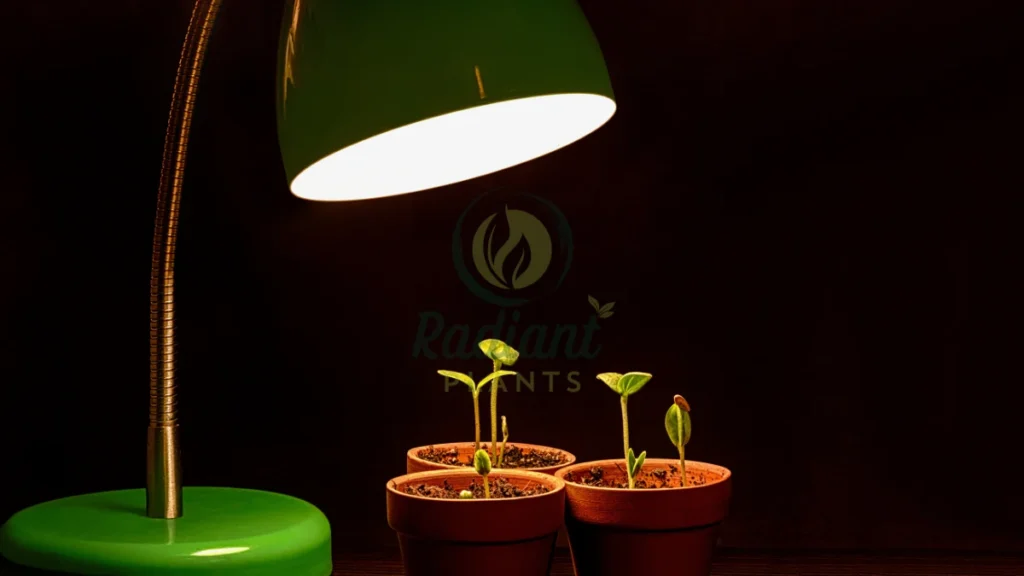
Yes, grow lights can help low light indoor plants survive and grow more successfully, especially in apartments, offices, and rooms with limited natural sunlight. While many low-light plants tolerate dim conditions better than others, they still need enough light to produce energy and maintain healthy growth over time.
Grow lights are especially useful for:
- windowless rooms
- dark apartments
- offices with weak lighting
- Winter Plant Care
- rooms far from windows
One of the biggest misconceptions is that low light plants enjoy darkness. In reality, most indoor plants that tolerate low light conditions are simply better at adapting to reduced light, not thriving without it.
Quick Answer
Low light indoor plants can survive with artificial light if the grow light provides enough intensity and is used consistently.
Modern LED grow lights make this much easier than it used to be because they use less electricity, produce less heat, and work well in small indoor spaces.
When Grow Lights Are Helpful
Grow lights become most helpful when natural sunlight is too weak or inconsistent for healthy plant growth.
This often happens in:
- apartments with shaded windows
- north-facing rooms
- offices with no natural light
- The winter months with shorter days
Some signs that your plant may benefit from extra light include:
- stretched or leggy stems
- pale new growth
- smaller leaves
- leaning toward windows
- slow or stopped growth
Plants like Pothos and Philodendron may survive in dim rooms for long periods, but often become sparse and stretched without enough light.
Adding even a small LED grow light nearby can improve:
- leaf color
- growth speed
- overall plant strength
Grow lights are not always necessary for hardy plants like Snake Plant or ZZ Plant, but they can still help maintain healthier growth in darker homes.
Best Rooms for Grow Lights
Certain rooms benefit from supplemental lighting much more than others.
Grow lights work especially well in:
- windowless offices
- bathrooms with tiny windows
- dark apartment corners
- basement rooms
- shelves far from natural light
For apartments, grow lights are often easier than constantly moving plants closer to windows.
Shelf plants and hanging plants also benefit from overhead lighting because they may not receive enough indirect sunlight naturally.
A common beginner mistake is assuming regular household lamps provide enough light for plants. Most decorative lamps are not strong enough to support healthy, long-term growth.
LED grow lights designed specifically for plants provide better light intensity and wavelengths for photosynthesis.
If aesthetics matter, many modern grow lights now blend well into indoor décor and look more like standard lamps than traditional plant equipment.
Signs Your Plant Needs More Light
Even the best indoor plants for low light eventually show signs when conditions become too dark.
Common warning signs include:
- leggy or stretched growth
- pale foliage
- slow growth
- leaves shrinking in size
- long gaps between leaves
- leaning toward nearby windows
Flowering plants like Peace Lily may also stop blooming in darker rooms.
One subtle sign beginners often miss is unusually wet soil that stays damp for a very long time. Weak lighting slows water use, which increases the risk of root problems.
If your plant looks unhealthy despite careful watering, lighting may be the real issue.
A simple way to test this is to move the plant slightly closer to indirect light for a few weeks or add a small grow light nearby.
Improvement often appears gradually through:
- stronger new leaves
- more upright growth
- healthier color
- faster drying soil
How Long to Use Grow Lights
Most low light indoor plants benefit from about 10–14 hours of grow light exposure daily, depending on the room and plant type.
Plants in completely windowless rooms may need longer exposure than plants already receiving some indirect daylight.
A timer is often helpful because consistency matters more than occasional intense lighting.
Here are some general guidelines:
Room Condition | Suggested Grow Light Time |
|---|---|
Some indirect daylight | 8–10 hours |
Dark apartment room | 10–12 hours |
Windowless office | 12–14 hours |
Winter support | Add 2–4 extra hours |
Distance matters too. A grow light placed too far away loses effectiveness quickly.
Most small LED grow lights work best:
- above the plant
- within a few feet of foliage
- without touching leaves directly
One common beginner mistake is running grow lights 24 hours a day. Plants still need natural rest periods, just like outdoor plants do.
Low light indoor plants usually respond best to steady, moderate lighting rather than extreme artificial exposure.
For many modern apartments and offices, grow lights are no longer just for advanced plant collectors. They are one of the simplest ways to help indoor plants stay healthier in spaces where natural sunlight is limited year-round.
Common Mistakes With Low-Light Indoor Plants
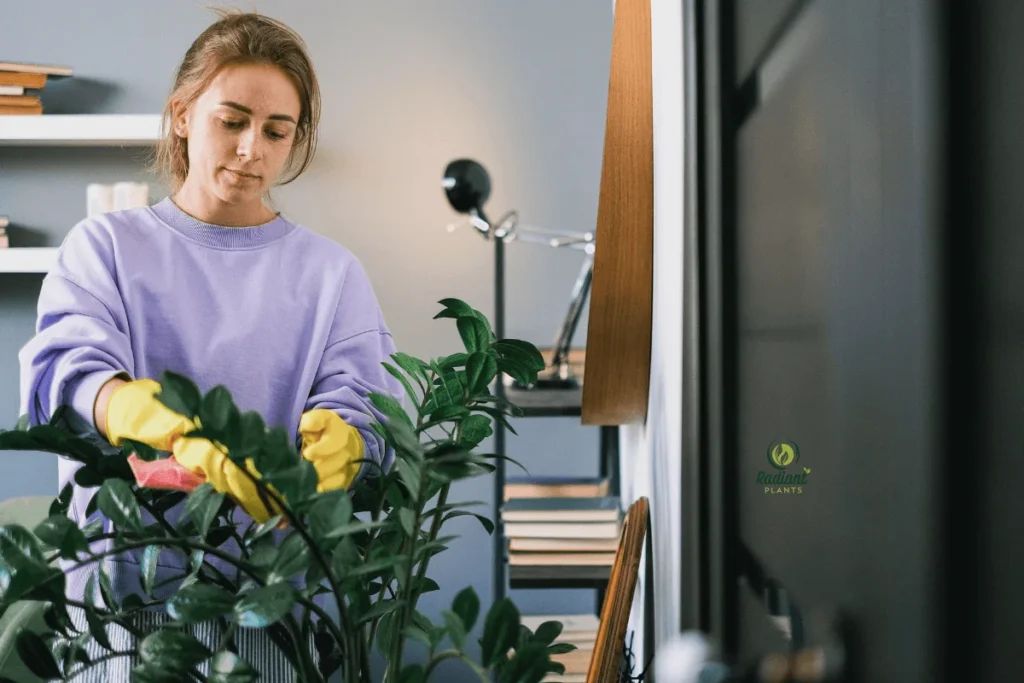
The most common mistakes with low light indoor plants are overwatering, placing plants in rooms that are too dark, and assuming low-light plants need the same care year-round. Many indoor plants survive dim conditions better than others, but they still need balanced light, airflow, and moisture to stay healthy long term.
Most beginner problems happen because low-light environments change how plants grow and use water. In darker rooms:
- Soil dries more slowly
- growth slows down
- roots stay wet longer
- plants become more sensitive to excess care
Ironically, many low-light plants die because people try to “help” them too much.
Quick Reminder
Low-light plants usually struggle more from excess moisture and poor placement than from neglect.
Here’s a simple mistake checklist:
Common Mistake | Why It Causes Problems |
|---|---|
Treating low light like darkness | Plants still need usable light |
Watering on a schedule | Soil may stay wet too long |
Using pots without drainage | Roots suffocate in trapped moisture |
Ignoring winter changes | Plants use less water in colder months |
Choosing the wrong plant | Some plants tolerate low light better than others |
Assuming Low Light Means No Light
One of the biggest misconceptions in indoor plant care is believing low-light plants can live comfortably in complete darkness.
Low light simply means reduced natural sunlight, not the absence of light entirely.
A room may feel bright enough to humans because our eyes adapt easily indoors, but plants respond very differently. A hallway, bathroom, or apartment corner that seems “bright” at night may actually provide very little usable light during the day.
Common signs a room is too dark include:
- stretched stems
- pale leaves
- leaning toward windows
- little to no new growth
Even hardy plants like Snake Plant and ZZ Plant still benefit from being placed near indirect light whenever possible.
A common beginner mistake is hiding plants deep inside decorative corners, far from windows. While the setup may look good initially, growth usually weakens over time.
Quick correction tip:
- move the plant closer to indirect light
- rotate it occasionally
- Supplement with a grow light if needed
Watering on a Schedule
Watering low light indoor plants on a fixed weekly schedule is one of the fastest ways to create root problems.
In low-light rooms, plants use less water because growth and evaporation slow down. That means soil often stays damp much longer than beginners expect.
A watering schedule that works in summer may become excessive during winter or in darker rooms.
Instead of watering automatically:
- Check soil moisture first
- water based on dryness, not the calendar
- Adjust care seasonally
Overwatering symptoms often include:
- yellow leaves
- drooping despite wet soil
- fungus gnats
- soft stems
Many people assume drooping means thirst, but in low-light conditions, it often signals root stress caused by too much water.
Quick correction tip:
- Let the top layer of soil dry before watering again
Using Pots Without Drainage
Decorative containers without drainage holes are a hidden problem for many indoor plants in low light.
Without proper drainage:
- Excess water collects at the bottom
- roots stay constantly wet
- oxygen levels drop
- root rot risk increases
Low-light environments make this worse because moisture evaporates more slowly.
Large decorative pots are especially risky in apartments or cooler rooms where airflow is limited.
One beginner mistake is placing nursery pots directly inside decorative cachepots and forgetting that excess water may still collect underneath.
Signs of drainage problems include:
- sour-smelling soil
- mold growth
- blackened roots
- persistent wetness
Quick correction tip:
- Use pots with drainage holes
- empty saucers after watering
- Choose lighter indoor potting mixes
Ignoring Seasonal Changes
Many people care for their low-light indoor plants the same way year-round, even though indoor conditions change significantly between seasons.
Winter creates several challenges:
- weaker daylight
- shorter days
- slower plant growth
- colder indoor temperatures
As a result, plants:
- need less water
- grow more slowly
- dry out less often
This is why many low-light plants decline during winter, even after thriving all summer.
A common mistake is continuing heavy watering and fertilizing routines during colder months when plants naturally slow down.
Winter warning signs often include:
- yellowing leaves
- soggy soil
- stalled growth
Quick correction tip:
- Reduce watering frequency
- Pause heavy fertilizing
- Move plants closer to windows if possible
Choosing the Wrong Plant for the Room
Not all low light indoor plants tolerate the same conditions.
Some plants handle:
- dry apartments
- office lighting
- cooler bedrooms
better than others.
For example:
- ZZ Plant works well in offices with fluorescent light
- Peace Lily prefers more humidity
- Spider Plant grows better in brighter indirect light
- Dracaena handles apartment corners well
A common beginner mistake is choosing plants based only on appearance instead of matching them to real indoor conditions.
Environmental mismatches often cause:
- slow decline
- poor growth
- constant stress
- recurring care problems
When choosing a plant, consider:
- available light
- humidity
- airflow
- maintenance level
- room temperature
Quick correction tip:
- match the plant to the room, not just the décor style
Low light indoor plants usually perform best when expectations are realistic. The healthiest plants are often the ones placed in environments that naturally support their growth instead of forcing them to adapt to unsuitable conditions.
FAQs About Low Light Indoor Plants
What are the best low light indoor plants for beginners?
Some of the best low light indoor plants for beginners include Snake Plant, ZZ Plant, Pothos, Chinese Evergreen, and Philodendron. These plants tolerate limited sunlight, need less frequent watering, and adapt well to apartments and offices with lower light conditions.
How often should you water low light indoor plants?
Most low light indoor plants should only be watered when the top inch or two of soil feels dry. Because low-light conditions slow evaporation, plants usually need less water than plants growing near bright windows. Overwatering is one of the most common problems in dim rooms.
Can low light indoor plants survive without sunlight?
Low light indoor plants can tolerate limited natural light, but they cannot survive in complete darkness long-term. Rooms with very little daylight may require LED grow lights to help plants stay healthy and continue growing indoors.
Why are my low light indoor plants turning yellow?
Yellow leaves on low light indoor plants are usually caused by overwatering, poor drainage, or weak lighting conditions. Soil that stays wet too long can damage roots and slow healthy growth. Checking soil moisture before watering often helps prevent this problem.
Low light indoor plants make it possible to grow healthy greenery even in apartments, offices, and rooms with limited sunlight. Choosing the right plants, adjusting watering habits, and understanding how low-light conditions affect growth are the biggest keys to success. Start with hardy beginner-friendly plants like Snake Plant, ZZ Plant, or Pothos, and focus on consistent care instead of perfect conditions. With the right setup, even dim indoor spaces can support thriving plants long term.


Very well presented. Every quote was awesome and thanks for sharing the content. Keep sharing and keep motivating others.
Thank you so much for the kind words! 😊
I’m really glad you found the content helpful and motivating. 🌿✨
I just like the helpful information you provide in your articles
Thank you! I’m really glad you find the information helpful 😊
If there’s ever a specific topic you’d like to see covered, feel free to let me know. I’m here to help you grow your green space! 🌿💚
Great information shared.. really enjoyed reading this post thank you author for sharing this post .. appreciated
Thank you so much for taking the time to read and leave such encouraging feedback! I’m really glad you found the information valuable and enjoyed the post. Comments like yours motivate me to keep creating helpful content. If there are any specific topics you’d like to see covered in future posts, please don’t hesitate to suggest them. Thanks again for your support!
I just like the helpful information you provide in your articles
We’re so happy you find the information useful 🌿 Helping plant lovers like you is exactly why we share these articles.
Can you be more specific about the content of your article? After reading it, I still have some doubts. Hope you can help me.