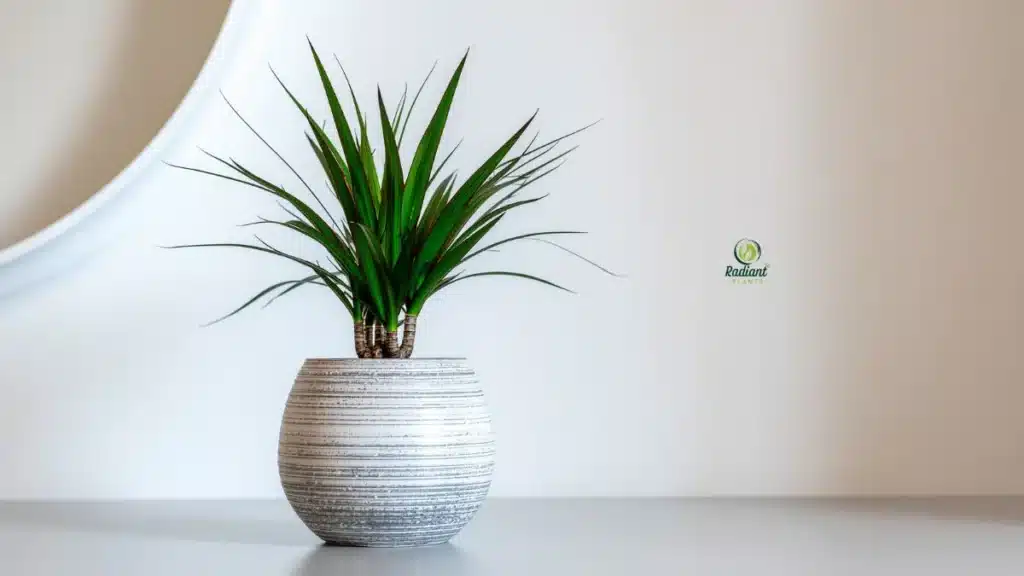
Dracaena plant indoor care works best when you respond to the plant’s actual growing conditions rather than following rigid schedules. Most commonly grown Dracaenas prefer bright, indirect light, a well-drained potting medium, and watering that allows the root zone to avoid prolonged saturation.
Different Dracaena species and cultivars can respond somewhat differently, so no single numeric rule applies to every plant. The guide below covers the core care principles and shows how to troubleshoot yellow leaves, brown tips, drooping, slow growth, and root problems without assuming that one symptom has only one cause.
If you are still choosing a plant, our Dracaena varieties guide explains some of the commonly grown indoor types.
In This Article
Quick Diagnosis: What’s Wrong With Your Dracaena?
When a Dracaena develops yellow leaves, brown tips, drooping foliage, or slow growth, avoid diagnosing the problem from the symptom alone. Several care issues can produce similar signs, so check the plant’s growing conditions before changing your routine.
Quick Dracaena Troubleshooting Guide
Symptom | Possible Causes | What to Check First |
|---|---|---|
Yellow leaves | Excess moisture, poor drainage, low light, temperature stress, or other root/plant problems | Check potting-mix moisture, drainage, light, and whether the plant has been exposed to cold or sudden environmental changes |
Brown leaf tips | Dry air, inconsistent moisture, fertilizer or soluble-salt buildup, or water-quality issues such as fluoride sensitivity | Review watering consistency, indoor humidity, fertilizer use, and water quality |
Drooping or wilting | Too little water, excessive moisture with root problems, environmental stress, or other causes | Check the potting mix and, if conditions stay wet or the plant continues to decline, inspect the roots |
Slow or weak growth | Insufficient light, seasonal slowdown, stress, or unsuitable growing conditions | Review light levels and the plant’s overall growing environment |
These are starting points, not final diagnoses. Different Dracaena species and cultivars can also respond somewhat differently to the same indoor conditions.
Check These Conditions Before Taking Action
1. Potting-mix moisture
Feel the potting mix rather than watering according to a fixed calendar. If it has remained wet for an extended period, poor drainage or excessive watering may be contributing to root stress. If it is unusually dry, insufficient or inconsistent watering may be involved.
2. Light
Many commonly grown Dracaenas perform best in bright, indirect light, although they can often tolerate lower-light conditions. Very low light can limit growth, while strong direct sun may damage foliage in susceptible plants.
For detailed placement guidance, see our Dracaena light requirements guide.
3. Recent environmental changes
Consider whether the plant was recently moved, repotted, exposed to a cold draft, placed near heating or cooling equipment, or subjected to a major change in its watering routine. Recent changes can help narrow the possible cause.
4. Water quality and fertilizer buildup
Dracaenas can be sensitive to fluoride and accumulated soluble salts. If brown tips persist even when watering and humidity appear appropriate, consider whether fertilizer buildup or water quality could be contributing.
Diagnose the Conditions, Not Just the Symptom
A yellow leaf does not automatically mean overwatering, and a brown tip does not automatically mean poor water quality. The most useful approach is to combine the visible symptom with what is happening in the potting mix, roots, light, temperature, watering routine, and recent care history.
The detailed troubleshooting section below explains how to narrow down each common Dracaena problem without relying on a single symptom.
Dracaena Care at a Glance
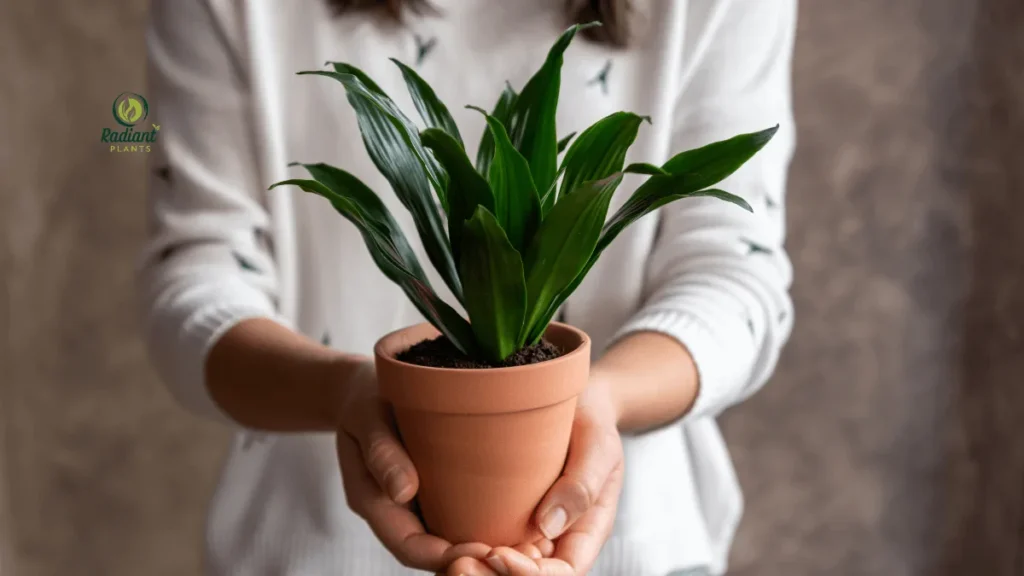
For reliable dracaena plant indoor care, focus on the plant’s growing conditions rather than following a rigid schedule. Most commonly grown Dracaenas prefer bright, indirect light, a well-drained potting medium, and watering that responds to how quickly the mix is drying. Exact needs can vary among species and cultivars.
Care Factor | General Dracaena Care | What to Watch For |
|---|---|---|
Light | Bright, indirect light is generally preferred; many types tolerate lower light | Very low light can limit growth, while strong direct sun may damage foliage |
Water | Check the potting mix before watering rather than watering on fixed days | Prolonged wet conditions and poor drainage can contribute to root problems |
Soil | Use a well-drained houseplant potting medium | Compacted or poorly drained media can keep roots wet for too long |
Temperature | Provide warm, relatively stable indoor conditions | Protect the plant from cold drafts and sudden temperature changes |
Humidity | Many Dracaenas tolerate typical indoor conditions, although needs vary | Very dry air can contribute to brown leaf tips in susceptible plants |
Fertilizer | Feed moderately during active growth according to the plant’s needs and product directions | Excess fertilizer and soluble-salt buildup can damage leaf tips |
A Simple Dracaena Care Routine
Before watering, check the potting mix instead of relying on a weekly schedule. How quickly it dries can change with light, temperature, season, container size, and the potting medium itself.
Keep the plant where it receives suitable indirect light, and use a container with drainage holes so excess water can escape. Avoid cold drafts and abrupt environmental changes.
Pay attention to changes in the foliage, but do not diagnose a problem from one symptom alone. Yellow leaves, brown tips, drooping, and slow growth can each have more than one possible cause. If the plant begins to decline, review its overall growing conditions before changing several parts of its care routine at once.
Light for Indoor Dracaena
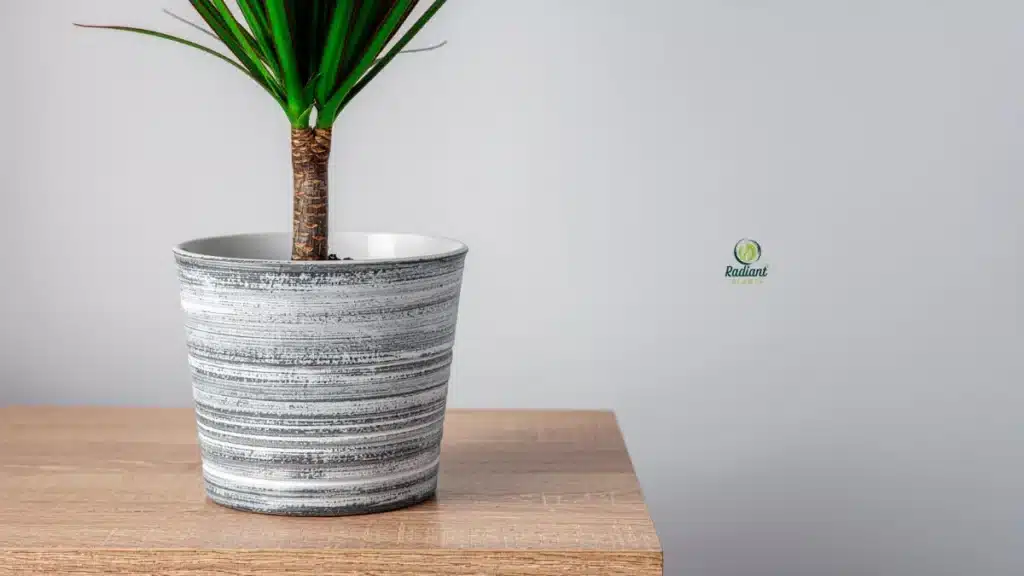
Dracaenas generally grow best in bright, indirect light, although many commonly grown types can tolerate lower-light conditions. Tolerating low light does not necessarily mean it provides the best conditions for growth, and individual species and cultivars can respond differently.
Avoid exposing the foliage to prolonged, intense direct sunlight, which can damage leaves in susceptible Dracaenas. If the plant receives strong direct sun through a window, moving it farther from the glass or filtering the light with a sheer curtain can help.
Lower light may result in slower growth. However, slow growth by itself does not prove that light is the problem, so consider the plant’s overall growing conditions before changing its placement.
Rather than relying on fixed distances from a window or assuming that one window direction is ideal for every home, judge the actual light reaching the plant. Window size, orientation, curtains, nearby buildings, season, and distance from the glass can all affect indoor light.
For a more detailed look at placement and different indoor lighting conditions, see our Dracaena light requirements guide.
How to Water Dracaena
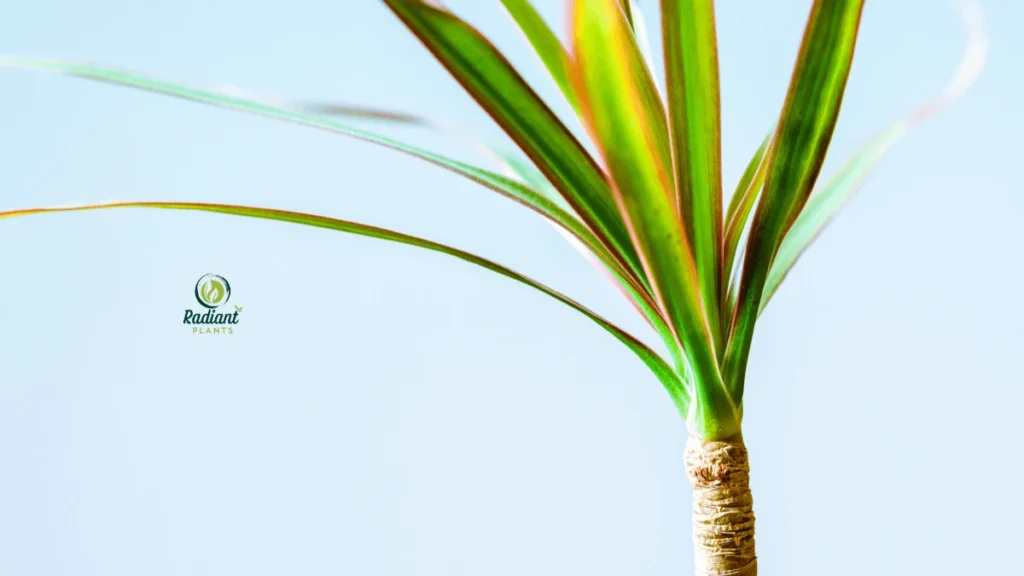
Watering a Dracaena is best based on the condition of the potting mix rather than a fixed weekly schedule. How quickly the mix dries can change with light, temperature, container size, potting medium, season, and the particular Dracaena you are growing.
Before watering, feel the upper portion of the potting mix. If it is still noticeably moist, wait and check again later. Once it has dried sufficiently for your plant and growing conditions, water thoroughly so the root zone is evenly moistened and allow excess water to drain from the container.
Avoid leaving the potting mix persistently saturated. Dracaenas need adequate drainage and root aeration, and prolonged excess moisture can contribute to root problems.
Overwatering vs. Underwatering
Yellowing, drooping, or other changes in the foliage should not be used alone to decide whether a Dracaena has received too much or too little water. Start by checking the potting mix and drainage.
If the mix remains wet for an unusually long time, review how often you are watering, whether excess water can escape from the container, and whether the growing medium drains adequately. Persistent decline under wet conditions may warrant inspecting the roots for damage.
If the potting mix has become excessively dry, water it thoroughly and then monitor how quickly it dries before watering again.
The goal is not to find a universal number of days between waterings. Instead, use the condition of the potting mix to decide when the plant needs water. This also allows your watering routine to adjust naturally as indoor growing conditions change.
Soil, Drainage, and Containers
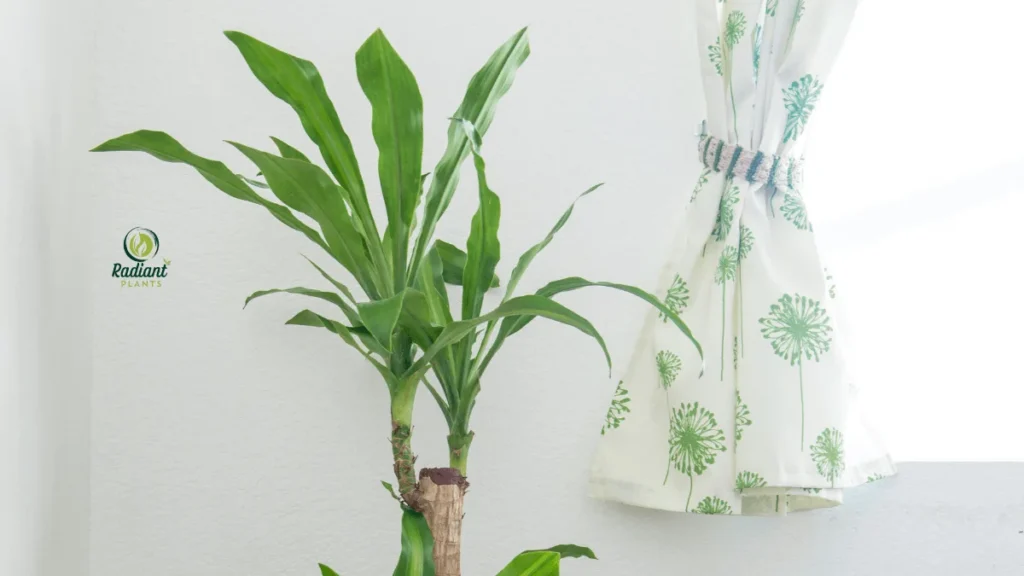
Dracaena roots need a potting environment that holds enough moisture for the plant without remaining saturated for long periods. Use a well-drained houseplant potting medium and a container with drainage holes so excess water can escape.
There is no single soil recipe that is necessary for every Dracaena. The important goal is a potting medium that provides both moisture retention and adequate root aeration. Avoid using dense or compacted media that remain wet for prolonged periods.
Why Drainage Matters
Good drainage works together with proper watering. If excess water cannot leave the container, the root zone can remain overly wet even when you are not watering frequently. Prolonged excess moisture and poor aeration can contribute to root problems, including root rot.
A decorative pot without drainage can still be used as a cachepot. Keep the Dracaena in a draining inner container, remove it for watering, allow excess water to drain, and then return it to the decorative pot.
When repotting, avoid automatically moving a Dracaena into a much larger container simply because a larger pot is available. Choose a container appropriate for the plant and its root system rather than relying on a universal pot-size formula.
For detailed information about suitable growing media and soil components, see our guide to the best soil for Dracaena plants indoors.
Temperature and Humidity

Dracaenas generally prefer warm, relatively stable indoor conditions, but exact temperature and humidity preferences vary among species and cultivars. Protect the plant from cold drafts and abrupt temperature changes rather than relying on one universal temperature range for every Dracaena.
Avoid locations where the plant is repeatedly exposed to cold outdoor air, air-conditioning vents, or direct blasts from heating systems. These conditions can create localized temperature and moisture stress even when the rest of the room is comfortable.
Humidity and Brown Leaf Tips
Many Dracaenas can grow in typical indoor conditions, although some types prefer higher humidity. Very dry air can contribute to brown leaf tips, but browning should not automatically be diagnosed as a humidity problem.
If brown tips develop, consider humidity alongside other documented causes, including inconsistent moisture, excess fertilizer or soluble-salt buildup, and water-quality issues such as fluoride sensitivity.
Increasing watering is not a reliable way to compensate for dry indoor air. Keep watering decisions based on the condition of the potting mix, and consider the plant’s overall environment when troubleshooting changes in the foliage.
Fertilizing Dracaena
Dracaenas generally do not need heavy feeding indoors. Fertilizer can support growth when the plant is actively growing, but requirements vary among species, cultivars, and growing conditions.
Use a fertilizer labeled for houseplants and follow the product directions rather than relying on a universal feeding interval or concentration. Avoid applying more fertilizer in an attempt to correct slow growth without first checking factors such as light, watering, and overall plant health.
Avoid Excess Fertilizer
Overfertilizing can lead to an accumulation of soluble salts in the potting medium. Dracaenas can be sensitive to salt buildup, which may contribute to leaf-tip injury.
If brown tips appear, consider fertilizer use and salt accumulation alongside other possible causes, including inconsistent moisture, low humidity, and water quality. Brown tips alone do not confirm fertilizer damage.
Reduce or withhold fertilizer when the plant is not actively growing or is under significant stress. Rather than feeding according to the calendar alone, adjust fertilization to the plant’s growth and the directions for the fertilizer you are using.
Repotting and Basic Maintenance
Repot a Dracaena based on the condition of its roots, container, and potting medium, rather than following a fixed schedule. A plant does not automatically need a new pot simply because a certain number of years have passed.
When to Repot a Dracaena
Consider repotting when there is clear evidence that the current container or growing medium is no longer working well. Useful signs include:
- Roots emerging from the drainage holes
- A root system that has become crowded within the container
- Potting medium that has deteriorated or no longer drains adequately
Slow growth alone is not enough to diagnose a root-bound plant. Light, watering, temperature, plant health, and the natural growth characteristics of the particular Dracaena can also affect growth.
Choosing a New Container
When a larger container is needed, move up gradually rather than automatically choosing a much larger pot. The new container should provide adequate room for the root system while still allowing the potting medium to dry appropriately between waterings.
Always use a container with drainage holes and a well-drained potting medium. Avoid treating repotting as a solution for every struggling Dracaena; first determine whether the roots, container, or growing medium actually justify the change.
When repotting, inspect the root system and remove obviously dead or decayed material if present. Afterward, return to condition-based watering rather than watering more frequently simply because the plant has been repotted.
Troubleshooting Dracaena Problems
Troubleshooting is an important part of dracaena plant indoor care because changes in the leaves can point to several different problems. Avoid diagnosing the plant from a single symptom. Start by checking the potting mix, drainage, light, temperature, recent care changes, and—when root problems are suspected—the condition of the roots.
Yellow Leaves
Yellow leaves do not automatically mean that a Dracaena has been overwatered. Excess moisture and poor drainage are possible causes, but inadequate light, temperature stress, root problems, and other plant-health issues can produce similar symptoms.
Start with the conditions around the symptom:
- If the potting mix remains wet for a prolonged period, review watering and drainage.
- If drainage is poor, investigate whether the root zone is staying saturated.
- If moisture appears appropriate, consider light, temperature changes, and other signs of stress.
- If yellowing continues while the root zone remains excessively wet, inspect the roots for deterioration rather than assuming that withholding water alone will solve the problem.
The useful clue is not the yellow leaf by itself, but how it relates to the plant’s growing conditions.
Brown Leaf Tips
Brown tips have several plausible causes in Dracaena, including inconsistent moisture, low humidity, excess fertilizer or soluble-salt buildup, and water-quality issues such as fluoride sensitivity.
Review these factors together before choosing a treatment. If the potting mix is being managed appropriately, consider whether the surrounding air is unusually dry, fertilizer has been applied excessively, or salts may have accumulated in the growing medium. Water quality is another factor worth investigating because some Dracaenas are sensitive to fluoride and dissolved salts.
Do not assume that switching water sources will correct every case of brown tips; the symptom can have more than one contributing cause.
Drooping or Wilting
Wilting can occur when a plant does not have adequate water available, but it can also occur when persistently wet conditions have damaged roots and reduced their ability to function.
Check the potting mix first. If it is excessively dry, insufficient moisture may be involved. If it has remained wet while the plant continues to wilt, examine drainage and consider inspecting the roots.
Avoid responding to drooping by automatically adding more water. The same visible symptom can occur under very different root-zone conditions.
Slow or Weak Growth
Many Dracaenas tolerate lower-light conditions, but growth may be slower than under suitable bright, indirect light. Still, slow growth alone does not prove that the plant needs more light.
Consider the plant’s species or cultivar, light exposure, root condition, temperature, overall health, and whether it is actively growing. Fertilizer should not be used as an automatic fix for slow growth when the underlying growing conditions have not been assessed.
Root Problems
Suspect root trouble when decline occurs alongside persistently wet potting mix, poor drainage, or visibly deteriorating roots. Yellowing or wilting alone is not enough to confirm root rot.
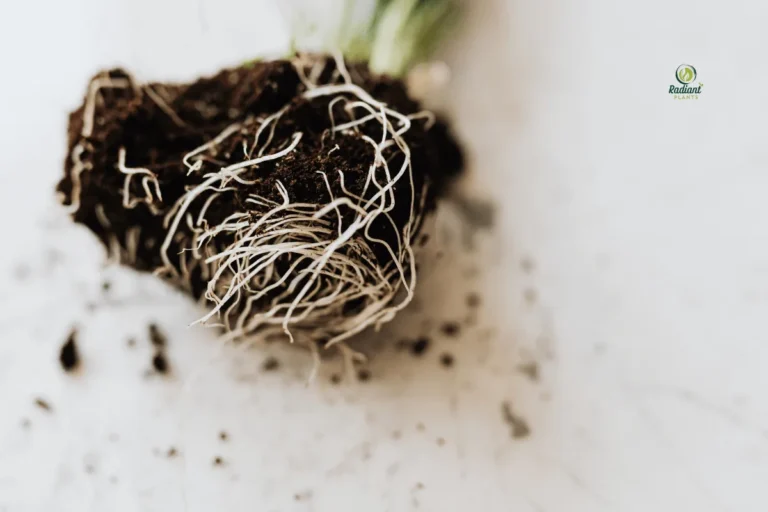
If root problems are suspected, carefully inspect the root system. Look for damaged or decayed roots and evaluate whether the potting medium and container are allowing adequate drainage and root aeration.
Correct the conditions contributing to prolonged excess moisture rather than treating the foliage symptom alone.
Common Dracaena Pests
Indoor Dracaenas can be affected by spider mites, thrips, mealybugs, and scale. Because pest damage can resemble other plant problems, inspect the foliage and stems before assuming that discoloration, weak growth, or declining leaves are caused by watering or light.
Check the undersides of leaves, leaf joints, and stems for insects or other visible evidence of infestation. Spider mites may be associated with fine webbing, while mealybugs can appear as small, cottony masses. Scale insects typically remain attached to plant surfaces, and thrips can damage foliage as they feed.
If you find pests, separate the affected Dracaena from nearby houseplants while you assess and manage the infestation. Remove heavily damaged material when appropriate and choose a control method that is labeled for the pest and suitable for indoor plants, following the product directions carefully.
Continue inspecting the plant after treatment because a single application may not necessarily resolve an infestation. Also check nearby houseplants for signs that the pest has spread.

Is Dracaena Safe for Pets?
Dracaena is not considered safe for cats or dogs. Dracaena species contain saponins, and ingestion can cause poisoning symptoms in pets.
Symptoms of Dracaena Ingestion
Signs reported in cats and dogs can include:
- Vomiting
- Drooling
- Loss of appetite
- Depression
- Weakness
- Lack of coordination
Cats may also develop dilated pupils after ingestion.
Keep Dracaena plants where pets cannot chew or ingest the foliage. If you suspect your cat or dog has eaten part of a Dracaena or is showing symptoms after exposure, contact your veterinarian or an animal poison-control service for guidance rather than relying on the apparent severity of the symptoms.
If you share your home with pets that regularly investigate or chew plants, consider choosing plants specifically identified as pet-safe.