Finding tall indoor plants low light homes can actually support is harder than most plant guides make it seem. Many large houseplants are labeled “low light,” but once they end up in darker apartments or dim corners, they become leggy, weak, or difficult to maintain. That’s especially frustrating for beginners who want tall greenery without constant plant problems.
The good news is that some tall indoor plants genuinely adapt well to lower light conditions indoors. In this guide, you’ll discover the best low-maintenance floor plants for apartments, offices, and darker rooms, along with realistic care tips, common mistakes to avoid, and which plants truly thrive versus simply survive in low light.
In This Article
What Tall Indoor Plants Actually Handle Low Light Well?
The best tall indoor plants low light homes can realistically support plants that naturally tolerate slower growth and lower energy conditions indoors. While no large houseplant thrives in complete darkness, some species adapt far better to dim apartments, offices, and rooms with limited sunlight than others.
If you want tall indoor plants for low light conditions, focus on varieties known for strong adaptability, upright growth, and low-maintenance care.
- Snake Plant
- ZZ Plant
- Dracaena Janet Craig
- Kentia Palm
- Chinese Evergreen
Snake Plant
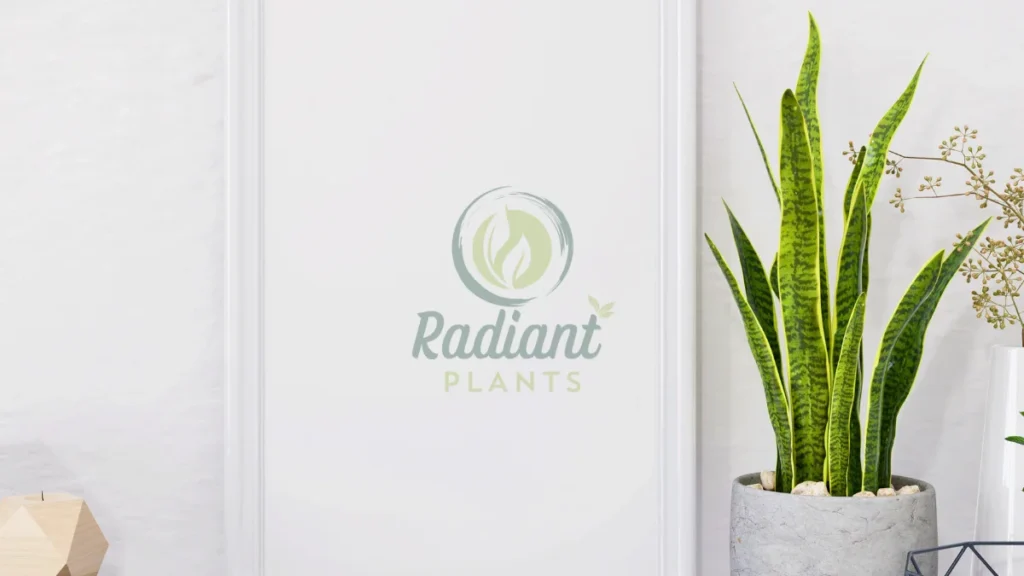
Snake plants are one of the easiest tall indoor plants low light beginners to grow successfully. Their upright leaves add height without taking up much floor space, making them ideal for apartments and narrow corners.
They tolerate dim rooms better than most indoor plants and can handle inconsistent watering. However, growth becomes much slower in low light conditions.
Best for:
- beginners
- dark corners
- low-maintenance homes
Common mistake:
Overwatering. Snake plants prefer soil that dries fully between waterings.
ZZ Plant
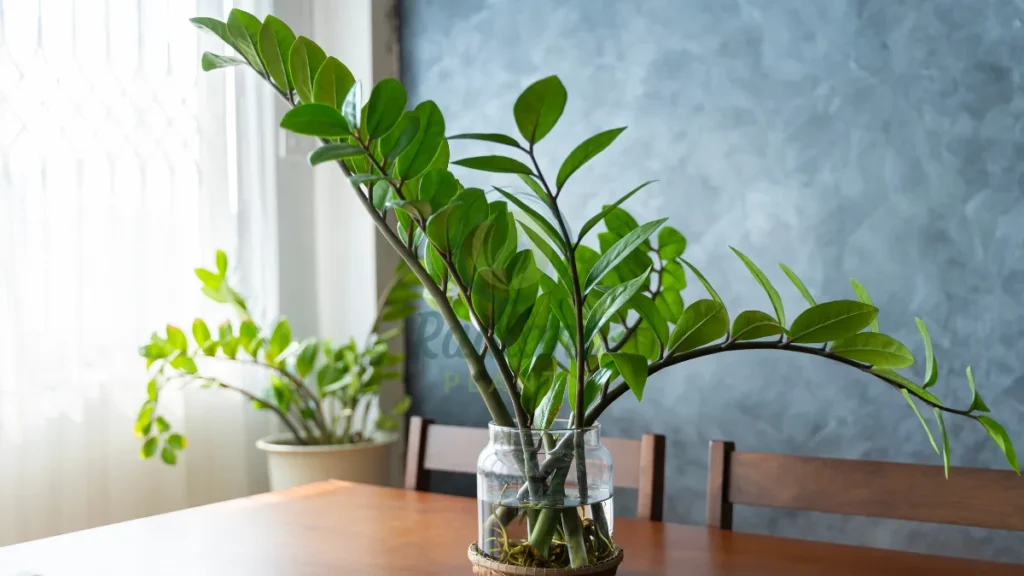
The ZZ plant is famous for surviving lower light levels while still looking healthy and glossy indoors. It grows slowly, but its thick stems and waxy leaves make it one of the most reliable choices for low-light homes.
This plant works especially well in offices and rooms several feet away from windows.
Best for:
- offices
- forgetful plant owners
- low-effort plant care
Common mistake:
Watering too often in dim rooms where the soil stays wet longer.
Dracaena Janet Craig
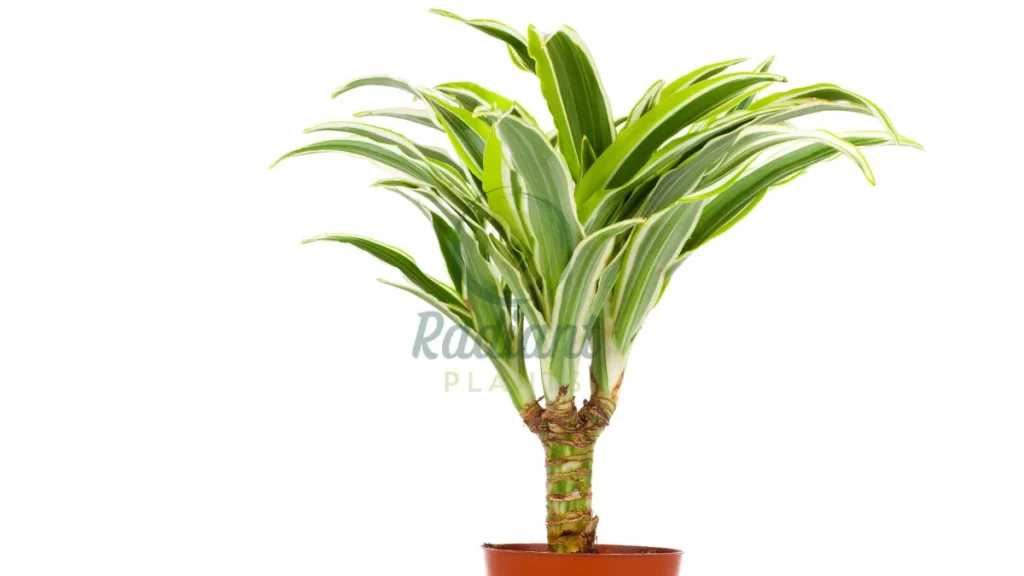
Dracaena Janet Craig is one of the best tall indoor plants low light spaces can support because it maintains a full, upright shape even in softer indirect light.
Its dark green foliage makes it a popular floor plant for bedrooms, hallways, and apartments with limited sunlight. It also adapts well to indoor conditions year-round.
Best for:
- floor plant styling
- bedrooms
- taller indoor greenery
Common mistake:
Placing it in deep shade with no indirect light at all.
Kentia Palm
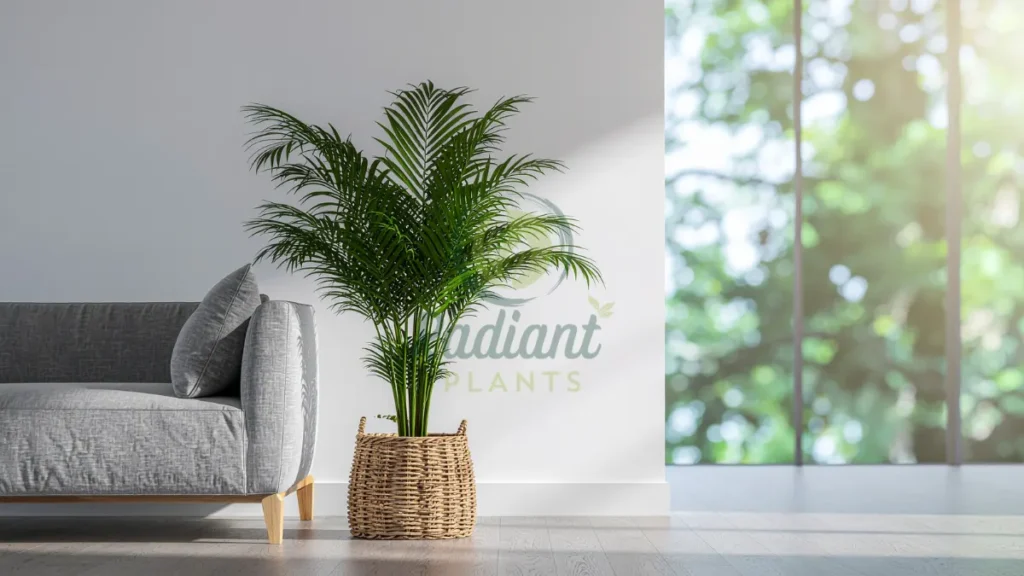
Kentia palms are among the most elegant tall indoor plants for low light homes, especially if you want a softer tropical look. Unlike many palms, they tolerate lower light surprisingly well indoors.
They grow slowly, but their graceful fronds make them excellent statement plants for living rooms and larger spaces.
Best for:
- living rooms
- tropical interiors
- large spaces
Common mistake:
Expecting fast growth in darker rooms.
Chinese Evergreen
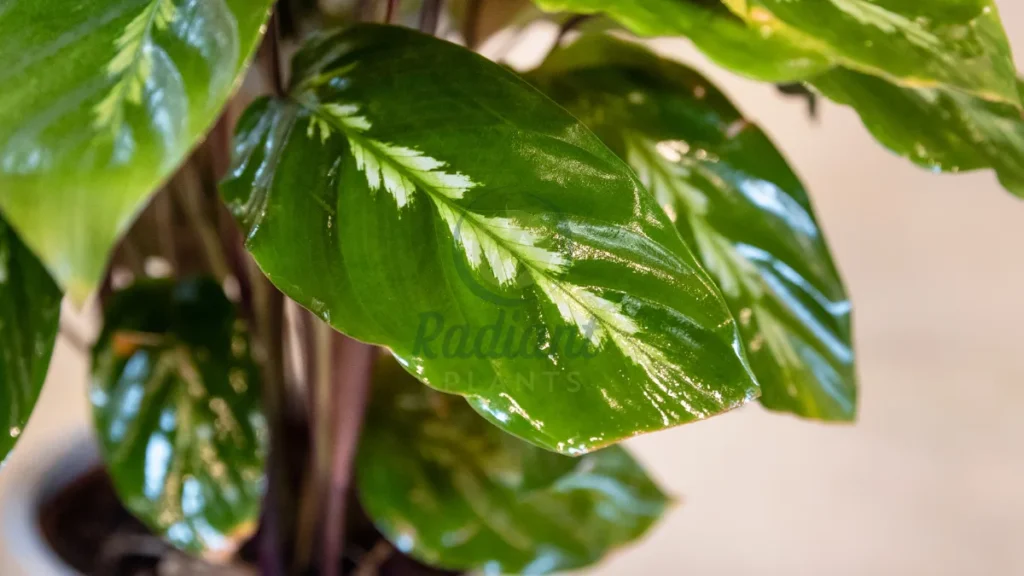
Chinese evergreens are reliable low-light indoor plants with broad decorative leaves and strong adaptability. Some varieties stay compact, while larger types can become impressive floor plants indoors over time.
They tolerate moderate low light better than many colorful foliage plants and are easier to maintain than they appear.
Best for:
- decorative foliage
- medium to low light rooms
- beginner-friendly indoor styling
Common mistake:
Cold drafts and overwatering during winter.
Quick Comparison Table for Tall Indoor Plants Low Light Homes
Choosing the right tall indoor plant for low light conditions becomes much easier when you compare growth habits, watering needs, and realistic light tolerance side by side. Some plants simply survive dim rooms, while others stay healthy and attractive with minimal natural light.
Use this quick comparison table to find the best match for your space, lifestyle, and experience level.
Plant | Indoor Height | Low-Light Tolerance | Water Needs | Growth Speed | Best For |
|---|---|---|---|---|---|
Snake Plant | 2–5 ft | Excellent | Low | Slow | Beginners and dark corners |
ZZ Plant | 2–4 ft | Excellent | Low | Slow | Offices and low-maintenance homes |
Dracaena Janet Craig | 4–6 ft | Very Good | Moderate | Moderate | Bedrooms and floor plant styling |
Kentia Palm | 6–10 ft | Good | Moderate | Slow | Living rooms and tropical interiors |
Chinese Evergreen | 3–5 ft | Very Good | Moderate | Moderate | Decorative foliage and apartments |
Cast Iron Plant | 2–3 ft | Excellent | Low | Slow | Neglected or darker spaces |
Bamboo Palm | 4–7 ft | Good | Moderate | Moderate | Humid rooms and soft tropical style |
Corn Plant (Dracaena Fragrans) | 4–6 ft | Very Good | Moderate | Moderate | Beginner-friendly large greenery |
Peace Lily | 2–4 ft | Good | Moderate | Moderate | Bedrooms and softer indirect light |
Pothos on Pole | 3–6 ft | Moderate | Moderate | Fast | Vertical indoor plant displays |
If your room receives very little natural light, Snake Plants, ZZ Plants, and Cast Iron Plants are usually the safest choices. Taller tropical plants like Kentia Palms and Bamboo Palms can still adapt to lower light, but they often grow more slowly and benefit from brighter indirect light whenever possible.
For most tall indoor plants, low light homes can support, and watering less frequently is one of the biggest keys to long-term success. Soil dries much more slowly in dim conditions, especially during winter or in cooler rooms.
Best Tall Indoor Plants Low Light Beginners Can Grow
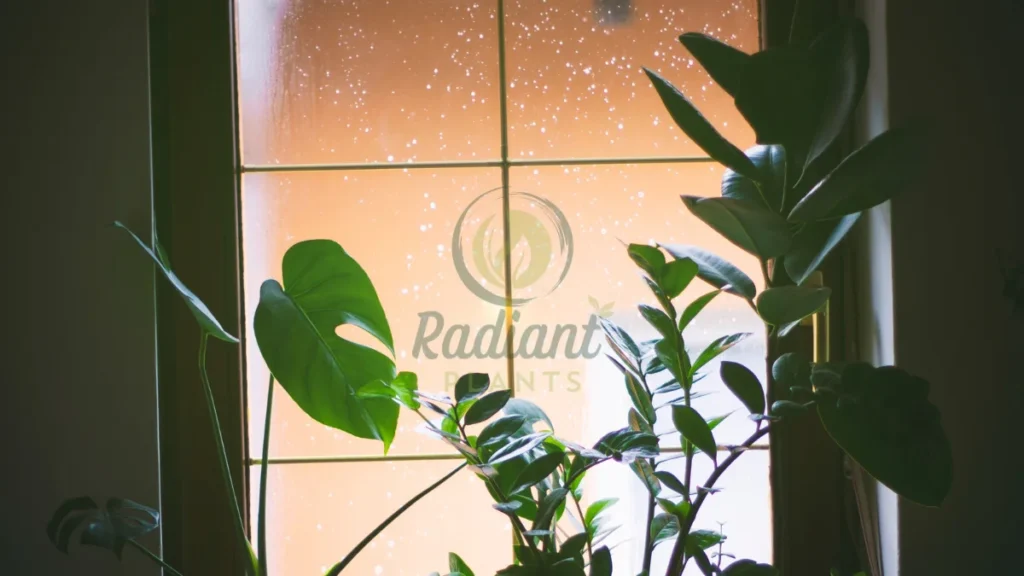
If you are new to houseplants, choosing hardy, tall indoor plants low light homes can realistically support is much smarter than starting with high-maintenance tropical plants. The best beginner-friendly options tolerate occasional neglect, slower watering routines, and less-than-perfect lighting conditions.
Snake Plant
Snake plants are one of the most reliable tall indoor plants low light beginners can keep alive with minimal effort.
- Mature height: 2–5 feet indoors
- Real low-light tolerance: Excellent
- Watering frequency: Every 2–4 weeks, depending on season
- Best room placement: Bedrooms, hallways, dark corners, apartments
- Growth speed: Slow to moderate
- Beginner friendliness: Extremely beginner-friendly
- Common mistake: Overwatering soil that stays wet too long
Their upright growth also makes them ideal for smaller rooms where floor space matters.
ZZ Plant
ZZ plants are famous for surviving dim indoor spaces while still maintaining healthy-looking glossy leaves. They are one of the easiest low-maintenance floor plants for beginners.
- Mature height: 2–4 feet indoors
- Real low-light tolerance: Excellent
- Watering frequency: Every 2–3 weeks
- Best room placement: Offices, living rooms, low-light apartments
- Growth speed: Slow
- Beginner friendliness: Extremely beginner-friendly
- Common mistake: Watering before the soil fully dries
ZZ plants handle inconsistent care better than most tall indoor plants for low light conditions.
Dracaena Janet Craig
Dracaena Janet Craig is a dependable choice for beginners who want taller greenery with a softer, fuller appearance.
- Mature height: 4–6 feet indoors
- Real low-light tolerance: Very good
- Watering frequency: Every 1–2 weeks, depending on light levels
- Best room placement: Bedrooms, corners, floor plant styling areas
- Growth speed: Moderate
- Beginner friendliness: Very beginner-friendly
- Common mistake: Keeping the plant in extremely dark areas with no indirect light at all
Its upright structure and dark green foliage work especially well in homes with limited natural sunlight.
Tall Indoor Plants Low Light Apartments Can Support
Many apartments simply do not get enough natural sunlight for demanding tropical plants. The good news is that several tall indoor plants, low light apartments, can still provide height, greenery, and a strong visual impact without needing bright windows all day.
The key is choosing upright floor plants that tolerate dimmer conditions and grow steadily in smaller indoor spaces.
Best Plants for Small Apartments
Snake Plants are one of the best choices for smaller apartments because they grow vertically instead of spreading outward. Their narrow shape fits well beside couches, shelves, and entryways without making a room feel crowded.
Dracaena Janet Craig is another excellent apartment plant because it adds height while staying relatively compact indoors. It works especially well in corners that receive soft indirect light during part of the day.
ZZ Plants are ideal if your apartment lighting changes often or certain rooms stay darker than others. They tolerate low light extremely well and require very little maintenance once established.
Best Plants for Dark Corners
Dark corners are challenging because many indoor plants slowly weaken there over time. For tall indoor plants, low-light homes can realistically keep them in dim areas. Snake Plants and ZZ Plants remain the safest options.
Snake Plants handle lower light better than most upright floor plants and continue looking structured even with slower growth. ZZ Plants also adapt well to several feet away from windows, especially in apartments with limited sunlight.
If you want a softer tropical look, Kentia Palms can work in brighter low-light corners where they still receive indirect daylight during the day. However, they grow much more slowly in darker interiors.
Avoid placing large tropical plants in corners with no natural or artificial light at all. Even hardy low-light plants still need some usable light to stay healthy long term.
Best Tall Plants for Offices
Office environments often have fluorescent lighting, dry air, and limited window access, so durability matters more than fast growth.
ZZ Plants are among the best office-friendly tall indoor plants low light spaces can support because they tolerate inconsistent watering and adapt well to artificial lighting.
Snake Plants are also popular in offices because they stay upright, require minimal attention, and fit easily beside desks or cabinets.
For a more decorative office floor plant, Dracaena Janet Craig adds height and fuller foliage without demanding intense light. It works especially well in reception areas, meeting rooms, and quieter corners with moderate indirect light.
Tall Indoor Plants Low Light Conditions Slow Down
One of the biggest misunderstandings about tall indoor plants low light homes can support is that “low light tolerant” does not mean fast growing. Most large indoor plants slow down significantly in dim conditions because they receive less energy for new growth.
This is why many tall houseplants stay smaller indoors than expected, especially in apartments or darker rooms with limited natural light.
Some plants, like Snake Plants and ZZ Plants, survive low light extremely well because they naturally grow slowly. They maintain healthy leaves and structure even when growth is minimal. That makes them reliable choices for beginners who want low-maintenance floor plants.
Other tall indoor plants may survive in low light for a while, but gradually become weaker over time. This is where the difference between surviving and thriving becomes important.
A plant that survives low light may:
- grow very slowly
- produce smaller leaves
- lean toward windows
- develop stretched stems
- lose lower foliage over time
A plant that thrives in better light usually grows fuller, stronger, and more evenly.
Leggy growth is one of the most common signs that tall indoor plants are not receiving enough usable light. Stems become stretched, the spacing between leaves increases, and the plant starts leaning toward the nearest window. This happens because the plant is searching for more light.
Low light also changes watering needs. Since growth slows down, soil stays wet longer, and roots use less moisture. Many beginners accidentally overwater tall indoor plants in low light conditions because they expect the same watering schedule used in brighter rooms.
For most tall indoor plants, low light spaces can realistically support slower growth, which is completely normal. Healthy low-light plants often prioritize survival and steady foliage instead of rapid height increases.
Common Problems With Tall Indoor Plants in Low Light
Even the best tall indoor plants low light homes may struggle if lighting, watering, or placement conditions become too extreme. Most problems develop slowly, which is why many beginners do not notice warning signs until the plant already looks stressed.
Understanding these common issues early makes it much easier to keep large indoor plants healthy long term.
Why Tall Indoor Plants Become Leggy
Leggy growth happens when indoor plants stretch toward available light. In low-light rooms, stems often become thinner, weaker, and more spaced out because the plant is trying to reach a brighter area.
Tall plants are especially vulnerable because larger foliage needs more usable light to support balanced growth.
Common signs of leggy growth include:
- leaning toward windows
- long empty stem sections
- smaller new leaves
- uneven growth
- weak stems that cannot support height properly
Moving the plant closer to indirect light usually helps slow down stretching. Rotating the pot every few weeks can also encourage more even growth.
Snake Plants and ZZ Plants usually stay more compact in lower light, while tropical plants like palms and Monstera tend to stretch faster in dim conditions.
Why Low-Light Plants Get Root Rot
Root rot is one of the biggest reasons tall indoor plants fail indoors, especially in apartments and darker rooms where soil dries slowly.
Low light reduces evaporation and slows plant growth, meaning roots use less water over time. If the soil stays constantly wet, roots lose oxygen and begin to rot beneath the surface.
Common warning signs include:
- yellow leaves
- soft stems
- drooping foliage
- wet soil that stays soggy for days
- unpleasant smell from the pot
Many beginners accidentally water low-light plants too frequently because the surface soil appears dry while deeper layers remain wet.
Using pots with drainage holes and allowing the soil to dry properly between waterings can dramatically reduce root rot problems.
Signs Your Plant Needs More Light
Even tall indoor plants low light spaces can still require some usable light to stay healthy. When conditions become too dark, plants often show gradual stress signals before serious damage happens.
Watch for these common signs:
- pale or fading leaves
- slower than normal growth
- leaning toward windows
- stretched stems
- dropping lower leaves
- smaller new foliage
- weak overall structure
Plants that previously looked healthy but suddenly stop growing may simply need brighter indirect light instead of more fertilizer or water.
If moving the plant closer to a window is not possible, a simple grow light can often improve growth and reduce stretching without dramatically changing your indoor setup.
Tall Indoor Plants Low Light Homes Should Avoid
Not every large houseplant marketed as “low light” is actually a good fit for darker interiors. Some tall indoor plants may survive temporarily in dim rooms, but they often lose leaves, stretch badly, or decline over time without brighter indirect light.
Avoiding these difficult plants can save beginners a lot of frustration and unnecessary expense.
Fiddle Leaf Fig
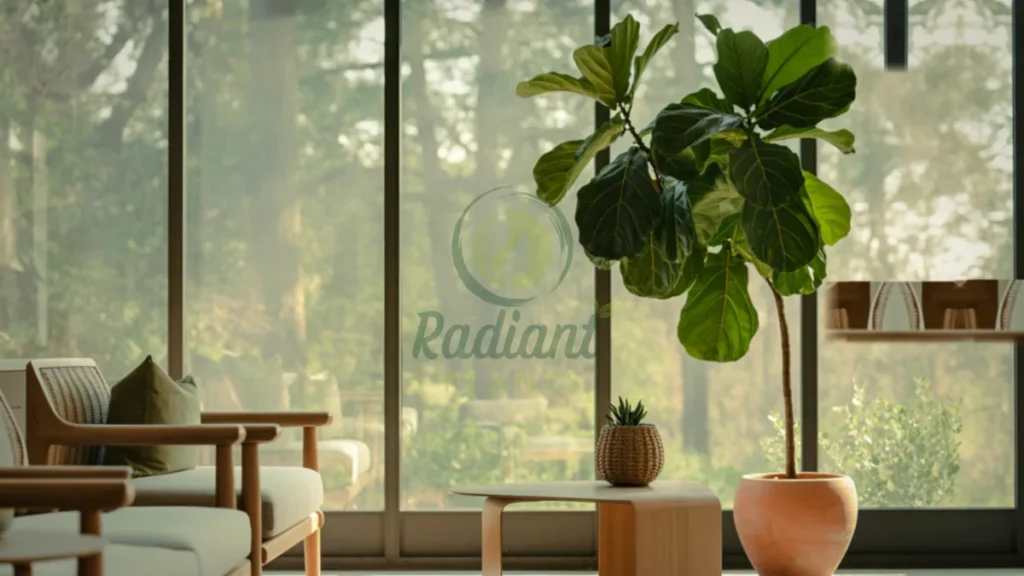
Fiddle Leaf Figs are often recommended as stylish indoor floor plants, but they are poor performers in low-light homes. While they may tolerate short periods of lower light, they usually need bright indirect sunlight to maintain healthy growth.
In darker apartments, Fiddle Leaf Figs commonly develop:
- leaf drop
- leaning stems
- sparse growth
- brown leaf edges
- weak new foliage
They also dislike sudden environmental changes, making them harder for beginners to manage indoors.
Croton
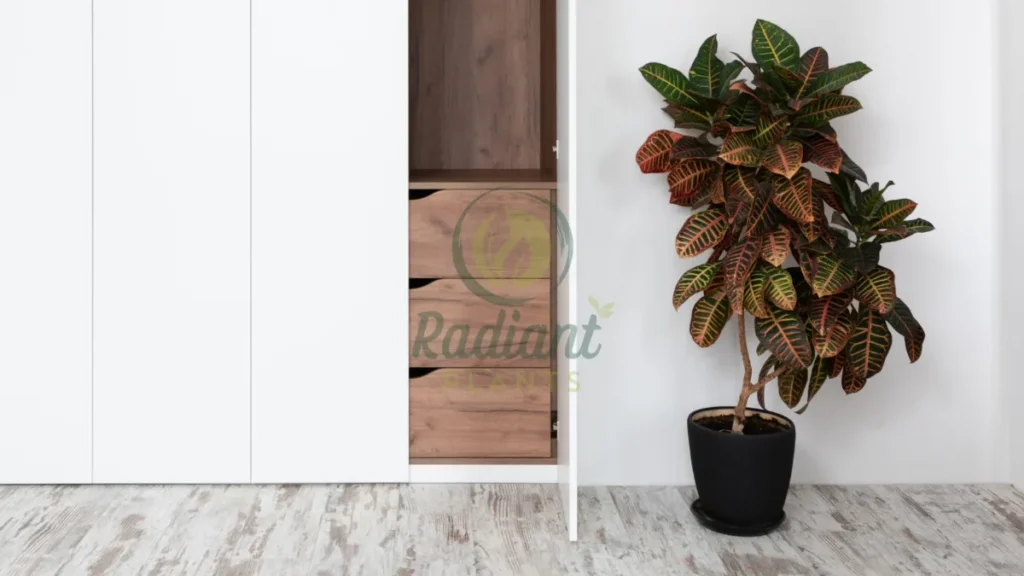
Crotons are colorful tropical plants that struggle heavily in low-light conditions. Their bright foliage depends on strong light exposure, and darker rooms often cause leaves to fade, drop, or lose their vibrant color.
Even though Crotons are sold as indoor plants, they perform much better near bright windows with several hours of indirect sunlight.
In low-light homes, common problems include:
- dull leaf color
- leaf drop
- stretching
- slow growth
- constant stress after relocation
Crotons are usually not ideal for beginners looking for easy-care, tall indoor plants that can support low-light rooms.
Bird of Paradise
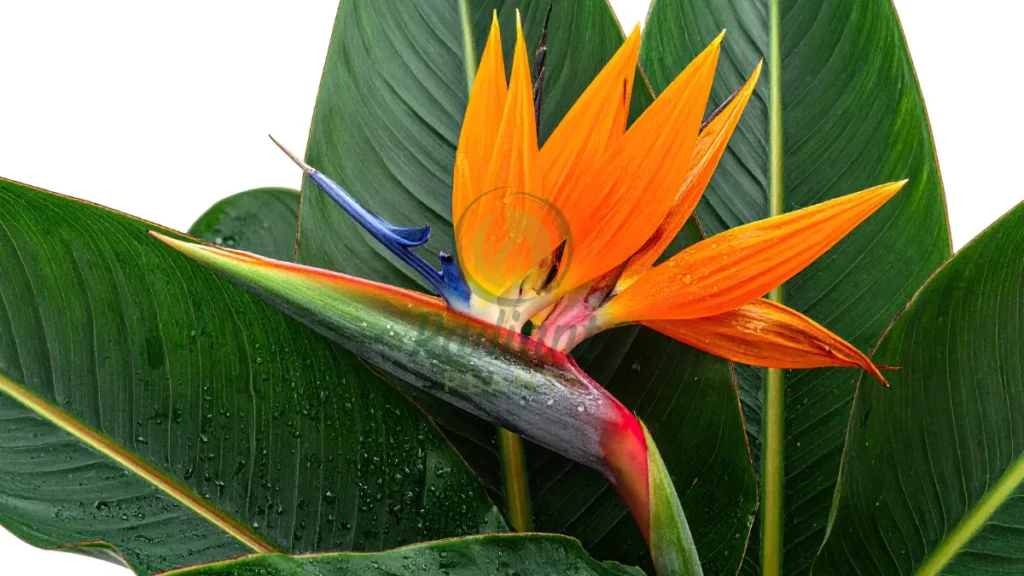
Bird of Paradise plants create a dramatic tropical look, but they are not true low-light plants. Many people buy them for darker living rooms and quickly become disappointed when growth slows dramatically.
Without enough light, Bird of Paradise plants often:
- Stop producing large leaves
- become leggy
- lean toward windows
- develop weak stems
- stay smaller than expected
They also need more space and brighter conditions than most beginner-friendly floor plants.
For tall indoor plants, low light homes can realistically keep them healthy. It is usually safer to choose hardier options like Snake Plants, ZZ Plants, or Dracaena instead of forcing bright-light tropical plants to adapt to dark interiors.
Best Tall Indoor Plants Low Light Homes Can Use by Need
Different homes and lifestyles need different types of indoor plants. Some people want the easiest possible option, while others care more about height, appearance, or apartment-friendly growth. This quick comparison helps narrow down the best tall indoor plants low light spaces can realistically support without overwhelming beginners.
Need | Best Plant | Why It Works Well |
|---|---|---|
Easiest Plant | ZZ Plant | Extremely hardy, tolerates low light, and survives missed waterings better than most indoor plants |
Lowest Maintenance | Snake Plant | Slow-growing, drought-tolerant, and adapts well to darker rooms with minimal care |
Tallest Option | Kentia Palm | Can reach impressive indoor height while still tolerating moderate low-light conditions |
Best for Apartments | Dracaena Janet Craig | Upright growth fits smaller spaces and adapts well to softer indoor light |
Best for Dark Corners | Snake Plant | Handles dim areas better than most tall floor plants |
Best Office Plant | ZZ Plant | Tolerates fluorescent lighting and inconsistent watering schedules |
Best Decorative Foliage | Chinese Evergreen | Attractive foliage with strong adaptability indoors |
Best Tropical Look | Kentia Palm | Adds height and softer tropical texture without needing direct sun |
Best for Forgetful Owners | ZZ Plant | Stores moisture well and rarely needs frequent watering |
Best Compact Tall Plant | Snake Plant | Vertical growth adds height without taking up much floor space |
If you are completely new to houseplants, ZZ Plants and Snake Plants are usually the safest starting point. They handle low-light conditions more reliably than many larger tropical plants and recover better from beginner mistakes.
For taller statement plants, Kentia Palms and Dracaena varieties offer a more dramatic indoor look while still adapting reasonably well to lower-light homes.
FAQs About Tall Indoor Plants for Low Light
What is the best tall indoor plant for low light?
The best tall indoor plant for low light is usually the ZZ Plant or Snake Plant because both tolerate dim indoor conditions better than most large houseplants. If you want a softer tropical look, Kentia Palms and Dracaena Janet Craig are also strong options for apartments, offices, and rooms with limited natural sunlight.
Can tall indoor plants survive in rooms without windows?
Most tall indoor plants low light homes still need some usable light to stay healthy long term. In rooms without windows, plants often survive better with grow lights or consistent artificial lighting. Snake Plants and ZZ Plants usually adapt better than tropical plants in these conditions because they naturally tolerate lower light levels.
Why are my tall indoor plants leaning toward the window?
Leaning happens when indoor plants stretch toward the strongest available light source. This is common in darker apartments or rooms with limited sunlight. Rotating the plant every few weeks and moving it closer to indirect light can help encourage straighter, more balanced growth and reduce leggy stems over time.
Do low-light indoor plants need less water?
Yes, most low-light indoor plants need less frequent watering because the soil dries much more slowly in dim conditions. Tall plants growing in darker rooms use less energy and moisture, especially during cooler months. Overwatering is one of the biggest causes of yellow leaves and root rot in low-light indoor environments.
Which tall indoor plant is easiest for beginners to keep alive?
ZZ Plants and Snake Plants are usually the easiest beginner-friendly tall indoor plants for low light conditions. They tolerate missed waterings, slower growth, and lower indoor light much better than demanding tropical plants. Their hardy nature makes them ideal for apartments, offices, and first-time plant owners.
Finding tall indoor plants for low-light homes that can actually stay healthy becomes much easier once you focus on realistic expectations instead of chasing difficult tropical plants. Hardy options like Snake Plants, ZZ Plants, Dracaena, and Kentia Palms adapt far better to apartments, offices, and darker indoor spaces than many people realize.
The biggest keys to success are choosing the right plant for your lighting conditions, avoiding overwatering, and understanding that slower growth is normal in lower light. Start with one beginner-friendly plant, observe how it responds in your space, and build your indoor collection with confidence from there.