Low light doesn’t mean “no light,” and that’s where most people get burned. This guide is for anyone in an apartment, office, or north-facing room who wants plants that actually stay alive with limited daylight. You’ll learn what low light looks like in real terms, how it changes growth and watering needs, and how to pick plants that tolerate slow photosynthesis without turning into crispy décor. We’ll also cover simple placement rules (distance from windows matters), the most common care mistakes (overwatering is #1), and how to match a plant to your space and routine. If you’ve searched for good house plants low ligh, this will help you choose easy winners and keep them stable.
This topic is now fully covered in our complete guide here: Best Low Light Indoor House Plants for Beginners
In This Article
What Does “Low Light” Mean for Houseplants?
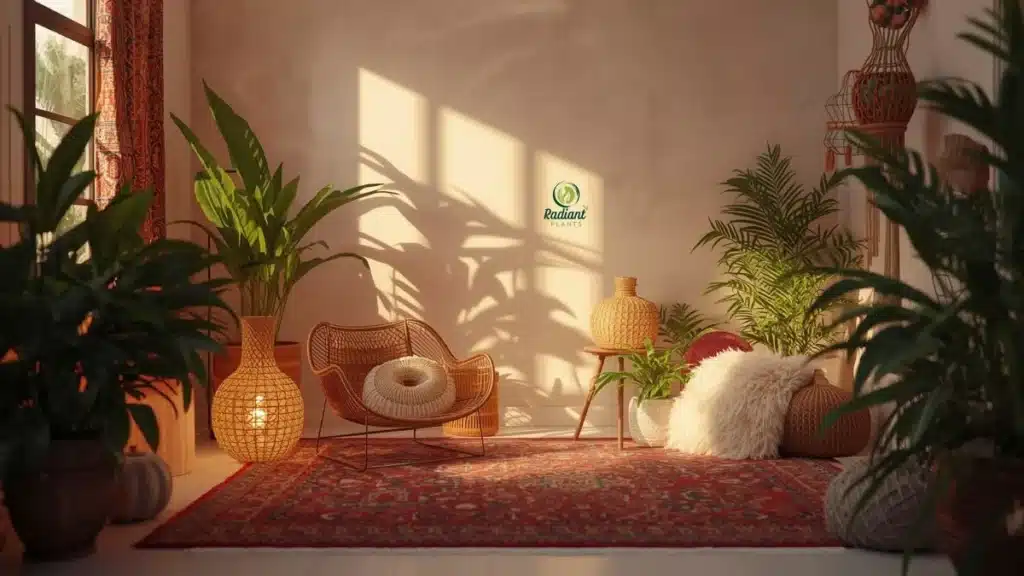
When people say a room has “low light,” they usually mean not bright enough for most plants—but not dark. For good house plants low light, this distinction matters, because many plants fail simply due to mismatched expectations. Low light is about usable light for photosynthesis, not how bright a room feels to your eyes.
From a plant science perspective, low light indoors is typically defined as 50–250 lux measured at leaf level. That’s far below outdoor conditions, which often exceed 10,000 lux, even on cloudy days. According to guidance used by university horticulture extensions, most indoor spaces provide less than 10% of outdoor light, especially once light passes through windows, walls, and distance.
Snippet Highlight
Low light for houseplants means about 50–250 lux of indirect light. This is common in north-facing rooms, offices, and apartments where sunlight is filtered or distant. While it feels bright to humans, it’s a low-energy environment for plants—only certain species can truly thrive there.
How much light is considered “low light”?
Low light isn’t total darkness, and that’s a common misunderstanding. No houseplant can survive in complete darkness long-term. Instead, low light refers to consistent, indirect light that’s present during the day but never intense.
Typical low-light environments include:
- North-facing apartments or condos
- Offices with overhead lighting and limited windows
- Bedrooms or living rooms are set several feet away from windows
- Hallways or corners that receive ambient daylight only
In these spaces, plants rely on scattered photons rather than direct sunbeams. Research-based recommendations from land-grant universities show that plants adapted to forest understories—where sunlight is naturally filtered—are best suited for these conditions.
Why this matters for care
- Low light = slower photosynthesis
- Slower growth = lower water and nutrient needs
- Overwatering becomes the #1 cause of plant failure
This is why many “easy” plants still die indoors. The problem isn’t the plant—it’s watering and placement.
Practical care steps for low-light spaces
- Place plants within 3–6 feet of a window, even if it’s north-facing
- Avoid deep interior rooms with no daylight at all
- Water less often than the label suggests
- Rotate plants monthly to balance exposure
Best Plants for Indoors With Little Light That Thrive Easily
Snippet Highlight
Low light is not “no light.” It usually means 50–250 lux of indirect daylight, common in offices and north-facing rooms. Plants that succeed here grow slowly, tolerate shade, and require less water—making them ideal for beginners and low-maintenance homes.
Understanding what low light actually means is the foundation of choosing good house plants low light. Once expectations are realistic, success becomes much easier—and far less frustrating.
Can Houseplants Survive Without Sunlight?
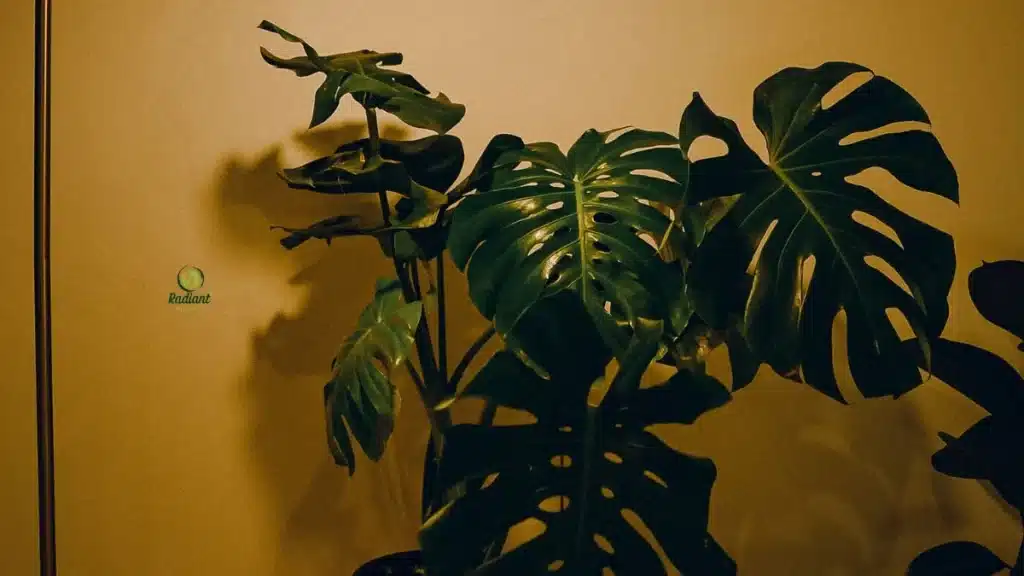
Short answer: No houseplant can survive in complete darkness, but many good house plants low light can live and stay healthy, with very little natural sunlight. The confusion comes from how people define “sunlight.” Plants don’t need direct sunbeams hitting their leaves, but they do need light energy to power photosynthesis.
In real homes, especially apartments and offices, light is often indirect, filtered, or reflected. That’s still usable. Plants that evolved on forest floors or shaded understories are adapted to operate at low photosynthesis levels, meaning they grow slowly and conserve energy. This is why they’re ideal for low-light interiors.
According to plant science principles referenced by the USDA and university horticulture programs, photosynthesis begins at relatively low light thresholds—but efficiency drops sharply as light decreases. The key is tolerance, not speed. These plants won’t grow fast, but they can remain stable for years.
Snippet Highlight
Houseplants cannot survive without any light, but many thrive with indirect, low-level daylight. Low-light plants grow slowly, conserve energy, and tolerate shade—making them perfect for apartments, offices, and rooms without direct sun.
Low light vs no light: what’s the difference?
This distinction is critical—and it’s where most plant care mistakes happen.
Low light means:
- Indirect daylight is present during the day
- Light may come from a north-facing window or reflected surfaces
- Typical indoor lighting ranges still reach plant leaves
No light means:
- No daylight reaches the plant
- Only artificial room lighting, often off at night
- Photosynthesis cannot be sustained long-term
Plants in no light conditions will slowly deplete stored energy, even if they look fine at first. Leaves may yellow, growth stops, and roots weaken. In contrast, low-light plants continue photosynthesis at a reduced rate, which is enough for survival.
Tolerance vs growth rate
- Highlight plants need energy to support fast growth
- Low-light plants trade speed for efficiency
- Slower growth = lower water and fertilizer needs
This is why overwatering is far more dangerous than low light. With limited energy, roots can’t process excess moisture quickly.
Snippet Highlight
Low light is not the same as no light. Low light still provides indirect daylight that supports photosynthesis. No light means plants eventually decline. Successful low-light houseplants grow slowly, use less energy, and tolerate shade naturally.
What about artificial light?
Artificial grow lights can help, but they’re optional, not required, for most low-light plants. Basic LED grow lights can supplement daylight in window-poor spaces, especially during winter in the U.S. and Canada when daylight hours are shorter.
When artificial light helps most:
- Basement apartments
- Office cubicles with no windows
- Long winters with limited daylight
Simple care tips
- Use a low-intensity LED grow light
- Run it 8–10 hours per day
- Avoid placing lights too close to leaves
For readers setting up small indoor spaces, link internally to RadiantPlants’ beginner guide to Grow Lights for Indoor Plants.
Trust & Scientific
Understanding this difference removes guilt and guesswork. When you choose good house plants low light for tolerance—not speed—you set yourself up for calm, low-effort success instead of constant plant stress 🌿
Best Good House Plants Low Light (Easy Winners List)
When it comes to good house plants low light, the real winners aren’t the flashiest—they’re the most forgiving. These plants are proven to survive in apartments, offices, hospitals, and public buildings where light is limited and care is inconsistent. Botanically, they share traits such as thick leaves, slow growth, and low transpiration, which enable them to conserve energy in dim environments.
According to guidance used by U.S. university horticulture extensions and indoor environment standards referenced by the USDA, plants with low light tolerance reduce photosynthesis demands rather than “fighting” the environment. That’s exactly what makes them beginner-friendly.
Snippet Highlight
The best good house plants low light are slow-growing, shade-tolerant, and forgiving. These plants survive with indirect light, need less water, and are commonly used in offices and public buildings—making them ideal for apartments, beginners, and low-maintenance homes.
👉 Comparison Table: Easy Winners at a Glance
Plant | Light Tolerance | Water Needs | Pet Safety | Best For |
|---|---|---|---|---|
Snake Plant | Very high | Low | ❌ Toxic | Bedrooms, offices |
ZZ Plant | Extremely high | Very low | ❌ Toxic | Busy owners |
Pothos | High | Moderate | ❌ Toxic | Shelves, hanging |
Cast Iron Plant | High | Low | ✅ Safer | Dark corners |
Chinese Evergreen | Moderate–high | Moderate | ❌ Toxic | Living spaces |
(Pet safety based on common veterinary guidance; always confirm with a vet.)
Snake Plant (Sansevieria)
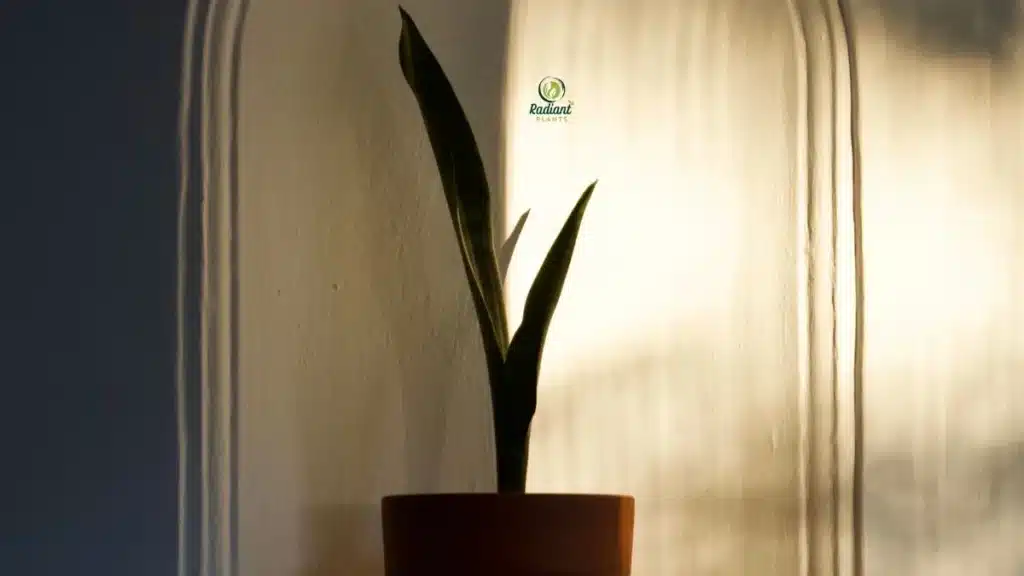
Why does it survive low light?
Snake plants have thick, upright leaves that store water and reduce moisture loss. They tolerate shade so well that they’re commonly placed in offices and hospitals with fluorescent lighting.
Watering mistakes to avoid
- Overwatering is the main killer
- Let the soil dry completely between waterings
Growth speed
- Very slow → extremely forgiving
Care tip: Place near a north-facing window or at a distance of several feet from brighter light.
For placement visuals, link internally to RadiantPlants’ low-light room placement guide.
ZZ Plant (Zamioculcas zamiifolia)
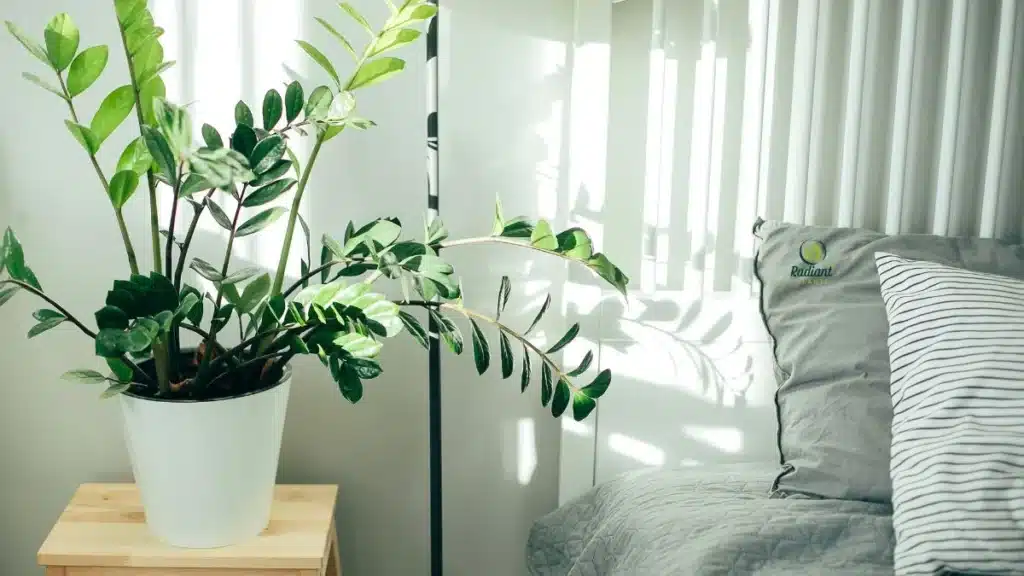
Why does it survive low light?
The ZZ plant stores water in underground rhizomes, acting like a built-in резерв tank. This allows survival in very low light with minimal care.
Watering mistakes to avoid
- Watering on a schedule instead of checking the soil
- Wet soil = root rot risk
Growth speed
- Very slow → ideal for forgetful owners
Real-world use: Frequently used in office lobbies and commercial buildings for a reason.
Pothos
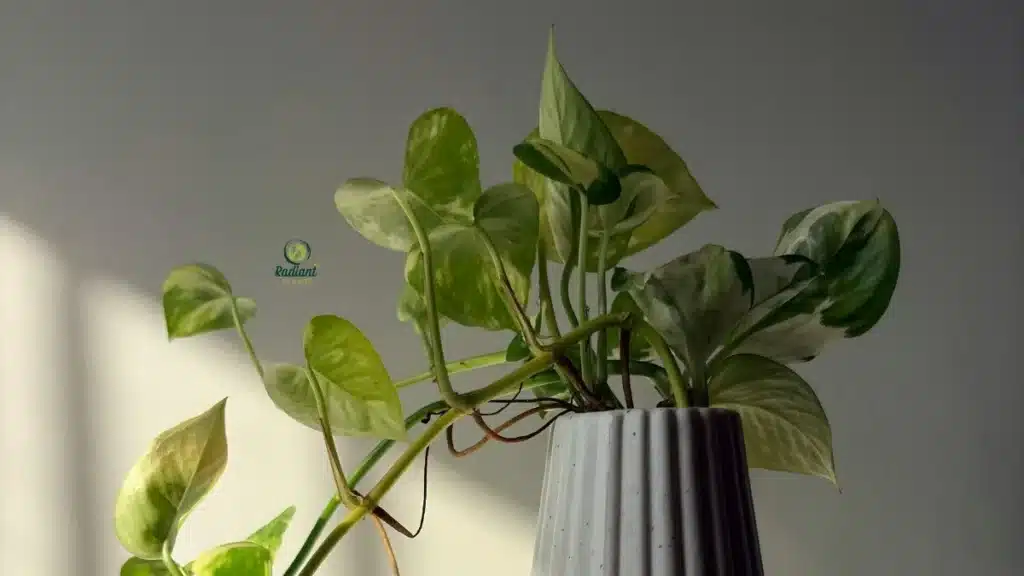
Why does it survive low light?
Pothos adapts easily and continues photosynthesis even when light is indirect and weak. Leaf size may shrink, but the plant stays alive.
Watering mistakes to avoid
- Letting it sit in soggy soil
- Ignoring drainage
Growth speed
- Moderate (slows significantly in low light)
Care tip: Great for shelves and hanging planters in apartments.
Cast Iron Plant
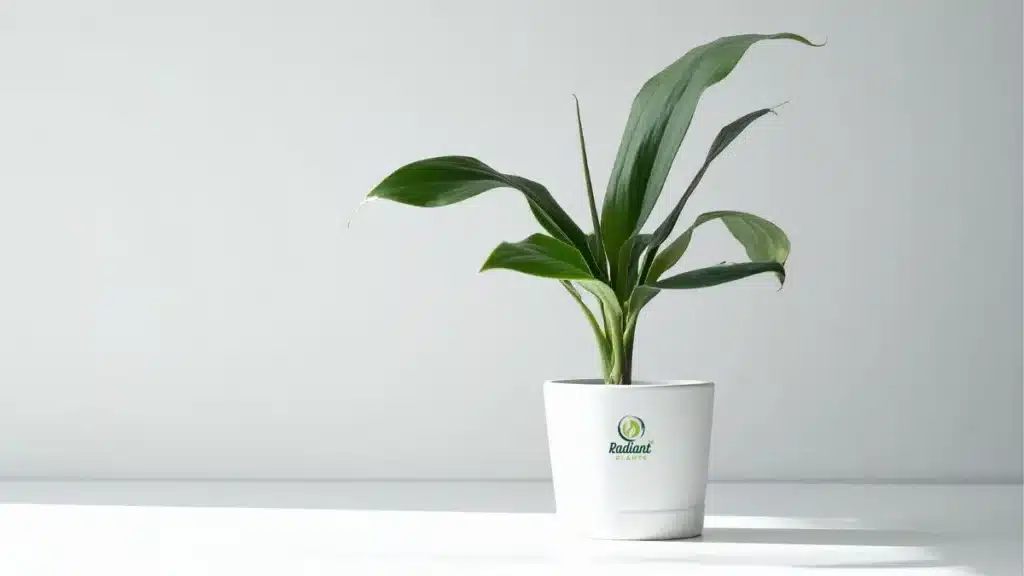
Why does it survive low light?
True to its name, this plant is tough. Its leathery leaves and low transpiration rate make it highly shade-tolerant.
Watering mistakes to avoid
- Frequent watering
- Compact soil
Growth speed
- Slow and steady
Bonus: Often considered one of the safer options for mixed-use spaces.
Chinese Evergreen
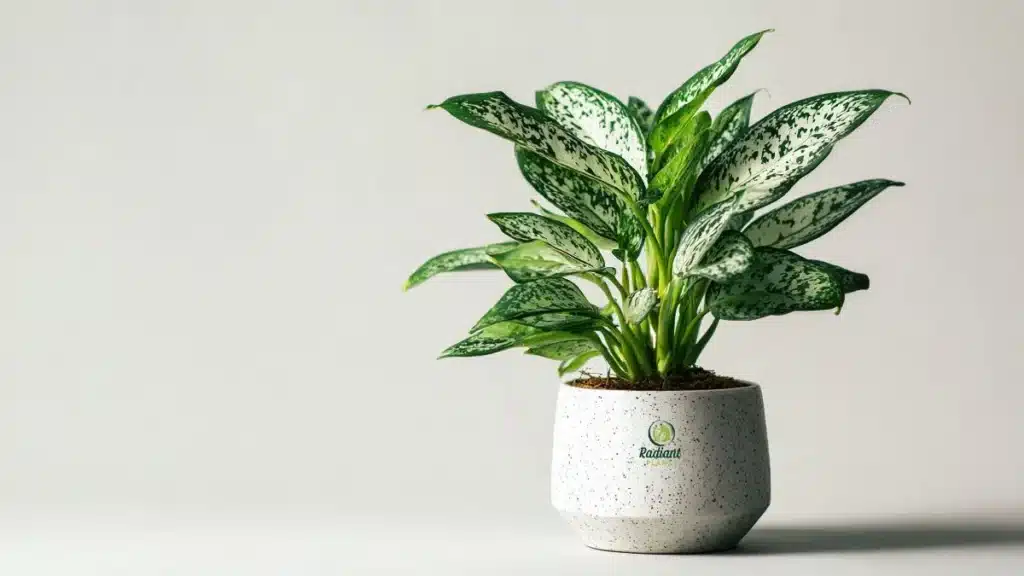
Why does it survive low light?
Adapted to forest understories, it performs well in filtered light and stable indoor temperatures.
Watering mistakes to avoid
- Cold water shock
- Overwatering in winter
Growth speed
- Slow to moderate
Care tip: Thrives in living rooms and bedrooms with indirect light.
Snippet Highlight
Low-light houseplants succeed by growing slowly and conserving energy. Plants like snake plant, ZZ plant, and cast iron plant are widely used in offices and public buildings because they tolerate shade, need less water, and stay stable with minimal care.
Choosing the right good house plants low light isn’t about luck—it’s about biology. Start with these easy winners, and success becomes predictable, calm, and low effort 🌿
How to Choose the Right Low-Light Plant for Your Space
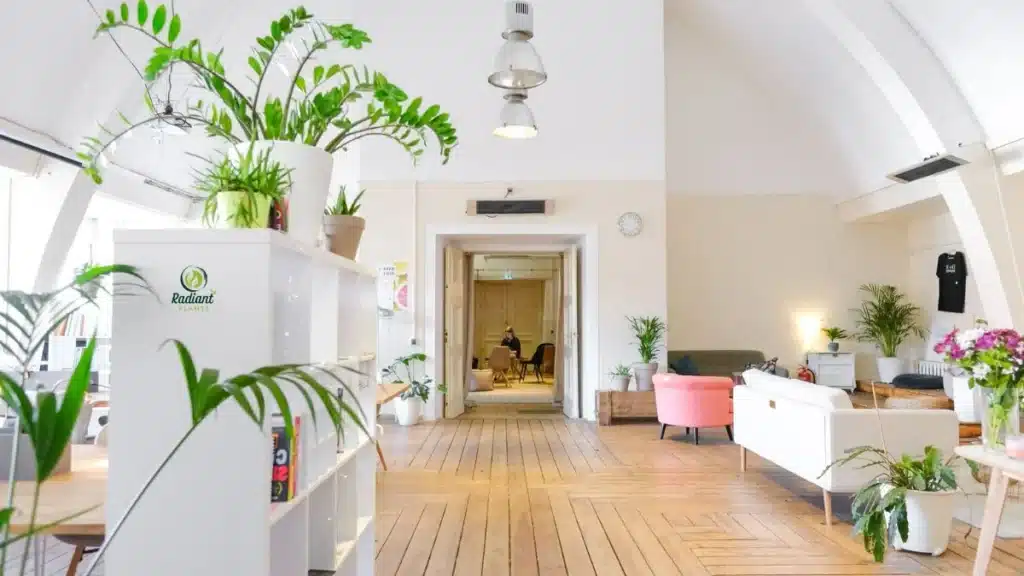
Choosing good house plants low light isn’t just about the plant—it’s about matching the plant to how your space actually behaves day to day. Apartments, offices, bedrooms, and dorms all have different light patterns, air flow, and care realities. When those factors align, low-light plants become easy, stable, and long-lasting.
University horticulture extension guidance and indoor environment standards used by the USDA show that placement and air movement matter just as much as light. Plants in low light grow slowly, so the wrong match often leads to overwatering, stagnant air, and decline—not lack of sun.
Snippet Highlight
The best low-light plant is the one that matches your space, not just the lighting. Apartments, offices, and bedrooms all behave differently. When airflow, watering habits, and placement align, good house plants low light stay healthy with minimal effort.
Best low-light plants for apartments
Apartments—especially rentals—often have north-facing windows, limited floor space, and inconsistent light. The best low-light apartment plants are compact, forgiving, and tolerant of irregular care.
What to prioritize
- Shade tolerance over fast growth
- Plants that don’t need frequent watering
- Upright or trailing forms for small spaces
Top apartment-friendly choices
- Snake plant (handles corners and low airflow)
- ZZ plant (survives missed waterings)
- Pothos (flexible placement on shelves)
Care tips
- Place plants within 3–6 feet of a window, even if indirect
- Avoid crowding plants near heaters or AC vents
- Water less often than labels suggest
For room-by-room placement ideas, link internally to RadiantPlants’ apartment plant placement guide.
Snippet Highlight
Low-light apartment plants should be compact, slow-growing, and forgiving. Snake plants, ZZ plants, and pothos work well in rentals with indirect light and limited space, as long as watering is kept minimal.
Best low-light plants for offices and desks
Offices and desks present a different challenge: overhead lighting, low air circulation, and long periods without care. That’s why the plants most commonly used in offices are selected for durability, not looks.
What works best
- Plants tolerant of fluorescent or LED lighting
- Species with low transpiration (lose less moisture)
- Plants that don’t mind stable, cool temperatures
Reliable office picks
- Snake plant
- ZZ plant
- Cast iron plant
Office care basics
- Water sparingly—every 3–4 weeks is common
- Avoid placing plants directly under vents
- Rotate monthly to balance light exposure
These same plants are widely used in hospitals and public buildings, following indoor environment guidance aligned with the EPA.
Snippet Highlight
Office-friendly low-light plants tolerate artificial lighting and minimal care. Snake plants and ZZ plants are popular in desks and public buildings because they grow slowly, need little water, and stay stable under fluorescent light.
Are low-light plants good for bedrooms?
Yes—low-light plants are safe and suitable for bedrooms, and many thrive there. The idea that plants “steal oxygen at night” is a common myth. In reality, the amount of oxygen plants use is negligible compared to normal air exchange.
Bedroom considerations
- Choose plants with a mild scent or no fragrance
- Avoid overwatering in low-airflow rooms
- Keep plants away from cold drafts
Good bedroom options
- Snake plant
- Chinese evergreen
- Cast iron plant
These plants handle dim light well and don’t require constant attention, making them ideal for calm, low-maintenance spaces.
Snippet Highlight
Low-light plants are perfectly fine for bedrooms. They don’t reduce oxygen levels in a meaningful way and thrive in calm, indirect light. Choose slow-growing plants and avoid overwatering for best results.
When you choose good house plants low light based on how your space actually works—not how it looks—you remove stress and set yourself up for easy, predictable success 🌿
Common Mistakes With Low-Light Houseplants
Most failures with good house plants low light aren’t caused by the light itself—they’re caused by care habits that don’t match slow-growing plants. In dim rooms, everything happens more slowly: photosynthesis, growth, and water use. When care stays “normal,” problems show up fast.
University horticulture extensions and indoor environment guidance used by the USDA emphasize that low light reduces evaporation and root activity. That means soil stays wet longer, oxygen drops, and roots suffocate. Understanding this single principle prevents the majority of low-light plant deaths.
Snippet Highlight
Low-light houseplant problems are usually caused by care, not light. In dim rooms, soil dries slowly and roots grow slowly. When watering and placement aren’t adjusted, plants fail—even if the plant itself is shade tolerant.
The most common low-light mistakes to avoid
1) Overwatering (by far the biggest issue)
Low light means less photosynthesis, which means plants use less water. Watering on a schedule—especially weekly—often leads to root rot.
Fix it
- Water only when the top 2–3 inches of soil are dry
- Lift the pot: light = dry, heavy = wet
- Always use containers with drainage holes
2) Treating low-light plants like bright light plants
Many people fertilize or water heavily to “help” plants grow. In low light, this backfires.
Fix it
- Fertilize lightly (or not at all) in low light
- Expect slower growth—that’s normal and healthy
3) Placing plants too far from any daylight
Low light is no light. Even shade-tolerant plants need some indirect daylight.
Fix it
- Place plants within 3–6 feet of a window
- Avoid windowless rooms unless using supplemental light
4) Ignoring airflow
Still air keeps moisture trapped in soil and on leaves.
Fix it
- Avoid tight corners with no circulation
- Keep plants away from humidifiers and vents
Why does overwatering kill more plants than low light
Overwatering is more deadly than low light because roots need oxygen. In dim environments, soil moisture evaporates slowly, and roots absorb water at a reduced rate. When soil stays wet, oxygen disappears—and roots begin to rot.
Soil moisture science (simple version)
- Healthy roots need air pockets in the soil
- Saturated soil pushes oxygen out
- Low light slows root metabolism
This combination creates the perfect conditions for fungal growth and root failure. That’s why a plant can tolerate low light for years but declines quickly after a few heavy waterings.
Seasonal note (U.S. & Canada)
During fall and winter:
- Daylight hours shorten
- Indoor light intensity drops
- Plant water use decreases further
University extension recommendations consistently advise reducing watering by 30–50% in winter for low-light houseplants. Many plants that “die in winter” are simply overwatered.
Snippet Highlight
Overwatering kills more low-light plants than lack of sun. In dim rooms, soil dries slowly and roots use less oxygen. Excess moisture leads to root rot—especially in winter when light and growth are reduced.
Practical low-light watering checklist
- Check the soil before watering—every time
- Use pots with drainage
- Water less in winter
- When in doubt, wait
Indoor moisture behavior and airflow guidance align with building environment research referenced by the EPA, reinforcing why ventilation and moisture balance matter indoors.
Once you stop watering on habit and start watering based on light level and season, good house plants low light become predictable, calm, and easy to maintain—exactly what they’re meant to be 🌿
Seasonal Care Tips for Low Light Plants (US & Canada)
Seasonal change matters—a lot—when caring for good house plants low light, especially in the U.S. and Canada. Even if your plants stay indoors year-round, winter brings shorter days, weaker sunlight, cooler windows, and drier indoor air. For low-light plants that already operate on minimal energy, these shifts directly affect growth and water use.
Guidance from university horticulture extension programs and plant care standards used by the USDA show that indoor plants don’t follow the calendar—they follow light availability. When light drops, growth slows. When growth slows, care must change.
Snippet Highlight
Low-light plants need seasonal care changes in winter. Shorter days and weaker sun reduce photosynthesis, slow growth, and lower water needs. Adjusting watering, placement, and expectations is essential for keeping good house plants low light healthy in U.S. and Canadian climates.
How seasons affect low-light plants indoors
Fall and winter changes
- Fewer daylight hours
- Lower sun angle reduces light intensity through windows
- Colder glass lowers leaf temperature near windows
- Indoor heating reduces humidity
Spring and summer changes
- Longer days increase usable light
- Higher sun angle boosts indirect brightness
- Growth gradually resumes
Indoor environment research referenced by the EPA confirms that heating systems and sealed buildings also reduce airflow in winter, which further slows soil drying.
What to adjust by season
Watering
- Reduce watering by 30–50% in winter
- Always check the soil before watering
- Expect longer dry-down times
Light placement
- Move plants slightly closer to windows in winter
- Avoid direct contact with cold glass
- Rotate plants monthly for even exposure
Fertilizing
- Pause or reduce fertilizer in winter
- Resume light feeding in spring when growth returns
Temperature
- Keep plants away from drafts and vents
- Avoid placing low-light plants directly above radiators
How winter affects indoor light levels
Winter doesn’t just shorten days—it changes how light enters your home. In the U.S. and Canada, the sun sits lower in the sky, meaning sunlight travels at a flatter angle. Less light reaches interiors, even on clear days.
What this means for plants
- Light intensity drops significantly
- Indirect light weakens first
- Low-light plants receive just enough to maintain health
Climate data commonly referenced by agricultural extension services shows that winter daylight hours can drop below 9 hours per day in many northern regions. That’s a major energy reduction for indoor plants.
Practical winter adjustments
- Expect little to no growth—that’s normal
- Focus on keeping plants stable, not growing
- Use supplemental grow lights only if the rooms are extremely dim
Low-light plants are built for efficiency. They don’t need to “power through” winter—they just need consistent conditions.
Snippet Highlight
Winter lowers indoor light levels through shorter days and a lower sun angle. Low-light houseplants respond by slowing growth and using less water. This is normal. Adjusting care—not forcing growth—is the key to winter success.
Seasonal success checklist
- Water less in winter
- Move plants slightly closer to windows
- Pause fertilizer during low-light months
- Resume normal care gradually in the spring
Seasonal awareness is what separates constant plant stress from calm, predictable care. When you adjust expectations with the seasons, good house plants low light stay healthy year-round—no guesswork required 🌿
Are Low Light Plants Safe for Pets?
For many households, choosing good house plants low light isn’t just about light—it’s also about pet safety. Cats and dogs often chew on leaves out of curiosity or boredom, and some of the most popular low-light houseplants can be toxic if ingested. The good news: with the right information, it’s easy to balance greenery and pet safety.
Veterinary guidance commonly referenced in North America, including databases maintained by the ASPCA, confirms that toxicity varies widely by species. Some low-light plants cause only mild irritation, while others can trigger vomiting, drooling, or more serious symptoms.
Snippet Highlight
Not all low-light houseplants are pet-safe. Many popular options, like snake plants and pothos, are toxic to cats and dogs if chewed. Choosing the right plant—or placing it out of reach—is essential for homes with pets.
👉 Pet Safety Table: Common Low-Light Plants
Plant | Toxic to Cats | Toxic to Dogs |
|---|---|---|
Snake Plant | Yes | Yes |
ZZ Plant | Yes | Yes |
Pothos | Yes | Yes |
Cast Iron Plant | No (generally safer) | No (generally safer) |
Chinese Evergreen | Yes | Yes |
⚠️ Important: Toxicity levels vary. Even “mildly toxic” plants can cause symptoms. Always consult a veterinarian if ingestion is suspected.
Understanding plant toxicity in pets
Plant toxicity doesn’t always mean “deadly,” but it does mean risk. Many toxic low-light plants contain calcium oxalate crystals, which can irritate the mouth, tongue, and digestive tract when chewed.
Common symptoms in pets
- Drooling or pawing at the mouth
- Vomiting or gagging
- Loss of appetite
- Mild swelling of the lips or tongue
Cats are generally more sensitive than dogs, especially to houseplants with sharp or fibrous leaves. Dogs, on the other hand, are more likely to ingest larger amounts.
How to keep pets safe with low-light plants
If you love both plants and pets, you don’t have to choose one over the other. Smart placement and plant selection go a long way.
Pet-safe strategies
- Choose safer options like the cast-iron plant
- Place toxic plants on high shelves or hanging planters
- Use plant stands pets can’t reach
- Avoid placing plants near pet feeding areas
For layout ideas and pet-aware placement visuals, internally link to RadiantPlants’ guide to pet-safe indoor plant styling.
Are “pet-safe” plants always risk-free?
Even plants labeled as pet-safe can cause mild stomach upset if a pet eats a large amount. Texture, fertilizers, and soil additives can also pose risks.
Extra safety tips
- Avoid chemical leaf shine products
- Use pet-safe fertilizers
- Keep fallen leaves off the floor
- Monitor curious kittens and puppies closely
Indoor environment and air quality research referenced by the EPA also emphasizes reducing secondary risks like moldy soil and chemical exposure in shared living spaces.
Snippet Highlight
Pet safety depends on both plant choice and placement. Many low-light plants are toxic if chewed, but risks can be managed by choosing safer species, elevating plants, and monitoring pets—especially cats and young dogs.
E-E-A-T & Disclaimer
- Toxicity information aligns with veterinary poison control databases
- Always consult a licensed veterinarian for pet health concerns
- This guide is informational, not a substitute for professional care
With the right choices, good house plants low light can coexist safely with pets. Awareness—not fear—is what keeps both your plants and your furry companions healthy 🌿🐾
FAQ: Good House Plants Low Light
What are the easiest good house plants for low light to keep alive?
The easiest good house plants for low light are snake plants, ZZ plants, pothos, and cast-iron plants. They grow slowly, tolerate indirect light, and forgive missed waterings. These plants are commonly used in offices and apartments because they stay stable even with minimal care.
Can houseplants really grow without sunlight?
Houseplants can’t grow without any light, but many low-light indoor plants survive with indirect daylight. Low-light plants continue slow photosynthesis using reflected or filtered light. They won’t grow fast, but they can stay healthy for years in apartments or offices without direct sun.
How often should you water low-light houseplants?
Most low-light houseplants need watering far less often than bright light plants. In many homes, watering every 2–4 weeks is enough. Always check soil dryness first. Overwatering is the most common mistake with good house plants in low light, especially in winter.
Are low-light plants good for bedrooms?
Yes, low-light plants are safe and suitable for bedrooms. They don’t reduce oxygen in any meaningful way and thrive in calm, indirect light. Choose slow-growing plants with minimal scent, and avoid overwatering in bedrooms with limited airflow.
What does “low light” actually mean for indoor plants?
Low light usually means indirect daylight, not darkness. It often comes from north-facing windows, shaded rooms, or spaces several feet away from windows. While it feels bright to humans, it’s low energy for plants—only shade-tolerant houseplants will thrive long-term.
Do low-light plants need grow lights?
Most good house plants low light don’t need grow lights if there’s some indirect daylight. Grow lights are optional and helpful only in very dark rooms or during long winters. If used, low-intensity LED lights for 8–10 hours a day are usually enough.
Low-light success comes down to one thing: matching expectations to reality. “Low light” still means usable indirect daylight, but plants will grow more slowly and use less water, so most problems come from care habits, not the room. Choose shade-tolerant species, place them close enough to a window, and adjust watering to how slowly the soil dries. Do that, and low-light plants stay steady for years instead of constantly “struggling.” Next step: walk your space and identify your brightest low-light spot, then check a related guide on low-light watering mistakes to keep your routine dialed in.
👉 For inspiration and save-worthy visuals, follow us on Pinterest or join our newsletter for weekly low-light plant ideas, care reminders, and beginner-friendly picks. 🌿