
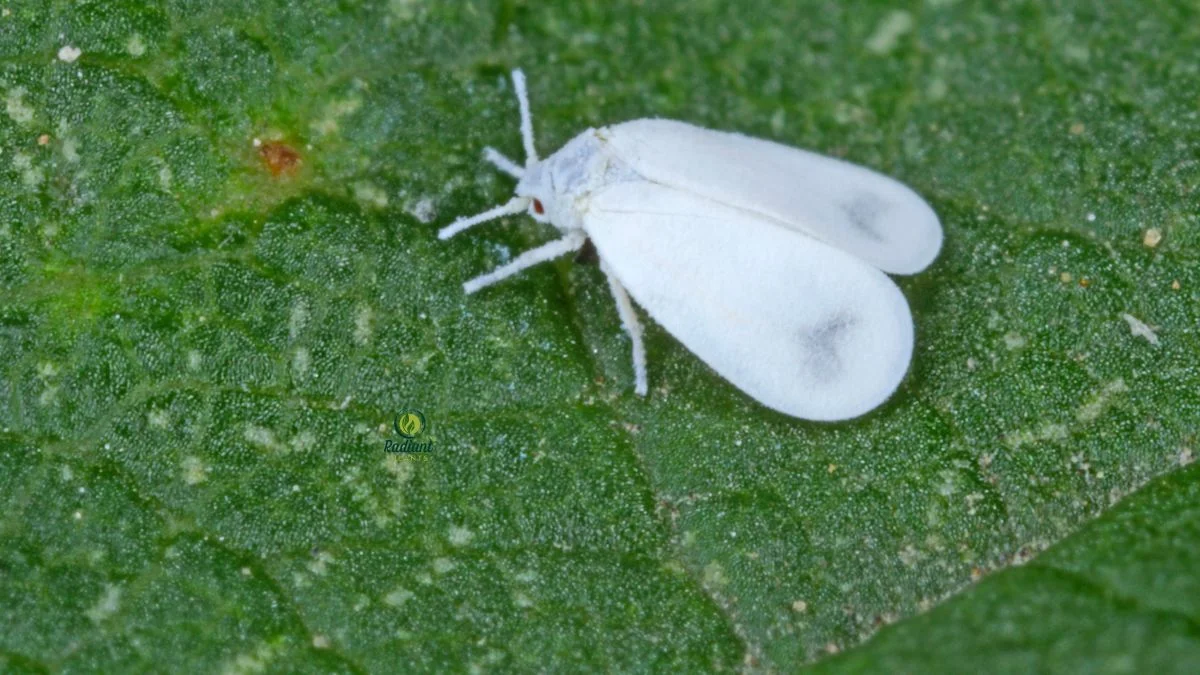
White Flies on Plants: Easy Ways to Stop Them Fast
White Flies on Plants are tiny, white-winged insects that can quickly damage your indoor and outdoor greenery. These pests suck sap from leaves, leaving behind yellowing foliage, honeydew, and sometimes sooty mold. In fact, studies from the USDA show that uncontrolled whitefly infestations can reduce plant growth by up to 30%, making early action essential.
Fortunately, getting rid of whiteflies doesn’t have to be complicated. From natural remedies like neem oil and insecticidal soap to practical prevention tips, there are safe and effective ways to protect your plants. Whether you’re caring for a lush indoor garden or outdoor vegetables, understanding these pests and acting quickly ensures your plants stay healthy, vibrant, and thriving.
In this guide, you’ll discover easy, proven strategies to identify, control, and prevent whiteflies so your plants can flourish year-round.
Table of Contents
In This Article
What Are White Flies on Plants?
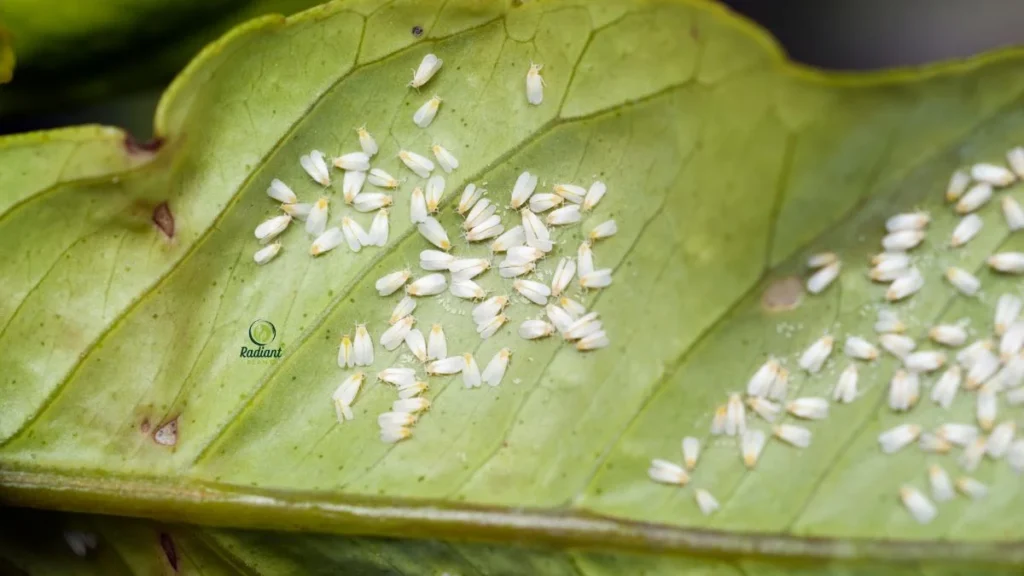
White Flies on Plants are small, moth-like insects, usually 1–2 mm long, that feed on the sap of leaves. These pests are common in both indoor and outdoor gardens across the US and Canada, especially in warm, sheltered environments. They are more than just a nuisance: whiteflies excrete honeydew, which encourages sooty mold and weakens plants over time. According to the USDA, uncontrolled whitefly infestations can reduce plant growth and yield by up to 30%, making identification and early intervention essential.
Whiteflies are most often spotted in clusters on the undersides of leaves and can fly short distances when disturbed. They thrive on vegetables, ornamentals, and houseplants, which means gardeners need to know not only how to spot them but also how to distinguish them from similar pests like aphids or thrips.
Common White Flies on Plants
The two most common species affecting North American plants are:
Species | Appearance | Typical Damage |
|---|---|---|
Bemisia tabaci (Silverleaf Whitefly) | Tiny, pale yellow/white wings; nymphs are scale-like | Infests tomatoes, cucumbers, and greenhouse crops; it transmits plant viruses |
Trialeurodes vaporariorum (Greenhouse Whitefly) | White adult wings, slightly larger than silverleaf; green nymphs | Targets ornamentals like hibiscus and philodendron; heavy honeydew production |
Practical Tip: Check the underside of leaves weekly for clusters, especially during spring and summer in greenhouses or sunlit indoor spaces. Using sticky traps near susceptible plants can help monitor infestations early.
E-E-A-T Reference: USDA Whitefly Fact Sheet and OMAFRA Whitefly Guide provide detailed species profiles and management recommendations.
Snippet Block
Silverleaf and greenhouse whiteflies are the main culprits on North American plants. Tiny and clustered on leaf undersides, these pests suck sap, secrete honeydew, and encourage sooty mold. Early identification is key—look for white adults, scale-like nymphs, and leaf yellowing to act before serious damage occurs.
How to Identify Whiteflies
Identifying whiteflies involves observing physical signs and damage patterns:
- Visual cues: Tiny white insects flying off leaves when disturbed.
- Honeydew presence: Sticky, shiny coating on leaves that can attract ants.
- Sooty mold: Black fungal growth growing on honeydew, blocking sunlight.
- Leaf symptoms: Yellowing, curling, or stunted growth.
Practical Example: If you notice yellow spots on your philodendron’s leaves accompanied by tiny white insects underneath, this is a classic sign of infestation. Use a magnifying glass to distinguish whiteflies from aphids—whiteflies are more mobile and fly when disturbed.
Care Steps:
- Isolate infested plants to prevent spread.
- Gently spray with water to dislodge adults.
- Apply neem oil or insecticidal soap as needed.
Internal Link Suggestions:
Snippet Block :
Whiteflies are easiest to spot under leaves, often near yellowing or curling foliage. Look for tiny flying insects, sticky honeydew, or black sooty mold. Early detection lets you use natural sprays or neem oil to stop infestations before your plants suffer permanent damage.
Signs and Damage Caused by Whiteflies
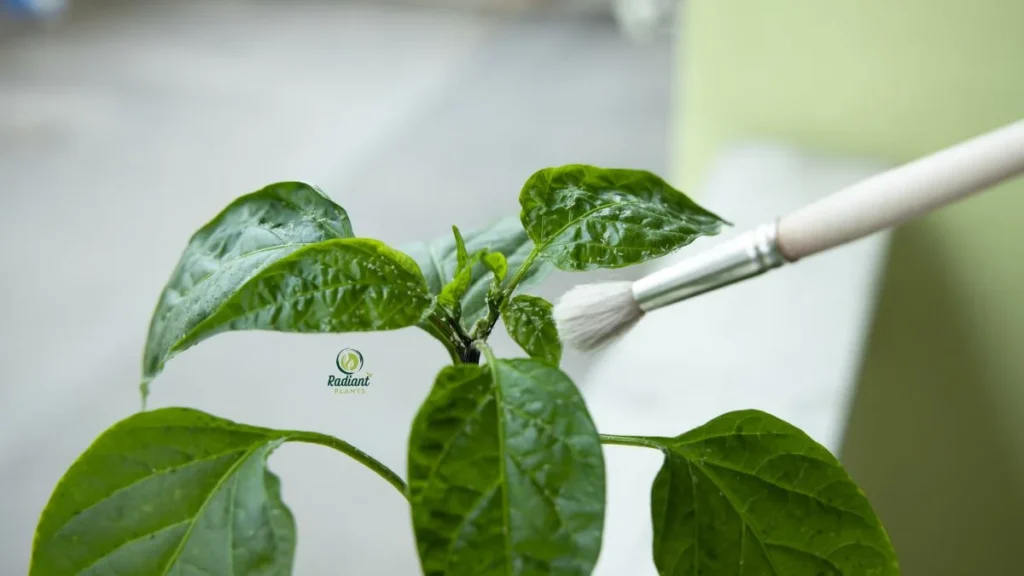
White Flies on Plants cause more than surface-level irritation—they slowly weaken plants by draining sap, spreading disease, and disrupting growth. Because the damage often starts subtly, many gardeners don’t realize there’s a problem until leaves yellow, curl, or drop. Recognizing the early and advanced signs of white flies on plants helps you act fast and prevent long-term plant stress, especially for houseplants and vegetable crops common in the US and Canada.
Whitefly damage typically appears first on tender new growth and the undersides of leaves, where these pests feed and reproduce. Left untreated, infestations can escalate quickly in warm indoor spaces, greenhouses, and summer gardens.
Symptoms of Infestation
The most noticeable symptoms of white flies on plants are visual and progressive. These signs often worsen over time if the infestation isn’t controlled.
Common symptoms include:
- Yellowing leaves due to sap loss
- Leaf curling or wilting, especially on new growth
- Stunted plant growth and reduced vigor
- Premature leaf drop in severe infestations
- Tiny white insects flying up when leaves are disturbed
Practical example:
If your indoor philodendron or tomato plant looks pale despite proper watering and light, flip the leaves over. Clusters of tiny white bugs and yellow speckling are classic signs of white flies on plants feeding underneath.
Care steps when symptoms appear:
- Isolate affected plants immediately.
- Rinse leaves with a strong stream of water to remove adults.
- Begin treatment with neem oil or insecticidal soap.
🔎 Snippet Block:
The earliest signs of white flies on plants include yellowing leaves, curling edges, and slowed growth. You may also see tiny white insects fly up when leaves are touched. Catching these symptoms early allows natural treatments to work before serious damage occurs.
Secondary Effects of Whitefly Damage
Beyond visible leaf damage, white flies on plants trigger secondary problems that further harm plant health and appearance.
Key secondary effects include:
- Honeydew buildup: A sticky residue left behind during feeding
- Sooty mold growth: Black fungal coating that blocks sunlight
- Reduced flowering and fruiting: Energy diverted from blooms and harvests
- Increased disease risk: Weakened plants are more vulnerable to infections
According to research from the University of Florida Extension, heavy whitefly infestations can significantly reduce photosynthesis due to sooty mold coverage. Cornell Cooperative Extension also notes that honeydew attracts ants, which protect whiteflies and make infestations harder to control.
Why this matters:
Sooty mold doesn’t infect plants directly, but it reduces light absorption, slowing growth. On flowering plants and vegetables, this stress often results in fewer blooms, poor fruit development, or smaller yields.
Infographic suggestion:
Include a visual showing the whitefly lifecycle → honeydew production → sooty mold → plant decline to help readers understand damage progression.
📌 Snippet Block:
White flies on plants cause secondary damage by producing honeydew, which leads to sooty mold. This black coating blocks sunlight, weakens plants, and reduces flowering and fruiting. Managing whiteflies early prevents these compounding effects and protects overall plant health.
Scientific & Extension-Based Evidence
- The USDA reports that sap-sucking pests, such as whiteflies, can reduce plant productivity by up to 30% when left untreated.
- Cornell Cooperative Extension emphasizes early detection to prevent honeydew-related mold issues.
- University of Florida IFAS confirms that warm, protected environments accelerate whitefly reproduction and damage.
Why White Flies Appear on Plants
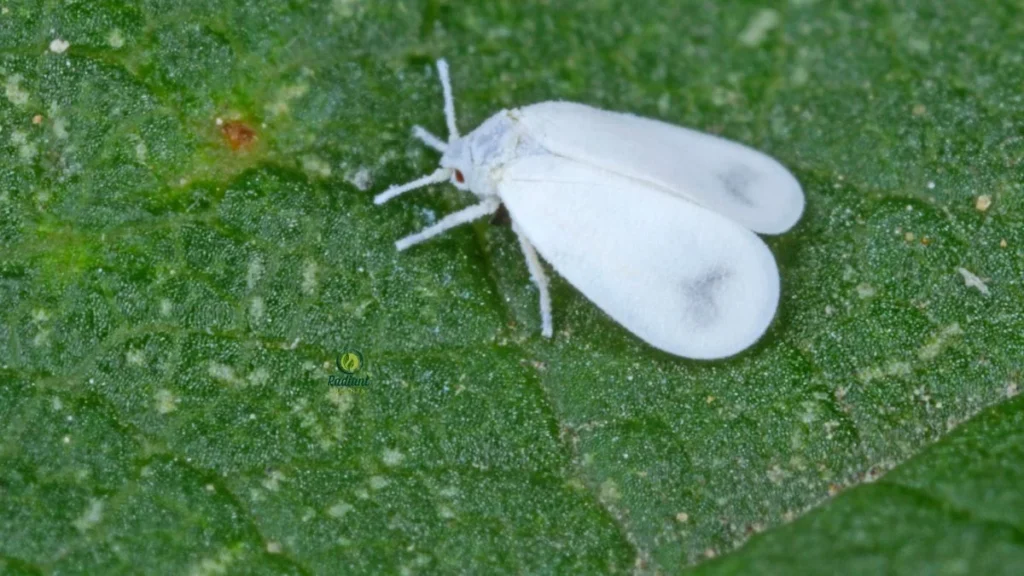
White Flies on Plants don’t appear by accident. These pests are drawn to specific conditions that make feeding and reproduction easy. When the environment is warm, crowded, and lacking natural predators, whiteflies multiply quickly—and that’s why infestations often return if the root causes aren’t addressed. Understanding why white flies on plants keep coming back is the first step to stopping them for good.
Whiteflies thrive in both indoor and outdoor settings across the US and Canada, but the triggers vary depending on space, season, and plant care habits.
❓ Snippet-Ready Answer: Why do whiteflies keep coming back on my plants?
White flies on plants keep coming back because the conditions that attract them—warm temperatures, crowded foliage, and limited airflow—haven’t changed. Without removing eggs, improving airflow, and supporting natural predators, whiteflies can easily re-establish within weeks, especially during warm seasons or indoors year-round.
Common Causes of White Flies on Plants
Several everyday gardening conditions encourage white flies on plants, especially in homes, greenhouses, and summer gardens.
Most common causes include:
- Overcrowded plants: Dense foliage creates sheltered feeding zones.
- Warm temperatures: Whiteflies reproduce rapidly above 70°F (21°C).
- Poor airflow: Still air helps adults settle and lay eggs.
- Lack of predators: Indoor plants and treated gardens lack beneficial insects.
- Overfertilizing: Excess nitrogen promotes soft, attractive new growth.
Practical example:
Indoor houseplants grouped tightly near a sunny window often experience repeat infestations. Without airflow or predators, white flies on plants can complete a full life cycle in as little as three weeks, according to USDA extension data.
Care steps to reduce causes:
- Space plants to improve air circulation.
- Prune excess growth regularly.
- Avoid high-nitrogen fertilizers during warm months.
- Rinse leaves weekly to remove eggs and nymphs.
🔎 Snippet Block :
White flies on plants are attracted to warmth, crowded leaves, and weak airflow. These conditions allow adults to feed and lay eggs undisturbed. Correcting spacing, reducing excess growth, and improving air circulation can dramatically lower the chance of repeat infestations.
Seasonal Patterns in the US and Canada
White flies on plants are strongly influenced by seasonal changes. While indoor infestations can occur year-round, outdoor outbreaks peak during warmer months.
According to the USDA and university extension services:
- Whitefly activity increases when temperatures stay above 65–70°F.
- Greenhouse and indoor plants are vulnerable even in winter.
- Southern US regions experience longer infestation periods.
High-Risk Periods by Region
Region | High-Risk Months | Prevention Tips |
|---|---|---|
Southern US (CA, FL, TX) | March–October | Weekly inspections, early neem oil use |
Northern US | May–September | Monitor undersides, reduce overcrowding |
Canada (Southern Provinces) | June–August | Improve airflow, avoid excess fertilization |
Indoor Plants (All Regions) | Year-round | Sticky traps, regular leaf cleaning |
Why seasonality matters:
Warm weather speeds up whitefly reproduction. The University of Florida IFAS reports that population growth can double in warm, protected environments, such as greenhouses or enclosed patios.
Prevention-focused mindset:
Treating white flies on plants as a seasonal threat—rather than a one-time problem—helps prevent reinfestation.
📌 Snippet Block:
White flies on plants peak during warm months, especially in summer gardens and greenhouses. Indoor plants can host whiteflies year-round. Understanding regional risk periods helps gardeners time inspections, treatments, and prevention steps more effectively.
How to Get Rid of White Flies on Plants

Getting rid of White Flies on Plants works best when you follow a step-by-step approach—starting with gentle, natural methods and only moving to stronger treatments if needed. Extension services across the US and Canada agree that early, consistent action is the key to stopping whiteflies before they cause lasting damage. The goal is not just to kill adult insects, but to break the whitefly life cycle.
Natural Remedies for White Flies on Plants
Natural whitefly control is the first and safest option for most home gardeners, especially for houseplants and edible crops.
Most effective natural treatments include:
- Neem oil: Disrupts feeding and reproduction
- Insecticidal soap: Breaks down protective coatings on adults and nymphs
- Homemade sprays: Mild soap + water for light infestations
How to apply (best practice):
- Spray the underside of leaves thoroughly.
- Apply early morning or evening to avoid leaf burn.
- Repeat every 5–7 days for 2–3 weeks.
Canadian and US extension guides confirm that neem oil and insecticidal soap are highly effective when used consistently and according to label directions.
Practical example:
For indoor plants, combining weekly neem oil sprays with sticky traps reduces white flies on plant populations within two weeks in mild infestations.
🌿 Snippet Block:
Natural remedies are the safest way to control white flies on plants. Neem oil and insecticidal soap target adults and nymphs while protecting beneficial insects. Apply sprays to leaf undersides every 5–7 days to interrupt the whitefly life cycle and prevent reinfestation.
Biological Controls (Predatory Solutions)
Biological control works best in greenhouses and outdoor gardens where beneficial insects can thrive.
Effective biological predators include:
- Encarsia formosa – a parasitic wasp targeting whitefly nymphs
- Lacewings – feed on eggs and immature stages
- Ladybugs – consume whiteflies and other soft-bodied pests
University extension studies show that biological controls are most effective when released early, before populations explode.
Care tips for success:
- Avoid broad-spectrum pesticides.
- Provide flowering plants to support predators.
- Monitor weekly to track progress.
🐞 Snippet Block:
Beneficial insects offer long-term control for white flies on plants. Predators like Encarsia wasps and lacewings reduce populations naturally by feeding on eggs and nymphs. This method works best outdoors or in greenhouses where chemicals are avoided.
Chemical Treatments (Last Resort)
Chemical options should only be used when white flies on plants persist despite natural and biological methods.
Safer pesticide options (US/CA approved):
- Horticultural oils
- Pyrethrin-based sprays
- Systemic insecticides (non-edible plants only)
Safe application tips:
- Always follow label instructions.
- Spot-test leaves before full application.
- Apply in the evening to protect pollinators.
The EPA and USDA caution against overuse, as whiteflies develop resistance quickly.
⚠️ Snippet Block:
Chemical treatments for white flies on plants should be a last resort. Use EPA-approved products sparingly and only when other methods fail. Overuse can harm beneficial insects and lead to pesticide resistance, making future infestations harder to control.
Comparison Table: Whitefly Control Methods
Control Method | Effectiveness | Safety | Frequency |
|---|---|---|---|
Neem Oil | High | Very Safe | Every 5–7 days |
Insecticidal Soap | High | Safe | Weekly |
Sticky Traps | Moderate | Very Safe | Ongoing |
Beneficial Insects | High | Very Safe | Seasonal |
Chemical Sprays | Very High | Moderate | Limited use |
Preventing White Flies on Plants
Preventing White Flies on Plants is far easier—and safer—than treating a full infestation. The most effective prevention strategy recommended by USDA and Canadian extension services is Integrated Pest Management (IPM). This approach focuses on monitoring, environmental control, and plant hygiene to stop whiteflies before they multiply. By adjusting everyday care habits, you can greatly reduce the chances of white flies on plants returning season after season.
Indoor Plant Prevention
Indoor environments are especially attractive to white flies on plants because they offer stable warmth and protection from predators. Prevention starts with routine monitoring and airflow.
Best prevention practices for indoor plants:
- Inspect weekly: Check the undersides of leaves using a magnifying glass.
- Use sticky traps: Place yellow sticky cards near plants to catch adults early.
- Improve airflow: Fans reduce settling and egg-laying.
- Clean leaves regularly: Dust-free leaves discourage pests.
- Quarantine new plants: Isolate for 10–14 days before placing near others.
Practical example:
Houseplants clustered near a sunny window often experience repeat infestations. Spacing plants apart and adding gentle airflow can reduce white flies on plants dramatically within weeks.
Care steps checklist:
- Wipe leaves with a damp cloth every two weeks.
- Rotate plants to avoid stagnant air pockets.
- Replace sticky traps monthly or when full.
🏠 Snippet Block:
Preventing white flies on plants indoors starts with regular inspection and airflow. Check leaf undersides weekly, use sticky traps to catch adults early, and space plants to reduce hiding spots. Quarantining new plants helps stop whiteflies before they spread.
Outdoor / Garden Prevention
Outdoor prevention focuses on balancing the garden ecosystem so white flies on plants can’t gain a foothold.
Effective outdoor prevention strategies include:
- Companion planting: Marigolds and basil can discourage whiteflies.
- Encourage predators: Ladybugs, lacewings, and parasitic wasps help naturally.
- Crop rotation: Reduces pest buildup in soil and nearby plants.
- Remove plant debris: Whiteflies overwinter on old leaves and stems.
- Avoid excess nitrogen: Overfertilization attracts sap-sucking pests.
University extension guidance:
Cornell Cooperative Extension and the University of Florida IFAS report that gardens with diverse plant species and active predator populations experience fewer whitefly outbreaks.
Seasonal care steps:
- Prune infested growth early in the season.
- Mulch properly to reduce stress on plants.
- Monitor high-risk plants weekly during the summer months.
🌿 Snippet Block:
Outdoor prevention of white flies on plants relies on healthy garden balance. Companion planting, crop rotation, and encouraging beneficial insects reduce infestations naturally. Clean garden beds and avoid excess fertilizer to limit conditions that attract whiteflies.
FAQs
1. Can white flies on plants kill my plant?
Yes, white flies on plants can severely weaken or kill plants if infestations are left untreated. By sucking sap, they reduce nutrients and cause yellowing, leaf drop, and stunted growth. Over time, honeydew and sooty mold further block photosynthesis, increasing plant stress and damage.
What’s the fastest way to get rid of white flies on plants naturally?
The fastest natural method for white flies on plants is using neem oil or insecticidal soap. Spray the undersides of leaves every 5–7 days to target adults and nymphs. Combining sprays with yellow sticky traps speeds up results and reduces reinfestation.
Why do white flies keep coming back on my plants?
White flies on plants usually return because eggs and nymphs weren’t fully eliminated. Warm temperatures, crowded foliage, and poor airflow also encourage repeat infestations. Improving spacing, airflow, and continuing treatment for two to three weeks helps break their life cycle.
Are white flies on plants harmful to indoor houseplants?
Yes, white flies on plants are especially harmful indoors because they reproduce quickly without natural predators. Houseplants may show yellow leaves, sticky residue, and slowed growth. Regular inspections, sticky traps, and proper airflow are essential for indoor prevention and control.
Do sticky traps really work for white flies on plants?
Sticky traps work well for monitoring and reducing adult white flies on plants, but they won’t eliminate eggs or nymphs alone. Use them alongside neem oil or insecticidal soap to control all life stages and prevent populations from rebuilding.
What plants attract white flies the most?
White flies on plants commonly infest tomatoes, cucumbers, hibiscus, poinsettias, and many houseplants. Plants with soft, new growth are especially attractive. Avoid overfertilizing and inspect these plants often during warm months to catch infestations early.
White Flies on Plants can be frustrating, but with early detection, the right treatments, and smart prevention habits, they’re completely manageable. By learning how to identify symptoms, address root causes, and apply natural or targeted controls, you protect your plants from long-term stress and damage. Consistency is key—regular inspections and follow-up care make all the difference in keeping infestations from returning.
👉 Keep learning on RadiantPlants:
- Powdery Mildew on Plants: How to Prevent 10 Common Mistakes
- White Spots on Leaves? 5 Quick Fixes for Healthy Plants
- Whiteflies on Plants: 7 Powerful Ways to Eliminate Them
🌿 Stay connected: Subscribe to the RadiantPlants newsletter for weekly plant-care tips, save this guide on Pinterest, or explore our recommended pest-control shopping guides to protect your plants with confidence.
Equilibrado de piezas
El equilibrado es una etapa esencial en el mantenimiento de maquinaria agricola, asi como en la fabricacion de ejes, volantes, rotores y armaduras de motores electricos. Un desequilibrio provoca vibraciones que incrementan el desgaste de los rodamientos, provocan sobrecalentamiento e incluso llegan a causar la rotura de componentes. Para evitar fallos mecanicos, es fundamental identificar y corregir el desequilibrio de forma temprana utilizando tecnicas modernas de diagnostico.
Principales metodos de equilibrado
Existen varias tecnicas para corregir el desequilibrio, dependiendo del tipo de pieza y la intensidad de las vibraciones:
Equilibrado dinamico – Se utiliza en componentes rotativos (rotores y ejes) y se realiza en maquinas equilibradoras especializadas.
El equilibrado estatico – Se usa en volantes, ruedas y otras piezas donde basta con compensar el peso en un solo plano.
La correccion del desequilibrio – Se lleva a cabo mediante:
Taladrado (retirada de material en la zona de mayor peso),
Colocacion de contrapesos (en ruedas, aros de volantes),
Ajuste de masas de equilibrado (como en el caso de los ciguenales).
Diagnostico del desequilibrio: ?que equipos se utilizan?
Para detectar con precision las vibraciones y el desequilibrio, se utilizan:
Equipos equilibradores – Miden el nivel de vibracion y determinan con exactitud los puntos de correccion.
Analizadores de vibraciones – Capturan el espectro de oscilaciones, detectando no solo el desequilibrio, sino tambien otros defectos (por ejemplo, el desgaste de rodamientos).
Sistemas laser – Se emplean para mediciones de alta precision en mecanismos criticos.
Las velocidades criticas de rotacion requieren especial atencion – regimenes en los que la vibracion aumenta drasticamente debido a la resonancia. Un equilibrado correcto previene danos en el equipo bajo estas condiciones.