If you want a plant that delivers color, character, and pure indoor drama, the Ring of Fire Plant is it. This striking aroid may look exotic, but with the right approach, it’s surprisingly easy to keep happy—and that’s exactly what you’ll learn here.
Whether you’ve just brought one home or you’re trying to help yours thrive again, this guide gives you everything you need to grow a vibrant, healthy Ring of Fire. You’ll discover the ideal light that keeps its fiery variegation glowing, the watering rhythm that prevents root issues, the soil mix that supports strong growth, and the simple care habits that make all the difference. We’ll also cover propagation tips, common problems such as fading color or curling leaves, and expert advice on how to keep your plant looking bold year-round.
Think of this as your personalized roadmap to growing a showstopping Ring of Fire—minus the guesswork and stress. Let’s dive into the care tips, styling ideas, and plant-lover secrets that will help your Ring of Fire Plant truly thrive.
What Is the Ring of Fire Plant?
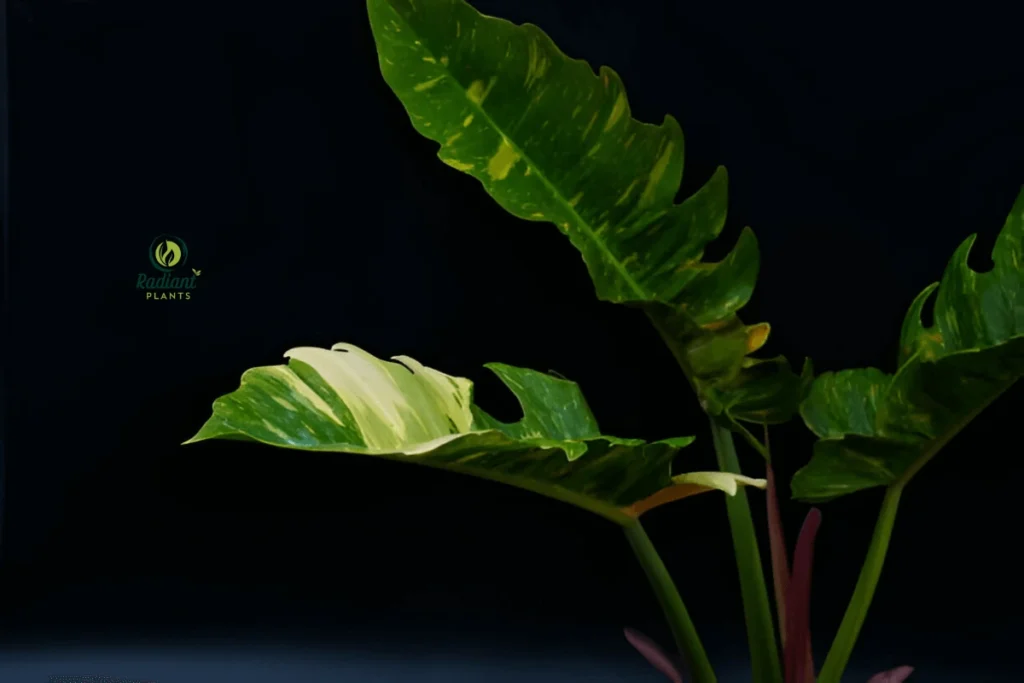
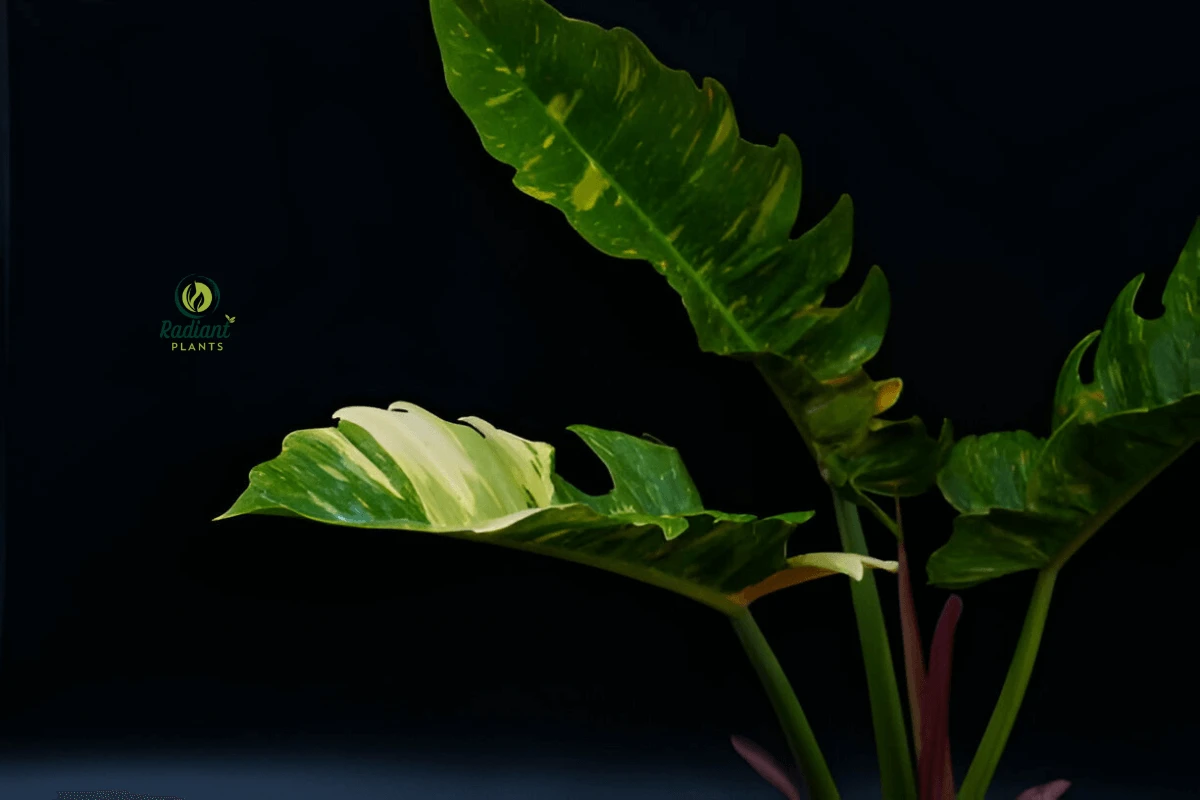
The Ring of Fire Plant is one of the most eye-catching and collectible aroids you can grow indoors. Formally known as Philodendron ‘Ring of Fire’, this plant is a hybrid believed to come from a cross between Philodendron Tortum and Philodendron Wendlandii. Its dramatic foliage and slow, sculptural growth habit make it a favorite among rare plant collectors and anyone who loves bold, variegated foliage.
What makes the Philodendron Ring of Fire so striking is its uniquely jagged, serrated leaf shape paired with constantly shifting colors. New leaves can emerge in shades of bright orange, red, cream, yellow, lime, or deep green—often all on the same plant. This kaleidoscope of color is why it’s frequently featured in collections of variegated philodendrons and why it deserves a spot in your own indoor jungle. (You can also reference it when covering variegated picks in Top 10 Indoor Variegated Plants.)
In terms of growth, the Ring of Fire is a slow-growing, semi-climbing tropical foliage plant. It doesn’t climb aggressively like many philodendrons, but appreciates a small moss pole or support as it matures. Expect it to grow steadily rather than quickly—perfect for plant lovers who enjoy watching foliage evolve.
Many people ask, “Is the Ring of Fire Philodendron rare?” The answer is yes—at least moderately. It’s considered a rare aroid because it grows slowly, is harder to mass-produce, and high variegation levels make it more desirable. Its price range often reflects that rarity, with younger plants being more affordable and mature, highly variegated specimens costing significantly more.
If you love plants with striking color transitions, the Ring of Fire pairs beautifully with other red-toned foliage featured in Red Plants Interior Styling.
Ring of Fire Plant Care Overview (At-a-Glance)
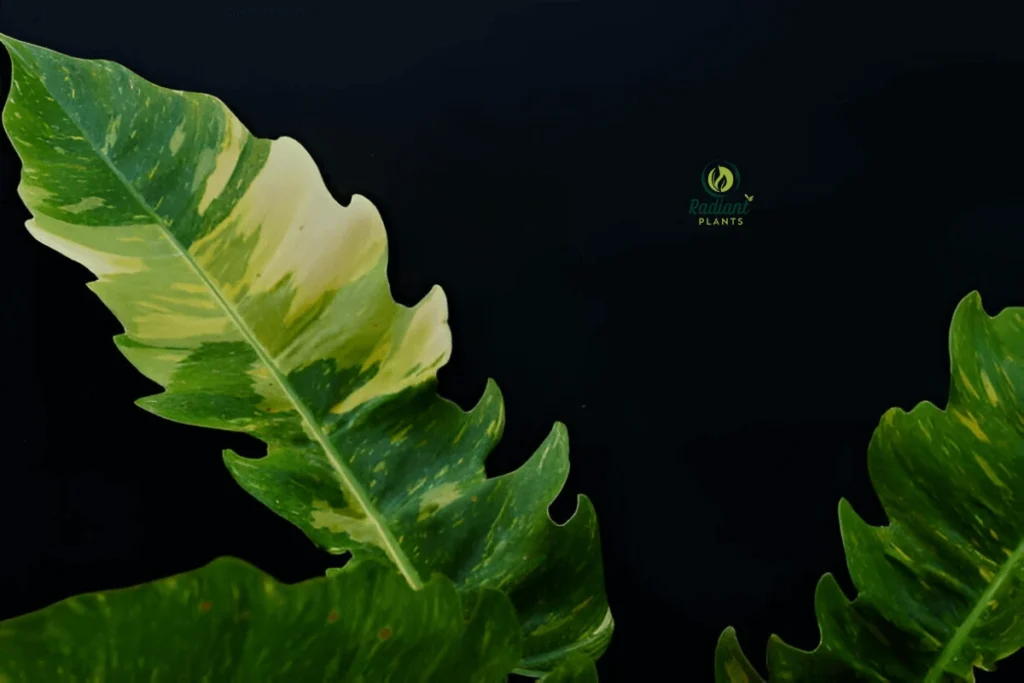
Caring for a Ring of Fire Plant is easier than its fiery foliage suggests. This quick overview gives you a snapshot of everything it needs to thrive, making it perfect for beginners and collectors who prefer clear, practical indoor plant care basics.
Light Level:
The Ring of Fire Plant grows best in bright, indirect light, ideally near an east- or west-facing window. Good light keeps its warm variegation vibrant—just like with other colorful species such as crotons (see Croton Plant Care Tips for parallel color-maintenance advice).
Watering Frequency:
Water when the top 1–2 inches of soil feel dry. Overwatering is the most common issue with this plant, so a consistent routine is key. If you’ve struggled with soggy soil before, review Root Rot Treatment: 7 Proven Ways to Stop the Spread for prevention strategies.
Soil Type:
Use a chunky, well-draining aroid mix—something that combines bark, perlite, and coco coir. This supports airflow around the roots and keeps moisture balanced.
Temperature:
Like most tropical aroids, it prefers 65–85°F (18–29°C). Avoid cold drafts, which can stunt leaf development.
Humidity:
Aim for 50–70% humidity. While the plant adapts to lower levels, higher humidity encourages fuller, more consistent growth.
Toxicity:
As with most philodendrons, the Ring of Fire is toxic to pets and children if ingested due to calcium oxalate crystals.
Difficulty Level:
Overall, moderate. Its needs are simple, but consistency makes the biggest difference.
This at-a-glance guide provides a foundation for deeper ring of fire plant care, helping you understand what the plant needs before you dive into the detailed care sections ahead.
Light Requirements for a Thriving Ring of Fire Plant
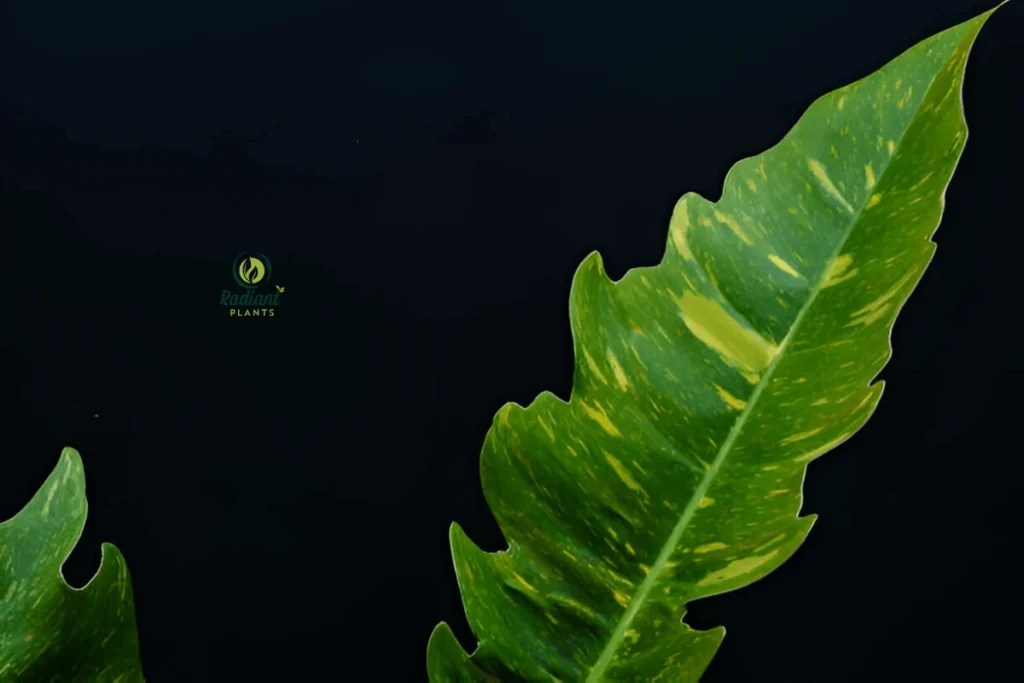
Light plays a huge role in the health and color intensity of your Ring of Fire Plant, especially because its fiery variegation depends on the right balance of brightness. If you’ve ever wondered “How much light does a Ring of Fire Plant need?”—the answer is simple: bright, indirect light for most of the day.
Best Light Conditions Indoors
The best light for Philodendron Ring of Fire is bright, filtered light that mimics the dappled sun of forest canopies. Place your plant near an east- or west-facing window, where it can soak up gentle morning or late-afternoon sunlight without the harsh midday rays. If your windows are south-facing, pull the plant back a few feet or use a sheer curtain to soften direct beams.
Consistency is key for strong color expression. Good light encourages the plant’s signature blend of red, orange, cream, yellow, and green to show up in every new leaf—a crucial part of variegation care.
Signs of Too Much or Too Little Light
If your Ring of Fire Plant isn’t receiving proper lighting, it will show clear signs:
- Fading variegation: When the plant gets too little light, new leaves may turn greener and lose their dramatic streaks. If you’re troubleshooting this issue, explore related color-care insights in Snake Plant Benefits, which discusses light tolerance differences.
- Scorched leaves: Brown, crispy patches indicate too much direct sunlight. This type of damage often resembles discoloration or spotting you might see in issues covered in White Spots on Plant Leaves – Causes & Fixes.
- Slow or leggy growth: Insufficient light forces the plant to stretch toward any available source, leading to long gaps between leaves and smaller foliage.
Creating the ideal indoor light for aroids like Philodendron ‘Ring of Fire’ doesn’t require special equipment—just a well-placed window and attention to how the plant responds. When you maintain a balanced light routine, your Ring of Fire will reward you with brighter color, faster growth, and stronger foliage year-round.
Watering & Moisture: How to Prevent Root Issues
Keeping your Ring of Fire Plant properly hydrated is one of the most important parts of its care routine. Because this aroid prefers moist—but never soggy—soil, striking the right balance helps prevent root rot, yellowing leaves, and mushy stems. With the right moisture strategy, your plant will grow vibrant, colorful foliage year-round.
Proper Watering Schedule
A simple rule guides watering for the Ring of Fire Plant: let the top 1–2 inches of soil dry out before watering again. This prevents excess moisture from sitting around the roots, which is the number one cause of decline in aroids.
In warmer seasons—spring through early fall—expect to water every 7–10 days, depending on light and pot size. During winter, your plant’s growth slows, so water far less frequently, often every 2–3 weeks. Always check the soil rather than sticking to a fixed schedule.
If you’re wondering, “How often should I water a Ring of Fire Plant?”, the answer is: only when the top layer of soil is dry.
Humidity Needs & Ideal Range
Like most aroids, the Ring of Fire thrives in 50–70% humidity. Higher humidity keeps the dramatic variegation bright and prevents leaf crisping. If you live in a dry climate, try using:
- A humidifier placed nearby
- A pebble tray under the pot
- Grouping plants together to create a microclimate
If you have asked, “Does the Ring of Fire need high humidity?” —yes, moderate-to-high humidity will help your plant develop fuller, healthier foliage.
Common Watering Problems
Overwatering causes several classic symptoms: root rot, yellowing leaves, and mushy stems. Once these appear, immediate action is necessary—repotting, trimming damaged roots, and improving drainage. See our Root Rot Treatment Guide on RadiantPlants.com for step-by-step help.
Excess moisture can also attract pests such as fungus gnats and aphids. If you notice sticky residue or tiny insects near the soil surface, refer to our guide Aphids: 5 Mistakes to Avoid for quick solutions.
Maintaining the right balance of water and humidity keeps your Ring of Fire Plant thriving while preventing the most common moisture-related issues.
Best Soil & Repotting Method for the Ring of Fire
Healthy roots are the foundation of a thriving Ring of Fire Plant, and choosing the right soil is key. Unlike standard potting mixes, aroids require well-draining soil that keeps roots moist but not waterlogged. The best option is a chunky aroid soil mix made from bark, perlite, and coco coir. Bark provides structure and airflow, perlite improves drainage, and coco coir retains moisture without compacting—perfect for maintaining vibrant variegation. (For other variegated plants, see our Top 10 Indoor Variegated Plants guide for soil inspiration.)
Recommended Potting Mix
When preparing soil for your Ring of Fire, aim for a loose, aerated mix. Avoid heavy garden soil or standard potting soil, as these retain too much water and can quickly lead to root rot. Adding a small layer of orchid bark or charcoal at the bottom of the pot further improves drainage and keeps roots healthy.
When & How to Repot
Repotting should only be done when necessary. Signs your Ring of Fire needs repotting include roots growing out of the drainage holes, compacted soil, or a plant that seems “stuck” and no longer growing.
- Root inspection: Gently remove the plant and check for firm, healthy roots. Trim any brown or mushy roots before replanting.
- Pot size guide: Choose a pot that is 1–2 inches larger in diameter than the current one. Too big a pot retains excess moisture, while too small restricts root growth.
Repotting is also a chance to refresh the soil and improve drainage, helping prevent common issues like overwatering and root rot. For detailed steps on correcting moisture-related problems, refer to our Root Rot Treatment guide.
Using the right potting mix for variegated plants and repotting with care ensures your Ring of Fire Plant develops a strong root system, supports stunning foliage, and thrives for years to come. With proper soil and repotting habits, this rare aroid will reward you with bold, fiery leaves and steady growth.
How to Propagate a Ring of Fire Plant (Step-by-Step)
Propagation is a rewarding way to multiply your Ring of Fire Plant, and with the right technique, you can maintain its bold variegation while producing new, healthy plants. If you’ve ever asked, “Can you propagate a Ring of Fire Plant?”, the answer is yes—stem cuttings are the most reliable method.
Best Propagation Method
The ideal way to propagate this aroid is through stem cuttings. Start by identifying a healthy node—the point on the stem where leaves and aerial roots emerge. Use a sterilized knife or scissors to cut just below the node, ensuring at least one leaf remains attached.
Next, prepare a rooting medium. A mix of moist sphagnum moss and perlite works best, as it retains enough moisture while providing good airflow. Insert the cutting so the node is in contact with the medium, and water lightly. Placing the cutting in a warm, humid environment encourages faster root development. For additional light support, consider using techniques from our UV Light for Plants guide to enhance rooting success.
Keeping Variegation in Propagation
Maintaining the stunning red and cream streaks of your Ring of Fire requires proper light during rooting. Bright, indirect light helps the cutting retain its variegation, while too little light may cause leaves to revert to solid green. Choose cuttings from healthy, mature stems with vibrant variegation for the best results.
Monitor moisture carefully—overwatering can cause rot, while letting the medium dry out can stunt root growth. Once roots are well-established, transplant the cutting into a well-draining aroid mix and continue regular care.
Propagation isn’t just practical—it’s a way to expand your indoor collection while sharing this rare plant with friends or fellow collectors. For step-by-step guidance on propagating other ornamental plants, see our Arabian Jasmine Propagation Guide.
With patience and the right method, your new Ring of Fire cuttings will grow into fiery, vibrant plants, keeping your indoor jungle lively and full of color.
Common Problems & How to Fix Them
Even the most vibrant Ring of Fire Plant can face challenges, from fading color to pests or leaf damage. Understanding these issues early ensures your aroid stays healthy and fiery.
Variegation Loss
One of the most common concerns is the ring of fire losing variegation. This often occurs due to low light, causing the plant to revert to green to maximize photosynthesis. Another cause is natural reversion, where older leaves lose their red or cream streaks.
Fixes: Move your plant to bright, indirect light to encourage color return. Remove fully reverted leaves to allow new, variegated growth to emerge. Consistency in light and care prevents further variegation loss.
Pest Problems
Philodendron pests such as spider mites, thrips, and mealybugs can attack your plant, especially when humidity is low or overwatering has stressed the roots. Early signs include tiny webs, sticky residue, or small white spots on leaves—similar to issues described in our White Spots on Leaves guide.
Treatment: Wipe leaves gently with a damp cloth, apply insecticidal soap, or isolate the plant until pests are eliminated. For aphids specifically, check our guide How to Get Rid of Aphids for safe, effective methods.
Leaf Curling, Yellowing, Browning
Environmental stress or watering errors often cause leaf problems. Curling leaves can indicate low humidity or sudden temperature changes, while yellowing usually signals overwatering. Brown edges or tips are often linked to inconsistent watering or dry air.
Fixes: Adjust watering habits using the top-1–2-inch dry rule, maintain 50–70% humidity, and ensure stable indoor temperatures. Regularly inspect your plant to catch stress signs early.
By addressing these common issues promptly, you help your Ring of Fire Plant stay vibrant and healthy. With proper light, humidity, and attentive care, it can continue to display its signature fiery leaves and bold variegation for years to come.
How to Style the Ring of Fire Indoors
The Ring of Fire Plant isn’t just a collector’s aroid—it’s also a statement piece that can elevate your home décor. Its vibrant foliage and unique variegation make it perfect for modern indoor plant décor and creative interior styling.
Best Locations in the Home
To showcase its fiery leaves, place your Ring of Fire in living rooms, offices, or shelving displays where it can catch bright, indirect light. In living rooms, position it near a window to create a focal point among other greenery. For offices, it adds a touch of luxury and color, making your workspace feel more lively. On shelves, choose eye-level placement so the striking leaves are visible without crowding other plants.
Pairing It With Other Plants
Pair your Ring of Fire with variegated companions to create layers of texture and color, or combine it with red-toned plants for striking contrast. This approach emphasizes its unique foliage while integrating it seamlessly into your plant collection. Using multiple height levels and complementary colors can turn any space into a lush, vibrant corner. For more creative ideas, see our guides How to Incorporate Red Plants into Your Interior Spaces and Easy Ways to Style Your Cane Plant.
Styling the Ring of Fire is about balance: allow it space to show off its dramatic leaves while combining it with plants that highlight or contrast its fiery colors. With thoughtful placement and pairing, this rare aroid can transform your indoor space into a chic, tropical sanctuary.
FAQ: Ring of Fire Plant Care
How often should I water my Ring of Fire Plant?
Water your Ring of Fire Plant when the top 1-2 inches of soil are dry to the touch. During the growing season (spring and summer), you may need to water more frequently, around once a week. In the colder months, reduce watering to every 10-14 days. Be sure to allow excess water to drain out of the pot to prevent root rot.
What is the ideal light for a Ring of Fire Plant?
The Ring of Fire Plant thrives in bright, indirect light. Avoid direct sunlight, as it can scorch the delicate leaves. A location near a north or east-facing window is ideal. If natural light is limited, consider using a grow light to ensure your plant gets enough light for optimal growth.
Why are the leaves on my Ring of Fire turning yellow?
Yellowing leaves can be a sign of overwatering or underwatering. If the soil is constantly soggy, this could indicate overwatering, leading to root rot. On the other hand, if the soil is too dry for long periods, the leaves may be yellow due to underwatering. Check your watering routine and make sure the plant’s pot has proper drainage.
How do I propagate a Ring of Fire Plant?
The Ring of Fire Plant can be propagated through stem cuttings. Cut a healthy stem with at least one node and a few leaves. Place the cutting in water or directly in moist soil and wait for roots to develop. Once the roots are several inches long, transplant the cutting into its pot.
Does the Ring of Fire Plant require high humidity?
Yes, the Ring of Fire Plant thrives in higher humidity. It prefers humidity levels around 50-60%. If your home is dry, especially in winter, consider using a humidifier or placing the plant on a pebble tray filled with water to maintain the moisture level.
Can the Ring of Fire Plant grow in low light conditions?
The Ring of Fire Plant is a tropical plant and requires bright, indirect light to thrive. While it can tolerate lower light levels, it may not grow as quickly or develop the vibrant, variegated foliage it’s known for. To keep your plant healthy and vibrant, provide it with the best light conditions possible.
How big does the Ring of Fire Plant grow?
In the right conditions, the Ring of Fire Plant can grow quite large, reaching heights of up to 6 feet in height and spreading out about 3 feet wide. If you want to keep your plant smaller, you can prune it regularly to maintain a more compact size.
Can I use any fertilizer for my Ring of Fire Plant?
For optimal growth, use a balanced, water-soluble fertilizer that’s rich in nitrogen, phosphorus, and potassium. During the growing season (spring and summer), fertilize every 4-6 weeks. Avoid fertilizing during the dormant period in fall and winter when the plant is not actively growing.
Why are the edges of my Ring of Fire Plant’s leaves turning brown?
Brown, crispy leaf edges often result from low humidity or underwatering. The Ring of Fire Plant prefers higher humidity, so try increasing the humidity around your plant. Additionally, ensure that you’re not letting the soil dry out too much between waterings.
How can I tell if my Ring of Fire Plant is root-bound?
If the roots are growing out of the drainage holes or if you notice the plant has stopped growing or is becoming stunted, it may be root-bound. In this case, it’s time to repot your plant into a slightly larger pot to give it more space to grow.
Caring for a Ring of Fire Plant may seem intimidating at first, but with the right light, watering, soil, and humidity, this fiery aroid rewards you with stunning, ever-changing foliage. From its vibrant red and cream variegation to its sculptural leaf shapes, it’s a plant that truly stands out in any indoor jungle. Remember the essentials: provide bright, indirect light, water only when the top 1–2 inches of soil are dry, use a well-draining aroid mix, and maintain moderate humidity. Regular monitoring for pests and proper styling ensures your Ring of Fire thrives while showcasing its dramatic beauty.
Whether you’re a seasoned plant collector or a beginner looking to add a bold centerpiece to your home, propagating and caring for this plant can be both rewarding and enjoyable. Its slow, steady growth and striking foliage make it a long-term investment in your indoor greenery.
Ready to expand your collection? Explore our Top 10 Indoor Variegated Plants guide for more rare and colorful aroids, or learn How to Incorporate Red Plants into Your Interior Spaces to style your Ring of Fire with flair. With a little attention and care, your Ring of Fire Plant will flourish and become the centerpiece of your home jungle for years to come.
RING OF FIRE 🔥 – Plant Spotlight & Moss Pole Upgrade