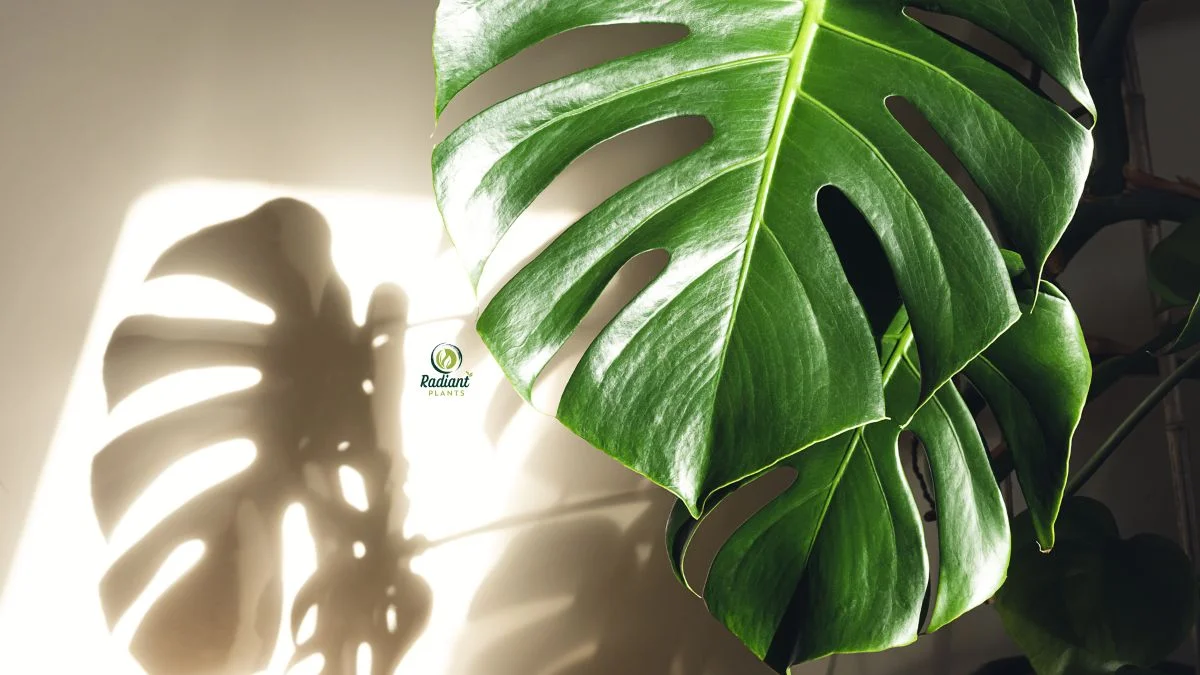
If you’ve ever fallen in love with a plant that resembles a living piece of art, the Monstera deliciosa variegated plant is sure to steal your heart. With its striking white and green marbled leaves, this tropical stunner is more than just a decoration—it’s a statement of style and plant expertise. But caring for a variegated Monstera isn’t always straightforward. From keeping its unique leaf patterns vibrant to ensuring healthy growth indoors, there are a few secrets every plant lover should know.
In this guide, you’ll discover everything about the Monstera deliciosa variegated plant, including how to identify the different varieties, the ideal light, water, and soil conditions, as well as practical tips for propagation and troubleshooting common problems. You’ll also learn how to buy authentic plants and avoid mistakes that could cause the leaves to lose their gorgeous variegation. Whether you’re a seasoned collector or a beginner looking to add a show-stopping tropical touch to your home, this guide will equip you with all the knowledge you need to keep your variegated Monstera thriving. Get ready to turn your plant care into a rewarding adventure full of leafy beauty.
Table of Contents
In This Article
How to Identify Monstera Deliciosa Variegated Plant
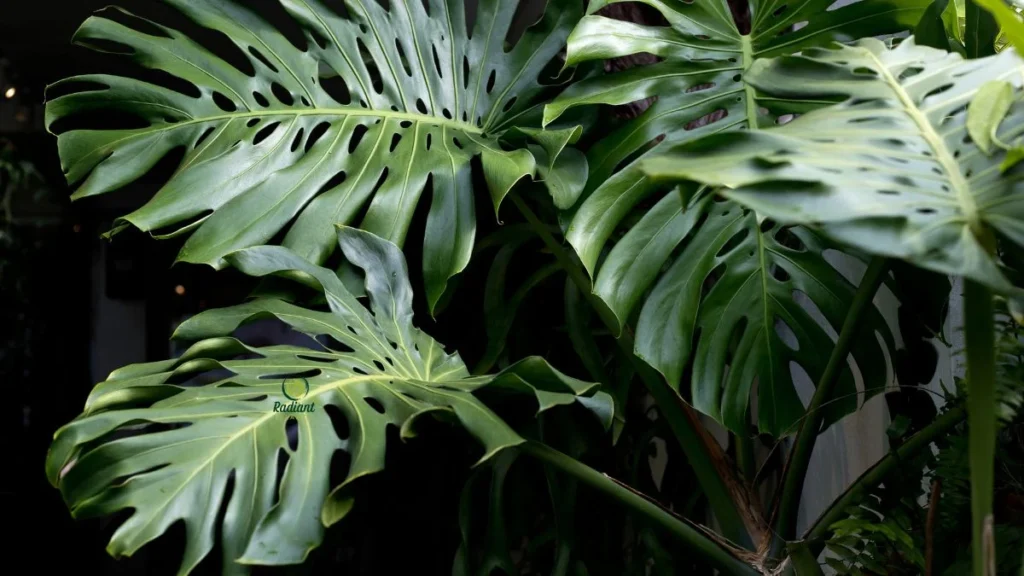
Identifying a Monstera deliciosa variegated plant is both exciting and essential for collectors who want to ensure they’re getting a true variegated specimen. Unlike its all-green cousin, the variegated Monstera showcases striking patterns of white, cream, or even yellow alongside the familiar deep green. These unique leaf patterns aren’t just beautiful—they can also indicate the plant’s health, stability, and care requirements. Knowing how to differentiate varieties and understand variegation levels helps you make informed decisions whether you’re buying, propagating, or styling your plant.
Common Varieties and Their Patterns
The three most popular variegated Monstera are Albo-Variegata, Thai Constellation, and Aurea, each with distinct characteristics.
- Albo-Variegata: This variety features dramatic white splashes or marbling across the leaf. Patterns are usually random, making each leaf unique. Albo leaves can be more fragile, requiring indirect bright light to prevent sunburn.
- Thai Constellation: Known for creamy, speckled variegation, Thai Constellation leaves have a more consistent marbling pattern across the foliage. This variety tends to be more stable, maintaining its variegation over time if given proper light and humidity.
- Aurea: Often called the golden monstera, Aurea leaves are primarily yellow-green with occasional white accents. This variety is rarer and highly sought after for collectors who want a warmer, golden aesthetic in their plant collection.
Comparison Table: Common Varieties and Their Variegation Patterns
Variety | Variegation Pattern | Color Characteristics | Stability | Special Notes |
|---|---|---|---|---|
Albo-Variegata | Random marbling and bold white splashes | White + green contrast | Moderate (can revert if low light) | Leaves are more delicate; they require bright, indirect light to prevent browning |
Thai Constellation | Creamy, speckled variegation with even distribution | Cream + green with star-like speckles | High (genetically stable) | Easier to maintain; great for beginners wanting consistent patterns |
Aurea | Patchy or streaky variegation | Yellow-green with some white accents | Low–Moderate (can fade without sufficient light) | Rare and highly collectible; prized for its warm golden tones |
Variegation Levels and Stability
Not all variegation is permanent. Variegation levels can range from small streaks to nearly full-white leaves, and understanding this helps you care for your monstera deliciosa variegated plant correctly. Stable monstera variegation occurs when the white or cream areas are consistent and continue to grow across new leaves. Conversely, unstable variegation may appear as sporadic streaks that can revert to green if the plant experiences stress, low light, or improper nutrition.
Tips to spot stable variegation:
- Check new leaves—consistent marbling across successive leaves usually indicates stability.
- Look at the plant’s nodes—healthy nodes with white tissue are more likely to produce variegated leaves.
- Observe older leaves—if the white areas remain vibrant without turning brown or yellow too quickly, the variegation is stable.
It’s also helpful to monitor environmental factors. Bright, indirect light, proper humidity, and balanced fertilization support stable variegation and minimize reversion. If you’re unsure about your plant’s variety or variegation level, consider referencing a guide like our Monstera Varieties: The Ultimate List for Indoor Jungle Lovers for side-by-side comparisons and expert care tips.
By learning to identify varieties and assess variegation stability, you can confidently choose, propagate, and care for your monstera deliciosa variegated plant while maintaining its stunning, collector-worthy leaves. This knowledge not only enhances your plant expertise but ensures that each leaf you nurture lives up to its full visual potential.
Monstera Deliciosa Variegated Plant Care Guide
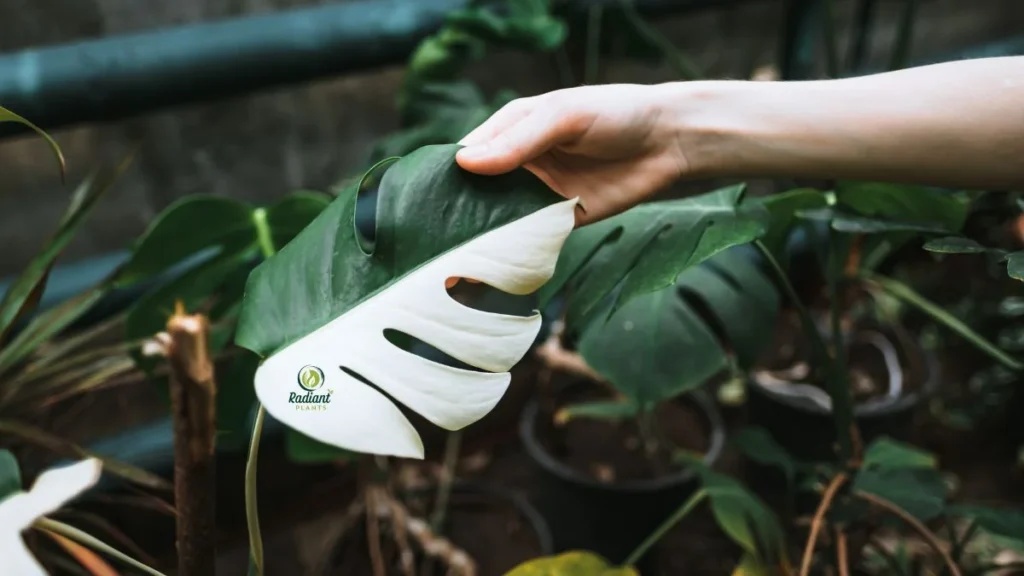
Caring for a Monstera deliciosa variegated plant requires more attention than a standard Monstera due to its unique leaf patterns. Proper care ensures vibrant variegation, healthy growth, and long-lasting foliage that can become the centerpiece of your indoor garden. With the right balance of light, water, soil, humidity, and nutrients, even beginners can keep this tropical beauty thriving.
Light Requirements for Optimal Variegation
Variegated Monstera need bright, indirect light to maintain their white and cream leaf patterns. Direct sunlight can scorch the delicate variegated sections, causing browning, while too little light may trigger reversion, turning leaves mostly green. Ideally, place your plant near an east or north-facing window where it receives filtered sunlight for several hours a day. Using a sheer curtain can protect leaves from harsh rays while providing enough illumination for photosynthesis. Observing your plant’s growth and leaf coloration over time helps determine if the light is sufficient—yellowing leaves or slow growth can indicate inadequate lighting. For visual guidance, consider using a simple diagram showing optimal placement in a room.
Watering and Soil Tips
Watering properly is crucial to prevent root rot, a common problem in variegated Monstera. Allow the top 2–3 inches of soil to dry out between waterings, and always check the moisture level at the root zone before adding more water. Using a well-draining monstera soil mix is essential—combine peat, perlite, and orchid bark to create a loose, airy substrate that holds moisture without becoming soggy. Avoid heavy garden soil or clay-based mixes that retain too much water. Consistent watering paired with proper drainage will help your Monstera deliciosa variegated plant flourish while keeping the roots healthy.
Fertilizer and Nutrient Recommendations
Regular feeding supports leaf growth and maintains variegation. During the growing season (spring and summer), apply a balanced, water-soluble fertilizer every 4–6 weeks. Look for a formula rich in nitrogen, phosphorus, and potassium, along with trace elements like magnesium and calcium to support leaf development. Reduce feeding in fall and winter when the plant’s growth naturally slows. Over-fertilizing can cause leaf burn or yellowing, so always follow the recommended dosage. A simple nutrient table or feeding calendar can help track fertilizer applications and prevent mistakes.
By following these Monstera care tips, you provide the optimal environment for your variegated Monstera to thrive. Combining proper light, watering, soil, and fertilization practices ensures that each leaf retains its stunning patterns and your plant remains healthy year-round. For more detailed guidance on watering, fertilizing, and soil blends for tropical plants, check out our Monstera Plant Care: Secrets to Vibrant Green and Variegated Leaves
Propagation of Monstera Deliciosa Variegated Plant
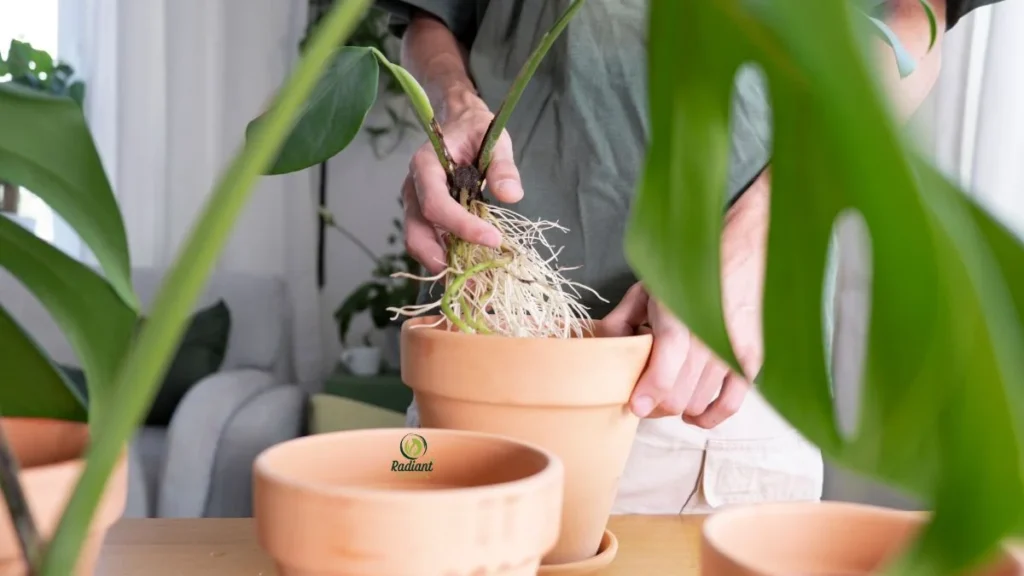
Propagating a Monstera deliciosa variegated plant is one of the most rewarding ways to expand your collection, but it requires careful attention to preserve the unique variegation. Unlike fully green Monstera, variegated plants are more sensitive, and improper propagation can lead to reversion, where new leaves grow all green. By following proven monstera propagation techniques, you can produce healthy, variegated offspring while minimizing stress on the mother plant.
Selecting the Right Cutting
The first step is choosing a healthy stem with at least one node and, ideally, an aerial root. Nodes are the points where leaves emerge, and they contain the tissue necessary for new roots to develop. Look for stems with vibrant, stable variegation—this increases the chances that the new plant will retain its striking patterns. Avoid using weak or yellowing stems, as they are less likely to survive. A cutting of 4–6 inches with one or two leaves and a visible node is ideal for water or sphagnum propagation.
Water vs. Sphagnum Moss Propagation
Water propagation is beginner-friendly and allows you to monitor root development. Place the cutting in a clean container of filtered water, ensuring the node is fully submerged while the leaves remain above water. Change the water every 5–7 days to prevent bacterial growth. Roots typically appear within 3–6 weeks, depending on temperature and humidity.
Sphagnum moss propagation provides a more stable environment and reduces the risk of reversion. Moisten the moss and wrap it around the node, securing it with a small plastic clip or tie. Place the cutting in a warm, bright spot with indirect light and maintain high humidity using a mini greenhouse or plastic bag. Moss propagation encourages faster root establishment and makes transplanting into soil easier once roots are robust.
Potting and Aftercare
Once roots are 3–5 inches long, it’s time to pot your new Monstera deliciosa variegated plant. Use a well-draining soil mix composed of peat, perlite, and orchid bark to provide aeration while retaining enough moisture. Choose a pot with drainage holes to prevent waterlogging. After potting, water lightly and place the plant in bright, indirect light, gradually adjusting exposure as it acclimates. Maintaining consistent humidity and avoiding overwatering will support healthy growth and variegation retention.
With patience and attention, your propagated monstera will develop into a stunning plant with the same striking variegation as the parent. For additional propagation tips and care guidance for other variegated indoor plants, check out our How to Propagate Monstera the Right Way and Avoid Mistakes
By mastering these monstera propagation techniques, you can confidently multiply your collection while keeping every leaf beautifully patterned and healthy.
Troubleshooting Common Problems
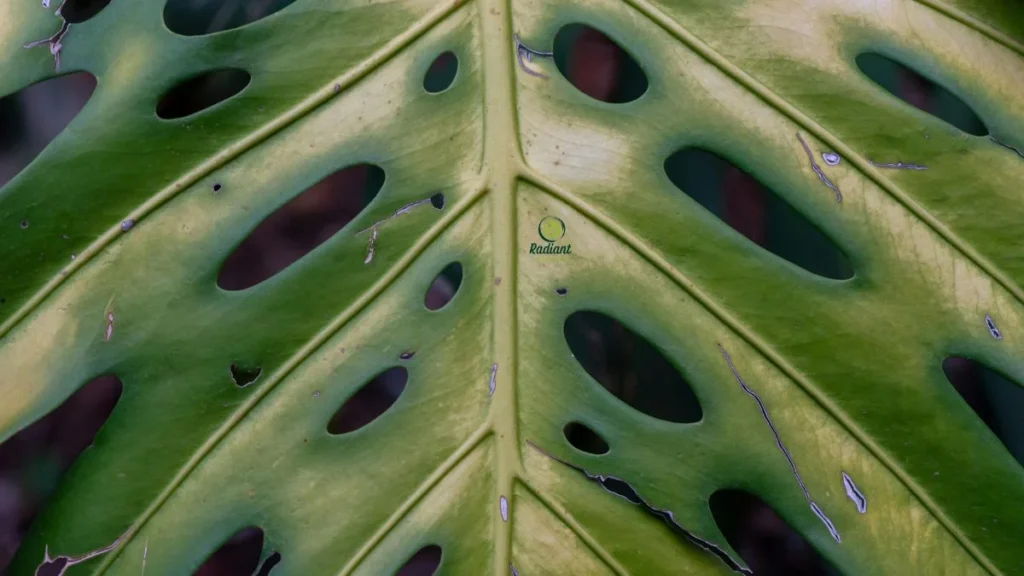
Even the healthiest Monstera deliciosa variegated plant can encounter issues, from yellowing leaves to pest infestations or fading variegation. Understanding the root cause of these problems allows you to address them quickly and maintain your plant’s stunning appearance. By recognizing early warning signs and applying proven solutions, you can keep your variegated Monstera thriving for years.
Leaf Yellowing
Yellowing leaves are one of the most common issues with monstera variegated plant problems. This often indicates overwatering, poor drainage, or insufficient light. To fix this, first check that the soil drains well and the pot has proper drainage holes. Reduce watering and allow the top 2–3 inches of soil to dry out between waterings. If the yellowing is limited to older leaves, it’s usually natural and part of the plant’s growth cycle. Increasing exposure to bright, indirect light can also help restore healthy green and white patterns.
Brown Edges and Crispy Tips
Brown edges typically result from low humidity, direct sun exposure, or inconsistent watering. Variegated leaves are more sensitive to these stressors. Maintain humidity levels around 60–70% by using a humidifier or placing a water tray nearby. Avoid direct sunlight that can scorch the leaves, and water consistently to keep the soil lightly moist without sogginess. Trim damaged leaf tips with clean scissors to prevent further stress while encouraging new growth.
Pest Infestations
Spider mites, mealybugs, and scale insects can occasionally attack variegated Monsteras. Regularly inspect your leaves, especially the undersides, for tiny insects or webbing. A simple solution is to wipe leaves with a damp cloth or apply insecticidal soap according to the manufacturer’s instructions. In persistent cases, neem oil treatments can effectively control pests without harming the plant. Early detection is key to preventing widespread damage.
Variegation Loss
A common concern for collectors is variegation fading or reversion. Low light, excessive nitrogen, or stress from overwatering can cause leaves to revert to solid green. To preserve the signature patterns, provide bright, indirect light, maintain consistent care, and prune any fully green leaves selectively. While some reversion is natural, maintaining stable environmental conditions encourages the plant to produce variegated foliage again.
By addressing these monstera variegated plant problems proactively, you ensure your plant remains vibrant and healthy. For more in-depth guidance on watering, soil mixes, and troubleshooting root issues, visit our Plant Shock Symptoms: How to Spot 5 Warning Signs Fast.
With careful observation and attentive care, your Monstera deliciosa variegated plant can flourish, producing leaves that stay beautifully patterned and lush for years to come.
Buying and Authenticating Monstera Deliciosa Variegated Plant
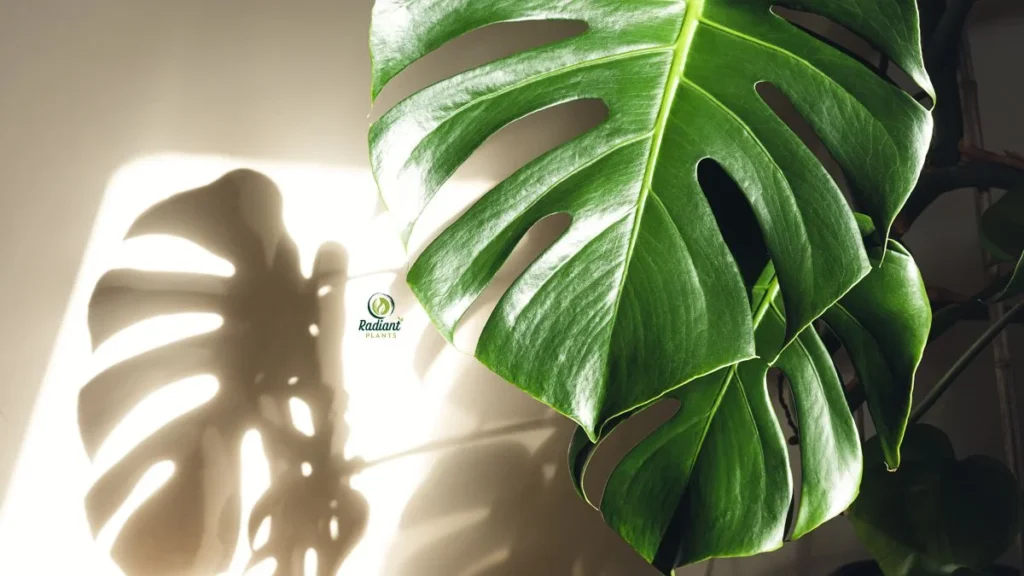
Purchasing a Monstera deliciosa variegated plant can be thrilling, but it’s also one of the areas where collectors need to be most careful. These plants are rare, and prices can vary widely depending on the variety, leaf size, and the proportion of variegation. Knowing what to look for ensures you invest in a healthy, authentic plant that will thrive in your home rather than a stressed or misrepresented specimen.
Verify Authenticity
When buying online or in stores, the first step is to confirm the plant’s authenticity. True variegated Monstera should have a clear contrast between white or cream variegation and the green areas of the leaf. Be cautious of plants that appear overly uniform, as some sellers may digitally enhance photos or label partially variegated plants as rare varieties. Look for aerial roots and healthy nodes, as these are indicators of a plant that can propagate successfully.
Check Node Quality
Nodes are crucial when assessing a Monstera deliciosa variegated plant. A healthy node with visible white tissue is more likely to produce variegated growth. Avoid plants with damaged or shriveled nodes, which can hinder future propagation and overall growth. If possible, ask the seller for close-up photos of the nodes and any new growth. This step is especially important for high-value varieties like Albo-Variegata or Thai Constellation, where maintaining variegation is key.
Understanding Price Ranges
A monstera plant price guide helps set expectations before you buy. Prices can range from a few hundred to several thousand dollars, depending on leaf size, pattern intensity, and rarity. For example, a small Albo cutting might start around $200, while a mature Thai Constellation with multiple leaves and strong variegation can exceed $1,000. Being informed about typical price ranges prevents overpaying and ensures you’re investing in a healthy plant.
Checklist Before Purchase
- Inspect leaf variegation for natural, healthy patterns.
- Verify nodes and aerial roots for propagation potential.
- Assess overall plant health: firm stems, no pests, and vibrant foliage.
- Confirm the seller’s reputation and reviews, especially for online purchases.
- Ask about the plant’s care history to understand its growing conditions.
Additional Tips
When shopping online, request multiple angles and close-ups of the plant. For in-store purchases, observe the plant closely for signs of stress, such as yellowing leaves or wilting stems. Once you bring your monstera home, quarantine it for a few days to monitor for pests or diseases before placing it among other plants.
For more insights on choosing and styling rare variegated plants in your indoor space, explore our guide on Monstera Varieties: The Ultimate List for Indoor Jungle Lovers.
By following these steps and using a careful eye, you can confidently select a Monstera deliciosa variegated plant that will thrive and become a stunning focal point in your home.
Styling and Indoor Placement Ideas: Monstera deliciosa variegated plant
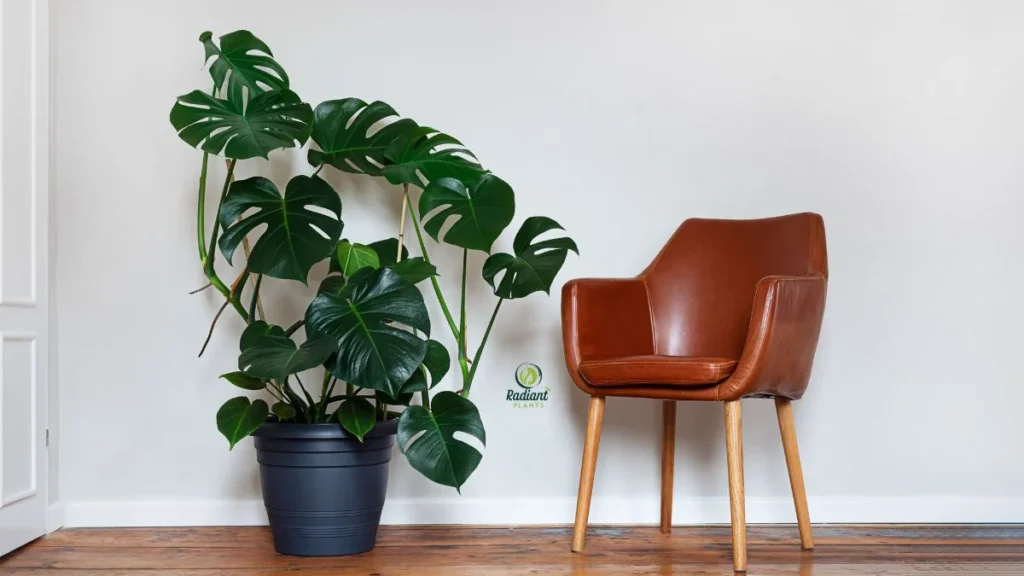
The Monstera deliciosa variegated plant is more than just a plant—it’s a statement piece that can transform any indoor space. With its dramatic white and green leaves, it adds texture, color, and a touch of tropical elegance to your home. Styling and placement play a crucial role in highlighting its natural beauty while ensuring the plant thrives. By combining practical care considerations with interior design ideas, you can create a space where your variegated Monstera truly shines.
Choosing the Right Location
When it comes to monstera indoor styling, light is key. Place your plant near a bright, indirect light source, such as an east-facing window or filtered light from a south-facing window. Avoid direct sunlight, which can scorch the delicate white variegation, and steer clear of dim corners that may trigger leaf reversion. Taller varieties look stunning in living rooms, offices, or hallways where they can stretch upward, while smaller cuttings or younger plants are perfect for desks, shelves, or side tables.
Using Decorative Containers
The right pot can enhance both aesthetics and plant health. Choose containers with good drainage and a style that complements your decor, whether it’s minimalist ceramic, rattan, or modern metallic finishes. Neutral-colored pots allow the variegated leaves to stand out, while bold hues can create a striking visual contrast. Adding a matching saucer or plant stand can elevate the plant’s presence and protect your surfaces.
Layering and Grouping
Consider grouping your monstera deliciosa variegated plant with other indoor greenery for a lush, curated look. Combining plants of varying heights, leaf shapes, and textures creates depth and visual interest. For example, pairing a variegated Monstera with a fiddle leaf fig, calathea, or snake plant adds contrast while maintaining a tropical vibe. For smaller spaces, a single, well-placed Monstera can become a dramatic focal point, drawing attention to a reading nook, living room corner, or entryway.
Styling Tips for Growth and Care
Styling should not compromise care. Ensure enough space around the plant for airflow, which reduces the risk of pests and promotes healthy growth. Use a moss pole or trellis for climbing varieties, which encourages vertical growth and showcases large leaves. Rotate the plant every few weeks to ensure even light exposure and symmetrical growth. Regularly prune older leaves to maintain shape and encourage new variegated foliage.
By thoughtfully combining placement, containers, and complementary plants, your monstera deliciosa variegated plant can become a living work of art in your home. For more inspiration on indoor plant styling, check out our guide on Mini Monstera Indoor Styling Idea: Why Designers Love This Plant.
With these styling ideas, you’ll not only highlight your plant’s unique beauty but also create a thriving indoor environment where your variegated Monstera can grow and flourish.
FAQs for monstera deliciosa variegated plant with clear, concise answers:
How do I care for a Monstera deliciosa variegated plant?
Caring for a monstera deliciosa variegated plant involves bright, indirect light, well-draining soil, and consistent watering—allow the top 2–3 inches to dry between waterings. Maintain humidity around 60–70% and fertilize monthly during the growing season. Proper light and nutrients help preserve variegation.
How can I propagate a Monstera deliciosa variegated plant?
Propagate variegated Monstera using healthy stem cuttings with at least one node and an aerial root. Water propagation or sphagnum moss propagation both work well. Ensure bright, indirect light and high humidity for successful rooting. Choosing stems with stable variegation increases the likelihood that new leaves retain their patterns.
Why are my monstera leaves turning green instead of staying variegated?
Leaves may revert to green due to low light, stress, or over-fertilization. Variegated sections need bright, indirect light to maintain white or cream patterns. Avoid overwatering and provide stable humidity to support healthy variegation. Pruning fully green leaves can also encourage the plant to produce variegated growth.
How often should I water my Monstera deliciosa variegated plant?
Water your variegated Monstera when the top 2–3 inches of soil feel dry. Overwatering can lead to root rot, while underwatering causes leaf curling or browning. Use a well-draining monstera soil mix and a pot with drainage holes to keep roots healthy. Adjust frequency based on season, indoor temperature, and humidity levels.
Can a Monstera deliciosa variegated plant survive in low light?
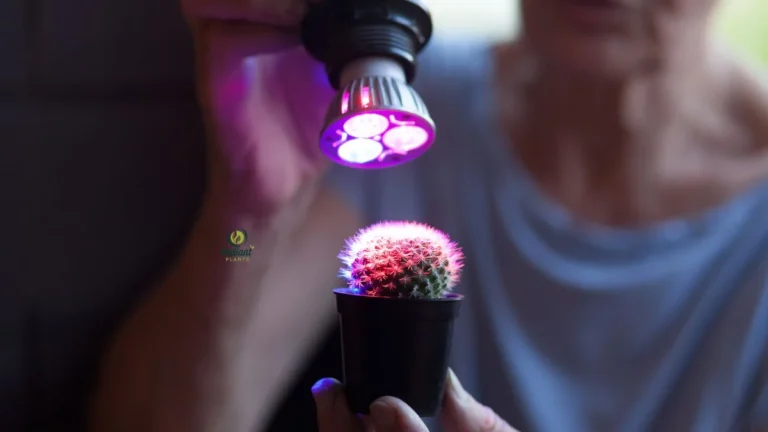
Variegated Monstera tolerate low light but may lose their striking patterns, reverting to mostly green leaves. For best results, place your plant in bright, indirect light to maintain variegation and encourage strong growth. If space is limited, consider supplementing with a grow light to preserve leaf patterns.
Caring for a Monstera deliciosa variegated plant is a rewarding journey that combines beauty, expertise, and a touch of tropical elegance. By providing bright, indirect light, well-draining soil, consistent watering, and the right humidity, you can maintain its striking white and green leaves while encouraging healthy growth. Regular fertilization and careful propagation ensure your plant thrives and retains its stunning variegation, making it a true centerpiece for any indoor space.
Beyond aesthetics, variegated Monstera bring a sense of calm and natural vibrancy to your home. They’re perfect for collectors and plant enthusiasts who appreciate both the artistry and science of indoor gardening. With proper care, these plants can flourish for years, rewarding you with large, patterned leaves and an ever-growing presence in your living space.
Ready to take your plant collection to the next level? Start by nurturing your Monstera deliciosa variegated plant and explore our other guides for more inspiration. Discover expert tips on styling and caring for rare tropical plants in our Monstera Varieties: The Ultimate List for Indoor Jungle Lovers and turn your home into a lush, vibrant oasis.