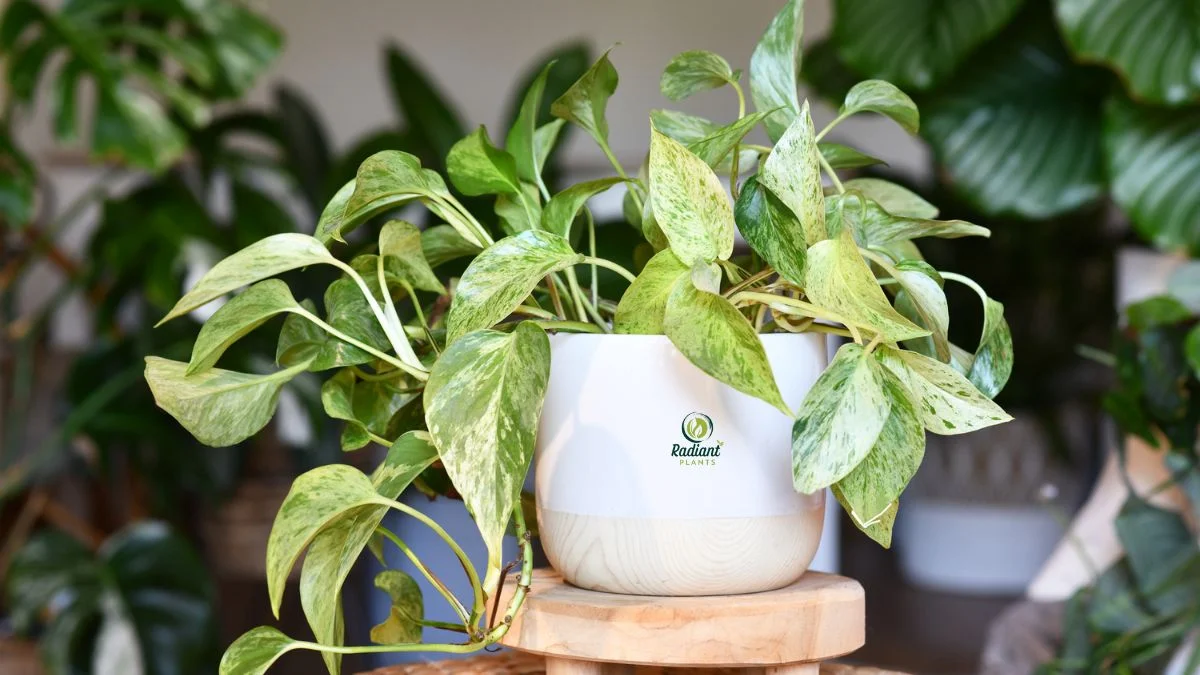
If you’ve been dreaming of a plant that looks gorgeous without demanding constant attention, the Marble Queen pothos plant is exactly what you need. This creamy, variegated beauty is one of the easiest houseplants to care for, and with just a few simple habits, you can keep it lush, full, and thriving all year long.
In this guide, you’ll learn how to make Marble Queen pothos plant care truly super simple—no stress, no guesswork, and no complicated routines. You’ll discover the best lighting for strong variegation, how to water it without risking yellow leaves, the ideal soil mix, and whether it prefers to climb or trail. You’ll also get tips on faster growth, propagation, and fixing the most common pothos problems before they spread.
Whether you’re a beginner or a seasoned plant lover, this step-by-step care guide will help you understand exactly what your Marble Queen needs to stay healthy and stunning. By the end, you’ll feel confident, prepared, and ready to enjoy one of the most rewarding indoor plants you can grow.
Table of Contents
In This Article
What Makes the Marble Queen Pothos Plant So Special?
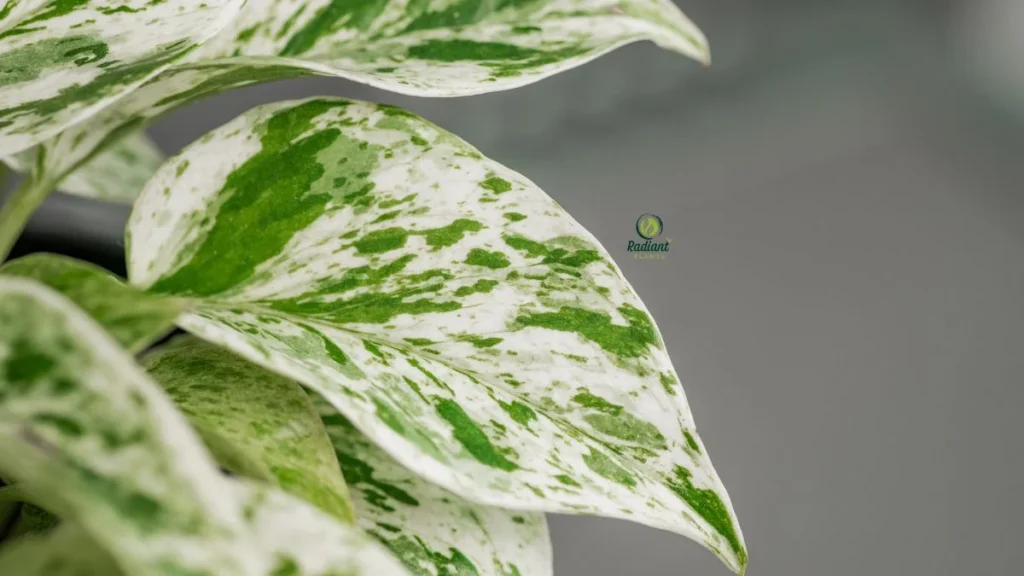
The Marble Queen pothos plant stands out instantly thanks to its creamy white variegation—one of the brightest and most eye-catching patterns in the pothos family. Each leaf looks hand-painted with swirls and splashes of white, giving it a soft, elegant look that works beautifully in any indoor space. As an indoor foliage plant, it delivers maximum visual impact without requiring complicated care routines, which is a big part of why it’s so popular.
For beginners, this pothos variety is a dream come true. It’s naturally forgiving, adapts to most indoor conditions, and bounces back quickly from small mistakes. If you’re wondering, Is Marble Queen easy?—the answer is a confident yes. It’s considered one of the top low-maintenance houseplant options, making it perfect for busy plant lovers, first-time growers, or anyone looking for a reliable, low-stress plant.
When people ask, Is the Marble Queen pothos rare? The answer is a bit nuanced. The plant itself isn’t rare—you can find it in most nurseries and online shops. However, specimens with high variegation (very white leaves and slow growth) are often more sought-after and may cost slightly more. The more white a Marble Queen has, the slower it grows due to reduced chlorophyll, which naturally makes highly variegated plants a bit more exclusive.
This blend of beauty, resilience, and affordability is what keeps the Marble Queen pothos plant at the top of every indoor gardener’s wish list. If you love variegated foliage, you may also enjoy exploring Top 10 Indoor Variegated Plants to Brighten Up Your Space or styling ideas from Why the Pink Panther Plant Is Your Next Must-Have on RadiantPlants.com.
Light Requirements for a Thriving Marble Queen Pothos Plant
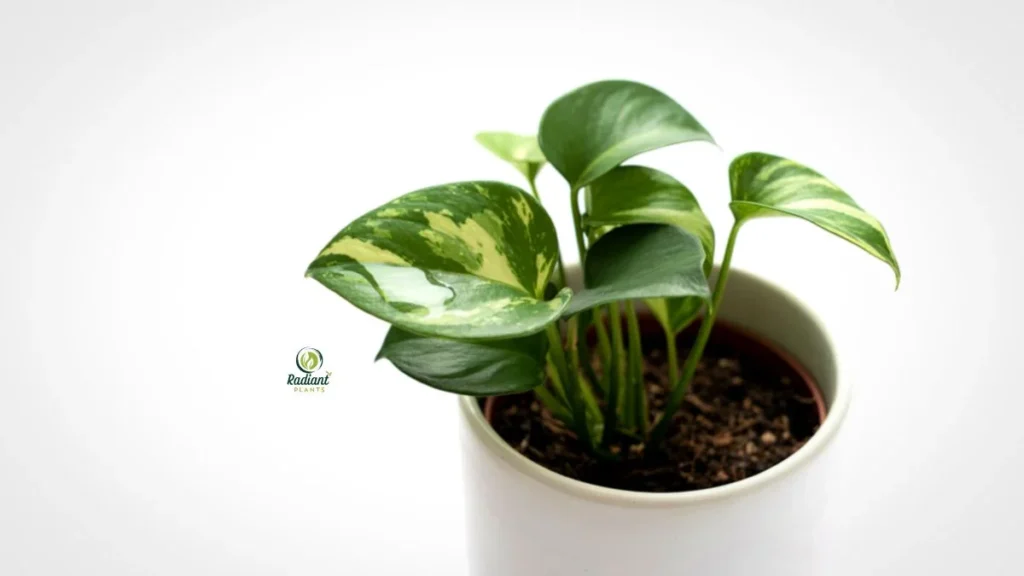
The Marble Queen pothos plant is known for its stunning white variegation, but that beauty depends heavily on getting the right amount of light. While this plant is adaptable, the quality and intensity of its light directly affect leaf color, growth speed, and overall health. Understanding how to balance bright indirect light with its natural low light tolerance will keep your plant looking vibrant and full.
Do Marble Queen Pothos Need Sunlight?
Yes—your Marble Queen pothos plant needs light, but not direct sun. Bright indirect light is ideal because it helps maintain strong variegation without burning the leaves. Place it near an east-facing or north-facing window where the sun is soft, or a few feet away from a south or west window filtered by sheer curtains.
If this plant doesn’t receive enough light, it can start to lose variegation. Leaves may become greener as the plant produces more chlorophyll to compensate for low light. This isn’t harmful, but it makes the plant look less striking. Indoor plant experts and horticulturists agree that 4–6 hours of bright, indirect light daily is the sweet spot for a healthy, high-variegation Marble Queen.
Can Pothos Survive With Only LED Light?
Absolutely. The Marble Queen pothos plant can survive—and even thrive—under LED grow lights as long as the spectrum is full, and the light is placed at the right distance. Many indoor growers successfully use LEDs in rooms without windows or in the winter months when natural light decreases.
Cool-white or daylight-spectrum LEDs (5000–6500K) mimic natural sunlight and support strong growth. Keep lights 8–12 inches above the plant and run them for 10–12 hours per day. If you notice leaves turning pale or growth slowing, simply adjust the distance or duration.
For a deeper look at artificial lighting and plant health, explore the UV Light for Plants guide on RadiantPlants.com. And if you’re deciding where to place your plant based on your home’s layout, browse the Interior Greenery & Styling category for stylish, light-friendly placement ideas.
With the right lighting setup, your Marble Queen will reward you with bright variegation, healthy vines, and steady, beautiful growth year-round.
Watering the Marble Queen Pothos Plant the Right Way
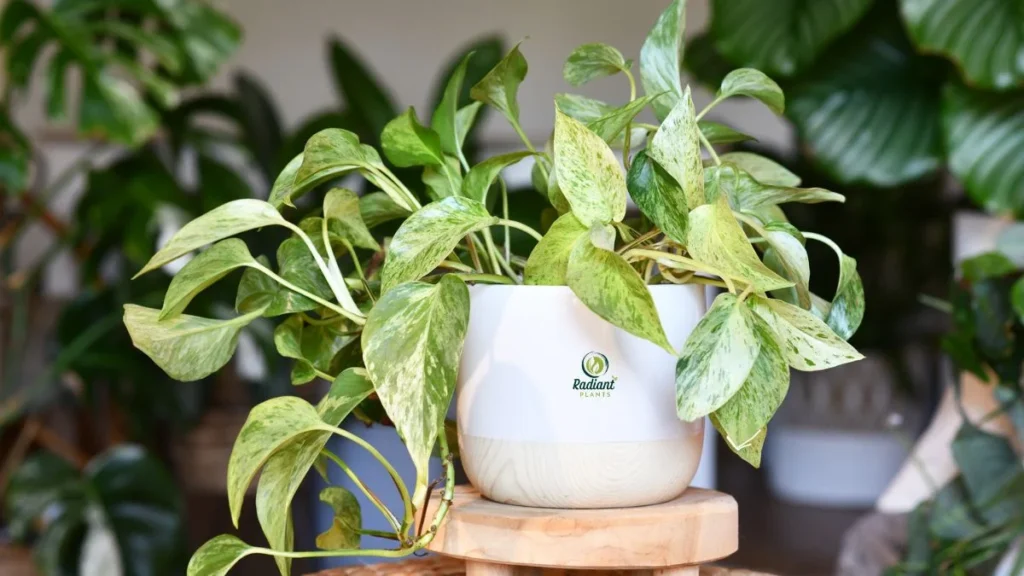
Watering is one of the most important parts of keeping your Marble Queen pothos plant healthy, and fortunately, it’s also one of the easiest once you understand its needs. This plant prefers slightly moist soil but hates sitting in water, which means finding the right balance is key. A consistent watering schedule based on soil moisture—not the calendar—will help prevent both overwatering and underwatering.
How Often Should I Water a Marble Queen Pothos?
Most Marble Queen pothos plants need watering every 7–10 days, but this varies with temperature, humidity, and pot size. Instead of guessing, use the soil check method: insert your finger 1–2 inches into the soil. If it feels dry, it’s time to water. If it’s still slightly damp, wait a day or two.
In summer, the plant grows faster and dries out more quickly, so watering may be needed more often. In winter, growth slows, and the soil stays wet longer, so reduce watering frequency. Indoor gardening experts note that pothos grown in brighter light also drink more water compared to those in lower light.
A good rule of thumb: water deeply until water drains from the bottom, then let the plant dry out partially before watering again. This prevents salt buildup and encourages strong root development.
What Does an Overwatered Pothos Look Like?
Overwatering is the most common mistake with a Marble Queen pothos plant. Early signs include yellow leaves, soft or mushy stems, wilting despite wet soil, or an earthy, sour smell rising from the pot. Severe overwatering can lead to root rot, which causes black, slimy roots and stunted growth.
If you spot these symptoms, it’s important to act quickly. Repot the plant in fresh, well-draining soil, trim damaged roots, and reduce watering until it rebounds. For step-by-step recovery, check out Root Rot Treatment: 7 Proven Ways to Stop the Spread on RadiantPlants.com.
Underwatering, on the other hand, leads to curling leaves, dry soil pulling away from the pot edges, and slower growth. While underwatering is easier to fix, prolonged stress can attract pests like aphids—another reason to keep watering consistently. For prevention tips, see How to Get Rid of Aphids: 5 Mistakes to Avoid.
With steady habits and good soil moisture awareness, you’ll keep your Marble Queen perfectly hydrated and thriving all year long.
Soil, Potting & Repotting Basics
Choosing the right soil and pot is key to keeping your Marble Queen pothos plant healthy and thriving. This plant prefers a well-draining medium and a pot that supports its root structure without holding excess water. Proper potting not only encourages strong growth but also prevents common issues like root rot.
Do Pothos Like Wide or Deep Pots?
Marble Queen pothos plants have relatively shallow root systems, which makes wide pots better than deep ones. A shallow, slightly wider pot allows roots to spread naturally while preventing water from pooling at the bottom. Make sure the pot has drainage holes—this is critical for avoiding soggy soil that can harm the roots. For climbing pothos, a taller pot may be acceptable if you add a support like a moss pole or trellis, but generally, width matters more than depth.
Best Soil Mix for a Healthy Marble Queen
The ideal potting mix should provide excellent aeration and drainage while retaining just enough moisture. A mix for Marble Queen pothos typically includes:
- High-quality potting soil
- Perlite for aeration
- Orchid bark or coco coir for drainage and texture
- An optional small amount of compost for nutrients
This combination, often referred to as an aroid mix, mimics the plant’s natural tropical environment and encourages fast root growth and vibrant foliage. Avoid heavy, clay-based soils or mixes that compact easily, as they can trap water and cause root problems.
When it comes time to repot, usually every 12–18 months, gently loosen the root ball and check for any signs of root rot or compacted soil. Repotting is also a great opportunity to refresh the soil mix and give your Marble Queen a growth boost.
For additional soil care tips, see Croton Plant Care Tips for advice on nutrient-rich, well-draining mixes, and Root Rot Treatment: 7 Proven Ways to Stop the Spread for troubleshooting if overwatering occurs. Proper potting and soil choice are the foundation for a healthy, lush Marble Queen pothos plant.
Growth Habits & Styling Your Marble Queen Pothos Plant
The Marble Queen pothos plant is as versatile as it is beautiful. Its natural growth habit allows it to either trail gracefully or climb upward, making it a favorite for indoor plant enthusiasts who want both style and substance. Understanding these habits helps you decide how to display your plant while promoting healthy growth and vibrant variegation.
Is It Better to Let Pothos Hang or Climb?
Both trailing and climbing forms have unique benefits. Trailing pothos works beautifully in hanging baskets, shelves, or ledges, creating cascading vines that add depth and lush greenery to your space. This style is perfect for adding a soft, flowing touch to corners or brightening up vertical spaces without additional support.
Climbing pothos, however, tends to produce larger leaves and a fuller, more dramatic appearance. Using a moss pole or trellis encourages upward growth and mimics the plant’s natural habitat. Many plant experts note that climbing Marble Queen pothos also helps maintain stronger stems and healthier growth because it supports the plant’s natural vine structure.
When deciding between hanging or climbing, consider your home’s light availability, décor goals, and available space. A combination can also work—let lower vines trail while training the main stems to climb for a dynamic, layered look.
How Long Do Marble Queen Pothos Live?
With proper care, a Marble Queen pothos plant can thrive for 10–15 years or more indoors. Longevity depends on consistent watering, optimal lighting, periodic pruning, and occasional repotting. Regular maintenance not only extends lifespan but also keeps the plant looking fresh, full, and aesthetically appealing.
For styling inspiration, consider pairing your Marble Queen with other variegated or leafy indoor plants. Its creamy white variegation contrasts beautifully with darker foliage, creating a striking visual effect. Check out Easy Ways to Style Your Cane Plant in Any Room for creative ideas, or browse the Interior Greenery & Styling category on RadiantPlants.com to explore more ways to showcase climbing and trailing plants in your home.
By understanding the Marble Queen’s growth habits and exploring styling options, you can ensure your plant thrives while enhancing your living space with natural beauty.
How to Make Your Marble Queen Pothos Plant Grow Faster
If you love watching your Marble Queen pothos plant thrive, there are several proven ways to encourage faster, healthier growth. While this plant is naturally low-maintenance, a few strategic adjustments in care can make a big difference in vine length, leaf size, and overall vitality.
How to Make the Marble Queen Grow Faster?
1. Fertilizing Schedule
Regular feeding provides the nutrients your plant needs for vigorous growth. During the spring and summer months, apply a balanced, water-soluble fertilizer every 4–6 weeks. Avoid over-fertilizing, which can burn the roots and stunt growth. In fall and winter, reduce feeding since growth naturally slows. Fertilization not only boosts growth but also helps maintain the creamy white variegation that makes this pothos so attractive.
2. Light Adjustments for Variegation
Bright, indirect light encourages rapid growth while preserving the striking variegation. If your Marble Queen isn’t growing quickly or leaves are turning mostly green, consider moving it closer to a bright window or supplementing with LED grow lights. Remember, too much direct sunlight can scorch leaves, while too little light slows growth and reduces variegation.
3. Humidity and Pruning
High humidity supports faster growth and healthier leaves. If your home is dry, consider using a humidifier or placing the plant on a tray of water and pebbles. Pruning is another powerful growth booster: regularly trim leggy vines just above a node to encourage bushier growth and more new shoots. This also keeps your plant tidy and full.
With consistent care and attention to light, nutrients, and humidity, your Marble Queen pothos plant can grow faster while staying lush and vibrant. For further inspiration, explore the Red Sister Plant: Why This Tropical Stunner Belongs in Your Garden to see how growth strategies apply across tropical houseplants. You can also browse the Interior Greenery & Styling category for creative ways to display your thriving vines.
A few simple tweaks and your Marble Queen will reward you with longer vines, larger leaves, and a truly stunning indoor presence.
Propagation Made Super Simple
One of the most rewarding aspects of owning a Marble Queen pothos plant is its ease of propagation. With just a few simple steps, you can create new plants to expand your indoor jungle or share with friends. Understanding the basics of pothos propagation ensures your new plants grow healthy and maintain their stunning variegation.
Easy Step-by-Step Propagation Method
The two most popular methods for propagating a Marble Queen pothos plant are water propagation and soil propagation. For water propagation, snip a vine just below a node—the small bump where leaves emerge—and place it in a jar of clean water. Roots typically appear in 2–4 weeks. Be sure to change the water every few days to prevent stagnation.
For soil propagation, prepare a well-draining mix of potting soil, perlite, and orchid bark. Insert the cutting so that the node is buried, and keep the soil lightly moist. Covering the cutting with a clear plastic bag can create a mini greenhouse, boosting humidity and rooting success. Both methods work well, but water propagation lets you monitor root development more easily.
How to Keep Variegation When Propagating
To maintain the beautiful white variegation of the Marble Queen, always select cuttings with variegated nodes. Avoid using entirely green sections, as these will grow predominantly green leaves. Once roots develop, place the new plant in bright, indirect light to encourage balanced growth and preserve variegation. Insufficient light can cause the leaves to lose their signature creamy patterns.
Propagation not only multiplies your plants but also strengthens your skills as an indoor gardener. For more propagation techniques and tropical plant tips, check out Dragon Tail Plant Care: The Ultimate Guide to Growing a Thriving Epipremnum or Ultimate White Princess Philodendron Care on RadiantPlants.com.
With these straightforward steps, your Marble Queen pothos plant can flourish in multiple locations, giving you more lush, variegated greenery to enjoy throughout your home.
Common Mistakes to Avoid With a Marble Queen Pothos Plant
Even though the Marble Queen pothos plant is famously forgiving, small mistakes can slow growth, affect variegation, or even harm the plant. Knowing the most common pitfalls helps you maintain a healthy, thriving vine while avoiding unnecessary stress.
One frequent mistake is placing the plant in too low light. While Marble Queen tolerates low light, insufficient brightness causes leaves to lose their creamy variegation and can result in leggy, sparse growth. Always aim for bright, indirect light to keep your plant looking vibrant.
Overwatering is another common problem. Watering too frequently or using soil that stays soggy can lead to yellowing leaves, mushy stems, and root rot. Using well-draining soil and checking the top 1–2 inches before watering prevents overwatering issues. If you notice early signs of root rot, act quickly by repotting and trimming damaged roots. For detailed recovery tips, see Root Rot Treatment: 7 Proven Ways to Stop the Spread on RadiantPlants.com.
Ignoring pruning is another subtle mistake. Long, leggy vines can weaken the plant and reduce airflow, which encourages pests. Regularly trimming back overgrown stems stimulates fuller growth and keeps your Marble Queen looking neat and lush.
Lastly, don’t overlook pest prevention. Aphids, spider mites, and mealybugs can appear if the plant is stressed by low light or inconsistent watering. Maintaining proper care routines reduces pest risk, but if issues arise, consult 5 Mistakes to Avoid When Treating Aphids for actionable guidance.
By avoiding these common mistakes—low light, overwatering, improper potting, and neglecting pruning—you’ll ensure your Marble Queen pothos plant thrives beautifully. With consistent attention and proper care, your plant can remain a stunning centerpiece in your home for years to come.
FAQs — Quick Answers for Marble Queen Pothos Plant Owners
How do you care for a Marble Queen pothos?
Caring for a Marble Queen pothos plant is simple: provide bright, indirect light, water when the top 1–2 inches of soil is dry, and use a well-draining aroid mix. Regular pruning encourages bushier growth, and occasional feeding with a balanced fertilizer supports vibrant variegation. For more tips, see Watering the Marble Queen Pothos Plant the Right Way and Soil, Potting & Repotting Basics.
Is Marble Queen easy?
Yes, the Marble Queen pothos is beginner-friendly. Its low-maintenance nature, tolerance for a range of light conditions, and forgiving watering habits make it perfect for first-time indoor gardeners. The main focus is to avoid overwatering and provide enough indirect light to maintain variegation.
Do marble queen pothos need sunlight?
They need bright, indirect sunlight to maintain their creamy white variegation. Direct sun can scorch the leaves, while low light can turn leaves greener and slow growth. East-facing or north-facing windows are ideal, or supplement with LED grow lights if natural light is limited.
How often should I water a marble queen pothos?
Water when the top 1–2 inches of soil are dry. Typically, this is every 7–10 days, depending on season, pot size, and indoor humidity. Overwatering can cause yellow leaves and root rot, while underwatering leads to curling leaves and slower growth. Check soil moisture before watering.
Is it better to let pothos hang or climb?
Both work beautifully. Trailing vines add cascading décor, while climbing encourages larger leaves and fuller growth when supported by a moss pole or trellis. Choose based on your space, style, and whether you want a bushier or cascading appearance.
How to make the marble queen grow faster?
Provide bright indirect light, feed every 4–6 weeks during active growth, prune leggy stems, and maintain moderate humidity. These steps boost vine length, leaf size, and overall health. For detailed growth tips, see How to Make Your Marble Queen Pothos Plant Grow Faster.
How long do marble queen pothos live?
With proper care, a Marble Queen pothos plant can live 10–15 years or longer indoors. Consistent watering, proper light, occasional pruning, and repotting when needed ensure longevity and continuous vibrant growth.
Do pothos like wide or deep pots?
Shallow, slightly wider pots are best for Marble Queen pothos because of its shallow root system. Ensure pots have drainage holes to prevent waterlogging. Deep pots can be used for climbing stems, but width is generally more important than depth.
Is the marble queen pothos rare?
The plant itself is common and widely available, but specimens with high variegation—mostly white leaves—are more sought-after. These slow-growing, highly variegated plants can appear exclusive due to their unique leaf patterns.
How to make your Pothos happy?
Keep it in bright, indirect light, water appropriately, use well-draining soil, and maintain moderate humidity. Regular pruning and occasional feeding also encourage fuller growth and healthier leaves. Happy plants show vibrant variegation and strong vines.
Can Pothos survive with only LED light?
Yes. Marble Queen pothos can thrive under full-spectrum LED grow lights. Use daylight-spectrum LEDs (5000–6500K) 10–12 hours per day, keeping the lights 8–12 inches above the plant for balanced growth and preserved variegation. See UV Light for Plants for lighting tips.
What does an overwatered Pothos look like?
Signs include yellowing leaves, mushy stems, and soil that smells sour. Severe overwatering can lead to root rot with black, slimy roots. To recover, repot in fresh, well-draining soil and reduce watering. For detailed treatment, see Root Rot Treatment: 7 Proven Ways to Stop the Spread.
Caring for a Marble Queen pothos plant is easier than it seems, yet incredibly rewarding. With its stunning creamy-white variegation, forgiving nature, and versatility as a trailing or climbing vine, it adds instant elegance to any indoor space. By providing bright, indirect light, maintaining a consistent watering schedule, using well-draining soil, and occasionally pruning, you can keep your plant healthy, vibrant, and thriving for years.
This pothos variety is perfect for beginners and seasoned plant lovers alike. Its low-maintenance habits, combined with easy propagation and long lifespan, make it a versatile addition to your indoor garden. Whether you prefer cascading vines in a hanging basket or a bold climbing display on a moss pole, the Marble Queen adapts beautifully to your style and space.
Ready to bring one home or grow your collection further? Start with your own Marble Queen pothos and watch it flourish! For more inspiration and expert tips, explore Red Sister Plant or browse our Interior Greenery & Styling category for creative ways to showcase your lush indoor plants. Embrace the joy of easy, beautiful greenery and let your indoor jungle thrive.