Indoor spaces with limited sunlight can make growing plants feel impossible, leaving many beginners frustrated with wilted leaves and slow growth. Fortunately, not all houseplants need bright windows to thrive. In this guide, you’ll discover the best low light indoor house plants that survive in dim corners, offices, and apartments while adding beauty and freshness to your space. We’ll cover plant traits, placement tips, watering schedules, and common beginner mistakes, giving you the confidence to choose the right plant for your home. By the end, you’ll know exactly which hardy plants fit your lighting conditions and how to care for them successfully.
In This Article
Plant | Survival Level | Water Needs | Pet Friendly | Best Placement | Notes |
|---|---|---|---|---|---|
Snake Plant | Very high | Every 2–4 weeks | No | Bedrooms, offices, corners | Slow growth; extremely forgiving |
ZZ Plant | Very high | Every 2–4 weeks | No | Low-light living rooms, offices | Stores water in rhizomes; tolerates neglect |
Pothos | High | Every 1–2 weeks | No | Shelves, desks, apartments | Fast-growing vine; easy propagation |
Cast Iron Plant | Very high | Every 2–3 weeks | Generally yes | Dark corners, hallways | Slow grower; highly durable in shade |
Chinese Evergreen | High | Every 1–2 weeks | No | Living rooms, offices | Patterned foliage; moderate care |
Peace Lily | Medium | About weekly | No | Bedrooms, shaded living spaces | Produces flowers in low light; sensitive to overwatering |
Parlor Palm | High | Every 1–2 weeks | Yes | Bedrooms, offices | Graceful fronds; slow growth; tolerates indirect light |
What “Low Light” Really Means Indoors
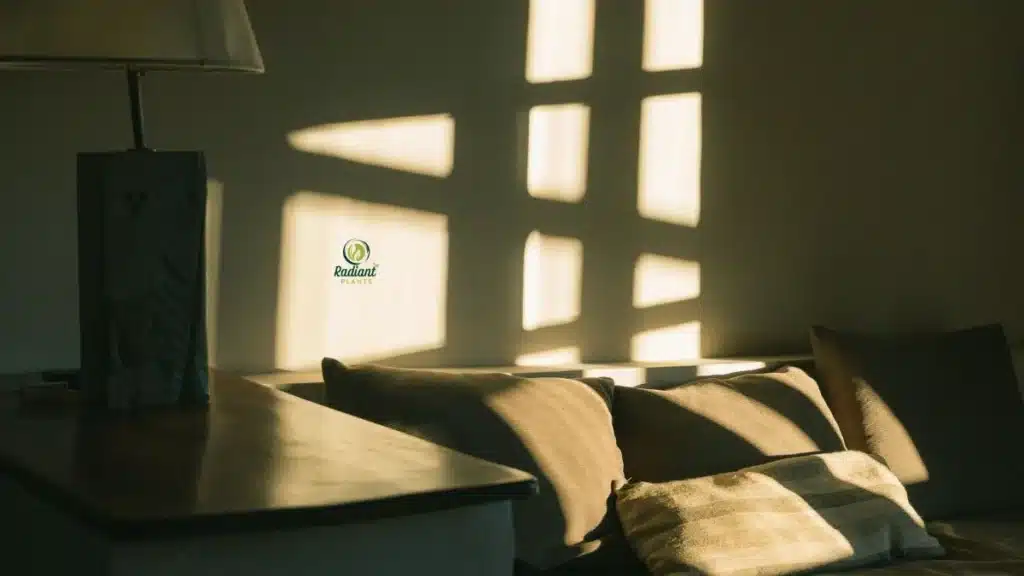
Low light indoors means areas that receive indirect, limited natural light, typically several feet away from windows or in rooms with small or shaded windows. It does not mean complete darkness — all low light indoor house plants still need some light to photosynthesize and stay alive. Think “dim but visible,” not “closet dark.”
Low Light in Real-Home Terms
In everyday homes, low light usually looks like:
- 5–10 feet away from a window with no direct sun
- North-facing rooms where sunlight is soft and indirect
- Rooms with curtains, blinds, or nearby buildings blocking light
- Spaces lit mostly by lamps instead of daylight
If you can comfortably read during the day without turning on lights, the room likely qualifies as low light. If it feels gloomy even at noon, you may be approaching too dark for most plants.
Example scenarios:
- A living room corner far from sliding doors
- A bedroom with one small window shaded by trees
- An office cubicle with overhead lighting
- A bathroom with a frosted or tiny window
These are the environments where low light indoor house plants like snake plant and ZZ plant typically perform best (we’ll cover specific plant matches in the placement section).
Low Light vs. No Light
This is where beginners get misled.
Condition | What It Means | Plant Survival? |
|---|---|---|
Low Light | Indirect daylight, shaded rooms, and artificial light support | Yes, with tolerant plants |
No Light | Windowless rooms, closets, lights off most of the day | No, long-term survival is unlikely |
Even the toughest plants cannot live in total darkness because photosynthesis requires light energy.
Expert tip: If you must place a plant in a windowless room, rotate it into a brighter space every 1–2 weeks or supplement with a grow light.
Homes That Commonly Have Low Light
Low light conditions are especially common in:
- Apartments surrounded by other buildings
- Basement units or lower-level rooms
- Bathrooms with privacy windows
- Offices relying on fluorescent or LED lighting
- Homes in dense urban areas with limited sun exposure
This is why searches for low light indoor house plants are strongly tied to apartment living and office décor — people are adapting greenery to architectural limits.
Why Some Plants Adapt to Shade
Plants that handle low light typically:
- Grow more slowly, so they need less energy
- Have broad or dark green leaves that capture more light
- Store water in leaves or roots, helping them survive slower growth periods
These traits allow plants like pothos and cast iron plant to tolerate dimmer rooms better than sun-loving species like succulents.
Expert Light Expectations for Beginners
- Low light = slower growth, not no growth
- Expect fewer new leaves than in bright rooms
- Watering needs decrease because the soil dries more slowly
- If stems stretch or leaves shrink, the plant likely needs slightly more light
Understanding this prevents one of the biggest beginner mistakes: assuming low light plants behave like bright-light plants.
Why Some Plants Survive Low Light (Simple Science)
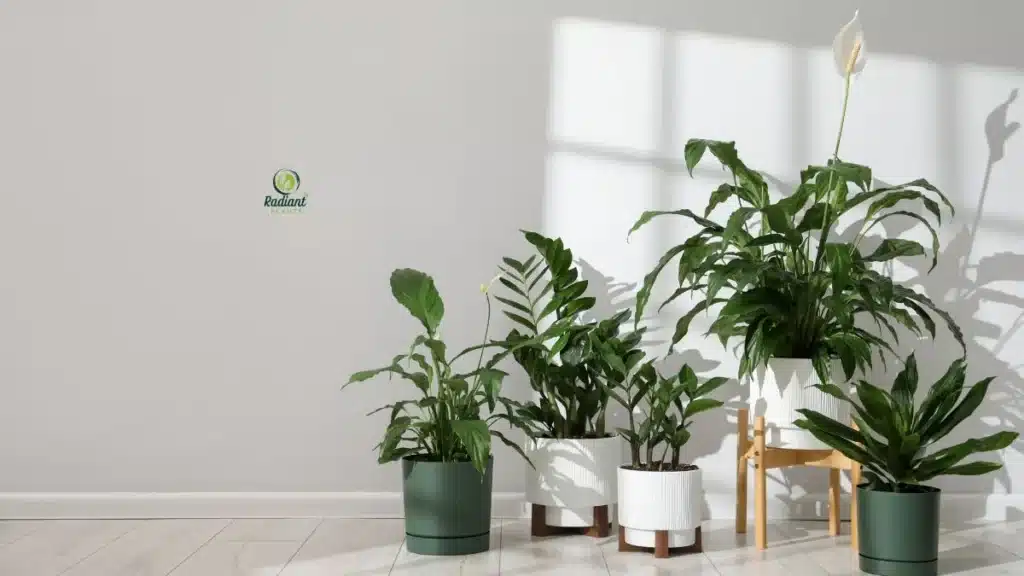
Some low light indoor house plants survive because their leaves are built to capture limited light efficiently, and their growth habits require less energy overall. These plants evolved in forest understories where sunlight is filtered, so they’re adapted to shade rather than direct sun. Their structure and metabolism help them stay alive—even when light is not ideal
Leaf Structure & Energy Use
Shade-tolerant plants typically have:
- Broader leaves to catch more available light
- Darker green color from higher chlorophyll content, improving light absorption
- Leaf surfaces are designed to function under indirect or filtered light
This allows plants like pothos and peace lily to photosynthesize in dimmer spaces where sun-loving plants would struggle to thrive.
Example traits:
- Pothos → wide, flexible leaves that maximize light capture
- Chinese evergreen → large patterned leaves suited for shade
- Cast iron plant → tough foliage adapted to deep shade conditions
Slow Growth = Lower Light Demand
Plants that tolerate low light usually grow more slowly, meaning they need less energy from photosynthesis.
Fast-growing plants require strong light to fuel the rapid growth of their leaves and stems. In contrast, many beginner-friendly low light indoor house plants focus on survival over speed.
What this means for beginners:
- Fewer new leaves are normal
- Growth pauses in winter or darker months
- Overwatering becomes a bigger risk because the plant uses water more slowly
(We’ll connect this to watering schedules in the care section.)
Thick Leaves vs. Thin Leaves
Leaf thickness also plays a role in shade tolerance:
Leaf Type | Survival Advantage in Low Light |
|---|---|
Thick or waxy leaves | Store water and energy, tolerate stress |
Thin, delicate leaves | Often adapted to filtered forest light |
Examples:
- ZZ plant → thick, glossy leaves that store resources
- Snake plant → succulent-like leaves that conserve water
- Parlor palm → thin leaves but evolved for shaded jungle floors
These structural traits explain why some plants handle low light indoor conditions better than others—and why succulents (which need intense light despite thick leaves) are a poor fit for dim rooms.
Understanding these traits helps you choose plants that match your home’s light levels instead of fighting against natural plant biology.
Quick Comparison of the Best Beginner Low-Light Plants
If you’re new to indoor gardening, some low light indoor house plants are far more forgiving than others. The best beginner picks tolerate missed waterings, adapt to dim rooms, and don’t decline quickly if conditions aren’t perfect. This overview helps you narrow choices before diving into individual plant care details.
How to Use This Comparison
Focus on three things first:
- Survival level — how hard the plant is to kill
- Water needs — low light means soil dries slowly
- Room match — placement affects success more than fertilizer
(We’ll break down each plant’s full care, placement, and common mistakes in the detailed sections below.)
What This Means for Beginners
- If you want maximum survival, start with a snake plant or a ZZ plant.
- If you want a trailing plant, pothos is more forgiving than most vines.
- If pets are in the home, plant choice becomes critical — always verify safety using trusted databases like the ASPCA.
This comparison gives you a shortcut decision system before choosing the right low light indoor house plants for your specific room and care style.
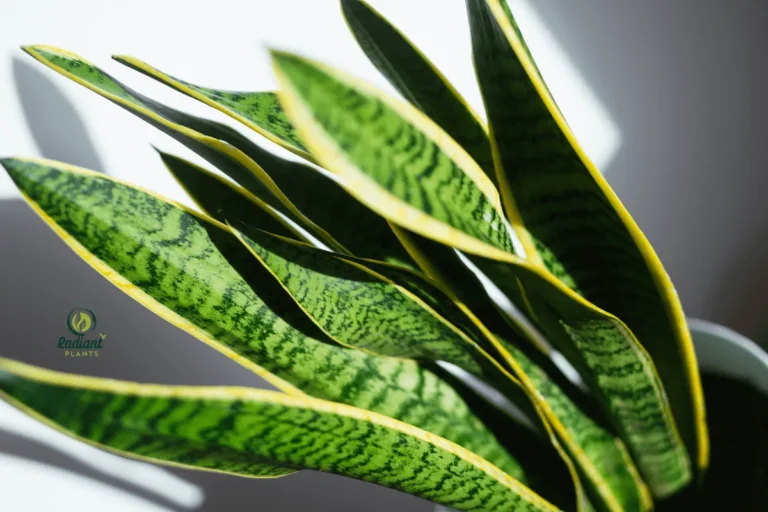
Snake Plant (Sansevieria)
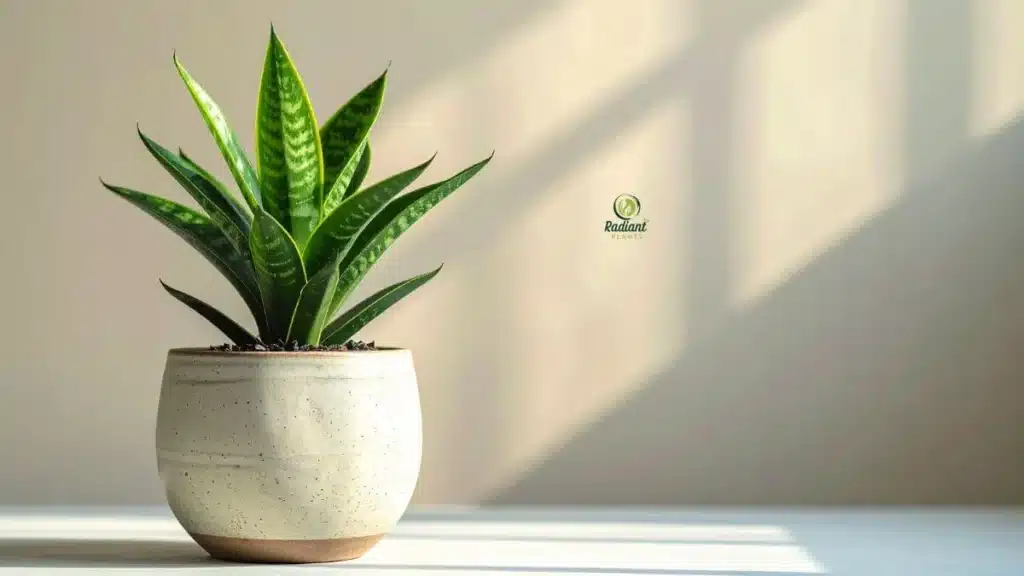
Snake plant is one of the toughest low light indoor house plants you can own. It tolerates dim rooms, irregular watering, and dry indoor air better than most houseplants. For beginners who worry about killing plants, this is a low-risk starting point.
Why It’s Perfect for Beginners
- Handles missed waterings without collapsing
- Tolerates low light to moderate indirect light
- Grows slowly, so it doesn’t demand constant care
- Thick, upright leaves store water, helping it survive neglect
Snake plants evolved in dry regions and can manage indoor stress well.
Expert tip: If you travel or forget watering schedules, this plant is more forgiving than leafy tropical plants.
Light & Placement
Snake plants survive in low light but grow faster in bright indirect light.
Good spots:
- Bedroom corners
- Offices with overhead lighting
- Hallways with indirect daylight
- Living rooms 6–10 feet from a window
Avoid placing in total darkness long-term — growth will stall, and leaves may weaken.
Example: A snake plant near a north-facing window or under consistent room lighting usually performs well.
Watering Schedule
Overwatering is the main risk.
- Water every 2–4 weeks in low light
- Let the soil dry completely between waterings
- Reduce watering further in winter
Snake plants are prone to root rot if the soil stays wet.
Expert tip: Use a pot with drainage holes and a well-draining soil mix.
Common Problems
Problem | Cause | Fix |
|---|---|---|
Yellowing, mushy leaves | Overwatering | Let the soil dry, and improve drainage |
Wrinkled leaves | Severe underwatering | Water thoroughly, then resume normal schedule |
Slow or no growth | Very low light | Move slightly closer to the light source |
Common beginner mistakes:
- Watering on a strict weekly schedule
- Using pots without drainage
- Placing the plant in a windowless room long-term
Snake plant success comes from less attention, not more — a key rule when choosing low light indoor house plants.
ZZ Plant (Zamioculcas zamiifolia)
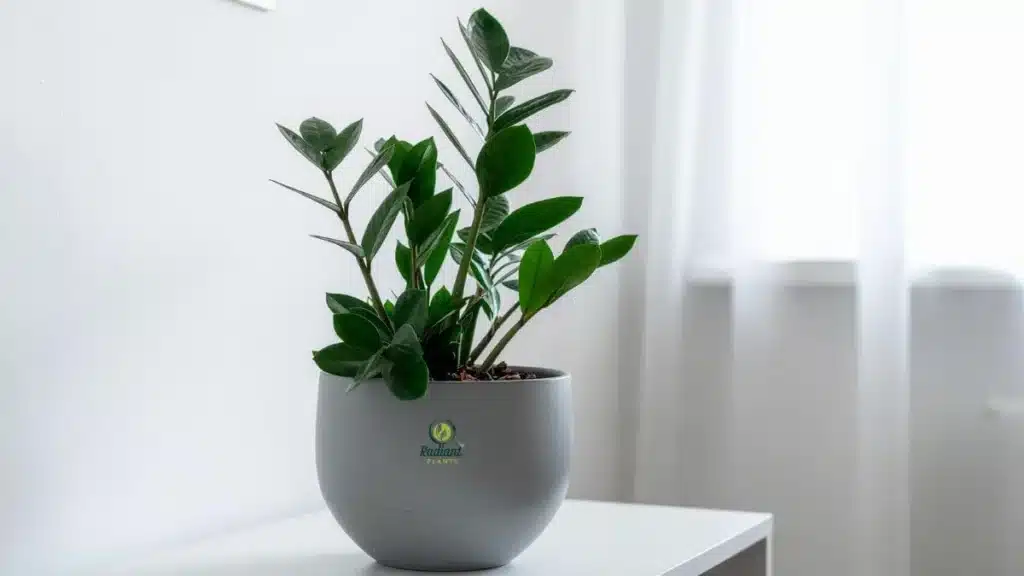
The ZZ plant is one of the most resilient low light indoor house plants, known for surviving neglect and inconsistent care. It tolerates dim rooms better than most foliage plants and rarely shows stress unless overwatered. For beginners, it’s a reliable choice when light and attention are limited.
Why It Tolerates Neglect
- Stores water in thick underground rhizomes
- Glossy, firm leaves reduce water loss
- Slow growth means lower energy and light demand
These adaptations help it survive dry soil and indoor stress.
Expert tip: If you’re unsure whether to water, wait a few more days — ZZ plants prefer drying out.
Light & Placement (Handles Very Dim Rooms)
ZZ plants tolerate:
- North-facing rooms
- Offices with fluorescent or LED lighting
- Corners far from windows
They grow faster in moderate indirect light but can maintain health in lower light than most houseplants.
Example placements:
- Office desk with overhead lighting
- Living room corner 8–12 feet from a window
- Bedroom with filtered daylight
Avoid total darkness long term, as photosynthesis still requires light.
Watering Frequency
Overwatering is the primary cause of failure.
- Water every 2–4 weeks in low light
- Allow the soil to dry fully between waterings
- Reduce watering in winter when growth slows
Expert tip: Use a fast-draining potting mix and a container with drainage holes to prevent root rot.
Common Mistakes
Mistake | Why It Happens | Fix |
|---|---|---|
Yellow stems, soft base | Overwatering | Let the soil dry, and improve drainage |
Very slow growth | Low light + natural growth habit | Normal — avoid overcompensating with water |
Leaf drop after moving | Sudden environmental change | Give time to adjust, avoid frequent relocation |
ZZ plants succeed when left alone — a pattern you’ll see with many low light indoor house plants adapted to slow, steady survival.
Pothos (Devil’s Ivy)
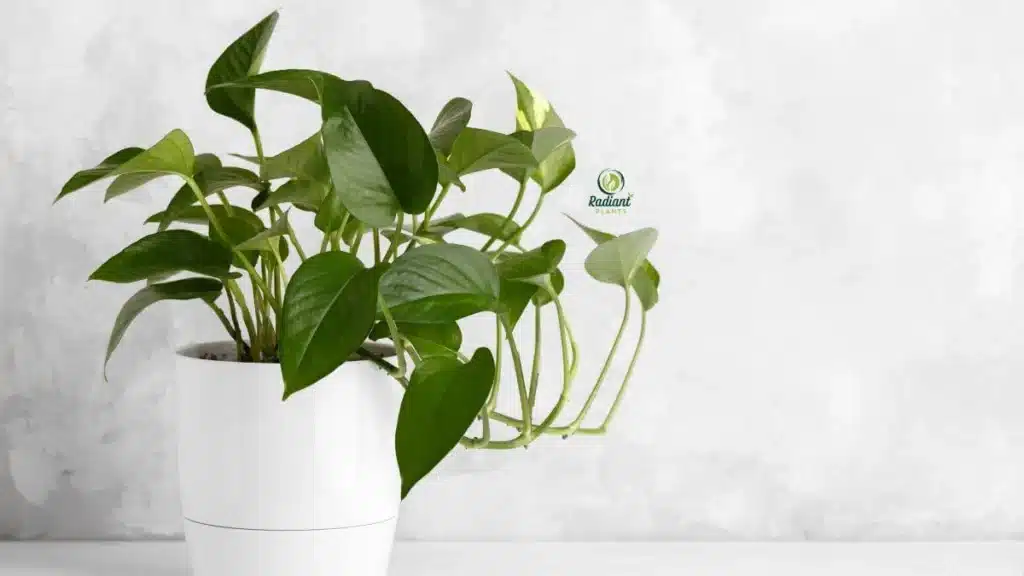
Pothos is one of the most adaptable low light indoor house plants and a great choice if you want trailing vines. It tolerates dim rooms, office lighting, and occasional care mistakes while still looking full and decorative. For beginners, it combines durability with fast visual impact.
Why It Works Well Indoors
- Flexible vines grow in hanging baskets or trail from shelves
- Leaves tolerate a wide range of indoor light conditions
- Recovers well if care isn’t perfect
Pothos naturally grows under forest canopies, which explains its ability to handle indirect and lower light.
Light Tolerance Range
Pothos survives in low light but grows faster and shows better leaf color in moderate indirect light.
- Low light → slower growth, smaller leaves
- Medium indirect light → fuller vines, stronger variegation
- Avoid prolonged direct sun, which can scorch leaves
Examples (placement ideas):
- On a bookshelf in a living room, away from windows
- Hanging near an office desk under overhead lighting
- On top of cabinets where vines can trail downward
- Bathroom shelves with indirect daylight
Watering & Care Basics
- Water when the top 1–2 inches of soil feel dry
- In low light, this may be every 1–2 weeks
- Drooping leaves often signal thirst and recover quickly after watering
Expert tip: Trim vines occasionally to encourage bushier growth instead of long, sparse stems.
Extra Beginner Advantages
- Easy to propagate in water from cuttings
- Handles dry indoor air well
- Visually softens shelves and vertical spaces
Because of its trailing habit and resilience, pothos fills a different design role than upright plants like snake plant or ZZ plant, giving beginners more flexibility when choosing low light indoor house plants for small or vertical spaces.
Cast Iron Plant
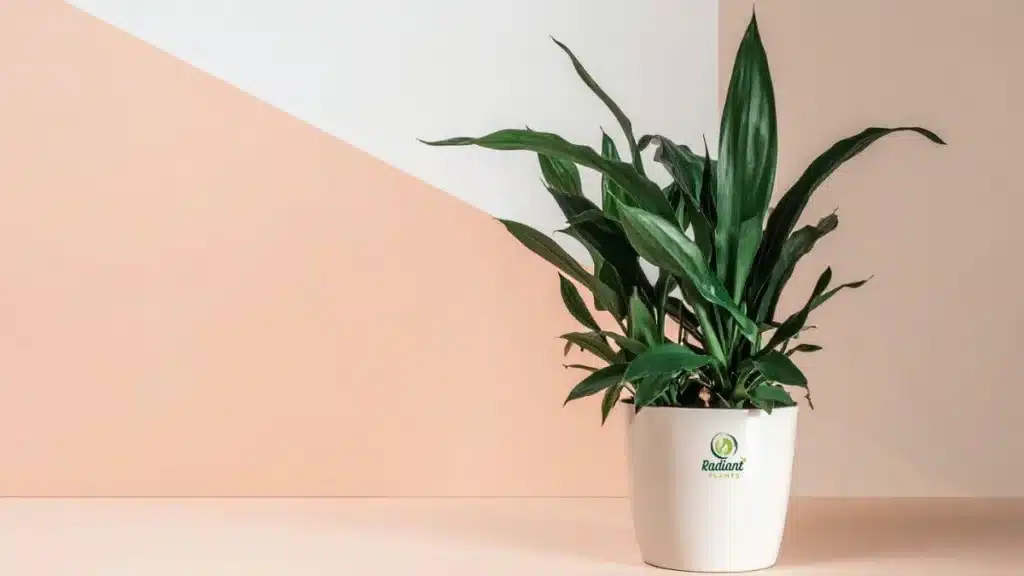
Cast iron plant earns its name for a reason—it’s one of the toughest low light indoor house plants available. It tolerates deep shade, irregular watering, and typical indoor temperature swings without declining quickly. For beginners with darker homes, it’s a reliable long-term plant.
Extreme Durability
- Handles low light, dust, and indoor dryness better than many tropical plants
- Thick, leathery leaves resist stress
- Rarely suffers from pests compared to softer-leaf species
This resilience comes from its natural habitat in shaded forest floors.
Expert tip: Wipe leaves occasionally to remove dust so they can absorb light more efficiently.
Slow Growth in Low Light
Cast iron plant grows slowly, especially in dim rooms.
- Fewer new leaves per year is normal
- Slow growth means lower water and fertilizer needs
- Overwatering is more dangerous than underwatering
Beginners often mistake slow growth for poor health, but this plant prioritizes survival over speed—similar to snake plant and ZZ plant in low light indoor environments.
Ideal for Dark Corners
This plant performs well where others struggle:
Examples:
- Hallway corners with indirect daylight
- Living room spaces far from windows
- Offices lit mainly by overhead fixtures
- Entryways without direct sun
While it tolerates deep shade, complete darkness long-term still limits survival.
Expert tip: Use a pot with drainage and allow soil to dry between waterings, typically every 2–3 weeks in low light.
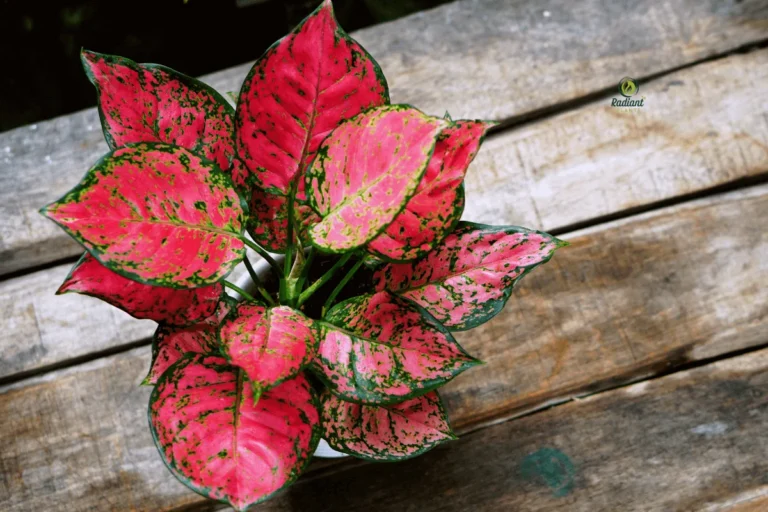
Chinese Evergreen
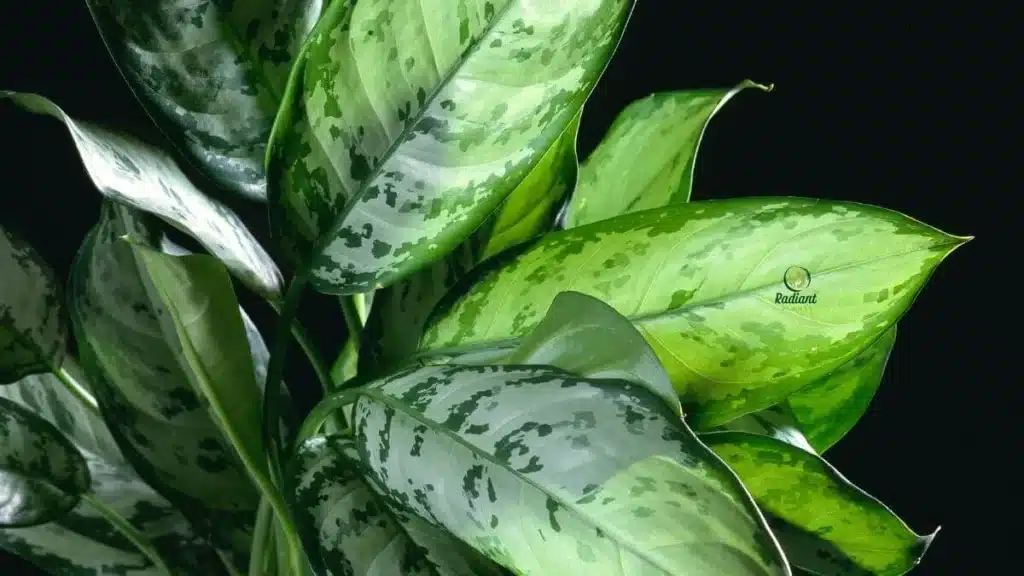
Chinese evergreen is a popular low light indoor house plant known for its patterned, decorative foliage and adaptability to typical home conditions. It tolerates dim rooms better than many colorful plants, making it a good balance between beauty and resilience. For beginners, it offers visual interest without demanding constant care.
Why It’s a Good Low-Light Choice
- Broad leaves help capture limited indoor light
- Tolerates dry indoor air and stable room temperatures
- Many varieties feature silver, green, or red patterns
Chinese evergreen naturally grows on shaded tropical forest floors, which explains its shade tolerance.
Examples:
- Living room corners with indirect daylight
- Office desks under overhead lighting
- Bedrooms with filtered morning light
Care Basics
- Water when the top inch of soil feels dry (often every 1–2 weeks in low light)
- Avoid cold drafts and sudden temperature changes
- Benefits from occasional leaf cleaning to improve light absorption
It grows more slowly in dim spaces, similar to other low light indoor house plants like the ZZ plant and cast iron plant.
Common Mistakes
Mistake | Why It Happens | Fix |
|---|---|---|
Yellow leaves | Overwatering or poor drainage | Let the soil dry more, and ensure drainage holes |
Leaf drop | Cold air or sudden environmental change | Keep in stable indoor temperatures |
Faded leaf color | Very low light | Move slightly closer to the indirect light |
Chinese evergreen handles beginner care well, but success still depends on avoiding excess water—one of the biggest risks in low-light environments.
Peace Lily
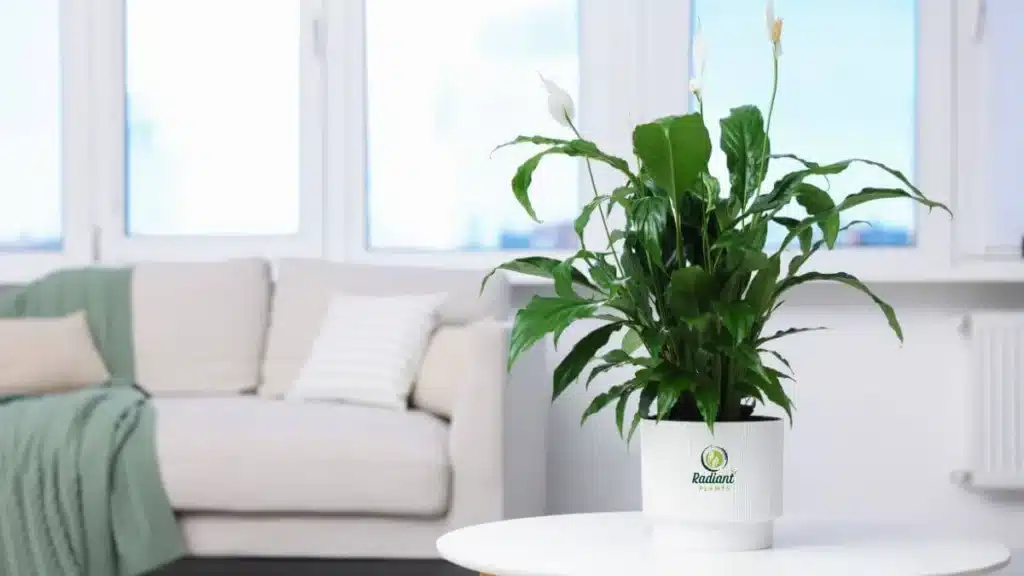
Peace lily is one of the few low light indoor house plants that can produce flowers indoors, even in shaded rooms. It offers both foliage and blooms, but it’s more sensitive than ultra-tough plants like snake plant or ZZ plant. Beginners can grow it successfully with consistent watering and proper placement.
Why It’s a Good Low-Light Flowering Option
- Tolerates low to moderate indirect light
- Produces white spathes (often mistaken for flowers) under suitable conditions
- Large leaves help capture limited light
Peace lilies naturally grow in shaded tropical environments, which supports their indoor shade tolerance.
Example placements:
- Living rooms with filtered daylight
- Bedrooms near north-facing windows
- Offices with steady overhead lighting
Signs It Needs Water
Peace lily is known for clearly signaling thirst.
- Leaves droop noticeably when the soil is dry
- The plant usually perks up within hours after watering
- Soil should be kept slightly moist but not soggy
In low light, watering may be needed about once a week, depending on room conditions.
Expert tip: Use room-temperature water and ensure excess drains out to reduce root rot risk.
Sensitivity Compared to Other Low-Light Plants
Unlike the snake plant or the cast iron plant, the peace lily reacts more quickly to stress.
- Sensitive to overwatering and poor drainage
- Leaves may brown at the tips if the humidity is very low
- Growth slows significantly in very dim rooms
This makes it a moderate-care option among low light indoor house plants.
Common Mistakes
Mistake | Why It Happens | Fix |
|---|---|---|
Yellow leaves | Overwatering | Improve drainage, water less frequently |
Brown leaf tips | Dry air or mineral buildup | Increase humidity, use filtered water |
No flowers | Very low light | Move to brighter indirect light |
Expert tip: Wipe leaves occasionally to remove dust so the plant can absorb available light more effectively.
Parlor Palm
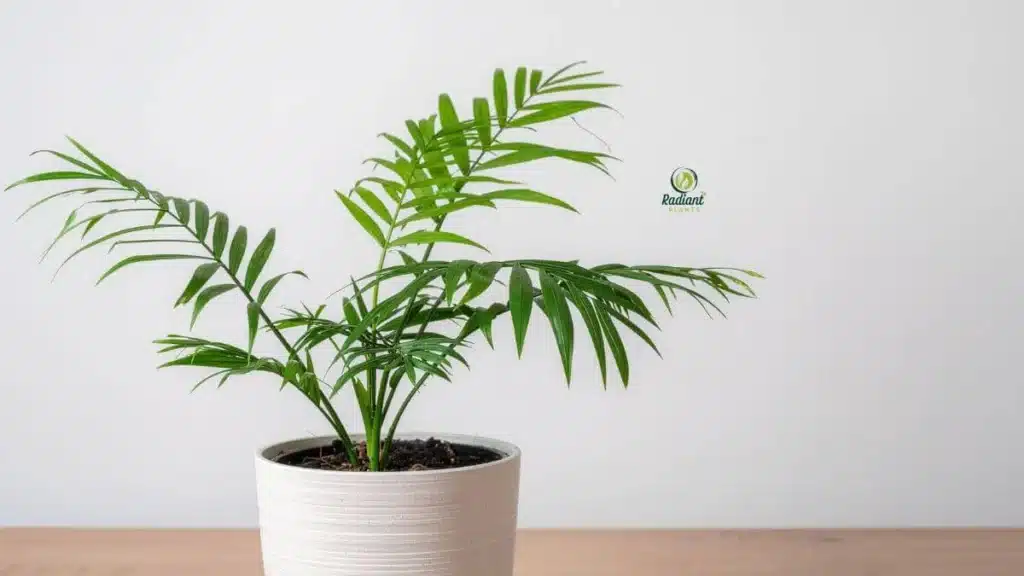
Parlor palm is a classic low light indoor house plant that brings a tropical feel to homes and offices without demanding much care. It grows slowly, tolerates shade, and adapts well to typical indoor conditions, making it ideal for beginners. Its graceful fronds add height and texture to low-light corners.
Why It’s Suitable for Low Light
- Naturally grows under forest canopies, adapted to indirect light
- Can survive in rooms with north-facing windows or limited sunlight
- Slow growth means it requires less frequent watering and maintenance
Placement Examples
- Bedrooms in shaded corners
- Living rooms 6–10 feet from windows
- Offices with overhead fluorescent or LED lighting
- Hallways or entryways with minimal daylight
Expert tip: Rotate the plant occasionally to maintain even growth on all sides and prevent leaning toward light sources.
Care Highlights
- Keep soil slightly moist, allowing the top inch to dry between waterings
- Avoid drafts or sudden temperature changes
- Wipe fronds to remove dust and maximize light absorption
Parlor palm combines visual appeal with durability, making it one of the most beginner-friendly options among low light indoor house plants.
Where to Place Low Light Plants (Room-by-Room Guide)
Low light indoor house plants thrive when placed in areas with indirect or filtered light, even if sunlight is limited. Choosing the right room ensures survival, reduces stress, and makes care easier for beginners. Strategic placement also highlights the plant’s natural beauty while minimizing the risk of overwatering or etiolation.
Room-by-Room Placement Guide
Bedrooms
- Ideal for snake plant, ZZ plant, or parlor palm
- Place near a north-facing window or several feet from east/west windows
- Avoid direct sun through windows that can scorch leaves
Example: Snake plant on a bedside table or ZZ plant in a corner behind a dresser.
Bathrooms
- Works for plants tolerant of humidity and lower light, like pothos or peace lily
- Even small frosted or privacy windows provide enough light
- High humidity benefits tropical low-light plants
Example: Pothos trailing from a shelf or hanging basket above the sink.
Offices
- Many low-light plants survive under fluorescent or LED lighting
- Ideal for snake plant, ZZ plant, pothos, or Chinese evergreen
- Keep away from direct airflow from vents
Example: ZZ plant on a desk or snake plant in a corner behind a chair.
Hallways
- Narrow or windowless hallways can accommodate cast iron plant or a parlor palm
- Rotate occasionally to give exposure to indirect light from nearby rooms
- Choose hardy species to tolerate occasional low activity in low light
Example: Cast iron plant on a small stand near a hallway console table.
Low Light Plant Placement Checklist
- The room has indirect natural light or steady artificial light
- The plant is not in complete darkness long-term
- Humidity and temperature are consistent
- Traffic patterns won’t damage foliage
- Easy access for occasional watering
By evaluating rooms this way, beginners can match low light indoor house plants to spaces where they naturally thrive, making long-term care simpler and more reliable.
How Often to Water Low-Light Plants
Low light indoor house plants require less frequent watering than their bright-light counterparts because the soil dries more slowly. Overwatering is the most common beginner mistake, while underwatering is easier to correct. Understanding signs of moisture stress and adjusting for seasonal changes ensures healthy growth.
Soil Drying Speed in Low Light
- Low light slows plant metabolism, so soil stays damp longer
- Check the top 1–2 inches of soil before watering
- Avoid rigid schedules; instead, water only when the soil is partially dry
Expert tip: Stick a finger into the soil or use a moisture meter to confirm dryness before watering.
Signs of Overwatering vs Underwatering
Issue | Signs | Action |
|---|---|---|
Overwatering | Yellow, mushy leaves; root rot | Let the soil dry completely, and repot in a well-draining mix if needed |
Underwatering | Drooping leaves, dry soil | Water thoroughly, ensure even drainage |
- Most low light plants, including snake plant, ZZ plant, and cast-iron plant, are more tolerant of underwatering than overwatering.
- Drooping leaves in low light often indicate thirst, unlike in high light, where it could signal heat stress.
Seasonal Adjustments
- Winter: Growth slows; water less frequently (sometimes every 3–4 weeks for tough plants)
- Spring/Summer: Moderate growth; follow standard drying checks
- Humidity Considerations: Low indoor humidity may slightly increase watering needs, while high humidity reduces them.
Low Light Plant Watering Checklist
- Check the top 1–2 inches of soil before watering
- Use a pot with drainage holes
- Adjust frequency seasonally
- Avoid leaving water pooled in the saucer
- Observe leaves regularly for early signs of stress
Expert tip: Combine watering checks with light checks—if a plant is very dimly lit, reduce water further to prevent root rot. Proper watering is one of the most important steps for success with low light indoor house plants.
Why Low Light Plants Still Die (Beginner Mistakes)
Even the hardiest low light indoor house plants can fail if basic care principles are ignored. The most common causes include overwatering, poor drainage, extreme darkness, cold drafts, and failing to notice early warning signs. Understanding these pitfalls is key to keeping plants healthy and thriving in low-light conditions.
Overwatering
- Low light slows soil drying, so frequent watering leads to root rot
- Symptoms: yellowing leaves, mushy stems, wilting despite wet soil
- Solution: water only when the top 1–2 inches of soil are dry
Example: Snake plant and ZZ plant often fail due to overwatering rather than low light.
No Drainage
- Pots without drainage holes trap water, increasing the risk of root rot
- Even well-draining soil cannot compensate for standing water
- Always choose containers with drainage and consider saucers for excess water
Expert tip: Elevate pots slightly to prevent water from sitting at the base.
Too Dark for Survival
- “Low light” ≠ total darkness; all plants need some light to photosynthesize
- Symptoms: stretched stems, pale or small leaves, stunted growth
- Solution: place plants near indirect light or supplement with grow lights if necessary
Example: Cast iron plant and parlor palm survive dim rooms but will weaken in windowless hallways.
Cold Drafts
- Sudden cold air damages leaves and slows metabolism
- Common in front of AC vents, poorly insulated windows, or drafty doors
- Solution: place plants away from direct airflow or use draft shields
Ignoring Early Warning Signs
- Drooping, yellowing, or brown leaves indicate stress
- Early detection allows corrective measures such as adjusting light, water, or humidity
- Frequent inspection prevents minor issues from becoming fatal
Common Mistakes Summary
Mistake | Why It Kills Plants | How to Fix |
|---|---|---|
Overwatering | Roots rot quickly in low light | Water only when the soil is partially dry |
No drainage | Water pools at the bottom | Use pots with holes and well-draining soil |
Too dark | Photosynthesis halts | Place near indirect light or use a grow light |
Cold drafts | Leaf damage and slowed growth | Avoid drafty locations |
Ignoring signs | Problems worsen unnoticed | Check leaves and soil weekly |
By avoiding these pitfalls, beginners can significantly increase the survival rate of low light indoor house plants and enjoy healthy, long-lasting greenery in their homes.
Beginner Care Checklist for Low Light Plants
Caring for low light indoor house plants doesn’t have to be complicated, but following a few key practices ensures survival and healthy growth. The most important factors are proper potting, careful watering, light management, and routine leaf care. This checklist helps beginners avoid the common mistakes that lead to plant stress or decline.
Essential Care Steps
- Use a pot with drainage
- Prevents water from pooling at the bottom, reducing root rot risk
- Example: Snake plant or ZZ plant in a ceramic pot with drainage holes
- Don’t water on a strict schedule
- Low light slows soil drying; check soil moisture before watering
- Finger test or moisture meter recommended
- Rotate plants occasionally
- Ensures even growth and prevents leaning toward light sources
- Example: Rotate pothos or parlor palm every 2–3 weeks
- Wipe leaves regularly
- Removes dust so leaves can absorb available light efficiently
- Helps prevent pests and promotes photosynthesis
- Watch for yellow leaves
- Early signs of overwatering, low light stress, or nutrient deficiency
- Adjust care immediately to prevent further decline
Beginner Care Checklist
- The pot has drainage holes
- Soil dries partially before next watering
- Plant rotated every few weeks
- Leaves wiped clean of dust
- Monitor for yellowing or drooping leaves
Following this routine provides a solid foundation for long-term success with low light indoor house plants, making maintenance simple while reducing common beginner errors.
FAQ: Low Light Indoor House Plants
What counts as low light for indoor plants?
Low light means areas that get indirect or filtered sunlight, often several feet away from a window or with small north-facing windows. It does not mean complete darkness; even low-light plants need some light to photosynthesize. Check if you can read comfortably during the day—if so, it’s usually suitable.
Can low-light plants survive in offices with fluorescent lighting?
Yes. Many low light indoor house plants, like ZZ plants, snake plants, and pothos, adapt to artificial light. Growth may be slower than in natural light, but they will remain healthy if watered correctly and rotated occasionally to ensure all leaves get exposure.
How often should I water low-light indoor plants?
Watering depends on soil moisture rather than a strict schedule. Most low-light plants need watering every 1–4 weeks, depending on the species, pot size, and season. Always check the top 1–2 inches of soil; water only when partially dry to prevent root rot.
Are low-light plants safe for pets?
Some are safe, like parlor palm, but others—snake plant, ZZ plant, pothos, peace lily—are toxic if ingested. Always check the ASPCA database before placing plants around children or pets.
Why is my low-light plant turning yellow?
Yellow leaves usually signal overwatering, poor drainage, or too little light. Adjust watering schedules, ensure pots have drainage, and consider moving the plant closer to indirect light. Slow-growing plants may also naturally shed older leaves, which is normal.
Can low-light plants bloom indoors?
Some can. Peace lilies are the most common flowering low light plants indoors. While blooms may be smaller or less frequent than in bright light, proper watering, moderate indirect light, and occasional fertilization encourage flowers.
How do I keep low-light plants looking full and healthy?
Rotate plants every 2–3 weeks, wipe leaves to remove dust, prune dead or yellow leaves, and ensure proper watering. Choosing hardy species like snake plant or ZZ plant also reduces maintenance while keeping your space lush.
Can I use grow lights for low-light plants?
Absolutely. LED or fluorescent grow lights provide supplemental light for very dim rooms. Position the light a few feet above the plant for 8–12 hours daily to mimic natural light, especially during winter or in windowless offices.
Which rooms are best for low light indoor plants?
Low-light plants thrive in bedrooms, bathrooms, hallways, and offices with indirect sunlight or consistent artificial lighting. Avoid windowless rooms long-term and rotate plants into brighter areas occasionally to maintain healthy growth.
How do I know if my plant is too stressed from low light?
Signs include stretched stems, pale leaves, slow or no growth, and leaf drop. Adjust placement closer to indirect light, reduce watering, and check for drafts or temperature swings. Most hardy low-light plants will recover if care is corrected promptly.
Low light indoor house plants prove that even dim spaces can be filled with greenery and life. By choosing hardy species like snake plant, ZZ plant, or pothos, placing them in the right spots, and following proper watering and care routines, beginners can enjoy thriving plants with minimal stress. Remember to monitor leaves, rotate regularly, and avoid common mistakes like overwatering. Start small, pick the plants that fit your space, and watch your home transform into a vibrant, low-maintenance oasis of greenery.