
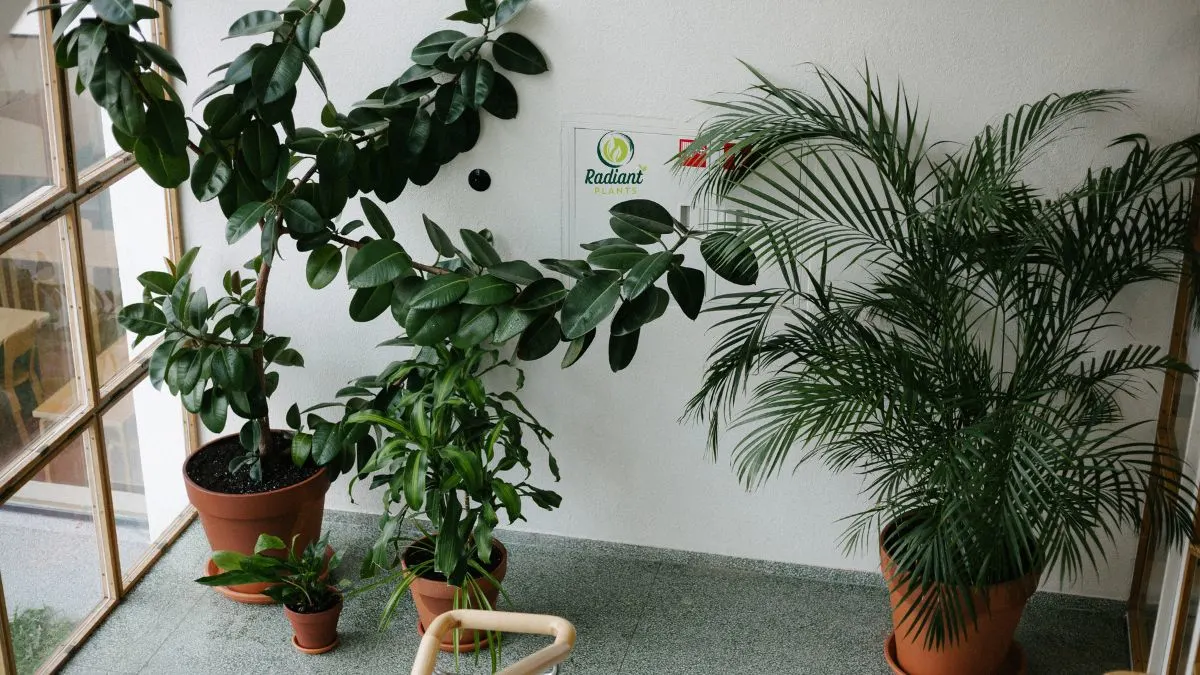
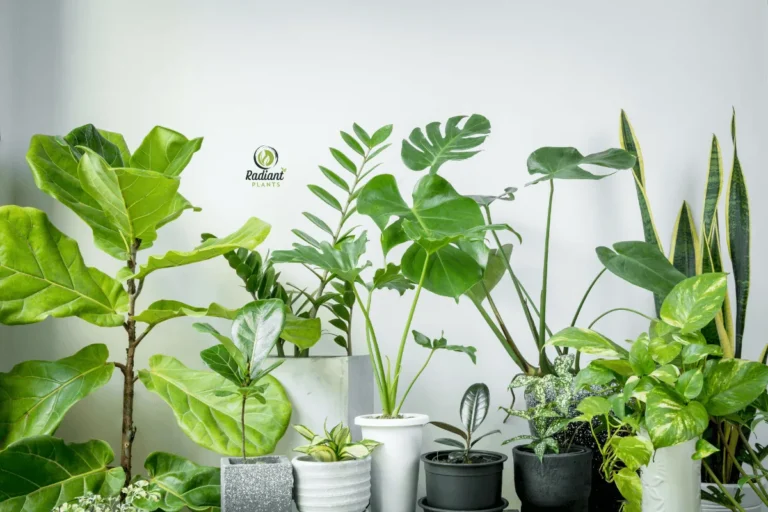
Large indoor plants instantly elevate your home’s atmosphere, adding a sense of life, balance, and lush style. These bold beauties—like fiddle leaf figs and monstera deliciosa—don’t just decorate your space; they also improve air quality and boost mood. Studies show that large houseplants can reduce indoor toxins by up to 30%, making them both stunning and practical. Whether you’re a seasoned gardener or new to greenery, this guide will help you choose, style, and care for tall indoor plants that truly thrive.
Table of Contents
Why Large Indoor Plants Are the New Style Statement
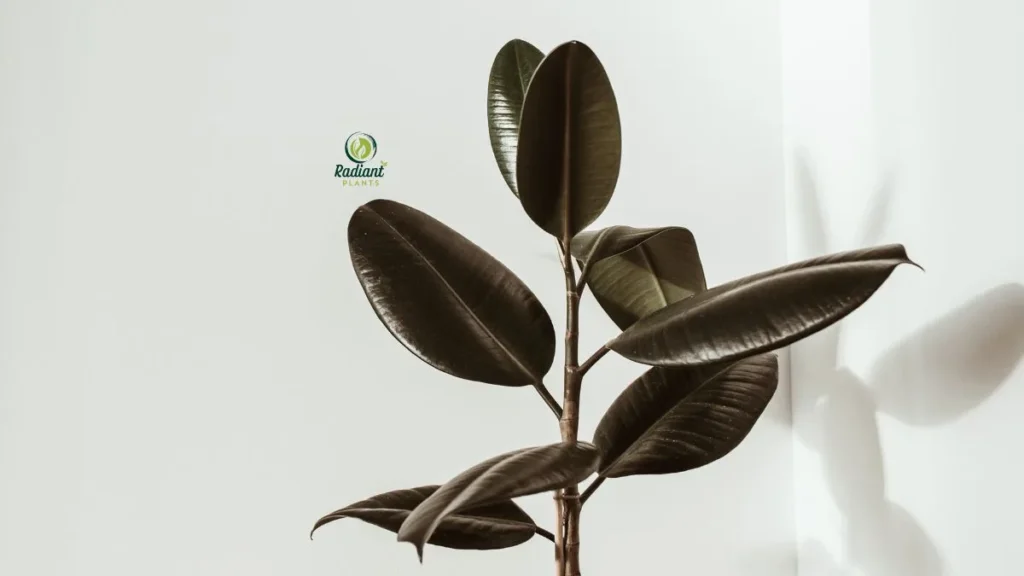
In 2025, large indoor plants have become more than décor—they’re a lifestyle statement. From minimalist apartments to boho-chic homes, these towering greens dominate social feeds and home styling magazines alike. Their popularity reflects a growing cultural shift: people—especially Gen Z—are increasingly drawn to plants not only for their aesthetic value but also for what they represent: calmness, self-care, and sustainability.
The Rise of Plant Culture
Social media has turned plants into cultural icons. On Instagram and TikTok, “plantfluencers” showcase jungle-like interiors filled with Monstera Deliciosa, Fiddle Leaf Fig, and Bird of Paradise. The #PlantTok hashtag alone has over 4 billion views, highlighting how houseplants have evolved into symbols of creativity and identity. Gen Z’s interest stems from a desire for connection—with nature and with mindful living in urban spaces.
Why Gen Z Loves Plants
Unlike previous generations, Gen Z approaches greenery with intention. Surveys by Garden Media Group reveal that 67% of Gen Z plant owners see plants as emotional companions that reduce stress and improve focus. Caring for large indoor plants offers a therapeutic rhythm—watering, pruning, watching growth—that aligns with mental wellness trends. These young plant lovers also favor sustainable choices, such as locally grown or propagated species over mass-produced varieties.
From Trend to Timeless Style
What makes large plants stand out is their ability to redefine interiors. A Bird of Paradise in the corner or a Rubber Plant beside the sofa can make a small space feel grand. Their sculptural forms bring natural architecture indoors, eliminating the need for excessive décor. According to design experts, oversized greenery will remain a core element of plant styling trends in 2025, replacing artificial centerpieces with living art that grows and evolves.
The Wellness and Design Connection
Beyond looks, these plants offer measurable wellness benefits. NASA’s Clean Air Study found that certain large houseplants—like the Areca Palm—can filter up to 60% of indoor toxins within 24 hours. Combined with their visual impact, it’s no wonder designers and wellness enthusiasts alike embrace them as must-have elements of holistic home design.
Pro Tip: Style With Intention
To make your space feel balanced, pair tall plants with minimalist furniture and plenty of natural light. Use baskets, ceramic pots, or raised planters to enhance visual height. For design inspiration, explore our article on Best Indoor Plants to Grow: Stunning Options for Beginners for easy, complementary greenery ideas.
What Large Plants Do Well Indoors?
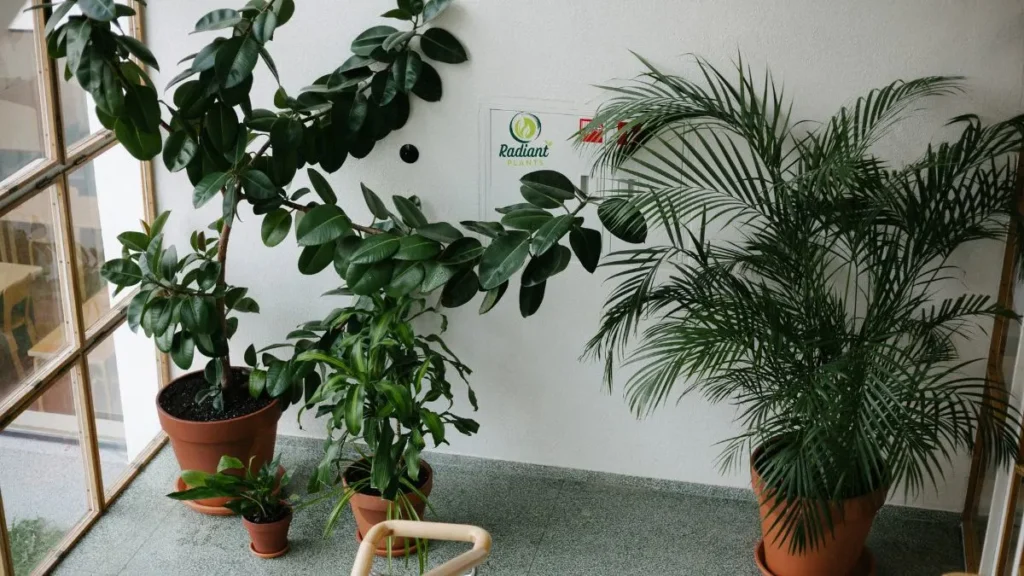
Choosing the right large indoor plants depends on your space’s light, humidity, and care routine. Some tropical species thrive in filtered light and warm air, while others exhibit surprising resilience in low-light conditions. To help you decide, here’s a guide to the best large indoor plants for low light and bright rooms—complete with their botanical names, size potential, and care needs.
Top 10 Large Indoor Plants Comparison Table
Plant Name | Botanical Name | Light Needs | Mature Height | Water Needs |
|---|---|---|---|---|
Fiddle Leaf Fig | Ficus lyrata | Bright, indirect | 6–10 ft | Moderate |
Bird of Paradise | Strelitzia reginae | Bright light | 5–7 ft | Moderate |
Rubber Plant | Ficus elastica | Medium to bright | 6–8 ft | Low |
Monstera Deliciosa | Monstera deliciosa | Medium, indirect | 6–10 ft | Moderate |
Kentia Palm | Howea forsteriana | Low to medium | 5–12 ft | Moderate |
Areca Palm | Dypsis lutescens | Bright, filtered | 6–10 ft | Moderate |
Corn Plant | Dracaena fragrans | Low to medium | 5–8 ft | Low |
ZZ Plant | Zamioculcas zamiifolia | Low | 3–5 ft | Very low |
Umbrella Tree | Schefflera arboricola | Medium | 6–8 ft | Moderate |
Peace Lily | Spathiphyllum wallisii | Low | 3–6 ft | Moderate |
These species not only thrive indoors but also adapt to the varying light levels most homes offer. Whether you live in a bright loft or a cozy apartment, there’s a perfect tall plant to match your lifestyle.
Best Low-Light Large Indoor Plants
If your home doesn’t get much sun, you can still enjoy impressive greenery. The best large indoor plants for apartments often include hardy, shade-tolerant species that maintain their rich foliage with minimal light.
- ZZ Plant (Zamioculcas zamiifolia) – Practically indestructible, the ZZ thrives in low light and needs watering only once every 2–3 weeks.
- Corn Plant (Dracaena fragrans) – With its tall canes and variegated leaves, it adds structure to dim corners while purifying the air.
- Kentia Palm (Howea forsteriana) – Known for its graceful fronds, it brings tropical flair to shaded spaces and grows slowly to 10 feet indoors.
- Peace Lily (Spathiphyllum wallisii) – Combines elegance with function—filtering toxins like benzene and formaldehyde while thriving in low-light rooms.
Pro Tip: Rotate your plants monthly to ensure even growth and prevent leaning toward light sources.
For more on resilient greenery, check out our guide on Best Indoor Plants to Grow: Stunning Options for Beginners.
Best Bright-Light Large Indoor Plants
For those with sunny rooms or glass walls, sun-loving indoor plants grow faster, fuller, and often bloom. These species love abundant light and reward you with lush, architectural foliage.
- Bird of Paradise (Strelitzia reginae) – Its broad, tropical leaves and striking orange blooms make it a centerpiece in well-lit spaces.
- Fiddle Leaf Fig (Ficus lyrata) – A designer favorite, it prefers bright, indirect light and consistent watering for its iconic large leaves.
- Areca Palm (Dypsis lutescens) – Adds a breezy tropical touch while naturally humidifying the air.
- Monstera Deliciosa (Monstera deliciosa) – Famous for its split leaves, this plant thrives in filtered sunlight and gives instant jungle vibes.
Care Tip: Always protect bright-light plants from harsh direct rays that can scorch leaves. Use sheer curtains or place them a few feet away from windows for optimal growth.
What Is the Biggest Indoor Plant You Can Grow at Home?
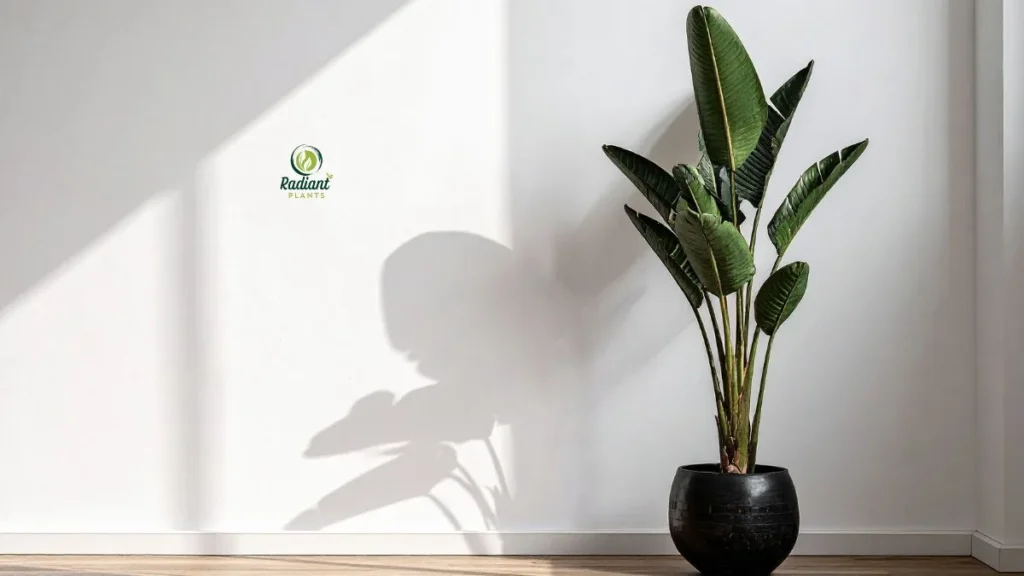
Many plant lovers wonder, “What is the biggest indoor plant I can grow?” The answer depends on both the species you choose and the space you have available. While some indoor plants stay relatively compact, others can reach remarkable heights—becoming true statement pieces in your home.
Tallest Indoor Plants You Can Consider
- Fiddle Leaf Fig (Ficus lyrata) – One of the most iconic indoor plants, it can grow up to 10 feet indoors with proper care. Its large, violin-shaped leaves add drama, making it perfect for living rooms with high ceilings.
- Kentia Palm (Howea forsteriana) – Slow-growing but elegant, this palm can reach 10–12 feet indoors. Its long, arching fronds create a tropical vibe without overpowering the space.
- Areca Palm (Dypsis lutescens) – With multiple stems and bright green fronds, it can achieve 6–10 feet in height indoors, bringing lush greenery to corners or near windows.
- Monstera Deliciosa – Though often grown as a medium plant, with careful pruning and vertical support, it can reach up to 10 feet indoors. Its distinctive split leaves are both decorative and photogenic.
- Rubber Plant (Ficus elastica) – Hardy and resilient, this plant can grow 6–8 feet indoors while maintaining a glossy, deep green appearance.
Practical Tips for Growing Giant Indoor Plants
- Assess Ceiling Height – Measure your space to ensure the plant won’t outgrow the room. Fiddle Leaf Figs and palms are ideal for rooms with ceilings 8 feet or higher.
- Pot & Soil – Large indoor plants need deep, well-draining pots to support root growth. Use high-quality potting mix enriched with organic matter.
- Light Requirements – Even the tallest indoor plants need adequate light. Bright, indirect sunlight is best for species like Fiddle Leaf Fig and Monstera.
- Regular Maintenance – Prune lower leaves to encourage upward growth and rotate plants periodically for balanced development.
Pro Tip: For smaller apartments, consider “columnar” varieties like the Dracaena Marginata, which grows tall without spreading too wide.
Expert Insight
According to the Royal Horticultural Society, maintaining large indoor plants requires monitoring humidity and watering carefully. Too little light or irregular watering can stunt growth, causing leaves to yellow or fall prematurely. RadiantPlants observations confirm that rotating tall plants near indirect sunlight promotes steady vertical growth without scorching leaves.
For more guidance, see our article on Best Indoor Plants to Grow: Stunning Options for Beginners, which includes growth rate tips and care schedules for statement plants.
Growing large indoor plants is as much about planning and space management as it is about picking the right species. With proper placement, light, and care, your home can accommodate a living, vertical centerpiece that brings style, greenery, and wellness benefits together.
What Are the Most Decorative Large Indoor Plants?
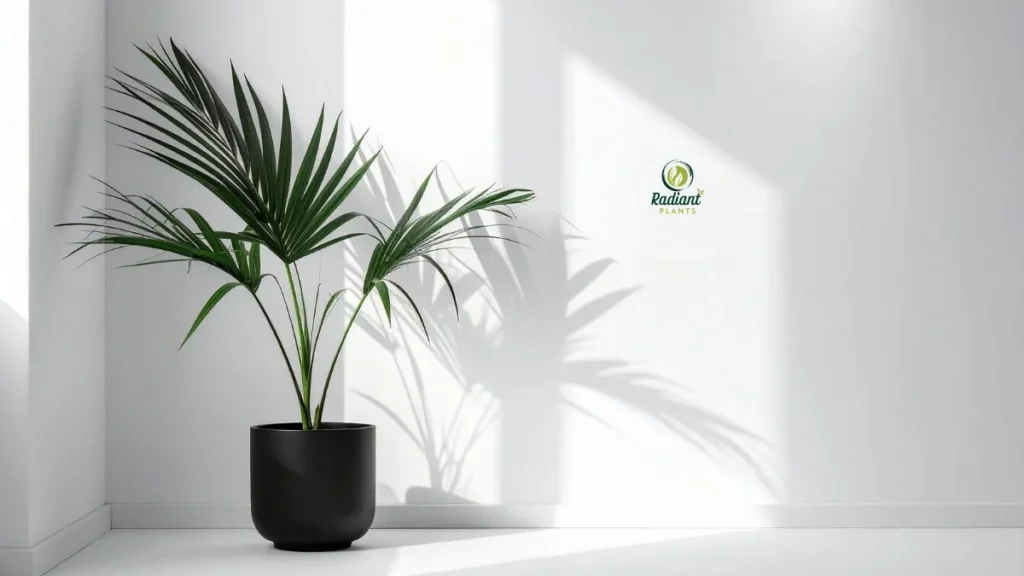
When it comes to making a bold statement indoors, large indoor plants aren’t just about height—they’re about personality, texture, and color. Decorative house plants can transform a blank corner into a lush focal point or complement your room’s color palette. By choosing statement greenery thoughtfully, you can combine style with wellness benefits, as many large plants also improve air quality and humidity.
Top Decorative Large Indoor Plants
- Fiddle Leaf Fig (Ficus lyrata) – Known for its oversized, violin-shaped leaves, this plant instantly adds drama to living rooms or entryways. Its dark green foliage contrasts beautifully with neutral interiors.
- Monstera Deliciosa – With its iconic split leaves, it brings a tropical, modern vibe. Place near a bright window for optimal growth and a photogenic effect.
- Bird of Paradise (Strelitzia reginae) – Adds height and vibrant visual interest. Its glossy leaves can reach 6–7 feet indoors, making it perfect as a corner centerpiece.
- Rubber Plant (Ficus elastica) – With shiny, dark leaves, it complements minimalist or contemporary décor. This hardy plant tolerates medium light, making it versatile for different rooms.
- Kentia Palm (Howea forsteriana) – Provides a soft, tropical silhouette. Its long, arching fronds bring airiness and sophistication to modern interiors.
- Schefflera (Umbrella Tree) – Offers a compact, architectural form with clusters of glossy leaves, making it ideal for mid-sized spaces.
- Calathea Orbifolia – Known for dramatic striped leaves, this plant adds a pop of pattern and color while staying functional in medium-light areas.
Pro Tip: Mixing different textures—broad leaves, feathery fronds, and variegated patterns—can elevate the aesthetic impact of your indoor jungle.
Styling Ideas for Every Home Aesthetic
Styling large indoor plants goes beyond placement; it’s about harmony and proportion. Here are expert tips for various home aesthetics:
- Minimalist Homes: Use a single Fiddle Leaf Fig in a simple, neutral-toned pot. Let its shape speak without clutter.
- Boho & Eclectic: Combine multiple statement plants like Monstera and Bird of Paradise in woven baskets or ceramic planters for a layered, vibrant look.
- Modern/Contemporary: Opt for sleek, glossy Rubber Plants or Kentia Palms in tall metallic or matte black pots to complement clean lines.
- Small Spaces: Choose upright varieties like Dracaena Marginata or Umbrella Tree to save floor space while still creating height and drama.
Styling Tip: Place plants near light sources, but avoid direct scorching rays. Rotate them every few weeks for even growth. Using decorative planters that match your room palette can also elevate the overall impact.
For more guidance on interior greenery, check out our article Best Indoor Plants to Grow: Stunning Options for Beginners, which includes styling tips for both small and large spaces.
How to Care for Large Indoor Plants (The Complete Guide)
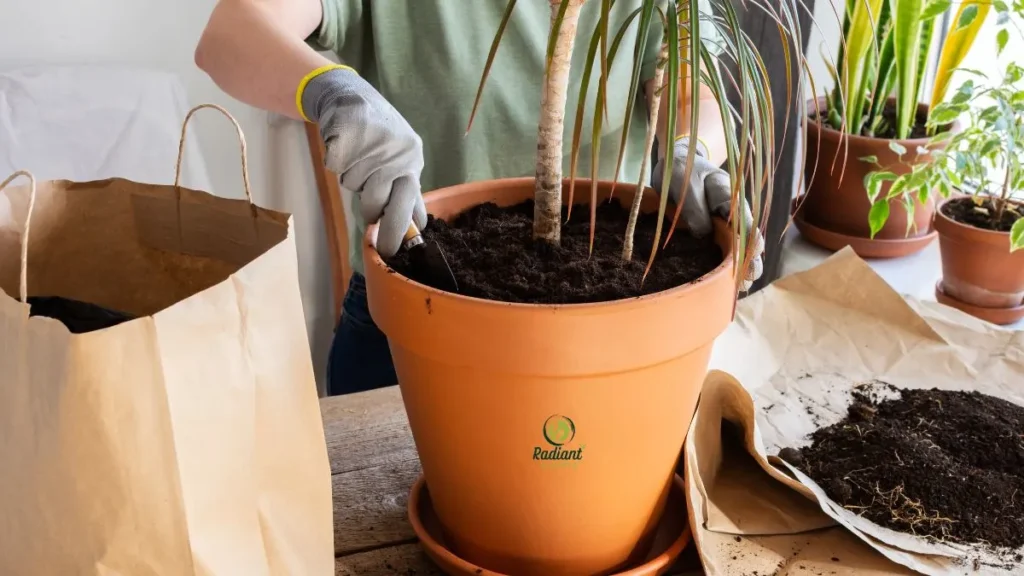
Caring for large indoor plants requires more than occasional watering—it’s about creating a consistent routine that supports growth, prevents stress, and maintains their statement presence in your home. From soil selection to light exposure, understanding the needs of tall plants like Fiddle Leaf Figs, Monstera Deliciosa, and Bird of Paradise is crucial for thriving greenery.
Essential Care Tips
- Light: Most large indoor plants thrive in bright, indirect light. Palms and Fiddle Leaf Figs tolerate some filtered sunlight, but direct rays can scorch leaves.
- Humidity: Tropical species prefer 50–70% humidity. Use a humidifier or mist foliage to prevent leaf curling, especially in dry climates.
- Soil Mix: Use well-draining, nutrient-rich soil. A blend of potting mix, perlite, and peat moss ensures roots stay aerated while retaining moisture.
- Temperature: Maintain 65–75°F (18–24°C) for optimal growth. Avoid drafts or sudden temperature drops.
Expert horticulturists recommend rotating large plants monthly for even growth and inspecting foliage regularly for pests or disease. RadiantPlants trials confirm that consistent routines prevent leaf yellowing and encourage fuller growth.
Watering and Feeding Schedule
Understanding how often to water large indoor plants is key. Overwatering is the most common mistake.
- Water when the top 2 inches of soil are dry. Tropical species like Monstera may need weekly watering, while ZZ Plants or Rubber Plants require watering every 2–3 weeks.
- Use room-temperature water to avoid shocking roots.
- Feed with a balanced liquid fertilizer during the growing season (spring and summer) every 4–6 weeks. Reduce feeding in fall/winter.
Pro Tip: Monitor leaves—drooping can signal underwatering, while yellowing or mushy stems often indicate overwatering.
Repotting and Supporting Growth
Repotting large plants ensures healthy root systems and prevents them from becoming root-bound.
- Frequency: Every 2–3 years or when roots grow out of drainage holes.
- Pot selection: Choose one 2–4 inches larger than the current container, with good drainage.
- Support: Use stakes or decorative trellises for climbing species like Monstera to encourage vertical growth.
Proper repotting and support allow tall plants to maintain structural integrity, especially for fast-growing species like Fiddle Leaf Fig.
Common Problems and Quick Fixes
Even the best-planned plant care can encounter issues. Here are frequent large indoor plant problems and solutions:
- Yellowing leaves: Often due to overwatering. Check soil moisture and adjust watering schedule.
- Brown leaf tips: Indicates low humidity or inconsistent watering. Increase humidity and trim damaged tips.
- Pest infestations: Spider mites, mealybugs, or scale are common. Use insecticidal soap or neem oil and isolate affected plants.
- Leggy growth: Caused by insufficient light. Move plants closer to bright, indirect sunlight.
For additional tips, see our article on Best Indoor Plants to Grow: Stunning Options for Beginners for low-maintenance and high-impact greenery advice.
Where to Buy Large Indoor Plants (Trusted Sources)
If you’re ready to bring large indoor plants into your home, knowing where to buy them safely is just as important as choosing the right species. Whether you’re after a majestic Fiddle Leaf Fig, a tropical Kentia Palm, or a vibrant Monstera, selecting a trusted vendor ensures healthy plants that arrive ready to thrive.
Buying large indoor plants online has become increasingly convenient, but it’s crucial to pick sources with verified quality, careful shipping practices, and responsive customer service. RadiantPlants recommends prioritizing vendors with clear plant care instructions and robust return policies.
Top Trusted Sources for Large Indoor Plants
Vendor | Specialties | Price Range | Delivery Options | Notes |
|---|---|---|---|---|
The Sill | Fiddle Leaf Figs, Monstera | $50–$200 | Nationwide, white-glove delivery | Plants come potted with care instructions; great for beginners |
Bloomscape | Tropical & statement greenery | $75–$250 | Nationwide, oversized plant delivery | Offers a plant care guide and post-purchase support |
Costa Farms | Large palms, indoor trees | $40–$150 | Select states only | Affordable, nursery-quality plants, widely available |
Etsy (Verified Sellers) | Rare & decorative plants | $50–$400 | Varies by seller | Ideal for unique or rare statement greenery; check seller ratings |
Local Garden Centers | All common indoor species | $30–$300 | In-store pickup | Supports local businesses and allows in-person inspection |
Expert Tip: Always inspect plant dimensions, light requirements, and soil conditions before purchasing. Some vendors list average indoor height at delivery versus potential growth—this prevents surprises with a 7-foot Fiddle Leaf Fig in a low-ceiling apartment.
How to Choose the Right Online Plant Vendor
- Check Reviews & Ratings – Look for verified customer feedback regarding plant quality and delivery reliability.
- Ask About Shipping Practices – Ensure plants arrive insulated, with protective packaging for large leaves and stems.
- Read Care Instructions – Trusted vendors provide guidance on watering, sunlight, and repotting.
- Compare Prices – While cost matters, healthy, well-packaged plants often justify a higher price.
- Look for Return/Replacement Policies – This adds confidence if a plant suffers during transit.
Buying large indoor plants online allows you to access rare or oversized specimens that local stores may not carry. For example, specialty Monstera or variegated Fiddle Leaf Fig cultivars are often easier to source through curated online nurseries like Bloomscape or The Sill.
For more guidance on selecting plants for your home and interior style, see our article Best Indoor Plants to Grow: Stunning Options for Beginners.
FAQ – Large Indoor Plants
What large plants do well indoors?
Many large indoor plants thrive in homes, including Fiddle Leaf Fig, Monstera Deliciosa, Kentia Palm, and Rubber Plant. These species adapt to typical indoor light and humidity, offering lush foliage, air-purifying benefits, and dramatic design appeal for living rooms, offices, and apartments.
What is the biggest indoor plant you can grow?
The tallest indoor plants include Fiddle Leaf Figs, Kentia Palms, and Bird of Paradise, which can reach 10–12 feet indoors. Choosing the right ceiling height, pot size, and light conditions ensures your large indoor plant grows safely and becomes a striking statement in any room.
What are the most decorative large indoor plants?
Decorative house plants that make a statement include Monstera Deliciosa, Fiddle Leaf Fig, Bird of Paradise, and Rubber Plant. Their bold leaves, height, and texture transform interiors, adding a lush, stylish touch while doubling as air-purifying greenery for living spaces.
Why is Gen Z obsessed with plants?
Gen Z loves large indoor plants for both aesthetics and wellness. These plants provide a calming presence, boost air quality, and create Instagram-worthy interiors. Growing statement greenery also reflects sustainability, mindfulness, and a connection to nature in urban living spaces.
How do you care for large indoor plants?
Large indoor plant care involves providing bright, indirect light, well-draining soil, and a consistent watering schedule. Humidity, pruning, and occasional repotting help maintain growth. Following these steps ensures your indoor greenery stays healthy, vibrant, and visually striking.
Large indoor plants bring life, style, and wellness benefits to any home, from towering Fiddle Leaf Figs to lush Monstera Deliciosa. By selecting the right species, understanding light and water needs, and styling them thoughtfully, you can create a vibrant indoor oasis that elevates both aesthetics and mood.
Read more about Best Indoor Plants to Grow: Stunning Options for Beginners on RadiantPlants.
Join our newsletter for tips on greenery, indoor decor ideas, and seasonal plant care updates.
Thanks for sharing. I read many of your blog posts, cool, your blog is very good.
Your article helped me a lot, is there any more related content? Thanks!
Your article helped me a lot, is there any more related content? Thanks!