Dracaena Varieties: 18 Types Perfect for Indoors
Choosing the right houseplant can feel overwhelming, especially when there are so many options to consider. Dracaena varieties are a great place to start because they’re attractive, adaptable, and relatively easy to care for indoors. From compact desk plants to tall indoor trees, dracaena varieties suit almost any home environment. In this guide, you’ll discover 18 popular dracaena varieties, learn how to identify them, and find out which ones work best for your space, lighting conditions, and experience level as an indoor plant owner.
Dracaena Varieties at a Glance
- Dracaena plants come in dozens of varieties, but about 15–20 types are commonly grown indoors.
- Popular options include Dracaena marginata, Lemon Lime, Janet Craig, and Warneckii.
- Most dracaenas thrive in bright indirect light with moderate watering.
- Some varieties stay compact for desks or shelves, while others grow into tall indoor statement plants.
- The best choice depends on your available space, lighting conditions, and care preferences.
For a complete care routine—including watering schedules, lighting placement, and soil tips—see Caring for a Dracaena Plant Indoors Made Easy.
In This Article
What Are Dracaena Plants?
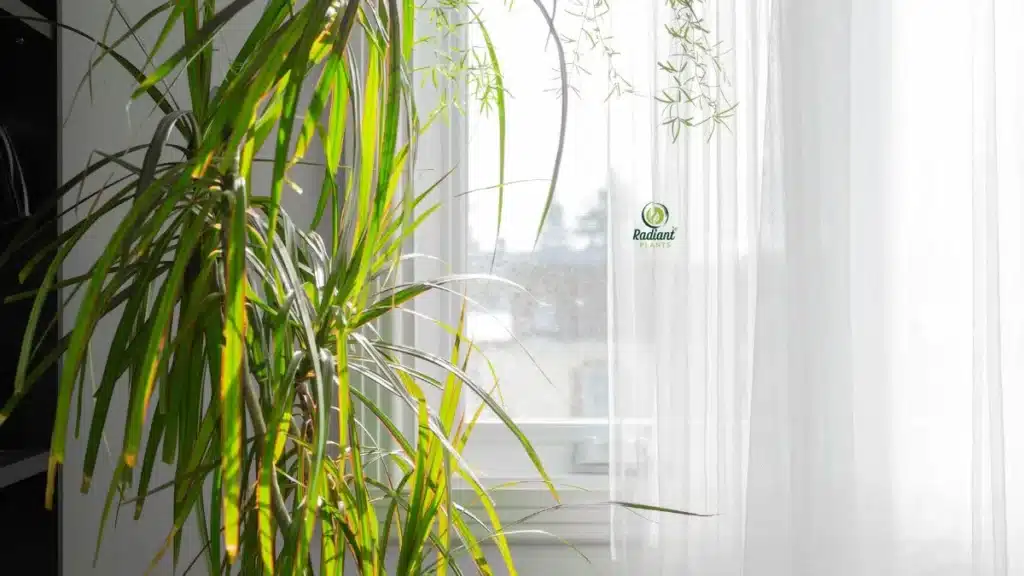
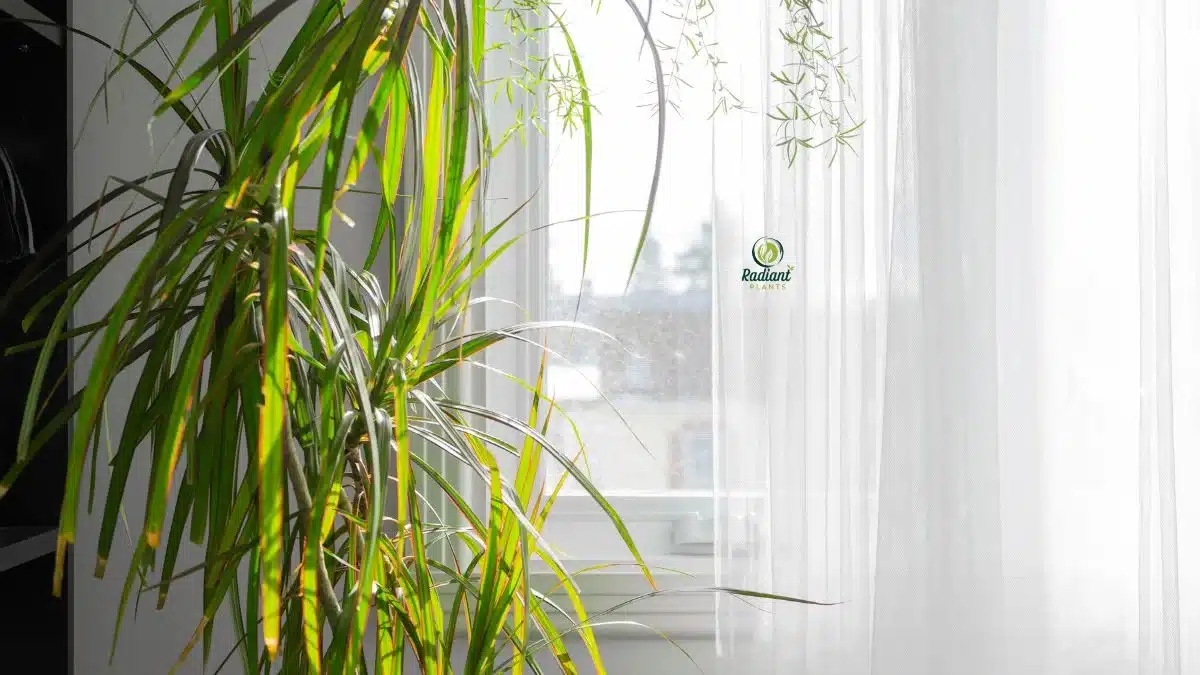
Dracaena plants are a group of tropical foliage plants known for their long, arching leaves and easy indoor care. They belong to the Dracaena genus, which includes many species commonly grown as houseplants in homes and offices. Most dracaena varieties are valued for their decorative foliage, slow growth, and ability to tolerate typical indoor conditions.
Overview of the Dracaena Genus
The Dracaena genus consists of tropical plants native primarily to Africa, parts of Asia, and northern Australia. In nature, many species grow as small trees or shrubs in warm climates. Indoors, they are typically cultivated as ornamental plants because their upright shape and striking leaves add structure and greenery to interior spaces.
Data Point:
Botanists recognize over 100 species of Dracaena plants worldwide. Some species that were once classified separately—such as snake plants—are now included within the Dracaena genus after modern genetic research.
Because the genus is so large, plant growers have developed many cultivars with unique leaf colors, patterns, and sizes. These are the most commonly sold Dracaena varieties in the United States.
Why Dracaena Became a Popular Indoor Plant in the US
Dracaena plants became widely popular in American homes during the 1970s–1990s houseplant boom, when interior landscaping and indoor greenery became a major trend. Their popularity continues today for several practical reasons:
- Adaptable to indoor light conditions (especially bright indirect light)
- Slow-growing, so they rarely outgrow indoor spaces quickly
- Low watering needs, making them beginner-friendly
- Architectural shape that works well in modern interiors
Expert Quote:
“Dracaena plants are among the most reliable indoor foliage plants because they tolerate lower light and inconsistent watering better than many tropical species.”
Because of these traits, dracaena plants are commonly used in homes, offices, hotels, and commercial buildings.
Key Characteristics of Dracaena Plants
Although there are many dracaena varieties, most share several recognizable features:
1. Long, sword-shaped leaves
wide varieties have narrow, strap-like leaves that grow in clusters at the top of stems.
2. Tree-like growth habit
Some species develop woody trunks, giving them the appearance of a small indoor tree.
3. Slow, steady growth
Dracaena plants typically grow gradually, making them manageable in indoor spaces.
4. Colorful leaf patterns
Certain varieties feature striped or variegated leaves in green, yellow, cream, or red.
Examples of Common Dracaena Houseplants
Some of the most widely grown dracaena varieties indoors include:
- Dracaena marginata (Madagascar Dragon Tree)
- Dracaena fragrans (Corn Plant)
- Dracaena reflexa (Song of India)
- Dracaena sanderiana (Lucky Bamboo)
Each variety differs in size, leaf pattern, and growth style, which is why many indoor plant guides focus on comparing different dracaena varieties.
In the next section, we’ll provide a brief comparison of popular dracaena varieties so you can easily identify which type may be best for your home.
Why Dracaena Plants Are Popular Indoor Houseplants
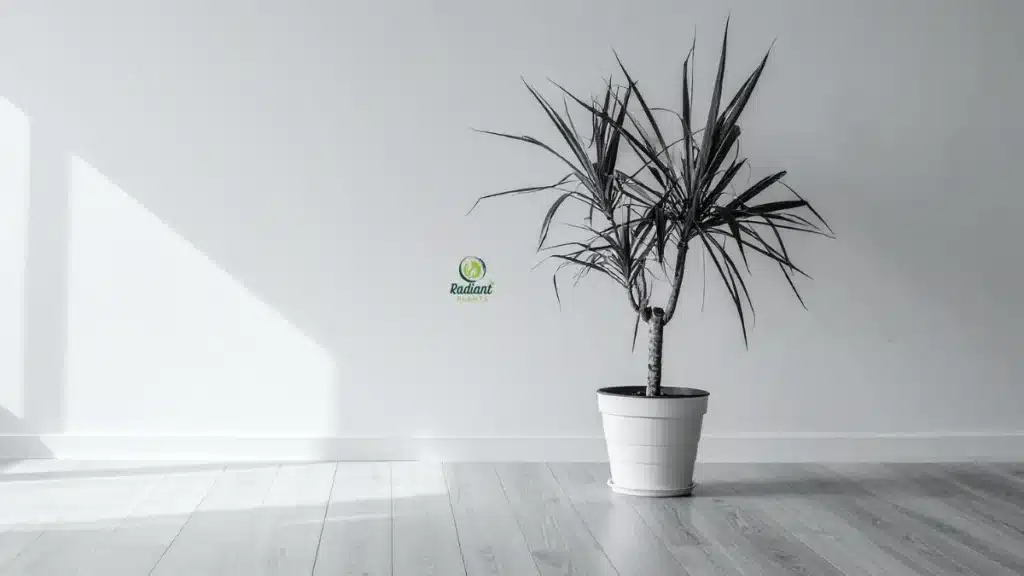
Dracaena plants are popular indoor houseplants because they are easy to care for, adaptable to indoor lighting, and visually striking. Many dracaena varieties require minimal maintenance, making them ideal for beginners and busy homeowners. Their upright shape and colorful foliage also make them a versatile choice for decorating living rooms, offices, and apartments.
Low-Maintenance Reputation
One of the biggest reasons people choose dracaena varieties is their reputation as low-maintenance houseplants. Unlike many tropical plants that require frequent watering and humidity, dracaena can tolerate occasional neglect.
Typical care needs include:
- Watering when the top 1–2 inches of soil feel dry
- Bright indirect light (though several varieties tolerate lower light)
- Light feeding during the growing season
Because these plants grow slowly and maintain their shape well, they require very little pruning or repotting.
Expert Tip:
Dracaena plants handle occasional missed watering better than frequent overwatering. Allowing the soil to dry slightly between waterings helps prevent root rot.
For a comprehensive care routine covering watering, light, and soil, see our guide, “Caring for a Dracaena Plant Indoors Made Easy.”
Adaptability to Indoor Light
Another reason dracaena plants are common in American homes is their ability to adapt to indoor lighting conditions. While most varieties prefer bright, indirect light, many can tolerate lower-light environments in offices or shaded rooms.
Examples include:
- Dracaena Janet Craig — known for tolerating lower light levels
- Dracaena fragrans (Corn Plant) — adaptable to typical indoor light
- Dracaena marginata — thrives in bright indoor environments
Attractive Foliage Patterns
Many dracaena varieties are grown primarily for their decorative leaves, which often feature striking patterns and colors.
Common foliage traits include:
- Striped leaves in green, cream, or yellow
- Variegated patterns that brighten indoor spaces
- Red or purple leaf edges in some varieties
- Narrow, arching leaves that give plants an elegant shape
For example:
- Dracaena Lemon Lime has bright yellow and green stripes
- Dracaena Warneckii features white and green variegation
- Dracaena marginata displays thin leaves with red edges
These patterns give dracaena plants a modern, architectural look, which is why they are frequently used in interior design and office landscaping.
Air-Purifying Reputation
Dracaena plants also became widely known after being included in the NASA Clean Air Study, which explored how certain plants might help remove indoor pollutants under laboratory conditions.
Data Point:
The NASA research found that several houseplants, including dracaena species, were capable of reducing compounds such as benzene, formaldehyde, and trichloroethylene in controlled environments.
However, researchers and environmental agencies note that while houseplants may contribute slightly to indoor air quality, ventilation and filtration systems have a much larger effect in real homes.
Checklist: Why Homeowners Choose Dracaena Plants
Homeowners and indoor gardeners often choose dracaena varieties because they offer several practical benefits:
✔ Beginner-friendly and easy to maintain
✔ Adaptable to typical indoor lighting
✔ Attractive foliage with colorful patterns
✔ Slow growth that fits indoor spaces
✔ Suitable for homes, offices, and apartments
Because of these advantages, dracaena plants are often recommended as one of the easiest indoor plants for beginners to start with.
In the next section, we’ll look at a quick comparison of popular dracaena varieties, which makes it easier to choose the right plant for your space.
Quick Comparison of Popular Dracaena Varieties
Dracaena varieties differ mainly in size, leaf color, and how well they adapt to indoor lighting. Some stay compact and work well on desks or shelves, while others grow into tall indoor trees that make a statement in living rooms. The table below compares 18 popular dracaena varieties to help you quickly identify the best option for your space.
Comparison Table: Common Dracaena Varieties
Variety | Size | Light Needs | Leaf Pattern | Beginner Friendly |
|---|---|---|---|---|
Dracaena marginata (Madagascar Dragon Tree) | Tall | Bright indirect | Thin leaves with red edges | Yes |
Dracaena fragrans (Corn Plant) | Medium–Tall | Medium–Bright | Broad green leaves | Yes |
Dracaena Janet Craig | Medium | Low–Medium | Dark green solid leaves | Yes |
Dracaena Warneckii | Medium | Medium | Green leaves with white stripes | Yes |
Dracaena Lemon Lime | Medium | Bright indirect | Bright yellow-green stripes | Yes |
Dracaena reflexa (Song of India) | Medium–Tall | Bright | Yellow-edged variegation | Moderate |
Dracaena sanderiana (Lucky Bamboo) | Small | Low–Medium | Slim green stems with narrow leaves | Yes |
Dracaena surculosa (Gold Dust Dracaena) | Small–Medium | Medium | Green leaves with yellow spots | Moderate |
Dracaena compacta | Small | Medium | Dense dark green foliage | Moderate |
Dracaena massangeana | Medium–Tall | Medium–Bright | Green leaves with a yellow center stripe | Yes |
Dracaena song of Jamaica | Medium–Tall | Bright | Green leaves with lime edges | Moderate |
Dracaena Anita | Tall | Bright indirect | Thin arching leaves | Yes |
Dracaena Hawaiian Sunshine | Medium | Medium | Dark leaves with lime center stripe | Yes |
Dracaena Rikki | Medium | Medium | Yellow-green variegation | Yes |
Dracaena Tornado | Small–Medium | Bright | Twisted green leaves | Moderate |
Dracaena Florida Beauty | Small | Medium | Speckled variegated leaves | Moderate |
Dracaena Draco (Dragon Tree) | Tall | Bright | Thick blue-green leaves | Moderate |
Dracaena Lisa | Medium–Tall | Medium | Glossy dark green foliage | Yes |
Note: Size refers to typical indoor growth height and may vary depending on care and environment.
How This Comparison Helps You Choose
If you’re trying to decide among different dracaena varieties, start by considering three factors:
1. Available Space
- Small spaces → Lucky Bamboo, Compacta, Florida Beauty
- Medium rooms → Janet Craig, Lemon Lime, Warneckii
- Large rooms → Marginata, Draco, Anita
2. Lighting Conditions
- Low light: Janet Craig, Lucky Bamboo
- Medium light: Warneckii, Massangeana, Lisa
- Bright indirect light: Marginata, Lemon Lime, Song of India
3. Experience Level
Beginner-friendly varieties usually include:
- Dracaena marginata
- Dracaena fragrans
- Janet Craig
- Warneckii
- Lemon Lime
These plants tolerate occasional care mistakes and adapt well to indoor environments.
Expert Tip:
When choosing between dracaena varieties, match the plant to your room’s lighting rather than trying to change the lighting to suit the plant. Plants placed in appropriate light conditions are far more likely to grow healthy and maintain their leaf color.
Internal Care Guidance
While the appearance and size of dracaena varieties differ, most share similar care requirements for watering, soil, and light. For a complete care routine, see our full guide on Caring for a Dracaena Plant Indoors Made Easy.
In the next section, we’ll explore small dracaena varieties that work well in desks, apartments, and compact indoor spaces.
Small Dracaena Varieties for Desks and Apartments
Some dracaena varieties stay compact, making them ideal for desks, shelves, and small apartments. These plants typically grow more slowly and remain smaller than tree-like dracaena species, while still offering attractive foliage. If you want greenery without sacrificing space, these smaller varieties are excellent choices.
Small dracaena plants work especially well in home offices, studio apartments, dorm rooms, and work desks, where floor space is limited.
Dracaena Sanderiana (Lucky Bamboo)
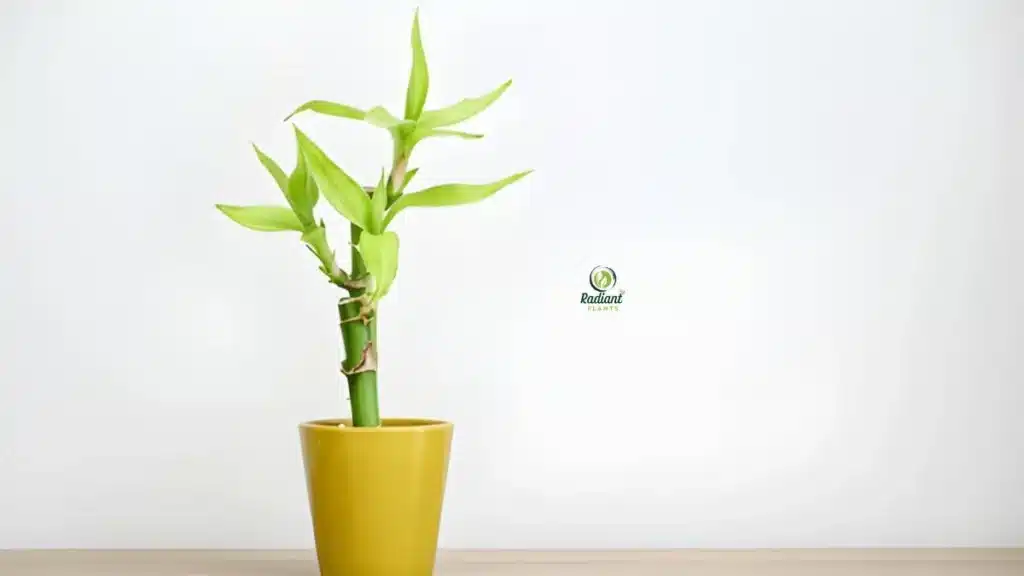
Despite its common name, Lucky Bamboo is actually a dracaena species, not a true bamboo. It is one of the most recognizable small dracaena varieties and is widely used in homes and offices.
Growth size:
- Typically grows 1–3 feet indoors
- Often sold in decorative arrangements or braided stems
Leaf pattern:
- Narrow, bright green leaves
- Smooth upright stems
Best indoor placement:
- Office desks
- Bathroom shelves
- Small apartment tables
Lucky Bamboo is frequently grown in water-filled containers with pebbles, though it can also grow in soil.
Care difficulty:
- Very beginner-friendly
- Tolerates low to medium light
Example:
Many office desks feature Lucky Bamboo because it requires minimal maintenance and little space.
Common Mistake:
Allowing water to become stagnant or using heavily chlorinated tap water can damage the plant.
Dracaena Surculosa (Gold Dust Dracaena)
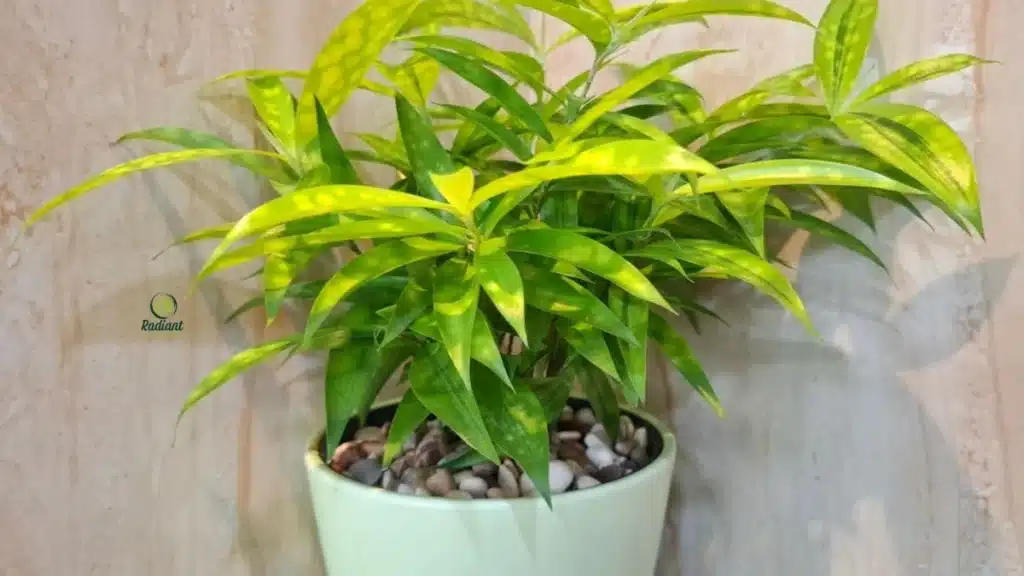
Gold Dust Dracaena is one of the most distinctive dracaena plants thanks to its spotted foliage. Unlike many upright dracaena species, this variety grows more like a small leafy shrub.
Growth size:
- Usually reaches 2–3 feet indoors
Leaf pattern:
- Dark green leaves with yellow speckles that resemble gold dust
Best indoor placement:
- Apartment shelves
- Side tables
- Bright office corners
This variety adds visual interest because the spotted leaves contrast with other houseplants that have solid foliage.
Care difficulty:
- Moderate
- Prefers bright indirect light
Example:
Gold Dust Dracaena works well in small apartments where decorative foliage plants are used as accents.
Dracaena Compacta
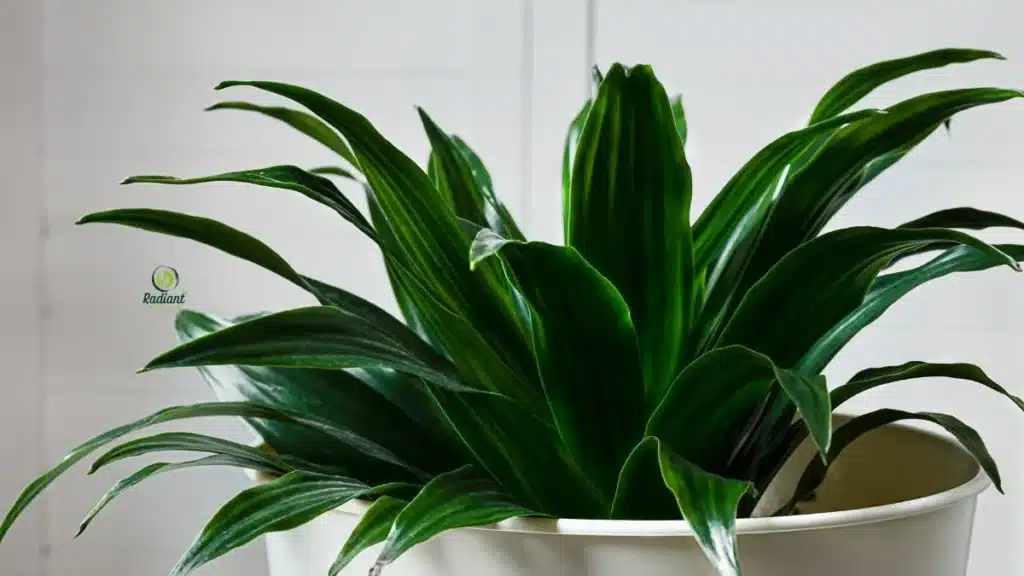
As its name suggests, Dracaena Compacta is known for its dense, tightly packed foliage. It is one of the most compact dracaena varieties available.
Growth size:
- Usually grows 2–4 feet indoors
Leaf pattern:
- Thick clusters of dark green, glossy leaves
Best indoor placement:
- Desk corners
- Entryway tables
- Small apartment living rooms
Because the leaves grow tightly around the stem, the plant maintains a neat, upright appearance.
Care difficulty:
- Moderate
- Prefers consistent watering and medium light
Example:
Compacta is commonly used in modern interior design, especially in minimal spaces where a clean plant shape is desirable.
Expert Tip: Choosing Placement for Small Spaces
Small dracaena varieties perform best when placed where they receive bright but indirect light, such as near a window with filtered sunlight. Avoid placing them in extremely dark corners, which can slow growth and reduce leaf color.
If space is limited, consider placing dracaena plants:
- On floating shelves
- On desk corners
- On small plant stands
Common Mistakes With Small Dracaena Plants
One of the most common problems with compact dracaena varieties is overwatering. Smaller pots retain moisture longer, which increases the risk of root rot.
A simple rule many plant experts recommend:
- Water only when the top inch of soil feels dry
For a full watering routine and indoor care guide, see Caring for a Dracaena Plant Indoors Made Easy.
In the next section, we’ll explore medium-sized dracaena varieties that work well as living room houseplants.
Medium Dracaena Varieties for Living Rooms
Medium-sized dracaena varieties are among the most popular indoor plants for living rooms because they offer a noticeable presence without taking up too much floor space. These plants typically grow between 3 and 6 feet indoors, making them ideal for corners, near windows, or beside furniture. Many homeowners choose these varieties because they combine attractive foliage with manageable size and easy care.
Dracaena Fragrans (Corn Plant)
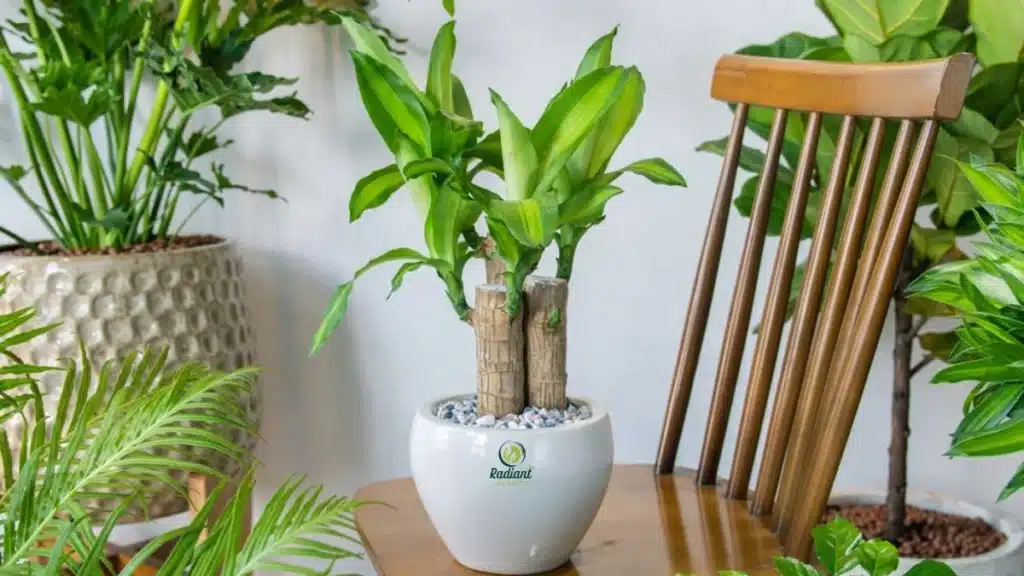
Dracaena fragrans, commonly called the Corn Plant, is one of the most widely grown dracaena houseplants in the United States.
Growth height:
- Typically 4–6 feet indoors, though it can grow taller with time
Foliage color:
- Broad green leaves
- Some cultivars feature yellow center stripes, such as Massangeana
Light tolerance:
- Performs well in medium to bright indirect light
- Can tolerate lower light conditions better than many tropical plants
Why it’s common in US homes:
Its large leaves and tree-like structure make it a popular living room centerpiece plant.
Dracaena Janet Craig
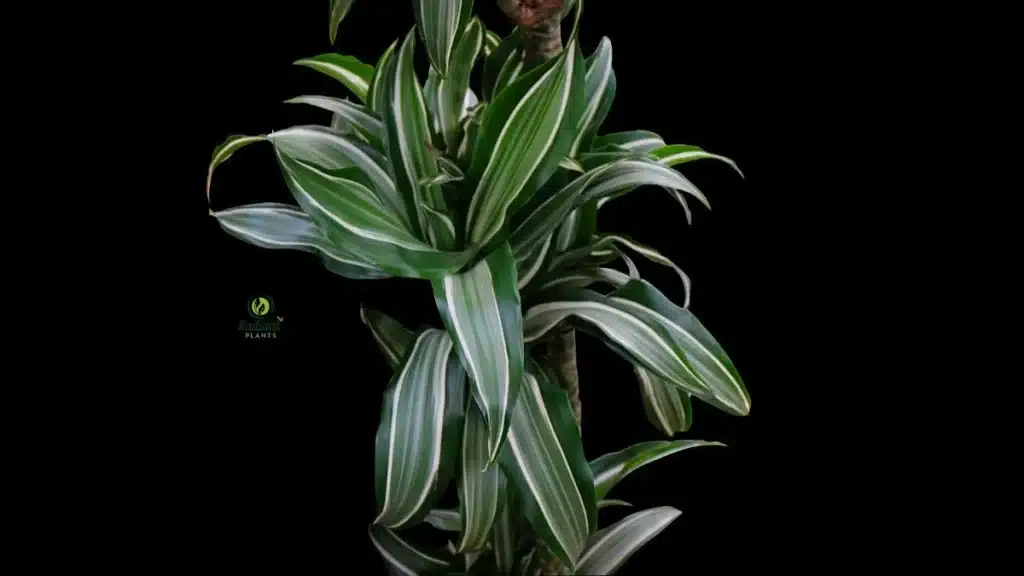
Janet Craig is widely known as one of the hardiest dracaena varieties for indoor environments.
Growth height:
- Usually 3–5 feet indoors
Foliage color:
- Deep green, glossy leaves with no variegation
Light tolerance:
- Known for excellent low-light tolerance
Because it adapts well to indoor lighting, Janet Craig is commonly used in homes, offices, and commercial interiors.
Example:
In many homes, Janet Craig is placed in a living room corner near a window, where it provides vertical greenery without overwhelming the space.
Dracaena Warneckii
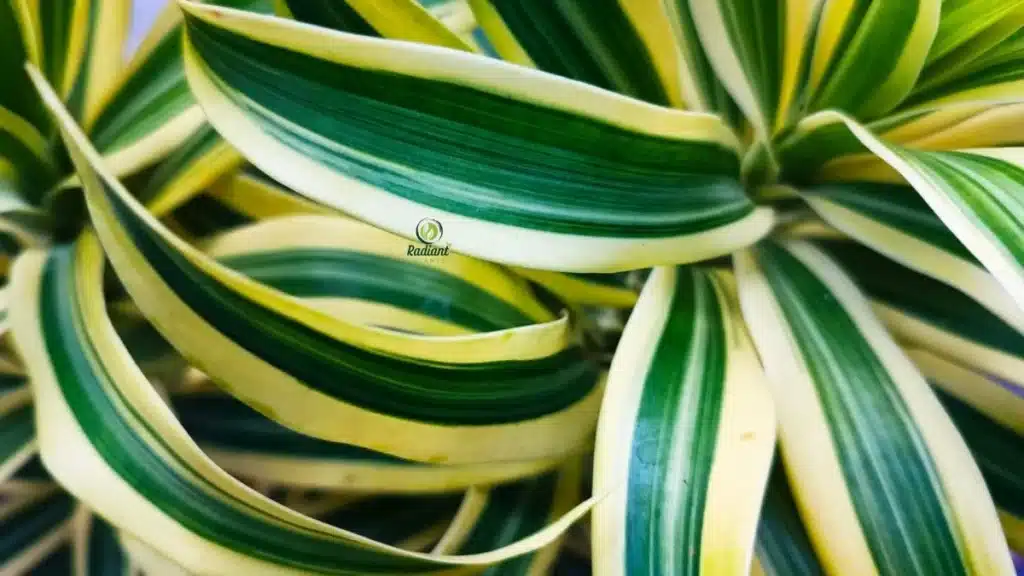
Dracaena Warneckii stands out for its distinctive striped leaves and upright growth.
Growth height:
- Typically 3–5 feet indoors
Foliage color:
- Dark green leaves with white or gray striping
Light tolerance:
- Prefers medium to bright indirect light
This variety is especially popular in modern homes because its striped foliage adds visual contrast among other houseplants.
Dracaena Lemon Lime
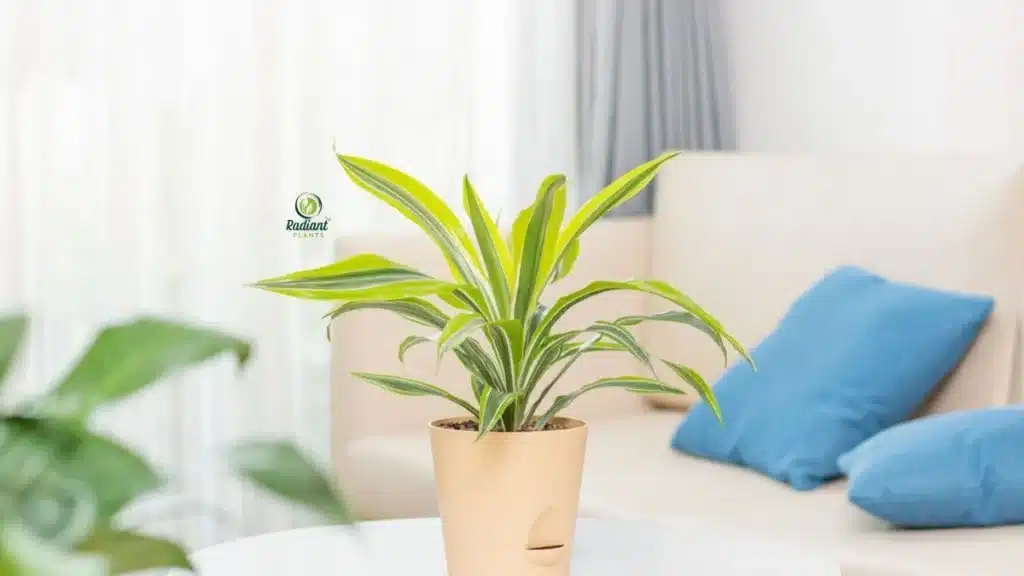
Dracaena Lemon Lime is one of the most colorful dracaena varieties available.
Growth height:
- Usually 4–6 feet indoors
Foliage color:
- Bright green leaves with yellow and lime-colored stripes
Light tolerance:
- Prefers bright indirect light to maintain its vibrant leaf color
Because of its bold color, Lemon Lime is often used as a decorative focal plant in living rooms or open spaces.
Real Example: Living Room Placement
A typical placement for medium dracaena varieties is in a bright living room corner near a window with filtered light. For example, a Corn Plant placed beside a sofa or entertainment center can add vertical greenery without crowding the room.
Interior designers often use dracaena plants to soften empty corners and add height to plant arrangements.
Expert Tip: Rotate the Plant for Even Growth
Dracaena plants naturally grow toward the strongest light source. To keep your plant balanced and prevent leaning, rotate the pot every few weeks.
This helps:
- maintain symmetrical growth
- keep stems upright
- ensure leaves receive even light exposure
Although these medium dracaena varieties differ in foliage patterns and size, their basic care needs—such as watering frequency and soil type—are very similar. For a complete care routine, see our guide on Caring for a Dracaena Plant Indoors Made Easy.
In the next section, we’ll look at tall dracaena varieties that grow like indoor trees and make dramatic statement plants.
Tall Dracaena Varieties That Grow Like Indoor Trees
Some dracaena varieties grow tall and develop woody trunks, giving them the appearance of small indoor trees. These plants can reach 5–10 feet indoors over time, making them excellent statement plants for large rooms. Because of their vertical growth and architectural shape, tall dracaena are often used to fill empty corners or add height to indoor plant displays.
Dracaena Marginata (Madagascar Dragon Tree)
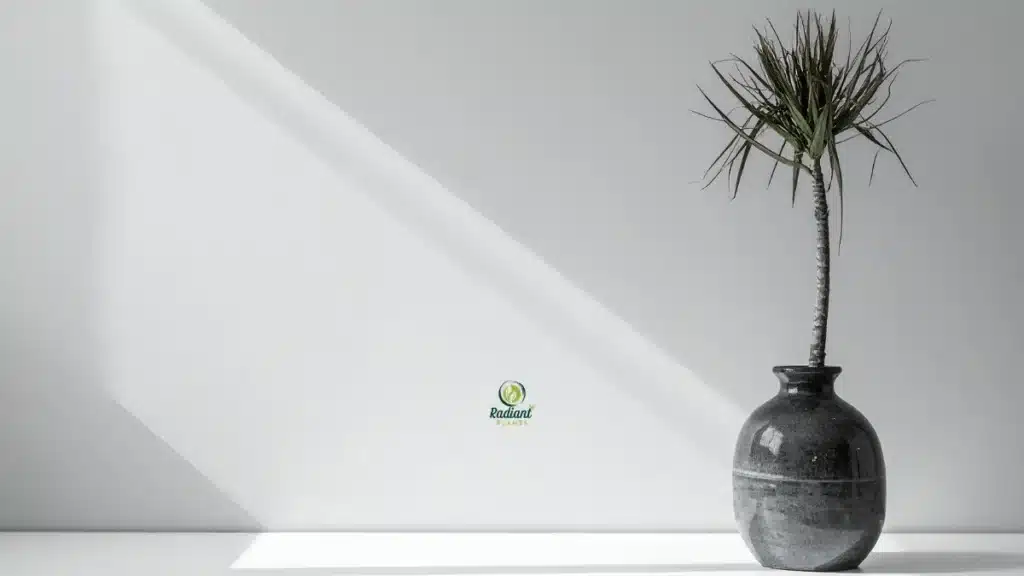
Dracaena marginata is one of the most recognizable tall dracaena varieties and is widely grown as an indoor plant.
Trunk development:
- Forms slender woody trunks that can branch over time
- Often sold with multiple canes in one pot for a fuller appearance
Mature height indoors:
- Typically 5–8 feet indoors, though it can grow taller with age
Leaf pattern:
- Thin, arching leaves with red or burgundy edges
Ideal indoor spaces:
- Living room corners
- Entryways with bright indirect light
- Open spaces beside furniture
Because of its tall, elegant form, the Madagascar Dragon Tree is commonly used as a decorative indoor tree in modern homes.
Dracaena Draco (Dragon Tree)
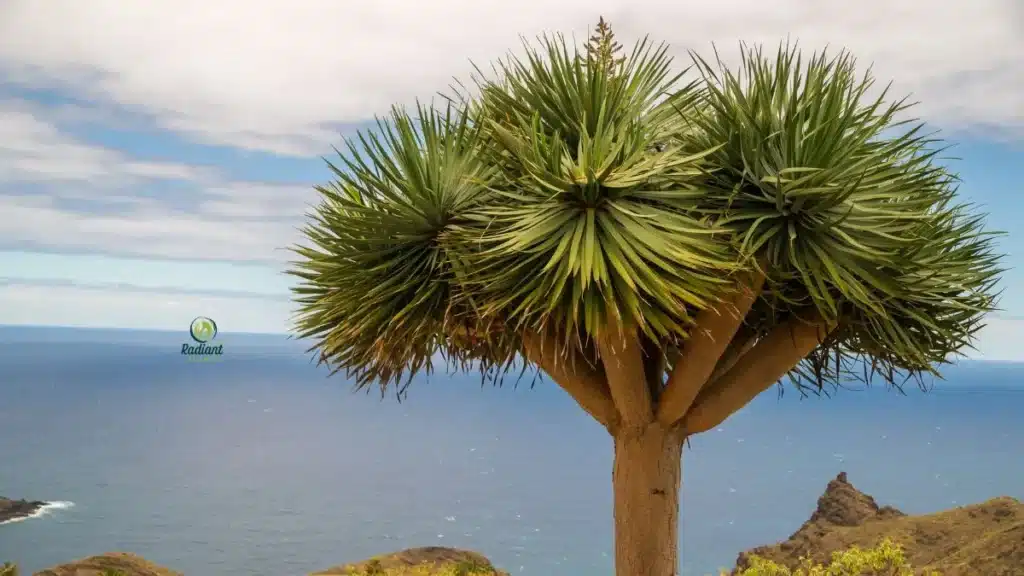
Dracaena draco is a slower-growing species known for its thick trunk and dramatic canopy.
Trunk development:
- Develops a sturdy, branching trunk as it matures
- Eventually forms a tree-like crown of leaves
Mature height indoors:
- Usually 4–7 feet indoors, though it can grow much larger outdoors
Leaf pattern:
- Blue-green sword-shaped leaves that grow in dense clusters
Ideal indoor spaces:
- Large living rooms
- High-ceiling areas
- Bright entryways
Because it grows slowly, Dracaena draco can remain a manageable indoor tree for many years.
Dracaena Reflexa (Song of India)
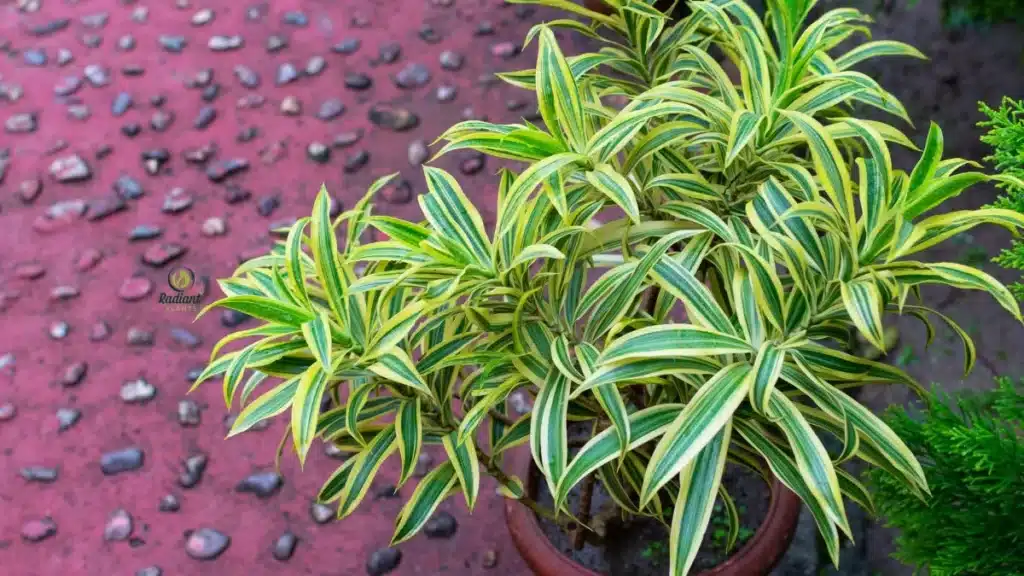
Dracaena reflexa, often sold as Song of India, is a popular variegated species known for its colorful foliage.
Trunk development:
- Develops multiple stems that branch as the plant matures
Mature height indoors:
- Usually 4–6 feet indoors
Leaf pattern:
- Narrow green leaves with bright yellow edges
Ideal indoor spaces:
- Living room corners
- Near bright windows
- Indoor plant collections
This variety is especially popular because its bright variegation adds color and contrast to indoor plant displays.
Examples of Where Tall Dracaena Work Best
Tall dracaena varieties are often placed in areas where vertical plants help balance a room’s layout. Common placements include:
- Entryways to create a welcoming focal point
- Large living room corners that need greenery
- Open-plan spaces where taller plants fill empty vertical areas
Interior designers frequently use dracaena plants as natural room accents, especially in minimalist or modern homes.
Common Mistake: Not Providing Enough Light
One of the most common problems with tall dracaena plants is insufficient light. When these plants do not receive enough bright, indirect light, they may:
- grow slowly
- develop weak stems
- lose leaf color or drop leaves
Placing tall dracaena near east- or south-facing windows with filtered light usually produces the healthiest growth.
For a full guide on watering, lighting, and long-term care, see Caring for a Dracaena Plant Indoors Made Easy.
In the next section, we’ll explore variegated dracaena varieties known for their colorful foliage patterns.
Variegated Dracaena Varieties with Colorful Leaves
Variegated dracaena varieties are prized for their colorful leaf patterns, which include stripes, edges, or contrasting shades. These plants add visual interest and brightness to indoor spaces, making them popular choices for living rooms, offices, and decorative plant collections. Many homeowners choose variegated dracaena specifically for their bold foliage and interior design appeal.
What Variegation Means
Variegation refers to leaves that display multiple colors instead of a solid green. In dracaena plants, this usually appears as:
- Yellow or cream stripes
- Bright green and lime patterns
- Light-colored edges around darker leaves
These color variations occur because parts of the leaf contain less chlorophyll, creating contrasting patterns.
Variegated foliage is one of the main reasons certain dracaena varieties are favored as decorative houseplants.
Why Variegated Dracaena Are Popular for Home Decor
Colorful foliage makes variegated dracaena plants especially useful in interior design. Their patterned leaves can brighten spaces that would otherwise feel plain or monochromatic.
Benefits include:
- Adds contrast among solid-green plants
- Creates a focal point in plant displays
- Works well in modern or minimalist interiors
Because these plants grow upright and structured, they also fit well in small plant groupings or mixed indoor plant arrangements.
Examples of Variegated Dracaena Varieties
Several dracaena plants are known for their striking patterns.
Dracaena Lemon Lime
- Bright green leaves with yellow and lime stripes
- One of the most colorful dracaena varieties
- Often used as a decorative living room plant
Dracaena Reflexa (Song of India)
- Narrow leaves with yellow edges
- Compact branching stems
- Popular for indoor tropical plant displays
Dracaena Warneckii
- Dark green leaves with white or gray striping
- Elegant, upright growth habit
- Common in offices and modern homes
These varieties are widely available in garden centers and indoor plant shops throughout the United States.
Expert Tip: Maintaining Bright Leaf Color
Variegated dracaena varieties need adequate light to maintain their leaf patterns. If placed in very low light, the plant may produce greener leaves and lose some of its distinctive coloring.
To maintain vibrant foliage:
- Place the plant in bright, indirect light
- Avoid harsh direct sunlight that may scorch leaves
- Rotate the plant periodically so all sides receive light
For complete lighting and watering guidance, see Caring for a Dracaena Plant Indoors Made Easy, which explains how to keep dracaena plants healthy indoors.
In the next section, we’ll look at how to identify different dracaena varieties based on leaf shape, color, and plant structure.
How to Identify Your Dracaena Plant
You can usually identify dracaena varieties by examining the plant’s leaves, color patterns, trunk structure, and overall height. While many dracaena plants look similar at first glance, small differences in leaf shape and variegation make it possible to narrow down the exact variety. Paying attention to these visual clues can help you determine which dracaena you have.
Key Features Used to Identify Dracaena Varieties
When identifying a dracaena plant, focus on four main characteristics.
1. Leaf Shape
Different dracaena species have distinct leaf shapes:
- Thin, narrow leaves → often found in Dracaena marginata
- Broad, arching leaves → common in Dracaena fragrans (Corn Plant)
- Short, dense foliage → typical of Dracaena compacta
Leaf length and thickness can help distinguish between similar plants.
2. Leaf Color and Patterns
Many dracaena varieties are identified by their leaf variegation.
Common patterns include:
- Red leaf edges → Dracaena marginata
- Yellow center stripe → Dracaena massangeana
- White stripes → Dracaena Warneckii
- Bright yellow edges → Dracaena reflexa (Song of India)
Leaf color is often the most reliable visual clue when identifying dracaena plants.
3. Trunk or Stem Structure
Dracaena plants may grow in different stem forms:
- Single thick cane → Corn Plant varieties
- Multiple slender stems → Dracaena marginata
- Branching shrub-like growth → Dracaena surculosa
The trunk style often reveals whether the plant will grow like a small tree or a compact shrub.
4. Plant Height and Growth Habit
Plant size can also help narrow down the variety.
Examples:
- Under 3 feet: Lucky Bamboo, Gold Dust Dracaena
- 3–6 feet: Janet Craig, Warneckii, Lemon Lime
- Over 6 feet: Marginata, Draco
Keep in mind that height varies depending on age and growing conditions.
Checklist: Steps to Identify a Dracaena Variety
Use this simple checklist to identify your plant.
✔ Look at leaf width and length
✔ Check for stripes, spots, or colored edges
✔ Observe whether the plant has one trunk or multiple stems
✔ Estimate the plant’s height and growth style
✔ Compare your plant with photos of known dracaena varieties
These steps will help you narrow down which variety you own.
Comparison Table: Leaf Pattern vs Variety
Leaf Pattern | Possible Dracaena Variety |
|---|---|
Thin leaves with red edges | Dracaena marginata |
Yellow center stripe | Dracaena massangeana |
White striped leaves | Dracaena Warneckii |
Yellow-edged variegation | Dracaena reflexa |
Yellow-speckled leaves | Dracaena surculosa |
Common Identification Mistakes
Many people confuse dracaena plants with other indoor plants or misidentify similar varieties.
Examples include:
- Mistaking Lucky Bamboo for true bamboo (it is actually a dracaena species).
- Confusing Janet Craig and Corn Plant, which both have dark green leaves.
- Assuming all striped dracaena are the same variety, even though several cultivars share similar patterns.
Looking closely at leaf color patterns and trunk structure usually helps avoid these mistakes.
If you’ve identified your plant but aren’t sure how to care for it, see Caring for a Dracaena Plant Indoors Made Easy for a complete guide to watering, lighting, and soil needs.
In the next section, we’ll look at how to choose the right dracaena variety for your home and indoor conditions.
How to Choose the Right Dracaena Variety for Your Home
Choosing the right dracaena variety depends mainly on your lighting conditions, available space, and how much care you want to provide. While most dracaena varieties are adaptable, selecting a plant that matches your environment will make it much easier to keep healthy indoors. A little planning helps ensure the plant thrives instead of struggling in the wrong conditions.
1. Consider Your Lighting Conditions
Light is one of the most important factors when choosing between different dracaena varieties.
General guidelines:
- Low light rooms: Janet Craig, Lucky Bamboo
- Medium indoor light: Warneckii, Corn Plant, Dracaena Lisa
- Bright indirect light: Lemon Lime, Marginata, Song of India
Variegated plants usually need more light to maintain their color, while solid green varieties often tolerate lower light levels better.
If you’re unsure about lighting and watering routines, see our complete guide on Caring for a Dracaena Plant Indoors Made Easy.
2. Match the Plant to Your Room Size
Dracaena plants come in a wide range of sizes, from compact tabletop plants to tall indoor trees.
Examples:
- Small spaces: Lucky Bamboo, Gold Dust Dracaena, Compacta
- Medium rooms: Janet Craig, Warneckii, Lemon Lime
- Large spaces: Marginata, Corn Plant, Dragon Tree
Choosing a plant that fits your available space prevents problems later when the plant grows larger.
3. Think About Maintenance Level
Although dracaena plants are generally easy to care for, some varieties are more forgiving than others.
Beginner-friendly dracaena typically:
- tolerate inconsistent watering
- adapt to indoor lighting changes
- grow slowly and predictably
Varieties with simple green leaves are usually easier for beginners than highly variegated types.
Checklist: Choosing the Best Dracaena Variety
Use this quick checklist to narrow down your options.
✔ Best for beginners
- Dracaena marginata
- Dracaena fragrans (Corn Plant)
- Janet Craig
✔ Best for low-light homes
- Janet Craig
- Lucky Bamboo
- Dracaena Lisa
✔ Best for large spaces
- Dracaena marginata
- Dracaena draco
- Corn Plant
Real Example: A Beginner Choosing Their First Dracaena
Imagine someone moving into a small apartment with moderate natural light from one window. A large indoor tree may feel overwhelming, so a medium plant like Dracaena Janet Craig or Warneckii would be a practical choice.
These plants:
- grow slowly
- tolerate average indoor light
- require minimal care
This makes them ideal for someone starting their first indoor plant collection.
Expert Tip: Choosing Plants for Apartments
When selecting dracaena varieties for apartments, look for plants that:
- tolerate moderate indoor lighting
- grow slowly so they don’t outgrow the space quickly
- stay manageable in smaller pots
Medium-sized dracaena varieties such as Janet Craig, Warneckii, or Lemon Lime often work best in apartments because they provide greenery without requiring large floor space.
In the next section, we’ll look at common mistakes people make when choosing dracaena varieties and how to avoid them.
Common Mistakes When Choosing Dracaena Varieties
Many problems with dracaena plants start before the plant even gets home. People often choose a variety based on appearance alone without considering its mature size, lighting needs, or growth habits. Understanding these common mistakes can help you select dracaena varieties that actually thrive in your indoor space.
Choosing a Plant That Grows Too Large
One of the most common mistakes is buying a plant that eventually outgrows the room.
Many dracaena plants are sold when they are small, but some varieties can grow into tall indoor trees over time.
Examples:
- Dracaena marginata can reach 6–8 feet indoors
- Corn Plant (Dracaena fragrans) may grow 5–6 feet or more
- Dragon Tree (Dracaena draco) can eventually become quite large
If the plant will be placed in a small apartment, desk space, or shelf, choosing a compact variety like Lucky Bamboo or Dracaena Compacta is usually a better option.
Plants That Are Lucky: 10 Powerful Choices for Positive Energy
Ignoring Light Requirements
Another common issue is placing dracaena plants in lighting conditions they cannot tolerate.
While many dracaena varieties adapt to indoor lighting, each type still has preferences.
Typical examples:
- Variegated varieties (like Lemon Lime or Song of India) need brighter indirect light to maintain their color.
- Solid green varieties (like Janet Craig) usually tolerate lower light conditions better.
When light is insufficient, plants may show:
- slow growth
- fading leaf color
- leaf drop
If you’re unsure about ideal lighting and watering routines, see Caring for a Dracaena Plant Indoors Made Easy for a complete indoor care guide.
Confusing Similar Dracaena Varieties
Many dracaena plants look similar, especially when they are young. This can lead to confusion when choosing a plant.
Common mix-ups include:
- Janet Craig vs. Corn Plant (both have large green leaves)
- Warneckii vs. Lemon Lime (both have striped foliage)
- Marginata vs. Dragon Tree (both have narrow leaves)
Although these plants look alike, they may have different light tolerance or growth patterns.
Checking the plant label or comparing leaf patterns carefully can help avoid this mistake.
Checklist: Mistakes to Avoid
Use this checklist before buying a dracaena plant.
✔ Check the mature height of the variety
✔ Make sure your room has appropriate lighting
✔ Confirm the variety name on the plant label
✔ Choose a plant that fits your available space
✔ Inspect the plant for signs of health
Expert Tip: How to Select a Healthy Dracaena in Stores
When buying dracaena plants from garden centers or plant shops, look for these signs of a healthy plant:
- Firm stems and upright growth
- Bright, evenly colored leaves
- No brown spots or yellowing leaves
- No visible pests on leaves or stems
Healthy plants establish themselves more easily once brought home.
Avoiding these common mistakes makes it much easier to choose dracaena varieties that will grow successfully indoors. In the next section, we’ll look at the basic care needs shared by most dracaena plants.
Basic Care Needs Shared by Most Dracaena Varieties
Most dracaena varieties have very similar care requirements, which is one reason they are popular indoor plants. In general, these plants prefer moderate watering, bright indirect light, and well-draining soil. Once you understand these basics, caring for different dracaena varieties becomes much easier.
For a full step-by-step routine covering watering schedules, lighting placement, and long-term maintenance, see Caring for a Dracaena Plant Indoors Made Easy.
Watering Basics
Dracaena plants prefer slightly dry soil between waterings. Overwatering is one of the most common problems with these plants.
General watering guidelines:
- Allow the top 1–2 inches of soil to dry before watering
- Water thoroughly until excess drains from the pot
- Reduce watering during winter when growth slows
Data Point:
Dracaena plants are considered moderately drought-tolerant, meaning they can survive short periods without water better than many tropical houseplants.
Because of this drought tolerance, underwatering is usually less harmful than overwatering.
Light Requirements
Most dracaena varieties grow best in bright, indirect light, though many can tolerate lower indoor light levels.
Typical lighting recommendations:
- Bright indirect light: Lemon Lime, Marginata, Song of India
- Medium indoor light: Corn Plant, Warneckii
- Lower light tolerance: Janet Craig, Lucky Bamboo
Avoid placing dracaena plants in direct, intense sunlight, which can scorch their leaves.
Soil Preferences
Dracaena plants grow best in well-draining potting soil that retains some moisture but does not stay soggy.
Ideal soil conditions include:
- Standard indoor potting mix
- Soil amended with perlite or sand for drainage
- Containers with drainage holes
Good drainage prevents root rot, which is one of the most common issues with indoor dracaena plants.
Fertilizing
Dracaena plants generally require minimal fertilizing.
Typical feeding schedule:
- Fertilize once every 4–6 weeks during spring and summer
- Use a balanced houseplant fertilizer diluted to half strength
- Avoid fertilizing during winter dormancy
Too much fertilizer can cause leaf tip browning, which is a common problem in indoor dracaena plants.
Expert Tip: Signs of Overwatering
Overwatering is the most frequent issue affecting dracaena varieties grown indoors.
Common symptoms include:
- yellowing leaves
- soft or mushy stems
- soggy soil that stays wet for long periods
- leaf drop
If these symptoms appear, reduce watering and make sure the plant is growing in well-draining soil with adequate light.For a complete care routine—including watering frequency, light placement, and troubleshooting—see Caring for a Dracaena Plant Indoors Made Easy, the main guide for keeping dracaena plants healthy indoors.
Are Dracaena Plants Safe for Pets?
No, most dracaena varieties are not considered safe for pets. These plants contain compounds that can be toxic to cats and dogs if ingested. While dracaena poisoning is rarely life-threatening, it can cause uncomfortable symptoms and should be taken seriously by pet owners.
Toxicity to Cats and Dogs
Dracaena plants contain saponins, natural chemical compounds that can irritate the digestive system of animals. When pets chew or swallow parts of the plant, these compounds may trigger mild to moderate poisoning symptoms.
Data Point:
The ASPCA lists dracaena species as toxic to both cats and dogs, meaning pet owners should avoid placing these plants where animals can easily reach them.
Because many dracaena varieties are popular indoor houseplants, pet owners should be aware of this risk before bringing one home.
Symptoms of Dracaena Poisoning in Pets
If a pet eats part of a dracaena plant, common symptoms may include:
- vomiting
- drooling
- loss of appetite
- lethargy
- dilated pupils (especially in cats)
Symptoms usually appear within a few hours after ingestion.
If a pet shows signs of poisoning, contact a veterinarian or animal poison control center immediately.
Safer Placement for Homes With Pets
Pet owners can still enjoy dracaena varieties indoors by placing them in locations that pets cannot reach.
Examples of safer placement include:
- high shelves
- tall plant stands
- hanging plant displays
- rooms pets cannot access
Keeping plants elevated reduces the risk of pets chewing on leaves.
Expert Tip: Keep Plants Out of Reach
If you have curious pets, place dracaena plants in areas that are naturally inaccessible, such as tall corners or behind furniture barriers.
Another helpful strategy is to provide pets with safe chew alternatives, which may reduce their interest in houseplants.
Although dracaena varieties can be toxic to pets, careful placement allows many homeowners to enjoy these plants safely. In the next section, we’ll summarize the key points to help you choose the best dracaena variety for your home.
Final Thoughts: Choosing the Best Dracaena Variety
The best dracaena variety for your home depends on your space, lighting, and experience level. Some varieties stay compact for desks or shelves, while others grow into tall indoor trees that make a dramatic statement. By matching the plant to your environment, it becomes much easier to keep dracaena plants healthy indoors.
Recap of Popular Dracaena Varieties
Throughout this guide, we explored several types of dracaena varieties commonly grown as houseplants, including:
- Small varieties: Lucky Bamboo, Gold Dust Dracaena, Compacta
- Medium varieties: Janet Craig, Warneckii, Lemon Lime, Corn Plant
- Tall varieties: Marginata, Dragon Tree, Song of India
Each type offers unique foliage patterns, growth habits, and decorative appeal, which is why dracaena plants are so widely used in homes and offices.
Why Dracaena Plants Are Great for Beginners
Dracaena plants are often recommended as starter houseplants because they are adaptable and relatively forgiving.
Many varieties:
- tolerate moderate indoor lighting
- grow slowly and predictably
- require minimal pruning
- handle occasional missed watering
These qualities make Dracaena plants suitable for people who are just beginning their indoor gardening journey.
The Versatility of Dracaena Plants
One of the biggest advantages of dracaena plants is their versatility. With so many varieties available, you can find a plant that fits almost any indoor space.
Examples include:
- Desk plants: Lucky Bamboo or Compacta
- Living room plants: Janet Craig or Warneckii
- Statement indoor trees: Marginata or Dragon Tree
Because of this wide range of sizes and styles, dracaena plants work well in apartments, offices, and larger homes alike.
Expert Tip: Start With Easy Dracaena Varieties
If you’re new to indoor plants, start with easy-care dracaena varieties such as Janet Craig or Dracaena marginata. These plants are known for tolerating typical indoor conditions and adapting well to beginner care routines.
Once you understand basic care routines like watering and lighting, you can gradually expand your collection with other dracaena varieties.
For a full care routine—including watering schedules, soil recommendations, and troubleshooting tips—see our complete guide on Caring for a Dracaena Plant Indoors Made Easy.
Frequently Asked Questions About Dracaena Varieties
What are the most popular Dracaena varieties for indoors?
Some of the most popular Dracaena varieties for indoor plants include Dracaena marginata (Madagascar Dragon Tree), Janet Craig, Warneckii, Lemon Lime, and Dracaena fragrans (Corn Plant). These varieties are widely grown because they adapt well to indoor light conditions, grow slowly, and require relatively little maintenance.
Which Dracaena variety is easiest to grow indoors?
Janet Craig and Dracaena marginata are often considered the easiest Dracaena varieties for beginners. They tolerate moderate indoor lighting and occasional missed watering better than many houseplants. Their slow growth and durable leaves make them ideal for first-time plant owners or busy households.
How many types of dracaena plants are there?
The Dracaena genus includes more than 100 species, though only about 15–20 varieties are commonly grown indoors as houseplants. These include compact desk plants, medium-sized foliage plants, and tall indoor tree varieties that can reach several feet in height.
Which Dracaena varieties grow tall indoors?
Several dracaena varieties can grow tall indoors, especially Dracaena marginata, Dracaena fragrans (Corn Plant), and Dracaena draco. These plants can reach 5–8 feet indoors over time and are often used as statement plants in living rooms or entryways because of their tree-like growth and upright structure.
Dracaena plants offer a wide range of options for indoor spaces, from compact desk plants to tall statement varieties. By understanding the differences between dracaena varieties, you can choose a plant that fits your lighting, space, and care preferences. Many types are beginner-friendly and adapt well to typical indoor conditions. Start with an easy variety and place it where it can thrive. If you want to keep your plant healthy long-term, follow a complete care routine like the one in Caring for a Dracaena Plant Indoors Made Easy.