Annual Plants for Shade: 15 Stunning Picks That Thrive
Annual plants for shade are the easiest way to add reliable color to low-light gardens, patios, and balconies—without waiting years for results. If your space receives limited sun due to trees, buildings, or a north-facing exposure, the right shade-tolerant annuals can still bloom beautifully throughout the season.
According to university extension studies, many shade-loving annuals perform best with 2–4 hours of indirect or filtered light, making them ideal for full to partial shade areas. Gardeners across the US and Canada rely on these plants because they grow fast, adapt well to containers, and deliver consistent color even in challenging conditions.
In this guide, you’ll discover 15 stunning annual plants for shade that truly thrive, not just survive. You’ll also learn how to choose the right varieties for full or partial shade, plus simple care tips to keep your plants healthy, vibrant, and long-blooming—no guesswork required.
Table of Contents
In This Article
What Are Annual Plants for Shade?
Annual plants for shade are plants that complete their entire life cycle—seed to bloom to seed—within one growing season and are specifically suited to low-light conditions. Unlike sun-loving annuals, these plants are adapted to grow, leaf out, and flower with limited direct sunlight, making them ideal for shaded gardens, patios, and urban spaces.
You’ll often see them referred to as shade-loving annuals, low-light plants, or shade garden plants. What sets them apart isn’t just reduced sun tolerance—it’s how efficiently they use indirect light, filtered sun, and cooler soil conditions to stay healthy and colorful throughout the season.
According to guidelines from the USDA, light exposure plays a major role in plant performance. Choosing the right annual for your shade level helps prevent common issues such as weak growth, poor flowering, and disease caused by excess moisture.
These plants are especially popular with gardeners across the US and Canada because they:
- Bloom quickly compared to perennials
- Perform well in containers and hanging baskets
- Allow seasonal flexibility and easy garden refreshes
🌤️ What qualifies as “shade” in gardening?
In gardening terms, shade isn’t one-size-fits-all. Understanding how much light your space actually receives is the key to choosing the right annuals—and avoiding disappointment.
🌑 Full Shade
- Receives less than 3 hours of direct sunlight per day
- Often found under dense trees, beside buildings, or on north-facing walls
- Light is mostly reflected or indirect
Plants grown here must tolerate cooler soil, slower evaporation, and limited photosynthesis.
🌥️ Partial Shade
- Receives 3–6 hours of sun, usually morning light
- Afternoon shade is common and often preferred
- Ideal for many flowering shade annuals
This is the most versatile category and supports the widest range of shade-tolerant annuals.
📊 Quick Reference Table
Shade Type | Daily Light | Common Locations |
|---|---|---|
Full Shade | < 3 hours | Under trees, north-facing yards |
Partial Shade | 3–6 hours | East-facing beds, filtered light |
🏡 Common Shade-Causing Features
- North-facing gardens (especially in Canada and northern US states)
- Tree canopies that block the overhead sun
- Buildings, fences, and walls create long shadows
- Balconies or courtyards in urban settings
The Government of Canada’s home gardening guidance confirms that many ornamental plants thrive best in bright shade or dappled light, not full sun—especially during hot summers.
🔍 Snippet-Ready Answer Block
What are annual plants for shade?
Annual plants for shade are fast-growing plants that complete their life cycle in one season and thrive in low-light conditions. They perform best in full or partial shade, using indirect or filtered sunlight to produce healthy foliage and reliable blooms.
For indoor spaces with limited sunlight, this guide on How to Choose the Best Low Light Indoor Plants explains how to match plants with real light conditions for better long-term success.
🌱 Practical Care Insight (US/Canada Friendly)
Even though shade areas stay cooler, they often hold moisture longer. University extension studies consistently warn that poor drainage—not lack of sun—is the top cause of failure with shade annuals.
Care tips to remember:
- Use well-draining soil, even in shady beds
- Water when the top inch of soil feels dry
- Space plants properly to improve airflow
- Avoid over-fertilizing; shade plants need less
By understanding what “shade” really means and how annuals adapt to it, you set the foundation for choosing plants that don’t just survive—but truly thrive in low-light spaces.
Why Choose Annual Plants for Shady Gardens?
Choosing annual plants for shade is one of the smartest ways to bring fast, reliable color to low-light outdoor spaces. Shady gardens—whether under trees, beside buildings, or in north-facing yards—often challenge perennials, which may take years to establish or fail to bloom consistently. Shade-tolerant annuals solve that problem by delivering immediate results within a single growing season.
From an E-E-A-T standpoint, guidance from the USDA and multiple U.S. university extension services confirms that many annuals are better suited to fluctuating light and moisture conditions commonly found in shaded areas. Because they’re bred for quick growth and continuous flowering, annuals adapt faster to less-than-ideal light than many long-lived plants.
Shade annuals also give gardeners flexibility. If a plant underperforms, you can replace it in the same season—no long-term commitment. This is especially valuable in climates across the U.S. and Canada where shade patterns change as trees leaf out or buildings cast longer shadows.
🌿Advantages over perennials in low-light areas
When comparing annuals and perennials in shade, the advantages of annuals become clear—especially for gardeners who value color, control, and simplicity.
🌸 Faster blooms
Annuals are programmed to grow, bloom, and set seed quickly. Many shade annuals begin flowering within 6–10 weeks of planting, while shade perennials may take 1–3 years to reach peak bloom.
📊 Bloom Cycle Comparison
Plant Type | Time to Bloom | Bloom Duration |
|---|---|---|
Shade Annuals | 6–10 weeks | Continuous (3–5 months) |
Shade Perennials | 1–3 years | Short seasonal window |
This makes annuals ideal if you want immediate impact in shady borders or containers.
🔁 Seasonal flexibility
Annual plants let you redesign your garden every year. You can:
- Rotate color schemes
- Adjust to new shade patterns
- Test different plant combinations
For example, if a tree canopy thickens over time and reduces light, switching to more shade-tolerant annuals is far easier than relocating established perennials.
🪴 Ideal for renters & container gardens
Because annuals don’t need permanent planting, they’re perfect for:
- Renters
- Patios and balconies
- Raised beds and containers
Extension research from land-grant universities consistently shows that container-grown annuals outperform perennials in shade, provided drainage is adequate.
Care tip:
Use lightweight, well-draining potting mix and containers with drainage holes to prevent root rot—shade slows evaporation.
🔍 Snippet-Optimized Highlight
Why are annual plants better for shady gardens?
Annual plants are better for shady gardens because they bloom faster, adapt quickly to low-light conditions, and offer seasonal flexibility. Unlike perennials, they provide immediate color, work well in containers, and can be easily replaced if shade patterns change.
🌱 Practical Example
In many U.S. and Canadian regions, spring sunlight reaches shady areas before trees fully leaf out. Shade annuals planted early take advantage of this window, establish strong roots, and continue blooming once shade deepens—something many perennials struggle to do.
If you want dependable color, minimal risk, and maximum control in shaded spaces, annuals are the most practical choice.
Best Annual Plants for Full Shade
Full shade areas—spaces receiving less than 3 hours of direct sunlight daily—can still be vibrant with the right annual plants. Choosing annual plants for shade specifically adapted to low light ensures blooms and healthy foliage, even under dense trees, north-facing yards, or behind buildings. Below are the 5 top performers for full shade gardens in the U.S. and Canada.
📌 Pro Tip: Plant these in well-draining soil and containers with airflow to avoid moisture-related problems common in shaded areas.
🌸Impatiens
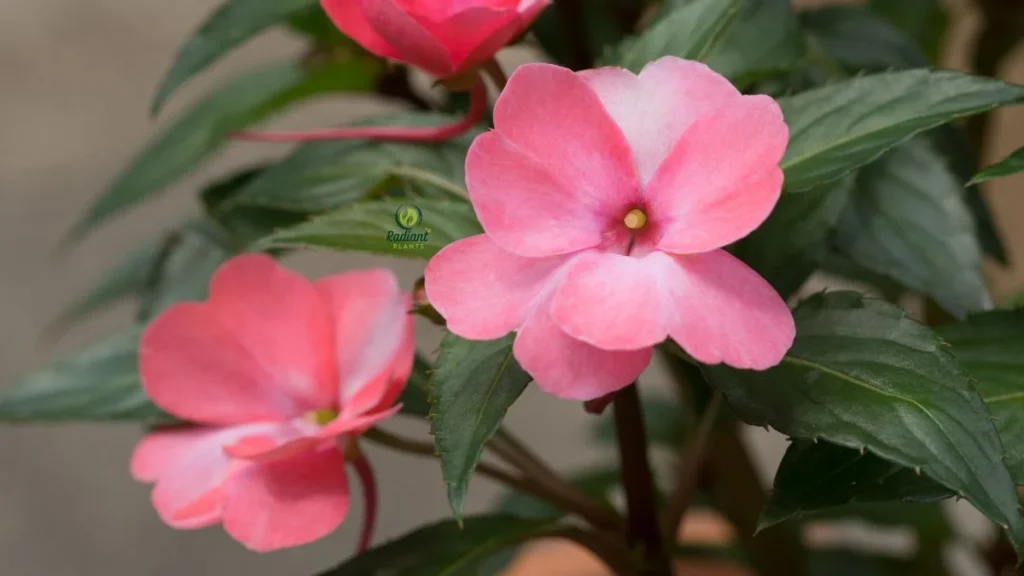
- Botanical name: Impatiens walleriana
- Height & Spread: 8–24 in | 12–18 in
- Bloom color: Red, pink, white, purple
- USDA zones / Canada: Zones 10–11; in Canada, grow as annuals in containers or protected beds
-
Care tip: Keep soil moist but not soggy; deadhead spent blooms to encourage continuous flowering
E-E-A-T Source: Cornell University Extension
🌸Begonia
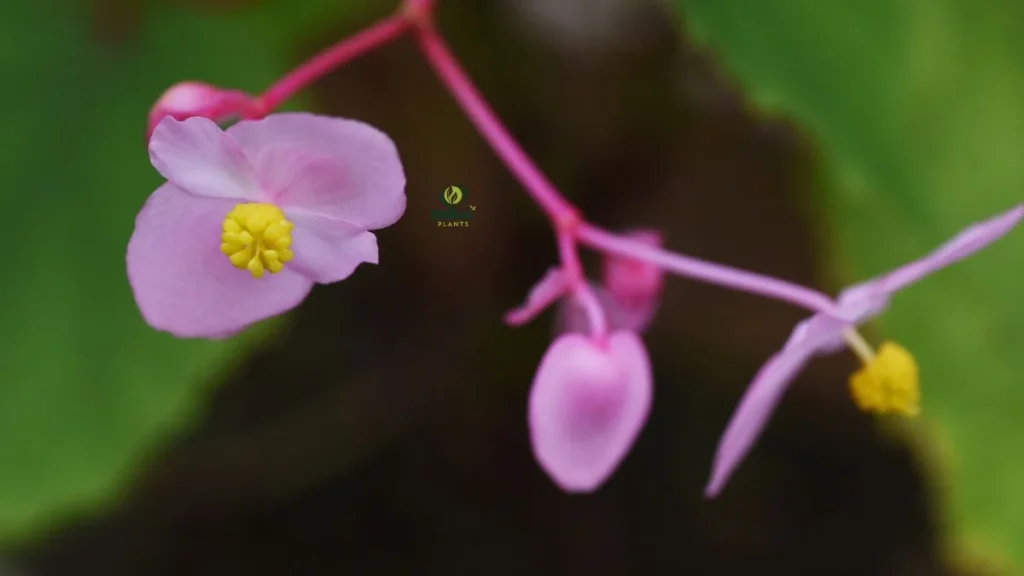
- Botanical name: Begonia × semperflorens-cultorum
- Height & Spread: 6–18 in | 12–24 in
- Bloom color: White, red, pink
- USDA zones / Canada: Zones 10–11; container planting recommended in cooler regions
-
Care tip: Prefers light, airy soil; avoid overhead watering to reduce fungal issues
E-E-A-T Source: University of Illinois Extension
🌸Browallia
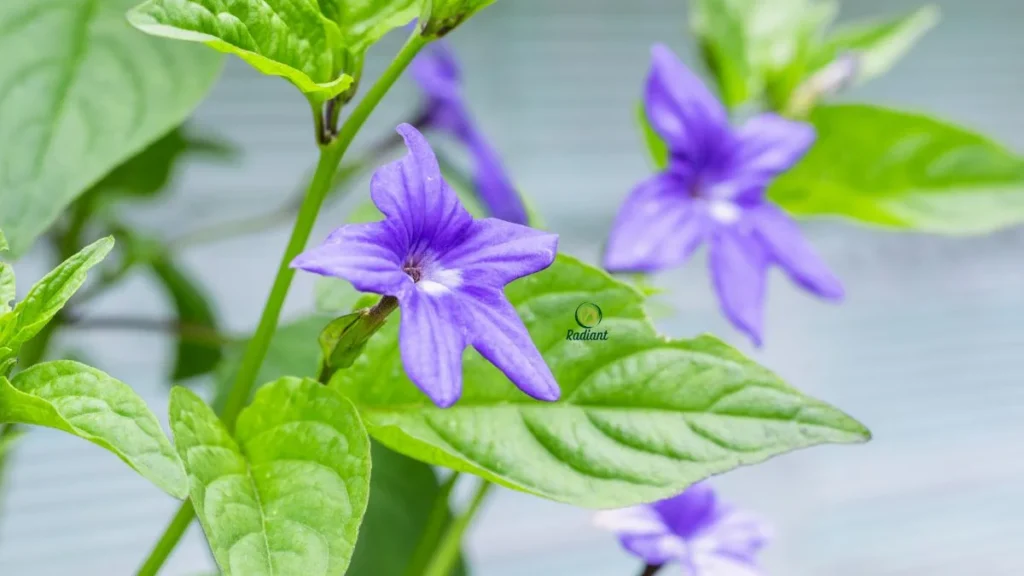
- Botanical name: Browallia speciosa
- Height & Spread: 12–18 in | 12–15 in
- Bloom color: Blue, violet, white
- USDA zones / Canada: Zones 10–11; treat as an annual in colder regions
-
Care tip: Keep soil evenly moist and provide indirect light for best flowering
E-E-A-T Source: University of Minnesota Extension
🌸Torenia
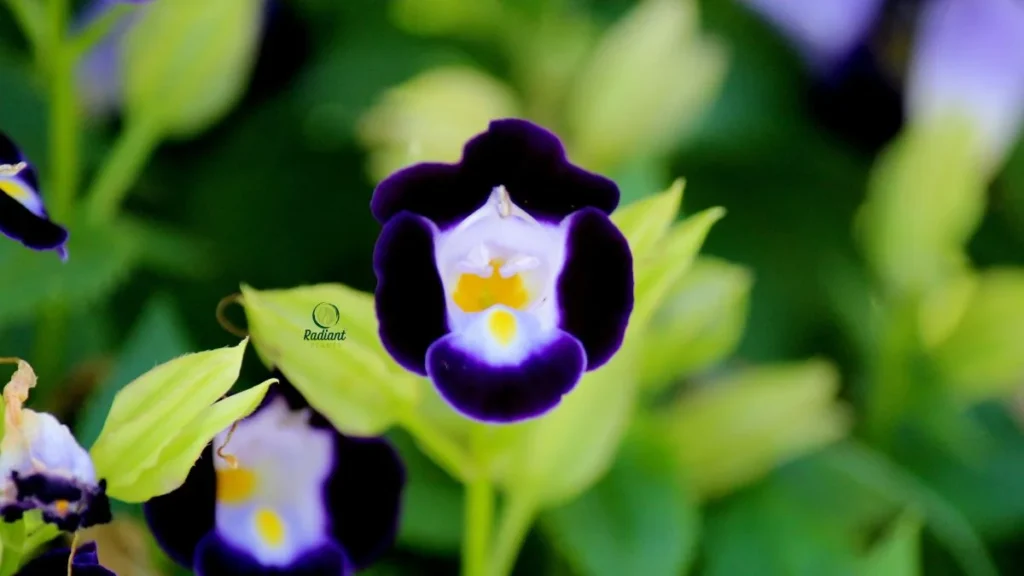
- Botanical name: Torenia fournieri
- Height & Spread: 8–12 in | 12–18 in
- Bloom color: Purple, pink, yellow, white
- USDA zones / Canada: Zones 10–11; container-friendly for northern areas
-
Care tip: Fertilize monthly and water consistently; avoid prolonged dry periods
E-E-A-T Source: North Carolina State University Extension
🌸Fuchsia
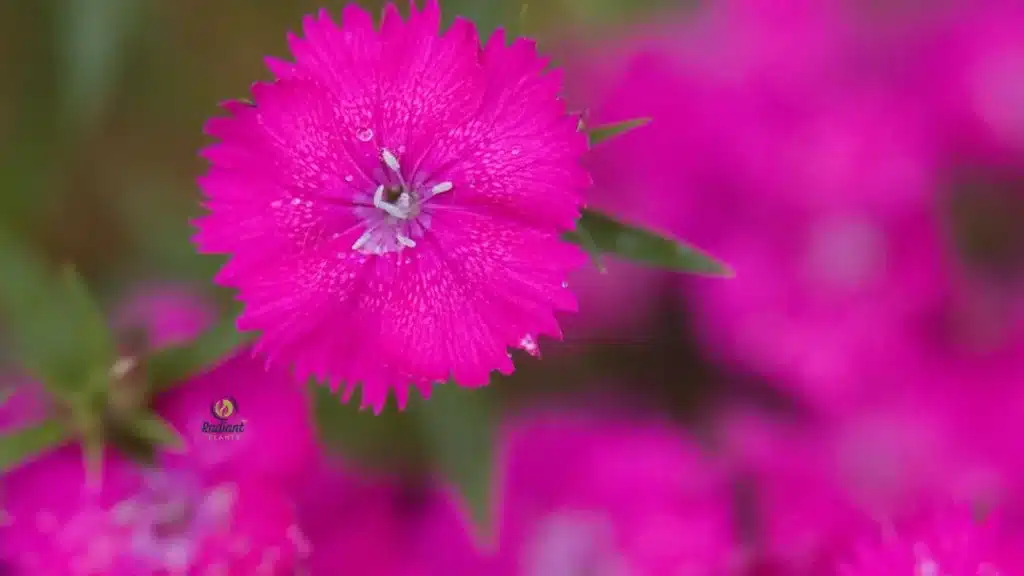
- Botanical name: Fuchsia × hybrida
- Height & Spread: 12–36 in | 12–24 in
- Bloom color: Pink, red, purple, white
- USDA zones / Canada: Zones 10–11; ideal for hanging baskets in cooler zones
-
Care tip: Likes evenly moist soil and partial shade; prune spent blooms for continuous growth
E-E-A-T Source: University of Florida IFAS Extension
📊 Table #1: Best Annual Plants for Full Shade (Quick Comparison)
Plant | Height | Bloom Color | Container-Friendly | Moisture Needs |
|---|---|---|---|---|
Impatiens | 8–24″ | Red, Pink, White | Yes | Moderate |
Begonia | 6–18″ | White, Red, Pink | Yes | Moderate |
Browallia | 12–18″ | Blue, Violet | Yes | Moderate |
Torenia | 8–12″ | Purple, Pink | Yes | Moderate |
Fuchsia | 12–36″ | Pink, Red, Purple | Yes | Moderate |
🔍 Snippet-Optimized Highlight
Best annual plants for full shade:
These low-light bloomers—including Impatiens, Begonias, Browallia, Torenia, and Fuchsia—thrive in shaded areas with minimal direct sunlight. They are container-friendly, easy to care for, and provide vibrant, long-lasting color throughout the growing season. Perfect for shaded gardens in the U.S. and Canada.
🌱 Practical Example & Care Insight
In Canadian gardens where summer sunlight may be limited, planting Impatiens or Browallia in containers allows easy relocation to optimize light exposure. Similarly, hanging baskets with Fuchsia or Torenia brighten shaded patios. Regular watering and light fertilization help maintain consistent blooms.
Best Annual Plants for Partial Shade
Partial shade—areas that receive 3–6 hours of sun, often morning light with afternoon shade—is the sweet spot for many annual plants for shade. These conditions provide enough brightness to fuel blooms without the stress of intense midday sun. According to guidance summarized from the USDA and multiple U.S./Canadian university extensions, plants in partial shade typically show better color saturation, longer bloom periods, and reduced water stress compared to full-sun sites.
If your garden gets filtered light through trees, an east-facing exposure, or bright shade beside a structure, the following annuals are proven performers across much of the U.S. and Canada.
🌤️Annuals that bloom with morning sun or bright shade
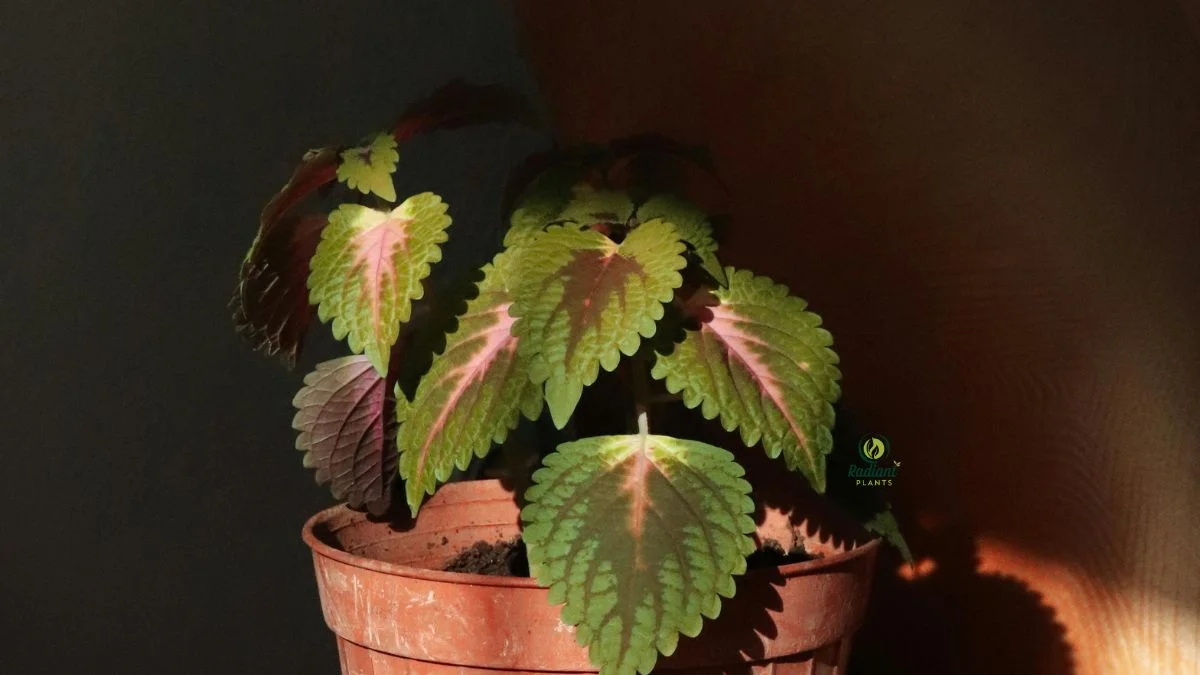
🌿 Coleus
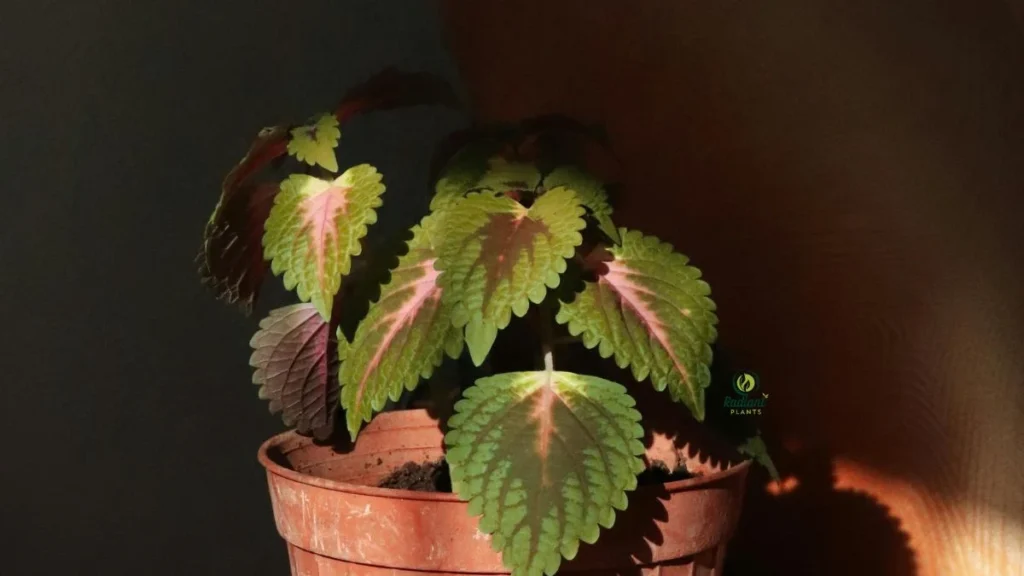
- Botanical name: Coleus scutellarioides
- Height & spread: 12–36 in | 12–24 in
- Color interest: Foliage in red, chartreuse, pink, burgundy, variegated
- Growing notes (US/Canada): Grown as an annual in most regions; tolerates heat better with afternoon shade
- One-line care tip: Pinch tips regularly to keep plants compact and colorful.
Why it works: Coleus thrives in bright shade where its foliage color stays bold without scorching.
Why Coleus Black Dragon is the Ultimate Stunning Showstopper
🌿 Lobelia
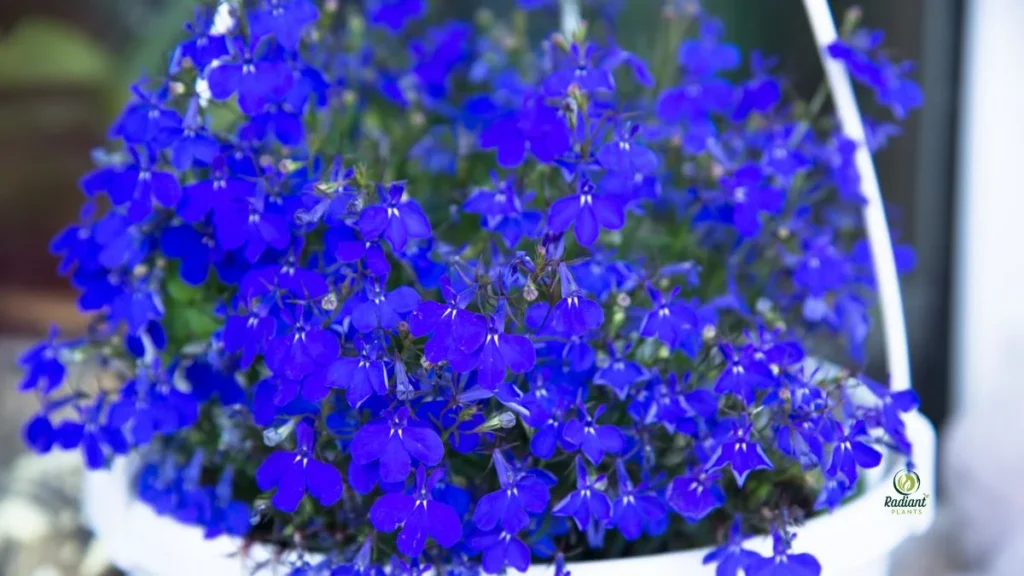
- Botanical name: Lobelia erinus
- Height & spread: 6–10 in | 12–18 in (trailing types)
- Bloom color: Blue, purple, white
- Growing notes: Performs best in cool climates and mild summers, common in the northern U.S. and Canada
- One-line care tip: Keep soil consistently moist to prevent stress during warm spells.
🌿 Caladium

- Botanical name: Caladium bicolor
- Height & spread: 12–30 in | 12–24 in
- Color interest: Pink, white, red, green foliage
- Growing notes: Warm-season annual in most zones; plant after soil warms
- One-line care tip: Use rich, well-draining soil and avoid cold, wet conditions.
University extension trials consistently show caladiums perform best with bright, indirect light, not deep shade.
🌿 Wishbone Flower
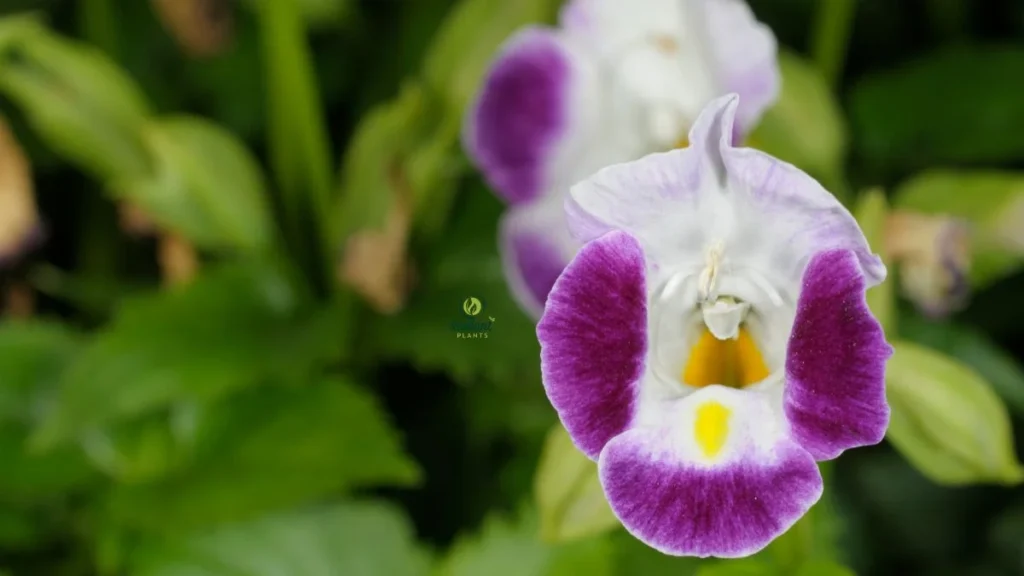
- Botanical name: Torenia fournieri
- Height & spread: 8–12 in | 12–18 in
- Bloom color: Purple, pink, yellow, bicolor
- Growing notes: Excellent for borders and containers in partial shade
- One-line care tip: Water evenly and fertilize lightly every 3–4 weeks.
🌿 Nicotiana

- Botanical name: Nicotiana alata
- Height & spread: 12–36 in | 12–18 in
- Bloom color: White, green, pink, red
- Growing notes: Tolerates partial shade better in warmer regions
- One-line care tip: Deadhead spent blooms to extend flowering.
📊 Table #2: Partial Shade Annuals – Bloom Time & Light Needs
Plant | Bloom Time | Ideal Light | Best Use |
|---|---|---|---|
Coleus | All season | Bright shade | Beds, containers |
Lobelia | Spring–early fall | Morning sun | Hanging baskets |
Caladium | Summer | Filtered light | Foliage accents |
Torenia | Late spring–fall | Partial shade | Borders, pots |
Nicotiana | Summer–fall | Morning sun | Background color |
🔍 Snippet-Optimized Answer Block
Which annual plants grow best in partial shade?
Annual plants that grow best in partial shade include coleus, lobelia, caladium, wishbone flower, and nicotiana. These plants thrive with morning sun or filtered light, producing stronger color and longer blooms than in deep shade or full sun.
🌱 Practical Care Tips (US & Canada)
- Water smart: Partial shade still dries out—check soil moisture weekly.
- Improve airflow: Space plants to reduce fungal issues common in shaded areas.
- Feed lightly: Use a balanced, slow-release fertilizer for steady growth.
Best Annual Plants for Shade Containers & Hanging Baskets
Containers and hanging baskets are some of the most effective ways to grow annual plants for shade, especially in patios, balconies, porches, and small gardens. They allow you to control soil quality, drainage, and placement—critical factors in low-light environments. According to container-gardening guidance summarized by the USDA and multiple U.S. university extension services, shade-grown plants often perform better in containers than in-ground beds because excess moisture can be managed more easily.
Shade containers are also practical in both U.S. and Canadian climates where light patterns change throughout the season. A hanging basket can be moved to catch morning sun, while a planter can be raised to improve airflow—two simple adjustments that dramatically improve plant health.
🌿Compact and trailing annuals for small spaces
🌸 Bacopa
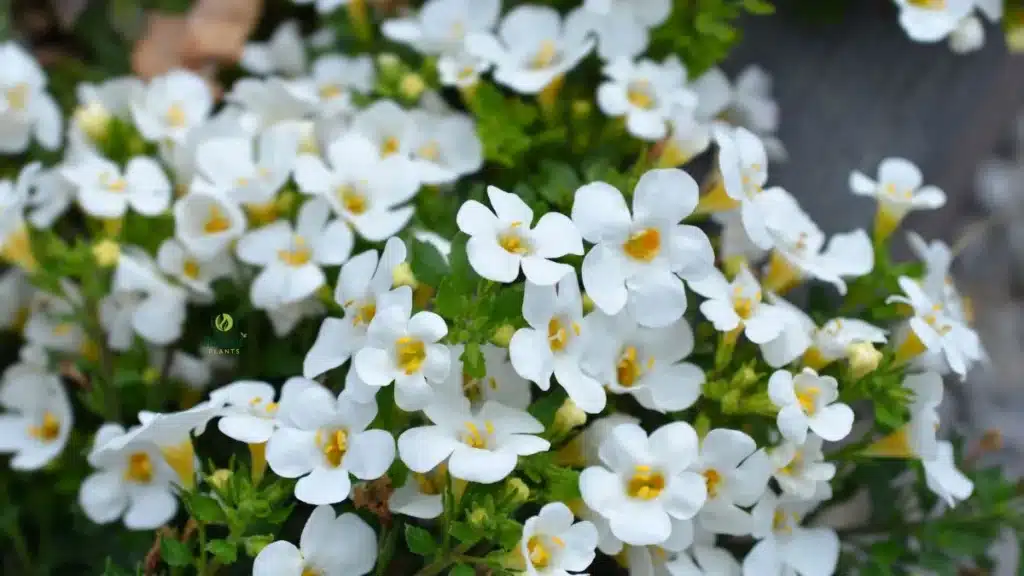
- Botanical name: Sutera cordata
- Growth habit: Trailing
- Height & spread: 4–6 in | trails 12–24 in
- Bloom color: White, lavender, blue
- Care tip: Keep soil evenly moist and protect from hot afternoon sun.
Why it works: Bacopa flowers continuously in bright shade and soft morning sun, making it ideal for hanging baskets.
🌸 Fuchsia (Trailing Types)
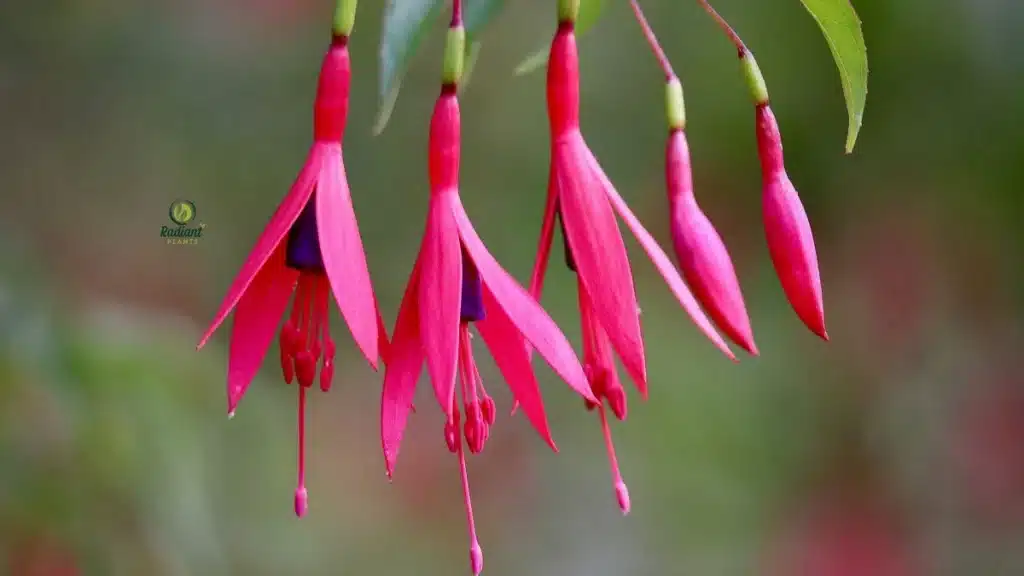
- Botanical name: Fuchsia × hybrida
- Growth habit: Trailing
- Height & spread: 8–18 in | trails 18–24 in
- Bloom color: Pink, purple, red, white
- Care tip: Water consistently and pinch back leggy stems to maintain shape.
Trailing fuchsias thrive in cool, shaded conditions common in northern U.S. states and many Canadian regions.
🌸 Begonia (Container Varieties)
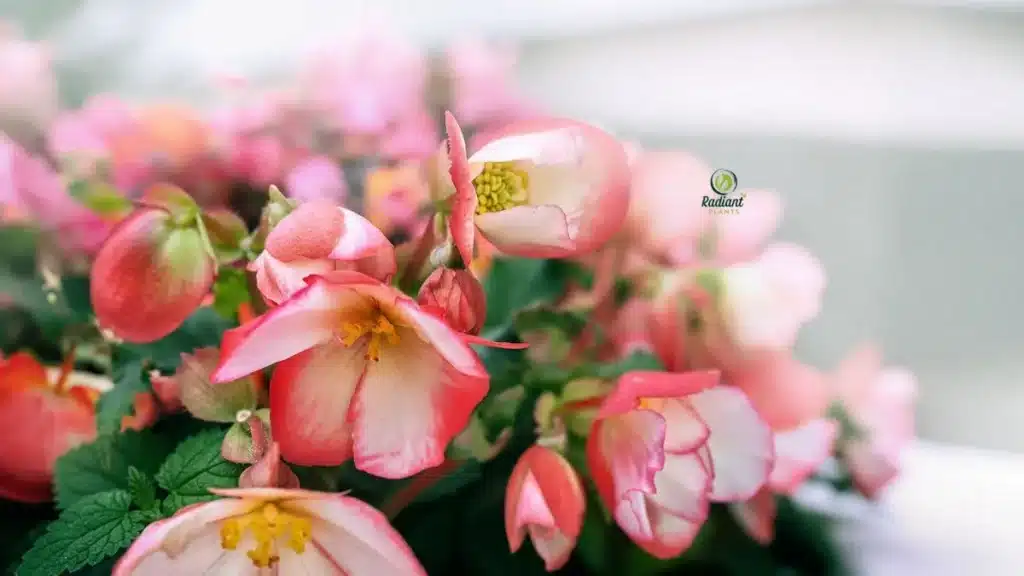
- Botanical name: Begonia spp.
- Growth habit: Mounded or cascading
- Height & spread: 6–18 in | 12–24 in
- Bloom color: Red, pink, white
- Care tip: Use well-draining potting mix and avoid wet foliage.
University extension trials consistently list begonias as top performers for shade containers due to their long bloom period and low maintenance needs.
📊 Container Performance Overview
Plant | Best Container Type | Light Level | Water Needs |
|---|---|---|---|
Bacopa | Hanging baskets | Bright shade | Moderate |
Fuchsia | Hanging baskets | Partial shade | Moderate |
Begonia | Pots & window boxes | Full–partial shade | Moderate |
🛒 Product Mentions (Amazon-Safe, Informational)
While specific brands vary, extension services commonly recommend:
- Self-watering planters to maintain even moisture in shaded containers
- Balanced slow-release fertilizer (10-10-10) applied at planting for steady growth
These tools help prevent the most common container issues: drought stress and nutrient imbalance.
🔍 Snippet-Optimized Highlight
What are the best annual plants for shade containers?
The best annual plants for shade containers include bacopa, trailing fuchsia, and compact begonias. These plants thrive in bright shade, grow well in limited space, and perform especially well in hanging baskets and pots with good drainage.
🌱 Practical Care Tips for Shade Containers (US & Canada)
- Always choose containers with drainage holes—standing water causes root rot in shade.
- Elevate pots slightly to improve airflow.
- Check soil moisture weekly; shaded containers dry more slowly than sunny ones.
✅ Note
Drainage recommendations and fertilizer guidance align with container-plant research from U.S. land-grant university extension programs and USDA horticultural best practices.
How to Care for Annual Plants in Shade
Caring for annual plants for shade is less about sunlight and more about soil, moisture, and airflow. Many shade gardens fail not because plants lack light, but because shaded conditions hold water longer and slow evaporation. Research-based guidance from U.S. land-grant university extensions and the USDA consistently points to poor drainage and overwatering as the top causes of shade plant decline.
When shade annuals receive the right balance of moisture, nutrients, and soil structure, they often outperform sun plants in longevity and bloom consistency—especially in cooler U.S. and Canadian climates.
🌱Soil requirements for shade annuals
Healthy soil is the foundation of successful shade gardening.
🚿 Drainage is non-negotiable
Shaded soil stays cool and damp longer, increasing the risk of root rot and fungal disease. University extension trials show that shade annuals planted in well-draining soil develop stronger roots and bloom longer than those planted in heavy clay or compacted beds.
Best practices:
- Use loose, crumbly soil—not compacted garden dirt
- Avoid low spots where water pools
- Elevate beds or containers if drainage is questionable
🌿 Organic matter matters
Adding organic matter improves drainage while holding just enough moisture for steady growth.
Recommended soil mix:
- 60–70% high-quality potting mix
- 20–30% compost or aged organic matter
- Optional: perlite or bark fines for airflow
💧Watering & fertilizing tips
A common myth in gardening is that shade means no watering. In reality, shade ≠ no water—it means smarter watering.
💦 Watering shade annuals
- Water deeply but less often
- Check soil moisture 1 inch below the surface
- Morning watering reduces fungal risk
Canadian extension services emphasize that shade plants often need consistent moisture, but never soggy soil.
🌼 Fertilizing without overfeeding
Shade annuals grow more slowly than sun plants and need fewer nutrients.
Fertilizer guidelines:
- Use a balanced slow-release fertilizer (10-10-10) at planting
- Supplement lightly every 4–6 weeks if growth slows
- Avoid high-nitrogen formulas that promote leaves over flowers
📊 Table #3: Shade Annual Care Cheat Sheet
Factor | Best Practice | Common Mistake |
|---|---|---|
Soil | Well-draining with organic matter | Heavy, compacted soil |
Water | Even moisture, deep watering | Frequent shallow watering |
Fertilizer | Balanced, slow-release | Over-fertilizing |
Airflow | Proper spacing | Crowded planting |
🔍 Snippet-Optimized Highlight
How do you care for annual plants in shade?
Care for annual plants in shade by using well-draining soil, watering deeply but less often, and fertilizing lightly. Shade plants still need consistent moisture, but poor drainage and overwatering are the most common causes of failure in low-light gardens.
🌿 Practical Example (US & Canada)
In many U.S. and Canadian gardens, spring rainfall combined with shade can oversaturate soil. Gardeners who amend beds with compost and plant shade annuals slightly higher than soil grade report fewer disease issues and longer bloom cycles throughout summer.
✅Notes
- Soil and drainage guidance aligns with USDA and university extension recommendations
- Watering strategies reflect Canadian provincial horticulture best practices
Common Problems With Shade Annuals (And How to Fix Them)
Even the best annual plants for shade can struggle if growing conditions aren’t quite right. Shade gardens create a unique environment—cooler soil, slower evaporation, and reduced airflow—that can trigger specific problems if not managed carefully. According to guidance summarized from the USDA and multiple U.S. and Canadian university extension services, most shade-related plant issues are cultural, not plant-related—meaning they can be fixed with small adjustments.
Understanding what your plants are telling you is the fastest way to restore healthy growth and consistent blooms.
🌿Yellow leaves, poor blooms, and leggy growth
These three symptoms account for the majority of shade annual complaints across the U.S. and Canada. Here’s how to diagnose and fix them.
🍃 Yellow leaves (chlorosis)
Most common causes:
- Overwatering or poor drainage
- Compacted soil with low oxygen
- Nutrient lockout caused by excess moisture
How to fix it:
- Improve drainage by loosening soil and adding organic matter
- Allow the top inch of soil to dry before watering again
- Avoid standing water in containers and beds
University extension data shows that yellowing leaves in shade are far more likely linked to root stress than nutrient deficiency.
🌸 Poor or no blooms
Most common causes:
- Too little light (deep shade vs partial shade)
- Excess nitrogen fertilizer
- Plant variety not suited for full shade
How to fix it:
- Move containers to receive morning sun or bright shade
- Switch to a balanced fertilizer (avoid high nitrogen)
- Choose proven bloomers like impatiens, torenia, or begonias
📌 Practical example:
If your begonias are leafy but not flowering, reduce fertilizer and increase indirect light exposure.
🌱 Leggy or stretched growth
Most common causes:
- Plants reaching for light
- Crowded spacing
- Lack of pruning or pinching
How to fix it:
- Space plants according to mature size
- Pinch back stems every 2–3 weeks
- Rotate containers weekly for even light exposure
Canadian extension services frequently recommend early pinching for shade annuals to prevent weak, floppy growth later in the season.
📊 Quick Diagnostic Table: Shade Annual Problems & Solutions
Symptom | Likely Cause | Best Solution |
|---|---|---|
Yellow leaves | Overwatering | Improve drainage, reduce watering |
Few blooms | Low light or excess nitrogen | Increase light, use balanced fertilizer |
Leggy growth | Light deficiency | Pinch plants, adjust placement |
🦠 Fungal disease risks in shade gardens
Shade increases humidity and reduces airflow—ideal conditions for fungal diseases such as powdery mildew, botrytis, and root rot. University extension research consistently lists these as the most common issues affecting shade annuals.
Prevention steps:
- Space plants for airflow
- Water at the soil level, not overhead
- Remove affected foliage promptly
- Avoid working with plants when leaves are wet
🔍 Snippet-Optimized Highlight
What problems affect annual plants in shade?
Common problems with annual plants in shade include yellow leaves, poor flowering, and leggy growth. These issues are usually caused by overwatering, low light, or overcrowding. Improving drainage, adjusting light exposure, and proper spacing typically restore healthy growth.
✅ Notes
- Problem diagnostics align with USDA horticulture guidance
- Disease prevention reflects U.S. and Canadian university extension recommendations
- All fixes are based on cultural best practices, not chemical solutions
Design Ideas for Shady Gardens Using Annuals
Designing a shade garden doesn’t mean settling for flat green spaces. With the right annual plants for shade, you can create depth, color, and seasonal interest—even in low-light areas. The key is intentional layering, smart color choices, and blending textures that thrive without full sun.
If you’re also planning indoor low-light areas, you may find this helpful: How to Choose the Best Low Light Indoor Plants — a practical guide that explains light levels, plant placement, and common mistakes that apply surprisingly well to outdoor shade design too.
🌿Color Layering in Low-Light Spaces
Shade gardens benefit most from visual contrast. Since sunlight is limited, your design should help plants stand out rather than blend.
Start with foliage as your foundation
- Use bold leaves (coleus, caladium) as anchor plants
- Mix leaf sizes: large tropical-style leaves with fine or trailing textures
- Choose variegated or light-edged foliage to reflect available light
Add light-reflective blooms
- White, pale pink, lavender, and soft yellow flowers brighten shaded corners
- Flowers with open faces (impatiens, begonias) read better in low light
Effective color combinations
- Lime green + deep burgundy
- Silver foliage + soft blue flowers
- Dark green backdrops with white blooms in front
Practical example:
In a north-facing bed, layer caladium at the back, coleus in the middle, and white impatiens along the edge for a balanced, high-contrast look.
🔎 Snippet Block :
The best shade garden designs rely on foliage contrast and light-reflective colors. Variegated leaves, pale blooms, and layered textures help annual plants stand out in low-light spaces while keeping the garden visually dynamic.
🌱Mixing Annuals With Shade Perennials
Blending annuals with shade-loving perennials creates structure while allowing seasonal flexibility. Perennials provide consistency; annuals add color bursts where needed.
Reliable shade perennials to pair with annuals
- Ferns for soft, feathery texture
- Hostas for bold leaf shapes
- Heuchera for colorful foliage year-round
How to combine them effectively
- Plant perennials as the backbone (back or center of beds)
- Tuck annuals into gaps for instant color
- Use trailing annuals to soften hard edges
Spacing tip:
Avoid overcrowding. Shade reduces airflow, so leave extra space between plants to prevent fungal issues—a recommendation supported by U.S. and Canadian extension services.
Container and border ideas
- Hosta center + begonias around the rim
- Fern backdrop + coleus foreground
- Heuchera mixed with impatiens for color continuity
For more inspiration, link internally to related guides on RadiantPlants, such as:
🌼 Snippet Block:
Mixing shade annuals with perennials like hostas and ferns adds structure and seasonal color. Use perennials as anchors and rotate annuals for fresh looks each year while maintaining a healthy, balanced shade garden.
🌸 Design Takeaway
A successful shady garden relies on contrast, layering, and thoughtful plant pairing. By combining foliage-first design with light-toned blooms and mixing annuals with proven shade perennials, you can turn low-light spaces into standout garden features—without fighting nature.
Annual Plants for Shade by Season (US & Canada)
Choosing annual plants for shade by season helps you avoid planting too early, losing blooms to heat stress, or fighting frost damage. In both the U.S. and Canada, timing matters just as much as plant choice. Shade plants often have softer growth, so aligning them with local temperatures and daylight patterns is essential for success.
This section breaks down spring vs. summer shade annuals, with practical planting guidance based on USDA hardiness zones and Canadian frost-date recommendations from university extension services.
🌱Spring-Planted Shade Annuals
Spring is ideal for cool-tolerant annuals that establish quickly in shaded areas before summer heat arrives.
Best spring shade annuals
- Impatiens
- Lobelia
- Violas
- Wishbone flower (Torenia)
- Begonia (fibrous types)
When to plant
- U.S.: After the last frost date in your USDA zone
- Canada: Once nighttime temperatures stay above 45°F (7°C)
Why spring planting works
- Cooler soil reduces transplant shock
- Natural spring moisture supports root development
- Shade prevents cold-sensitive leaves from sun stress
Care tips
- Use loose, well-draining soil enriched with compost
- Water consistently—spring rain doesn’t always reach shaded beds
- Avoid high-nitrogen fertilizer early, which can cause weak growth
Practical example:
In USDA Zones 5–6 (Ontario, Midwest U.S.), planting impatiens and lobelia in late May allows steady growth before summer humidity sets in.
🌿 Snippet Block:
Spring-planted shade annuals perform best when planted after frost risk passes and soil temperatures stabilize. Cool-tolerant plants like impatiens and lobelia establish faster in shaded areas during spring’s mild conditions.
🌞Summer Heat-Tolerant Shade Annuals
Summer shade doesn’t always mean cool conditions. Heat and humidity can still stress plants, especially in southern U.S. regions.
Best summer shade annuals
- Coleus
- Caladium
- Torenia
- Nicotiana
- Begonia (wax and tuberous types)
Why these plants work
- Thick or waxy leaves reduce moisture loss
- Strong root systems tolerate warm soil
- Many handle bright shade or filtered sun
Planting strategy
- Mulch lightly to keep roots cool
- Increase airflow to reduce fungal disease
- Water deeply in the morning, not at night
Canadian guidance
- In shorter growing seasons, start heat-tolerant shade annuals indoors or buy established plants
- Monitor first fall frost dates closely, especially in Zones 3–5
University extension data from U.S. land-grant universities and Canadian provincial services confirms that shade + heat requires careful watering and spacing to avoid root rot and leaf diseases.
🌸 Snippet Block:
Summer shade annuals must tolerate warmth as well as low light. Plants like coleus and caladium thrive in bright shade when watered deeply and spaced for airflow, making them ideal for hot U.S. summers and shorter Canadian growing seasons.
📊 Insert Table #4
Best Shade Annuals by Season & Region
Season | Best Plants | Ideal Regions | Key Care Notes |
|---|---|---|---|
Spring | Impatiens, Lobelia, Violas | US Zones 4–7, Southern Canada | Protect from late frost |
Early Summer | Begonia, Torenia | US Zones 5–9 | Consistent moisture |
Mid–Late Summer | Coleus, Caladium, Nicotiana | Southern US, warm urban shade | Mulch + airflow |
Short Seasons | Begonia, Impatiens | Canada Zones 3–5 | Start after the frost |
🌎 E-E-A-T References & Trust Signals
- Planting timelines based on the USDA Hardiness Zone Map
- Frost-date guidance aligns with Canadian provincial extension services and Agriculture and Agri-Food Canada
- Disease and spacing recommendations supported by U.S. land-grant university extensions
For related seasonal planning, internally link to RadiantPlants articles such as:
🌼 Seasonal Takeaway
Planting shade annuals by season helps you work with your climate, not against it. By matching plant tolerance to local temperatures and frost dates, you’ll get healthier growth, longer blooms, and far fewer problems—whether you garden in Florida or Ontario.
❓ Frequently Asked Questions About Annual Plants for Shade
What are the best annual plants for shade that bloom all summer?
The best annual plants for shade with long bloom periods include impatiens, begonias, torenia, and lobelia. These plants thrive in low light, flower continuously with regular watering, and perform well in containers or garden beds when protected from direct afternoon sun.
Can annual plants grow in full shade with no sunlight?
Yes, some annuals grow well in full shade, but most still prefer bright or filtered light. Plants like impatiens and browallia tolerate deep shade, while others need indirect light to bloom. Total darkness will limit flowering, even for shade-loving annuals.
Which annual plants grow best in partial shade?
Annuals like coleus, caladium, nicotiana, and wishbone flower grow best in partial shade with morning sun or bright indirect light. These plants offer vibrant foliage or blooms and handle 3–5 hours of gentle sunlight without stress.
Are there shade annuals that work well in containers?
Absolutely. Begonias, fuchsia, bacopa, and lobelia are excellent container-friendly annual plants for shade. They stay compact, adapt well to potting soil, and thrive in shaded patios or balconies when containers have good drainage and consistent moisture.
How often should you water annual plants in shade?
Shade annuals still need regular watering because tree canopies block rain. Water deeply when the top inch of soil feels dry, usually 2–3 times per week in summer. Avoid soggy soil, as poor drainage increases the risk of root rot and fungal disease.
Do shade annuals need fertilizer?
Yes, shade annuals benefit from light, consistent feeding. Use a balanced fertilizer every 3–4 weeks or a slow-release option at planting time. Too much fertilizer can cause leggy growth, especially in low-light conditions, so moderation is key.
🌿 Final Thoughts: Bringing Shade Gardens to Life
Choosing the right plants makes even the darkest corners of your garden feel vibrant and intentional. By matching light levels with the right varieties, improving soil drainage, and adjusting watering habits, you can enjoy lush color from spring through fall with Annual Plants for Shade. Whether you’re planting in beds, containers, or hanging baskets, these fast-growing options offer flexibility, bold texture, and reliable blooms. With smart care and seasonal planning, shady spaces can become some of the most eye-catching areas of your landscape.
👉Explore more inspiration in our Radiant Plants guide on Best Plants for Indoors With Little Light That Thrive Easily.
📩 Want weekly plant picks and care tips? Subscribe to our newsletter or follow RadiantPlants on Pinterest for shade-garden ideas you can save and use anytime.