
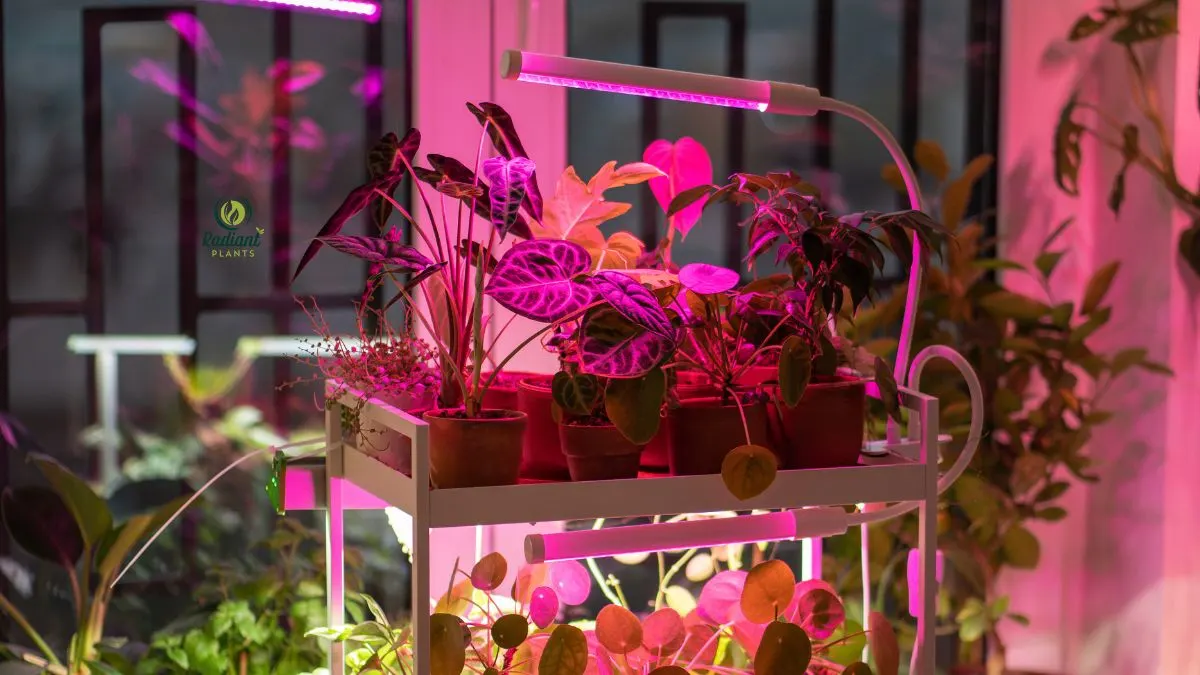
Not all indoor plants need the same kind of light, and that is where many buyers get stuck. The best grow lights for indoor plants depend on what you grow, where you keep it, and how much supplemental light the space actually needs. In this guide, you will learn how to choose the right setup by plant type, from pothos and monstera to succulents, herbs, and seedlings. You will also see which light styles work best, how far to place them, and how long to run them for healthier indoor growth.
In This Article
Why Indoor Plants Need Grow Lights in the First Place
Indoor plants need grow lights when the light inside your home is too weak, too short-lived, or too far from the plant to support healthy growth. Even hardy houseplants can decline indoors if they spend months in dim corners, far from windows, or in rooms that never get enough bright daylight.
Natural light is often enough only when the plant is close to a suitable window and the season cooperates. Once you move a plant several feet away from the glass, keep it in a north-facing room, or try to grow through darker winter months, light levels can drop fast. That is where grow lights stop being a “nice extra” and start becoming a practical tool.
This matters most for people in real-world indoor setups, including:
- apartment dwellers with limited window access
- plant owners dealing with short winter days
- Anyone with north-facing windows
- readers growing plants on office shelves, bookcases, or dark corners away from natural light
One of the biggest misunderstandings in houseplant care is the phrase low light. Low-light plants are tolerant of lower light than other plants, but that does not mean they can survive indefinitely in near darkness. A pothos or snake plant may hang on in dim conditions, but survival is not the same as healthy growth. Over time, weak light can lead to slow growth, legginess, smaller leaves, fading color, and soil that stays wet too long because the plant is not actively using water the way it should.
A simple way to think about it is this:
- Low-light tolerance means a plant can cope with less light than high-light plants.
- No-light survival is a myth for living houseplants.
That distinction is especially important if you are also reading our guide to Low Light Indoor Plants That Actually Survive Dim Rooms. That article helps you choose plants that handle dimmer spaces better, while this guide helps you choose the right light setup when your room still does not provide enough natural light.
Here are a few common situations where indoor light usually falls short:
North-facing apartment:
The room may stay bright enough for you to read, but that does not always mean it is bright enough for steady plant growth. Many houseplants in north-facing spaces benefit from supplemental light, especially in winter.
Office shelf away from a window:
A plant might look fine for a few weeks, then slowly weaken because overhead room lighting is designed for people, not photosynthesis. Standard indoor bulbs usually do not provide the right intensity or duration for plant growth.
Dark living room corner:
This is where people often place “low-light” plants and assume they will be fine forever. In reality, many plants can tolerate that spot only temporarily unless they get occasional brighter light or a grow light.
A good expert rule of thumb is to look at the plant, not just the room. Your plant may be light-starved if you notice:
- long, stretched stems
- smaller new leaves
- pale or faded growth
- slow or stalled growth
- leaning hard toward a window
- wider spacing between leaves on the stem
Those signs do not always point to light alone, but they are strong clues that the plant is not getting enough energy to grow well.
Another common mistake is assuming that if a plant is still alive, the lighting must be fine. That is not always true. Many houseplants decline slowly, which makes poor light easy to miss until the plant becomes leggy, sparse, or hard to revive. The goal is not just keeping a plant alive. The goal is to give it enough light to stay healthy, hold its shape, and produce strong new growth.
That is exactly what this guide is designed to do. Instead of pushing random brands first, it helps you choose grow lights for indoor plants by plant type—so you can match the light to what you actually grow, whether that is pothos on a shelf, a monstera in a corner, or herbs on a kitchen counter.
How to Choose the Right Grow Light for Your Plant Type
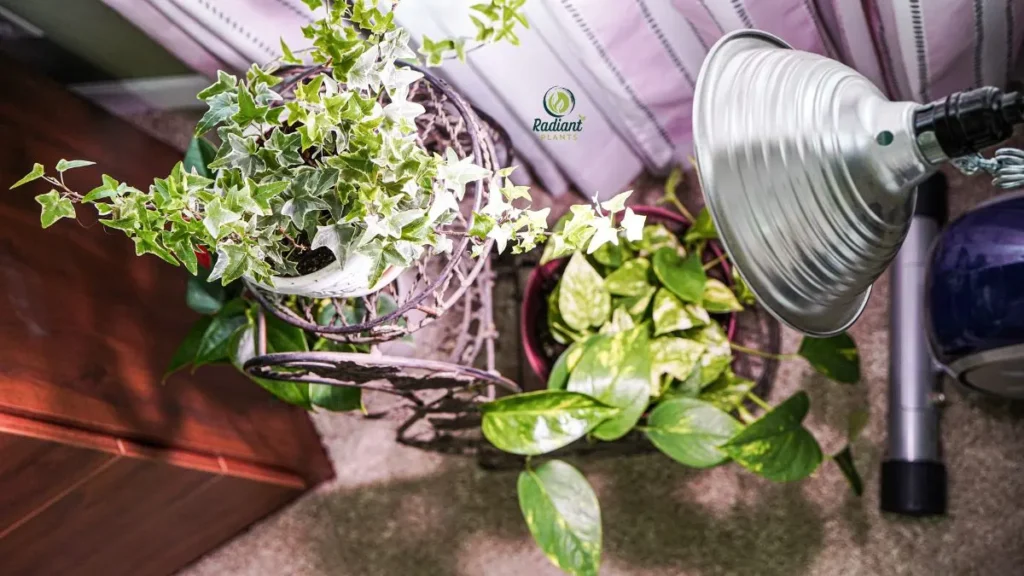
The right grow light depends on three things: what you grow, where you grow it, and how much coverage you need. For most readers, the best choice is not the brightest or prettiest light—it is the one that matches the plant’s light demand and fits the real setup in the room.
A simple rule helps: choose coverage first, then style. A weak decorative light may look good, but it will not do much for a shelf of plants or a light-hungry succulent collection.
Before You Buy, Ask These 5 Questions
- What kind of plants am I growing: low-light, medium-light, or high-light?
- Am I lighting one plant, a shelf, a large corner plant, or herbs/seedlings?
- Is this light meant to supplement window light or replace weak indoor light almost completely?
- Do I need a budget solution, or do I care more about looks and long-term convenience?
- Does the light offer enough coverage and usable intensity, not just a nice design or a high wattage claim?
Match the Light to the Plant’s Needs
Start with the plant, not the product page. Different indoor plants can live under very different light levels, so the best grow lights for indoor plants are never one-size-fits-all.
Low-light plants
Plants like pothos, snake plant, ZZ plant, and peace lily usually need supplemental light rather than a powerful high-output setup. A grow bulb in a floor lamp, a small bar light, or a clip-on light often works well if the plant is in a dim room or far from a window.
Best fit:
- Grow a bulb in a regular lamp
- slim light bar
- small clip-on light for a shelf or side table
What to avoid:
- buying an oversized panel meant for seedlings or succulents
- assuming “low-light” means the plant can live in a dark corner forever
If your room stays dim most of the day, this is also where it makes sense to link readers to Low Light Indoor Plants That Actually Survive Dim Rooms, since plant choice and lighting setup often need to work together.
Medium-light tropicals
Plants like monstera, spider plant, dracaena, philodendron, and rubber plant usually need broader, more consistent coverage than many people expect. These plants often do better under bar lights, stronger bulbs, or standing fixtures that spread light across larger leaves.
Best fit:
- stronger grow bulb for one large plant
- bar lights for multiple tropicals
- standing grow light for corners or plant clusters
What to avoid:
- tiny clip-on lights for large foliage plants
- choosing a decorative bulb with weak output just because it matches the room
Highlight plants
Plants like succulents, cacti, jade, and aloe usually need the strongest indoor setup of the common houseplant groups. If these plants are indoors full-time, weak lights often lead to stretching, leaning, and pale growth.
Best fit:
- high-output bulb placed properly
- bar lights close to the plants
- panels or stronger fixtures for collections
What to avoid:
- Reusing the same light setup you would use for a pothos or a snake plant
- placing the light too far away for convenience
Flowering plants, herbs, and seedlings
Plants like basil, parsley, seedlings, and some blooming indoor plants often need stronger light and longer daily use than typical foliage houseplants. These plants respond better to fixtures built for consistent coverage and higher output.
Best fit:
- light bars
- under-cabinet herb lights
- hanging fixtures
- seed-starting racks
What to avoid:
- Treating herbs like low-light decorative plants
- buying a stylish lamp when the real need is stronger, wider coverage
Match the Light to Your Setup
After the plant type, the next decision is the setup. The same plant may need a different light depending on whether it sits on a desk, a shelf, or across the room from the nearest window.
One plant on a desk
For a single pothos, snake plant, or small monstera, a grow bulb in a regular lamp is often the most practical choice. It is affordable, easy to blend into a room, and usually enough for one plant when placed correctly.
Best for:
- beginners
- renters
- small apartments
- single-plant setups
Example:
- a pothos on a home office desk with a grow bulb in a task lamp
A shelf of plants
A shelf usually needs bar lights or strip lights, not one bulb trying to cover everything. Shelves spread plants horizontally, so coverage matters more than style here.
Best for:
- pothos, philodendron, calathea, prayer plants
- plant collectors
- bookshelf or rack setups
Example:
- a three-tier shelf with pothos, philodendron, and a snake plant, using slim bar lights under each shelf
A large corner plant
A large monstera, rubber plant, or dracaena in a dim corner often needs a stronger bulb or a standing grow light with better spread. A tiny clip-on rarely covers enough leaf area.
Best for:
- larger foliage plants
- living room corners
- rooms with weak natural light
Example:
- A Monstera was placed six feet from a north-facing window using a standing grow light
Kitchen herbs
Herbs need stronger and more direct light than many decorative houseplants. For basil or parsley, under-cabinet bars or countertop herb lights often make more sense than a decorative lamp.
Best for:
- basil
- mint
- parsley
- indoor edible gardens
Example:
- Basil and mint under a slim bar light on a kitchen counter
Decorative living room setup
If style matters, use a lamp-compatible grow bulb or a well-designed standing light—but only after confirming the light is suitable for the plant. Appearance should never be the first filter.
Best for:
- readers who care about aesthetics
- visible living room displays
- blending plant care into home decor
Example:
- a peace lily near a sofa, using a warm-looking floor lamp with a proper grow bulb
Match the Light to Your Budget and Space
Once the plant type and setup are clear, the budget becomes much easier to manage. Most people overspend or underspend because they shop too early, before deciding what kind of coverage they actually need.
Small budget
A single grow bulb is usually the best entry point. It works well for one plant or a small group near each other and lets readers use lamps they already own.
Best for:
- one or two houseplants
- beginners
- simple supplement lighting
Watch out for:
- cheap lights with vague specs or no clear coverage guidance
Mid-range
Bar lights, better bulbs, or stronger clip-on fixtures usually give the best balance of performance and price. This range works well for shelves, medium collections, and mixed plant types.
Best for:
- apartment plant shelves
- tropical foliage setups
- people who want better results without a premium look
Premium / aesthetic setups
Premium lights make sense when readers want a fixture that looks good in the room and performs well. These are best for visible areas like living rooms, entryways, or styled plant corners.
Best for:
- large statement plants
- design-conscious buyers
- long-term indoor plant displays
Watch out for:
- paying more for design without enough usable coverage
Plant Type to Light Type Comparison
Plant type | Recommended light type | Ideal setup |
|---|---|---|
Low-light plants | Grow bulb, small bar, clip-on | Desk, side table, dim room supplement |
Medium-light tropicals | Strong bulb, bar light, standing light | Shelf, plant stand, corner cluster |
Highlight plants | High-output bulb, bar, panel | Succulent shelf, bright replacement setup |
Herbs/seedlings | Bar light, strip light, hanging fixture | Kitchen counter, tray, rack system |
Expert Tip: Choose Coverage First, Then Style
A good-looking light that covers the wrong area is still the wrong light. Always ask how many plants the light needs to cover, how large those plants are, and how close the light can realistically sit before choosing the fixture style.
Common Mistakes to Avoid
- Buying by wattage alone. Wattage tells you energy use, not how well the light reaches your plants.
- Choosing by appearance only. Decorative lights can work, but only if they match the plant’s needs.
- Using one weak light for a whole shelf. Multiple plants need real coverage.
- Treating all indoor plants the same. A pothos, monstera, succulent, and basil plant do not need the same setup.
- Ignoring the room itself. A north-facing apartment, dark office shelf, and sunny kitchen all change what “best” means.
If readers are still unsure after this section, the easiest next step is to choose by the kind of plant they grow most. That is exactly what the rest of this guide does: it breaks down the best grow lights for indoor plants by plant type, so the decision gets much simpler from here.
Best Grow Lights for Low-Light Houseplants

Low-light houseplants usually do best with gentle supplemental lighting, not the strongest fixture you can buy. Plants like pothos, snake plant, ZZ plant, philodendron, and peace lily can tolerate dimmer spaces, but they still grow fuller, lean less, and stay healthier when they get steady light support.
Best for pothos, snake plant, ZZ plant, philodendron, peace lily
These plants are often labeled “low light,” but that phrase gets misunderstood. It means they can handle less light than many other houseplants, not that they thrive in a dark room with no real light at all. In most homes, the best grow lights for indoor plants in this category are simple, moderate-output options that supplement weak natural light instead of trying to blast the plant with greenhouse-level intensity.
For most low-light houseplants, the best styles are:
- A grow bulb in a lamp for one plant or a small cluster
- A slim light bar for a plant shelf or row of plants
- A clip-on light for a bookshelf, side table, or compact setup
Here’s what usually works best for each plant type:
- Pothos: does well with a grow bulb or bar if it lives on a shelf or away from a bright window
- Snake plant: usually needs only modest supplemental light, but stronger placement helps prevent weak, stretched growth over time
- ZZ plant: benefits from a simple bulb or bar in dim offices and living rooms
- Philodendron: often does better with a bar light if you want fuller growth and better leaf spacing
- Peace lily: benefits from gentle, steady light support, especially in darker rooms or during winter
What does “enough” look like for this category? Not blazing brightness. For low-light houseplants, enough usually means the plant gets consistent supplemental light close enough to matter, without the light being so intense or so close that it stresses the foliage. In real terms, that often means a bulb or bar placed near the leaves, used on a regular schedule, especially when the plant sits more than a few feet from a window.
A good rule of thumb:
- Use a bulb when you are lighting one plant
- Use a bar when you are lighting multiple plants on a shelf
- Use a clip-on when space is tight, and the light needs to attach to furniture
Expert Quote
Expert insight: “Low-light plants are best thought of as low-light tolerant, not no-light plants.”
That distinction matters because many readers assume easy plants do not need light support. In reality, they simply need less than succulents, herbs, or seedlings.
Best setups for dim apartments and darker rooms
In dim apartments and darker rooms, placement matters as much as the light itself. The goal is to position the light close enough to the plant display to make a difference, while still letting the setup look clean and easy to live with.
Here are the best practical setups:
1. One low-light plant in a living room
Use a grow bulb in a floor lamp or table lamp placed near a pothos, peace lily, or snake plant. This works especially well when the room has some daylight, but not enough to keep the plant growing well on its own.
Best for:
- Pothos near a sofa
- peace lily beside a TV stand
- Snake plant in a bedroom corner
2. A shelf of low-light plants
Use a slim light bar mounted under each shelf or above the top row. This gives better coverage than a single bulb and makes more sense for pothos, philodendron, and ZZ plants grouped.
Best for:
- bookshelf plant collections
- apartment plant racks
- office shelving
3. A compact corner or office setup
Use a clip-on grow light if there is no room for a lamp and the plant sits on a desk, cabinet, or floating shelf. This is usually the easiest fix for a dark office corner with a ZZ plant or pothos.
Best for:
- work-from-home desks
- office corners
- narrow side tables
The smartest approach is to supplement window light instead of replacing it completely whenever possible. If a plant is near a north-facing window or in a room that gets weak daylight, a modest grow light can fill the gap without needing a heavy-duty fixture.
That is especially important for readers interested in Low Light Indoor Plants That Actually Survive Dim Rooms. The best results come from combining the right plant choice with the right supplemental lighting, rather than assuming one or the other will solve everything.
Case Study / Real Example: Small Apartment Shelf With Pothos + Snake Plant
A renter has a three-tier shelf in a small apartment living room, about six feet from a north-facing window. The shelf holds one pothos on the middle shelf and one snake plant on the bottom shelf.
A good setup here is:
- One slim bar light mounted under the top shelf for the pothos
- Either a second low-profile bar or a well-aimed bulb nearby for the snake plant
- a timer so both plants get steady daily light
Why this works:
- The pothos gets broader, more even coverage than it would from a single bulb across the room
- The snake plant gets enough supplemental light to avoid weak, stalled growth
- The setup stays compact and renter-friendly
Low-Light Houseplants vs. Best Grow Light Style
Low-light houseplant | Best grow light style | Best use case |
|---|---|---|
Pothos | Grow bulb or slim bar | Desk, shelf, side table |
Snake plant | Grow bulb or clip-on | Bedroom corner, office, floor display |
ZZ plant | Grow bulb or clip-on | Office corner, low-light room |
Philodendron | Slim bar or grow bulb | Shelf, plant stand, apartment display |
Peace lily | Grow bulb | Living room, bedroom, low-light corner |
Examples
- Pothos on a bookshelf: a slim light bar works better than a single bulb trying to cover the whole shelf
- ZZ plant in an office corner: a grow bulb in a nearby lamp is usually enough to improve long-term performance
- Snake plant by a hallway wall: supplemental light helps more than people expect, especially if there is no window nearby
- Philodendron on a plant stand: a bar light often gives more even coverage than a decorative lamp
Expert Tips
- Choose a bulb when you want the simplest, cheapest solution for one plant.
- Choose a bar when you want to light multiple low-light plants evenly.
- Keep the light close enough to matter. Low-light plants still need usable light, not just a fixture somewhere in the room.
- If the room already gets some daylight, think supplement, not replacement.
Common Mistakes
- Placing the light too far away because the plant is “easy.” This is the most common mistake.
- Assuming survival means the light is sufficient. A plant can stay alive and still be badly underlit.
- Using one weak decorative lamp for an entire shelf.
- Treating pothos and snake plants like they need no support at all in winter or dark rooms.
For low-light houseplants, the best grow lights for indoor plants are usually the simplest ones: modest, targeted, and placed correctly. You do not need an ultra-powerful fixture for pothos or a ZZ plant, but you do need enough light to move the plant from “barely hanging on” to actually growing well.
Best Grow Lights for Medium-Light Tropical Plants
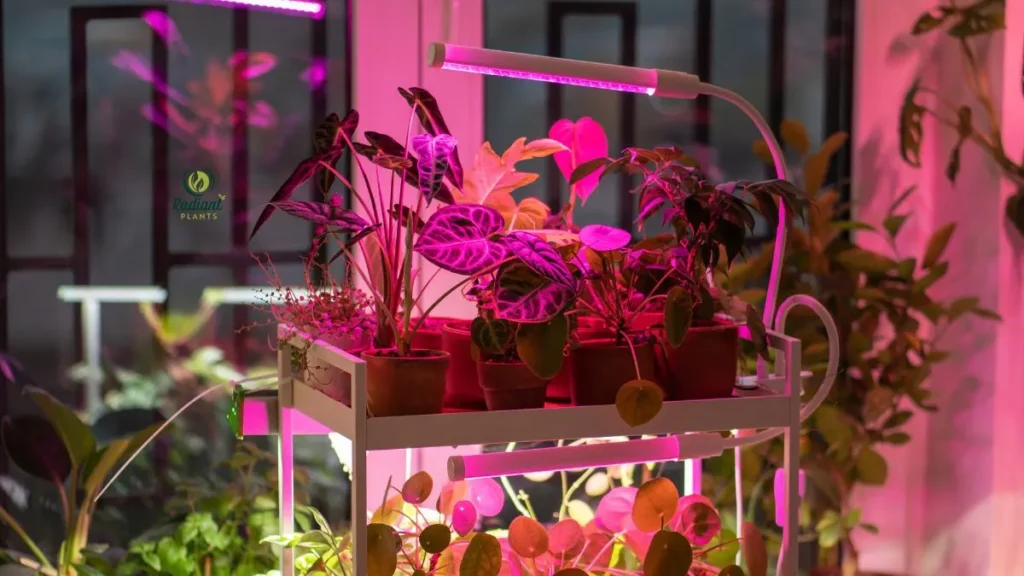
Medium-light tropical plants usually need more consistent, broader light than casual indoor setups provide. If you want fuller growth, stronger stems, and better-looking leaves, the best grow lights for indoor plants in this category are usually bar lights, stronger bulbs, or standing fixtures with wider coverage, not tiny accent lights.
Best for monstera, rubber plant, spider plant, calathea, dracaena
Plants like monstera, rubber plant, spider plant, calathea, and dracaena often get labeled as “easy indoor plants,” but many owners still under-light them. These plants may stay alive in average room conditions, yet they often need steadier light to grow well, keep good leaf size, and avoid sparse, stretched growth.
If your goal is:
- faster growth
- less legginess
- better leaf size
- richer color and stronger form
Then a weak clip-on or distant lamp usually will not be enough.
The best light forms for medium-light tropicals are the ones that cover more leaf surface area. Broad-leaf plants do not just need brightness—they need light that reaches the plant evenly, especially if the plant is wide, tall, or growing on a shelf with other plants.
Best options for this group:
- Stronger grow bulb in a lamp for one medium or large plant
- Light bar for multiple tropical plants on shelves or stands
- Standing grow light for a larger corner plant or grouped display
Here is how that works in real life:
- Monstera: usually does better with a stronger bulb or standing light than a tiny clip-on, especially if it sits away from a bright window
- Rubber plant: often benefits from a grow bulb or standing fixture that can reach larger leaves
- Spider plant: works well with a bar light or bulb, especially on a shelf or plant stand
- Calathea: benefits from steady, even supplemental light without being blasted by an overly intense setup
- Dracaena: often does well with a bulb or bar when indoor light is weak or seasonal
A good way to think about this group: these are not high-light desert plants, but they usually need more than “whatever light the room happens to have.”
Expert Tip
For medium-light tropicals, wider spread matters more than people think. A strong point-source light can work for one plant, but if the plant has broad leaves or shares space with others, a wider bar or better-positioned standing light often delivers better results.
Best grow light setups for shelves and corners
The best setup depends on where the plant lives, not just the plant name. A monstera in a corner needs a different solution than calatheas on a plant stand.
Vertical plant stands
Vertical stands work best with bar lights or small fixtures that spread light across each level. This is especially useful for calathea, spider plant, philodendron, and smaller dracaena types.
Best for:
- grouped tropical plants
- apartment displays
- mixed-size houseplants on tiers
What works:
- one bar per shelf
- evenly spaced lighting over the stand
- timer-controlled setup for consistency
Light bars for multiple plants
If you have a shelf or long display, light bars are usually the best choice. They spread light across more foliage and make more sense than trying to light three or four plants with one bulb.
Best for:
- calathea collections
- Spider plants on a shelf
- mixed tropical plant racks
Example:
- a plant stand with two calatheas and one spider plant under slim bar lights
Floor lamp + grow bulb option
For one large tropical plant in a living room or corner, a floor lamp with a proper grow bulb is often the most practical answer. This works well for monstera, rubber plant, or dracaena when the room gets some natural light but not enough for strong growth.
Best for:
- one statement plant
- living room corners
- decorative setups that still need function
Example:
- a monstera placed near an east-facing window with a grow bulb in a nearby floor lamp to extend usable light through the day
That kind of setup is often better than replacing the whole room’s lighting plan. If the plant already gets some decent morning light from an east-facing window, the grow light can act as a supplement, not a full replacement.
Medium-Light Tropical Plants vs. Ideal Fixture Type
Plant | Ideal fixture type | Best setup |
|---|---|---|
Monstera | Strong grow bulb or standing light | Corner plant, near window, large pot |
Rubber plant | Grow bulb or standing fixture | Living room corner, floor display |
Spider plant | Light bar or grow bulb | Shelf, stand, side table |
Calathea | Light bar | Plant stand, grouped setup, shelf |
Dracaena | Grow bulb or bar light | Office corner, shelf, living room |
Examples
- Monstera near an east-facing window: a floor lamp with a grow bulb helps extend the available light and supports fuller growth
- Calathea on a plant stand: bar lights usually give more even coverage than a single bulb above the plant
- Spider plant on a shelf: a slim light bar is often a better fit than a decorative lamp across the room
- Dracaena in an office corner: a nearby bulb can provide enough supplemental light to keep growth steadier
Common Mistakes
- Under-lighting large plants with tiny clip-ons. This is the biggest mistake in this category.
- Assuming survival means good light. Many tropicals tolerate weak light but lose shape, size, and vigor over time.
- Using one narrow light for broad foliage. Wide leaves need wider coverage.
- Ignoring placement. Even a decent light becomes weak if it is too far away.
- Treating medium-light tropicals like low-light plants. Some can tolerate dim conditions, but most look much better with regular supplemental light.
If a reader finds that their plant really does better in dimmer conditions than these medium-light tropicals, that is a natural place to point them to Low Light Indoor Plants That Actually Survive Dim Rooms. But for monstera, rubber plant, calathea, dracaena, and similar foliage plants, better light usually means noticeably better results.
Best Grow Lights for High-Light Plants, Succulents, and Cacti
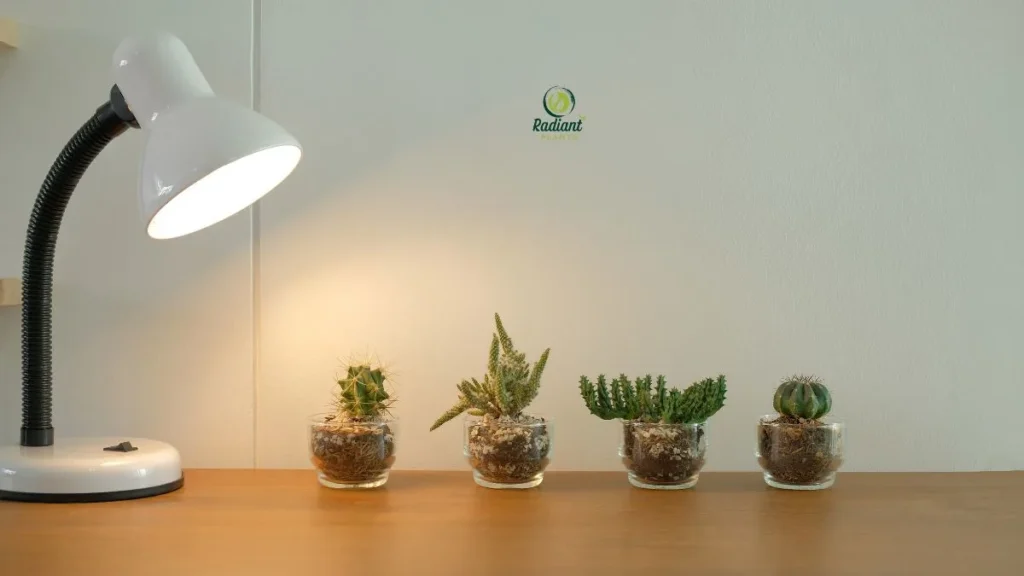
High-light plants need the strongest indoor lighting in this guide because they are built for brighter conditions than typical foliage houseplants. If you are growing succulents, cacti, aloe, or jade indoors, the best grow lights for indoor plants are usually stronger bars, panels, or high-output bulbs placed fairly close to the plant, not soft decorative lights that only look bright to your eyes.
Best for succulents, cacti, aloe, jade plant
Succulents and cacti usually struggle indoors for one simple reason: most homes do not deliver the intensity they need for compact, healthy growth. A sunny windowsill may look bright, but it can still be too weak or too inconsistent, especially in winter, in cloudy climates, or when the plant sits back from the glass.
That is why these plants usually need the strongest indoor setup in the houseplant category. Compared with low-light or medium-light foliage plants, high-light plants typically need:
- stronger light intensity
- closer placement to the light source
- more consistent daily exposure
In practical terms, the best options are usually:
- Strong light bars for succulent shelves or grouped collections
- Panels for higher-output coverage over several plants
- High-output grow bulbs for one or two plants, when the bulb can sit close enough to matter
Weak decorative lights disappoint here because they often provide the wrong thing: they look attractive in a room, but they do not deliver enough usable light at the leaf surface. For succulents and cacti, intensity and distance matter more than marketing words on the box.
A few plant-specific examples:
- Succulents: usually need a stronger bar or panel if grown on a shelf
- Cacti: often do best with a high-output light placed close enough for real intensity
- Aloe: usually needs more than a casual lamp setup to stay sturdy indoors
- Jade plant: often grows leggy under weak light and benefits from a stronger bulb or bar
A useful reminder: if your room is naturally dim and you do not want a stronger grow-light setup, it is often smarter to choose plants that tolerate lower light better. That is a natural point to direct readers to Low Light Indoor Plants That Actually Survive Dim Rooms, because forcing a succulent into a dark room usually ends badly.
Data Point / Statistics
High-light plants generally need much stronger light intensity than common low-light houseplants to stay compact and hold their shape indoors. If you want a stronger data block here, add a sourced comparison using PPFD or daily light integral rather than vague brightness claims.
Expert tip
For succulents and cacti, prioritize intensity and distance over phrases like “full spectrum.” A full-spectrum bulb can still be too weak if it is underpowered or placed too far away. In this category, a stronger fixture placed correctly usually matters more than pretty packaging language.
Signs the light is too weak for high-light plants
Highlight plants usually tell you pretty quickly when the setup is not strong enough. The main warning signs are structural, not subtle.
Look for:
- stretching or etiolation
- pale new growth
- leaning hard toward the light
- loss of compact shape
- wider gaps between leaves
- flattened or weak growth habit
Here is what that looks like in real life:
- Echeveria stretching on a windowsill: the rosette opens up, the stem elongates, and the plant loses its tight, compact form
- Jade plant getting leggy: stems lengthen, leaf spacing increases, and the plant starts leaning toward the nearest light source
- Aloe growing thin and floppy: leaves may lose firmness and shape when the indoor light is too weak
If you see those signs, the fix is usually not more watering or fertilizer. It is a better light setup: stronger output, closer placement, or both.
What setup usually works best
For this category, match the fixture to the collection size:
- One jade plant or aloe near a window: high-output bulb in a lamp, placed close enough to be effective
- A shelf of succulents: bar lights are usually the most practical option
- Multiple cacti or a larger collection: panel-style lighting often gives more even, stronger coverage
This is one of the clearest places where “best” depends on plant type. The same light that is perfectly fine for pothos can be completely inadequate for echeveria or cactus.
Common mistakes
- Using the same setup for pothos and succulents. These plants do not have the same light needs.
- Choosing a decorative lamp that looks bright but is too weak at the plant level.
- Placing the light too far away for convenience.
- Relying on a windowsill alone in winter or low-sun rooms.
- Judging by bulb marketing instead of plant response.
For high-light plants, the best grow lights for indoor plants are the ones that deliver enough intensity to keep growth compact and stable. If the setup is weak, succulents and cacti usually will not just grow slowly—they will visibly lose the shape that makes them attractive in the first place.
Best Grow Lights for Herbs, Seedlings, and Edible Indoor Plants
Herbs, seedlings, and edible indoor plants usually need stronger light and longer daily exposure than decorative houseplants. If you are growing food indoors, the best grow lights for indoor plants are usually strip lights, under-cabinet bars, hanging fixtures, or seed-starting racks that provide even coverage and a consistent schedule.
Best for basil, mint, parsley, seedlings
This section matters most for readers growing basil, mint, parsley, lettuce starts, tomato seedlings, pepper seedlings, or other edible plants indoors. These plants are often more demanding than pothos, snake plants, or peace lilies because the goal is not just survival. You want usable growth: fuller herbs, stronger stems, healthier leaves, and seedlings that do not stretch or flop over.
That is why edible plants often need:
- longer daily light exposure
- stronger light intensity
- more even coverage across the whole plant or tray
For mature herbs like basil, mint, and parsley, the main goal is steady leaf production. These plants need enough light to keep producing compact, flavorful growth instead of getting thin and weak.
For seedlings, the goal is slightly different. You are trying to build short, sturdy, healthy young plants before transplanting. Seedlings usually need the light source placed closer and more evenly above the tray so they do not stretch toward the nearest bright spot.
A simple distinction helps:
- Mature herbs need strong, regular light to stay productive
- Seedlings need very consistent overhead light to grow sturdy, not leggy
If you treat herbs or seedlings like low-light houseplants, results usually disappoint. Basil on a dim kitchen counter may stay alive for a while, but it often becomes sparse and weak. Seedlings in poor light usually stretch fast and are hard to recover.
Expert Quote
Expert insight: Herbs and seedlings usually need stronger, more consistent light than decorative foliage plants because you are asking them to produce edible growth or build transplant-ready structure, not just stay alive.
Best fixture types for kitchen counters and seed trays
The best fixture depends on whether you are growing a few herbs for cooking or starting multiple trays of seedlings.
Strip lights
Strip lights work well when you need even light across a row of herbs or seedlings. They are practical, simple, and usually better than a single bulb for edible plants because they spread light more consistently.
Best for:
- herb shelves
- countertop rows
- small seed trays
Under-cabinet bars
Under-cabinet bars are one of the best options for kitchen herbs. They fit naturally into kitchen spaces and make sense for basil, parsley, and mint growing on a counter below upper cabinets.
Best for:
- Basil on a kitchen counter
- parsley near a prep area
- renters who want a low-profile setup
Hanging lights
Hanging lights work best when you need adjustable overhead coverage for more than one plant. They are especially useful for larger herb setups or when the plants need stronger direct light from above.
Best for:
- grouped herb containers
- indoor edible plant stations
- stronger coverage than decorative lamps can provide
Seed-starting racks
Seed-starting racks are the best fit for serious indoor starts. They allow lights to sit close to trays and make it easier to adjust height as seedlings grow.
Best for:
- vegetable starts
- multiple seed trays
- spring indoor propagation
The key for all four options is even coverage. Herbs and seedlings do not perform well when one side gets the light, and the rest stays shaded.
Case Study / Real Example: Kitchen Herb Station That Replaced Weak Window Light
A renter keeps basil and parsley on a kitchen counter near a small window that gets weak afternoon light. The plants stay alive, but growth is thin, leaves are smaller than expected, and basil keeps leaning toward the glass.
A better setup is:
- One under-cabinet bar light mounted above the herbs
- a simple timer for daily consistency
- The plants are placed directly under the coverage area instead of off to the side
Why this works:
- The herbs get steadier light than the window alone can provide
- growth becomes more even across both plants
- The setup fits a real kitchen without taking over the space
The same logic applies to seed trays. A tray of seedlings under even overhead light will usually perform much better than one sitting near a bright-looking window.
Herbs vs. Seedlings vs. Houseplants
Plant category | Light need indoors | Best fixture style | Main goal |
|---|---|---|---|
Herbs | Higher than most decorative houseplants | Under-cabinet bar, strip light, hanging light | Ongoing leaf production |
Seedlings | Very high consistency needed | Seed-starting rack, strip light, hanging light | Short, sturdy early growth |
Decorative houseplants | Usually lower, depending on plant type | Bulb, bar, clip-on, standing light | Healthy maintenance and growth |
Examples
- Basil on a counter: does better under an under-cabinet bar than next to a weak kitchen window
- Mint in a bright kitchen: can use a strip light to extend available daylight
- Parsley indoors: usually benefits from direct overhead coverage rather than side lighting
- Seedlings in trays: need close, even light from above to avoid stretching
Expert Tips
- Timers matter more for edible plants. Herbs and seedlings respond better to a steady routine than an inconsistent “turn it on when I remember” approach.
- Choose overhead coverage whenever possible for seed trays.
- For herbs, think like a grower, not a decorator. The fixture has to help produce useful growth, not just look nice.
- If you are growing food indoors, do not judge success by survival alone. Judge it by leaf quality, stem strength, and steady new growth.
Common Mistakes
- Treating herbs like low-light houseplants. This is the most common mistake.
- Using one weak bulb for several edible plants.
- Relying on a kitchen window that looks bright but does not deliver enough usable light.
- Letting seedlings grow under side light instead of overhead light.
- Skipping a timer and creating an inconsistent schedule.
For herbs, seedlings, and edible indoor plants, the best grow lights for indoor plants are the ones that provide strong, even, predictable light. If your goal is actual harvests or healthy seedlings, this is one area where a casual decorative setup usually is not enough.
Grow Light Types Compared: Bulbs vs. Bars vs. Clip-Ons vs. Panels
The best grow light type depends less on brand and more on how many plants you need to cover, how much space you have, and where the light will sit. For most readers, bulbs work best for one plant, bars work best for shelves, clip-ons fit tight spaces, and panels or standing fixtures make the most sense for stronger coverage or bigger collections.
Grow light bulbs
Grow light bulbs are usually the best choice for single plants and for readers who want to use a normal floor lamp, desk lamp, or table lamp. They are often the easiest starting point because they are affordable, flexible, and simple to blend into a bedroom, office, or living room.
Best for:
- one pothos, snake plant, or peace lily
- One medium tropical plant, like a dracaena or rubber plant
- decorative lamp setups
- renters and beginners
Pros
- Usually, the cheapest entry point
- Easy to use in lamps you already own
- Good for one plant or a small cluster
- Best option when style matters but space is limited
Cons
- Coverage is narrow compared with bars or panels
- Not ideal for shelves or multiple plants
- Can underperform if placed too far away
- Easy to misuse by assuming one bulb can light an entire plant corner
Example:
A single pothos in a bedroom corner often does well with a proper grow bulb in a nearby floor lamp.
Light bars
Light bars are usually the best option for shelves, plant stands, and rows of plants. If you need even light across several plants, bars almost always make more sense than trying to stretch one bulb across a whole shelf.
Best for:
- plant shelves
- tropical plant stands
- kitchen herb rows
- grouped low-light or medium-light houseplants
Pros
- Better horizontal coverage
- Great for multiple plants at once
- Easy to mount above or under shelves
- Often, a strong balance of performance and price
Cons
- Less decorative than lamp-based setups
- Installation can be a little more involved
- Not always ideal for one tall corner plant
- Cheap bars may not offer strong enough output
Example:
A plant shelf with pothos, philodendron, and spider plant usually performs better under slim bar lights than under one bulb across the room.
Clip-on grow lights
Clip-on grow lights are best for small spaces, casual setups, and temporary problem spots. They can be useful for desks, bookshelves, side tables, or office corners where a full lamp or mounted bar is not practical.
Best for:
- tight apartment spaces
- one or two small plants
- office shelves
- casual supplemental lighting
Pros
- Compact and easy to position
- Good for awkward spaces
- Usually beginner-friendly
- Useful when you need a quick setup without mounting hardware
Cons
- Often weaker than bars or panels
- Coverage is usually limited
- Many are too small for larger plants
- Easy to overestimate because the fixture looks bright to your eyes
Example:
A ZZ plant in an office corner can do well with a clip-on light when there is no room for a lamp.
Panels and standing fixtures
Panels and standing fixtures are best for stronger coverage, bigger collections, and higher-light plants. These options make the most sense when you need more output, a broader reach, or a dedicated indoor growing area.
Best for:
- succulent collections
- cacti and high-light plants
- larger tropical plants in dark corners
- Multiple plants need stronger light
Pros
- Better coverage and stronger output
- More practical for demanding plants
- Good for grouped collections
- Often better for taller or wider plants
Cons
- Usually costs more
- Can take up more visual and physical space
- Maybe more than a beginner needs
- Some styles are less attractive in living spaces
Example:
A succulent collection on a dedicated shelf usually does better under a stronger panel or high-output bar than under a decorative bulb.
Light Type Comparison Table
Light type | Best for | Pros | Cons | Ideal user |
|---|---|---|---|---|
Grow bulb | One plant, decorative lamp setups | Affordable, simple, stylish | Narrow coverage | Beginner with one or two plants |
Light bar | Shelves, rows of plants, herb stations | Even coverage, efficient for multiple plants | Less decorative, may need mounting | Plant shelf owner or small collector |
Clip-on | Tight spaces, desks, casual setups | Compact, flexible, easy to place | Limited strength and spread | Apartment dweller with a small setup |
Panel/standing fixture | Bigger collections, stronger light needs | Powerful, broad coverage | Higher cost, larger footprint | Collector or high-light plant grower |
Choose This Type If…
- Choose a grow bulb if you have one plant and want the light to fit into a normal lamp.
- Choose a light bar if you have a shelf, stand, or row of plants.
- Choose a clip-on if you have very little space and need a simple supplemental fix.
- Choose a panel or standing fixture if you have multiple plants or higher-light plants that need stronger coverage.
- Choose based on plant count and coverage first, then style.
Expert tip
Buy based on coverage and plant count, not just on the shape of the fixture. One of the biggest reasons people get poor results with grow lights for indoor plants is that they choose a style they like before asking how many leaves, shelves, or pots the light actually needs to cover.
Examples
- One plant in a bedroom: grow a bulb in a floor lamp
- Plant shelf in a living room: light bars mounted above each level
- Herb garden on a counter: under-cabinet bar or strip light
- Succulent collection: stronger bar or panel for closer, brighter coverage
Common mistakes
- Choosing a style that does not match the number of plants
- Using one bulb for an entire shelf
- Using a clip-on for a large monstera or rubber plant
- Buying a decorative lamp for succulents that need stronger light
- Assuming a more expensive fixture is automatically better than a simple one-plant setup
If readers are unsure which type makes sense, the easiest answer is to go back to the plant type first. A low-light pothos, a shelf of tropicals, a tray of seedlings, and a succulent collection all call for different tools, which is exactly why this guide breaks down the best grow lights for indoor plants by use case instead of by brand alone.
How Far Should a Grow Light Be From Indoor Plants?
Most indoor plants do best when the grow light is close enough to deliver useful intensity, but not so close that it bleaches or scorches the leaves. There is no single perfect distance for every setup, because the right placement depends on the plant type, the strength of the fixture, and whether you are using a bulb, bar, or panel.
A good starting principle is simple: higher-light plants usually need stronger light placed closer, while lower-light plants can handle a bit more distance. Packaging can help, but the plant’s response matters more than the label.
Distance by plant category
The ranges below are general starting points, not fixed rules. Actual placement depends on fixture strength and spread.
Low-light plants
Plants like pothos, snake plant, ZZ plant, and peace lily usually do well with a modest grow light placed a little farther away than high-light plants.
General starting range:
- about 12–24 inches away
Best use case:
- Grow a bulb near one plant
- light bar over a shelf of low-light plants
- supplemental light in dim rooms
Why it works:
- These plants do not need the most intense indoor setup
- They still need the light close enough to matter
Tropical foliage plants
Plants like monstera, philodendron, calathea, spider plant, and dracaena usually need more consistent light than low-light plants, especially if you want fuller growth and better leaf size.
General starting range:
- about 8–18 inches away
Best use case:
- stronger bulb for one large plant
- bar light for a shelf or stand
- standing grow light for a corner plant
Why it works:
- Medium-light tropicals often need better coverage across broad leaves
- Too much distance can lead to weak, stretched growth
Succulents and cacti
Plants like echeveria, jade plant, aloe, and many cacti usually need the light closest because they are the most light-hungry group in this guide.
General starting range:
- about 6–12 inches away
Best use case:
- high-output bulb
- bar light over a succulent shelf
- panel for a larger collection
Why it works:
- These plants need stronger intensity indoors
- Weak light or too much distance often causes stretching fast
Herbs and seedlings
Basil, parsley, mint, and seed trays usually need close, even overhead lighting. Seedlings especially need strong, direct light from above so they do not stretch.
General starting range:
- about 4–12 inches away, depending on the fixture and growth stage
Best use case:
- strip lights
- under-cabinet bars
- hanging fixtures
- seed-starting racks
Why it works:
- Herbs need productive light, not just survival light
- seedlings need the fixture close enough to build short, sturdy growth
Data Point / General placement guidance
Distance is one of the biggest variables in grow-light performance because light intensity drops quickly as you move farther from the plant. That is why a decent light placed too far away often performs worse than a modest light positioned correctly.
Quick placement check
Use this checklist after setting up your light:
- Is the light close enough to the leaves to provide real coverage?
- Is the whole plant getting light, or just the top edge?
- Does the distance match the plant type: lower light vs. higher light?
- Is the plant growing upright and compact instead of stretching?
- Are the leaves staying healthy, not bleaching or scorching?
If the answer to two or more of those is no, adjust the fixture before blaming the plant.
Examples
Light bar over a shelf:
A slim bar mounted above a shelf of pothos and philodendron usually works best when it sits close enough to cover the top foliage evenly, rather than high above the entire bookcase.
Bulb over a single plant:
A grow bulb in a floor lamp can work well for one monstera or peace lily, but only if the bulb is positioned near the plant instead of across the room, where the light looks bright to people but weak to the plant.
Succulent shelf:
A bar or panel over succulents usually needs to sit much closer than a lamp used for low-light houseplants. If the shelf setup is too high for convenience, the plants often stretch.
Seedling tray:
Seedlings do best when the light is directly overhead and adjusted upward as they grow, not left far above the tray from day one.
Signs your grow light is too close or too far
Plants usually tell you when the placement is off.
Signs the light is too close
- Bleaching: leaves look faded or washed out
- Scorching: dry, burned, or damaged leaf tissue
- Heat stress: more likely with hotter fixtures or poor airflow
What to do:
- raise the light slightly
- Reduce exposure time if needed
- Check whether the fixture runs hot
Signs the light is too far
- Stretching: stems elongate toward the light
- Weak growth: slower growth, smaller leaves, thin stems
- Leaning: the plant tilts toward the light source
- Loss of shape: especially common in succulents and herbs
What to do:
- move the light closer
- improve overhead positioning
- Switch to a stronger fixture if the current one cannot sit close enough
Expert tip
Follow the plant response, not just the packaging claims. A label may say the light covers a certain area, but if your pothos is stretching, your monstera is leaning, or your basil is getting thin, the setup is not working as placed.
Common mistakes
- Hanging lights too high for convenience
- Placing a bulb across the room instead of near the plant
- Using one height for every plant category
- Ignoring broad-leaf coverage on tropical plants
- Leaving seedling lights too far above trays
If readers struggle with distance because the room is very dim to begin with, that is often a sign to simplify the plant choice too. Linking here to Low Light Indoor Plants That Actually Survive Dim Rooms makes sense for anyone trying to grow plants in spaces where even a good light setup has to work harder.
How Long to Leave Grow Lights On for Indoor Plants
Most indoor plants do best with grow lights on for part of the day, not all day. The right schedule depends on the plant type, how much natural light the room already gets, and how strong the fixture is, but in general, consistency matters more than guessing day to day.
A grow light is not just about brightness. It is also about duration. A decent light used on a steady schedule often works better than a stronger light used randomly. And yes, plants need a dark period too—leaving lights on 24/7 is usually a mistake.
Daily timing by plant type
The ranges below are practical starting points, not fixed rules. If the plant already gets some window light, it may need fewer hours. If it lives in a darker room, it may need more.
Low-light houseplants
Plants like pothos, snake plant, ZZ plant, and peace lily usually need the shortest supplemental schedule in this guide.
Typical range:
- about 10–12 hours per day when used as supplemental lighting
This category usually does best when the grow light fills in weak room light instead of trying to simulate intense all-day sun. If the plant sits near a decent window, the lower end of the range may be enough.
Medium-light tropicals
Plants like monstera, philodendron, calathea, spider plant, and dracaena often need a bit more consistency to support steady growth and better leaf development.
Typical range:
- about 12–14 hours per day
This is a good range for plants that are not true high-light growers but still need more support than a casual low-light plant setup.
Highlight plants
Plants like succulents, cacti, jade plant, and aloe usually need the longest and strongest indoor setup of the decorative houseplant groups.
Typical range:
- about 12–16 hours per day, depending on light strength and room conditions
If a succulent is stretching or losing its compact shape, the issue may be weak intensity, too little daily exposure, or both.
Herbs and seedlings
Basil, parsley, mint, and seedlings usually need some of the longest daily schedules because the goal is active growth, not just maintenance.
Typical range:
- about 14–16 hours per day
Seedlings especially need a stable routine. Inconsistent timing often leads to weak, uneven growth.
Plant Type vs. Typical Hours Per Day
Plant type | Typical hours per day | Main goal |
|---|---|---|
Low-light houseplants | 10–12 hours | Supplemental support and healthier maintenance |
Medium-light tropicals | 12–14 hours | Fuller growth and better leaf development |
Highlight plants | 12–16 hours | Stronger intensity support and compact growth |
Herbs and seedlings | 14–16 hours | Productive growth and sturdy development |
Examples
Winter schedule:
In winter, a pothos in a dim apartment or a monstera near a weak window often needs a longer grow-light schedule because natural daylight is shorter and less intense.
Summer supplement schedule:
In summer, a plant near a bright east- or south-facing window may need the grow light only as support, not as the main source of light. That usually means fewer daily hours than a plant living in a dark room.
Herb station on a kitchen counter:
Basil growing away from strong natural light often does best with a longer, timer-controlled schedule instead of a few random hours when someone remembers to switch the light on.
Why timers matter
Timers solve three problems at once: consistency, overexposure, and effort.
Consistency
Plants respond better to a stable routine than to a changing one. Turning the light on for six hours one day, twelve the next, and not at all on weekends makes it harder to get reliable results.
Preventing overexposure
A timer also helps prevent one of the most common beginner mistakes: trying to “make up” for weak light by running it nonstop. More is not always better. Plants need darkness as part of a normal cycle.
Making the setup low-maintenance
The easiest grow light setup runs automatically. This is especially useful for:
- apartment dwellers
- busy plant owners
- herb growers
- seed-starting setups
A timer turns a good setup into a realistic one.
Expert tips
- Plants need darkness, too. Do not treat a grow light like a lamp that should stay on all the time.
- Consistency beats guessing. A regular daily schedule is usually better than adjusting the hours constantly.
- Match timing to the room. A north-facing apartment in winter needs a different schedule than a bright kitchen in summer.
- Watch the plant, not just the clock. If the plant is stretching, paling, or leaning, timing may need adjustment—but so might distance or fixture strength.
Common mistakes
- Leaving grow lights on 24/7
- Changing schedules constantly
- Using the same daily timing for pothos and seedlings
- Ignoring seasonal differences
- Assuming more hours can fix a weak light that is too far away
The easiest way to get this right is to start with a realistic range for your plant type, then keep the schedule steady for a couple of weeks before making changes. If the setup still struggles, the problem may not be timing alone—it may be plant choice, light distance, or fixture strength. That is also why readers dealing with truly dim spaces may want to pair this guide with Low Light Indoor Plants That Actually Survive Dim Rooms.
Real-World Buying Guide: Best Choice by Living Situation
The best grow light is often the one that fits your room, plant count, and daily routine, not just the one with the strongest specs. If you are trying to choose quickly, start with your living situation first: one plant, a shelf, a dark corner, a decorative setup, or a tight budget.
This section turns the earlier advice into simple buying paths so readers can match the best grow lights for indoor plants to the way they actually live.
Pick Your Setup in Under 60 Seconds
- If you have one plant, start with a grow bulb in a lamp
- If you have a shelf of plants, choose light bars
- If you have a dark corner, choose a stronger bulb or a standing light
- If you want something that looks good in a living room, choose a decor-friendly lamp setup with a proper grow bulb
- If you are on a budget, buy for coverage first, not appearance
Best for one plant in a small apartment
If you have one or two plants in a small apartment, the best choice is usually a grow bulb in a regular lamp. It is affordable, easy to set up, and works well for a pothos, snake plant, peace lily, or even a medium tropical plant if the bulb is strong enough and placed close enough to matter.
Why this works:
- It fits tight spaces
- It blends into normal home decor
- It avoids overcomplicating a simple setup
Best for:
- renters
- beginners
- one plant near a desk, sofa, or bedside table
Example:
- A renter with one pothos in a dim bedroom can usually get better results from a floor lamp with a grow bulb than from a bulky dedicated fixture
Best for a plant shelf
If you have multiple plants on a shelf or stand, light bars are usually the best option. A shelf needs even, horizontal coverage, and bars do that better than a single bulb trying to reach several pots at once.
Why this works:
- better spread across multiple plants
- cleaner performance for shelves and tiered stands
- more practical for collectors or grouped plants
Best for:
- pothos, philodendron, spider plant, calathea
- plant collectors
- apartment shelves and bookcases
Example:
- A collector with a three-tier plant shelf will usually get better results from bar lights than from one clip-on at the top
Best for a dark corner
A dark corner usually calls for a stronger bulb, a standing grow light, or a more focused fixture, depending on the plant. This is where people often underbuy because they assume the room’s ambient light is enough when it is not.
Why this works:
- Darker corners need a more direct lighting solution
- Larger plants need a better spread than tiny accent lights can provide
- This setup helps support plants placed far from windows
Best for:
- monstera
- rubber plant
- dracaena
- larger peace lilies or grouped tropical plants
Example:
- A Monstera in a living room corner often does better with a standing grow light or strong bulb in a nearby floor lamp than with a small clip-on
Best for a decorative setup in a living room
If the setup needs to look good in a visible room, the best option is usually a stylish lamp paired with a proper grow bulb. This gives readers a way to support plant health without making the room look like a seed-starting station.
Why this works:
- blends better with living room decor
- works well for one plant or a small grouping
- keeps the setup practical without looking too technical
Best for:
- one statement plant
- side-table plant displays
- visible living room corners
Example:
- A peace lily beside a sofa or a snake plant near an entryway can often use a decor-friendly floor lamp with the right bulb
The catch is simple: appearance should come after function. A beautiful lamp is still the wrong choice if it cannot cover the plant properly.
Best on a budget
If you want the most value for the least money, start with a single grow bulb for one plant or a basic light bar for a shelf. Budget setups work well when they match the number of plants and the space correctly.
Why this works:
- avoids overspending on premium fixtures
- gives beginners a low-risk starting point
- covers the most common real-life setups
Best for:
- beginners
- renters
- readers testing grow lights for the first time
Example:
- One snake plant or pothos in a dim room can often do well with a basic bulb setup instead of a more expensive dedicated fixture
Case Study / Real Example: 3 Short Buyer Scenarios
1. The renter with one low-light plant
A renter has one pothos on a side table in a small apartment with weak window light. The best choice is a grow bulb in a floor lamp because it is cheap, simple, and easy to move.
2. The collector with a plant shelf
A reader has a shelf with philodendron, spider plant, and calathea. The best choice is light bars because they spread light evenly across multiple plants and fit the shelf layout better than one bulb.
3. The herb grower in a kitchen
A home cook wants basil and parsley on a kitchen counter. The best choice is an under-cabinet bar or strip light because edible plants usually need direct, even overhead coverage rather than decorative side lighting
Living Situation vs. Best Light Style
Living situation | Best light style | Why it works |
|---|---|---|
One plant in a small apartment | Grow a bulb in a lamp | Affordable, simple, easy to blend into the room |
Plant shelf | Light bars | Even coverage for multiple plants |
Dark corner | Strong bulb or standing fixture | Better direct support where natural light is weak |
Decorative living room setup | Stylish lamp + grow bulb | Looks better while still supporting one plant |
Budget setup | Basic bulb or entry-level bar | Best value when matched to plant count |
Expert tips
- Buy for your space first, then for your plant collection size.
- A shelf almost always needs bars, not one bulb.
- A single plant usually does not need an expensive high-output fixture.
- Decorative setups can work well, but only if the bulb and placement are good enough to support the plant.
- If the room is very dim, it may also be worth choosing plants that tolerate lower light better, which creates a natural internal link to Low Light Indoor Plants That Actually Survive Dim Rooms.
Common mistakes
- Overbuying powerful lights for casual use
- Underbuying for shelves or grouped plants
- Choosing based on style before checking coverage
- Assuming one solution works for every room
- Buying a fixture that fits the decor but not the plant
The easiest way to choose is to match the light to the way the plant lives in your home. A renter with one pothos, a collector with a shelf, and a reader growing basil indoors do not need the same setup, even if they are all shopping for grow lights for indoor plants.
Common Grow Light Mistakes That Hurt Indoor Plants
Most grow light problems come from using the wrong setup, placing the light badly, or expecting the light to fix every other care issue. Grow lights can help a lot, but they only work well when they match the plant type, run on a steady schedule, and support an overall care routine.
Avoid These Before You Buy
- Match the light to the plant type, not just the room
- Check coverage and distance, not just the bulb style
- Plan a consistent daily schedule
- Make sure watering, drainage, and pot size are also reasonable
- Give the setup 2–3 weeks before making major changes unless the plant is clearly scorching or collapsing
Choosing the wrong light for the plant type
This is the biggest beginner mistake. A setup that works for pothos or a snake plant may be far too weak for succulents, herbs, or seedlings, while a very strong light placed too close can stress a low-light plant.
A few common mismatches:
- using a weak decorative bulb for succulents or cacti
- using a tiny clip-on for a large monstera or rubber plant
- Treating basil like a low-light foliage plant
- assuming all “indoor plants” need the same kind of light
Example:
A leggy pothos often means the plant is not getting enough usable light for fuller growth, even if the room feels bright to you. A weak herb setup often produces thin stems and sparse leaves because edible plants usually need stronger, steadier light than decorative houseplants.
If someone is constantly trying to make a dark room work for easy foliage plants, that is also a natural place to link to Low Light Indoor Plants That Actually Survive Dim Rooms. Sometimes the fix is not a stronger light alone. It is also choosing plants that tolerate the space better.
Ignoring distance and coverage
A decent grow light can fail if it is too far away or only covers part of the plant. This is one of the most frustrating problems because the setup may look fine from across the room, but the leaves are not actually getting enough usable light.
Common distance and coverage mistakes:
- hanging the light too high for convenience
- lighting only the top leaves while the rest of the plant stays shaded
- using one bulb for an entire shelf
- placing a lamp near the plant instead of truly over or beside the area that needs coverage
Examples:
- a leggy pothos on a bookshelf under a light that is mounted too high
- a scorched succulent under a strong fixture placed too close without adjustment
- a large monstera getting light on one side only, then leaning toward the source
The easiest fix is to ask two questions:
- Is the light close enough to matter?
- Is it reaching the whole plant or collection?
Running the light too little or too much
Timing mistakes are extremely common. Some readers barely run the light at all, while others leave it on nearly all day and night because they think more hours will automatically create better growth.
Both can backfire. Too little light time can lead to stretching, slow growth, and weak foliage. Too much light time can stress plants and disrupt their normal rest period because plants need darkness, too.
Common timing mistakes:
- turning the light on only when you remember
- leaving it on 24/7
- changing the schedule constantly
- using the same schedule for pothos, succulents, and seedlings
Example:
A tray of seedlings grown under an inconsistent light schedule often turns out thin and floppy. A low-light houseplant under a nonstop light cycle may not scorch right away, but the setup is still not ideal long-term.
Expecting growth without proper watering and care
Grow lights are not a magic fix. A plant still needs the basics: the right watering routine, decent drainage, an appropriate potting mix, and the right temperature range for the species.
This is where many people get discouraged. They buy a grow light, then expect it to reverse problems caused by:
- overwatering
- compacted or poor soil
- no drainage
- rootbound conditions
- cold drafts or unstable indoor temperatures
Example:
A pothos in a dim room may improve under a better light, but not if it is also sitting in soggy soil with no drainage. A basil plant may get stronger light, but still struggle if it is watered inconsistently or left in a cold kitchen window at night.
Expert Quote
Expert insight: The number one beginner mistake is usually not buying a bad light. It is expecting one light to solve the wrong problem, whether that is poor placement, inconsistent timing, or basic care issues.
Expert tips
- Track the plant’s response for 2–3 weeks before making major changes.
- Change one variable at a time when troubleshooting: distance, duration, or fixture strength.
- Look for plant signals like stretching, bleaching, leaning, or slow growth.
- Judge progress by new growth, not by whether old damage disappears immediately.
- If the room is truly dim, pair better lighting with smarter plant selection.
Common mistakes recap
- Choosing the wrong light for the plant type
- Ignoring distance and coverage
- Running the light too little or too much
- Assuming stronger light fixes poor watering or bad soil
- Changing the setup too often before the plant has time to respond
The main takeaway is simple: grow lights work best as part of a full care system. When the plant type, light placement, timing, and basic care all line up, the results are much better—and much less frustrating.
Final Recommendation: Which Grow Light Is Best for Your Plants?
The best grow light is the one that matches your plant type, your space, and the number of plants you need to cover. If you want the simplest answer, choose by what you grow first: low-light plants need gentle supplemental light, tropical foliage needs broader, consistent coverage, succulents need stronger, closer light, and herbs or seedlings need the most structured setup.
That is the real promise behind this guide. The best grow lights for indoor plants are not “best” because of branding or marketing claims. They are best because they fit the plant’s actual light needs.
Best choice by plant type
- If you grow mostly low-light plants, start with a grow bulb in a lamp or a small bar light.
- If you grow tropical foliage, choose a stronger bulb, bar light, or standing fixture with a wider spread.
- If you grow succulents or cacti, choose a high-output bar, panel, or stronger bulb placed closer.
- If you grow herbs or seedlings, choose strip lights, under-cabinet bars, hanging lights, or a seed-starting rack.
- If you have a shelf of plants, bars usually make more sense than bulbs.
- If you have one plant, a bulb is often the easiest answer.
Quick recommendation by plant category
If you grow mostly low-light plants
Choose a grow bulb for one plant or a slim bar for a shelf. This is usually the best fit for pothos, snake plant, ZZ plant, philodendron, and peace lily when the goal is to supplement weak indoor light instead of creating a high-intensity setup.
If you grow tropical foliage
Choose a bar light, a stronger bulb, or a standing fixture. Medium-light tropicals like monstera, dracaena, spider plant, calathea, and rubber plant usually need broader, steadier coverage than many people expect.
If you grow succulents
Choose a stronger light placed closer, usually a bar, panel, or high-output bulb. These plants are the least forgiving when the setup is weak, and they usually show it through stretching, leaning, and loss of compact shape.
If you grow herbs or seedlings
Choose an overhead setup with even coverage, such as strip lights, under-cabinet bars, or a seed-starting rack. Edible plants usually need longer, more consistent light than decorative foliage plants.
Final quick-pick summary
What you grow | Best light choice | Why it works |
|---|---|---|
Low-light houseplants | Grow bulb or slim bar | Gentle supplemental light is usually enough |
Tropical foliage | Strong bulb, bar, or standing fixture | Better spread for larger leaves and fuller growth |
Succulents and cacti | High-output bar, panel, or strong bulb | Higher intensity supports compact growth |
Herbs and seedlings | Strip light, under-cabinet bar, hanging light, or rack | Even overhead coverage supports productive growth |
Examples: 4 reader scenarios in one box
Reader 1: One pothos in a dim apartment
Best choice: a grow bulb in a floor lamp.
Reader 2: A shelf with philodendron and spider plant
Best choice: light bars for even shelf coverage.
Reader 3: A jade plant and echeveria indoors full time
Best choice: a stronger bar or panel placed close enough to matter.
Reader 4: Basil and seedlings in a kitchen or spare room
Best choice: an overhead bar or seed-starting rack with a timer.
Expert tips
The simplest path for beginners is to ignore most of the marketing and ask just three questions:
- What kind of plant am I growing?
- How many plants need light?
- Is this one plant, a shelf, or a darker corner?
If you answer those three well, the decision gets much easier. In most cases, coverage matters more than style, and plant response matters more than label claims.
Common mistakes
The most common mistake is buying the same light for every plant. A pothos, monstera, succulent, and basil plant should not all be treated like they need the same setup.
Other common mistakes include:
- buying by appearance alone
- using one bulb for a whole shelf
- under-lighting succulents
- Treating herbs like low-light houseplants
- overbuying a powerful fixture for one easy plant
The best way to choose is to buy for the plant’s needs, not the hype on the box. If your room is especially dim and you are mainly growing forgiving foliage plants, it also makes sense to pair this guide with Low Light Indoor Plants That Actually Survive Dim Rooms, so the plant choice and lighting setup support each other.
Frequently Asked Questions
Do grow lights actually work for indoor plants?
Yes. Grow lights can support photosynthesis and healthy indoor growth when window light is too weak, especially in dark corners, during winter, or for plants with higher light needs. They are most useful as supplemental lighting or as a primary source when natural light is limited. (The Spruce)
What type of grow light is best for indoor plants?
For most homes, a white or balanced full-spectrum LED is the best default choice. University of Minnesota Extension says white or mixed/balanced lights work for most plants at any stage, and LEDs are efficient, long-lasting, and low-heat, which makes them practical for indoor use. (University of Minnesota Extension)
How many hours a day should grow lights be on for houseplants?
Most indoor plants do well with about 12 to 14 hours of light per day. Iowa State says home gardeners can run lights as little as 10 hours and no more than 16, while UMN recommends 12 to 14 hours for foliage houseplants and 16 to 18 hours for seedlings. (Yard and Garden)
How far should a grow light be from indoor plants?
Start with the plant category, then adjust based on growth. UMN recommends 12 to 24 inches for foliage houseplants, 6 to 12 inches for herbs, and 4 to 6 inches for seedlings. Distance matters because light intensity drops quickly as the light moves farther from the plant. (University of Minnesota Extension)
Choosing the right grow light gets much easier when you start with the plant, not the product. Low-light houseplants need gentle supplemental support, tropical foliage does better with broader coverage, succulents need stronger, closer light, and herbs or seedlings need the most consistent setup. If you match the light to your plant type, space, and routine, you will get better results without overspending. Use this guide to narrow your options, then pick the setup that fits your plants—not just the packaging.

Your article helped me a lot, is there any more related content? Thanks!