
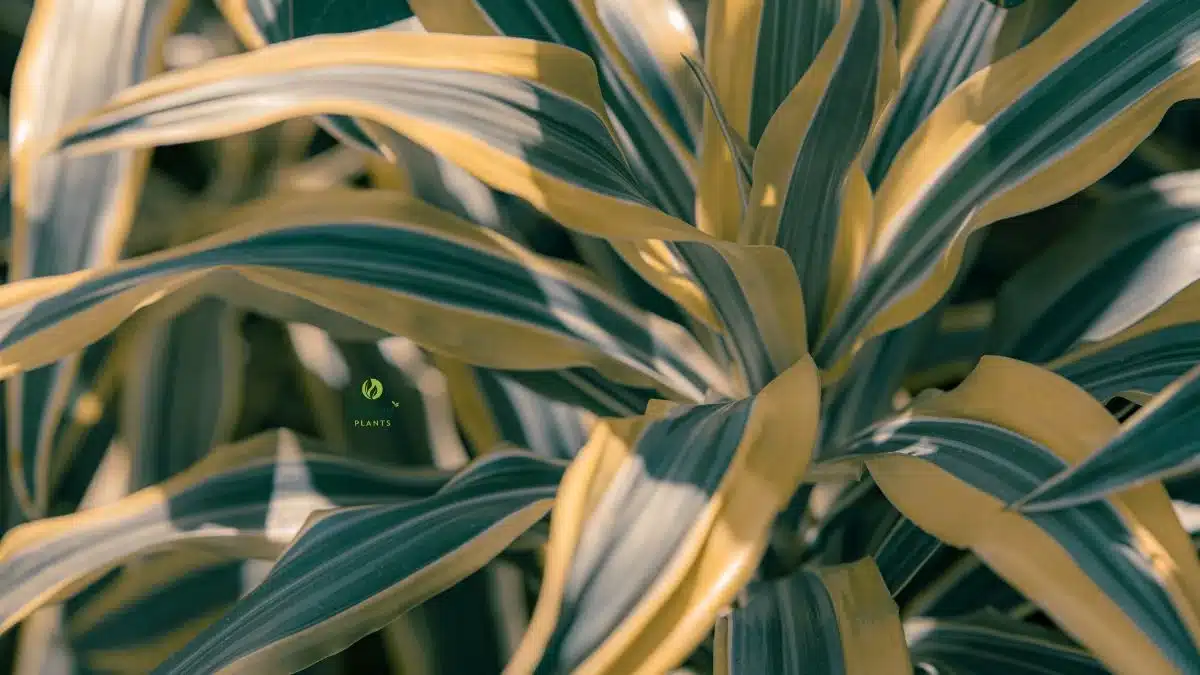
Dracaena is one of the most popular indoor plants in US homes, thanks to its elegant foliage and low-maintenance nature. But many plant owners struggle with understanding exactly how much light their Dracaena needs. In this guide, we’ll break down Dracaena Light Requirements, comparing low light versus bright indirect light, and show you how to place, water, and care for your plant to keep it thriving. You’ll learn how to spot signs of too little or too much light, choose the right window or grow light, and avoid common mistakes that stunt growth.
If you’re new to houseplants, start with our complete guide to caring for a Dracaena plant indoors to understand watering, soil, and overall plant health.
Dracaena Light Requirements: Quick Guide for Indoor Growth
- Dracaena prefers bright, indirect light but can tolerate low light.
- Low light = survival mode (slower growth, thinner leaves).
- Bright indirect light = fuller growth, stronger color, healthier plant.
- Avoid direct sun — it can scorch leaves.
- Placement near east- or north-facing windows works best in most US homes.
In This Article
Example: Light Conditions for Dracaena
Light Condition | Growth Rate | Foliage Appearance | Watering Needs | Best For | Notes |
|---|---|---|---|---|---|
Low Light | Slow | Smaller, paler leaves | Less frequent | North-facing windows, offices | The plant survives but may grow leggy |
Moderate / Bright Indirect | Moderate | Full, vibrant foliage | Moderate | East-facing windows, filtered south light | Ideal balance for growth and leaf health |
High Indirect | Fast | Dense, vibrant, strong variegation | Frequent | East/South windows with sheer curtains | Watch for leaf scorch if unfiltered |
Direct Sun | Stress | Burned or bleached leaves | High | Avoid | Can cause leaf scorch and rapid drying |
Understanding Dracaena Light Requirements Indoors
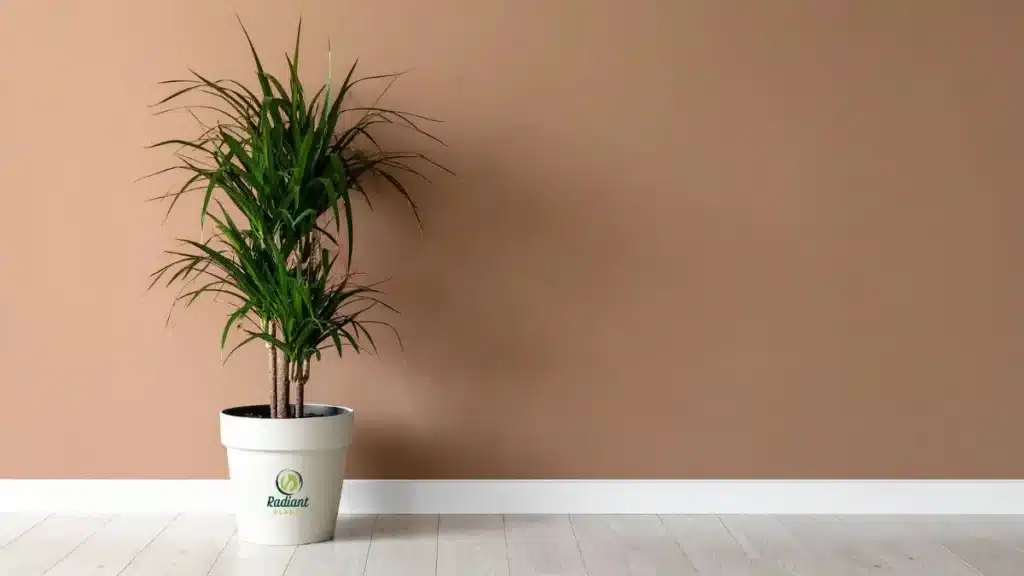
Dracaena plants grow best in bright, indirect light, but they can also tolerate lower-light indoor environments. The key is understanding that while they can survive in dim rooms, they thrive when placed where they receive consistent filtered sunlight without direct exposure. Getting this balance right is essential for healthy growth, strong leaf color, and long-term plant health.
Native Habitat: Why Light Matters for Dracaena
Most Dracaena species, including popular varieties like Dracaena marginata and Dracaena fragrans, originate from tropical and subtropical regions of Africa. In their natural environment, they grow under the canopy of taller trees, where sunlight is filtered and diffused rather than direct.
This means they evolved to handle moderate light levels and occasional shade, which explains why they adapt well to indoor spaces. However, indoor lighting is usually much weaker than outdoor tropical light, so placement becomes critical.
Data point: Indoor light intensity is typically 10–100 times lower than outdoor sunlight, even near a window. This is why many houseplants grow more slowly indoors.
What “Bright Indirect Light” Really Means
One of the biggest sources of confusion in plant care is the phrase bright indirect light. For Dracaena, this means:
- The plant is near a window with strong natural light
- Sunlight does not hit the leaves directly
- Light is filtered by curtains, blinds, or distance
In practical terms, if you can comfortably read in the area during the day without turning on lights, it is likely bright enough. If the sun creates harsh shadows or heats the leaves, it is too strong.
Examples in US homes:
- 3–6 feet from a south-facing window with sheer curtains
- Next to an east-facing window receiving morning light
- Near a north-facing window in bright rooms
- Open-plan living rooms with large windows but filtered exposure
This type of placement helps prevent leaf burn while supporting healthy photosynthesis. If you want to optimize growth and avoid problems, this also connects directly to watering needs and plant placement, which we’ll cover later in the guide.
Natural vs Artificial Light Indoors
Natural light is generally better because it provides a full spectrum and intensity that supports stronger growth. However, many US homes and apartments have limited sunlight, especially in winter or in northern states.
Artificial lighting can work well when used correctly:
- LED grow lights can supplement low natural light
- 10–12 hours of consistent exposure can maintain growth
- Distance from the plant affects effectiveness
Artificial light is especially useful in:
- Windowless offices
- Basement apartments
- Dark corners of large homes
This makes Dracaena one of the most versatile indoor plants for modern living. We’ll explore this more in the artificial lighting section later in the article.
Why Dracaena Adapts Well Indoors
Dracaena is popular because it tolerates:
- Lower humidity
- Moderate to low light
- Irregular watering
- Temperature fluctuations
This resilience makes it a top choice for beginners and busy homeowners. But it’s important to remember that tolerance is not the same as optimal conditions. A Dracaena in low light may survive, but it won’t grow as full or vibrant as one in brighter conditions.
Expert Quote:
“Dracaena plants are highly adaptable, but they perform best in bright, indirect light. Low-light conditions slow growth and reduce foliage quality over time.”
By understanding how Dracaena evolved and what indoor light actually looks like, you can make smarter placement decisions and avoid common mistakes. Next, we’ll directly compare low light vs bright light so you can determine which environment is best for your plant.
Low Light vs Bright Light — What’s the Difference?
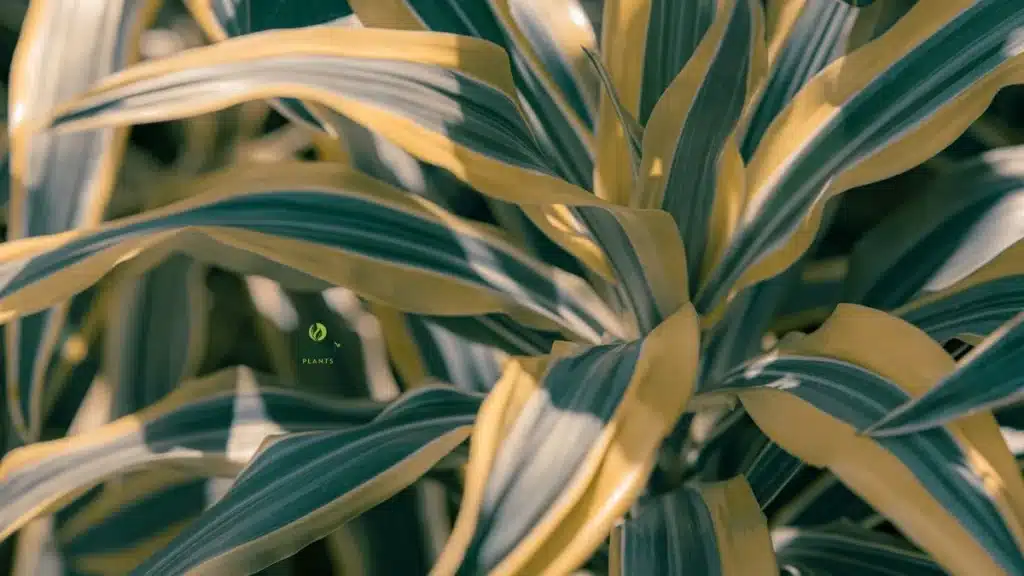
When it comes to Dracaena light requirements, the biggest difference between low light and bright indirect light is how well your plant grows and how healthy it looks over time. Dracaena can survive in low light, but it will grow slowly and may lose color, while bright indirect light supports fuller growth, stronger leaves, and better long-term health. Understanding this difference helps you decide whether your plant is just getting by or actually thriving.
What Is Considered Low Light Indoors?
Low light doesn’t mean “no light.” It refers to indoor spaces that receive minimal natural sunlight or indirect exposure.
In simple terms, low light includes:
- Rooms far from windows
- Areas where you need artificial lighting during the day
- North-facing rooms with small windows
- Spaces shaded by buildings or trees
From a technical perspective, low light is usually:
- 25–100 foot-candles (about 250–1,000 lux)
These conditions allow Dracaena to survive, but photosynthesis is limited, so growth slows significantly.
What Is Bright Indirect Light?
Bright indirect light means strong, filtered natural light without direct sun hitting the leaves. This is the ideal environment for most Dracaena varieties, including Dracaena warneckii and Dracaena Janet Craig.
This type of light is typically:
- Near large windows
- Filtered by sheer curtains or blinds
- Reflected from walls or floors
- Bright enough to cast soft shadows
Technically, bright indirect light is:
- 200–500+ foot-candles (about 2,000–5,000 lux)
These levels allow the plant to photosynthesize efficiently, which improves overall plant structure and leaf quality.
Visualizing the Difference in Real Homes
Here’s a simple way to picture both environments in typical US living spaces:
Low light example (apartment):
- A Dracaena placed in the corner of a living room, 10–12 feet from a window
- Only ambient daylight reaches the plant
- Growth is slow, and leaves may be thinner
Bright indirect light example (sunny room):
- A Dracaena placed 3–5 feet from a large east-facing window
- Morning light brightens the room without harsh sun
- Leaves grow larger, and colors stay vibrant
This is why plant placement often matters more than the room itself. Small adjustments—like moving the plant closer to a window—can dramatically improve results.
Comparison: Low Light vs Bright Indirect Light
Feature | Low Light | Bright Indirect Light |
|---|---|---|
Growth rate | Slow | Moderate to fast |
Leaf size | Smaller | Larger and fuller |
Color & variegation | Fades over time | Stronger and more vibrant |
Water use | Lower | Higher |
Risk of legginess | High | Low |
Long-term health | Survival mode | Thriving |
Pest resistance | Weaker | Stronger overall vigor |
This comparison highlights why lighting also affects watering frequency and plant stress, which we’ll discuss later in the guide.
Short-Term vs Long-Term Effects
In the short term, Dracaena can adapt to low light with few visible issues. However, over several months, you may notice:
- Slow or no new growth
- Pale or narrow leaves
- Stretched stems
- Reduced variegation
Over the long term, plants kept in very low light may become weaker and more vulnerable to pests or root problems.
In contrast, plants in bright indirect light usually show:
- Stronger stems
- Regular new leaves
- Better resilience
- Healthier root systems
Common Mistakes to Avoid
Many indoor plant owners misunderstand lighting, which leads to frustration. Watch for these common errors:
- Confusing shade with indirect light: A dark room is not the same as filtered sunlight.
- Assuming survival equals success: A living plant does not always mean a healthy one.
- Ignoring seasonal changes: Winter light is much weaker in many US regions.
- Placing plants too far from windows: Even bright rooms lose intensity quickly.
A good rule: if your plant isn’t growing, lighting is often the first factor to adjust before changing watering or fertilizer.
Understanding these differences will help you decide whether your Dracaena is in the right environment. Next, we’ll explore whether Dracaena can truly survive in low light—and what that means for long-term plant health.
Can Dracaena Survive in Low Light?
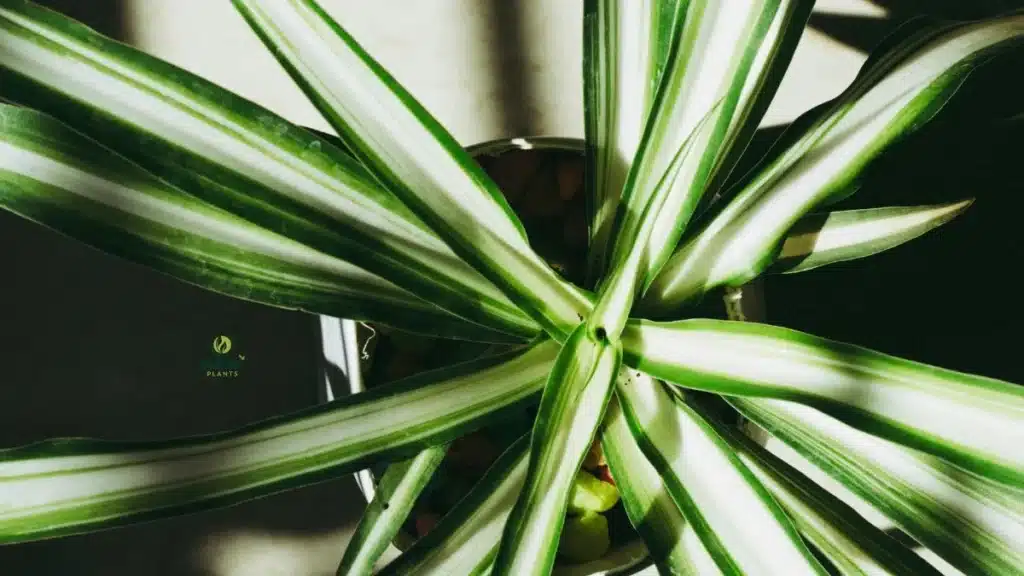
Yes, Dracaena can survive in low light, which is why it’s often recommended as a beginner-friendly indoor plant. However, survival is not the same as thriving—low light slows growth, weakens foliage, and can eventually lead to long-term health issues. Understanding this distinction is essential if you want your plant to stay full, vibrant, and healthy over time.
Survival vs Thriving: What It Really Means
One of the most misunderstood parts of Dracaena light requirements is that these plants are highly tolerant but not necessarily optimized for dark environments. In low light, Dracaena shifts into a “maintenance mode,” where it conserves energy rather than producing strong new growth.
Survival in low light means:
- The plant stays alive but grows slowly
- Fewer new leaves appear
- The overall structure becomes thinner
Thriving in brighter light means:
- Regular, healthy new growth
- Fuller foliage
- Stronger stems and root systems
This is why many indoor gardeners notice their Dracaena looking “stuck” or unchanged for months. Often, lighting—not watering—is the main issue.
How Low Light Affects Growth Rate
Light directly impacts photosynthesis, which determines how much energy your plant can produce. In low-light environments, Dracaena may produce only a few new leaves per year.
You may notice:
- Minimal height increase
- Slow recovery from stress
- Reduced ability to bounce back from overwatering
In contrast, plants in bright indirect light grow noticeably faster and recover more quickly.
This is why improving light is often the first step in solving common issues like poor growth or weak stems.
Changes in Leaf Size, Shape, and Color
Low light doesn’t just affect growth speed—it also changes the appearance of your plant. Over time, you may see:
- Smaller or narrower leaves
- Pale or faded green tones
- Reduced variegation in striped or patterned varieties
- Longer gaps between leaves (legginess)
Variegated Dracaena varieties are especially sensitive because they require more light to maintain their patterns. This is one reason placement is so important, especially in modern US homes where lighting varies widely from room to room.
How Long Can Dracaena Tolerate Low Light?
Dracaena can tolerate low light for years, but long-term conditions may lead to weaker plants that become more vulnerable to pests and root rot.
In many cases:
- The plant survives but never reaches its full size
- Structural strength declines over time
- Recovery becomes slower after stress
This is why even small improvements—like moving the plant closer to a window—can significantly improve health.
Case Study: Office Dracaena in Low Light
Consider a common real-world example. A Dracaena placed in a windowless office with only fluorescent lighting may survive for several years. The plant remains green but shows:
- Slow or no new growth
- Smaller leaves
- Leaning toward artificial light
When moved closer to a window or placed under a grow light, the same plant often produces new leaves within a few months. This demonstrates that the plant was surviving but not thriving.
Checklist: Signs Your Dracaena Is Struggling in Low Light
Use this quick checklist to diagnose lighting issues:
- Little or no new growth for 6–12 months
- Pale or dull foliage
- Leggy stems
- Leaves becoming smaller
- Plant leaning toward the light
- Soil is staying wet longer than expected
If several of these signs appear, lighting is likely the main factor to adjust before changing watering or fertilizer.
Expert Tips: How to Support Dracaena in Low Light
If you cannot provide brighter natural light, these strategies can help your plant stay healthier:
- Move the plant closer to the windows when possible
- Rotate the plant every few weeks
- Clean leaves to improve light absorption
- Use artificial grow lights for 10–12 hours daily
- Reduce watering frequency to prevent root problems
- Avoid sudden relocation, which can stress the plant
Expert Tip:
“In low-light environments, the most common mistake is overwatering. Because the plant uses less energy, the soil dries more slowly, increasing the risk of root damage.”
By understanding these survival patterns, you can make informed decisions about placement and care. Next, we’ll look at what happens when Dracaena receives bright indirect light—and why it leads to stronger, faster growth.
What Happens in Bright Indirect Light?
When Dracaena receives bright indirect light, it grows faster, produces fuller foliage, and maintains stronger color and variegation. This lighting level provides enough energy for steady photosynthesis without the risk of leaf burn from direct sun. As a result, plants look healthier, more vibrant, and more resilient over time.
Faster Growth and Stronger Structure
Bright indirect light supports consistent photosynthesis, which allows the plant to produce new leaves more regularly. Compared to low-light environments, you may notice:
- New growth every few weeks during the growing season
- Thicker stems and stronger structure
- Better root development
- Faster recovery from stress
Data point: Indoor plants placed in bright indirect light can grow 2–3 times faster than those in low light, depending on species and care conditions.
This improved growth also makes the plant more tolerant of minor care mistakes, including occasional watering inconsistencies.
Fuller Foliage and Healthier Appearance
One of the biggest visual differences in Dracaena light requirements is foliage density. In brighter conditions, the plant produces:
- Larger leaves
- Closer leaf spacing
- Fuller, bushier growth
- Better overall shape
This is why Dracaena often looks much more attractive in well-lit living rooms compared to dim office corners. If your plant appears thin or sparse, increasing light is often the most effective solution before adjusting fertilizer or watering.
Stronger Variegation and Leaf Color
Variegated Dracaena varieties, such as Dracaena lemon lime, require more light to maintain their bright stripes and color contrast. In bright indirect light, you may notice:
- More vivid greens and yellows
- Clear, defined patterns
- Reduced fading over time
In low light, these same plants often lose contrast and become dull or uniformly green. This is a natural adaptation to conserve energy because lighter leaf sections produce less chlorophyll.
Reduced Risk of Legginess
Legginess occurs when a plant stretches toward light, producing long gaps between leaves. Bright indirect light reduces this risk by providing enough energy for compact growth.
You may observe:
- Shorter spaces between leaves
- Upright, balanced stems
- Less leaning or stretching
This makes plant placement one of the most important long-term decisions for indoor gardeners.
Examples: Ideal Placement Distance From Windows
In most US homes, the goal is to balance brightness and protection from direct sun. Effective placement often includes:
- East-facing window: 1–3 feet away
- South-facing window: 3–6 feet away with sheer curtains
- North-facing window: directly next to the window
- West-facing window: 3–5 feet away to avoid harsh afternoon sun
These distances vary depending on room brightness, window size, and season. During winter, you may need to move the plant closer to maximize available light.
Expert Tips for Maximizing Bright Indirect Light
To get the best results from bright conditions, consider these strategies:
- Rotate your Dracaena every 2–4 weeks to encourage even growth
- Clean dust from leaves to improve light absorption
- Gradually increase light exposure to prevent stress
- Adjust placement seasonally as sunlight changes
- Combine natural and artificial light if needed
Expert Tip:
“Rotating indoor plants helps ensure balanced growth and prevents leaning, especially in bright but directional light.”
By providing bright indirect light, you create the ideal environment for strong, attractive growth. Next, we’ll look at whether Dracaena needs direct sunlight—and why too much exposure can actually cause damage.
Does Dracaena Need Direct Sunlight?
No, Dracaena does not need direct sunlight and often performs better without it. In fact, prolonged exposure to strong, direct sunlight can damage the leaves and stress the plant. Bright indirect light is usually the safest and most effective way to meet Dracaena light requirements while avoiding common problems.
Why Direct Sun Can Burn Dracaena Leaves
Most Dracaena varieties, including Dracaena draco, evolved under tropical forest canopies where sunlight is filtered through larger trees. Because of this, their leaves are not adapted to handle intense, unfiltered sunlight—especially through glass windows, which can magnify heat.
When exposed to direct sun indoors:
- Leaves heat up quickly
- Moisture evaporates faster
- Cells become damaged, causing discoloration
- Long-term stress weakens the plant
This risk is highest in south- and west-facing windows, where sunlight is strongest in many US regions.
Signs of Sun Scorch or Too Much Light
Sun damage may not appear immediately. Instead, it develops gradually over several days or weeks. Watch for these symptoms:
Checklist: Sunburn Symptoms
- Brown or bleached patches on leaves
- Yellow or pale spots
- Crispy or dry leaf edges
- Fading color in variegated varieties
- Sudden leaf drop after moving the plant
- Dry soil much faster than usual
These symptoms can sometimes be mistaken for watering problems, which is why evaluating lighting is a key troubleshooting step before changing your care routine.
How to Increase Light Without Damaging Your Plant
If your Dracaena has been in low light and you want to move it to a brighter area, do so gradually. Sudden changes can shock the plant.
Follow this simple process:
- Move the plant closer to a window in small steps over 1–2 weeks
- Start with filtered or morning sunlight
- Monitor leaves for stress
- Adjust watering as the plant receives more light
- Use sheer curtains or blinds to diffuse strong rays
This gradual acclimation helps the plant adjust its leaf structure and prevents damage.
Common Mistakes to Avoid
Many indoor gardeners unintentionally expose Dracaena to excessive sunlight. Avoid these frequent errors:
- Placing the plant directly in a south-facing window without a curtain
- Moving the plant from a dark room to full sun overnight
- Assuming indoor glass reduces sun intensity enough
- Ignoring seasonal changes when sunlight becomes stronger
- Leaving plants outdoors in summer without shade
A better approach is to aim for consistent bright indirect light rather than direct exposure. This balance supports strong growth without increasing the risk of leaf damage.
Understanding the risks of direct sunlight helps you protect your plant and maintain healthy foliage. Next, we’ll explore the best window placement strategies in US homes so you can find the ideal spot for your Dracaena.
Best Window Placement in US Homes
The best placement for Dracaena in US homes is near bright windows that provide filtered, indirect sunlight. East- and north-facing windows are usually the safest, while south- and west-facing windows often need sheer curtains or more distance. Proper placement ensures your plant gets enough light to grow without the risk of leaf burn.
North-Facing Windows
North-facing windows provide gentle, consistent light throughout the day. This makes them one of the safest and most predictable options for meeting Dracaena light requirements, especially in apartments or homes without strong sunlight.
Best for:
- Varieties that tolerate moderate to low light, such as Dracaena Janet Craig
- Rooms that stay bright but never receive direct sun
- Offices and home workspaces
Limitations:
- Light may be too weak in winter in northern US states
- Growth may slow without supplemental lighting
Real example:
A Dracaena placed directly next to a large north-facing living room window in Seattle or Chicago will usually remain healthy but may grow slowly during darker winter months.
East-Facing Windows
East-facing windows are often ideal because they provide gentle morning sunlight without intense heat. This balanced exposure supports steady growth and healthy foliage.
Benefits:
- Soft morning sun encourages photosynthesis
- Lower risk of leaf burn
- Consistent lighting year-round
Real example:
Placing your plant 1–3 feet from an east-facing bedroom window in New York or Boston gives enough light for thriving growth while minimizing stress.
South-Facing Windows (With Sheer Curtains)
South-facing windows receive the strongest sunlight, especially in winter. They can support fast growth but require filtering to prevent damage.
Best practices:
- Use sheer curtains or blinds
- Keep the plant 3–6 feet from the window
- Monitor leaves for early signs of stress
Real example:
In Texas or California, a Dracaena placed near a south-facing window without filtering may burn. With curtains, the same location becomes an excellent, bright, indirect light environment.
West-Facing Windows
West-facing windows produce strong afternoon sunlight, which can be harsh and hot. Careful positioning is essential.
Tips:
- Keep the plant farther from the window
- Use curtains to diffuse light
- Monitor for heat and leaf damage
Real example:
In Arizona or Florida, placing Dracaena 4–6 feet from a west-facing window can prevent scorch while still providing strong light.
Comparison: Window Direction vs Suitability
Window Direction | Light Intensity | Suitability for Dracaena | Notes |
|---|---|---|---|
North | Low to moderate | Good for survival | May slow growth |
East | Moderate | Ideal | Balanced and safe |
South | High | Excellent with filtering | Risk without curtains |
West | Moderate to high | Good with caution | Watch for heat |
These differences also affect watering and growth patterns, which we’ll explore later in the guide.
Seasonal Adjustments in US Homes
Light intensity changes significantly throughout the year, especially in northern climates.
Winter:
- Days are shorter, and sunlight is weaker
- Move plants closer to windows
- Consider grow lights in darker regions
Summer:
- The sun is stronger and more direct
- Increase the distance from the windows
- Use curtains to prevent burns
Seasonal adjustment is one of the most overlooked parts of indoor plant care.
Expert Tip: How to Measure Distance From a Window
Instead of guessing, use a simple method:
- Observe shadows: soft shadows = good indirect light
- Test readability: if you can read comfortably without artificial light, the area is usually suitable
- Start closer to the window and adjust gradually
- Rotate the plant every few weeks for even growth
Expert Tip:
“Indoor light drops quickly with distance from windows, so moving a plant just a few feet can dramatically change growth.”
Choosing the right window placement creates the foundation for healthy growth and helps prevent the most common lighting problems. Next, we’ll look at how artificial lighting can support Dracaena in darker spaces.
Artificial Light for Dracaena (Grow Lights Guide)
Yes, Dracaena can thrive under artificial light, making it an excellent option for apartments, offices, or rooms with limited natural sunlight. Using grow lights correctly ensures that your plant meets its Dracaena Light Requirements without risk of low-light stress. Proper light type, duration, and distance are key to mimicking natural bright indirect light indoors.
Can Dracaena Live Under Grow Lights?
Dracaena is highly adaptable and can survive under LED or fluorescent grow lights when natural sunlight is insufficient. Artificial lighting works especially well in:
- Windowless apartments or basements
- Offices without large windows
- Rooms with north-facing windows that don’t provide enough light
Even under artificial light, it’s important to follow the same principles as natural lighting: avoid overly intense light that directly hits the leaves, and rotate the plant periodically for balanced growth.
Recommended Light Duration
For optimal growth, Dracaena typically requires 10–12 hours of artificial light per day, simulating a natural daytime cycle.
- Too little light = slower growth, weaker leaves
- Too much light = potential leaf burn or stress
Using timers can maintain a consistent schedule, which helps Dracaena adapt and thrive.
LED vs Fluorescent Grow Lights
Both LED and fluorescent lights are suitable, but there are differences:
LED Grow Lights:
- Energy-efficient
- Full-spectrum options available
- Produce less heat, reducing burn risk
Fluorescent Lights:
- More affordable
- Slightly warmer light
- Good for small spaces and low-light supplementation
Expert Tip: Choose full-spectrum LED lights for long-term growth, and ensure bulbs are rated for houseplants.
Distance From Light Source
Correct distance is crucial for mimicking natural bright indirect light:
- Small fluorescent tubes: ~6–12 inches above the plant
- LED panels: ~12–24 inches above the foliage (depending on intensity)
- Adjust distance based on leaf response (yellowing or curling indicates too much light)
Case Study:
A Dracaena placed in a windowless New York apartment under a 12-inch LED grow light for 12 hours a day produced new leaves within 6 weeks. Growth was comparable to plants placed near east-facing windows, demonstrating how artificial lighting can meet Dracaena Light Requirements effectively.
Expert Tips for Using Grow Lights
- Use a timer to provide consistent daily exposure
- Rotate the plant every 2–4 weeks to prevent uneven growth
- Monitor leaves for signs of stress and adjust distance accordingly
- Combine artificial light with any available natural light when possible
- Clean bulbs regularly to maximize light output
By following these guidelines, Dracaena can thrive in low-light spaces, making it one of the most adaptable houseplants for modern US homes.
This section naturally reinforces Dracaena Light Requirements while linking to prior sections on low vs bright light and indoor placement.
Signs Your Dracaena Isn’t Getting Enough Light
If your Dracaena isn’t receiving sufficient light, it may survive but will show clear signs of stress. Slow growth, pale or undersized leaves, leggy stems, and leaning toward windows are all indicators that your plant is not meeting its Dracaena Light Requirements. Recognizing these early can help you make adjustments before long-term damage occurs.
Common Symptoms of Low Light
- Slow Growth
- New leaves appear infrequently, or stems stop elongating
- The plant may remain the same size for months despite proper watering and care
- Pale or Smaller Leaves
- Leaves lose their vibrant green color, or variegation fades
- Leaf size may shrink compared to healthy plants in brighter conditions
- Leggy Stems
- Long gaps between leaves as the plant stretches toward available light
- Stems become weak and may require support
- Leaning Toward Windows
- The plant grows in the direction of the nearest light source
- Indicates insufficient light in its current placement
Checklist: Quick Diagnostic List
- Minimal new growth over 6–12 months
- Leaves appear smaller or pale
- Stems elongate unnaturally (legginess)
- Plant tilts or leans toward light
- Variegation fading in striped varieties
If several signs are present, light is likely the limiting factor, not watering or fertilizer.
Examples: Before and After Adjustment
Before: A Dracaena in a north-facing corner had sparse, pale leaves and long stems reaching for a nearby window.
After: Moving it 2–3 feet closer to an east-facing window restored leaf color and density within 2–3 months.
This real-life scenario illustrates how understanding Dracaena Light Requirements can prevent weak growth and improve overall plant health.
Common Mistakes
- Overwatering instead of adjusting light: Many indoor gardeners increase watering when growth slows, but this can cause root rot and worsen stress.
- Assuming the plant will adapt: While Dracaena is tolerant, chronic low light reduces vigor and resilience.
- Sudden relocation to direct sun: Rapid changes can scorch leaves; gradual acclimation is key.
By correctly diagnosing light deficiencies and taking action, you ensure your Dracaena thrives rather than just survives. Next, we’ll cover the signs of too much light and how to prevent leaf burn.
Signs Your Dracaena Is Getting Too Much Light
If a Dracaena receives more light than it can handle, it will show visible stress signals such as brown or bleached patches, crispy leaf edges, and fading variegation. Rapid soil drying is also common because excess light increases water evaporation. Recognizing these signs helps you adjust placement while keeping your plant within its optimal Dracaena Light Requirements.
Common Symptoms of Excess Light
- Brown or Bleached Patches
- Leaves exposed to direct or overly intense sunlight develop discolored spots
- Often starts on the outermost leaves first
- Crispy or Dry Leaf Edges
- Leaf margins may turn brown and feel dry to the touch
- Indicates that the plant is losing moisture faster than it can absorb
- Fading Variegation
- Variegated Dracaena varieties lose contrast between light and dark areas
- Light stress triggers the plant to produce more chlorophyll in pale areas, making stripes less pronounced
- Rapid Soil Drying
- Soil dries more quickly than expected due to higher light intensity
- Can lead to overcompensation in watering, which increases stress risk [
Checklist: Quick Signs of Too Much Light
- Leaf tips or margins turning brown
- Bleached patches on leaf surfaces
- Variegation fading or leaves turning uniformly green
- Soil drying faster than usual
Monitoring these indicators helps prevent long-term damage.
Expert Tip: How to Move Your Plant Gradually
If your Dracaena is in excessive light, move it slowly to a safer location:
- Shift a few feet away from the window every few days
- Use sheer curtains to diffuse intense sun
- Observe leaves for improvement before moving further
- Rotate periodically to ensure even exposure
Pro Tip: “Gradual relocation prevents shock and allows the plant to acclimate while maintaining healthy growth.”
Correctly managing light prevents scorch and keeps your Dracaena vibrant, linking naturally to sections on low-light signs and ideal placement strategies.
How Light Affects Watering and Growth
Dracaena’s light exposure directly influences its growth rate, water consumption, and overall health. More light increases photosynthesis, prompting faster growth and higher water usage, while low-light conditions slow growth and keep soil moist longer. Understanding Dracaena Light Requirements helps balance watering, prevent root problems, and maintain healthy foliage.
More Light = More Water Use
In bright indirect light, Dracaena uses energy for active growth, which accelerates transpiration—the process of water movement through leaves. This means:
- Soil dries faster
- Plants require more frequent watering
- Nutrient uptake is higher, supporting fuller foliage
Example: A Dracaena near an east-facing window in a sunny US living room may need watering every 7–10 days during summer, compared to every 2–3 weeks in a low-light room.
Low Light = Slower Drying Soil
In low-light environments, photosynthesis slows, and growth is reduced. As a result:
- Soil retains moisture longer
- Overwatering becomes the main risk
- Leaves may yellow if water accumulates in poorly drained soil
Expert Tip: Reduce watering frequency in low-light spots and always check the top 1–2 inches of soil before watering.
Light and Root Health
Appropriate light levels help maintain strong root systems:
- Bright indirect light encourages healthy root growth and prevents rot
- Low light slows root activity, making the plant more susceptible to waterlogged soil
- Roots in low-light conditions may require a longer recovery period if stressed
Light and Pest Vulnerability
Light indirectly affects pest resistance:
- Plants growing under proper Dracaena Light Requirements are more vigorous and resilient
- Low-light, stressed plants are more prone to spider mites, scale, and mealybugs
- Adequate light keeps leaves robust, making infestations easier to detect and control
Comparison: Light Level vs Watering Frequency
Light Level | Growth Rate | Soil Drying | Watering Frequency | Notes |
|---|---|---|---|---|
Low Light | Slow | Slow | Every 2–3 weeks | Risk of overwatering |
Moderate / Bright Indirect | Moderate | Moderate | Every 7–10 days | Supports steady growth |
High Indirect | Fast | Fast | Every 5–7 days | Monitor for leaf scorch |
Expert Tip: Adjust Watering Seasonally
- Winter: Reduce watering as growth slows, even in bright rooms
- Summer: Increase watering for faster-growing plants near bright windows
- Monitor soil moisture rather than following a strict schedule
By understanding how light affects both growth and water use, you can keep Dracaena healthy year-round while avoiding common mistakes like overwatering or slow growth. This section ties naturally to low vs bright light placement and artificial lighting strategies.
Dracaena Varieties and Their Light Needs
Different Dracaena varieties have slightly different light tolerances, so understanding each type helps you meet their specific Dracaena Light Requirements. While all prefer bright indirect light, some varieties tolerate lower light better, and variegated types generally need more light to maintain vibrant patterns. Proper placement ensures optimal growth, fuller foliage, and healthier roots.
Popular Dracaena Varieties
- Dracaena marginata (Madagascar Dragon Tree)
- Tolerates moderate to bright indirect light
- Can survive low-light spaces but growth slows
- Best placement: east-facing window or bright room corner
- Dracaena fragrans (Corn Plant)
- Prefers moderate to bright indirect light
- Adapts well to low light, making it a great office plant
- Best placement: north-facing window or near filtered south light
- Dracaena warneckii
- Thrives in bright indirect light
- Struggles in very low-light conditions
- Best placement: east or south-facing window with sheer curtains
- Dracaena Janet Craig
- Very tolerant of low to moderate light
- Grows slowly in low light but maintains dark green foliage
- Best placement: low-light corners or north-facing windows
- Variegated vs Solid Green Varieties
- Variegated Dracaena (e.g., marginata ‘Bicolor’) needs more light to keep stripes vibrant
- Solid green varieties tolerate lower light better
- Low light can cause variegation to fade
Comparison: Dracaena Variety vs Light Tolerance
Variety | Light Tolerance | Ideal Placement | Notes |
|---|---|---|---|
Marginata | Moderate–Bright | East window, bright room corner | Can survive low light, but has slower growth |
Fragrans | Low–Bright | North window, office | Very adaptable, slow growth in dim rooms |
Warneckii | Bright | East/South window | Needs more light; variegation may fade in low light |
Janet Craig | Low–Moderate | Low-light corners | Maintains color even in dim rooms |
Variegated Types | Moderate–Bright | Near filtered light | Require extra light to maintain patterns |
Solid Green Types | Low–Bright | Any well-lit room | More forgiving in low light |
Examples: Best Placement Per Variety
- Apartment with limited windows: Janet Craig near a north-facing window
- Sunny living room: Marginata or Warneckii near the east or south window with sheer curtains
- Office desk: Fragrans under fluorescent or LED grow lights
By matching each variety to its preferred lighting conditions, you can maximize growth, maintain leaf color, and reduce stress, tying naturally to sections on low vs bright light and artificial lighting.
Common Lighting Mistakes to Avoid
Many indoor gardeners unintentionally compromise their Dracaena by mismanaging light, even when they follow other care routines correctly. Common errors include assuming low light requires no light, moving the plant abruptly, ignoring seasonal light changes, or using grow lights incorrectly. Understanding these pitfalls ensures your plant meets its Dracaena Light Requirements and stays healthy year-round.
Fast-Skim List of Common Mistakes
- Assuming low light means placing the plant in complete shade
- Sudden relocation from dark to bright light, causing shock
- Ignoring seasonal changes in sunlight intensity and duration
- Using grow lights too close or too far from foliage
- Failing to rotate the plant results in uneven growth
- Overwatering in low-light conditions instead of adjusting the light
Expert Tips
- Gradual Relocation: Move the plant a few feet at a time when increasing light exposure
- Seasonal Awareness: Adjust placement in winter and summer to maintain consistent light levels
- Grow Light Best Practices: Keep LEDs 12–24 inches above the plant, fluorescent tubes ~6–12 inches, and use timers to mimic natural cycles
- Rotation: Turn your Dracaena every 2–4 weeks for balanced growth
Quick Correction Steps
- Identify the mistake by observing leaves, growth, and soil moisture
- Adjust placement gradually toward the correct light level
- Use sheer curtains or blinds for south- or west-facing windows if direct sun is too strong
- Monitor growth for 2–4 weeks, rotating the plant to prevent leaning
- Adjust watering frequency according to new light conditions
By avoiding these common errors, you can ensure your Dracaena thrives rather than just survives, reinforcing everything covered in previous sections on low vs bright light, artificial lighting, and window placement.
FAQ: Dracaena Light Requirements
How much light does a Dracaena need indoors?
Dracaena thrives in bright, indirect light, such as near east- or north-facing windows. It can survive in low light, but growth slows, and leaves may appear smaller or paler. Avoid direct sun, which can scorch foliage. Use artificial grow lights if natural light is insufficient.
How much light does a Dracaena need indoors?
Dracaena thrives in bright, indirect light, such as near east- or north-facing windows. It can survive in low light, but growth is slow, and leaves may appear smaller or paler. Avoid direct sun, which can scorch foliage. Use artificial grow lights if natural light is insufficient.
Can Dracaena survive in low light?
Yes, Dracaena can survive in low-light conditions, but it enters “survival mode.” Growth is slower, leaves may be thinner or less vibrant, and stems can become leggy. Supplementing with occasional bright light or rotating the plant toward natural light helps maintain healthier foliage.
Will direct sunlight harm my Dracaena?
Direct sunlight can cause leaf burn, brown patches, and fading variegation. If moving your plant from low light to a brighter spot, do so gradually to prevent shock. Sheer curtains can diffuse strong south- or west-facing sunlight safely.
What’s the best window placement for Dracaena in US homes?
East-facing windows offer gentle morning sun and are ideal for most varieties. North-facing windows provide consistent indirect light. South- and west-facing windows can work if filtered with sheer curtains. Adjust placement seasonally as sunlight intensity changes.
Can I use grow lights for my Dracaena?
Yes, LED or fluorescent grow lights can fully meet Dracaena Light Requirements. Use full-spectrum bulbs 12–24 inches above the foliage for 10–12 hours daily. Timers ensure consistent exposure, and rotating the plant helps even growth in windowless rooms or offices.
How do I know if my Dracaena isn’t getting enough light?
Signs include slow growth, pale or smaller leaves, leggy stems, and leaning toward windows. Check the topsoil for moisture—plants in low light retain water longer. Adjust light gradually or supplement with artificial lighting to improve health.
Do variegated Dracaena need more light than green varieties?
Yes, variegated types require brighter indirect light to maintain vibrant stripes and patterns. Solid green varieties tolerate lower light more easily. Placing variegated Dracaena in dim spots can cause fading or loss of variegation over time.
How does light affect watering and growth?
Higher light levels increase photosynthesis, so Dracaena uses more water and grows faster. Low-light plants grow slowly, and the soil stays moist longer. Adjust watering frequency according to light exposure and season to prevent root rot or stress.
In summary, understanding Dracaena Light Requirements is key to keeping your plant healthy and vibrant. Bright indirect light encourages fuller growth and stronger leaf color, while low light slows growth but allows survival. Avoid direct sun, monitor for signs of too little or too much light, and adjust placement or artificial lighting as needed. By following these guidelines, you can enjoy a thriving Dracaena in any US home or office. Start assessing your plant’s light today, and see the difference proper care makes!
One Comment