Purple foliage isn’t just a “pretty plant” thing—it’s usually a clue about pigments and growing conditions, and it can fade fast if the setup is wrong. In this guide, you’ll learn what makes purple-and-green leaves look striped, two-toned, or mottled, then how to choose the right Plant with Purple and Green Leaves for your light, space, and watering style. You’ll also get 10 beginner-friendly picks, a quick comparison table, placement tips by window direction, simple care rules to keep color vibrant, and fast fixes for common problems—plus pet and kid safety notes.
In This Article
What “Purple + Green Leaves” Usually Means
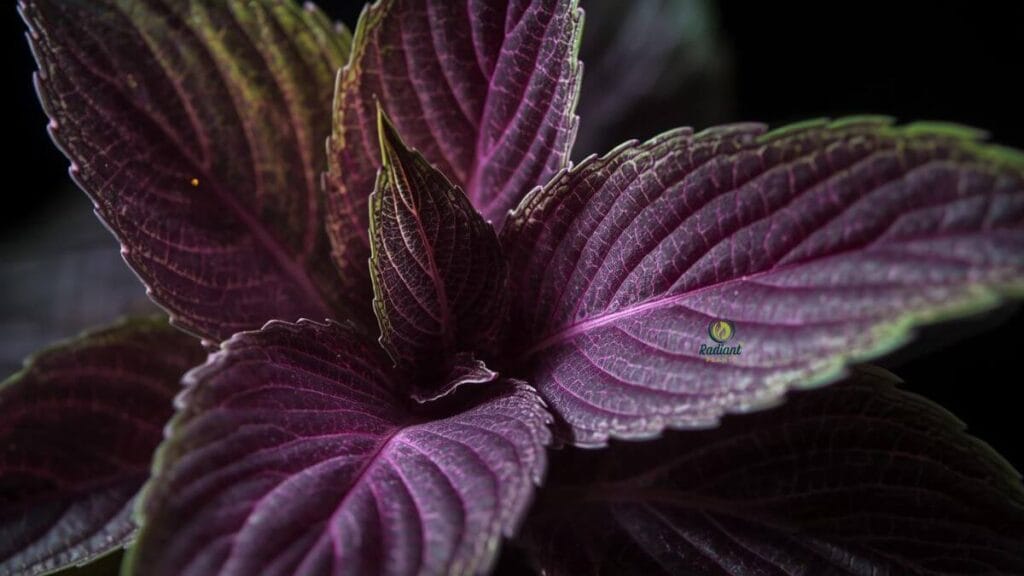
Plant with Purple and Green Leaves usually get their color from two pigment systems working together: green chlorophyll and purple-toned anthocyanins. Depending on how those pigments are distributed in the leaf, a Plant with Purple and Green Leaves can look purple underneath, striped, or mottled.
The simple pigment explanation (anthocyanins, no bio-degree needed)
- Chlorophyll = green (the default color that helps the plant make energy from light).
- Anthocyanins = purple/red/blue tones stored in leaf cells. They can act like a “tint layer,” so you’ll see purple sitting over or beside green on the same leaf.
Why are some Plant with Purple and Green Leaves are purple underneath, striped, or variegated
Think of it as where the pigment sits and how evenly it’s produced:
- Purple underside: Many plant with Purple and Green Leaves keep the top greener while the underside develops more anthocyanin. Indoors, this effect often becomes more obvious when the plant gets brighter light.
- Striped (bands/lines): Some plants with Purple and Green Leaves form patterns as the leaf grows, producing purple pigment in repeated zones next to green zones (this is common in certain Tradescantia types).
- Variegated/mottled: Variegation usually means chlorophyll is unevenly present (genetic), creating patches that can look green, purple, or mixed. A variegated Plant with Purple and Green Leaves may keep its pattern, but the purple intensity can still shift with conditions.
What affects how intense the purple looks in a Plant with Purple and Green Leaves
Even if the plant is “supposed” to be purple + green, the intensity can change:
- Light (often the biggest factor):
- Low light → many plants with Purple and Green Leaves look greener.
- Bright indirect light → many show stronger purple tones.
- Temperature:
- Cooler conditions can deepen purple in some species, while heat can dull color or cause scorch depending on the plant.
- Stress (don’t chase it):
- Mild stress can sometimes boost pigment, but too much (drought/sunburn) damages leaves and reduces overall beauty.
- Nutrients:
- Overfertilizing can push fast green growth; underfeeding can make the plant weak and dull. Effects vary by species.
Examples: 3 common “looks”
- Look #1 — Purple underside: Green on top, purple underneath (flip the leaf and it’s clearly two-tone).
- Look #2 — Purple + green stripes: Zebra-like lines across the leaf surface.
- Look #3 — Mottled mix: Patchy zones where purple and green blend, sometimes with lighter areas if variegated.
How to Pick the Right Plant for Your Space
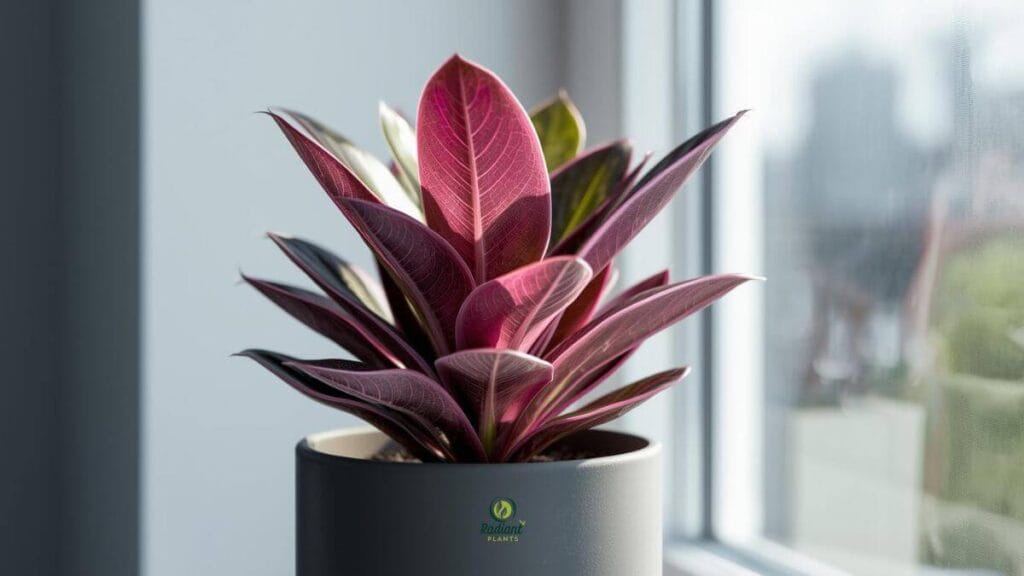
To pick the right Plant with Purple and Green Leaves, match the plant to your light level, your watering habits, and how much space you actually have. Most people fail here because they buy for looks first—then the color fades, or the plant gets leggy in week two.
Step 1: Start with light (this decides everything)
Use your brightest spot as your “baseline,” then choose from there:
- Low light (few hours of indirect light, the room feels dim):
Choose plants that tolerate lower light (but expect slower growth and often less purple). - Medium light (bright room, no harsh sun on leaves):
This is the sweet spot for many indoor picks—color stays decent, and growth stays balanced. - Bright light (strong indirect light, or gentle morning sun):
Best for keeping that purple pop on many plants, as long as you avoid scorching midday sun through glass.
Quick light check (no tools): if you can comfortably read a book all day in that spot, it’s usually medium+; if it feels cave-like, treat it as low.
Step 2: Be honest about humidity and watering style
This is where your lifestyle picks the plant for you:
- If you forget to water:
Pick a Plant with Purple and Green Leaves that tolerates drying slightly between waterings (many thick-stemmed or hardy foliage types do). - If you overwater (or love “a little splash” daily):
Avoid plants that hate constantly wet soil; prioritize drainage + a pot with holes. Root rot risk rises fast when soil stays soggy. - If your home is dry (winter heat, desert HVAC):
Lean toward plants that don’t demand high humidity—or be ready to group plants and keep them away from vents.
Step 3: Choose by growth habit, size, and speed
This is about whether the plant will fit your room next month and next year:
- Trailing/cascading: great for shelves and hanging baskets; can grow long, fast, and needs occasional trimming.
- Bushy / compact: good for desks and plant stands; usually looks “full” with regular pinching/pruning.
- Upright: works on floors or corners; can become tall and may need brighter light to stay sturdy.
Also consider growth speed:
- Fast growers give quick results but need more trimming and repotting.
- Slow growers are low-maintenance but take longer to look “wow.”
Beginner vs intermediate difficulty notes (simple rules)
- Beginner-friendly Plant with Purple and Green Leaves: forgiving with missed waterings, tolerates average indoor humidity, doesn’t throw a tantrum if light isn’t perfect.
- Intermediate: needs more consistent light/humidity, shows problems quickly (curling, crisp edges), and rewards you only if you stay consistent.
Checklist: “Pick your plant in 60 seconds.”
Use this mini-filter before you buy a Plant with Purple and Green Leaves:
- Light: low/medium/bright (circle one)
- Space: shelf/hanging/tabletop/floor corner
- Watering style: I forget / I’m consistent / I overdo it
- Humidity: dry (heat/AC) / average / naturally humid room
- Maintenance: I want low-fuss / I don’t mind pruning
- Goal: strongest purple color / easiest survival / fastest growth
Example (how this works in real life)
- Scenario A: Apartment living room, medium light near a window, you water weekly but sometimes forget → choose a Plant with Purple and Green Leaves that tolerates missed waterings and medium light; prioritize a bushy or trailing option for a shelf.
- Scenario B: Bright window with morning sun, you love plant care and want maximum purple → pick a Plant with Purple and Green Leaves that thrives in bright indirect light; choose upright or trailing depending on space, and avoid harsh midday sun to prevent scorch.
10 Stunning Plants with Purple and Green Leaves
If you want a Plant with Purple and Green Leaves, these 10 options are some of the easiest to recognize and most popular in the U.S. Use the mini-cards below to match your light + watering style + space, then pick the one that’ll keep its color in your home (not just in the store).
How to use this list (fast):
- Step 1: Find your light level (low/medium/bright indirect).
- Step 2: Pick a growth style (trailing for shelves, bushy for tabletops, upright for corners).
- Step 3: If you have pets, check the caution note first.
Example: Bright, indirect light by an east-facing window + you want a trailing plant → start with Tradescantia zebrina or Purple waffle plant.
This same filter works for any Plant with Purple and Green Leaves you see at big-box stores.
Wandering Dude / Inch Plant — Tradescantia zebrina
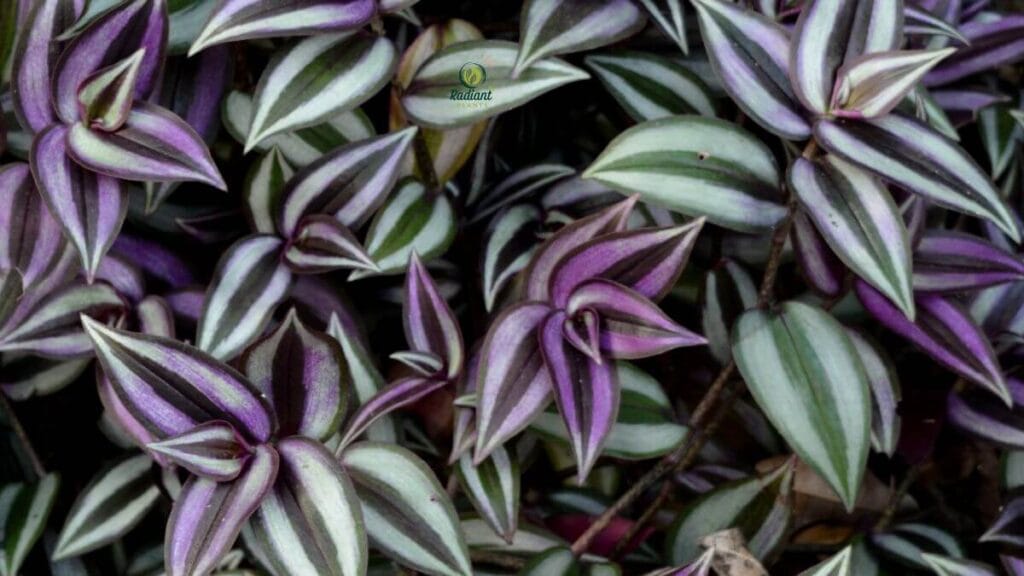
- What it looks like: Pointed oval leaves; bold striping with purple tones and green/silver bands.
- Light (best / tolerates): Best in filtered sun / bright indirect; tolerates shade, but color can fade.
- Water: Keep evenly moist but not soggy in the growth season; reduce in winter.
- Overwater signs: yellowing, mushy stems
- Underwater signs: crispy edges, droop
- Indoor/outdoor + USDA zone: Outdoors in warm areas; USDA 8–12.
- Growth habit + best use: Trailing; perfect for shelves & hanging baskets.
- Color-keeping tip: Brighter (but not scorching) light helps keep stripes crisp.
- Quick caution note: Tradescantia sap may irritate skin; ASPCA lists some Tradescantia (e.g., inch plant relatives) as toxic/irritating for pets.
- Best placement ideas: East window (morning light), bright living room shelf, hanging planter away from vents.
Purple Heart — Tradescantia pallida (‘Purpurea’)
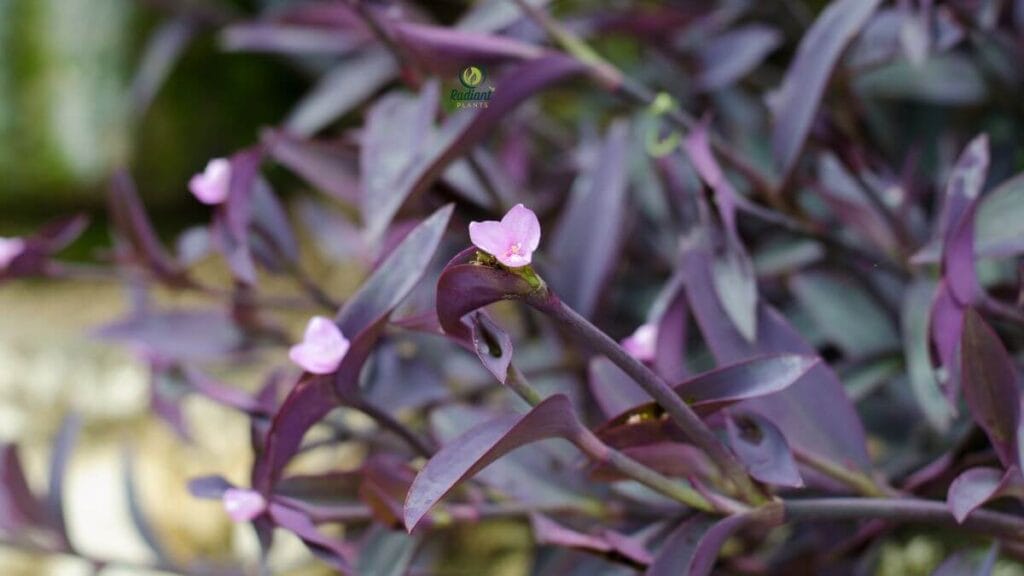
- What it looks like: Narrow leaves that read purple with green undertones; small pink-purple flowers.
- Light (best / tolerates): Full sun to part shade; stronger color in more sun.
- Water: Moderate—let top layer dry slightly; drought-tolerant once established.
- Overwater: limp/yellowing
- Underwater: browning, shriveling
- Indoor/outdoor + USDA zone: Tender perennial; USDA 10–11 (often annual/houseplant elsewhere).
- Growth habit + best use: Trailing/groundcover outdoors; also great in pots.
- Color-keeping tip: Give it more light if it turns dull green.
- Quick caution note: Like other Tradescantia, sap can irritate; if pets nibble plants, keep them out of reach.
- Best placement ideas: Sunny patio pot (warm states), south-facing window with sheer curtain, balcony rail planter.
Coleus — Plectranthus scutellarioides (often sold as “Coleus”)
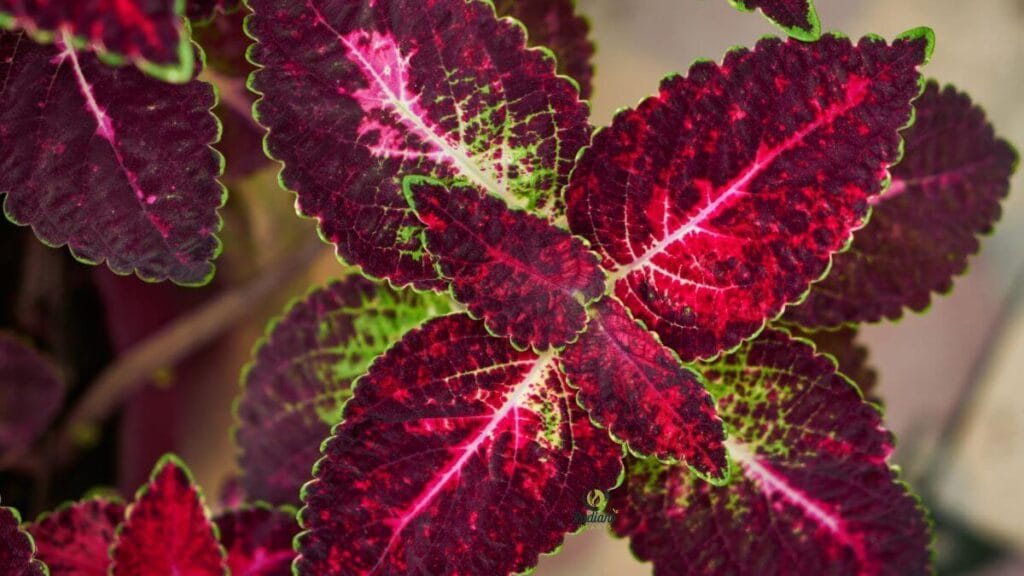
- What it looks like: Soft leaves with wild color combos—many cultivars show purple + green patterns.
- Light (best / tolerates): Part shade is classic; some cultivars tolerate more sun.
- Water: Likes consistent moisture; don’t let pots fully dry.
- Overwater: wilting + soggy soil
- Underwater: droop that perks up after watering
- Indoor/outdoor + USDA zone: USDA 10–11; used as an annual in much of the U.S.
- Growth habit + best use: Bushy; awesome for patio containers and bright indoor planters.
- Color-keeping tip: Too little light often = less purple; move brighter gradually.
- Quick caution note: ASPCA lists “coleus” as toxic—plant naming can be messy, so treat as pet-unsafe unless verified.
- Best placement ideas: Bright kitchen (no harsh sun), shaded porch containers, near an east window.
Why Coleus Black Dragon is the Ultimate Stunning Showstopper
Persian Shield — Strobilanthes dyerianus
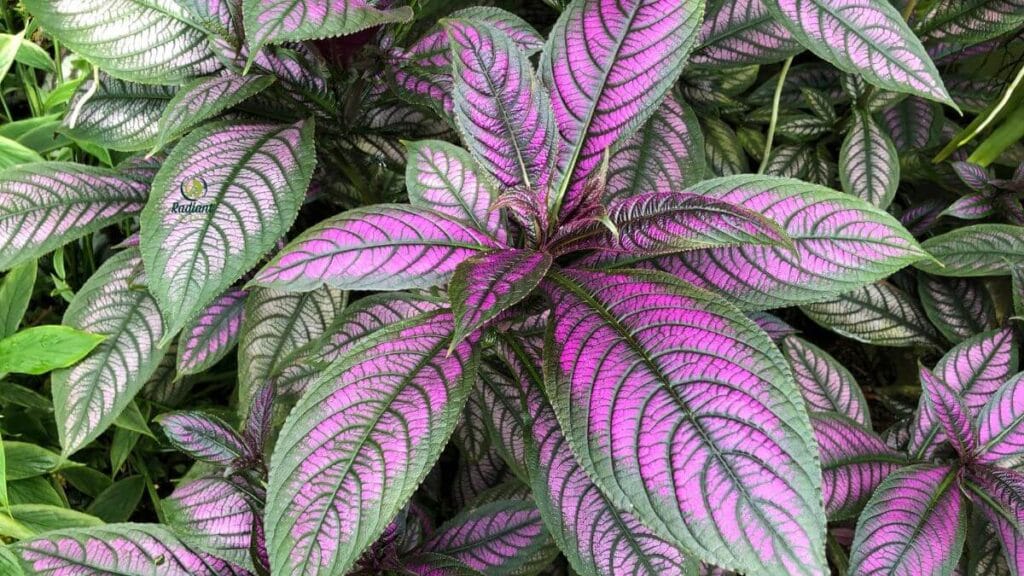
- What it looks like: Long leaves with an iridescent purple sheen and green undertones.
- Light (best / tolerates): Full sun to part shade; color often best in part shade in hot climates.
- Water: Likes consistently moist soil (not wet); pinch to prevent legginess.
- Overwater: yellowing, root issues
- Underwater: curling, crisping
- Indoor/outdoor + USDA zone: Tender; USDA 10–11.
- Growth habit + best use: Upright/bushy; statement plant for patio pots or bright rooms.
- Color-keeping tip: If it gets leggy, pinch tips + improve light.
- Quick caution note: Pet safety varies by species and sources—verify before placing within reach.
- Best placement ideas: Bright bathroom (humidity win), shaded patio container, living room near filtered south light.
Purple Shamrock — Oxalis triangularis
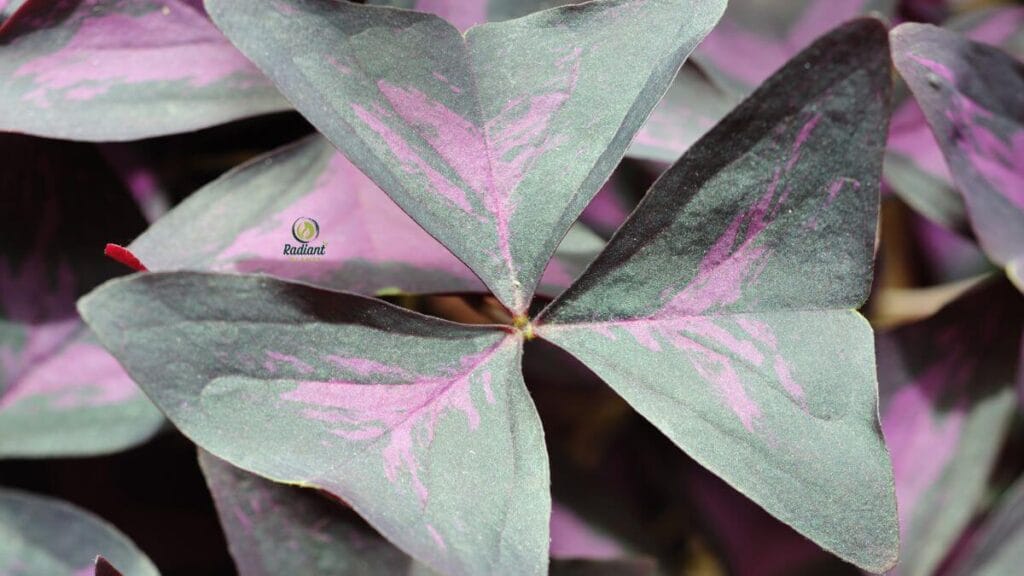
- What it looks like: Triangular “butterfly” leaves; wide varieties read purple with green shifts in certain light.
- Light (best / tolerates): Bright indirect to some sun (avoid scorching).
- Water: Water when the top inch dries; bulb can rest/die back seasonally.
- Overwater: mushy bulbs, yellowing
- Underwater: droop, crisp edges
- Indoor/outdoor + USDA zone: USDA 8–11 outdoors in warm areas; commonly houseplant elsewhere.
- Growth habit + best use: Clumping; cute tabletop plant.
- Color-keeping tip: Brighter indirect light helps keep color richer.
- Quick caution note: Oxalis (shamrock plant) is toxic to cats/dogs per ASPCA.
- Best placement ideas: Bright office desk near east window; keep well away from pets.
Purple Waffle Plant — Hemigraphis (‘Exotica’ / often listed as Hemigraphis exotica)
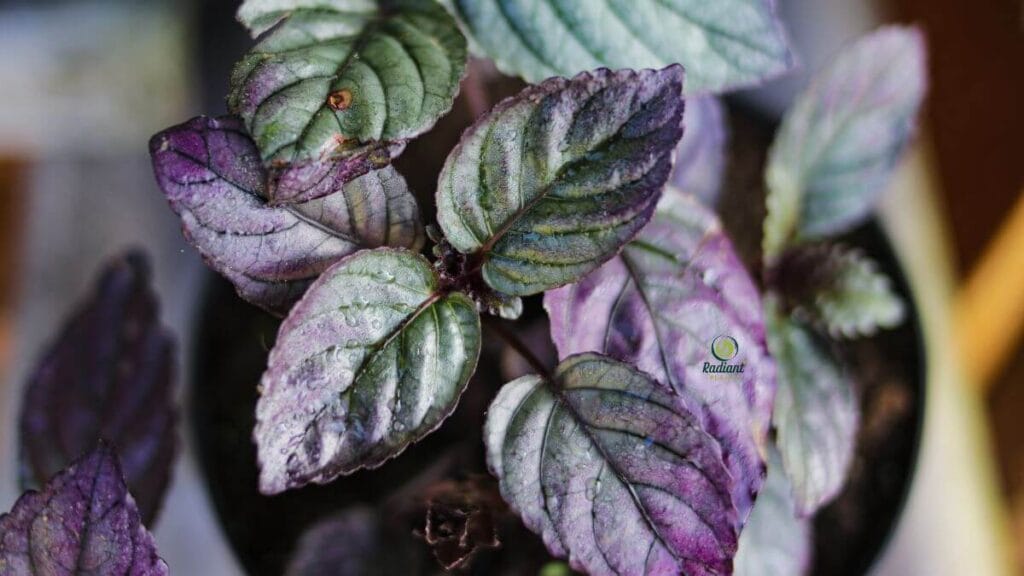
- What it looks like: Deeply textured (“waffled”) leaves—green on top with strong purple tones underneath.
- Light (best / tolerates): Part shade / bright indirect; metallic look may weaken in full sun.
- Water: Likes consistently moist, well-drained soil.
- Overwater: limp, yellowing
- Underwater: curling, crispy edges
- Indoor/outdoor + USDA zone: USDA 10–11 (annual/houseplant in most of the U.S.).
- Growth habit + best use: Trailing/groundcover; great in hanging baskets.
- Color-keeping tip: Give bright light (not harsh direct) to keep purple strong.
- Quick caution note: ASPCA lists the purple waffle plant as non-toxic.
- Best placement ideas: Bright bathroom shelf, kitchen away from hot afternoon sun, hanging planter near an east window.
Bloodleaf / Chicken Gizzard (often sold as “Joseph’s Coat”) — Iresine herbstii
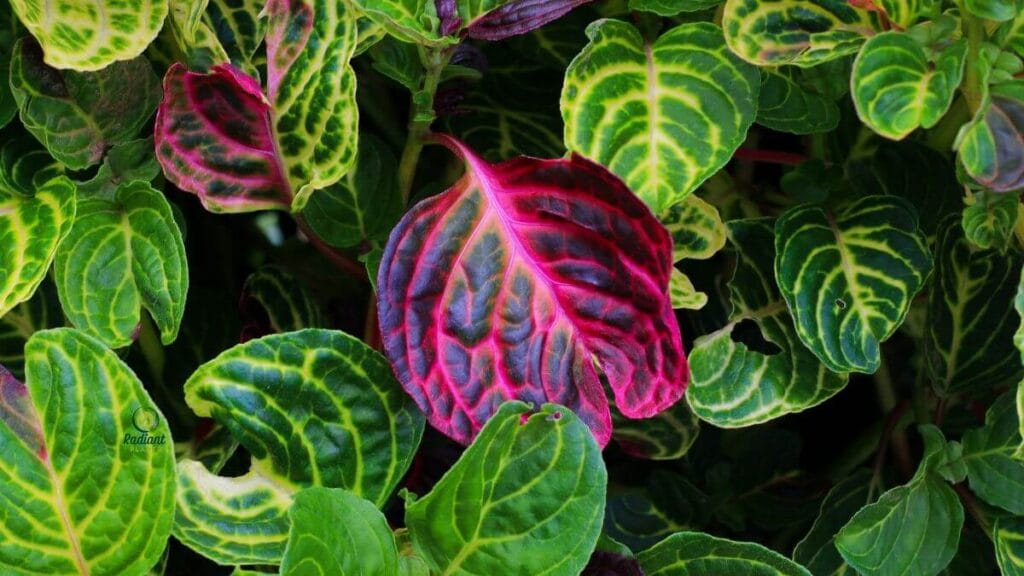
- What it looks like: Bold colored foliage—many cultivars show purple/red tones with green veining or edges.
- Light (best / tolerates): Bright light; morning sun is ok, protect from harsh afternoon sun indoors.
- Water: Keep evenly moist in growth season; reduce in winter; pinch tips for bushiness.
- Overwater: yellowing
- Underwater: droop, crispy edges
- Indoor/outdoor + USDA zone: USDA 10–12; grown as an annual/houseplant elsewhere.
- Growth habit + best use: Bushy/upright; colorful “centerpiece” pot.
- Color-keeping tip: If it greens out, it usually needs brighter light.
- Quick caution note: Similar-looking plants can be confused—confirm your exact plant before assuming safety.
- Best placement ideas: Bright living room corner, near a sheer-curtained south window, humidified office.
Rex Begonia — Begonia rex-cultorum
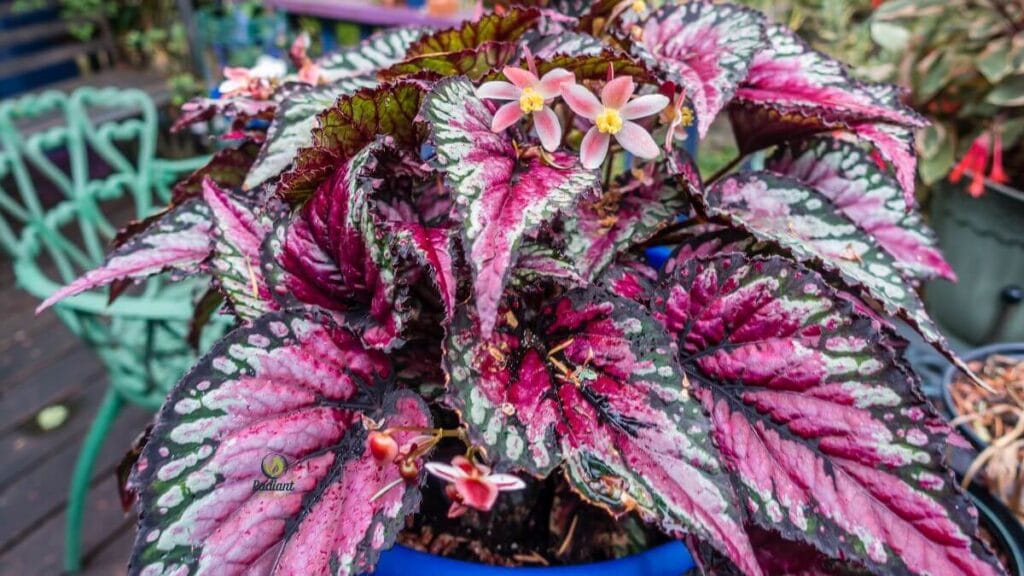
- What it looks like: Dramatic, patterned leaves—wide varieties mix green, purple, silver, sometimes pink.
- Light (best / tolerates): Plenty of light without hot direct sun.
- Water: Let the surface get almost dry between waterings; avoid soaking.
- Overwater: rot, limp leaves
- Underwater: crispy edges, droop
- Indoor/outdoor + USDA zone: Frost-tender; hardy in zones 10–12 but mostly grown indoors in the U.S.
- Growth habit + best use: Compact; best as a “showpiece” tabletop plant.
- Color-keeping tip: Bright indirect light keeps patterns vivid; rotate for even growth.
- Quick caution note: ASPCA lists rex begonia as toxic to cats/dogs.
- Best placement ideas: North/east window area, bright shaded patio in warm months (protected), away from pets.
Purple Passion / Velvet Plant — Gynura aurantiaca
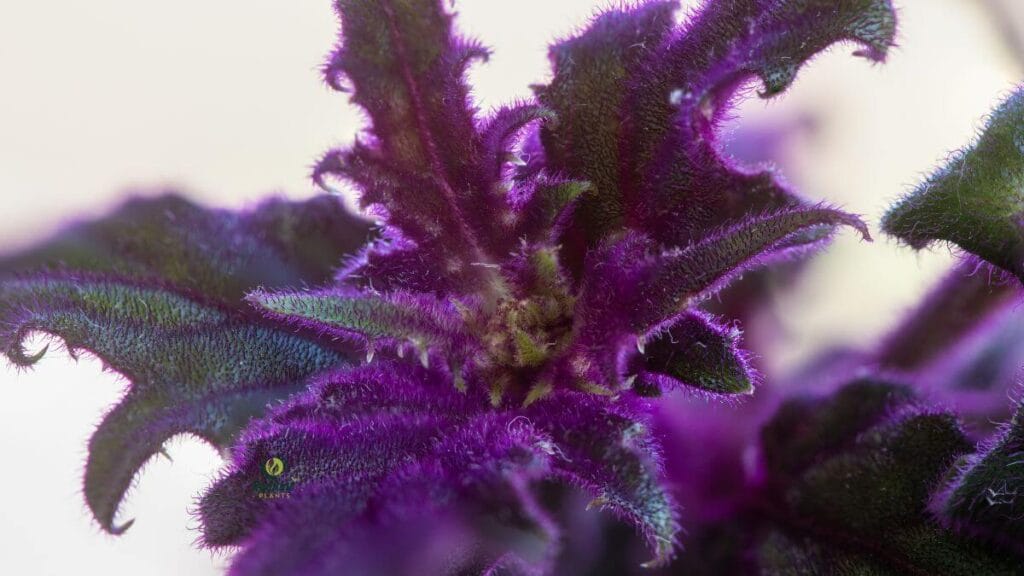
- What it looks like: Fuzzy leaves that look green underneath a purple “velvet” glow.
- Light (best / tolerates): Bright light with protection from harsh afternoon sun; better light = better purple.
- Water: Keep evenly moist; reduce in winter; pinch tips to prevent legginess.
- Overwater: wilting + soggy mix
- Underwater: droop, crisping
- Indoor/outdoor + USDA zone: USDA 10–12; mostly a houseplant in North America.
- Growth habit + best use: Trailing; ideal for hanging baskets.
- Color-keeping tip: Give it bright indirect light—low light makes it look greener.
- Quick caution note: ASPCA lists purple velvet/purple passion vine as non-toxic.)
- Best placement ideas: Hanging a planter by an east window, a bright office shelf, and away from hot HVAC airflow.
Calathea ‘Dottie’ — Goeppertia roseopicta ‘Dottie’ (often sold as Calathea)
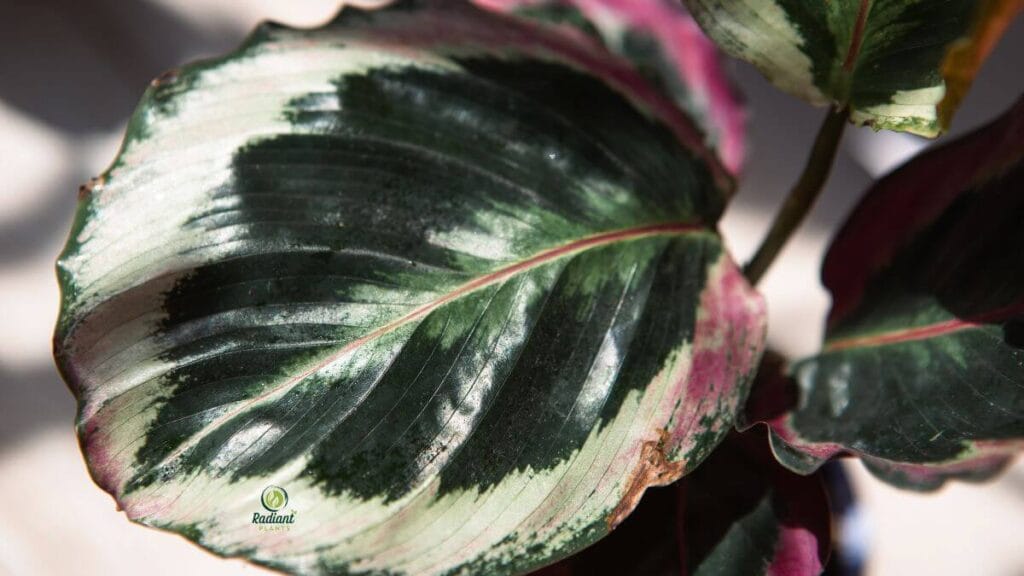
- What it looks like: Dark leaves with purple/pink accents; the underside often shows purple tones.
- Light (best / tolerates): Bright indirect; tolerates lower light but slower growth/color shift.
- Water: Keep soil moist (not wet) in growing season; reduce watering in winter; needs higher humidity.
- Overwater: yellowing, fungus gnats
- Underwater: curling, crispy edges
- Indoor/outdoor + USDA zone: Tropical; USDA 11–12 (primarily indoor in the U.S.).
- Growth habit + best use: Clumping/upright; perfect for bedrooms and humid rooms.
- Color-keeping tip: Stable moisture + humidity helps leaves stay lush.
- Quick caution note: ASPCA lists Calathea spp. as non-toxic.
- Best placement ideas: Bathroom with a window, bedroom on a plant stand near filtered light, away from drafts.
Comparison Table — Which One Should You Choose?
The easiest way to choose a Plant with Purple and Green Leaves is to match it to your light, your watering habits, and whether you need pet-safe options. Use the table to narrow to 2–3 finalists, then pick the growth habit (trailing vs bushy vs upright) that fits your space.
Comparison table
Plant name | Light tolerance | Water needs | Beginner-friendly | Indoor/outdoor | Pet safety note | Growth habit |
|---|---|---|---|---|---|---|
Tradescantia zebrina (Wandering dude/inch plant) | Med–High (tolerates low) | Med | Yes | Indoor + Outdoor (warm) | Often listed as toxic/irritant | Trailing |
Tradescantia pallida (Purple heart) | High (tolerates med) | Low–Med | Yes | Indoor + Outdoor (warm) | Possible irritant/toxic risk | Trailing / Groundcover |
Coleus (Plectranthus scutellarioides) | Med–High (varies) | Med–High | Yes | Indoor + Outdoor (seasonal) | Listed as toxic by some sources | Bushy |
Persian shield (Strobilanthes dyerianus) | Med–High | Med | Intermediate | Indoor + Outdoor (warm) | Pet safety varies/unclear | Upright / Bushy |
Oxalis triangularis (Purple shamrock) | Med–High | Med | Yes | Mostly indoor; outdoor in some areas | Toxic to pets | Clumping |
Purple waffle plant (Hemigraphis) | Med (tolerates low) | Med | Yes | Indoor + Outdoor (warm) | Often listed as non-toxic | Trailing |
Iresine herbstii (Bloodleaf) | Med–High | Med | Intermediate | Indoor + Outdoor (warm) | Pet safety unclear | Bushy / Upright |
Rex begonia (Begonia rex-cultorum) | Med (no hot sun) | Med (careful) | Intermediate | Mostly indoor | Toxic to pets | Compact / Clumping |
Purple passion (Gynura aurantiaca) | Med–High | Med | Yes | Mostly indoor | Often listed as non-toxic | Trailing |
Calathea ‘Dottie’ (Goeppertia roseopicta) | Low–Med (prefers med) | Med (consistent) | Intermediate | Indoor | Often listed as non-toxic | Upright / Clumping |
If a claim needs proof → use these two reputable sources:
- ASPCA Animal Poison Control plant database (pet safety)
- Missouri Botanical Garden Plant Finder + RHS plant profiles (light/water/indoor-outdoor basics)
Quick guidance (pick in 10 seconds)
- If you have low light, → Calathea ‘Dottie’ or Purple waffle plant (expect slower growth).
- If you want the strongest color → Tradescantia zebrina, Purple heart, Persian shield (give brighter light).
- If you forget to water → Purple heart (generally more forgiving) over coleus/calathea.
- If you tend to overwater → avoid consistently soggy soil; prioritize plants you can let dry slightly between waterings (often Tradescantia types).
- If pets/kids may chew plants → start with options commonly listed as non-toxic (Calathea, Purple waffle, Purple passion) and verify your exact plant.
Example (how to use the table)
You’ve got an east-facing window and want a shelf plant: pick a trailing Plant with Purple and Green Leaves with medium light + medium water, like Tradescantia zebrina—but if pets roam, pivot to Purple waffle or Purple passion and confirm safety in ASPCA before placing within reach.
Care Basics for Keeping Purple and Green Leaves Vibrant
To keep a Plant with Purple and Green Leaves looking bold (not washed-out green), you usually need brighter indirect light, consistent but not soggy watering, and fast-draining soil. Most color problems come from either too little light or roots staying wet too long.
Light rules (bright indirect vs direct sun, and what “low light” means)
- Bright indirect light = the “goldilocks zone” for many indoor foliage plants: strong light without harsh rays hitting leaves for hours.
- Direct sun (especially hot afternoon sun through a window) can scorch some leaves, but some outdoor/sun-tolerant plants handle more.
What “low light” really means (indoors):
- Low light is usually farther from windows or rooms where you can’t comfortably read without turning on lights. Plants may survive, but purple often fades and growth slows.
Color-keeping tip: If your Plant with Purple and Green Leaves is turning greener, move it closer to a bright window gradually (over 7–10 days) to avoid shock.
Watering (soak & drain, frequency factors, pot choice)
The rule: water deeply, then let excess drain—don’t “sip” tiny amounts daily.
- Soak & drain method:
- Water until it flows out the bottom.
- Let it fully drain; never leave the pot sitting in water.
- How often? Depends on:
- Light level (brighter = dries faster)
- Temperature/season (winter = slower)
- Pot size (small = dries faster)
- Material (terra cotta dries faster than plastic)
- Plant type (some like evenly moist; others prefer drying slightly)
Pot choice: A drainage hole is non-negotiable for most houseplants—without it, it’s easy to create root rot conditions.
Soil (airy mix, drainage, avoiding root rot)
For a Plant with Purple and Green Leaves, aim for a mix that holds some moisture but still breathes:
- Look for airy, fast-draining potting mix (often with perlite/pumice/bark).
- Avoid heavy, compacted soil that stays wet—this raises root rot risk.
Easy test: If water pools on top for a long time or the pot feels wet for many days, the soil is too dense (or the pot has poor drainage).
Fertilizer (gentle schedule, avoid “overfeeding fade”)
- Use a gentle, consistent approach in the growing season (spring/summer), and back off in winter when growth slows.
- Overfertilizing can cause weak, overly green growth in some foliage plants or lead to salt buildup that damages roots—both can make color look worse.
Safer move: If you’re not sure, fertilize at lower strength rather than full label strength, and watch how the plant responds.
Checklist: weekly care routine (5-minute plan)
Use this for any Plant with Purple and Green Leaves:
- Light check (30 sec): Is it still in your brightest safe spot? Rotate the pot ¼ turn.
- Soil check (60 sec): Feel the top 1–2 inches. Water only if it’s appropriately dry for that plant type.
- Drainage check (30 sec): Confirm no standing water in saucer/cachepot.
- Leaf check (60 sec): Look for fading color, crispy edges, or pests on undersides.
- Quick tidy (60 sec): Remove dead leaves; pinch leggy tips if your plant benefits from it.
- Monthly add-on (optional): Wipe dusty leaves so they can capture light better.
Example (put it all together)
If your Plant with Purple and Green Leaves is getting leggy and turning mostly green, move it to an east-facing window (bright morning light), switch to soak & drain watering, and ensure it’s in a drainage-hole pot with an airy mix. If you recently fertilized heavily and the color looks dull, pause feeding for a few weeks and flush the soil with plain water once (only if the pot drains well).
Best Places to Put These Plants at Home
The best spot for a Plant with Purple and Green Leaves is usually bright, indirect light near a window, plus a location that matches its growth style (trailing, bushy, or upright). If you place it too far from the window, it may survive, but the purple often fades, and the plant gets leggy.
Step 1: Window direction cheat sheet (typical US homes)
Note: light changes by season, trees, and building shade—this is the “default” rulebook.
- North-facing (soft, low light):
Best for plants that tolerate low–medium light; expect slower growth and often less intense purple. - East-facing (gentle morning sun):
One of the safest “happy places” for many indoor plants—bright but not usually scorching. - South-facing (strongest light in many US homes):
Great for color if filtered (sheer curtain) and kept a bit back from the glass; watch for leaf scorch. - West-facing (hot afternoon light):
Can be intense and drying; many plants prefer to be offset from the window or behind a sheer curtain.
Step 2: Hanging vs tabletop vs floor planter (match the growth habit)
- Hanging / high shelf (best for trailing):
Perfect for plants that spill and cascade; keep close enough to light so they don’t go stringy. - Tabletop/desk (best for compact or bushy):
Works if the surface is near a bright window; otherwise color fades fast. - Floor planter (best for upright and larger plants):
Place within the “bright zone”—roughly where daylight still feels strong without direct rays roasting leaves.
Step 3: Humidity “wins” (where plants look nicer with less effort)
- Kitchen: often slightly more humid and warm (bonus), but keep plants away from stovetop heat and grease.
- Bathroom (with a window): humidity can be a cheat code for plants that dislike dry air.
- Dry rooms (heat/AC, near vents): leaves can crisp and curl faster; move plants away from vents and consider grouping plants.
Examples: 5 beginner-friendly “room + plant” pairings
- East-facing bedroom shelf → Tradescantia zebrina (trailing)
Bright morning light keeps striping strongly; great on a high shelf. - Bathroom with a window → Calathea ‘Dottie’ (upright/clumping)
Humidity helps leaves stay crisp and less crispy-edged. - Bright kitchen counter near a window → Rex begonia (compact)
Strong indirect light boosts patterns; keep away from hot direct sun. - South-facing living room (sheer curtain) → Persian shield (upright/bushy)
Filtered light helps maintain that metallic purple without scorching. - West-facing room, a few feet back from the window → Purple waffle plant (trailing/low-med tolerant)
Handles average indoor light and looks great in a hanging planter; avoid harsh afternoon rays.
Common Problems (And Fast Fixes)
Most issues with a Plant with Purple and Green Leaves come from just two things: not enough usable light (color fades, stems stretch) or water staying in the pot too long (yellow leaves, root problems). Use the quick fixes below to diagnose the symptom, change one variable at a time, and you’ll usually see improvement within a couple of weeks.
Purple fading (turning mostly green) → light adjustment steps
Likely cause: Not enough light, or light shifted seasonally (winter).
Fast fix (do this in order):
- Move the plant closer to a bright window (aim for bright indirect light).
- If you only have a south/west window, add a sheer curtain to avoid scorch.
- Rotate the pot ¼ turn weekly so growth stays even.
- If natural light is limited, consider a grow light placed above the plant.
Leggy growth (long stems, sparse leaves) → prune + brighter placement
Likely cause: The plant is stretching toward light; sometimes combined with too-warm, low-light rooms.
Fast fix:
- Prune back the longest stems (many foliage plants respond well to pinching).
- Relocate to brighter indirect light immediately after pruning.
- For trailing plants, trim tips regularly to encourage branching.
- If you repot, don’t oversize the pot—too much wet soil can add new problems.
Brown edges → humidity/watering/salt buildup
Likely causes: Dry air, inconsistent watering, mineral/salt buildup from fertilizer or hard water.
Fast fix:
- Check airflow: keep plants away from heating/AC vents.
- Water consistently using soak & drain, then empty the saucer.
- If you fertilize often, flush the pot with plain water occasionally (only if it drains well).
- For humidity-loving plants, move to a naturally humid room (bathroom with a window) or group plants together.
Yellow leaves → overwatering/root issues
Likely cause: Soil staying wet too long; drainage problems; sometimes low light makes wet soil worse.
Fast fix:
- Stop watering until the top layer dries appropriately for that plant type.
- Confirm the pot has a drainage hole and the soil isn’t compacted.
- If the soil smells sour/musty or stems feel mushy, check roots: trim rot and repot into an airy mix.
- Increase light slightly (brighter indirect) to help the pot dry at a healthy pace.
Pests (spider mites/aphids) → quick treatment options
Clues:
- Spider mites: fine webbing, speckled leaves, worse in dry air.
- Aphids: clusters of soft-bodied insects on new growth; sticky residue (honeydew).
Fast fix:
- Isolate the plant (prevents spread).
- Rinse leaves (especially undersides) with a gentle shower/sink spray.
- Use insecticidal soap or horticultural oil according to the label directions; repeat as instructed (eggs hatch in cycles).
- Improve conditions: Spider mites dislike higher humidity; aphids often target tender, new growth.
Checklist: symptom → likely cause → fix (mini diagnostic)
- Purple fading → low light → move to brighter indirect + rotate weekly [+ grow light if needed]
- Leggy growth → low light → prune + brighter placement + tip-pinching
- Brown edges → dry air/inconsistent watering/salt buildup → stabilize watering + avoid vents + flush salts if safe
- Yellow leaves → overwatering/poor drainage → let dry + fix drainage + repot if rot is present
- Webbing/speckles → spider mites → rinse + soap/oil + raise humidity
- Sticky residue/bugs on tips → aphids → rinse + soap + repeat treatments
Pet & Kid Safety Notes
If you have pets or small kids, treat every Plant with Purple and Green Leaves as “unknown until verified”—because many look similar, but safety can be totally different. The safest approach is to assume chewing is a risk, place plants out of reach, and confirm the exact species before calling it pet-safe.
Set expectations: “pet-safe” vs “mildly irritating” vs “toxic.”
Think in three buckets (simple, practical):
- Pet-safe (non-toxic): Generally not expected to cause poisoning if nibbled, though any plant can still cause mild stomach upset from fiber.
- Mildly irritating: Sap or leaf compounds can cause mouth irritation, drooling, or skin rash, even if it’s not a “serious poison.” Some plants irritate via plant juices or tiny crystal-like compounds.
- Toxic: Higher risk of significant GI signs (vomiting/diarrhea) and, depending on the plant, worse effects. Always verify by exact plant name, not just “purple and green plant.”
Typical irritation signs + what to do first
Common signs after chewing (pets/kids):
- Drooling, pawing at the mouth, lip smacking
- Vomiting or diarrhea
- Redness/rash on lips or skin (sap contact)
- Swelling around the mouth/face, coughing, or trouble swallowing (more urgent)
What to do first (general, low-risk steps):
- Remove plant bits from the mouth if visible and safe to do.
- Rinse mouth gently with water (pets: offer small sips; kids: rinse/spit).
- Wipe paws/face if sap or plant juice got on fur/skin.
- Save a photo of the plant + any label (common + botanical name helps).
- Avoid home “remedies” unless a professional tells you—some actions can make things worse.
Safer placement strategies (simple but effective)
- Put any Plant with Purple and Green Leaves in hanging planters or on tall plant stands that a cat/dog/toddler can’t reach.
- Keep plants away from jump launchpads (window ledges, sofas, shelves next to furniture).
- Use a heavier pot (harder to tip) and keep trailing vines trimmed so they don’t dangle like a toy.
- If your pet is a known “plant chewer,” consider sticking to verified non-toxic choices only.
When to call a vet or poison control (general guidance)
Call a vet or a poison control hotline right away if any of these apply:
- You don’t know the exact plant, and chewing happened
- Repeated vomiting/diarrhea, extreme lethargy, or the pet seems “off.”
- Swelling, breathing trouble, persistent coughing, or trouble swallowing
- A small pet (or young child) chewed an unknown amount
- You suspect ingestion of a plant that’s listed as toxic for pets
Good resources to verify plant safety:
- ASPCA Animal Poison Control plant database
- Pet Poison Helpline plant library/guidance
Example (how to handle it fast):
Your cat takes a bite from a trailing Plant with Purple and Green Leaves on a shelf. You remove the plant, gently rinse the mouth area, take a clear photo of the leaves (top and underside), and check the plant name (label/receipt). If drooling continues or you can’t identify the plant, you contact a vet/poison control with the photo and an estimate of how much was chewed.
Purple-and-green foliage stays stunning when you match the plant to your light, space, and watering style—then keep conditions consistent. Use the 10 picks and the comparison table to narrow your options, place your plant where it gets bright, indirect light, and rely on the quick-fix guide when color fades, or leaves act up. If you have pets or kids, double-check safety before choosing. Pick one Plant with Purple and Green Leaves today, and you’ll be amazed at how fast your space levels up.