Perennial plant purple flowers are the simplest way to lock in “wow” color every year—pick the right ones for your hardiness zone and sun exposure, and they’ll return with minimal drama.
Here’s the cheat code: start with your zone (USDA zones are grouped in 10°F bands, with 5°F half-zones), then match plants to full sun, part shade, or shade. Build a mix that staggers bloom times—spring, summer, and fall—and you’ll keep that rich purple look going for months.
In this guide, you’ll get 15 stunning, easy picks with quick “best for” notes, plus a fast table to choose by zone, light, height, and bloom season—so you buy once and enjoy for years.
Table of Contents
In This Article
What are the best Perennial Plant Purple Flowers?
If you want perennial plants with purple flowers that look amazing and don’t act fragile, start with three filters: your hardiness zone, your light preference (sun vs. shade), and how long you want blooms. The USDA Plant Hardiness Zone Map is based on a location’s average annual extreme minimum winter temperature (10°F zones, 5°F half-zones). In Canada, you can use Canada’s official plant hardiness tools (including a Canada map using the USDA extreme-minimum approach, plus a municipality lookup).
Snippet:
The best perennial plant purple flowers are the ones that match your zone + sun. Use the USDA zone map (extreme winter minimums) to pick plants that survive winter, then choose varieties for full sun or part shade. Mix bloom seasons (spring–fall) for purple color that lasts months.
Fast Picker Table (15 easy, purple-blooming perennials)
Zones are typical ranges—always confirm the cultivar tag and local microclimate.
Plant (Purple blooms) | USDA Zone Range | Canada (USDA-style zone map) | Sun | Bloom season | Height | Water | Pollinator | Deer |
|---|---|---|---|---|---|---|---|---|
Lavender (hardy types) | 5–9* | 5–9* | Full sun | Summer | Med | Low | High | Med |
Salvia (perennial) | 4–9 | 4–9 | Sun–part shade | Late spring–fall | Med | Low–Med | High | Med |
Catmint (Nepeta) | 3–8 | 3–8 | Sun–part shade | Late spring–fall | Low–Med | Low | High | High |
Coneflower (Echinacea) | 3–9 | 3–9 | Full sun | Summer–fall | Med–Tall | Low–Med | High | Low–Med |
Bee balm (Monarda) | 3–9 | 3–9 | Sun–part shade | Summer | Tall | Med | High | Low |
Russian sage (Salvia yangii) | 4–9 | 4–9 | Full sun | Summer–fall | Tall | Low | High | Med |
Spike speedwell (Veronica) | 3–8 | 3–8 | Full sun | Summer | Med | Med | Med–High | Med |
Garden phlox | 4–8 | 4–8 | Sun–part shade | Summer | Tall | Med | High | Low |
Allium (ornamental) | 4–9 | 4–9 | Full sun | Spring–early summer | Med | Low | Med | High |
Iris (many types) | 3–9 | 3–9 | Full sun | Spring–early summer | Med | Low–Med | Med | High |
Hardy geranium | 4–8 | 4–8 | Sun–part shade | Spring–summer | Low–Med | Med | Med | Med |
Creeping phlox | 3–9 | 3–9 | Full sun | Spring | Low | Low–Med | Med | Med |
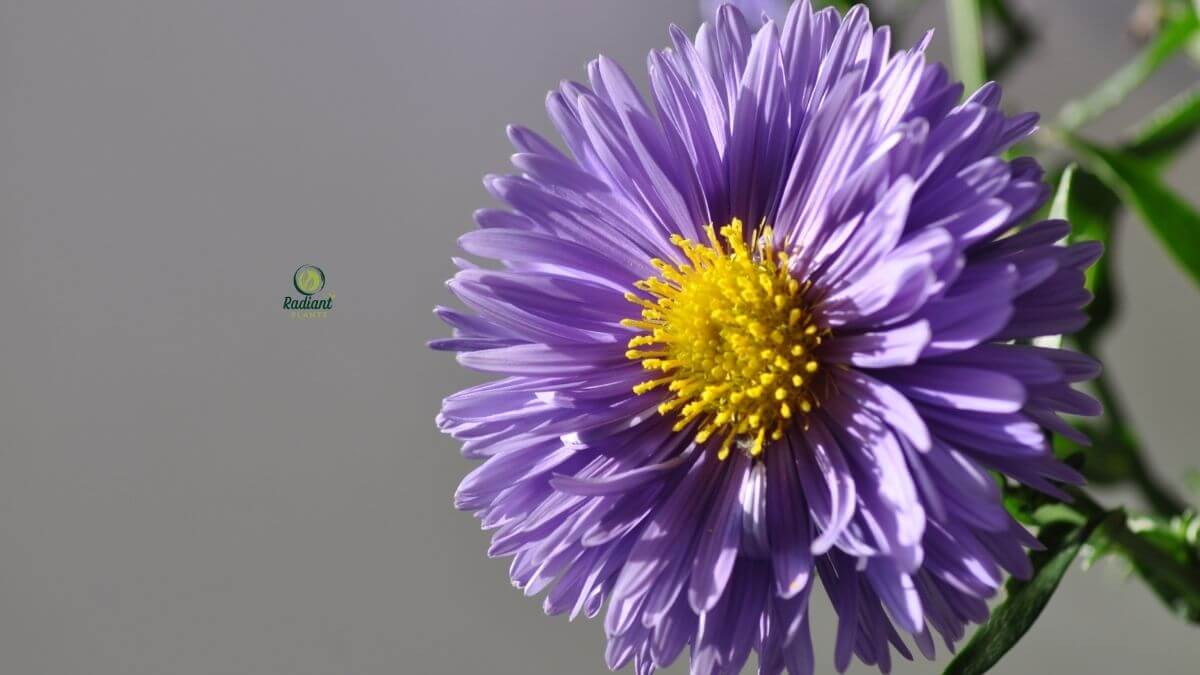
Aster (fall types) | 3–8 | 3–8 | Full sun | Late summer–fall | Med–Tall | Med | High | Low |
Columbine (Aquilegia) | 3–8 | 3–8 | Part shade | Spring | Med | Med | Med | Med |
Coral bells (Heuchera) | 4–9 | 4–9 | Part shade | Spring–summer | Low | Med | Med (hummingbirds) | Med |
*Lavender hardiness varies a lot by species/cultivar—treat zones as a starting point, not a promise.
Which purple perennials are easiest for beginners?
The beginner-friendly MVPs are the ones that forgive you: catmint (Nepeta), salvia, coneflower, creeping phlox, and hardy geranium. They’re generally adaptable, don’t need fancy soil, and still look like a “designer garden” with basic care.
Easy-care setup (do this once):
- Sun check: if you get 6+ hours, go heavy on salvia/catmint/coneflower.
- Drainage check: if puddles sit after rain, choose plants that tolerate moisture or improve soil with compost + raised planting.
- First-season watering: water deeply 1–2×/week until established, then taper (most of these prefer “less but deeper”).
Practical example: In a Zone 5 yard (think many northern US areas and parts of Canada), a simple trio is catmint + salvia + coneflower for long color and pollinators. EPA recommends thinking locally and using region-suitable flowering plants—native or well-adapted choices tend to perform better.
Snippet:
For beginners, choose purple perennials that tolerate small mistakes: catmint, salvia, coneflower, creeping phlox, and hardy geranium. Match them to your sun level, then focus on two basics—good drainage and deep watering in the first season. After that, most become low-maintenance repeat bloomers.
Which ones bloom the longest?
For “purple all summer” energy, prioritize rebloomers and long-season performers: catmint, salvia, Russian sage, coneflower, and asters for the fall finish. The secret isn’t one plant—it’s stacking bloom windows so something is always on.
Bloom-stacking mini plan (super doable):
- Spring: creeping phlox, iris, columbine
- Summer: catmint, salvia, coneflower, bee balm, garden phlox
- Late summer–fall: Russian sage, asters
Care step that extends blooms: deadhead (snip spent flowers) on salvia and coneflower, and keep phlox airflow decent to reduce issues like powdery mildew (your plants stay prettier longer).
University extension guidance on pollinator gardens also emphasizes matching plants to sunlight so you don’t accidentally shade full-sun bloomers.
Snippet:
The longest-blooming purple perennials are usually catmint, salvia, Russian sage, and coneflower, with asters carrying color into fall. For months of purple, build a “bloom relay”: spring bloomers + summer workhorses + fall finishers. Deadheading and proper sunlight keep the show going longer.
Which ones handle cold (US/Canada zones)?
Cold-hardiness is about winter survival first, beauty second. Use the USDA zone map to choose plants that match your area’s extreme winter minimum temperature—that’s the baseline for whether a perennial reliably returns. In Canada, you can also cross-check with Canada’s official plant hardiness tools (including USDA-style extreme minimum temperature maps).
Cold-reliable picks (often solid in Zone 3–5):
- Catmint, coneflower, bee balm, asters, creeping phlox, columbine
- Add alliums for spring punch (they’re typically very hardy once established)
Cold-climate care that actually matters:
- Plant early enough for roots to establish (late spring or early fall, depending on your area).
- Use 2–3 inches of mulch after the ground cools (not too early), so you avoid freeze-thaw heaving.
- Don’t “over-love” with water late in the season—let plants harden off.
If pollinators are part of your goal, the EPA also encourages planting region-suitable flowering species to support local pollinators—cold-hardy natives and well-adapted perennials are a win-win.
Snippet:
For cold climates, pick purple perennials that match your USDA hardiness zone, which is based on your area’s average annual extreme minimum winter temperature. In Canada, use the official plant hardiness tools (including USDA-style maps) to confirm locally. Cold-tough standouts often include catmint, coneflower, asters, and creeping phlox.
How to choose purple flowering perennials that actually survive
Choosing perennial plant purple flowers is less about “prettiest photo” and more about survival math: winter lows (zone), light (sun/shade), and what your soil does after rain. The good news: if you match those three, most “hard” problems disappear.
Snippet:
To pick perennial plant purple flowers that survive, start with your hardiness zone, then match sun exposure (full sun vs shade), and finish with soil moisture/drainage. Zones estimate winter survival using temperature thresholds; light and soil decide bloom quality. Do those three and your success rate jumps fast.
Start with your hardiness zone (US vs Canada)
For perennial plant purple flowers, zones answer one core question: Will it come back next year? The USDA Plant Hardiness Zone Map is based on the average annual extreme minimum winter temperature, shown as 10°F zones and 5°F half-zones (a/b).
In Canada, the federal Plant Hardiness site offers interactive maps—including maps based on the USDA extreme-minimum temperature approach—and a practical “by municipality” lookup.
Quick zone rules (actually useful):
- If a plant is rated for your zone and your yard is sheltered (near a wall, less wind), you may be fine at the edge of its range.
- If your yard is exposed (windy, open, low spots that collect cold air), choose one zone hardier than the label.
Example: A Zone 5a homeowner aiming for purple summer color can confidently start with hardy staples (like catmint/salvia types) and then add one “stretch” plant only after year one proves successful.
Snippet:
Hardiness zones are your survival filter for perennial plant purple flowers. USDA zones are based on average annual extreme minimum winter temperature and include a/b half-zones. Canada provides official tools and a municipality lookup, plus USDA-style extreme-minimum maps. Check your zone first—then shop.
Match light first (full sun vs part shade vs shade)
Light is what makes perennial plant purple flowers bloom like they’re supposed to. Even adaptable perennials can bloom less abundantly when the light isn’t right for the species.
Fast decision rules:
- Full sun (6+ hours): most classic purple bloomers perform best here.
- Part shade (3–6 hours): look for “sun/part shade” labels; blooms may be a bit softer but still strong.
- Shade (<3 hours): choose shade-tolerant perennials; expect fewer flowers but good foliage and steady performance.
Why blooms drop in low light: less sun = less energy for flower production. So when people say “this plant doesn’t bloom,” it’s often a light mismatch—not a “bad plant.”
Snippet :
For perennial plant purple flowers, light is the bloom switch. Full sun usually gives the most flowers; part shade works for many; deep shade needs shade-tolerant picks. If blooms look weak, fix light first (or pick a different plant) before blaming fertilizer.
Soil + water basics (so you don’t rage-quit mid-season)
Soil is the silent deal-breaker for perennial plant purple flowers. Before you buy amendments, start with a soil test—it’s an inexpensive way to learn your pH and nutrient levels, and it guides fertilizer and amendment choices.
Also: if you garden near older homes or urban areas, consider the safety side—EPA guidance notes soil lead can be variable and suggests discussing results with extension/public health if you’re concerned.
Simple care steps that prevent 80% of issues:
- Drainage check: if water sits 24 hours after rain, choose moisture-tolerant plants or plant higher (mounded bed).
- Watering: deep watering > daily sprinkling (especially in the first 4–6 weeks).
- Mulch: 2–3 inches helps stabilize moisture and reduce weeds (keep it off the crown).
Annual vs perennial vs “tender perennial” (quick clarity):
Annuals finish their life cycle in one season; perennials return for multiple years; “tender perennials” act perennially only where winters are mild.
Snippet:
Perennial plant purple flowers thrive when soil basics are handled early: do a soil test to learn pH and nutrients, confirm drainage, and water deeply while plants establish. If you’re growing food nearby or worry about contamination, EPA guidance notes soil levels can vary and recommends follow-up support if results concern you.
Choose by Conditions
Light | Soil moisture | Best “type” of purple perennials to prioritize |
|---|---|---|
Full sun | Dry / fast-draining | Drought-tolerant, heat-hardy bloomers; avoid “needs evenly moist” labels |
Full sun | Average | Most classic purple perennials are the easiest category to succeed with |
Full sun | Moist/heavy | Moisture-tolerant perennials or raised beds + compost for structure |
Part shade | Average | “Sun/part shade” bloomers; foliage-forward + steady flowering |
Shade | Moist/average | Shade perennials; expect fewer blooms but reliable growth |
The 15 Stunning, Easy Picks (with care notes)
These perennial plant purple flowers are “high-reward, low-drama” picks—meaning they’re widely available, proven in real gardens, and easier to match to zone + light + soil than fussy divas. Start with your hardiness zone using official tools (USDA for the U.S.; Canada’s Plant Hardiness tools for Canadian locations). USDA zones are based on average annual extreme minimum winter temperature and include a/b half-zones.
Two quick reality checks before you shop:
- Zones are a starting point, not a guarantee. Wind, slope, snow cover, and heat reflected off walls can shift results (microclimates). Use your plant tag + your yard conditions together.
- Light controls bloom. Many perennials survive in part shade, but flower best in the light they’re bred for (full sun vs part shade vs shade).
Snippet:
The easiest way to succeed with perennial plant purple flowers is to match zone + light first, then choose plants with staggered bloom times. Use the USDA map (extreme winter minimums with a/b half-zones) and Canada’s official plant hardiness tools to confirm survivability, then pick full-sun or shade-appropriate options for the strongest blooms.
Bloom Calendar (peak color)
Season | Peak purple performers |
|---|---|
Spring | Creeping phlox, Allium, Iris, Columbine |
Early–Mid Summer | Salvia, Catmint, Garden phlox, Bee balm, Spike speedwell |
Late Summer–Fall | Coneflower (varieties), Russian sage, Aster |
Maintenance Level (quick reality check)
Plant | Deadhead? | Divide? | Drought tolerance | “Watch out for” |
|---|---|---|---|---|
Lavender | Optional | Rare | High (once established) | “Watch out for.” |
Salvia nemorosa | Yes (rebloom) | Every few years | Med–High | Flop if too rich/wet |
Catmint | Shear for rebloom | Optional | High | Flop if shade/wet |
Coneflower | Optional | Optional | High | Reseeding if you let heads mature |
Bee balm | Helpful | Often (spreads) | Med | Powdery mildew + spreading |
Russian sage | Cut back yearly | Rare | High | Flops in shade/wet |
Garden phlox | Yes (rebloom) | Every 3–4 yrs | Med | Powdery mildew |
Coral bells | Remove stalks | Every 3–4 yrs | Med | Heavy clay stress |
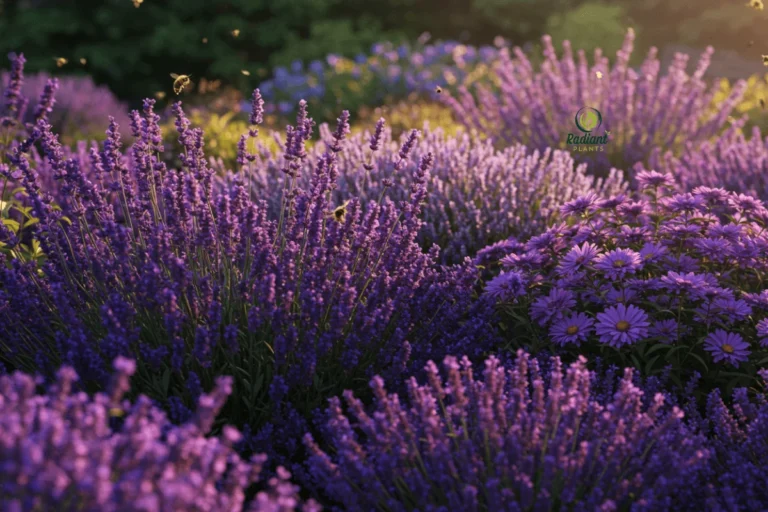
Lavender (Lavandula)

For perennial plant purple flowers with fragrance and a clean, modern look, lavender shines—if your soil drains fast.
- Best for: full sun, dry soil, fragrance borders
- Zones: often ~5–10 depending on type (check tag)
- Sun: full sun
- Bloom window: summer
- Height: low–medium (variety dependent)
- Why it’s great: scent + drought tolerance once established, tidy structure
- 2 care tips: (1) Plant in well-drained soil—lavender hates “wet feet.” (2) Skip heavy mulch right at the crown; keep airflow.
- Common issue + fix: Winter loss/root rot from soggy soil → plant on a slope/raised bed and avoid overwatering.
Snippet:
Lavender is a top pick for perennial plant purple flowers in full sun—just don’t baby it with wet soil. It needs excellent drainage and performs poorly in water-logged spots. If lavender fails, it’s usually drainage, not fertilizer.
Salvia (perennial sages, e.g., Salvia nemorosa types)
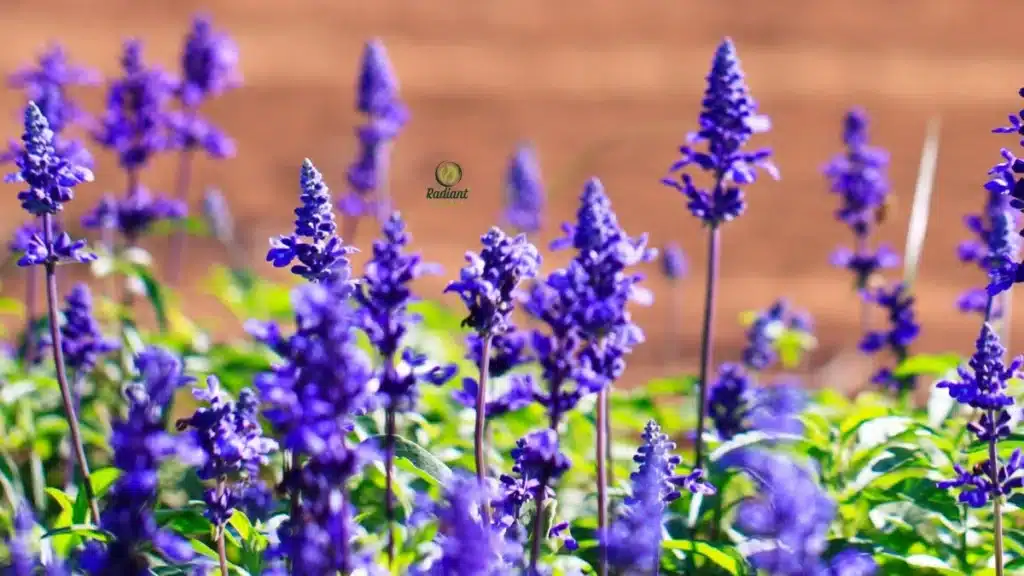
If you want perennial plant purple flowers that bloom hard and feed pollinators, salvia is a workhorse.
- Best for: long bloom + pollinators
- Zones: commonly ~4–9 (varies by cultivar)
- Sun: full sun to partial shade
- Bloom window: late spring into summer; can repeat into fall with deadheading
- Height: medium
- Why it’s great: drought tolerance once established, reliable spikes, easy repeats
- 2 care tips: (1) Deadhead or shear after the first flush to encourage rebloom. (2) Keep it in well-drained soil—too wet = floppy.
- Common issue + fix: Flopping in rich soil → cut back by 1/3 early summer and avoid high nitrogen.
Snippet:
For perennial plant purple flowers that keep going, Salvia nemorosa is a standout. It grows well in full sun to part shade, tolerates dry soils, and responds fast to deadheading for repeat bloom. Plant it in well-drained soil for strong stems and cleaner growth.
Catmint (Nepeta)
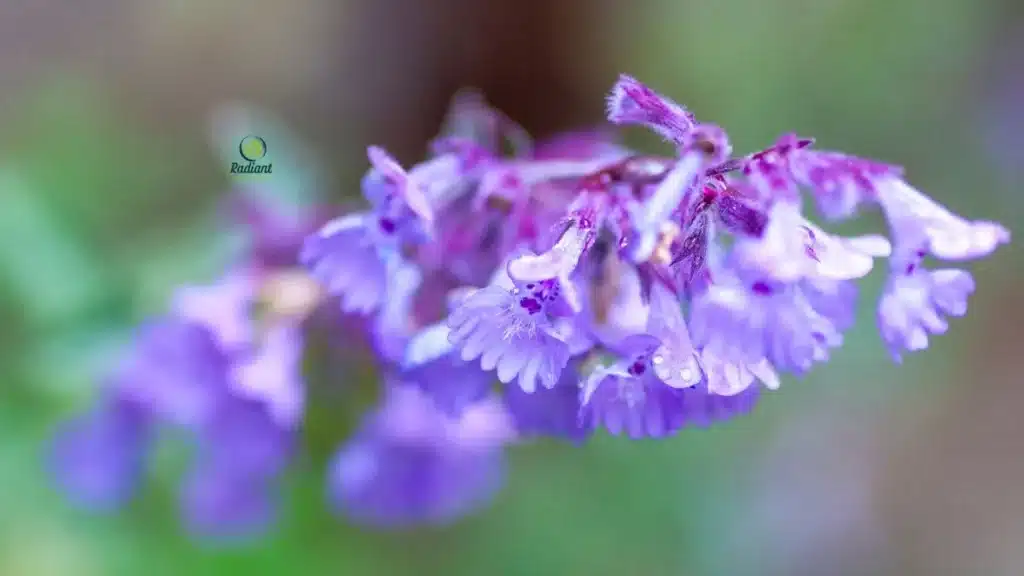
Catmint is basically the cheat code for perennial plant purple flowers that look soft and luxe with almost no effort.
- Best for: nonstop color, low-effort edging
- Zones: varies; many are very cold-tough (check tag)
- Sun: full sun; many tolerate part shade
- Bloom window: late spring through summer; repeat with shearing
- Height: low–medium mound
- Why it’s great: drought-tolerant once established + easy rebloom
- 2 care tips: (1) Shear after flowers fade for a fresh flush. (2) Prioritize drainage; it’s happiest not soggy.
- Common issue + fix: Leggy growth in shade → move to more sun or cut back hard after bloom.
Snippet:
Catmint is one of the easiest perennial plant purple flowers for full sun. It prefers good drainage, becomes drought tolerant once established, and reblooms well after a simple shear. If it looks tired mid-season, cut it back—catmint bounces back fast.
Coneflower (Echinacea) — purple varieties
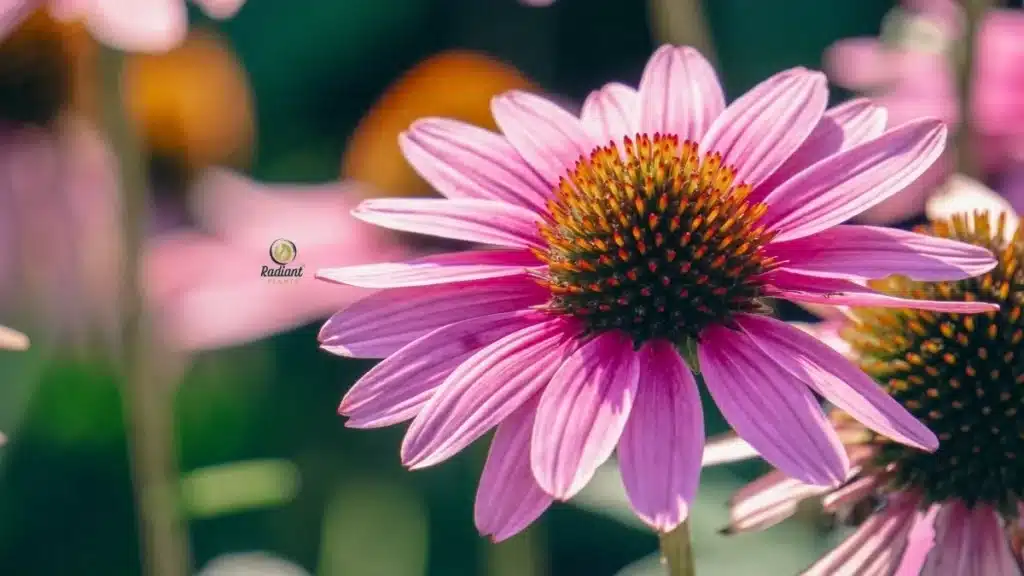
Coneflower gives you a perennial plant purple flowers plus seed heads that support wildlife later.
- Best for: tough summers + wildlife value
- Zones: commonly ~3–9 (varies)
- Sun: full sun to partial shade
- Bloom window: early summer into fall (variety dependent)
- Height: medium–tall
- Why it’s great: adaptable soils, drought tolerance once established, strong pollinator value
- 2 care tips: (1) Water regularly at first; then taper. (2) Deadhead for a tidier look or leave some heads for seeds.
- Common issue + fix: Too much shade = fewer blooms → move to a sunnier spot.
Snippet:
Coneflower is a classic perennial plant purple flowers pick because it’s adaptable and drought tolerant once established. It grows in full sun to partial shade, blooms for a long stretch, and can reseed if you leave heads in place. For more blooms, keep it on the sunnier side.
Bee balm (Monarda) — purple cultivars
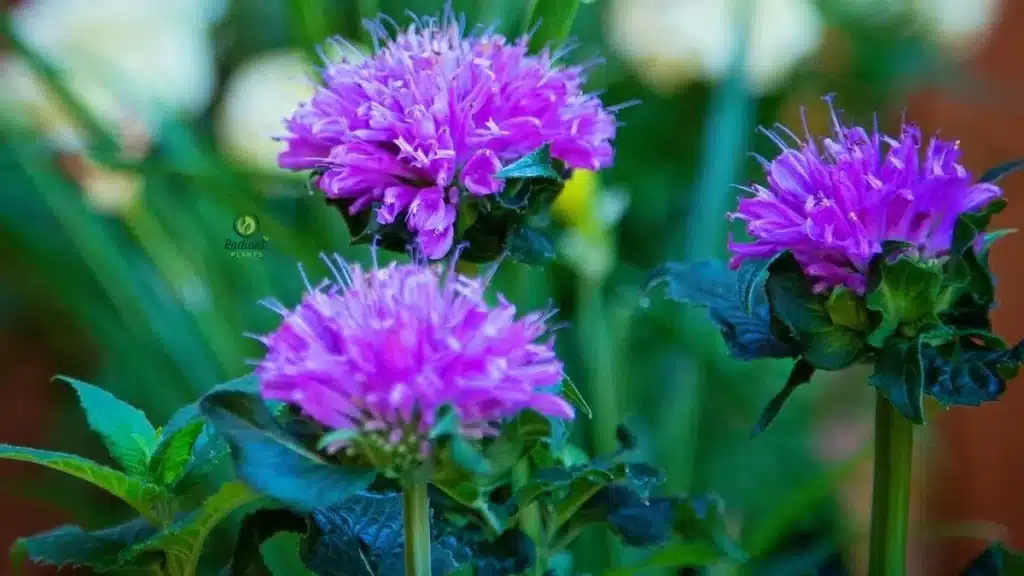
Bee balm is a perennial plant purple flowers that feel alive—bees, butterflies, hummingbirds: it’s a party.
- Best for: pollinator magnet beds
- Zones: often ~4–9 for common species (check cultivar)
- Sun: full sun; tolerates some shade
- Bloom window: summer
- Height: medium–tall
- Why it’s great: huge impact + strong wildlife value
- 2 care tips: (1) Give air circulation—it reduces powdery mildew risk. (2) Divide or edge it if it spreads via rhizomes.
- Common issue + fix: Powdery mildew → more sun/airflow, avoid crowding, water at soil level.
Snippet:
Bee balm delivers bold perennial plant purple flowers and pulls in hummingbirds and butterflies. It prefers moist, well-drained soil and full sun, but it needs airflow to reduce powdery mildew. Plant it with space, divide when crowded, and you’ll get bigger blooms with fewer issues.
Russian sage (Salvia yangii / Perovskia)
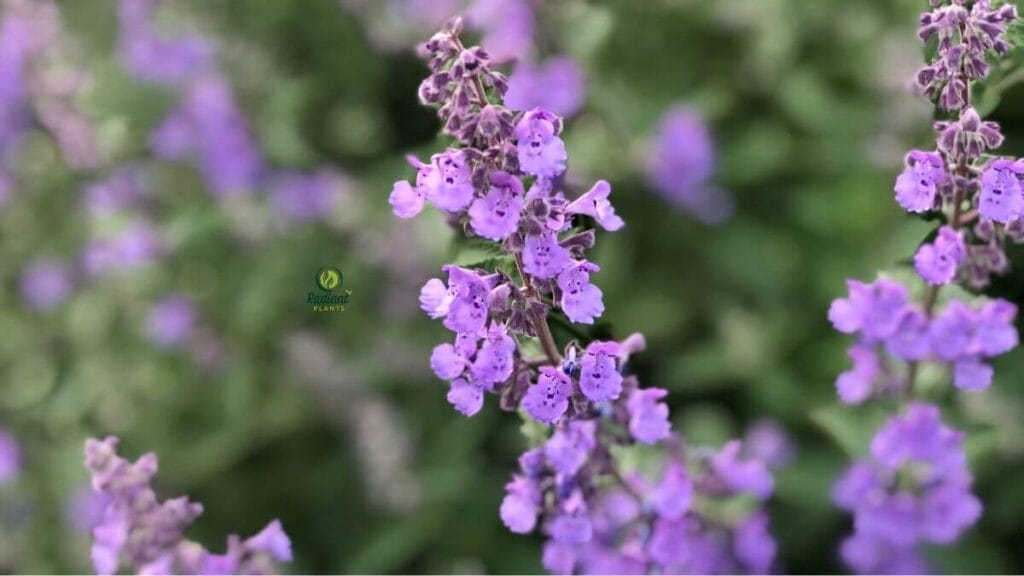
Russian sage gives that airy “purple haze” that makes borders look expensive.
- Best for: drought-tough, long-season color
- Zones: commonly hardy across many regions (check tag)
- Sun: full sun (flowers best there)
- Bloom window: summer into fall
- Height: tall
- Why it’s great: drought tolerance + pollinator activity + low fuss
- 2 care tips: (1) Avoid wet soil; drainage is non-negotiable. (2) Cut back in early spring to several inches for strong growth.
- Common issue + fix: Flopping in shade → move to full sun; it’s literally built for it.
Snippet:
For perennial plant purple flowers in full sun, Russian sage is a drought-tough standout. It prefers well-drained, occasionally dry soil and flowers best in full sun—shady sites increase flopping. Cut it back in early spring to reset growth and keep stems sturdy.
Spike speedwell (Veronica)
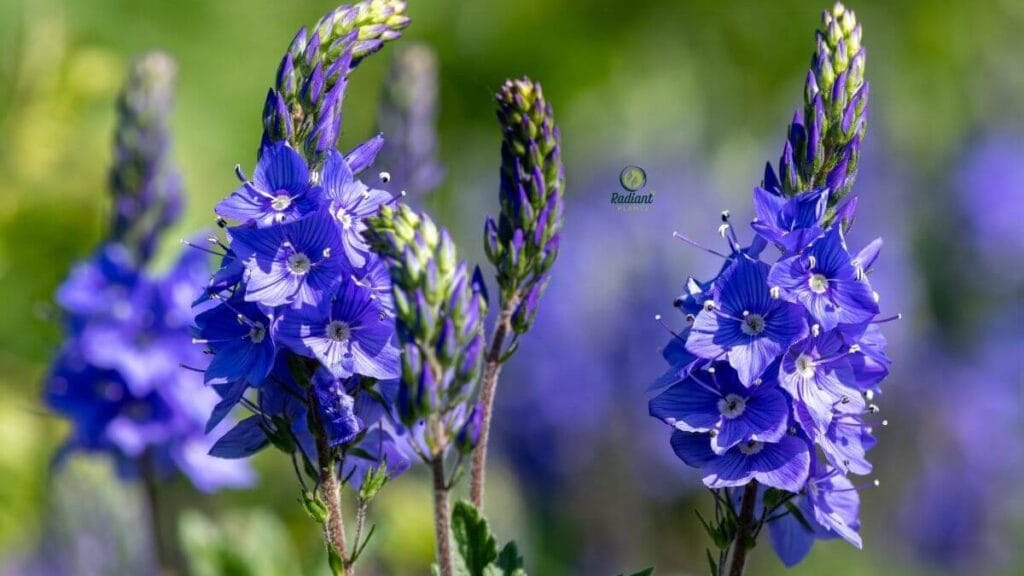
Veronica adds clean vertical spikes—great for modern, structured planting.
- Best for: neat borders, cut-flower vibes
- Zones: varies by cultivar; many are cold-hardy
- Sun: full sun
- Bloom window: late spring to mid-summer; can rebloom after shearing
- Height: medium
- Why it’s great: tidy habit + repeat bloom potential
- 2 care tips: (1) Shear down after bloom to encourage fall rebloom. (2) Keep moisture even in well-drained soil for the best spikes.
- Common issue + fix: Root issues in soggy soil → improve drainage or plant on a slight mound.
Snippet:
Spike speedwell is a strong perennial plant purple flowers option for full sun borders. It prefers moist, well-drained soil and can rebloom if you shear it back to the basal rosette after the first flowering wave. If it struggles, drainage is usually the first thing to fix.
Garden phlox (Phlox paniculata) — purple cultivars
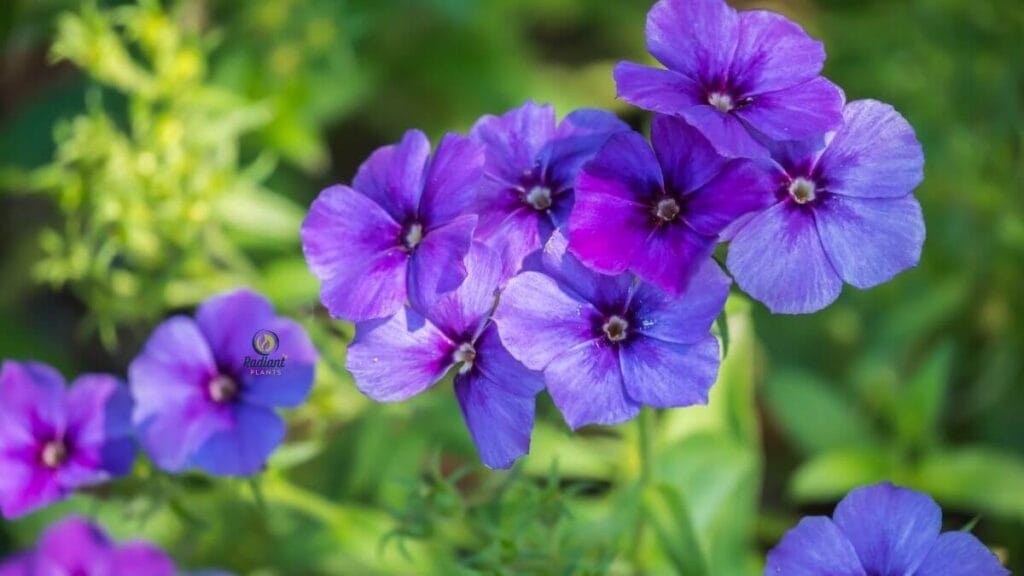
Garden phlox is classic summer drama in clusters—big payoff in mixed borders.
- Best for: bold mid-summer color
- Zones: commonly grown widely; check cultivar
- Sun: full sun to part shade
- Bloom window: mid-summer into fall; deadheading can extend
- Height: tall
- Why it’s great: fragrance, cut flowers, hummingbird-friendly
- 2 care tips: (1) Space for airflow; it helps reduce powdery mildew. (2) Divide every 3–4 years to prevent overcrowding.
- Common issue + fix: Powdery mildew → choose resistant cultivars when possible + improve airflow + avoid overhead watering.
Snippet:
Garden phlox is a top perennial plant purple flowers choice for mid-to-late summer color. It blooms in large clusters and can flower longer with deadheading, but it needs spacing and airflow to reduce powdery mildew. Divide crowded clumps every few years for healthier growth and better bloom.
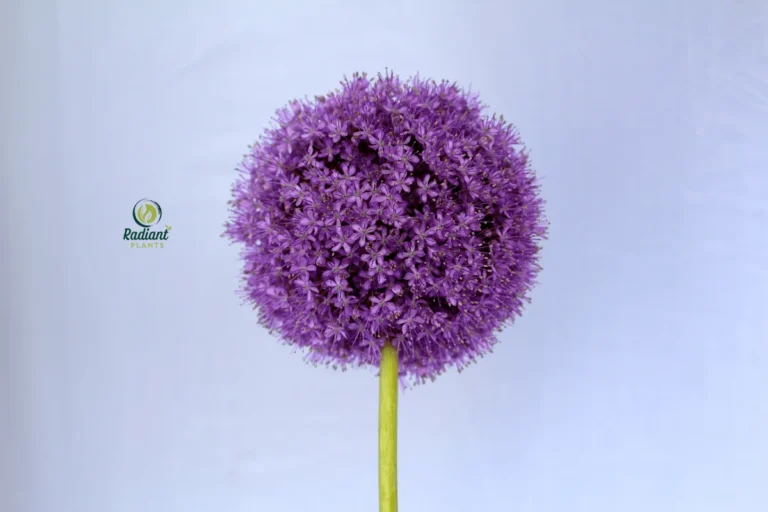
Allium (ornamental onion) — purple globe types
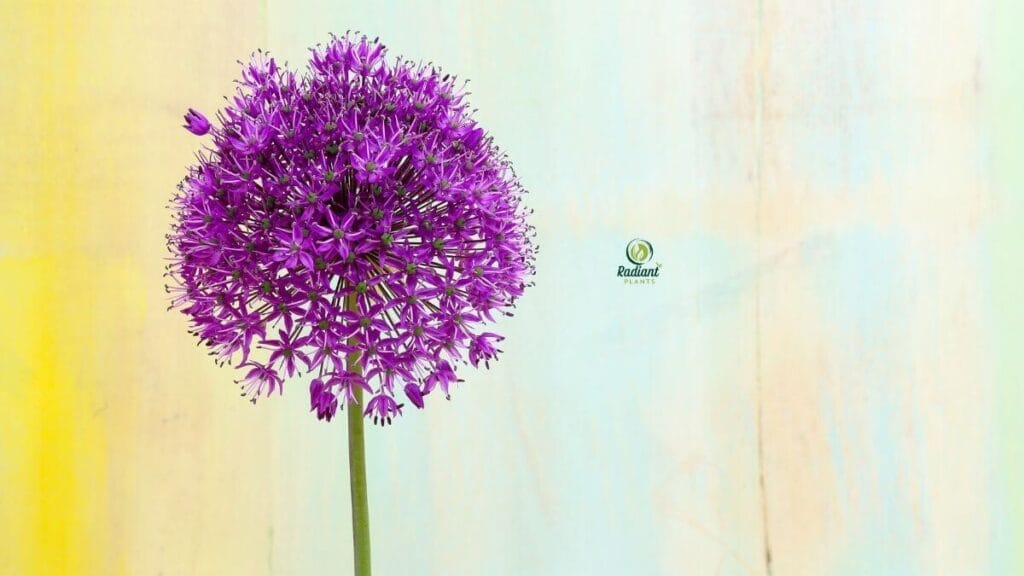
Alliums give you a spring structure that looks designer with almost no maintenance.
- Best for: spring drama + architectural spheres
- Zones: varies by species/cultivar
- Sun: full sun (best flowering)
- Bloom window: spring to early summer
- Height: medium to tall (species dependent)
- Why it’s great: strong form + generally low disease issues
- 2 care tips: (1) Bulbs rot in soggy soil—drainage matters. (2) Plant bulbs at the proper depth in the fall for many types.
- Common issue + fix: Floppy stems in shade → move to more sun; shady sites weaken flower stems.
Snippet:
For spring perennial plant purple flowers, ornamental alliums bring bold purple globes with clean structure. They flower best in full sun and need well-drained soil—bulbs can rot if the site stays wet. Shady locations often produce weaker, floppy flowers, so keep alliums on the sunnier side.
Iris — purple varieties
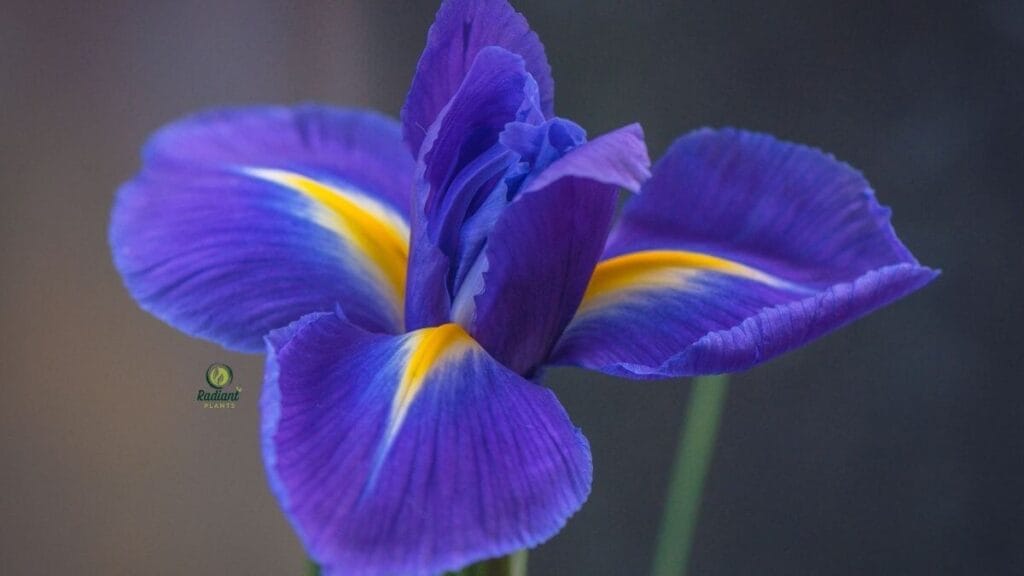
Irises are the “statement shoe” of spring—sharp lines, huge blooms, unforgettable color.
- Best for: spring showpiece flowers
- Zones: vary widely by type/cultivar
- Sun: full sun preferred
- Bloom window: spring to early summer (some reblooming types exist)
- Height: medium
- Why it’s great: bold form + relatively drought-tolerant once established
- 2 care tips: (1) Plant bearded iris rhizomes at soil level or lightly covered—don’t bury deep. (2) Avoid mulching/overwatering the rhizome area; it can lead to rot.
- Common issue + fix: Rhizome rot → improve drainage, reduce watering, and remove rotting tissue.
Snippet:
Iris is a classic perennial plant purple flowers pick for spring, but it’s picky about one thing: rhizomes must not stay wet. Bearded iris does best in full sun and well-drained soil, with rhizomes planted at soil level or lightly covered. Skip heavy mulch and overwatering to prevent rot.
Hardy geranium/cranesbill (Geranium)
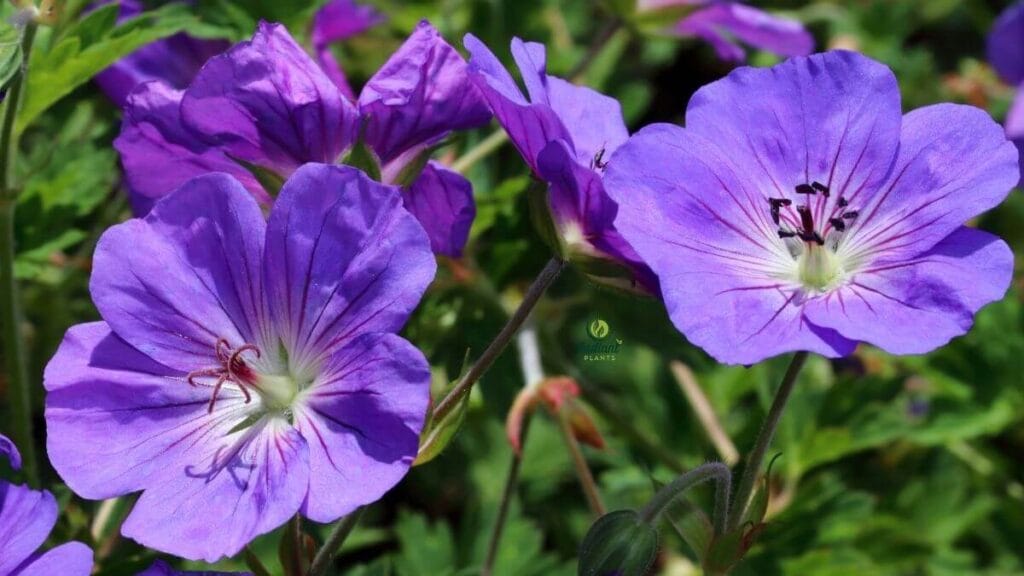
Hardy geraniums are the “soft filler” that makes beds look full and intentional.
- Best for: groundcover vibe, part shade-friendly planting
- Zones: varies by species/cultivar
- Sun: light shade to partial sun; some tolerate full sun with moisture
- Bloom window: spring to summer (varies)
- Height: low–medium
- Why it’s great: easy growth, nice foliage, good in mixed plantings
- 2 care tips: (1) Shear back if foliage declines in summer; it often rebounds. (2) Deadhead/trim after bloom to refresh and encourage more flowers.
- Common issue + fix: Summer yellowing in heat → give afternoon shade or shear lightly to reset.
Snippet:
Hardy geranium is one of the most forgiving perennial plant purple flowers for part shade. Many types prefer light shade to partial sun and rich, loamy soil with organic matter. If foliage looks tired in summer, shear it back—cranesbills often bounce back with fresh growth and better shape.
Creeping phlox (Phlox subulata) — purple
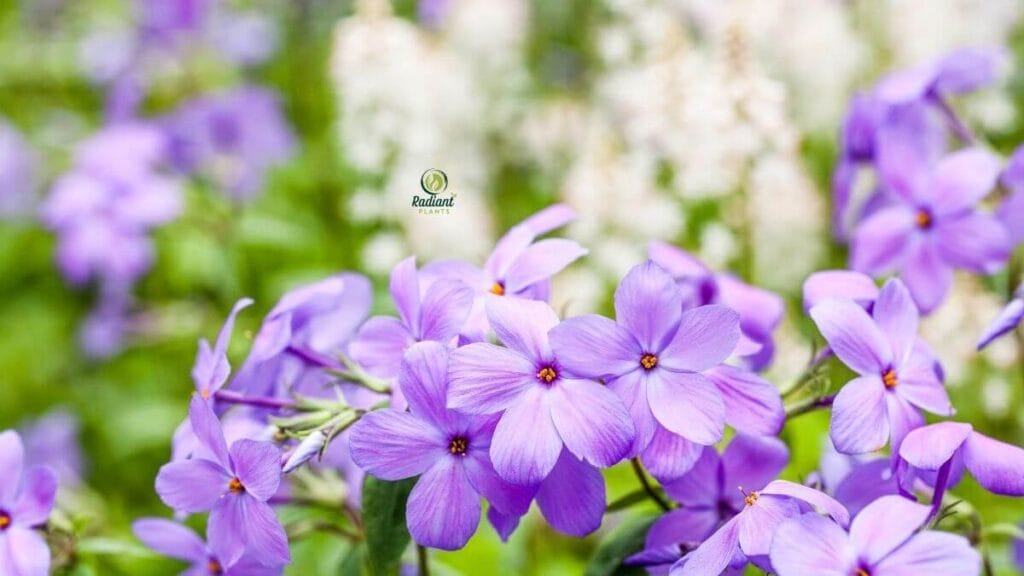
This is your spring carpet: low, colorful, and excellent for slopes and edges.
- Best for: slopes, rock gardens, early spring color
- Zones: commonly hardy in cold regions (check cultivar)
- Sun: full sun; tolerates dappled sun in hot/humid summers
- Bloom window: spring
- Height: low groundcover
- Why it’s great: erosion help + early-season impact
- 2 care tips: (1) Cut back stems after flowering to keep it dense. (2) Give it sandy/gravelly, well-drained soil for best performance.
- Common issue + fix: Thin patches → top-dress lightly and replant small plugs into gaps.
Snippet:
Creeping phlox is a spring-forward perennial plant purple flowers option for full sun edges and slopes. It flowers best in full sun, likes well-drained soil, and benefits from a post-bloom trim to keep growth dense. In hot, humid summers, a little dappled light can help it stay happier.
Aster (fall-blooming types)
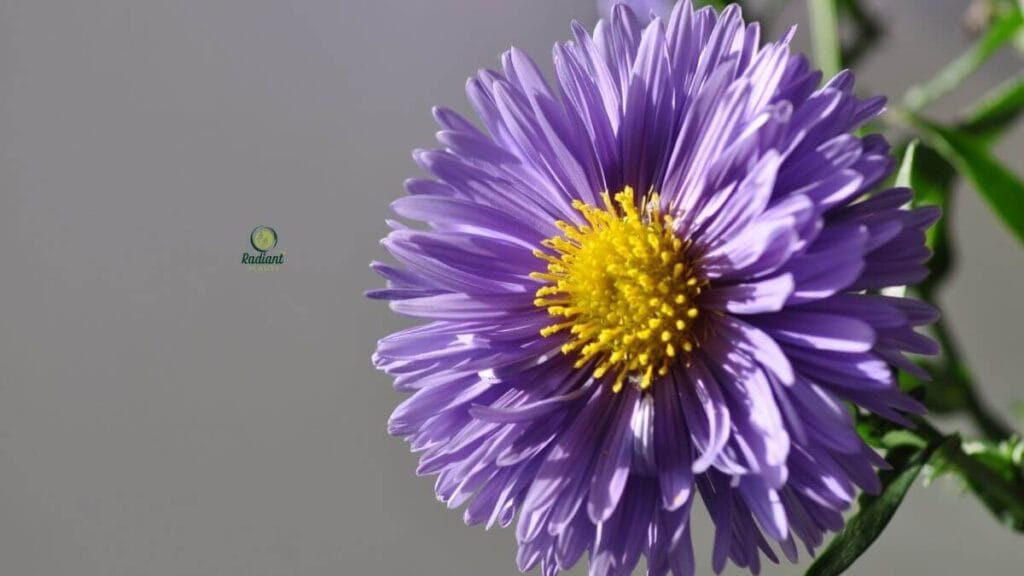
Asters are how you keep purple going when summer plants fade—late-season power.
- Best for: late-season purple + pollinator support
- Zones: varies by species (many are very cold-hardy)
- Sun: full sun for best flowering; tolerates light shade
- Bloom window: late summer into fall; New England aster blooms Aug–Oct
- Height: medium to tall
- Why it’s great: fills the fall color gap; strong bloom density
- 2 care tips: (1) Plant in the sun to maximize flowering. (2) Provide decent drainage and moderate fertility.
- Common issue + fix: Flopping in shade/rich soil → more sun, pinch early, or use discreet supports.
Snippet:
Fall asters are clutch perennial plant purple flowers for late-season color. New England aster, for example, produces purple blooms from August to October. Asters flower best in full sun and prefer well-drained, moderately fertile soil—shade often reduces blooms and increases flopping.
Columbine (Aquilegia) — purple types
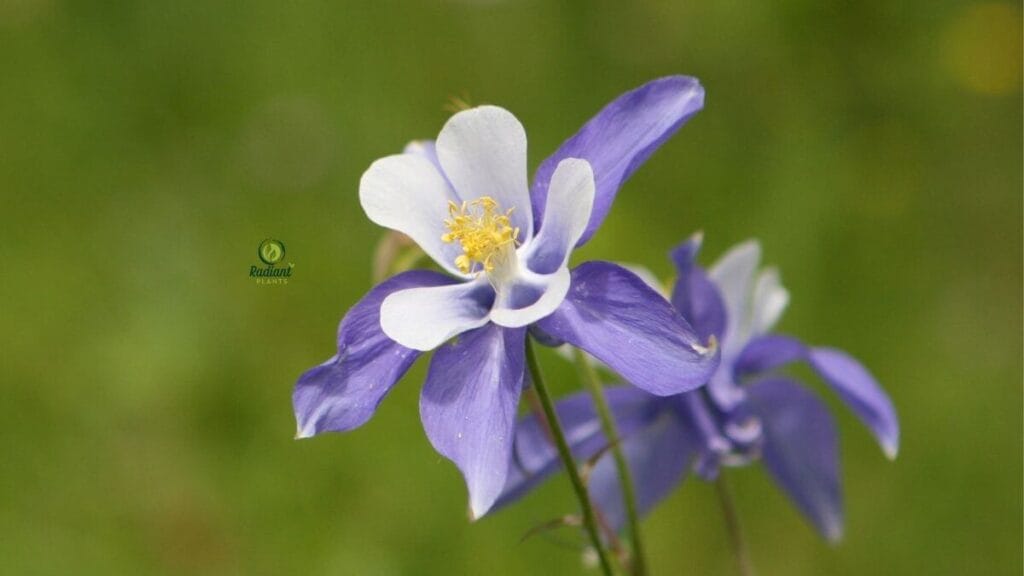
Columbine gives airy, delicate blooms that feel “woodland elegant,” especially in part shade.
- Best for: part shade, woodland gardens
- Zones: varies by species
- Sun: part shade; tolerates more sun with enough moisture
- Bloom window: spring (many types)
- Height: medium
- Why it’s great: unique flower shape + early-season nectar value
- 2 care tips: (1) Keep soil moist but well-drained; avoid wet, poorly drained sites. (2) Cut declining foliage back to the ground for a clean reset.
- Common issue + fix: Self-seeding → deadhead if you want tighter control.
Snippet:
Columbine is a graceful perennial plant purple flowers pick for part shade. It prefers well-drained, moist average soil and can tolerate more sun if kept evenly moist. Poor drainage is the deal-breaker—wet soils cause decline. When foliage looks tired, cut it back for a tidy reset.
Coral bells (Heuchera) — purple blooms + foliage interest
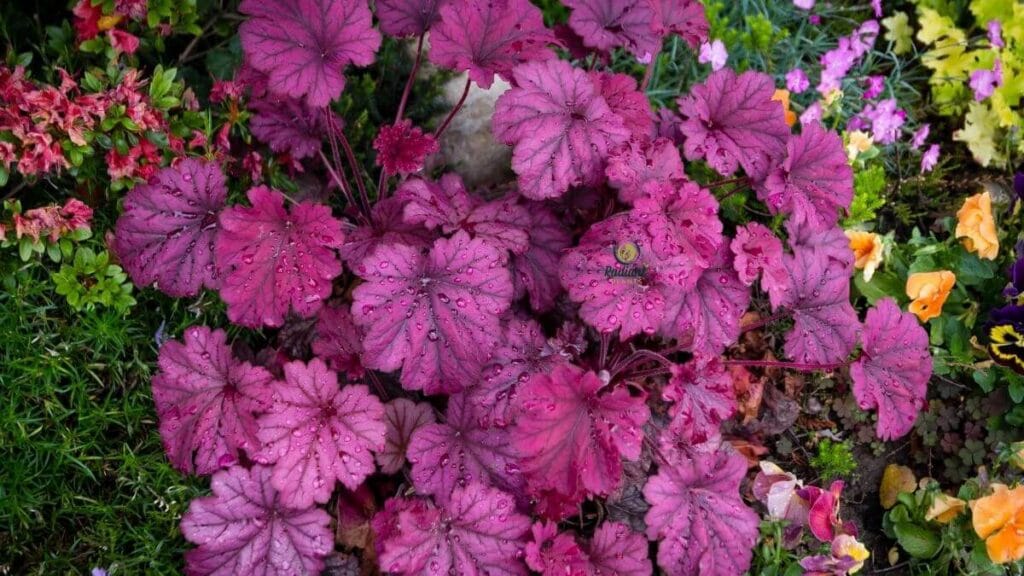
Coral bells are about layering: foliage color + delicate bloom stalks, perfect for shade design.
- Best for: shade/part shade + color layering
- Zones: varies by variety
- Sun: sun or shade, depending on variety; many prefer part shade
- Bloom window: late spring into early summer (typical)
- Height: low mound, flower stalks above
- Why it’s great: foliage stays decorative beyond bloom time
- 2 care tips: (1) Give moist, well-drained soil amended with organic matter; heavy clay is rough on heuchera. (2) Divide every 3–4 years to refresh plants.
- Common issue + fix: Stress in poorly drained clay → amend with organic matter or plant in raised areas.
Snippet:
Coral bells are a smart perennial plant purple flowers choice for part shade because the foliage does heavy lifting even when blooms pause. NC State notes heucheras prefer moist, well-drained soil amended with organic matter and dislike heavy clay. Divide every few years to keep plants vigorous and well-shaped.
Quick pollinator credibility note
If you’re planting these perennial plant purple flowers to support pollinators, EPA’s guidance is simple: think locally and incorporate native, climate-suitable flowering plants whenever you can.
Snippet:
For pollinator-friendly perennial plant purple flowers, prioritize region-appropriate plants and add variety across seasons. EPA recommends “think locally” and use native, climate-suitable flowering species to benefit local pollinators. Combine spring, summer, and fall bloomers so pollinators have forage across the growing season.
Pick-by-Scenario (super skimmable)
When choosing perennial plant purple flowers, the fastest path is matching your scenario (sun/shade + moisture + goals). University extensions recommend planning before planting—check your site conditions first, then pick perennials that fit that spot.
Snippet:
For perennial plant purple flowers, choose by scenario: full sun, shade/part shade, dry heat, pollinators, or low-maintenance. Extensions emphasize matching plants to site conditions (light and soil moisture) before you buy. Then you can pick the right purple perennials once—and enjoy them for years.
Scenario Match Table
Scenario | Top 3 picks | Quick notes |
|---|---|---|
Full sun | Salvia, Catmint, Coneflower | Best bloom + easiest care |
Shade / part shade | Coral bells, Columbine, Hardy geranium | Fewer blooms in deep shade; foliage helps |
Drought + heat | Lavender, Russian sage, Catmint | Drainage matters more than fertilizer |
Pollinator garden | Salvia, Bee balm, Aster | Bloom across seasons = steady forage |
Set-and-forget | Catmint, Allium, Creeping phlox | Shade/part shade |
What purple perennials are best for full sun?
For perennial plant purple flowers in full sun (about 6+ hours), go with plants that bloom hard without needing constant watering. Your “safe trio” is salvia + catmint + coneflower—they’re reliable, repeat-friendly, and handle typical summer conditions well. If you want height, add Russian sage; for bold clusters, add garden phlox (give it airflow).
Quick care steps (full sun):
- Water deeply for the first month; then taper to encourage deeper roots.
- Deadhead salvia/coneflower for longer bloom.
- Keep spacing generous—sun + airflow helps reduce disease pressure.
Snippet :
The best full-sun perennial plant purple flowers are salvia, catmint, and coneflower—they bloom strongly with basic care. Add Russian sage for airy “purple haze” or garden phlox for big clusters. Deep watering early, then less frequent watering, keeps plants sturdy and long-blooming.
What purple perennials bloom in shade or part shade?
Shade is where people accidentally fight their garden. University of Minnesota Extension recommends paying attention to how much sunlight an area really gets—shade can change through the day and across seasons. For perennial plant purple flowers in part shade, pick plants that still look great even when blooms are lighter: coral bells, columbine, and hardy geranium.
Shade-friendly wins:
- Coral bells (Heuchera): foliage stays pretty when flowers pause.
- Columbine: spring color in woodland vibes.
- Hardy geranium: soft filler + groundcover feel.
Care steps: keep soil evenly moist (not soggy), mulch lightly, and avoid crowding under trees where roots compete.
Snippet:
For shade or part shade perennial plant purple flowers, choose coral bells, columbine, and hardy geranium. UMN Extension notes shade patterns vary, so track how much sun the spot actually gets before buying. In deeper shade, expect fewer flowers—so foliage-forward perennials help your garden still look finished.
What purple perennials handle drought and heat?
For hot, dry summers, the best perennial plant purple flowers are the ones that prefer leaner conditions: lavender, Russian sage, and catmint. The theme is simple: drainage + deep watering while establishing, then let them live. If your soil stays wet, “drought-tolerant” plants can fail fast—because wet roots rot.
Drought-proofing care:
- Plant on a slight mound or raised bed if water puddles.
- Water deeply 1–2×/week for 4–6 weeks, then reduce.
- Skip high-nitrogen fertilizer (it causes weak, floppy growth).
Snippet:
For drought and heat, choose perennial plant purple flowers built for full sun and fast drainage: lavender, Russian sage, and catmint. Establish with deep watering, then taper—these plants prefer “less but deeper.” If they struggle, the problem is often wet soil, not lack of fertilizer.
What purple perennials are best for pollinators?
If your goal is a pollinator garden, you want season-long blooms, not just one big moment. EPA’s guidance is clear: think locally and use flowering plants suited to your climate and region—native options when possible. For perennial plant purple flowers, a simple pollinator lineup is salvia (early/long season), bee balm (mid-summer), and asters (late season).
Pollinator-friendly care:
- Plant in clumps (easier for pollinators to find).
- Mix bloom windows from spring to fall.
- Avoid broad-spectrum pesticides when plants are flowering.
Snippet:
The best pollinator-friendly perennial plant purple flowers are salvia, bee balm, and asters, because they can cover early, mid, and late season blooms. EPA recommends “think locally” and plant region-suitable flowering species to benefit local pollinators. Aim for continuous bloom from spring through fall.
What purple perennials are low-maintenance (set-and-forget)?
For truly low-maintenance perennial plant purple flowers, pick plants that don’t demand constant trimming, staking, or watering: catmint, allium, and creeping phlox. Once established, they’re mostly “show up and enjoy.” University of Maryland Extension also emphasizes choosing healthy, vigorous plants and matching perennials for texture, height, and site conditions—good selection upfront saves you work later.
Set-and-forget care checklist:
- Year 1: water to establish; year 2+: water only during drought.
- After bloom: quick shear for catmint; light trim for creeping phlox.
- Fall/winter: leave seedheads if you want wildlife value.
Snippet :
For low-maintenance perennial plant purple flowers, go with catmint, allium, and creeping phlox. They’re dependable, don’t need constant watering once established, and stay attractive with minimal trimming. UMD Extension notes smart perennial selection—healthy plants matched to site conditions—reduces long-term maintenance.
Planting + Care Cheat Sheet (keep them alive, not just pretty)
If you want perennial plant purple flowers that actually come back strong, focus on five moves: plant at the right level, water smart (especially year 1), mulch correctly, deadhead with purpose, and divide when clumps get crowded. Iowa State University Extension’s perennial guides are very clear that consistent after-planting care (especially watering) is what helps perennials establish and thrive.
Snippet:
The easiest way to keep perennial plant purple flowers thriving is a simple system: plant at the same level as the pot, water consistently the first season, mulch 2–3 inches (not on crowns), and deadhead to extend bloom. Divide crowded clumps to restore vigor. Soil tests remove the fertilizer guesswork.
Care Checklist (save this)
Timing | What to do | Why it works |
|---|---|---|
Week 1–4 | Water deeply after planting; keep evenly moist (not soggy). Add 2–3 in. mulch around plants, not on crowns. | Settles soil, helps roots contact soil, reduces weeds + evaporation |
Mid-season | Deadhead (if you want more blooms). Water ~1–1.5 in./week if rain doesn’t cover it; soak soil 8–10 in. deep. | Extends bloom; deep watering builds resilient roots |
End-of-season | Leave some stems/seedheads for winter protection + birds; clean up diseased plants. Add winter mulch after the ground freezes if needed. | Reduces winter injury/frost heave; supports wildlife; limits disease carryover |
When to plant in US/Canada climates (spring vs fall)
For perennial plant purple flowers, planting windows are about the root time. Spring planting is the easy default because plants get a full season to establish. Fall planting can be excellent too—cooler temps mean less stress—but you’ll want extra attention to moisture and winter protection.
Extension-backed fall tip: Iowa State notes fall-planted perennials benefit from being mulched in November with 4–6 inches of straw to reduce winter injury, then that mulch is removed in early spring.
Practical example: If you’re in a cold-winter area (think USDA Zone 4–5), spring planting is the “safe mode.” Fall planting works best when you’re planting early enough to get roots established, and you’re willing to mulch for winter.
Snippet:
Plant perennial plant purple flowers in spring for the easiest establishment, or in fall if you can protect them. Iowa State recommends mulching fall-planted perennials in November with 4–6 inches of straw to reduce winter injury, then removing it in early spring. Either season works when roots get time and soil drains well.
Watering basics (new plants vs established)
New perennials are “roots in progress,” so watering is the difference between thriving and sulking. Iowa State advises keeping newly planted perennials well-watered through the entire first growing season, and watering in later seasons during abnormally dry periods.
For established beds, Iowa State’s perennial maintenance guide suggests many perennials perform best with about 1–1.5 inches of water per week (rain or irrigation) and recommends soaking soil to 8–10 inches when you water.
Quick routine:
- Weeks 1–4: water deeply, check soil moisture with your finger 2–3 inches down.
- After establishment: water less often but deeper; let rainfall do the work when it can.
Snippet:
For perennial plant purple flowers, water is most important in year one. Iowa State recommends keeping new perennials well-watered the entire first season. After that, many do well with 1–1.5 inches/week, and when you irrigate, soak soil 8–10 inches deep for stronger roots and better blooms.
Deadheading vs. “leave it for birds.”
Deadheading is your “more blooms” button—especially for repeat bloomers like salvia, catmint, and coneflower varieties. Iowa State explains deadheading can prolong bloom, improve appearance, and prevent fruit formation that diverts plant energy and may reduce next year’s flowers.
But leaving seedheads isn’t lazy—it’s intentional.
- Leave it: if you want winter interest and bird food (many seedheads help wildlife).
- Deadhead: if the plant self-seeds aggressively, has disease issues, or you want a longer flowering window.
Iowa State also notes it’s often beneficial to wait until spring for general cleanup because leftover stems/leaves add winter protection and can support wildlife—except when disease/pests were a problem.
Snippet:
Deadheading perennial plant purple flowers can extend bloom and keep beds looking fresh. Iowa State notes it prevents fruit formation that diverts energy from flowering. But leaving some seedheads and stems through winter adds protection and can feed birds—just remove and discard diseased plant material so problems don’t carry over.
Dividing perennials (when growth gets crowded)
Division is how you keep perennial plant purple flowers vigorous. Signs it’s time:
- smaller blooms than usual
- dead center (“donut clump”)
- overcrowding and reduced airflow
- The plant is creeping into neighbors ‘
Iowa State notes many perennials need dividing periodically to control size, retain vigor, or promote flowering—and that timing varies by species. A simple rule that works for a lot of gardens: divide when you see strong new growth starting, and temperatures are moderate.
Care step: Water divisions well and mulch lightly; treat them like new plants for a few weeks.
Snippet:
Divide perennial plant purple flowers when clumps get crowded, bloom less, or open in the center. Iowa State notes division helps control size, restore vigor, and can improve flowering—timing depends on the plant. Replant divisions at the right depth, water them like new plants, and you’ll get better blooms next season.
Common problems (powdery mildew, legginess, winter dieback) + quick fixes
Powdery mildew (phlox, bee balm, etc.)
University of Minnesota Extension recommends reducing humidity in the plant canopy by spacing plants for airflow and pruning to thin foliage, increasing air and light through the plant.
Fix: space properly, avoid overhead watering late in the day, and remove heavily infected leaves.
Legginess/flopping
Iowa State points out that too much shade and over-fertilization can cause lanky growth that flops, and early-season pinching can make certain perennials bushier and less likely to flop.
Fix: move to more sun (if appropriate), skip heavy nitrogen, pinch early for bushiness.
Winter dieback/frost heave
Iowa State notes that leaving plant material through winter can protect crowns, and if more protection is needed, apply mulch after the ground freezes to help prevent frost heaving.
Snippet:
Most issues with perennial plant purple flowers are fixable. For powdery mildew, UMN Extension recommends spacing and pruning to improve airflow and light. For legginess, reduce shade and avoid over-fertilizing—pinching early helps. For winter dieback, leave stems for protection and mulch after the ground freezes to reduce frost heave.
Perennial Plant Purple Flowers FAQ
What are the best perennial plant purple flowers for full sun?
If you want perennial plant purple flowers in full sun, start with long-blooming, low-fuss staples like salvia, catmint, coneflower (purple varieties), and Russian sage. They handle heat well once established, and they look great in borders. Water consistently in the first season, then go “deep but less often.”
What purple flowering perennials actually bloom in shade or part shade?
For shade-friendly purple perennial flowers, aim for part shade first (a few hours of sun). Coral bells, columbine, and hardy geranium are reliable choices because they stay attractive even when blooms are lighter. In deeper shade, expect fewer flowers—so prioritize foliage and texture, not nonstop blooms.
How do I know if a purple perennial will survive winter in my area?
Winter survival depends on your hardiness zone and your microclimate (wind, snow cover, walls, low spots). Choose plants rated for your zone—or one zone tougher if your site is exposed. If you’re in the “edge zone,” plant in spring, improve drainage, and mulch after the ground cools to reduce stress.
What are the most low-maintenance purple perennials for busy people?
For low-maintenance perennial plant purple flowers, go with catmint, alliums (purple globe types), and creeping phlox—then add coneflower if you want summer color. They don’t need constant watering once established, and they look good with minimal grooming. A quick post-bloom trim is usually enough.
Which purple perennials are deer-resistant (or at least deer-less-obsessed)?
No plant is “deer-proof,” but deer often avoid strongly scented or textured plants. Lavender, catmint, salvia, and many alliums are common go-to picks for deer pressure. Your best defense is layering: mix several “usually avoided” plants, keep beds tidy, and protect new growth early in the season.
Can I grow purple perennial flowers in containers, and will they come back?
Yes, many purple flowering perennials can live in pots, but overwintering is the tricky part. Use a large container, fast-draining mix, and avoid letting roots stay soggy. In colder zones, move pots to a sheltered spot (unheated garage/shed, against a wall) and water lightly so roots don’t dry out.
Picking perennial plant purple flowers gets easy when you start with your hardiness zone, match the right sun exposure, and choose a mix that staggers bloom times from spring through fall. Focus on reliable, low-maintenance favorites for your first layer, then add one or two “statement” plants once you know your yard’s drainage and microclimate. Keep year-one watering consistent, deadhead where it helps, and divide crowded clumps to maintain strong blooms long-term.