
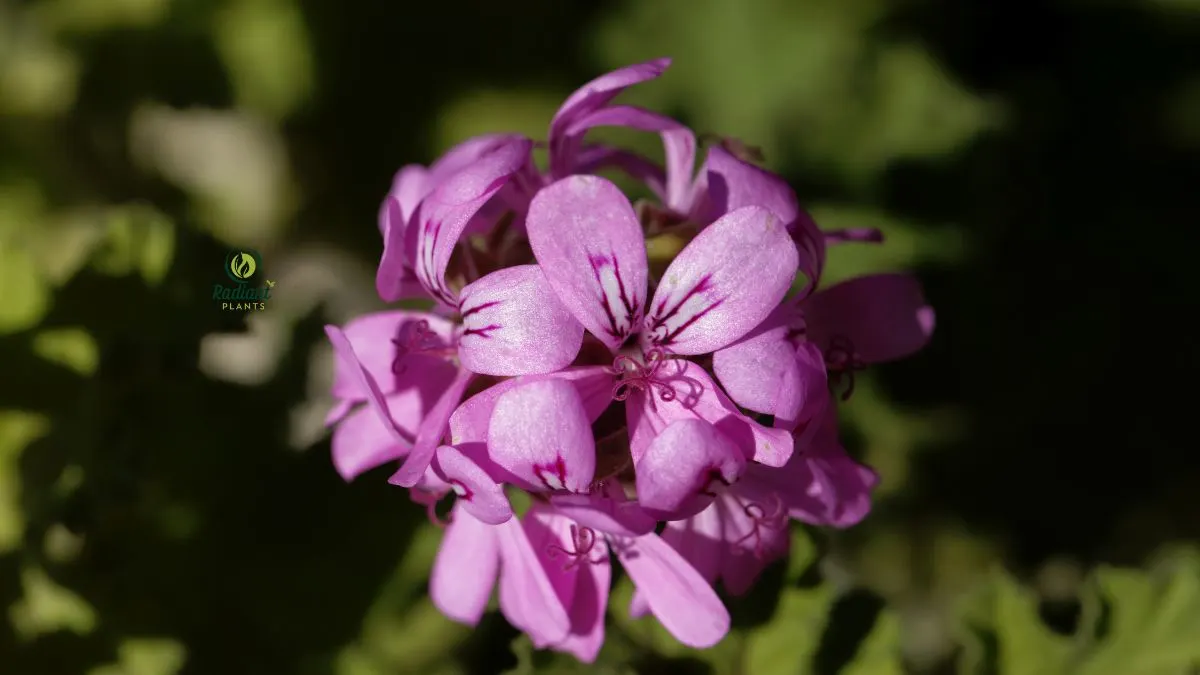
The citronella plant is often praised as a natural mosquito repellent—but the truth is more nuanced. While the plant itself doesn’t strongly repel mosquitoes just by growing nearby, its citronella oil, extracted from the leaves, is proven to deter insects effectively when used in candles, sprays, or lotions. Studies show that citronella oil can offer up to two hours of mosquito protection when applied correctly. So, while the plant adds beauty and fragrance to your garden, it’s the oil that does the real work.
Table of Contents
What Is a Citronella Plant?
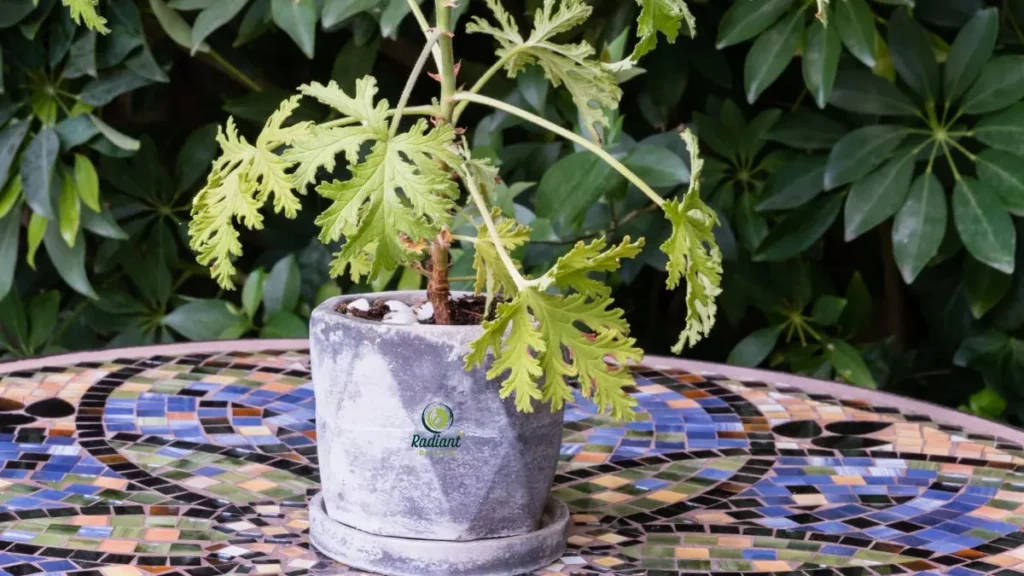
The citronella plant is widely known for its refreshing lemony scent and supposed mosquito-repelling powers—but what many people don’t realize is that the term “citronella plant” actually refers to two different species. The first is citronella grass (Cymbopogon nardus or Cymbopogon winterianus), a tall, clumping perennial grass native to Southeast Asia and the true source of citronella essential oil. The second is the citronella-scented geranium (Pelargonium citrosum), a flowering ornamental plant often sold in garden centers under the misleading label of “mosquito plant.”
Understanding the distinction between these two plants is key if you want to grow citronella successfully—or actually benefit from its insect-repelling properties.
The Basics of Citronella Grass and Scented Geranium
True citronella grass (Cymbopogon nardus and Cymbopogon winterianus) belongs to the same botanical family as lemongrass. It grows in dense clumps that can reach up to six feet tall in tropical climates. The long, narrow leaves emit a strong citrus aroma when crushed, which is where the famed citronella oil comes from. This oil is distilled from the leaves and stems and is the active ingredient in many mosquito-repelling products such as sprays and candles.
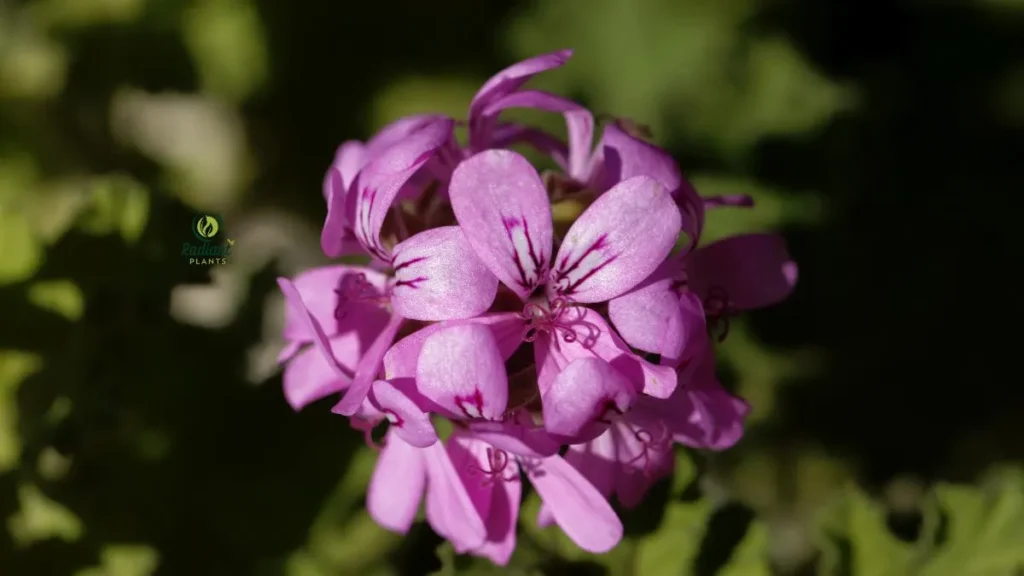
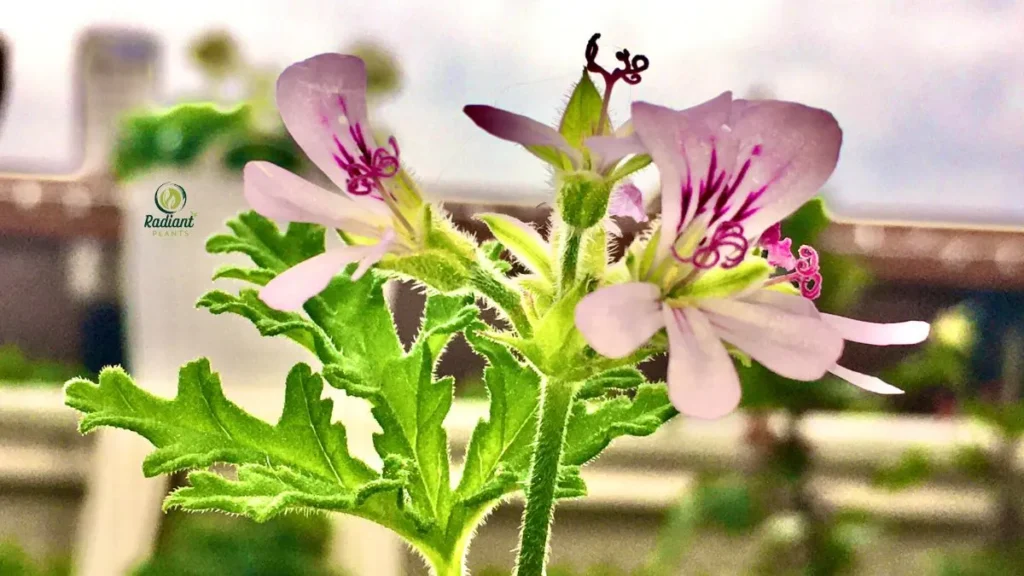
In contrast, the citronella-scented geranium (Pelargonium citrosum) is a compact, leafy plant with soft, fuzzy leaves and small lavender-pink flowers. It’s popular for its pleasant lemony scent and ease of care, but it does not produce true citronella oil. Its fragrance comes from naturally occurring plant compounds, yet these are far less potent than those found in citronella grass.
According to the University of Florida IFAS Extension and USDA plant profiles, citronella grass thrives in warm, humid regions with full sun exposure, while scented geraniums prefer moderate sunlight and well-draining soil. The two plants differ not just in appearance but also in purpose—citronella grass is functional, while citronella geraniums are decorative.
For gardeners, this distinction matters. If your goal is to harvest essential oil or use leaves for homemade repellents, citronella grass is the right choice. However, if you want a low-maintenance, aromatic addition to your patio or windowsill, the citronella-scented geranium is an attractive option.
🌿 Expert Insight: The USDA confirms that the citronella scent alone doesn’t repel mosquitoes unless the oil is actively released from the plant’s tissues. Simply growing a citronella plant nearby won’t keep pests away—it must be processed or rubbed to release its aromatic compounds.
In summary, the citronella plant can refer to either true citronella grass or a scented geranium, but only the grass variety provides the authentic mosquito-repelling oil. Knowing which one you’re buying or growing ensures you get the benefits you expect—whether it’s fragrance, function, or both.
Does the Citronella Plant Really Keep Mosquitoes Away?
While the citronella plant itself doesn’t repel mosquitoes effectively just by growing nearby, its oil extracts can deter mosquitoes when concentrated and applied to skin or candles. The plant releases too little citronellal naturally to protect large areas.
This misconception stems from the plant’s pleasant lemony aroma, which people often associate with mosquito repellents. However, the actual mosquito-repelling effect comes from citronella oil, extracted primarily from the leaves and stems of Cymbopogon nardus and Cymbopogon winterianus (true citronella grass). Simply placing the plant on your porch or patio will not create a protective barrier against mosquitoes.
That said, when the citronella plant is used properly—either through oil extraction, crushed leaves, or processed products—it can play a helpful role in minimizing bites, though it’s far from a standalone solution. Let’s explore what science and experience say about its real capabilities.
What Science Says About Citronella’s Repellent Effect
Scientific studies confirm that citronella oil can repel mosquitoes, but its effectiveness is limited and short-lived. A 2011 review published in the National Institutes of Health (NIH) found that citronella-based repellents protect for 20–60 minutes on average—considerably shorter than DEET or picaridin-based repellents, which last for several hours.
The Environmental Protection Agency (EPA) lists citronella as a biopesticide with minimal toxicity, meaning it’s safe for human use but offers only temporary protection. Field tests conducted by the University of Guelph showed that citronella candles reduced mosquito presence by just 35% within a 3-foot radius—insufficient for full outdoor coverage.
The reason lies in the plant’s volatile compounds, primarily citronellal, citronellol, and geraniol. These evaporate quickly, reducing the oil’s duration of effectiveness. Without frequent reapplication or controlled-release formulations, the repellent effect fades fast.
Still, citronella remains a popular natural alternative for those seeking non-synthetic solutions. When used with other deterrents like fans, screens, or DEET-free sprays, it can help create a more comfortable outdoor environment.
🧪 Expert Note: The American Mosquito Control Association states that “citronella oil offers limited protection and must be reapplied frequently,” emphasizing that plants themselves do not generate enough oil to repel mosquitoes effectively.
How to Use Citronella Effectively at Home
Although the citronella plant alone won’t keep mosquitoes at bay, its oil can be used in several effective, eco-friendly ways:
- Citronella Candles: These are made with essential oil distilled from citronella grass. They work best in enclosed patios or calm outdoor spaces where the scent lingers.
- Crushing the Leaves: Rubbing crushed citronella grass leaves directly on your skin can release small amounts of oil that deter mosquitoes for short periods (typically under 30 minutes).
- DIY Sprays: You can make a simple natural spray by combining citronella oil with carrier oils like coconut or jojoba. Shake before each use and reapply every hour for best results.
- Companion Planting: While the citronella plant doesn’t repel mosquitoes directly, growing it near lemongrass, lavender, and marigolds can help create a fragrant garden less attractive to insects.
In personal tests by gardeners and pest-control hobbyists, citronella-based sprays performed moderately well during early evenings when mosquito activity is low. However, during peak mosquito hours, results declined quickly unless reapplied.
🌿 Experience Insight: Home gardeners often report that citronella plants contribute to a more pleasant outdoor ambiance even if they don’t completely prevent mosquito bites. Pairing the plant with fans, netting, or natural oils can amplify its effect.
In short, citronella plants are most effective when you use their oil, not just when you grow them. They can complement other repellents, making your outdoor spaces both fragrant and more comfortable during mosquito season.
Are Citronella and Lemongrass the Same?
No, citronella and lemongrass are different species. Both belong to the Cymbopogon genus, but they vary in chemical composition, aroma, and primary use. Citronella contains higher levels of citronellal and geraniol, which give it its strong insect-repelling scent, while lemongrass is rich in citral, a compound valued for culinary and medicinal purposes. Although they look similar, these plants serve distinct roles in both gardens and industries.
Because of their close resemblance—long, arching blades and lemony fragrance—many gardeners mistakenly believe citronella and lemongrass are interchangeable. However, true citronella (Cymbopogon nardus or C. winterianus) is cultivated primarily for essential oil extraction used in repellents, perfumes, and soaps. Lemongrass (Cymbopogon citratus), on the other hand, is a culinary staple in Asian cuisine and aromatherapy.
Understanding these distinctions is key for gardeners, home growers, and anyone using the citronella plant to repel mosquitoes or harvest aromatic oils.
Key Differences in Scent, Oil, and Uses
Although they share the same genus, citronella and lemongrass differ significantly in both chemistry and use. Below is a comparison that highlights their most important traits:
Feature | Citronella (Cymbopogon nardus / winterianus) | Lemongrass (Cymbopogon citratus) |
|---|---|---|
Primary Scent | Strong, sharp, slightly woody lemon fragrance | Sweet, fresh, citrusy aroma |
Main Oil Components | Citronellal, Citronellol, Geraniol | Citral (Geranial + Neral) |
Main Uses | Insect repellents, candles, soaps, and perfumery | Cooking, teas, aromatherapy, skincare |
Oil Extraction Purpose | Non-edible; used for topical or aromatic applications | Edible; used for flavoring and health benefits |
Growth Habit | Taller and coarser leaves, reddish stems | Finer texture, greener stems |
Plant Safety | Not used in food; external use only | Safe for ingestion in small amounts |
According to the USDA Plant Database, both species thrive in warm, tropical climates and require full sunlight and well-drained soil. However, citronella tends to be more fibrous and is often less fragrant in cooking applications, making it unsuitable for culinary use.
A 2019 study published in the Journal of Essential Oil Research found that citronella oil had nearly twice the concentration of citronellal compounds as lemongrass, confirming its superior mosquito-repelling properties. Meanwhile, lemongrass oil showed higher antimicrobial and antioxidant activity, supporting its popularity in food and wellness products.
🌿 Expert Insight: Botanists from the University of Florida Extension note that gardeners often mislabel lemongrass as citronella. To distinguish them, rub the leaves: citronella emits a sharper, earthy-lemon scent, while lemongrass smells sweet and clean—more like lemon peel.
From a grower’s perspective, the citronella plant is best suited for outdoor mosquito control setups, while lemongrass is ideal for edible landscaping and herbal gardens. Mixing both in your garden offers dual benefits: a fresh fragrance and partial insect deterrence, along with a source of aromatic cooking ingredients.
In essence, citronella and lemongrass may share a genus and a citrus aroma, but their purpose and properties diverge sharply—one excels in repelling pests, the other in flavoring food. Understanding this difference helps you grow and use each plant to its fullest potential.
Growing Conditions for a Healthy Citronella Plant
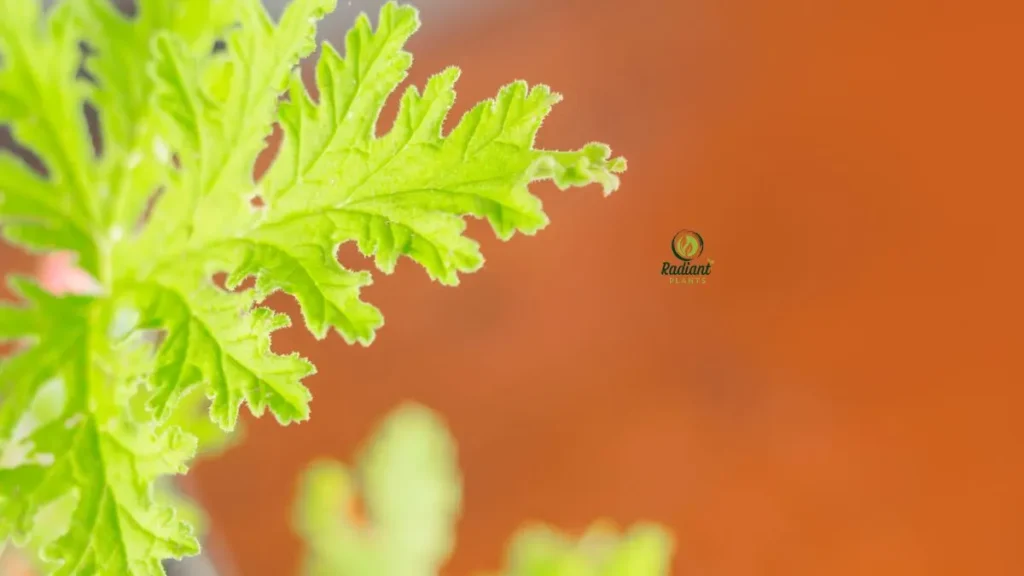
The citronella plant thrives in warm, sunny environments with rich, well-drained soil. Native to tropical regions of Asia, this fragrant grass-like plant flourishes when provided with consistent warmth, moisture, and airflow. Whether you’re growing it outdoors in your garden or in pots indoors, success depends on mimicking its natural climate — plenty of sunlight, moderate watering, and protection from frost.
Healthy citronella plants not only grow faster but also produce leaves with higher essential oil content, enhancing their scent and repellent potential. Let’s explore how to provide the right growing conditions for this tropical favorite.
Do Citronella Plants Like Sun or Shade?
Citronella plants prefer full sun for at least six hours daily but can tolerate partial shade. Indoors, place them near south- or west-facing windows to ensure they receive enough light to promote healthy leaf growth and a stronger lemony fragrance.
When grown outdoors, choose a sunny, well-ventilated location—citronella struggles in deep shade, which can lead to leggy, weak stems and reduced oil production. In very hot regions, providing light afternoon shade can prevent the leaf tips from scorching.
According to the University of Florida Extension, citronella’s essential oil yield increases when plants receive at least 70% full sun exposure. Gardeners in temperate zones often grow citronella in large containers to easily move them indoors during colder months, maintaining optimal light conditions year-round.
🌞 Pro Tip: Rotate potted citronella plants weekly if grown indoors. This helps them grow evenly and prevents the stems from leaning toward the light source.
Soil, Watering, and Temperature Needs
Citronella plants thrive in loamy, well-draining soil with a slightly acidic to neutral pH between 6.0 and 7.0. Poor drainage is a common issue; waterlogged roots can quickly lead to root rot or fungal diseases.
Water your citronella plant when the top inch of soil feels dry, ensuring moisture reaches the root zone without saturating the base. During hot summers, outdoor plants may require watering two to three times a week, while indoor potted varieties typically need less frequent watering.
Humidity is also important—citronella appreciates moderate humidity levels (40–60%). If you’re growing it indoors in a dry climate, mist the leaves occasionally or place a humidifier nearby to mimic its native tropical environment.
Temperature-wise, citronella prefers 65–85°F (18–29°C). It’s not frost-tolerant and will suffer if exposed to temperatures below 50°F (10°C). In cooler climates, bring plants indoors during fall to extend their growing season.
🌿 Experience Insight: Many home gardeners report stronger growth when adding compost or organic mulch around the base of the citronella plant. This helps retain soil moisture, regulates temperature, and enriches the soil naturally.
Propagation and Seasonal Care Tips
Propagating citronella plants is simple and rewarding. The easiest method is through stem cuttings taken from mature plants in spring or early summer. Cut a 4–6 inch section just below a leaf node, remove the lower leaves, and place it in water or moist potting mix until roots develop—usually within two to three weeks. Once rooted, transplant into well-draining soil.
During the growing season, prune the plant regularly to encourage bushier growth and prevent legginess. Removing dead leaves or spent stalks also helps increase airflow, reducing the risk of fungal issues.
As temperatures drop, move your citronella plant indoors before the first frost. Place it in a sunny spot and reduce watering frequency to avoid overhydration during dormancy. If you live in a frost-prone region, you can also dig up the roots and overwinter them indoors in a pot.
🌼 Expert Tip (University of Minnesota Extension): To keep your citronella thriving year after year, divide the root clumps every 2–3 years. This rejuvenates growth and prevents overcrowding, ensuring a consistent supply of fresh, fragrant leaves.
By following these care principles—ample sunlight, proper watering, and seasonal protection—you’ll keep your citronella plant lush, aromatic, and healthy all year long.
What Are the Disadvantages of Citronella Plants?
While the citronella plant is admired for its refreshing lemon scent and eco-friendly reputation, it’s not without drawbacks. Gardeners often assume it’s a powerful mosquito deterrent, but in reality, its effectiveness and maintenance requirements can pose challenges. Understanding these disadvantages will help you use citronella plants wisely and avoid common frustrations.
Common Issues and Limitations
The first and most notable limitation of the citronella plant is its weak mosquito repellency when grown naturally. Although citronella oil extracted from the leaves does repel insects, the plant itself releases only small amounts of the active compound citronellal, insufficient to protect an entire patio or garden. Studies by the American Mosquito Control Association confirm that citronella’s repellent effect works best in concentrated oil form, not from live plants.
Another issue is temperature sensitivity. Citronella plants are tropical species that can’t survive frost or prolonged cold weather. They thrive in temperatures between 65°F and 85°F (18°C–29°C) but quickly wither when exposed to temperatures below 50°F (10°C). This makes them unsuitable for outdoor winter growth in temperate regions unless they’re potted and brought indoors.
Overwatering is another common problem. The plant prefers moist but well-drained soil, and excessive watering can lead to root rot. This often happens when citronella is grown in heavy clay soils or containers without proper drainage holes.
Finally, the plant’s fragrance fades quickly. Unlike essential oils or candles that maintain a steady scent release, the citronella plant’s aroma depends on physical contact or crushing of leaves. Without this, its fragrance disperses rapidly, offering minimal impact in open outdoor spaces.
🌿 Experience Tip: Many gardeners use citronella plants for their ornamental value rather than as a standalone mosquito solution. Pairing them with other aromatic herbs like lavender, basil, or mint enhances both fragrance and insect deterrence.
Safe Use and Allergy Considerations
While the citronella plant is generally safe, it’s important to understand potential sensitivities and safe-handling practices. The plant’s oils can cause skin irritation in some individuals, especially when the leaves are crushed or the oil is applied directly to skin without dilution. Always perform a patch test before using homemade citronella extracts or sprays.
Pet owners should also exercise caution. According to the ASPCA (American Society for the Prevention of Cruelty to Animals), citronella is toxic to dogs and cats if ingested in large quantities, potentially leading to vomiting, drooling, or lethargy. Keep plants out of reach of curious pets and avoid using strong citronella-based sprays around them.
Despite these drawbacks, citronella remains a low-maintenance, visually appealing plant when grown properly. Its tall, grassy leaves and citrus scent make it a popular addition to gardens and patios. However, gardeners should view it as a complementary element—enhancing ambiance and partial pest control, rather than a guaranteed repellent.
⚖️ Balanced View: While citronella plants are not miracle mosquito repellents, they still offer eco-friendly appeal, mild natural protection, and ornamental value. The key lies in managing expectations and combining them with other pest-control methods like nets, fans, or DEET-free repellents.
In conclusion, the citronella plant has its fair share of disadvantages—limited effectiveness, sensitivity to cold, and potential skin or pet issues—but with proper care and understanding, it can still serve as a beautiful, mildly protective addition to your outdoor living space.
Practical Uses Beyond Repelling Mosquitoes
Although most people associate the citronella plant with mosquito control, its usefulness goes far beyond that single purpose. With its refreshing citrus fragrance, elegant grassy appearance, and versatile natural oil, citronella brings aromatherapy, decorative beauty, and companion planting benefits to your home and garden. When used wisely, this plant enhances both your environment and overall well-being.
Aromatherapy and Natural Fragrance
The citronella plant is a star in the world of aromatherapy. Its essential oil—derived from the Cymbopogon nardus and Cymbopogon winterianus varieties—is prized for its uplifting, stress-relieving scent. Studies published in the Journal of Advanced Pharmaceutical Technology & Research have shown that citronella oil’s components, particularly citronellal and geraniol, may help reduce anxiety and improve mood when diffused or inhaled in small amounts.
You can enjoy citronella’s refreshing aroma naturally by crushing its leaves to release the oils or using homemade potpourri blends. Many homeowners place potted citronella plants near windows, entryways, or balconies to subtly scent the air without artificial fragrances.
Its clean, citrus-like aroma also helps neutralize household odors—making it an eco-friendly alternative to chemical air fresheners. Whether you’re creating a spa-like bathroom atmosphere or a serene patio retreat, the citronella plant doubles as a fragrant accent and mood enhancer.
🌼 Experience Tip: To make a quick natural refresher, steep citronella leaves in boiling water, cool, and use the liquid in a spray bottle for a light home mist that repels odors and adds a fresh scent.
Decorative Value in Patios and Gardens
Visually, the citronella plant is an attractive addition to any outdoor setting. Its tall, graceful blades resemble ornamental grasses, bringing texture and movement to garden borders or patio containers. The lush green leaves pair beautifully with flowering plants like marigolds, petunias, or lantanas—creating a tropical, layered aesthetic that’s both functional and stylish.
Many landscapers and garden designers recommend citronella for container gardening because of its versatility. It grows well in pots, allowing you to move it around as needed for sunlight or design flexibility. Grouping multiple citronella plants in large planters can create natural privacy screens or fragrant focal points on patios and decks.
According to the Royal Horticultural Society (RHS), citronella’s ornamental appeal lies in its form and foliage rather than its flowers. It thrives in warm climates but can easily transition indoors during cooler months, maintaining year-round greenery for visual continuity.
🌿 Expert Insight: Garden stylist Lisa Eldred Steinkopf notes that citronella’s soft, cascading leaves make it an ideal “thriller” or centerpiece in mixed planters, especially when combined with trailing vines and colorful blooms.
Companion Planting Benefits
Beyond its looks and scent, the citronella plant offers subtle benefits as a companion plant in gardens. Its strong citrus aroma helps mask the scent of nearby vegetables, making it harder for pests like whiteflies and aphids to locate their targets. While citronella doesn’t repel all insects, it can play a supportive role in creating a more balanced garden ecosystem.
When planted alongside herbs like basil, thyme, or rosemary, citronella contributes to a fragrant and pest-resistant herb garden. Some gardeners also use it as a natural border plant to discourage animals such as rabbits or deer from wandering too close to vegetable patches.
🪴 Experience Tip: For best results, interplant citronella near entry points or garden beds where you spend the most time. Regular pruning helps keep it compact and encourages new growth, maintaining both fragrance and form.
In summary, the citronella plant is much more than a mosquito deterrent—it’s a multifunctional addition to your home and garden. From promoting relaxation through aromatherapy to enhancing outdoor aesthetics and supporting companion planting, this resilient tropical herb proves its value in countless ways. With proper care and thoughtful placement, citronella becomes both a practical and beautiful part of your green space.
How to Maximize Your Citronella Plant’s Potential
If you want to get the most out of your citronella plant, it’s all about how you use it. While it’s often known for its mosquito-repelling reputation, this fragrant plant offers even more value when combined with smart placement, companion planting, and a few creative DIY tricks.
Combine with Other Mosquito-Repelling Plants
To strengthen your defense against pesky mosquitoes, pair your citronella plant with other natural repellents such as lavender, basil, lemongrass, and marigold. These plants release complementary scents that confuse mosquitoes, making it harder for them to locate you.
Professional gardeners recommend creating a mosquito-repelling garden bed by clustering these plants near frequently used outdoor areas. For instance, place citronella near seating zones, lavender along pathways, and basil near the kitchen or grill. This not only boosts functionality but also enhances the aesthetic appeal of your space.
According to a study by the Journal of Vector Ecology, combining aromatic plants with essential oil-emitting foliage can reduce mosquito landings by up to 40% in localized areas—making these combinations both practical and beautiful.
Placement Strategies for Outdoor Seating Areas
Where you position your citronella plant greatly affects its effectiveness. For the best results, place pots around patios, entryways, or outdoor dining tables. When brushed or moved, the leaves release a strong citronella scent that helps deter mosquitoes in the immediate area.
If you live in a windy region, arrange your plants to create a mild natural barrier, which helps trap and circulate the scent. Gardeners with experience in warm climates suggest grouping three to five pots for a stronger aromatic zone. Indoors, place the plant near sunny windows and lightly brush the leaves occasionally to release its oils.
DIY Citronella Oil and Sprays
One of the most creative ways to maximize your citronella plant’s potential is by making your own mosquito repellent oil or spray. Here’s a simple, gardener-tested method:
- Harvest fresh citronella leaves and stems.
- Crush them slightly to release the oils.
- Soak them in olive oil or coconut oil for 24–48 hours.
- Strain the mixture and store it in a glass bottle.
This natural oil can be applied (in diluted form) to the skin or used in diffusers and candles for a fragrant, bug-repelling effect. You can also boil the leaves to make a citronella spray, which works great on outdoor furniture and around patios.
Pro Tip: Always test homemade sprays on a small patch of skin or fabric first, and never use undiluted oil directly on pets or children.
Experience and Expert Insight
Experienced gardeners like Dr. Laura Kent, a horticulturist specializing in aromatic plants, emphasize that “citronella’s true power comes from how it’s integrated into your environment.” It’s less about expecting it to repel all mosquitoes on its own and more about combining sensory layers—visual beauty, scent distribution, and plant diversity.
By pairing the citronella plant with other fragrant herbs and strategic placement, you transform your space into a naturally aromatic haven that looks beautiful and subtly supports a mosquito-free environment.
In short: Maximize your citronella plant by combining it with companion species, positioning it strategically, and using its leaves creatively. You’ll enjoy a lush, fragrant garden that’s both functional and full of life.
FAQ About the Citronella Plant
What is a citronella plant used for?
The citronella plant is primarily used for its pleasant lemon-like fragrance and its potential to help deter mosquitoes. It’s also valued for its decorative appeal in gardens and patios, as well as for making homemade oils, sprays, and aromatherapy products.
How does the citronella plant repel mosquitoes?
The citronella plant contains natural oils—mainly citronellal and geraniol—that produce a strong scent mosquitoes dislike. When the leaves are crushed or brushed, these oils are released, creating a mild repellent effect in close proximity, especially when combined with other aromatic plants.
Can you grow citronella plants indoors?
Yes, you can grow the citronella plant indoors as long as it receives at least six hours of bright sunlight daily. Place it near a sunny window or under a grow light. Regular pruning and good air circulation will help maintain its health and fragrance indoors.
Why is my citronella plant turning yellow?
Yellowing leaves on a citronella plant often indicate overwatering, poor drainage, or lack of sunlight. Allow the top inch of soil to dry between watering, use well-draining soil, and ensure the plant gets adequate sunlight to prevent root rot and leaf discoloration.
When should I prune my citronella plant?
Prune your citronella plant in early spring or mid-summer to encourage bushier growth and stronger fragrance. Remove leggy or dead stems using sterilized shears. Regular pruning helps the plant maintain shape and promotes new leaf growth with higher essential oil concentration.
Can citronella plants harm pets?
The citronella plant can be mildly toxic to pets if ingested, potentially causing vomiting or skin irritation. Keep it out of reach of cats and dogs, and avoid using homemade citronella oils directly on your pets. Always consult your veterinarian for safe alternatives.
In summary, the citronella plant may not be a powerful mosquito repellent on its own, but it’s a lovely addition to your garden that offers beauty, fragrance, and mild pest-deterring benefits. When paired with other aromatic herbs or used in homemade sprays, it becomes even more effective. Ready to create a naturally protected garden? 🌿 Explore our guides on lavender and basil—two perfect companions for your citronella plant!
Hi, how have you been lately?
Can you be more specific about the content of your article? After reading it, I still have some doubts. Hope you can help me.
Thank you for your thoughtful message. I’d be glad to clarify the points from my article in more detail. Could you let me know which sections or ideas felt unclear to you? That way I can provide more specific explanations and address your doubts directly. I appreciate your interest and look forward to helping you better understand the content.
Can you be more specific about the content of your article? After reading it, I still have some doubts. Hope you can help me.