
Struggling to keep your Blue My Mind plant thriving and blooming nonstop? This compact, trailing beauty is known for its vivid blue flowers and heat tolerance—but it still needs the right care to perform its best. In this Blue My Mind Plant: Complete Care Guide, you’ll learn exactly how to grow, water, fertilize, prune, and overwinter it successfully. Whether you’re planting in containers, borders, or hanging baskets, this guide will help you avoid common mistakes and keep your plant full, healthy, and covered in blooms all season long.
🌿 Quick Summary: Blue My Mind Plant
- Thrives in full sun and hot climates (Zones 8–11 perform best)
- Drought-tolerant once established
- Blooms from late spring through fall
- Needs well-draining soil to prevent root rot
- Acts as a tender perennial in warm regions
In This Article
Trailing Plant Comparison for Sunny Gardens
Feature | Blue My Mind | Trailing Petunia | Sweet Potato Vine |
|---|---|---|---|
Primary Use | Flowering ground cover & spiller | Flowering baskets & beds | Foliage contrast & trailing accent |
Flower Production | Continuous in warm weather | Heavy, may slow in extreme heat | Minimal (grown for leaves) |
Heat Tolerance | Excellent | Moderate–High | Excellent |
Drought Tolerance | Moderate–High | Moderate | Moderate |
Maintenance Level | Low | Moderate (deadheading) | Low |
Sun Requirement | Full sun (6–8 hrs) | Full sun | Full sun to partial sun |
Best For | Hot climates & long bloom season | Spring–summer color bursts | Bold foliage texture |
What Is the Blue My Mind Plant?
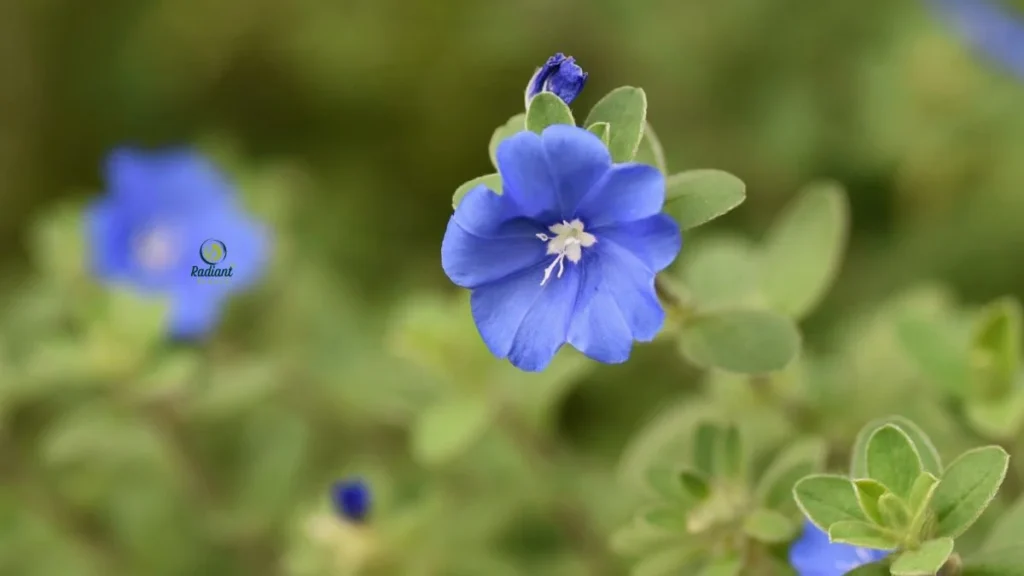
Blue My Mind Plant is a heat-loving flowering plant known for its vivid true-blue blooms and trailing growth habit. Botanically, it is a cultivated variety of Evolvulus glomeratus, a tropical species often called dwarf morning glory. It’s widely sold in the U.S. under the Proven Winners® brand as a compact, improved selection bred for stronger color and performance.
Botanical Classification
Here’s how the plant fits scientifically:
- Genus: Evolvulus
- Species: Evolvulus glomeratus
- Common Type: Tender perennial (often grown as an annual in cooler zones)
- Family: Convolvulaceae (morning glory family)
Unlike climbing morning glories, this plant stays low, mounding or trailing, making it ideal for borders and containers.
For botanical confirmation, you can reference:
Cultivar Background
Blue My Mind® is a branded cultivar developed and marketed by Proven Winners, a well-known U.S. ornamental plant company. Cultivars are selectively bred plants chosen for specific traits such as:
- More intense flower color
- Compact growth
- Improved heat tolerance
- Longer bloom season
Compared to older forms of Evolvulus, this cultivar was selected for heavier flowering and stronger landscape performance in hot U.S. summers.
This is important because many garden centers sell generic “Blue Daze” plants that may vary in vigor and bloom density.
Relationship to Evolvulus glomeratus
At its core, Blue My Mind is not a different species — it is a selected form of Evolvulus glomeratus.
That means:
- Same general care requirements
- Same love for full sun
- Same intolerance for cold winters
- Same drought tolerance once established
The difference lies in refinement — cultivar improvements rather than botanical distinction.
Blue My Mind vs Blue Daze (Key Differences)
Feature | Blue My Mind® | Blue Daze (Generic) |
|---|---|---|
Botanical base | Evolvulus glomeratus cultivar | Evolvulus glomeratus |
Branding | Proven Winners® | Often unbranded |
Flower intensity | Deep, vivid blue | Can vary by grower |
Growth habit | Compact, controlled trailing | May be looser |
Retail price | Slightly higher | Usually lower |
All Blue My Mind plants are Blue Daze-type plants, but not all Blue Daze plants are the branded Blue My Mind cultivar.
Example of Garden Use
Homeowners in hot states like Texas, Florida, and Arizona often use Blue My Mind as:
- A front-of-border ground cover
- A spiller in mixed patio containers
- A low edging plant along walkways
- A cascading accent in hanging baskets
Because it rarely stops blooming in summer heat, it fills visual gaps when other annuals slow down.
If you’re building a pollinator-friendly bed, it pairs well with lantana, pentas, or ornamental grasses for contrast.
Expert Tip: How to Identify a True Blue My Mind Cultivar
When shopping:
- Look for the official Proven Winners® tag.
- Check for consistent, compact growth (avoiding overly leggy plants).
- Confirm the plant label says “Blue My Mind®” — not just “Blue Daze.”
This matters if you want predictable performance and uniform color in mass plantings.
If uniform landscaping results are important to you, the branded cultivar is usually worth the slightly higher cost.
Is Blue My Mind Plant a Perennial or Annual?

Blue My Mind Plant is a tender perennial, meaning it lives for multiple years in warm climates but behaves like an annual in colder regions. In USDA Zones 8–11, it can survive year-round outdoors. In Zones 6–7 (and colder), it will not survive winter frost unless protected or brought indoors.
Understanding your climate zone is the key factor in determining whether this plant returns next year or needs to be replanted.
What “Tender Perennial” Really Means
A tender perennial is a plant that:
- Survives multiple years in frost-free or mild-winter climates
- Dies back or is killed by freezing temperatures
- May regrow from roots in warm zones
Because Blue My Mind Plant is a cultivar of Evolvulus glomeratus, which is native to tropical and subtropical regions, it lacks true cold tolerance.
For official USDA hardiness zone information, refer to:
- USDA Plant Hardiness Zone Map
- University extension horticulture guides (.edu)
USDA Zone Breakdown (Zones 6–11)
USDA Zone | Winter Survival Outdoors | Recommended Strategy |
|---|---|---|
Zone 11 | Yes (perennial) | Leave the ground year-round |
Zone 10 | Yes (perennial) | Minimal winter protection |
Zone 9 | Usually yes | Mulch for light frost |
Zone 8 | Sometimes | Protect during freezes |
Zone 7 | No | Bring indoors or replant annually |
Zone 6 | No | Grow as an annual or overwinter indoors |
Important: Even in Zone 8, a hard freeze below 25°F can damage or kill the plant.
In-Ground vs Container Survival
In-Ground Planting
- Works best in Zones 9–11
- Roots are more vulnerable to deep freezes
- Mulch can help insulate in marginal Zone 8 climates
Container Growing
- Offers flexibility in colder zones
- Can be moved indoors before the first frost
- Ideal for gardeners in Zones 6–7
If you’re gardening in the Midwest or Northeast, container growing gives you control over winter survival.
Checklist: “Will It Survive in My State?”
Use this quick test:
✔ Do winter temperatures stay above 30°F?
✔ Are you in USDA Zone 8 or warmer?
✔ Can you protect it from occasional frost?
✔ Are you willing to bring containers indoors?
If you answered “no” to most of these, treat it as an annual.
Common Mistakes to Avoid
1️⃣ Assuming it’s hardy everywhere
Many garden center tags don’t clearly explain that this plant is not frost-tolerant nationwide.
2️⃣ Leaving it outside during the first frost
Even one hard freeze can permanently damage roots.
3️⃣ Confusing heat tolerance with cold tolerance
Blue My Mind thrives in extreme summer heat — but that does not mean it tolerates freezing.
Practical Example
- In Florida (Zone 10), it acts as a true perennial and blooms nearly year-round.
- In North Carolina (Zone 7–8 transition): It may survive mild winters with heavy mulch, but often needs protection.
- In Illinois (Zone 5–6), it must be treated as an annual or overwintered indoors.
If winter survival is important to you, the next sections on overwintering and container care will help you plan strategically.
Blue My Mind Plant Size and Growth Habit
Blue My Mind Plant stays compact but spreads generously, making it ideal for edging and containers. At maturity, it typically grows 6–12 inches tall and spreads 18–24 inches wide in a single season. Its growth habit is low, mounding, and gently trailing rather than upright or climbing.
This predictable size is one reason it performs so well in structured landscape designs.
Mature Height and Spread
Under full sun and proper care:
- Height: 6–12 inches
- Spread: 18–24 inches (sometimes wider in warm climates)
- Seasonal growth: Reaches near-full spread within one growing season
Because it’s a cultivar of Evolvulus glomeratus, it naturally hugs the ground and expands outward rather than upward.
If you need official size verification, check:
- Plant Identification Profiles | Oklahoma State University
- USDA Plants Database
Trailing vs Mounding Growth
Blue My Mind combines two growth habits:
- Mounding center: Forms a rounded base
- Soft trailing edges: Stems spill gently over edges
This dual habit makes it versatile:
- It looks tidy in garden beds.
- It cascades beautifully in containers.
- It creates a flowing effect in raised planters.
Unlike aggressive ground covers, it spreads in a controlled way without becoming invasive.
Growth Speed
This plant establishes quickly in warm weather.
- Begins spreading within 3–4 weeks after planting
- Fills containers by mid-season
- Performs fastest in temperatures above 75°F
In cooler spring climates, growth may start slower but accelerates once consistent heat arrives.
For best results, pair proper spacing with the watering and fertilizing strategies covered later in this guide.
Ground Cover Potential
Blue My Mind works as a seasonal ground cover in Zones 8–11 and as a summer filler in cooler regions.
Strengths as ground cover:
- Dense foliage suppresses light weed growth
- Continuous blooms create a carpet-like effect
- Tolerates reflected heat from sidewalks
It’s particularly effective along:
- Walkway edges
- Front-of-border plantings
- Rock garden transitions
However, it does not tolerate heavy foot traffic.
Example Layouts
1️⃣ Border Planting
- Space plants 18–24 inches apart
- Plant in staggered rows for quicker fill-in
- Combine with upright plants like salvia or ornamental grasses for contrast
2️⃣ Container Design
- Use as a “spiller” element
- Pair with upright thrillers (like canna or angelonia)
- Fill in gaps with medium-height fillers
3️⃣ Hanging Basket
- Plant 1–3 per basket, depending on size
- Allow stems to cascade naturally
- Rotatethe basket weekly for even light exposure
Expert Tip on Spacing
For a full, professional look:
- Mass planting: Space 16–18 inches apart for faster coverage
- Budget planting: Space 20–24 inches apart and allow more time to fill
Avoid overcrowding at planting time — too-tight spacing reduces airflow and can increase fungal risk in humid climates.
If you want maximum bloom density, proper sun exposure (covered next) matters even more than spacing.
Light Requirements (Full Sun or Shade?)
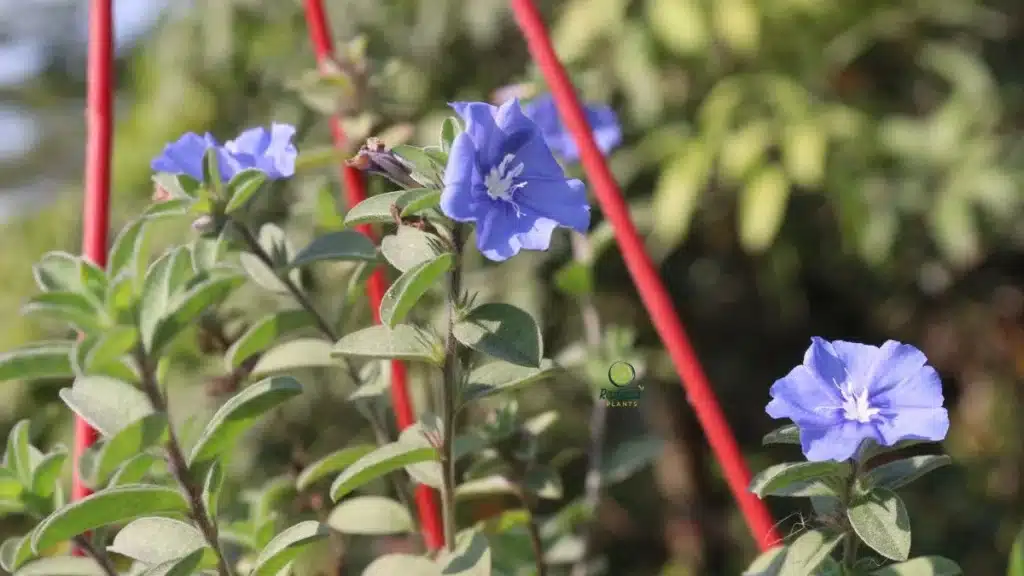
Blue My Mind Plant performs best in full sun, requiring at least 6–8 hours of direct sunlight daily for maximum blooming. While it can tolerate light partial shade, flower production will noticeably decrease with reduced sun exposure. If your goal is continuous, vivid blue blooms, full sun is non-negotiable.
Because it’s derived from Evolvulus glomeratus, a tropical species adapted to intense sunlight, it thrives in heat and bright conditions.
Minimum Daily Sun Hours
For optimal growth:
- 6+ hours: Strong blooming and compact growth
- 8 hours: Peak flower production
- 4–5 hours: Reduced blooms, slightly leggier growth
- Less than 4 hours: Sparse flowering and stretched stems
Morning sun is excellent, but afternoon sun is especially beneficial in cooler regions.
For light requirement verification, check university horticulture extension sites (.edu) or Grow Lights for Indoor Plants.
Performance in Partial Shade
In partial shade, you may notice:
- Fewer flowers
- Longer, thinner stems
- Slower spread
- Reduced density
However, in extremely hot southern climates (like parts of Arizona or inland Texas), light afternoon shade can reduce stress during triple-digit heat waves.
The key difference:
Shade affects bloom quantity more than plant survival.
Bloom Reduction in Low Light
If your plant is healthy but not flowering heavily, low light is often the cause.
Signs of insufficient sunlight:
- More leaves than flowers
- Wide gaps between blooms
- Stems leaning toward the light
- Pale foliage
Before adjusting fertilizer or watering, always evaluate sunlight exposure first. Light is the primary driver of flowering for this species.
Checklist for Ideal Placement
Use this quick placement test:
✔ Does the area receive at least 6 hours of direct sun?
✔ Is the plant not shaded by taller shrubs or structures?
✔ Does it receive strong midday or afternoon light?
✔ Is airflow good to prevent humidity buildup?
If you answer “no” to two or more, consider relocating the plant.
Common Mistakes (Too Much Shade)
1️⃣ Planting under trees
Even light-filtered shade can reduce bloom density significantly.
2️⃣ Assuming heat tolerance equals shade tolerance
Blue My Mind loves heat — but heat without sun won’t produce flowers.
3️⃣ Overcompensating with fertilizer
More fertilizer will not fix a sunlight problem.
Example Climates: Texas vs Midwest
Texas (Zone 8–9):
Thrives in full sun and intense heat. Afternoon sun encourages nonstop blooms from late spring through fall.
Midwest (Zone 5–6):
Needs maximum sun exposure to bloom well during shorter summers. South-facing beds perform best.
If your plant isn’t blooming the way you expected, reviewing sunlight conditions is the first step before moving to watering or fertilizing adjustments in later sections.
Soil and Drainage Needs
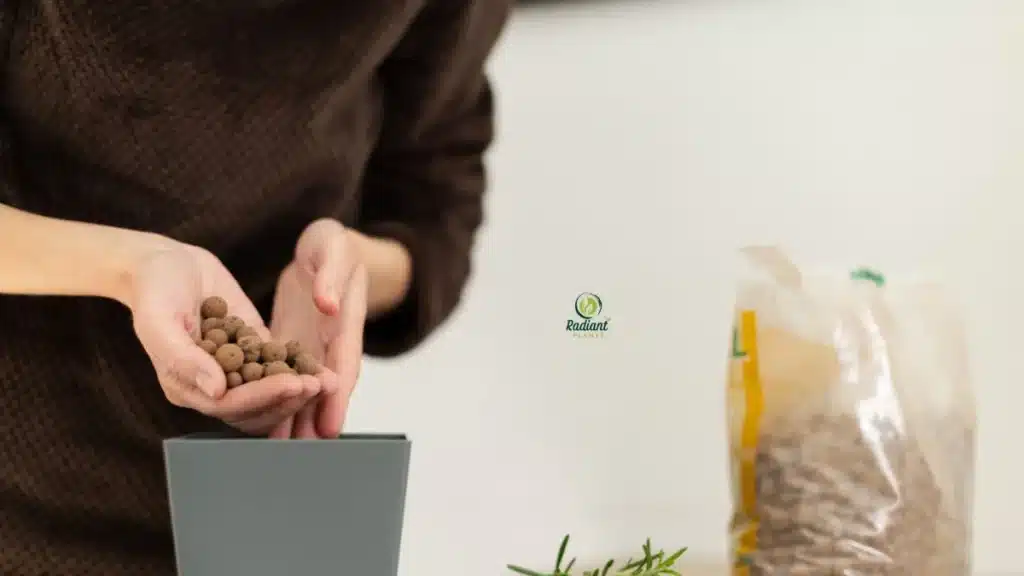
Blue My Mind Plant needs well-draining soil to thrive. It does not tolerate soggy roots, and poor drainage is one of the fastest ways to kill the plant. For best results, aim for loose soil with moderate fertility and a slightly acidic to neutral pH.
Because it’s a cultivar of Evolvulus glomeratus, which originates from tropical regions, it naturally prefers soils that drain quickly after rain.
Why Well-Draining Soil Is Critical
This plant is drought-tolerant once established — but it is not wet-soil tolerant.
In poorly draining soil, you may see:
- Yellowing leaves
- Wilting despite moist soil
- Root rot
- Stunted growth
Roots need oxygen as much as water. When soil stays saturated, oxygen levels drop, and roots begin to decay.
For soil drainage science and pH guidelines, consult university extension horticulture resources (.edu) or state agricultural services (.gov).
Ideal Soil pH Range
Blue My Mind performs best in:
- pH 6.0 to 7.0 (slightly acidic to neutral)
It tolerates minor variation, but extremely alkaline soils (common in parts of the Southwest) may reduce nutrient uptake and bloom performance.
If you’re unsure of your soil pH:
- Use a home soil test kit
- Contact your local county extension office
Container Soil Mix Recommendations
Containers give you full control over drainage.
Avoid using heavy garden soil in pots. Instead:
- Choose a high-quality potting mix
- Ensure the container has drainage holes
- Avoid moisture-retentive mixes designed for shade plants
This plant prefers a mix that dries moderately between waterings — something we’ll connect to watering frequency in the next section.
Example Soil Mix Recipe (For Containers)
For optimal drainage and bloom performance, try:
- 60% high-quality potting mix
- 20% perlite or pumice
- 20% pine bark fines or coarse compost
This blend improves:
- Air circulation
- Drainage speed
- Root health
- Heat resilience
In hot climates, this mix prevents roots from staying wet after summer thunderstorms.
Common Mistakes (Heavy Clay Soil)
1️⃣ Planting directly into compacted clay
Clay retains water too long and suffocates roots.
2️⃣ Adding sand alone to clay
This can create a cement-like texture instead of improving drainage.
3️⃣ Ignoring raised beds in poor soil areas
If native soil drains poorly, raised beds are often the best solution.
Expert Tip for Improving Drainage
If you’re planting in-ground and have heavy soil:
- Amend with organic matter (compost, pine bark)
- Incorporate coarse material like expanded shale (in clay regions)
- Slightly mound planting areas above the surrounding soil level
Even raising the root crown 1–2 inches above soil grade can dramatically improve survival in wet climates.
If you’ve struggled with yellow leaves or weak growth, soil drainage is often the hidden cause — not watering frequency alone.
Watering Schedule and Drought Tolerance
Blue My Mind Plant is drought-tolerant once established, but requires consistent moisture when newly planted. Overwatering is a common cause of root rot and yellowing leaves, while under-watering usually results in temporary wilting but rarely kills mature plants. Proper watering balances soil moisture with good drainage to support strong growth and continuous blooms.
Because it is a tropical Evolvulus glomeratus cultivar, it naturally thrives in hot, sunny conditions and can handle periods of dryness better than most annuals.
Watering Frequency: New vs Established Plants
Newly Planted:
- Water every 2–3 days for the first 2–3 weeks
- Keep soil consistently moist but not soggy
- Helps roots establish quickly
Established Plants:
- Water 1–2 times per week during hot months
- Let the top 1–2 inches of soil dry between watering
- In drought conditions, occasional deep watering supports bloom longevity
For container-grown plants, frequency may be higher because the soil dries faster. In-ground plantings retain moisture longer, depending on soil type.
Signs of Overwatering
Monitor your plant for these symptoms:
- Yellowing or wilting leaves despite wet soil
- Root rot (soft, dark roots)
- Fungal growth or leaf spots
- Reduced bloom output
Overwatering is more detrimental than a slight drought because it permanently damages roots. University extension guides often cite waterlogged soil as the #1 killer of Evolvulus species (Overwatering Symptoms: 6 Warning Signs to Know).
Drought Resistance Level
Once established, Blue My Mind Plant tolerates periods without water:
- Survives dry spells for 1–2 weeks without damage
- Foliage may temporarily wilt but rebounds quickly after watering
- Performs especially well in hot, sunny climates like Texas, Florida, and Arizona
Drought tolerance makes it a low-maintenance choice for sunny borders and container plantings.
Checklist: Proper Watering Routine
✔ Water new plants frequently to establish roots
✔ Let soil dry slightly before watering established plants
✔ Use deep watering rather than frequent shallow watering
✔ Adjust frequency for containers, hot sun, or high winds
✔ Avoid standing water around the root zone
Common Mistakes
1️⃣ Constant soggy soil: Leads to root rot and reduced blooms
2️⃣ Neglecting deep watering: Shallow watering creates weak roots
3️⃣ Ignoring container conditions: Pots dry faster than garden beds
Expert Tip for Hot Summer Regions
In extremely hot climates:
- Water early in the morning to reduce evaporation
- Apply mulch around in-ground plants to retain soil moisture
- Group containers together to slow drying and make irrigation easier
Following these watering strategies ensures healthy foliage, vibrant blue flowers, and reduces the risk of stress-related problems.
Fertilizing for Continuous Blooms
Blue My Mind Plant produces the most vibrant and continuous blooms when given balanced, moderate fertilization. Both slow-release granular fertilizers and liquid feeds work well, but overfertilizing can harm foliage and reduce flowering. Proper nutrition supports strong stems, dense foliage, and nonstop blue flowers throughout the growing season.
As a flowering Evolvulus glomeratus cultivar, nutrient management has a direct impact on bloom production and overall plant health.
Type of Fertilizer
- Balanced N-P-K fertilizer (10-10-10 or 14-14-14): Provides equal nitrogen, phosphorus, and potassium for foliage and flowers
- Bloom-focused fertilizer (higher phosphorus, e.g., 10-20-10): Encourages flower production
- Liquid fertilizer: Quick absorption, ideal for container plants
- Slow-release granules: Feed over weeks, good for in-ground beds
Slow-Release vs Liquid Feeding
Fertilizer Type | Pros | Cons | Best Use |
|---|---|---|---|
Slow-Release Granules | Low-maintenance, long-lasting | Nutrients are less immediately available | In-ground beds, large landscapes |
Liquid Fertilizer | Quick absorption, boosts blooms | Needs frequent application | Containers, greenhouse, or problem spots |
Bloom-Focused Fertilizer | Maximizes flower production | Can over-stimulate foliage if misused | Peak blooming season |
Frequency
Suggested feeding schedule:
- Slow-release granules: Apply every 6–8 weeks during the growing season
- Liquid feed: Every 2–3 weeks for containers or high-performance garden beds
- Bloom booster: Use once a month during peak bloom (spring to fall)
Avoid fertilizing during dormant winter months if the plant is indoors or not actively growing.
Impact on Flowering
- Adequate phosphorus and potassium encourage robust blooms
- Too much nitrogen leads to lush foliage but fewer flowers
- Balanced feeding promotes a longer flowering season and healthier stems
Example Feeding Schedule
Spring – Fall (Outdoor, Zone 9–10):
- Early spring: Slow-release granular fertilizer
- Mid-season: Liquid feed every 2–3 weeks
- Peak summer: Optional bloom booster once monthly
- Late fall: Stop fertilizing before cooler temperatures arrive
Containers: Use liquid feed more frequently due to faster nutrient leaching.
Common Mistakes
1️⃣ Overfertilizing: Leads to leaf burn, leggy growth, and fewer blooms
2️⃣ Using fertilizer with too much nitrogen: Produces leaves at the expense of flowers
3️⃣ Ignoring container leaching: Nutrients wash out quickly if not monitored
How to Prune Blue My Mind Plant for Fuller Growth
Pruning Blue My Mind Plant encourages denser, bushier growth and maximizes flower production throughout the season. Regular trimming, along with occasional deadheading, prevents legginess and helps the plant maintain a tidy, trailing appearance. Proper pruning also stimulates new stems, which often produce more blooms.
Because it is a trailing Evolvulus glomeratus cultivar, pruning is primarily a maintenance practice rather than a corrective necessity.
When to Trim
- Early spring: Remove any winter-damaged stems before new growth begins
- Mid-season (summer): Light trim to shape the plant and encourage side shoots
- Late season: Optional light trimming to maintain form, but avoid heavy cuts near first frost
Regular trimming keeps the plant compact and prevents sprawling in garden beds or containers.
How Much to Cut
- Remove 1/3 of the longest stems at a time
- Focus on leggy, weak, or damaged stems
- Avoid cutting back more than 50% at once, as heavy pruning can shock the plant
Consistent, moderate trimming is better than aggressive cuts for continuous bloom cycles.
Deadheading Needs
- Remove faded or spent flowers weekly
- Deadheading encourages the plant to redirect energy into producing new blooms
- In high-density plantings, deadheading also improves airflow and reduces fungal risks
Even though Blue My Mind Plant is prolific, occasional deadheading ensures peak floral performance.
Encouraging Bushier Growth
- Trim above a leaf node to stimulate branching
- Pinch off tips of longer trailing stems in containers or hanging baskets
- Combine pruning with proper sunlight and fertilization for the best results
Bushier plants not only look fuller but also produce more flowers per stem, enhancing overall garden impact.
Step-by-Step Pruning Checklist
- Inspect the plant for damaged, leggy, or faded stems
- Use clean, sharp pruning shears
- Cut 1/3 of the longest stems, just above a leaf node
- Remove spent blooms during routine pruning
- Dispose of trimmings to reduce disease risk
- Water and fertilize lightly after pruning for recovery
Expert Tip: Mid-Season Refresh
For plants in containers or borders that have slowed in bloom mid-summer:
- Perform a light tip pruning (about 2–3 inches)
- Apply a liquid fertilizer boost after trimming
- Rotate container plants or reposition them in full sun to maximize new growth
This refresh often results in a second bloom surge before fall.
Why Is My Blue My Mind Plant Not Blooming?
If your Blue My Mind Plant isn’t flowering, it’s usually due to insufficient sunlight, overwatering, or nutrient imbalance. Temperature stress and improper pruning can also reduce bloom production. Identifying the underlying cause allows you to correct the issue and restore vibrant blue flowers.
Because it is a flowering Evolvulus glomeratus cultivar, bloom problems are almost always environmental rather than genetic.
Common Causes and Fixes
Problem | Likely Cause | Fix |
|---|---|---|
Few or no flowers | Too much shade | Move the plant to an area with 6–8 hours of direct sun daily |
Yellowing leaves, sparse blooms | Overwatering or poor drainage | Adjust watering, improve soil drainage, and prune damaged roots |
Weak stems, few blooms | Nutrient imbalance (too much nitrogen, too little phosphorus) | Apply balanced fertilizer or bloom booster as per instructions |
Stressed plant, sporadic flowering | Temperature extremes (too cold or too hot) | Provide shade during peak heat, bring containers indoors if frost is expected |
Leggy growth, minimal blooms | Improper pruning | Perform tip pruning and deadhead to encourage branching and flowers |
Common Mistakes
- Assuming bloom failure is genetic — Most problems are environmental.
- Overcompensating with fertilizer — Too much nitrogen encourages leaves but reduces flowers.
- Ignoring sunlight exposure — Shade is the #1 reason for poor flowering.
- Neglecting pruning — Without trimming, plants become leggy and bloom less.
Expert Recovery Tips
- Relocate for sunlight: If planted in a shaded spot, move to full sun.
- Adjust watering: Let the soil dry slightly between watering cycles and avoid soggy soil.
- Fertilize strategically: Use a phosphorus-rich bloom booster to trigger flowering.
- Prune lightly: Trim back leggy stems and remove spent flowers to stimulate new blooms.
- Temperature management: In hot climates, provide afternoon shade; in cooler zones, protect from frost.
Following these adjustments typically restores flowering within 2–4 weeks, with new stems producing abundant blooms if sunlight and nutrient conditions are optimal.
Winter Care and Overwintering Tips
Blue My Mind Plant can survive winter outdoors in USDA Zones 8–11, but it will not tolerate hard freezes. In colder zones, it must be brought indoors or treated as an annual. Proper overwintering protects roots from frost damage and ensures strong regrowth in spring.
Because it’s a tender cultivar of Evolvulus glomeratus, cold tolerance is limited, even though heat tolerance is high.
How It Behaves in Zones 8–11
- Zone 11–10: Typically evergreen or semi-evergreen year-round
- Zone 9: May die back slightly during cold snaps but often rebounds
- Zone 8: At risk during prolonged freezes; may require mulch or frost cloth
In mild winters, plants may slow growth but resume blooming when temperatures rise consistently above 60°F.
For official hardiness zone guidance, consult the USDA Plant Hardiness Zone Map (.gov) or your local university extension office (.edu).
Bringing Containers Indoors
For Zones 6–7 (and colder parts of Zone 8), container growing is the safest strategy.
Steps:
- Inspect the plant for pests before moving indoors
- Trim back long or leggy stems by 1/3
- Place near a bright south-facing window
- Water lightly — reduce frequency during winter
Indoor overwintered plants may not bloom heavily, but should remain alive until spring.
Cutback Method (For Mild Climates)
If left outdoors in marginal zones:
- Trim plant back to 4–6 inches before first frost
- Apply 2–3 inches of mulch around the base
- Cover during frost warnings
Cutting back reduces stress and helps protect the root crown.
Frost Protection
If frost is forecast:
- Cover with a frost cloth or breathable fabric
- Avoid plastic directly touching foliage
- Remove the cover during the daytime to prevent overheating
Even one hard freeze below 25°F can severely damage unprotected plants.
Checklist for Overwintering
✔ Confirm your USDA zone
✔ Decide: in-ground protection or container relocation
✔ Prune lightly before winter dormancy
✔ Reduce watering frequency
✔ Protect roots with mulch or frost cloth
Example Cold-Climate Strategy (Zone 6)
- Grow in containers during the summer
- Before the first frost, trim and bring indoors
- Place in a bright window with moderate watering
- Return outdoors after the last frost in spring
This method preserves the plant for multiple seasons instead of replanting annually.
Common Mistakes
1️⃣ Leaving the plant outside during the first hard frost
Tender roots cannot recover from deep freeze damage.
2️⃣ Overwatering indoors during winter
Reduced light means slower growth and lower water needs.
3️⃣ Forgetting to acclimate in spring
Gradually reintroduce the plant to outdoor sunlight to avoid shock.
With proper winter care, Blue My Mind can perform beautifully year after year in warm regions — or be successfully preserved in cooler climates.
Is Blue My Mind Plant Safe for Pets and Pollinators?
Blue My Mind Plant is generally considered non-toxic to pets and highly attractive to pollinators like bees and butterflies. While it’s always best to discourage pets from chewing ornamental plants, there are no widely documented toxicity concerns associated with this plant. It’s also a strong summer nectar source in sunny gardens.
This cultivar of Evolvulus glomeratus produces nectar-rich blooms that naturally support beneficial insects.
General Pet Safety Considerations
- No major toxicity reports in veterinary plant databases
- Not known to cause serious harm if accidentally nibbled
- Mild stomach upset is still possible if large amounts are ingested
For confirmation, consult the ASPCA Toxic Plant Database (.org) or your local cooperative extension (.edu).
Best practice:
- Plant in well-defined beds
- Train pets to avoid garden areas
- Avoid chemical pesticide use that could pose secondary risks
Attraction to Bees and Butterflies
Blue My Mind Plant flowers are:
- Brightly colored (which attracts pollinators)
- Open and accessible for nectar feeding
- Long-blooming in warm months
You’ll often see native bees and small butterflies visiting throughout the summer, especially in full sun conditions.
Pollinator Value in Summer Gardens
Because it blooms continuously in warm weather, Blue My Mind Plant provides a steady nectar source when many spring flowers fade. This makes it especially valuable in pollinator-support landscapes.
For more on maximizing bloom production, see sections on fertilizing and pruning within this guide.
Example Pollinator-Friendly Garden Pairing
Combine Blue My Mind Plant with:
- Coreopsis (long summer bloom)
- Salvia (nectar-rich spikes)
- Lantana (butterfly favorite)
This layered approach provides varied bloom shapes and continuous nectar flow.
Expert Tip for Eco-Friendly Landscaping
Avoid systemic insecticides (especially neonicotinoids), which can harm pollinators even when plants appear healthy. Instead:
- Use organic pest controls
- Encourage beneficial insects
- Plant in clusters for better foraging efficiency
When grown responsibly, Blue My Mind Plant supports both a vibrant garden display and a healthy pollinator ecosystem.
Best Ways to Use Blue My Mind Plant in Landscaping
Blue My Mind Plant works best as a low-growing ground cover, spiller plant in containers, or cascading accent in hanging baskets. Its trailing habit and nonstop blue blooms make it ideal for bright, sunny spaces. When planted correctly, it creates a soft, flowing effect in both formal and casual landscapes.
As a cultivar of Evolvulus glomeratus, it thrives in heat and full sun, making it especially useful in warm-climate designs.
1. Ground Cover
- Spreads 18–24 inches wide
- Stays low (6–12 inches tall)
- Fills gaps between stepping stones or along walkways
Design idea:
Plant in mass groupings along a sunny slope for a continuous carpet of blue from late spring through fall.
2. Hanging Baskets
- Naturally trails over edges
- Handles heat better than many basket plants
- Requires well-draining soil
Design idea:
Use as the primary spiller paired with upright focal plants like ornamental grasses or compact shrubs.
3. Border Edging
- Softens the hard edges of patios and paths
- Works beautifully in Mediterranean-style gardens
- Tolerates reflected heat from stone or concrete
Plant in a staggered row for a flowing border that looks full within weeks.
4. Container Combinations
Blue My Mind excels in the “thriller–filler–spiller” method:
- Spiller: Blue My Mind
- Filler: Compact lantana or verbena
- Thriller: Upright salvia or ornamental grass
Ensure containers receive 6–8 hours of direct sun and proper drainage.
Example Landscape Design Ideas
Coastal Style Garden:
Combine Blue My Mind with silver foliage plants and white flowering accents for a breezy palette.
Desert-Friendly Bed:
Pair with drought-tolerant perennials and decorative gravel mulch.
Modern Patio Planters:
Use monochromatic blue-purple combinations for a cohesive look.
Comparison Table: Blue My Mind vs Other Trailing Plants
Feature | Blue My Mind | Trailing Petunia | Sweet Potato Vine |
|---|---|---|---|
Heat tolerance | Excellent | Moderate | Excellent |
Drought tolerance | Moderate–High | Moderate | Moderate |
Flowering season | Continuous in warm weather | Heavy but may slow in extreme heat | Grown for foliage |
Maintenance | Low | Moderate deadheading | Low |
Best use | Sunny ground cover & containers | Baskets & beds | Foliage contrast |
Expert Styling Tips
- Plant in clusters of 3–5 for a stronger visual impact.
- Use contrasting foliage (silver, chartreuse, or deep green) to make blue blooms pop.
- Avoid overcrowding — proper spacing improves airflow and flowering.
For maximum color performance, combine good placement with correct watering and fertilizing practices discussed earlier in this guide.
FAQs
How often should I water Blue My Mind?
Water when the top 1–2 inches of soil feel dry. In summer heat, this may mean watering 2–3 times per week for in-ground plants and daily for containers. Avoid soggy soil, as overwatering can reduce blooms and cause root problems.
Does Blue My Mind need full sun?
Yes. Blue My Mind performs best with 6–8 hours of direct sunlight daily. Too much shade leads to fewer flowers and leggy growth. In extremely hot climates, light afternoon shade can help prevent stress without reducing bloom production.
Is Blue My Mind a perennial or annual?
It’s a perennial in USDA Zones 8–11. In colder climates, it’s typically grown as an annual or overwintered indoors. Frost can damage or kill the plant, so protection is necessary outside its hardiness range.
Why are my Blue My Mind leaves turning yellow?
Yellow leaves are usually caused by overwatering, poor drainage, or nutrient imbalance. Check soil moisture first. If watering is correct, apply a balanced fertilizer and ensure the plant receives enough direct sunlight.
How do I make Blue My Mind bloom more?
Provide full sun, avoid excess nitrogen fertilizer, and prune lightly to encourage branching. Deadheading isn’t strictly required, but trimming leggy stems mid-season often stimulates fresh growth and more flowers.
Can Blue My Mind grow in hanging baskets?
Yes, it’s an excellent choice for hanging baskets. Its trailing habit creates a cascading effect, and it tolerates heat well. Use well-draining potting mix and water consistently, as containers dry out faster than garden beds.
Blue My Mind Plant thrives when given full sun, well-draining soil, moderate watering, and occasional pruning. With proper fertilizing and seasonal care, it delivers continuous blue blooms from late spring through fall. Whether used as ground cover, in hanging baskets, or mixed containers, it’s a low-maintenance choice for warm, sunny gardens. Apply the care tips in this guide, adjust for your climate, and you’ll enjoy a fuller, healthier plant all season long.