

The Purple Passion Plant (Gynura aurantiaca) is the kind of houseplant that looks high-maintenance but really isn’t—if you nail the basics. Its signature velvet-purple glow comes from fine hairs that reflect light, so color and fullness depend heavily on the right setup. This guide is for indoor plant owners who want straightforward Purple Passion Plant Care that keeps the foliage rich, compact, and not weirdly leggy. You’ll get a quick care overview, then clear guidance on light, watering, soil, temperature, and simple pruning to encourage bushier growth. Expect practical fixes for the most common issues—fading to green, droopiness, and pests—so you can keep it looking lush year-round.
Table of Contents
In This Article
What Is the Purple Passion Plant? (Intro to Gynura aurantiaca)
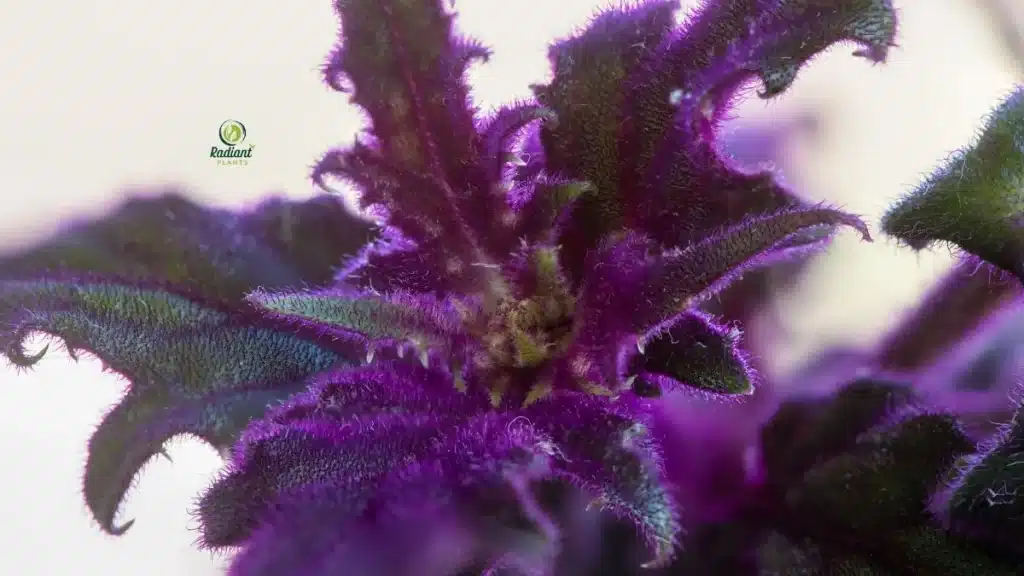
The Purple Passion Plant (Gynura aurantiaca) is a striking ornamental houseplant known for its fuzzy, deep-purple leaves that almost glow under the right lighting. Although it stands out for its unusual color and texture, understanding the basics of Purple Passion Plant Care is what helps this plant maintain that vivid, velvety appearance. Unlike many green-leafed indoor plants, this one relies heavily on proper light exposure to preserve its purple tones.
Native to Southeast Asia, Gynura aurantiaca is fast-growing and typically remains compact when pruned regularly, making it a great choice for shelves, desks, and bright interior corners. The signature “purple velvet” effect comes from tiny, hair-like trichomes that reflect light. When cared for correctly, the foliage becomes even richer in tone—one of the main reasons indoor gardeners love adding it to their collection.
⭐Snippet
The Purple Passion Plant (Gynura aurantiaca) is famous for its velvety purple leaves and compact indoor-friendly shape. With the right light, moisture, and pruning, its color intensifies and growth stays full. This makes it a favorite among houseplant lovers looking for something bold and unique.
Common uses include decorative accent displays, color contrast in mixed plant shelves, and bright focal points in living rooms or offices. Because it thrives in medium to bright indirect light, it fits easily into most indoor plant setups—especially if you enjoy experimenting with unique foliage textures.
For more plant styling inspiration, see Red Plants: How to Choose 5 Perfect Interior Options.
Why Gardeners Love This Velvet Beauty
One of the biggest reasons plant lovers seek out the Purple Passion Plant is its dramatic, velvet-like foliage. Among unique houseplants, this one stands out effortlessly. The deep purple hairs shimmer when natural light hits them, turning an ordinary corner into a vibrant display.
This plant also pairs beautifully with other ornamental indoor plants such as pothos, calatheas, or peace lilies. Its color contrast adds dimension, especially in modern or minimal interiors. Gardeners also appreciate its quick growth and forgiving nature—traits that make Purple Passion Plant Care simple, even for beginners.
⭐Snippet
Gardeners love the Purple Passion Plant for its rich purple, velvety leaves and fast-growing nature. It adds instant color and texture to indoor spaces, making it ideal for anyone wanting an eye-catching yet low-maintenance ornamental plant.
Many growers also enjoy shaping the plant through light pruning, encouraging a fuller and bushier look. When placed in the right location and given balanced moisture, its foliage remains vibrant year-round—making it one of the most rewarding plants to display indoors.
Purple Passion Plant Care: Quick Care Overview
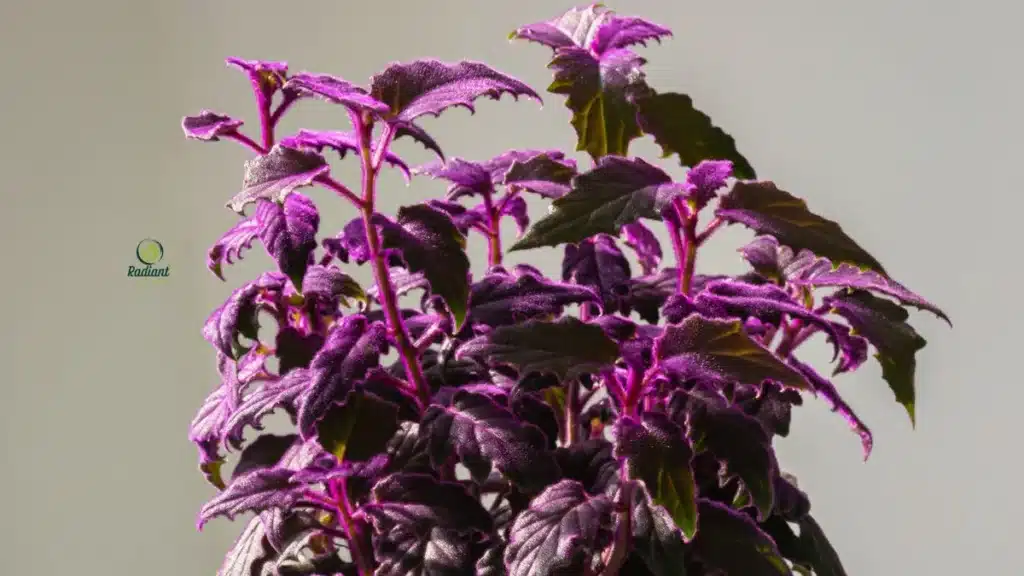
If you’re looking for a fast, beginner-friendly breakdown, this Purple Passion Plant Care quick guide covers the core requirements every grower should know. This plant may look exotic with its velvet-purple leaves, but its needs are straightforward once you understand light, watering rhythm, and temperature balance. In fact, most issues—fading color, legginess, drooping—come from just a few correctable care mistakes.
This section gives you a practical, U.S./Canada-optimized overview based on guidance from horticulture experts at the University of Florida IFAS, Penn State Extension, and Oregon State University, all of which emphasize proper indoor light and moisture management for tropical foliage plants.
🌟 Quick-Care Snippet
Purple Passion Plant Care is simple: give it bright, indirect light, keep the soil slightly moist, use a well-draining mix, and maintain warm indoor temperatures. With these basics, the plant’s deep purple fuzz stays vibrant and healthy year-round—perfect for beginners and houseplant lovers alike.
Essential Care Requirements at a Glance
Below is a concise cheat sheet to help you understand exactly what this plant needs to stay full, purple, and thriving:
Care Category | Requirement | Notes |
|---|---|---|
Light | Bright, indirect light | East or north window ideal; avoids leaf scorch |
Water | Consistently moist | Never let soil fully dry; avoid soggy roots |
Soil | Well-draining, airy mix | Use peat+perlite or African violet soil |
Humidity | Moderate (40–60%) | Normal U.S./CA indoor humidity is fine |
Temperature | 65–75°F (18–24°C) | Protect from cold drafts |
Fertilizer | Monthly, diluted | Use balanced 10-10-10 during spring/summer |
Pruning | Regular tip-pinching | Encourages fuller, bushier growth |
Light: The Key to Maintaining the Purple Color
The vibrant purple hue depends on good light exposure. According to the University of Minnesota Extension, bright indirect light helps maintain pigmentation in fuzzy-leafed ornamental plants. Place your plant:
- Near an east-facing window for soft morning sun
- Or a north-facing window for consistent filtered light
- Use a sheer curtain if the south/west windows are too strong
💡 Example: If your plant turns dull green or looks stretched, move it to brighter light immediately.
Watering: Moist but Never Soggy
Because Gynura aurantiaca has fine root systems, it prefers slightly moist conditions—similar to African violets. Overwatering, however, may cause fungal issues, especially in low-light homes.
Best practice for U.S. and Canadian growers:
- Water when the top ½ inch of soil feels lightly dry
- Use room-temperature water to avoid root shock
- Ensure your pot has drainage holes
- Empty saucers after watering to prevent root rot
For more watering tips, check out Radiant Plants’ Repot Plants Guide.
Soil: Choose a Mix That Breathes
Experts at Oklahoma State University Extension recommend light, aerated soil for tropical fuzzy plants. A good Purple Passion mix includes:
✔ 1 part peat moss or coco coir
✔ 1 part perlite
✔ Optional: a handful of orchid bark for airflow
This prevents compaction and keeps roots oxygenated.
Temperature & Humidity
Purple Passion Plants adapt well to typical U.S./CA indoor climates. Keep yours in:
- 65–75°F rooms
- Away from A/C vents, winter drafts, or heaters
Humidity from 40–60% is perfect—no heavy misting required.
⭐ Care Snippet
To keep your Purple Passion Plant dense and vibrant, focus on three essentials: bright indirect light, balanced moisture, and warm room temperatures. These simple steps prevent fading and stretching—helping your plant stay as bold and velvety as the day you brought it home.
Beginner-Friendly Routine to Follow
Here’s an easy weekly care roadmap:
Every 2–3 days
- Check soil moisture with your finger
- Rotate the pot ¼ turn to prevent leaning
Every week
- Inspect leaves for fading or pests
- Clean dusty leaves with a soft brush (never wipe—the fuzz can damage)
Every month
- Fertilize lightly during spring and summer
- Pinch back new growth to encourage fullness
For more indoor plant basics, visit RadiantPlants.com’s Little Plants Care.
Best Light Conditions for Rich Purple Color
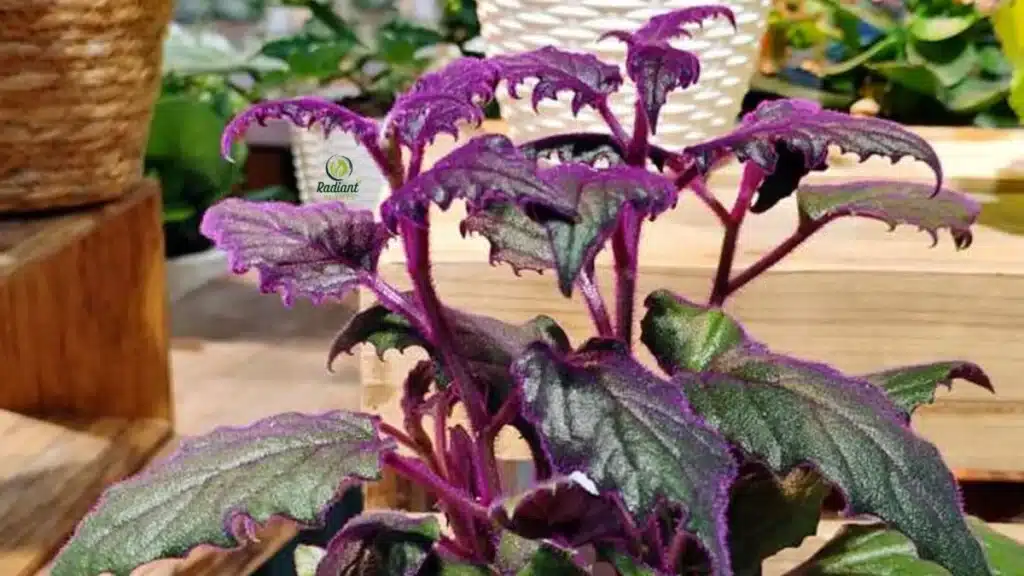
For the best results in Purple Passion Plant Care, proper lighting is essential. The deep purple hue of the leaves comes from fine hairs called trichomes, which reflect light and create the plant’s signature velvet appearance. Without the right light, the leaves may fade, turn green, or become leggy. Ensuring your Purple Passion Plant receives consistent, bright indirect light is one of the most important steps in keeping it healthy and vibrant.
According to the University of Minnesota Extension and the University of Florida IFAS, tropical foliage plants like Gynura aurantiaca thrive in filtered light environments. This guidance aligns perfectly with Purple Passion Plant Care principles: moderate, indirect lighting preserves color while preventing leaf scorch. Both east- and north-facing windows provide ideal lighting conditions, while south- or west-facing windows may require sheer curtains to reduce direct sunlight exposure.
🌟 Light Snippet
Bright, indirect light is the key to successful Purple Passion Plant Care. East- or north-facing windows maintain rich purple foliage, while too little light leads to leggy growth and fading color. Proper lighting ensures compact, healthy growth year-round and keeps your indoor plant looking lush and vibrant.
Recommended Light Levels at a Glance
Lighting Type | Ideal? | Notes |
|---|---|---|
Bright indirect light | ⭐ Best | Maintains vibrant purple color |
Morning sun (East window) | ✔ Good | Gentle light enhances pigmentation |
Filtered afternoon sun | ✔ Moderate | Use sheer curtains |
Direct midday sun | ❌ No | Can scorch leaves |
Low light | ❌ No | Leads to faded color + leggy growth |
Grow lights | ✔ Great | 8–12 hours daily during winter |
💡 For more tips on indoor lighting setups for houseplants, visit RadiantPlants Lighting Guide.
How Much Light Does It Really Need?
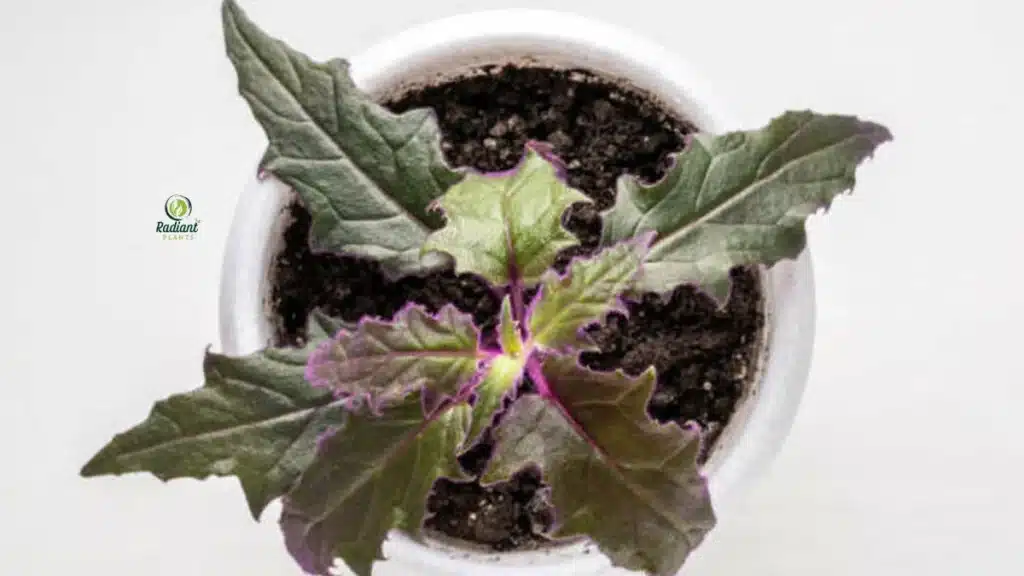
For proper Purple Passion Plant Care, your plant needs 8–12 hours of bright, indirect light per day. Maintaining this range ensures strong color retention and prevents legginess. University research, including Florida IFAS Extension, suggests 2,000–5,000 lux (200–500 foot-candles) is ideal for fuzzy-leafed plants.
Practical tips for American and Canadian homes:
- Place your plant 2–4 feet from an east-facing window
- Supplement low-light spaces with full-spectrum grow lights for 3–6 hours daily
- Rotate the pot weekly to encourage even growth
- Avoid dark corners or north-facing windows with minimal light exposure
💡 Example: During winter months in the northern U.S. or Canada, supplement with a 20W LED grow light to maintain vibrant purple foliage.
⭐ Snippet
Purple Passion Plant Care requires 8–12 hours of bright, indirect light daily. Proper light intensity (2,000–5,000 lux) preserves its rich purple color and compact growth. Supplement with grow lights in low-light rooms to prevent fading and legginess.
Signs Your Plant Needs More (or Less) Light
Light imbalance is the most common issue in Purple Passion Plant Care. Observing your plant daily can prevent fading leaves and poor growth.
Signs Your Plant Needs More Light
- Leggy growth: stretched stems indicate insufficient light
- Fading leaves: purple turns dull green
- Slow growth: plant struggles during spring/summer
- Leaf orientation: leaves reach toward the light source
Solution: Move the plant closer to a bright window or add a grow light to provide supplemental light.
Signs Your Plant Is Getting Too Much Light
- Scorched tips: edges turn brown
- Bleached patches: leaves lose color
- Curling leaves: the plant attempts to reduce light exposure
Solution: Add sheer curtains or relocate to a less intense window. Maintaining proper balance is critical in Purple Passion Plant Care.
⭐ Troubleshooting Snippet
Leggy stems and dull leaves mean your Purple Passion Plant Care routine needs a lighting adjustment. Too much sun can scorch the velvety leaves, while insufficient light causes fading and stretching. Adjust window placement or use filtered light to restore healthy, vibrant growth.
Watering Your Purple Passion Plant the Right Way
Many Purple Passion Plant Care mistakes often start with watering. While this plant is relatively forgiving, overwatering or letting the soil dry out completely can lead to root rot, drooping leaves, or fading purple color. Proper moisture management is one of the most crucial factors in keeping your Gynura aurantiaca vibrant and healthy indoors.
According to the University of Florida IFAS Extension and Penn State Extension, maintaining consistently moist but well-draining soil is key for tropical, fuzzy-leafed plants like the Purple Passion Plant. U.S. and Canadian indoor climates can vary widely in humidity, so regular moisture checks are essential, especially in winter when heating can dry out the air.
🌟 Watering Snippet
For successful Purple Passion Plant Care, keep the soil slightly moist at all times. Avoid letting the roots sit in water, which can cause root rot. Check soil moisture regularly and adjust watering based on indoor humidity and season. Balanced watering preserves leaf color and promotes healthy growth.
Quick Watering Guidelines
Task | Recommendation | Notes |
|---|---|---|
Soil Moisture | Slightly moist, not soggy | Use the finger test: the top ½ inch should be lightly dry |
Water Amount | Enough to saturate roots | Empty the saucer after watering to avoid standing water |
Water Type | Room-temperature, filtered or rainwater | Tap water is OK if chlorine-free or left overnight |
Frequency | 1–2 times per week (adjust seasonally) | Winter = less frequent, summer = more |
Humidity Consideration | Moderate (40–60%) | Use a pebble tray or group plants if the air is dry |
💡 Internal Tip: For detailed indoor watering schedules, see RadiantPlants Indoor Watering Guide.
How Often Should You Water?
In most U.S. and Canadian homes, weekly watering is ideal, but exact frequency depends on soil mix, light exposure, and season. The top ½ inch of soil should feel lightly dry before the next watering.
Practical Tips:
- Use a moisture meter or your finger to check the soil consistently
- Water slowly to allow absorption and prevent runoff
- Rotate the pot slightly during watering to reach all roots
- Adjust frequency during winter—most indoor plants require less water
💡 Example: If your Purple Passion Plant is in a south-facing window with bright light, it may need watering twice a week in summer but only once every 10 days in winter.
⭐ Snippet
Watering is a core part of Purple Passion Plant Care. Check soil moisture weekly, water when the top ½ inch is dry, and reduce frequency in winter. Proper watering prevents root rot, keeps leaves firm, and maintains rich purple foliage.
Overwatering vs Under-Watering Signs
Recognizing early symptoms is crucial for effective Purple Passion Plant Care. Tropical plants show clear indicators when stressed from too much or too little water.
Overwatering Symptoms
- Droopy leaves or soft stems
- Yellowing foliage starting from the base
- Mushy roots or foul odor
✅ Fix: Reduce watering, repot in fresh, well-draining soil if necessary.
Under-Watering Symptoms
- Crisp, dry leaves
- Brown leaf edges
- Slowed growth
✅ Fix: Water thoroughly and increase ambient humidity if indoor air is dry.
Snippet:
Droopy or mushy leaves indicate overwatering, while crisp, brown edges suggest under-watering. Proper attention to soil moisture is essential in Purple Passion Plant Care, keeping your indoor plant vibrant, lush, and free from root issues.
Additional Practical Tips
- Use pots with drainage holes to prevent standing water
- Mulch with light, airy material to retain even moisture
- Group plants or use a pebble tray for humidity without overwatering
- Avoid letting the plant sit in water after watering
By following these watering practices, your Purple Passion Plant Care routine will prevent the most common mistakes that lead to fading leaves, leggy growth, or root problems.
Soil & Potting Mix for Strong Growth
For healthy, vibrant foliage, proper Purple Passion Plant Care starts with using a well-draining soil mix. The right potting medium prevents root rot, supports aeration, and allows consistent moisture retention, which is essential for keeping the deep purple leaves lush and compact. Many indoor gardeners underestimate the impact of soil, but choosing a proper potting mix recipe is one of the most effective ways to maintain long-term plant health.
According to the University of Florida IFAS Extension and Penn State Extension, tropical indoor plants like Gynura aurantiaca thrive in light, airy, and well-draining substrates. A common recipe includes peat moss or coco coir, perlite, and a touch of compost to provide nutrients without retaining excess water. This combination mimics the plant’s natural understory soil, promoting healthy roots and vibrant leaf color.
🌟 Soil Snippet
The foundation of successful Purple Passion Plant Care is well-draining soil. Use a mix of peat moss, perlite, and compost to maintain moisture without soggy roots. Proper soil keeps roots oxygenated, prevents rot, and supports vibrant, velvety purple leaves year-round.
Recommended Potting Mix Recipe
Ingredient | Ratio | Purpose |
|---|---|---|
Peat moss or coco coir | 2 parts | Moisture retention & acidity balance |
Perlite | 1 part | Aeration & drainage |
Compost | ½ part | Nutrient supply for growth |
Optional: Orchid bark | Small handful | Improves airflow to roots |
💡 Tip: Pre-moisten the mix before repotting to ensure even hydration.
Practical Step: Mix thoroughly and fill the pot about halfway. Position the plant, fill around the roots, and gently press without compacting the soil.
Repotting Tips for U.S./Canada Growers
- Choose the next size up: 1–2 inches larger in diameter than the current pot
- Ensure drainage holes are present to prevent standing water
- Repot every 12–18 months or when roots start circling the pot
- Avoid deep watering immediately after repotting; allow roots to adjust for a few days
💡 Internal Link: Learn more about repotting techniques in the RadiatPlants Repotting Guide.
Best Pot Size & Material
The choice of pot is just as important as the soil. For effective Purple Passion Plant Care, a breathable pot with sufficient drainage holes ensures that roots do not sit in excess water, which could trigger rot.
Potting Guidelines:
- Material: Terra cotta or ceramic pots are ideal for moisture regulation
- Size: 1–2 inches larger than the current root ball
- Drainage: Always check that holes are unobstructed; consider adding a layer of pebbles for extra drainage
💡 Real-world example: A gardener in northern U.S. homes plants a Purple Passion Plant in a 6-inch terra cotta pot with ½ inch of perlite at the bottom. Roots thrive without over-saturation, and the leaves maintain a rich purple color.
⭐ Snippet
Choosing the right pot is crucial for Purple Passion Plant Care. Use a breathable pot with drainage holes to prevent waterlogging. Terra cotta or ceramic pots with slightly larger diameter than the root ball promote healthy roots, vibrant foliage, and reduce the risk of root rot.
Additional Practical Tips
- Avoid plastic pots that retain too much water in humid homes
- Re-pot in spring for best recovery and growth
- Top-dress soil with a thin layer of compost or orchid bark to boost nutrients
- Always monitor moisture after repotting, as newly disturbed roots may require less frequent watering
By combining the right well-draining soil with an appropriate pot, your Purple Passion Plant will thrive, stay compact, and retain its signature velvety purple leaves.
Ideal Temperature & Humidity for Velvet Leaves
For optimal Purple Passion Plant Care, maintain consistent humidity levels and a warm environment. The velvety purple leaves of Gynura aurantiaca are sensitive to sudden changes in temperature and dry air, which can cause leaf curling, fading, or premature leaf drop. Maintaining the right indoor climate ensures lush, vibrant foliage and prevents stress-related growth problems.
According to Penn State Extension and University of Florida IFAS, tropical indoor plants thrive in temperatures between 65–75°F (18–24°C) with moderate humidity around 40–60%. While most North American homes fall within this range during the summer, heating systems in winter can lower humidity, making monitoring essential for successful Purple Passion Plant Care.
🌟 Temperature & Humidity Snippet
For healthy velvet leaves, Purple Passion Plant Care requires a warm indoor environment and 40–60% humidity. Avoid cold drafts and dry air, which can stress the plant. Using a humidifier or grouping plants helps maintain stable conditions for vibrant, lush growth year-round.
Recommended Temperature & Humidity Table
Factor | Ideal Range | Tips for U.S./Canada Homes |
|---|---|---|
Temperature | 65–75°F (18–24°C) | Keep away from drafty windows & air vents |
Humidity | 40–60% | Use a humidifier, pebble tray, or plant grouping |
Winter Care | ≥60°F | Protect from cold drafts near doors/windows |
Summer Care | ≤75°F | Avoid heat from direct sunlight on windowsills |
💡 Practical Tip: Place the plant away from heating registers, fireplaces, or cold windows during extreme temperatures. Use a digital thermometer and hygrometer to track indoor climate.
Protecting the Plant During Winter
Cold drafts and dry indoor air are the biggest challenges for Purple Passion Plant Care in winter. Gynura aurantiaca does not tolerate temperatures below 55°F (13°C), and exposure to heated dry air can cause leaf tip browning or fuzzy leaf loss.
Winter Care Tips:
- Keep the plant in a warm interior room away from drafty doors or windows
- Group plants together to create localized humidity
- Use a small humidifier in rooms with forced air heating
- Avoid placing plants directly on cold floors or near air vents
💡 Example: In Canadian homes during winter, placing the Purple Passion Plant on a plant stand near an east-facing window with a tabletop humidifier ensures both warmth and stable humidity for vibrant foliage.
⭐ Snippet
During winter, Purple Passion Plant Care requires protection from cold drafts and dry indoor air. Keep the plant in a warm room, use a humidifier, and group plants to maintain humidity. These simple steps prevent leaf loss, browning, and fading, ensuring lush purple foliage through the colder months.
Additional Practical Tips
- Spray leaves lightly with room-temperature water occasionally to boost humidity (avoid over-saturating)
- Monitor both temperature and humidity with a hygrometer, especially in central-heated homes
- Rotate plant positions seasonally to ensure consistent light exposure, along with warmth
- Consider placing the plant near other tropical houseplants to create a microclimate
Proper temperature and humidity management is a cornerstone of Purple Passion Plant Care, keeping your indoor plant vibrant, velvety, and stress-free.
Feeding & Fertilizing for Color and Growth
Proper nutrition is a key aspect of Purple Passion Plant Care. Using a balanced fertilizer ensures your Gynura aurantiaca receives essential nutrients to maintain its deep purple leaves, promote bushy growth, and prevent nutrient deficiencies. Many indoor plant enthusiasts in the U.S. and Canada overlook feeding schedules, which can lead to pale foliage, weak stems, and slowed growth.
According to the University of Florida IFAS Extension and Oregon State University Extension, tropical houseplants respond well to regular feeding with balanced fertilizers during the active growing season (spring through early fall). For Purple Passion Plant Care, consistent nutrient supply supports both color retention and healthy development without stressing the plant.
🌟 Fertilizing Snippet
Feeding is crucial for vibrant foliage in Purple Passion Plant Care. Apply a balanced fertilizer every 4–6 weeks during the growing season to maintain deep purple color and strong stems. Regular nutrition prevents pale leaves, encourages bushy growth, and keeps your indoor plant thriving year-round.
Feeding Schedule for Purple Passion Plants
Season | Frequency | Notes |
|---|---|---|
Spring & Summer | Every 4–6 weeks | Use diluted balanced fertilizer to avoid overfeeding |
Fall | Every 6–8 weeks | Growth slows; reduce feeding slightly |
Winter | Monthly or pause | Plant growth is minimal; light feeding is optional |
💡 Tip: Always water before fertilizing to prevent root burn, especially in U.S./Canadian homes with dry indoor soil during winter heating.
Best Fertilizers for Purple Passion Plants
Choosing the right fertilizer is essential for effective Purple Passion Plant Care. A balanced fertilizer with an NPK ratio of 10-10-10 or 20-20-20 works well for overall growth and foliage color. Both liquid and slow-release granular options are effective, depending on your preference.
Recommended Fertilizer Types:
- Liquid fertilizer: Quick nutrient absorption; ideal for monthly feeding
- Granular slow-release fertilizer: Provides steady nutrition over 2–3 months
- Organic fertilizer: Safe for indoor use; examples include worm castings or fish emulsion
💡 Real Example: Many American growers use a 10-10-10 liquid fertilizer diluted to half strength every 4 weeks. This approach keeps the leaves deeply purple without over-stimulating growth, perfect for indoor climates in the U.S. and Canada.
Nutrient Tips for Optimal Growth
- Nitrogen (N): Promotes lush foliage
- Phosphorus (P): Supports root development
- Potassium (K): Maintains leaf color and overall plant health
- Trace elements like magnesium and calcium also help maintain velvety leaf texture
💡 Internal Link: For a full guide on feeding tropical houseplants, visit RadiantPlants Fertilizing Guide.
⭐ Snippet
Use a balanced fertilizer to maintain deep purple leaves in Purple Passion Plant Care. Feed every 4–6 weeks during spring and summer, reduce in fall, and pause or lightly feed in winter. Proper nutrition encourages bushy growth, prevents pale foliage, and keeps your indoor plant healthy and vibrant.
Additional Practical Tips
- Always dilute fertilizers to half-strength for indoor plants
- Avoid fertilizing stressed or newly repotted plants until roots recover
- Monitor for signs of over-fertilization: leaf burn, yellowing, or crispy edges
- Pair fertilization with proper light and watering routines to maximize growth
Maintaining a consistent feeding schedule is a simple yet critical step in Purple Passion Plant Care, helping your plant flourish with vibrant, velvety leaves and strong, healthy stems.
Pruning & Propagation Made Easy
A key part of Purple Passion Plant Care is regular pruning. Proper trimming not only removes dead or damaged leaves but also encourages bushy growth and keeps the plant compact. Additionally, pruning provides an opportunity to propagate new plants, making your indoor garden flourish.
According to the University of Florida IFAS Extension and Penn State Extension, frequent pruning of tropical indoor plants like Gynura aurantiaca promotes branching and prevents legginess. For U.S. and Canadian growers, simple stem cuts during the active growing season (spring and summer) are the most effective way to maintain a dense, healthy plant.
🌟 Pruning & Propagation Snippet
Regular pruning is essential for successful Purple Passion Plant Care. Trim dead or leggy stems to encourage bushy growth, and use healthy cuttings for propagation. Proper pruning maintains compact shape, vibrant purple leaves, and allows you to grow multiple plants from a single parent.
How to Propagate from Stem Cuttings
Propagation is one of the easiest ways to expand your indoor plant collection. Purple Passion Plant Care thrives when using stem cuttings because Gynura aurantiaca roots quickly in water or soil.
Step-by-Step Water Propagation:
- Choose a healthy stem with at least 2–3 nodes.
- Cut just below a node using sterilized scissors.
- Optional: Dip the cutting in rooting hormone for faster root development.
- Place the cutting in a glass of room-temperature water.
- Change water every 3–4 days and wait 2–3 weeks for roots to appear.
- Once roots are 1–2 inches long, transfer to a well-draining potting mix.
💡 Internal Link: Learn more about indoor propagation in the RadiantPlants Propagation Guide.
Tip: U.S. and Canadian growers often see faster rooting when maintaining 65–75°F (18–24°C) water temperature and indirect light.
⭐ Stem Cutting Snippet
Stem cuttings are perfect for Purple Passion Plant Care. Trim healthy stems with nodes, place in water, and watch roots develop in 2–3 weeks. Add rooting hormone for faster results. Once established, transfer to well-draining soil for bushy, vibrant growth.
How to Encourage Bushier Growth
Pruning and pinching tips are critical for creating a fuller shape. Neglecting this can result in leggy stems and sparse foliage, which reduces the plant’s ornamental value.
Bushy Growth Techniques:
- Pinching tips: Remove the top 1–2 inches of each stem to stimulate branching
- Regular pruning: Trim older stems to encourage new shoots
- Rotate plant: Ensure even light distribution to prevent one-sided growth
- Seasonal attention: Focus pruning during spring and summer when growth is active
💡 Real Example: A U.S. indoor gardener pinches the growing tips of a Purple Passion Plant monthly. Over three months, the plant develops multiple branches, creating a dense, velvety purple canopy.
⭐ Bushy Growth Snippet
To achieve a fuller plant, regular pinching and pruning are essential in Purple Passion Plant Care. Trim the top of stems to promote branching, rotate for even light, and prune older growth. Following these steps produces a lush, bushy indoor plant with vibrant, velvety leaves.
Additional Practical Tips
- Sterilize scissors between cuts to prevent disease
- Avoid removing more than 25–30% of foliage at a time
- Propagate trimmed stems to create new plants
- Combine pruning with proper light, watering, and fertilization for the best results
Regular pruning and smart propagation ensure your Purple Passion Plant Care routine keeps the plant healthy, vibrant, and easily multiplied for your indoor collection.
Common Problems & How to Fix Them
Many Purple Passion Plant Care challenges can be solved with proper observation and timely action. From fading color to pests and root rot, Gynura aurantiaca can show signs of stress if environmental conditions or care routines are not ideal. Identifying early symptoms is key to keeping your plant vibrant, lush, and healthy.
According to the University of Florida IFAS Extension and Penn State Extension, indoor tropical plants often face issues from improper light, inconsistent watering, or infestations. Addressing problems quickly ensures long-term success in U.S. and Canadian homes.
🌟 Troubleshooting Snippet
Many issues in Purple Passion Plant Care—like fading color, pests, and root rot—can be prevented with proper attention. Monitor soil moisture, light exposure, and humidity. Early intervention maintains deep purple leaves, prevents damage, and keeps your indoor plant thriving year-round.
Why Are My Leaves Turning Green?
Fading or green leaves are one of the most common concerns in Purple Passion Plant Care. This often indicates insufficient light or stress from environmental changes.
Causes & Solutions:
- Low light: Move the plant to bright, indirect sunlight or use grow lights
- Stress from sudden changes: Avoid relocating plants abruptly; acclimate gradually
- Over-fertilization: Reduce feeding and flush soil with water
💡 Real Example: A U.S. grower noticed fading leaves near a north-facing window. Moving the plant to an east-facing window restored its rich purple hue within 2–3 weeks.
⭐ Leaf Color Snippet
Green or faded leaves often signal light issues in Purple Passion Plant Care. Ensure bright indirect light, avoid sudden relocations, and maintain proper fertilization. Restoring optimal conditions brings back the vibrant, velvety purple foliage.
How to Handle Pests (Mites, Aphids, Mealybugs)
Indoor pests can quickly affect your Purple Passion Plant. Common culprits include spider mites, aphids, and mealybugs, which damage leaves and stunt growth.
Pest Control Tips:
- Inspect leaves regularly for webs, sticky residue, or white fuzz
- Use neem oil or insecticidal soap for treatment
- Isolate infected plants to prevent spread
- Maintain good air circulation and clean leaves gently
💡 Practical Example: Canadian indoor gardeners often spray neem oil biweekly during winter when heating dries the air, preventing mite infestations while protecting velvety leaves.
⭐ Pest Control Snippet
Pests like mites, aphids, and mealybugs can harm your Purple Passion Plant Care routine. Inspect leaves, isolate affected plants, and treat with neem oil. Regular monitoring and proper indoor conditions help maintain lush, vibrant foliage free from infestations.
Root Rot: Early Signs & Quick Treatment
Root rot is a serious threat caused by soggy soil or poor drainage. Early detection is vital for successful Purple Passion Plant Care.
Signs of Root Rot:
- Soft, mushy stems and leaves
- Foul-smelling roots
- Wilting despite proper watering
Treatment Steps:
- Remove the plant from the pot and inspect the roots
- Trim affected roots with sterilized scissors
- Repot in fresh, well-draining soil
- Reduce watering and ensure drainage holes are unobstructed
💡 Internal Link: For full guidance on preventing root rot, visit RadiantPlants Root Care Guide.
⭐ Root Rot Snippet
Overwatering or poor drainage can lead to root rot in Purple Passion Plant Care. Watch for soft stems and wilting leaves. Remove affected roots, repot in fresh soil, and adjust watering. Prompt action saves your plant and preserves its velvety, vibrant foliage.
Additional Practical Tips
- Maintain consistent watering routines
- Avoid overcrowding plants to reduce humidity-related diseases
- Rotate plants to balance light exposure
- Monitor frequently during winter when indoor air is dry
By addressing pests, root rot, and fading color promptly, your Purple Passion Plant Care routine will keep the plant healthy, resilient, and visually stunning.
Is the Purple Passion Plant Toxic?
Part of responsible Purple Passion Plant Care is knowing its toxicity level. Gynura aurantiaca is generally considered non-toxic to humans and pets, making it a safe choice for households with children or animals. Understanding safety guidelines ensures you can enjoy the plant’s vibrant, velvety foliage without worry.
According to the ASPCA and University of Florida IFAS Extension, Purple Passion Plants are classified as safe indoor plants. While ingestion is not recommended, casual contact or minor nibbling by pets typically does not cause serious symptoms. This makes it an excellent option for American and Canadian indoor plant enthusiasts seeking colorful, low-risk greenery.
🌟 Toxicity Snippet
For safe Purple Passion Plant Care, this plant is generally non-toxic to humans and pets. While minor chewing may occur, it usually causes no serious harm. Enjoy its velvety leaves indoors safely, making it ideal for homes with kids and animals.
Household Safety Tips
Even though the plant is safe, it’s wise to follow a few precautions:
- Place out of reach of curious pets and toddlers
- Monitor pets if they chew leaves excessively
- Avoid ingestion of soil, fertilizers, or pesticides
- Wash your hands after pruning or handling plant material
💡 Real Example: A Canadian family placed their Purple Passion Plant on a high shelf. Their indoor cat could see but not reach it, keeping both the pet safe and the plant intact.
Safe Plant Placement Table
Scenario | Recommendation |
|---|---|
Pets in the home | Place the plant on shelves or in hanging baskets |
Children | Avoid low tables or floor placement |
High-traffic areas | Ensure pot stability to prevent tipping |
Handling | Wear gloves if sensitive skin or are using fertilizer |
Practical Care & Safety Integration
Integrating safety into Purple Passion Plant Care includes proper placement and handling:
- Use stable pots with drainage holes to prevent accidental spills
- Regularly inspect leaves for signs of damage from curious pets
- Combine pet-safe fertilizers and pest treatments for added safety
- Teach children not to touch or taste indoor plants
💡 Internal Link: Learn more about safe houseplant options at RadiantPlants Indoor Safety Guide.
⭐ Snippet
Knowing toxicity is part of responsible Purple Passion Plant Care. This plant is non-toxic to humans and pets, making it safe for households. Position it out of reach, use stable pots, and handle carefully. Enjoy vibrant, velvety foliage indoors without worrying about safety risks.
Additional Practical Tips
- Hanging pots are ideal for homes with pets or kids
- Group with other safe houseplants to create a vibrant, worry-free display
- Avoid using harmful chemical sprays near the plant
- Educate family members about plant safety as part of the care routine
By incorporating toxicity awareness into your care routine, Purple Passion Plant Care becomes not only about health and beauty but also household safety, ensuring your indoor garden is both vibrant and responsible.
Final Tips for Lush, Vibrant Purple Passion Growth
The journey to mastering Purple Passion Plant Care comes down to consistency, attention to detail, and understanding what makes this velvet-leaved beauty thrive. Whether you’re growing it in a bright apartment in New York or a cozy home in Ontario, a few final strategies can make the difference between a good plant and a jaw-droppingly vibrant one.
The University of Minnesota Extension emphasizes that velvety, fast-growing plants like this need careful balancing of light, water, and airflow to maintain their signature color. With the right finishing touches, you can enjoy thriving plants with lush leaves year-round.
🌟 Snippet
If you want lush, vibrant Purple Passion growth, focus on steady bright light, controlled watering, and light pruning. These essentials boost leaf color, prevent legginess, and help the plant maintain its signature velvety purple texture indoors.
Light: The #1 Factor in Color Intensification
For the richest purple coloration, the plant needs bright, indirect light.
Direct sunlight can scorch the leaves, but too little light leads to fading.
Quick tips:
- Place near an east- or west-facing window
- Use sheer curtains for light filtering
- Rotate weekly for even coloring
- Avoid dim corners or shaded bookcases
Real Example: A California grower saw noticeably darker foliage after moving their plant 3 feet closer to a bright window, showing how small adjustments boost pigment intensity.
Watering & Humidity: Consistent, Not Excessive
Purple Passion Plants dislike soggy soil but benefit from lightly moist conditions.
Watering Essentials:
- Water when the top 1–2 inches are dry
- Bottom-water, if possible to keep leaves dry
- Increase airflow if the humidity is above 60%
🧪 Science-backed note:
According to the University of Missouri Extension, consistent moisture balance is critical for velvet-leaf species that are prone to fungal issues.
🌿 Snippet
Keep soil lightly moist but never waterlogged. Avoid wetting the fuzzy leaves, and rely on bottom watering when possible. This simple routine helps prevent fungal problems and promotes fuller, healthier growth.
Pruning & Shaping for Fullness
Regular pruning encourages bushier, thriving plants and prevents legginess.
How to prune for the best shape:
- Pinch back ½ inch from the stem tips every 3–4 weeks
- Remove faded or damaged leaves
- Encourage branching by pruning just above leaf nodes
This technique stimulates new growth and maintains dense foliage.
Fertilizing for Lush Leaves
Use a balanced, diluted liquid fertilizer during the growing season.
Fertilizer Type | Benefit | Notes |
|---|---|---|
Balanced (10-10-10) | Steady growth | Use every 4–6 weeks |
Organic liquid feed | Gentle nutrition | Ideal for sensitive roots |
Slow-release pellets | Long-term feeding | Use lightly to avoid buildup |
EPA guidelines recommend following all label instructions to prevent accidental over-fertilizing.
Soil & Potting Refresh
For long-term thriving plants:
- Repot every 12–18 months
- Use a light, airy potting mix with perlite
- Choose pots with strong drainage holes
- Refresh the topsoil once per year for nutrients
Internal link suggestion:
👉 Explore the full repotting guide at RadiantPlants.com to keep roots healthy.
⭐ Final Snippet
For vibrant color and lush growth, combine bright indirect light, consistent moisture, light pruning, and occasional fertilizing. These simple care essentials help your Purple Passion stay full, velvety, and thriving all year long.
🌿 FAQs: Purple Passion Plant Care
Why is my Purple Passion Plant losing its purple color?
Most fading happens when the plant isn’t getting enough bright, indirect light. Move it closer to a sunny window but avoid direct sun, which scorches the leaves. Consistent lighting is one of the most important parts of Purple Passion Plant Care and helps restore its deep purple color.
How often should I water a Purple Passion Plant?
Water when the top 1–2 inches of soil feel dry. The goal is slightly moist—not soggy—soil. Overwatering leads to root rot, while underwatering causes wilting. Many indoor growers prefer bottom watering to keep the fuzzy leaves dry and healthier long-term.
What kind of light does a Purple Passion Plant need indoors?
It thrives in bright, indirect light. A spot near an east- or west-facing window works best. If your plant starts stretching or turning green, it’s a sign that the light level is too low. Consistent lighting helps maintain compact growth and bold velvet color.
Is the Purple Passion Plant toxic to pets?
Yes. According to the ASPCA, Gynura aurantiaca is considered toxic to cats and dogs if ingested. Keep it out of reach of curious pets and avoid placing it on low tables or floor stands. Always choose pet-safe alternatives for areas your animals can easily reach.
Why does my Purple Passion Plant look leggy?
Legginess usually means it needs more light or regular pinching. Prune or pinch back the tips every few weeks to encourage a fuller shape. If the stems stretch toward a window, rotate the plant weekly to ensure even, bushy growth on all sides.
How do I fix drooping or soft stems on my Purple Passion Plant?
Drooping stems often mean the plant is either dry or suffering from waterlogged soil. Check moisture first. If the soil is soggy, improve drainage and let it dry slightly before watering again. Soft stems may also signal root rot—repot in fresh, airy soil if needed.
Purple Passion Plant Care comes down to consistency: bright, indirect light for that rich purple fuzz, slightly moist (not soggy) soil, a breathable mix with drainage, and regular tip-pinching to keep it full instead of leggy. When those basics are steady, most “problems” are easy to correct—faded color usually points back to light, and droopiness usually points back to watering and soil. Next step: set your plant in its best bright-indirect spot and do a quick weekly check for moisture and pests. If you’re repotting soon, read a related guide on preventing root rot.


![Lighting needs for [Indoor Tree Plants] from bright windows to low-light corners](https://radiantplants.com/wp-content/uploads/2025/07/How-to-Choose-the-Right-Indoor-Tree-Plant-for-Your-Space-768x512.webp)

