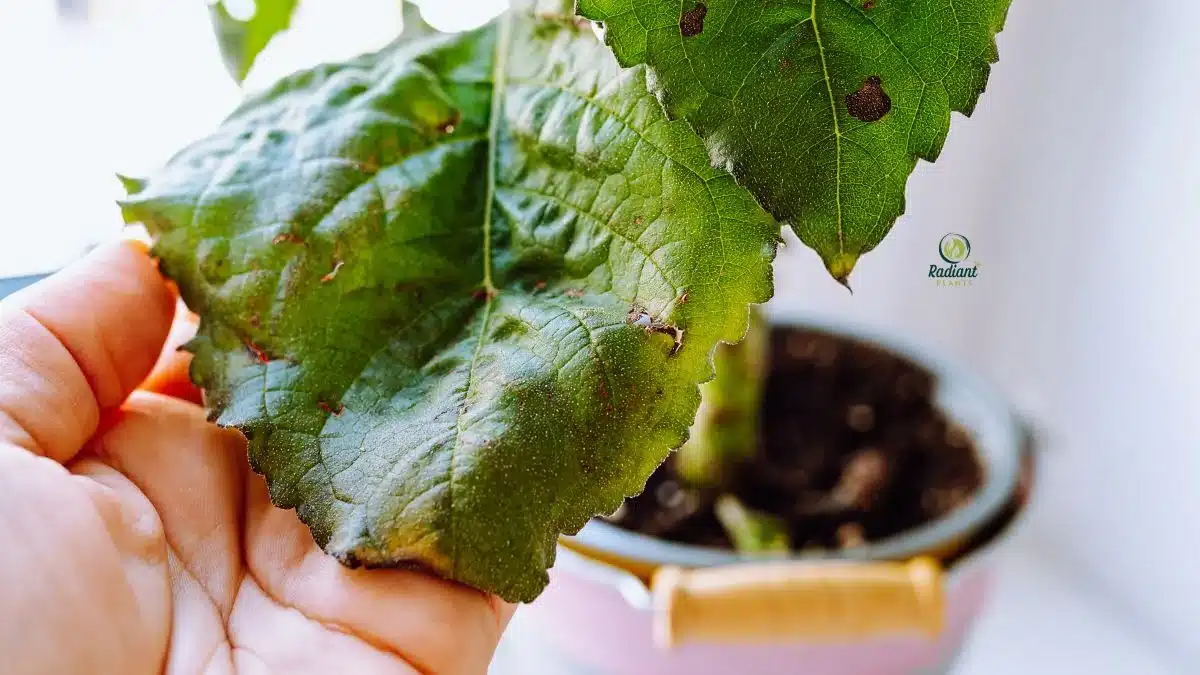
If your plant has spots, yellowing, mildew, rot, or sudden wilting, it can be hard to tell what’s actually wrong. This guide to plant diseases will help you identify the most common warning signs, understand what causes them, and choose the right next step before the problem spreads. You’ll learn how to tell disease apart from pests and care mistakes, what symptoms to watch for, when a plant can recover, and how to prevent future problems. The goal is simple: faster diagnosis, safer treatment, and healthier plants.
in brief
- Learn how to tell whether your plant has a disease, pest problem, or care issue.
- Spot common signs of plant diseases like brown spots, yellow leaves, mildew, rot, and wilting.
- Use a simple step-by-step process to identify the most likely cause fast.
- Find the right treatment and prevention methods to stop the problem from spreading.
- Know when a diseased plant can recover and when it may be time to remove it.
In This Article
What Are Plant Diseases?
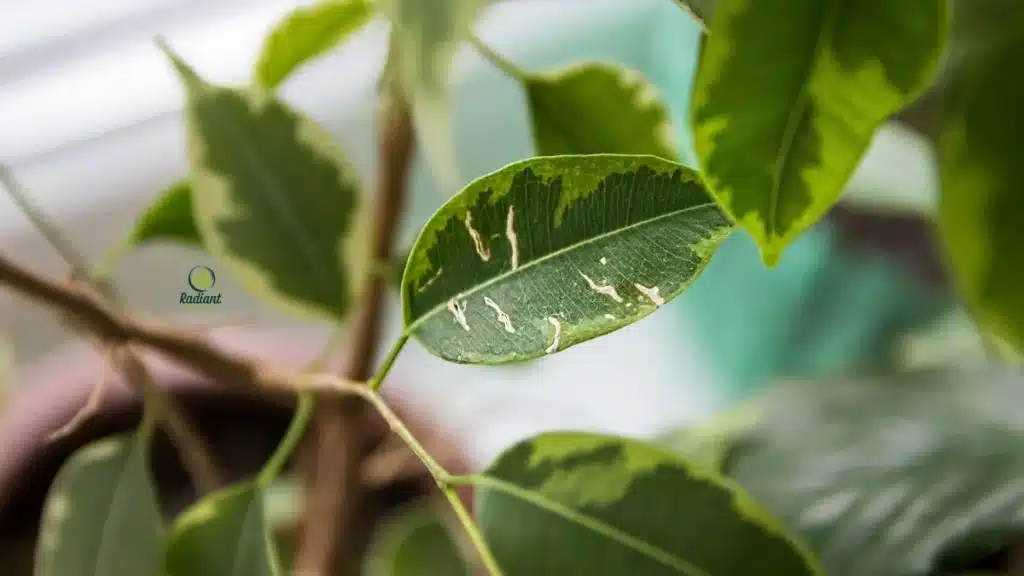
Plant diseases are health problems that interfere with a plant’s normal growth, appearance, or ability to survive. They are usually caused by harmful organisms such as fungi, bacteria, or viruses, but stress, pests, or poor care can also cause plant problems that look serious.
Expert Quote: “A plant disease is anything that prevents a plant from performing at its maximum potential.”
A good starting point is to think of plant diseases as one category of plant problems, not the only category. If your plant has spots, wilting, yellow leaves, fuzzy growth, or rot, the cause might be a disease, but it could also be overwatering, sunburn, nutrient deficiency, or insect damage. That is why correct diagnosis always comes before treatment.
Data point: A large share of plant losses in homes and gardens are linked to environmental stress, poor watering, pests, and disease combined, rather than disease alone.
The 3 main types of plant diseases
Fungal diseases
Fungal diseases are some of the most common plant diseases gardeners deal with. They often show up as:
- white powdery patches
- brown or black leaf spots
- moldy growth
- stem lesions
- root rot
Example: Powdery mildew on leaves or root rot in soggy soil are both common fungal problems.
Fungi usually spread best in damp conditions, poor airflow, crowded plants, or consistently wet soil. That is one reason articles on overwatering, soil mold, and powdery mildew are strong internal linking opportunities here.
Bacterial diseases
Bacterial diseases are caused by bacteria entering the plant through natural openings or damaged tissue. They may cause:
- water-soaked spots
- soft rot
- leaf streaks
- rapid collapse in affected areas
Example: A plant with mushy stems or wet-looking dark patches may have a bacterial issue rather than a fungal one.
These problems can spread through splashing water, contaminated tools, or infected plant material. Good sanitation matters a lot here.
Viral diseases
Viral diseases disrupt the plant’s internal systems and often affect growth patterns more than they cause obvious rot. Symptoms may include:
- mosaic-like leaf patterns
- distorted leaves
- stunted growth
- unusual discoloration
Example: If new leaves come in twisted, patchy, or misshapen and the plant does not improve with better care, a virus may be a possible cause.
Unlike many fungal issues, viral diseases often cannot be cured once the plant is infected. In many cases, management focuses on isolation, removing infected plants, and controlling pests that spread viruses.
Not every plant problem is a disease
This is where many beginners get stuck. A plant can look sick without having a disease at all.
Problems often mistaken for disease include:
- overwatering, which can cause yellow leaves and drooping
- sunburn, which can cause bleached or crispy patches
- nutrient deficiency, which can cause pale leaves or browning edges
- pests, such as spider mites or aphids, which can cause spotting, curling, or sticky residue
Example: Brown spots on leaves might be a fungal leaf spot, but they could also come from fertilizer burn, dry air, or too much direct sun. A yellowing plant might have root rot, or it may simply be sitting in soggy soil with stressed roots.
Shocking Causes of Brown Spots on Plant Leaves & Quick Fixes!
That is why this guide focuses on how to identify and treat plant diseases, rather than just listing them. The goal is to help readers slow down, compare symptoms, and avoid treating the wrong problem.
What to expect from diagnosis and treatment
When you are trying to identify plant diseases, the first step is not to spray something. The first step is to observe what the plant is showing you.
A simple diagnosis process usually includes:
- Look at the leaves, stems, roots, and soil surface.
- Notice whether the problem is spreading.
- Check recent care habits, such as watering, light, humidity, and fertilizer use.
- Look for pests before assuming disease.
- Match the symptoms to the most likely cause.
Treatment depends on the cause. Some fungal problems improve with pruning, better airflow, and changes in watering. Some bacterial issues require removing infected parts and improving sanitation. Viral problems are often harder to manage and may require removing the plant entirely.
Expert tips
- Start with the pattern of damage, not just the color. Random damage, fuzzy growth, and spreading spots often point in different directions.
- Always check the undersides of leaves and the roots if possible.
- Isolate a plant if you suspect a contagious disease or pest problem.
- Take photos over a few days. Changes over time can make diagnosis easier.
- Link readers from here to related topics like root rot, powdery mildew, yellow leaves, and plant pest identification.
Common mistakes
- Assuming every yellow or brown leaf means disease
- Treating before checking watering, drainage, or pests
- Reusing dirty tools between plants
- Ignoring root health and only looking at leaves
- Using a fungicide when the problem is actually bacterial, viral, or environmental
This section sets up the rest of the article well. First, it clearly defines plant diseases, then helps the reader understand that successful treatment starts with identifying whether the problem is truly a disease.
Is It Really a Disease, or Something Else?
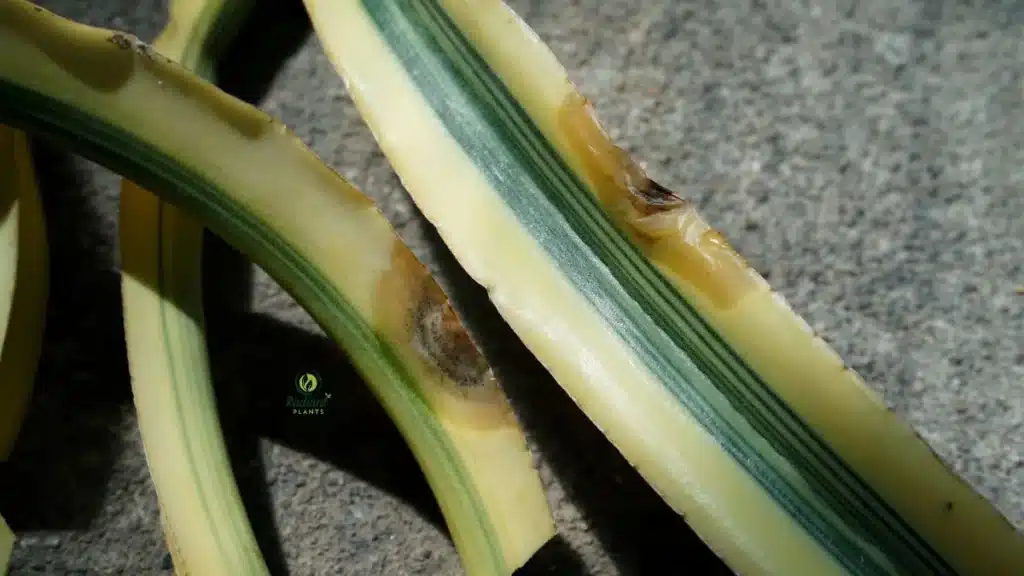
Not every sick-looking plant has a disease. Many common plant problems that look like plant diseases are actually caused by watering mistakes, too much sun, nutrient imbalance, or pest damage, so treating too early with the wrong product can waste time and make the problem worse.
The best approach is to look at the pattern of symptoms before doing anything else. Ask: Is the damage spreading? Is it fuzzy, soft, or wet? Is it affecting old leaves, new leaves, or the whole plant evenly? Those clues help you separate disease from stress.
Why plant problems get misdiagnosed
This is one of the biggest mistakes home gardeners make. A plant with yellow leaves may have root rot, but it may also be overwatered without an infection. White marks on leaves might be powdery mildew, or they could be mineral residue. Brown patches may look like leaf disease, but they can come from sunburn, dry air, or fertilizer buildup.
Misdiagnosis matters because the fix is different in each case:
- A fungal disease may call for pruning, better airflow, and moisture control
- Overwatering needs less water and better drainage
- Nutrient deficiency needs correction, not fungicide
- Pests need identification and targeted treatment
That is why this guide focuses on identifying plant diseases correctly before treatment. This section also creates strong internal linking opportunities to related pages, such as overwatering, sunburn on plants, nutrient deficiency in plants, plant pest identification, and root rot.
Quick comparison: disease vs other common plant problems
Problem type | Common signs | Pattern to watch for | What to check first |
|---|---|---|---|
Plant disease | spreading spots, fuzzy growth, rot, lesions, collapse | Often spreads over time or worsens despite care | leaves, stems, roots, nearby plants |
Pests | stippling, holes, sticky residue, webbing, distorted leaves | Damage often appears with visible insects or residue | leaf undersides, stems, and new growth |
Overwatering | drooping, yellow leaves, soggy soil, mushy roots | often affects the whole plant or lower leaves first | soil moisture, drainage, root condition |
Underwatering | dry soil, limp leaves, crispy edges, leaf drop | plant perks up after watering if caught early | soil dryness, pot weight, root ball |
Sunburn | bleached patches, scorched spots, crispy edges | appears on the side facing direct light | light exposure, recent move to a brighter spot |
Nutrient deficiency | pale leaves, interveinal yellowing, slow growth | Often follows a visible pattern by leaf age | fertilizing history, soil quality, pH |
for deficiency patterns by leaf age and nutrient mobility
Signs it may be a disease
Some symptoms are more likely to point toward true plant diseases, especially when they spread or worsen even after basic care is corrected.
Spreading spots
Brown, black, or tan spots that grow larger or appear on more leaves over time can suggest fungal or bacterial disease. Some leaf spots also develop halos or irregular margins.
Fuzzy growth
White, gray, or mold-like growth on leaves, stems, or soil often suggests a fungal issue. Powdery mildew is one common example, but not every white mark is fungal, so surface residue should still be checked first.
Rotting tissue
Soft, mushy stems, dark, collapsing tissue, or foul-smelling roots are warning signs that the problem may be more than simple stress. Root rot and soft rot can both present this way.
Plant decline despite proper care
If the watering, light, and temperature are appropriate but the plant continues to decline, disease becomes more likely. This is especially true when symptoms spread to multiple leaves or nearby plants.
for signs and progression of fungal, bacterial, and root diseases
Signs it may be a care problem or pest issue
Many common issues look dramatic but are not infectious plant diseases. These often improve once the care issue is fixed or the pest is controlled.
Crispy edges from dry air or sun
Dry, brown, papery edges are often linked to underwatering, low humidity, salt buildup, or too much direct sun rather than disease. Sunburn usually shows up on the side of the plant facing the light source.
Sticky residue from pests
Sticky leaves often point to sap-sucking pests such as aphids, whiteflies, or scale, which leave behind honeydew. That residue can later lead to sooty mold, making the problem look more like a disease than it started.
Uniform yellowing from watering or nutrition issues
When many leaves yellow in a more even pattern, think first about overwatering, poor drainage, or nutrient deficiency. Disease-related yellowing is often accompanied by spotting, lesions, or tissue collapse rather than simple, uniform fading.
for honeydew/sooty mold link and watering-related yellowing patterns
Before you assume a disease, check these 5 things
Use this quick checklist before buying a treatment or throwing away the plant.
- Check the soil moisture.
Is the soil soggy, bone dry, or compacted? Watering mistakes cause many false alarms of disease. - Inspect the roots if possible.
Healthy roots are usually firm and light-colored. Dark, mushy, or foul-smelling roots suggest rot. - Look under the leaves for pests.
Aphids, spider mites, whiteflies, and thrips can cause spots, curling, yellowing, and residue. - Review recent changes.
Has the plant been moved into stronger sun, repotted, fertilized, or exposed to cold drafts? - Watch the pattern of damage.
Is it spreading leaf to leaf? Is it only on exposed leaves? Is the whole plant affected evenly?
This checklist works well as a bridge to related internal pages, such as yellow leaves, brown spots on plant leaves, white spots on plant leaves, and plant shock.
Real example: when overwatering looks like a disease
A common case is a houseplant with yellowing leaves, brown patches, and drooping stems. At first glance, it looks like a classic plant disease. But when the grower checks the pot, the soil stays wet for days, the drainage is poor, and the roots are soft.
In that situation, the main issue may be overwatering first, with rot developing second. Treating only the visible leaf symptoms without addressing the watering and drainage problems will not solve the problem. This is why symptom-based diagnosis matters more than jumping straight to a spray.
Common mistakes
- Assuming every spot or yellow leaf means infection
- Using fungicide before checking roots, light, or pests
- Ignoring soil moisture and drainage
- Looking only at the top of the leaves and not underneath
- Treating nutrient deficiency like a disease
- Missing pest signs such as webbing, specks, or sticky residue
Expert tip
Focus on the pattern, not just the symptom. A single symptom like yellowing can come from several causes, but the way it appears—uniform, patchy, spreading, fuzzy, wet, crispy, or tied to one side of the plant—usually tells the real story.
When readers understand this section, they are much less likely to misdiagnose plant diseases and much more likely to choose the right next step.
The Most Common Signs of Plant Diseases
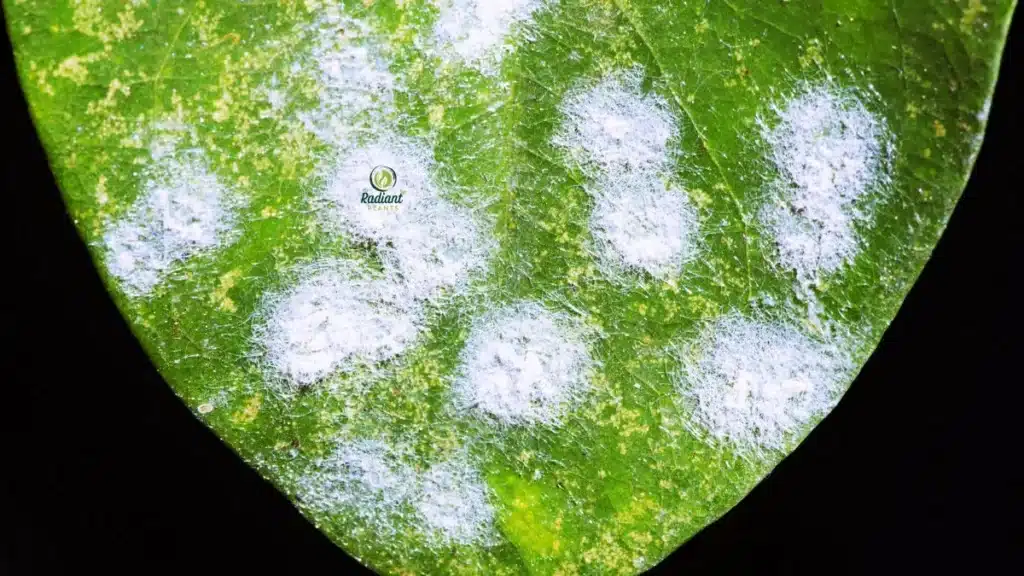
The most common signs of plant diseases are unusual spots, fuzzy growth, yellowing, wilting, rot, and distorted new growth. The fastest way to diagnose a problem is to start with the symptom you can see, then narrow down the likely causes before treating.
A symptom-first approach matters because a single sign does not always point to a single cause. Yellow leaves, for example, might come from root rot, overwatering, nutrient deficiency, or natural aging. Brown spots could be fungal leaf spot, sun damage, or fertilizer burn. The goal here is to recognize the most important warning signs and understand what they may suggest.
Data point: Many common leaf symptoms in home gardens and landscapes are linked to fungal pathogens, especially leaf spots, mildews, and blights, but the exact share varies by crop and setting.
Start with the pattern, not just the color
Before you assume a plant has a disease, ask a few basic questions:
- Is the problem spreading?
- Is it only on old leaves, new leaves, or the whole plant?
- Are the roots, stems, and soil showing symptoms too?
- Is the tissue dry and crispy, or soft and wet?
- Are there pests, webbing, or sticky residue present?
This symptom-first approach creates natural internal linking to related topics such as brown spots on plant leaves, yellow leaves on plants, white spots on plant leaves, root rot, and mold on soil.
Brown or black spots
Brown or black spots are among the most recognizable signs of plant diseases. They often appear on leaves first and may be round, irregular, water-soaked, sunken, or ringed with a yellow halo.
What they may suggest:
- fungal leaf spot
- bacterial leaf spot
- blight
What else can cause them:
- sunburn
- fertilizer burn
- physical damage
- low humidity stress
Example: A pothos with small dark spots that slowly spread from leaf to leaf may point toward a disease issue, while a plant with a few scorched brown patches on the sun-facing side may be dealing with sun damage instead.
White powder or fuzz
White powdery or fuzzy growth often suggests a fungal problem. Powdery mildew is one of the most common examples and usually appears as a dusty coating on leaves, stems, or buds.
What they may suggest:
- powdery mildew
- mold or fungal growth on plant surfaces
- saprophytic fungal growth on decaying matter
What else can cause a similar look:
- hard water or mineral residue
- dust buildup
- pest residue in some cases
Example: White powder on the upper leaf surface of a garden plant often raises concern for mildew, while chalky residue on a houseplant may come from misting with mineral-heavy tap water.
Yellowing leaves
Yellowing leaves are common, but they are not specific to disease. In the context of plant diseases, yellowing often matters most when it appears along with spots, rot, lesions, or poor root health.
What they may suggest:
- root rot
- vascular disease
- leaf spot progressing across the tissue
What else can cause them:
- overwatering
- underwatering
- nutrient deficiency
- normal leaf aging
- plant shock
Example: A peace lily with widespread yellow leaves in constantly wet soil may have root stress or rot, while a single older leaf turning yellow at the base may be normal aging.
Wilting
Wilting is another symptom people often connect to plant diseases, but it can have several causes. Disease-related wilting usually does not improve much after watering or returns quickly, even when soil moisture seems adequate.
What they may suggest:
- root rot
- stem rot
- vascular wilt diseases
What else can cause them:
- dry soil
- heat stress
- transplant shock
- root-bound conditions
Example: A tomato plant that wilts even when the soil is moist may point to a deeper problem than simple thirst.
Mushy stems or roots
Soft, mushy, collapsing tissue is one of the strongest warning signs that a serious disease process may be involved. This is especially important when paired with dark discoloration, foul odor, or soggy soil.
What they may suggest:
- root rot
- stem rot
- soft rot
What else can contribute:
- chronic overwatering
- poorly draining soil
- cold, wet root conditions
Example: A snake plant with a soft base and blackened roots is more concerning than a plant with only a few dry brown leaf tips.
Leaf distortion
Twisted, puckered, curled, or misshapen leaves can sometimes indicate plant diseases, especially viral infections that affect new growth. But leaf distortion is also common with pests and chemical stress.
What they may suggest:
- viral infection
- fungal or bacterial infection affecting new growth
What else can cause them:
- aphids
- thrips
- herbicide drift
- inconsistent watering
Example: New leaves that emerge small, twisted, and mottled may require closer inspection for both pests and viral symptoms.
Mold on soil or plant surfaces
Visible mold or fungal growth on the soil surface or around plant tissue often signals excess moisture, poor airflow, or decaying material. It does not always mean the plant itself is infected, but it does mean the environment may be conducive to disease.
What they may suggest:
- fungal-friendly growing conditions
- decaying organic matter
- possible disease pressure if roots or stems are also affected
What else to check:
- drainage
- potting mix condition
- watering frequency
- nearby infected tissue
Example: White fuzzy mold on houseplant soil may mostly be due to moisture and airflow issues, while mold paired with collapsing stems and foul-smelling roots is more serious.
Leaf Symptoms
Leaf symptoms are usually the first thing people notice. They are useful clues, but they need context because many leaf changes overlap with watering, pest, and nutrient problems.
Spots
Spots may be brown, black, tan, or even pale with darker edges. Spreading spots, especially those with halos or wet-looking centers, are more suggestive of disease than a single isolated patch.
Yellowing
Yellowing matters most when it appears alongside other warning signs, such as lesions, soft stems, mold, or poor root development. Uniform yellowing across the whole plant often points first to care issues rather than disease.
Curling
Curled leaves can happen with disease, but they are also common with pests, heat stress, and inconsistent watering. Check the undersides of leaves before assuming infection.
Blotches
Irregular blotches or discolored patches may signal infection, chemical injury, or sun stress. Pattern matters: disease often spreads, while sun damage is often limited to exposed areas.
Example:
- Houseplant pattern: pothos or philodendron leaves with spreading dark spots and yellow halos
- Garden plant pattern: cucumber or squash leaves with white powdery growth and blotchy yellowing
Stem, Root, and Soil Symptoms
When symptoms go beyond the leaves, the chance of a serious issue often increases. Roots, stems, and the soil surface can reveal whether the problem is active disease, poor growing conditions, or both.
Stem lesions
Dark, sunken, wet, or cracked areas on stems can point to disease, especially if they expand over time. Stem lesions are more concerning than dry cosmetic marks.
Root rot
Root rot is one of the most important signs to check for below the soil. Roots that should be firm and pale become brown, black, mushy, and fragile when rot sets in.
Foul smell
A sour or rotten smell around the soil or roots often suggests decaying tissue and poor root health. Healthy potting mix and healthy roots should not smell rotten.
Mold or fungal growth
Mold on the soil surface often reflects excess moisture and weak airflow. That alone does not prove a disease within the plant, but it is a sign that the environment may be encouraging it.
Example:
- Houseplant pattern: soggy soil, white mold on top, yellow leaves, and soft roots
- Garden plant pattern: stem lesions near the soil line after long wet weather
Expert tips
- Check symptoms in more than one place: leaves, stems, roots, and soil together tell a better story than leaves alone.
- Look at new growth versus old growth. Disease, nutrient issues, and pests often affect different parts of the plant first.
- Take a photo every day for a few days. Spreading symptoms are often easier to identify over time.
- Inspect nearby plants too. Some plant diseases spread, while isolated damage may point more toward stress or care issues.
- Use this section to guide readers into more specific pages like powdery mildew, root rot, plant pest identification, and nutrient deficiency in plants.
Common mistakes
- Treating every leaf spot as a fungal disease
- Ignoring roots and only examining the leaves
- Confusing mineral residue or dust with mildew
- Assuming yellow leaves always mean overwatering
- Missing pests that are causing curling, speckling, or blotches
- Focusing on one symptom without looking at the overall pattern
The key takeaway is simple: the most common signs of plant diseases are visible clues, not final answers. The real diagnosis comes from matching the symptom pattern with what is happening across the whole plant.
How to Identify Plant Diseases Step by Step
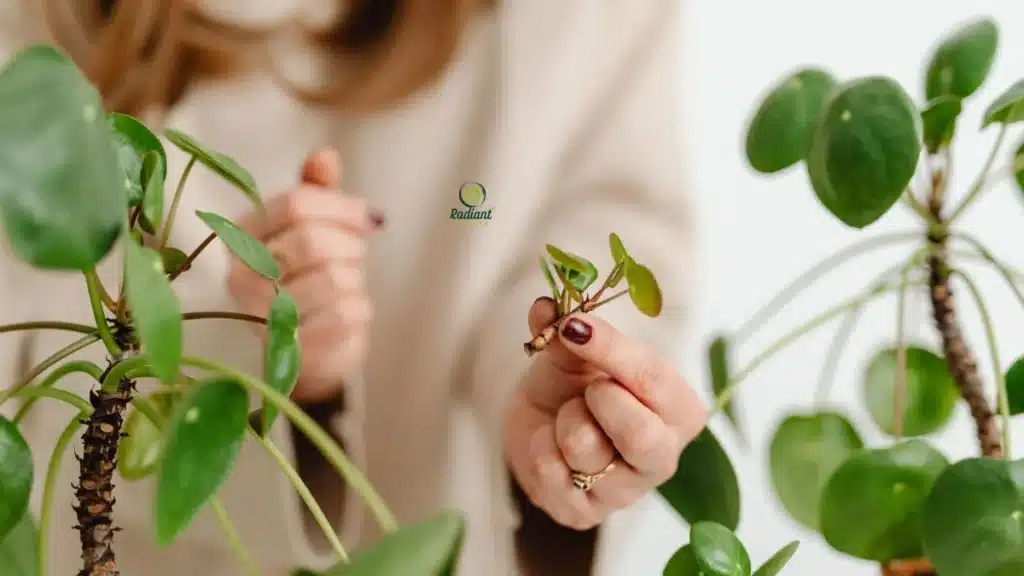
The best way to identify plant diseases is to follow a simple diagnostic process rather than guessing from a single symptom. Start by checking the whole plant, then narrow the problem down by looking at where symptoms appear, whether they are spreading, what the roots and soil look like, and what care conditions may have triggered the issue.
Correct diagnosis matters because the same symptom can have very different causes. Spots, yellowing, wilting, and white growth can all be signs of disease, but they can also come from pests, overwatering, sunburn, or nutrient stress. A step-by-step process helps you avoid treating the wrong problem.
Expert Quote: Proper plant diagnosis starts with careful observation of symptoms, plant parts affected, and recent growing conditions before any treatment is chosen.
5-step home diagnosis process
Use this checklist before you buy a treatment, prune heavily, or throw the plant away:
- Inspect the entire plant closely
Check leaf tops, leaf undersides, stems, and new growth. - Look at the roots and soil
Check for mushy roots, bad smells, compacted soil, or drainage problems. - Review recent care conditions
Think about watering, humidity, light, airflow, repotting, and fertilizer use. - Isolate the plant if disease is possible
Keep it away from nearby plants until you better understand the problem. - Take photos and monitor changes
Compare symptoms over a few days to see whether the issue is spreading, stabilizing, or improving.
This process also creates strong internal linking opportunities to related pages, such as plant pest identification, overwatering, root rot, powdery mildew, and nutrient deficiency.
Why isolation matters
If you suspect plant diseases, isolate the plant early. Some diseases spread through splashing water, contaminated hands or tools, shared humidity, infected soil, or close plant-to-plant contact. Isolation gives you time to inspect the plant without putting nearby plants at the same risk.
Isolation is especially important if you notice:
- fast-spreading spots
- white or gray fungal growth
- mushy stems
- bad-smelling roots
- similar symptoms beginning on nearby plants
It is a low-risk first step and often one of the smartest early decisions.
Step 1: Inspect the Plant Closely
Start with the parts you can see right away. Many people only look at the top of the leaves, but a proper diagnosis should include:
- leaf tops
- leaf undersides
- stems
- leaf joints
- crown or base of the plant
- nearby plants showing similar symptoms
Where symptoms appear first
Where the problem starts often gives useful clues.
- Older lower leaves first may point toward watering stress, root issues, or normal aging
- New growth first may point toward pests, nutrient issues, or some infections
- Only sun-facing leaves may suggest sunburn rather than disease
- Scattered, spreading leaves may suggest fungal or bacterial problems
Do not focus only on color. Pay attention to the pattern:
- Is the damage random or uniform?
- Is it dry and crispy, or wet and soft?
- Are there spots, halos, fuzz, webbing, or sticky residue?
Whether symptoms are spreading
One of the most important questions is whether the symptoms are getting worse over time. Many true plant diseases spread from one leaf to another, expand in size, or show up on more than one part of the plant.
Signs that a disease may be spreading include:
- More spots are appearing every few days
- fuzzy growth expanding across leaf surfaces
- stems softening or darkening
- nearby plants beginning to show similar symptoms
Taking photos helps here. A photo today and another in two or three days can reveal progression much more clearly than memory alone.
What to inspect on the leaves and stems
As you inspect, look for:
- brown, black, or tan spots
- white powder or fuzzy growth
- yellow halos around lesions
- holes or chewing damage
- sticky residue
- distorted or twisted new leaves
- stem lesions or soft areas
Common mistake: Seeing spots and assuming fungus without checking for pests on the undersides of leaves.
Step 2: Check the Roots and Soil
If the leaves look bad, the roots may be the real problem. Root and soil checks are essential because many serious plant issues start below the surface.
Signs of rot
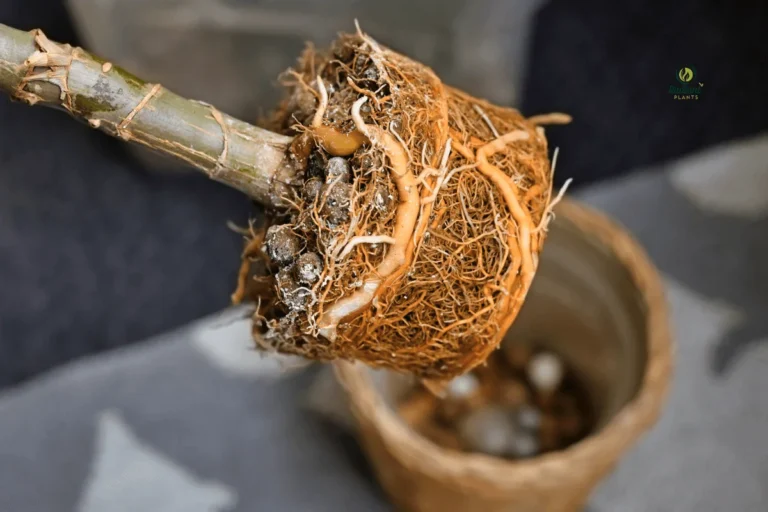
Healthy roots are usually firm and light in color. Rotting roots are often:
- brown or black
- mushy
- slimy
- easy to pull apart
Mushy roots are one of the strongest warning signs that root rot may be involved. In many cases, rot develops after overwatering or poor drainage, which is why root checks are so important before assuming the issue is only on the leaves.
Drainage issues
Check whether the pot or growing area is keeping the roots too wet.
Look for:
- standing water in saucers
- compacted potting mix
- no drainage holes
- soil that stays wet for days
- dense or broken-down potting media
Poor drainage does not always mean a pathogen is present, but it creates conditions that make plant diseases like root rot much more likely.
Smell and texture clues
The smell of the soil can tell you a lot.
- Healthy soil should smell earthy
- Rotting soil or roots may smell sour, swampy, or rotten
- White fuzzy mold on the surface often points to excess moisture and low airflow, more than a deep plant infection
Texture matters too:
- Soggy, cold, heavy soil suggests overwatering
- Crusty topsoil may suggest uneven watering or salts
- Compacted soil can trap moisture and weaken root health
Real example: A houseplant with yellowing leaves and drooping stems looked like it had a leaf disease. But when the grower checked the pot, the soil was waterlogged, and the roots were brown and soft. The main problem was poor drainage and root rot, not a leaf-only disease. That kind of home diagnosis can save time and prevent the wrong treatment.
Step 3: Review Recent Care Conditions
Once you inspect the plant itself, look at what changed around it. Care conditions often explain why symptoms appeared when they did.
Watering habits
Ask:
- Have you been watering on a fixed schedule instead of checking the soil?
- Has the soil stayed wet too long?
- Did the plant dry out hard, then get soaked again?
Both overwatering and underwatering can create symptoms that resemble plant diseases. Overwatering is especially important because it weakens roots and increases the risk of disease. This is a good place to link internally to overwatering plants and root rot.
Humidity
High humidity can encourage fungal growth, especially when airflow is poor. Very low humidity can cause dry edges and stress symptoms that users may mistake for disease.
Airflow
Crowded plants and stagnant air make it easier for fungal problems to develop and harder for wet foliage to dry.
Recent repotting or fertilizer use
Recent changes can explain sudden symptoms:
- Repotting may cause temporary shock
- Fertilizer overuse can burn roots and leaf edges
- New soil or reused pots may introduce stress or contamination
These clues matter because not every decline is caused by disease. Sometimes the plant is reacting to change, stress, or a care mistake.
Expert tips
- Inspect the undersides of leaves first if you see spotting, curling, or discoloration
- Always check roots and soil before using a treatment
- Compare the plant to others nearby to see whether the issue is isolated or spreading
- Take clear photos in natural light and track changes over several days
- Write down any recent changes in care, since timing often helps explain symptoms
Common mistakes
- Diagnosing from one leaf instead of the whole plant
- Ignoring roots and focusing only on visible leaf damage
- Not isolating a plant when disease is possible
- Treating before checking for pests
- Forgetting recent changes like repotting, fertilizing, or stronger sun
- Assuming all spreading problems are fungal
The key to identifying plant diseases is not speed. It is a sequence. Check the plant closely, inspect roots and soil, review care conditions, isolate if needed, and watch how symptoms change before deciding on treatment.
Common Plant Diseases and What They Look Like
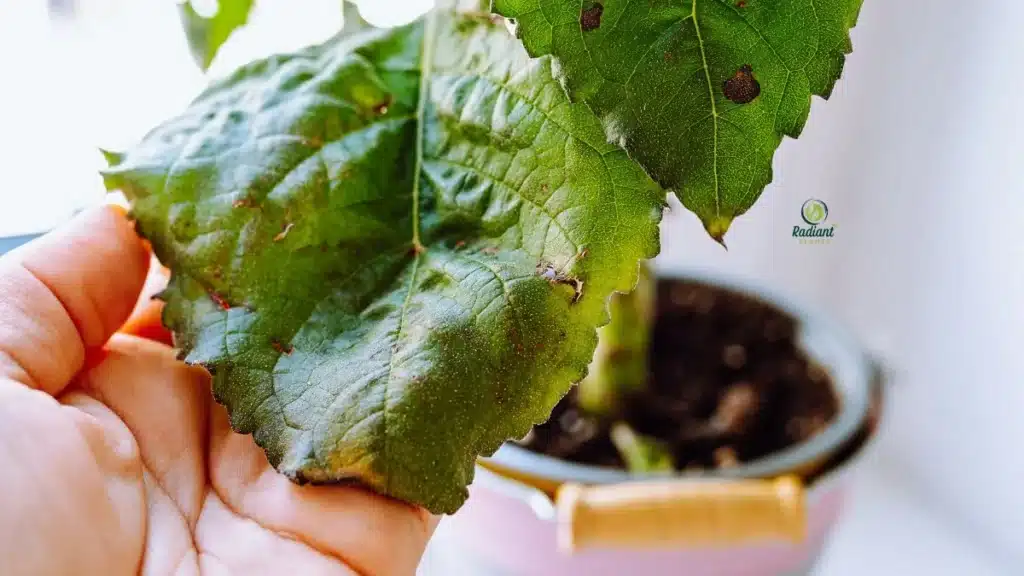
The most common plant diseases home gardeners encounter are fungal problems such as powdery mildew, root rot, and leaf spot, along with broader issues like blight, rust, and surface mold. The easiest way to use this section is to match what you see—powdery coating, mushy roots, spreading spots, or rust-colored patches—to the most likely problem before deciding what to do next.
This is a practical overview, not a lab diagnosis. Many symptoms overlap, so use these descriptions to narrow the cause, then confirm by checking watering, airflow, soil condition, and whether the problem is spreading.
Disease | Visual signs | Likely cause | First treatment step |
|---|---|---|---|
Powdery mildew | white powdery coating on leaves and stems | Fungal growth is encouraged by humidity and poor airflow | isolate plant, remove worst leaves, improve airflow |
Root rot | yellowing, drooping, mushy dark roots, sour smell | overwatering, poor drainage, fungal or water-mold pathogens | unpot plant, inspect roots, trim rot, repot in fresh mix |
Leaf spot | brown, black, or tan spots, sometimes with yellow halos | fungal or bacterial infection | remove affected leaves, avoid wet foliage, improve spacing |
Blight | fast browning, collapse, dead patches on leaves or stems | aggressive fungal or bacterial disease | prune infected tissue, isolate, improve sanitation |
Rust | orange, rust-colored pustules or specks, usually on the underside of leaves | fungal infection | remove affected leaves, reduce leaf wetness, increase airflow |
Surface mold | fuzzy growth on soil or plant debris | excess moisture, low airflow, decaying material | reduce watering, improve airflow, remove decaying debris |
for disease cause descriptions and first-response best practices
Powdery Mildew
Powdery mildew is one of the easiest plant diseases to recognize because it usually looks like white powder dusted across leaves, stems, or buds. It often starts in small patches and spreads if the conditions stay favorable.
What it looks like
- white or pale gray powdery coating
- patches on upper leaf surfaces, stems, or flower buds
- leaves may yellow, curl, or dry out as the problem worsens
Common conditions that trigger it
- poor airflow
- crowding
- humid conditions around foliage
- Repeated leaf moisture in some settings
Common plant types affected
- roses
- cucumbers and squash
- zinnias
- bee balm
- Many houseplants in stagnant indoor air
Example: On an outdoor zucchini plant, powdery mildew often starts as white dusty patches on older leaves. On indoor plants, it may show up when foliage stays crowded, and airflow is poor.
First move: Remove the worst-affected leaves, separate crowded plants, and improve airflow before reaching for treatments. This section naturally links to a dedicated article on powdery mildew.
Root Rot
Root rot is one of the most serious plant diseases because damage occurs below the soil surface first. By the time the leaves look bad, the roots may already be failing.
What it looks like
Above the soil, you may notice:
- yellowing leaves
- drooping that does not improve much after watering
- stunted growth
- leaf drop
Below the soil, you may find:
- brown or black roots
- mushy, slimy roots
- roots that fall apart easily
- sour or rotten smell
Overwatering connection
Root rot is strongly linked to wet conditions. Overwatering, poor drainage, compacted potting mix, or pots without drainage holes can weaken roots and create conditions that allow rot organisms to thrive.
That makes this a strong internal linking opportunity to overwatering plants and mold on the soil.
Warning signs above and below the soil
- leaves yellowing evenly or collapsing
- wet soil that stays soggy for days
- soft crown or stem base
- roots that are dark instead of firm and pale
Example: A pothos with drooping vines and yellow leaves may look thirsty, but if the potting mix is soaked and the roots are mushy, root rot is the more likely issue.
First move: Take the plant out of the pot, inspect the roots, trim obviously rotten sections, and repot into fresh, fast-draining mix if enough healthy roots remain.
Leaf Spot
Leaf spot is a broad term for spot-like lesions on foliage. It is one of the most common categories of plant diseases because many fungal and bacterial problems first show up this way.
What it looks like
- brown, black, tan, or gray spots
- round or irregular shapes
- dry or water-soaked appearance
- spots that may merge into larger dead patches
Halo effects
Some leaf spots develop a yellow ring or halo around the damaged area. That can be a useful clue, though it is not enough on its own to confirm the exact cause.
Spotting patterns
Look for:
- spots starting on the lower leaves
- spreading from leaf to leaf
- increasing after wet weather or overhead watering
- similar lesions on nearby plants
Example: On a tomato or pepper plant, leaf spot may begin as small dark dots that slowly expand. On a houseplant, repeated spotting on multiple leaves can point to persistent moisture on foliage or poor air circulation.
First move: Remove heavily spotted leaves, avoid wetting the foliage if possible, and increase spacing or airflow. This section links naturally to brown spots on plant leaves.
Blight, Rust, and Mold Problems
Gardeners often group these plant problems because they all cause visible damage quickly, but they are not the same.
Blight
Blight usually describes rapid browning, collapse, or death of plant tissue. It can affect leaves, stems, flowers, or whole sections of the plant.
What users may notice first:
- sudden blackening or browning
- large dead patches
- fast decline compared with a mild leaf spot
Example: A garden plant may look healthy one week, then show large, collapsing sections after warm, wet weather.
Rust
Rust is usually recognized by orange, rusty, reddish, or brown pustules, often on the undersides of leaves. It can also cause yellowing on the top of the leaf.
What users may notice first:
- orange dust-like spots
- tiny raised pustules
- yellow patches opposite the rust lesions
Example: Rust is common on some ornamentals and can spread more easily when foliage stays damp, and airflow is poor.
Mold problems
“Mold” can mean a few different things in everyday gardening. Sometimes it refers to harmless fungal growth on the soil surface or decaying debris. At other times, it signals that the environment is sufficiently moist for more serious problems.
What users may notice first:
- fuzzy white or gray growth on soil
- mold on dead plant debris
- fungal-looking growth on stems or leaves
Why airflow and moisture matter
Many fungal-type plant diseases get worse when:
- leaves stay wet
- plants are crowded
- Humidity stays high around foliage
- Air movement is weak
- Dead tissue is left in place
This makes airflow and watering habits among the most important preventive measures in the article.
Indoor and outdoor examples
Indoor example:
A peace lily with yellowing leaves, soft roots, and surface mold on the potting mix is more likely to be dealing with excess moisture and root rot than a leaf-only problem.
Outdoor example:
A rose bush with white powdery coating on leaves or a tomato with spreading dark leaf spots is more likely to be dealing with a fungal disease pattern than simple sun stress.
Data point
Many fungal plant problems become more noticeable during warm, humid periods or when foliage stays wet for long stretches, which is why disease pressure often rises seasonally outdoors and in poorly ventilated indoor spaces.
Expert tips
- Match the texture of the symptom first: powdery, mushy, spotted, rusty, or fuzzy
- Check whether symptoms are limited to leaves or also involve stems, roots, and soil
- Look at recent conditions: wet weather, crowding, poor drainage, or overhead watering often provide strong clues
- Do not assume every moldy-looking surface means the plant tissue itself is infected
- Use this section to direct readers to more specific pages, like root rot, powdery mildew, brown spots, and mold on soil
Common mistakes
- Treating all white growth as powdery mildew without checking for mineral residue or surface mold
- Assuming yellow leaves always mean nutrient deficiency when the roots may be rotting
- Ignoring the potting mix and root zone
- Waiting too long when rot or blight is moving quickly
- Treating visible symptoms without fixing moisture and airflow problems
The main takeaway is simple: common plant diseases often announce themselves through a few repeat patterns—powdery coating, mushy roots, spreading spots, rust-colored lesions, or fast browning. Once you know what those patterns look like, diagnosis gets much faster.
FAQs About Plant Diseases
What are the most common plant diseases?
Common plant diseases home gardeners see most often include powdery mildew, leaf spot, root rot, rust, blight, and viral problems. They usually show up as white powder, brown or black spots, yellowing, wilting, mushy roots, or distorted leaves. (UC Agriculture and Natural Resources)
How do I know if my plant has a disease or just a care problem?
Start with the pattern. Disease is more likely when symptoms spread, tissue turns soft or rotten, or you see fungal growth. But leaf spots, yellowing, wilting, and deformities can also come from non-disease causes, so check watering, roots, pests, and recent care changes first. (UC Agriculture and Natural Resources)
Can a diseased plant recover?
Sometimes, yes. Plants often recover when the problem is caught early, and roots or stems are still mostly healthy. Viral infections are a major exception: University of Minnesota Extension says infected plants will not recover and should be removed to prevent spread. (University of Minnesota Extension)
How do I stop plant disease from spreading?
Isolate the plant right away, avoid overhead watering if leaves are affected, remove badly damaged tissue, and clean tools after each use. UC IPM specifically advises isolating houseplants as soon as you detect insect, mite, or disease problems to help prevent spread. (ipm.ucanr.edu)
Plant problems are easier to handle when you slow down and look at the full pattern. The key is to tell true plant diseases apart from pests, watering issues, and other care mistakes, then match the treatment to the likely cause. Early action, better growing conditions, and regular checks can stop many problems from spreading. If your plant is declining quickly or the cause is still unclear, use this guide as a starting point and take the next step before the damage worsens.